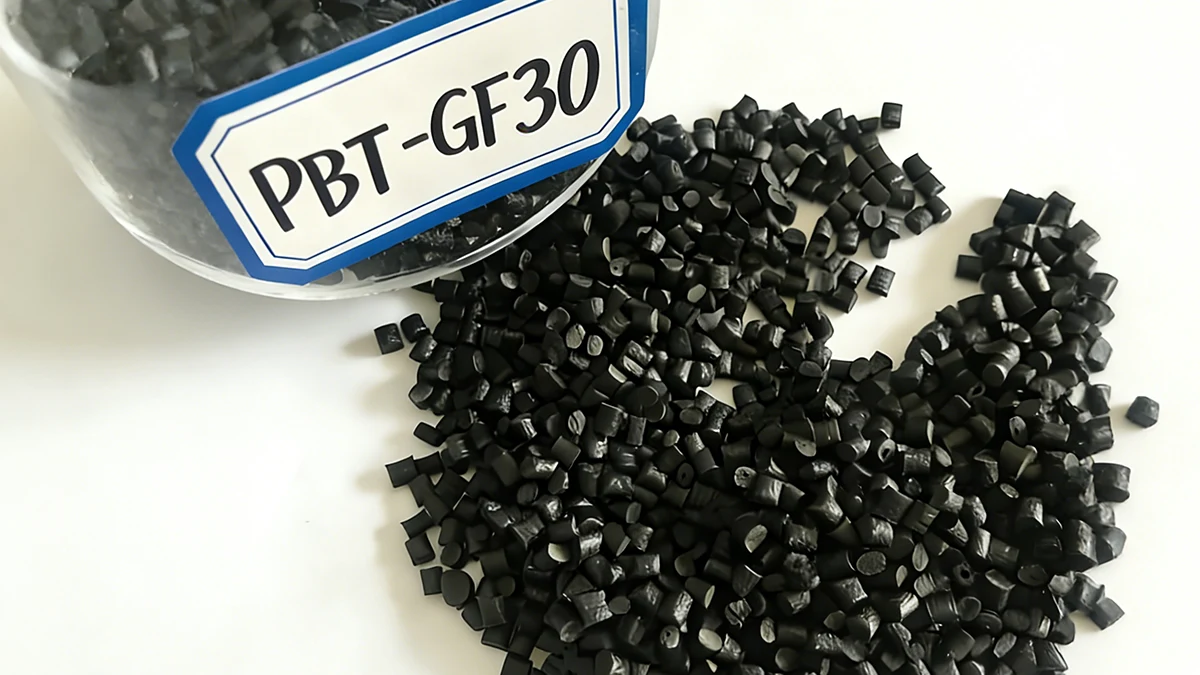
Polystyrene (PS) and Polypropylene (PP) are vital plastics with unique properties for various uses.As a plastic granule supplier, we guide clients in choosing between PS, ideal for disposable food containers and transparent blister packaging, and PP, widely used in car battery cases and reusable storage boxes due to its toughness and chemical resistance.This comparison covers their differences, applications, safety, and recyclability.
What Is Polystyrene (PS)?
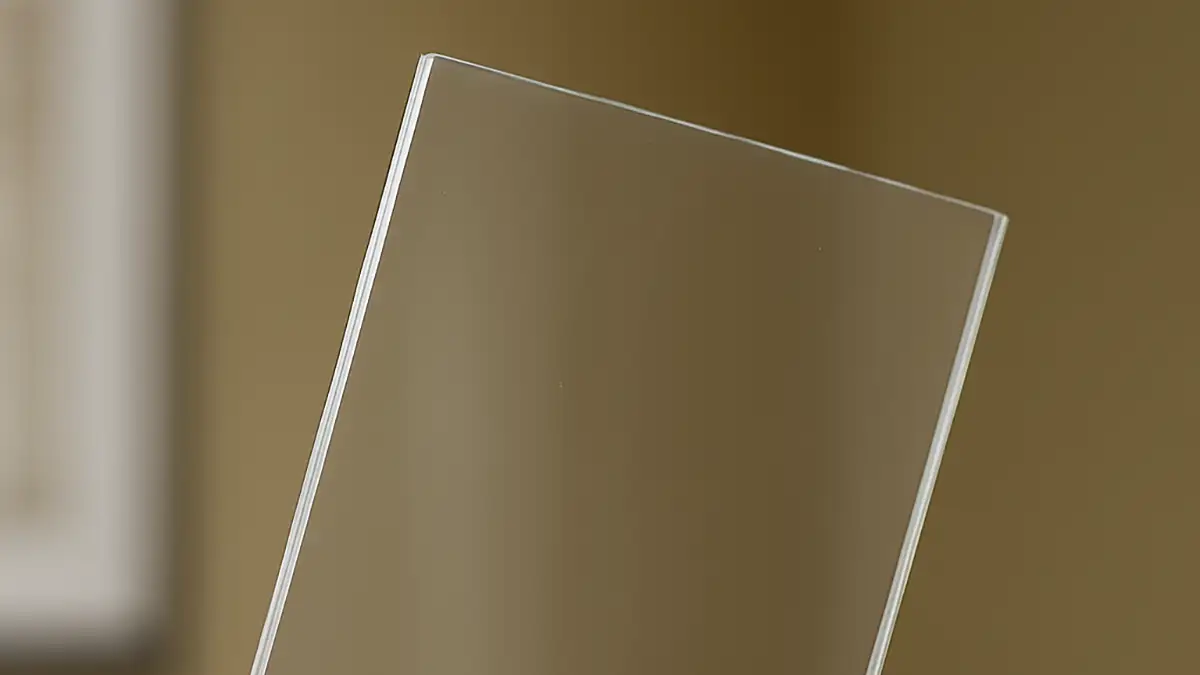
Polystyrene, or PS, is a rigid and transparent thermoplastic derived from styrene. It comes in two main forms: general-purpose polystyrene (GPPS), which is clear and brittle, and high-impact polystyrene (HIPS), which is tougher. PS is prized for its excellent clarity and ease of molding, making it a staple for products where aesthetics matter. It’s a fantastic option for high-quality plastic granules in specific use cases.
What Is Polypropylene (PP)?

Polypropylene, often abbreviated as PP, is a versatile thermoplastic known for its toughness and flexibility. Made from propylene monomers, it’s a go-to material for applications requiring durability. PP is resistant to chemicals, heat, and fatigue, making it a favorite among manufacturers looking for reliable plastic granules. Its lightweight nature and ability to withstand repeated bending add to its appeal.
Comparison of polystyrene vs polypropylene
Polystyrene (PS) and Polypropylene (PP) are both lightweight thermoplastics, but they differ notably in clarity, durability, thermal behavior, and chemical performance. The following table presents a concise, application-focused comparison of their core properties:
| Property | Polystyrene (PS) | Polypropylene (PP) |
|---|---|---|
| Clarity | Crystal-clear (GPPS); opaque in foam (EPS) | Semi-translucent or opaque, less clear |
| Strength | Rigid but brittle | Tough and flexible, fatigue-resistant |
| Heat Resistance | Low (softens ~80–100°C) | High (melts ~160–170°C) |
| Chemical Resistance | Poor; reacts with some solvents | Excellent; resists most chemicals |
| Density | Low (lightweight) | Low but slightly denser than PS |
| Moisture Resistance | Good | Excellent |
| Processing | Easy to mold and extrude | Versatile, suitable for complex shapes |
Advantages and Disadvantages
Polystyrene (PS) and Polypropylene (PP) granules have distinct properties that suit different manufacturing needs. PS is cost-effective for single-use items, while PP excels in durable, heat-resistant applications. Below, we outline their specific advantages and disadvantages to guide precise material selection for your production processes.
| Property | Polystyrene (PS) | Polypropylene (PP) |
|---|---|---|
| Cost-Effective | ✔️ Very low cost | ❌ Slightly higher cost |
| Clarity / Transparency | ✔️ Excellent (GPPS) | ❌ Generally opaque |
| Lightweight | ✔️ Very light and rigid | ✔️ Lightweight, but more flexible |
| Durability | ❌ Brittle, prone to cracking | ✔️ Tough, flexible, impact-resistant |
| Heat Resistance | ❌ Poor | ✔️ Excellent |
| Chemical Resistance | ❌ Poor | ✔️ Excellent |
| Recyclability | ❌ Limited | ✔️ Widely recyclable |
| Food Safe | ❌ Not ideal for repeated use | ✔️ Food-grade safe |
| Processability (Complex Shapes) | ✔️ Easy to mold and process | ❌ Slightly harder to mold intricate designs |
Applications and Use
The unique properties of polystyrene (PS) and polypropylene (PP) enable their use across a wide range of industries. This section explores their primary applications, highlighting how each material’s characteristics meet specific needs.

Polystyrene (PS)
Polystyrene’s lightweight, rigid, and cost-effective qualities make it suitable for numerous applications, including:
- Disposable Cutlery and Tableware: Forks, spoons, cups for single-use due to rigidity and low cost.
- Packaging: Clear trays, clamshell containers, and foam packaging (e.g., Styrofoam) for clarity and protection.
- CD/DVD Cases: Transparent cases leveraging PS’s clarity and stiffness.
- Consumer Goods: Toys, display stands, and cosmetic cases for aesthetic clarity and rigid structure.
- Sheets and Panels:Polystyrene sheets are used for signage, model making, and point-of-sale displays due to their smooth surface, printability, and ease of fabrication.
Polypropylene (PP)
Polypropylene’s durability, chemical resistance, and flexibility make it a go-to material for various sectors. Its key applications include:
- Food Containers: Microwave-safe containers, reusable food storage due to heat and chemical resistance.
- Automotive Parts: Bumpers, dashboards, battery casings for durability and light weight.
- Medical Equipment: Syringes, medical trays due to chemical resistance and sterilizability.
- Textiles: Carpets, ropes, and non-woven fabrics (e.g., diapers) for flexibility and strength.
- Packaging: Flexible films, bottle caps, and containers for household and industrial products.
Safety and Health Considerations
The safety and health implications of polystyrene (PS) and polypropylene (PP) are critical factors in their selection for various applications,particularly for applications involving food contact, human exposure, or high-temperature environments. This section outlines the safety profiles of both materials, focusing on their food safety, health risks, and practical limitations.
Polystyrene:
- Food Safety: FDA-approved for food contact in specific grades, but concerns exist about styrene migration in hot or oily foods.
- Health Concerns: Styrene, a component of PS, is classified as a possible human carcinogen by the IARC. However, finished products typically pose minimal risk.
- Thermal Limitations: Not suitable for high-temperature applications due to softening.
Polypropylene:
- Food Safety: Widely regarded as food-safe, with excellent resistance to heat and chemicals, making it ideal for hot-fill containers.
- Health Profile: PP is considered one of the safest plastics, with no known health risks in typical use.
- Durability: Safe for repeated use, including in dishwashers and microwaves (when labeled as such).
Recyclability and Sustainability
Recyclability and sustainability are key factors in comparing polystyrene (PS) and polypropylene (PP). These two plastics differ in energy use, recycling rates, and overall environmental impact.

Polystyrene:
- Recyclability: Technically recyclable(code #6) , but infrastructure is limited due to low density and contamination issues.
- Sustainability: High energy use in production and limited recycling make PS less eco-friendly.
- Innovations: Some companies are developing chemical recycling methods to improve PS sustainability.
Polypropylene:
- Recyclability: Highly recyclable (code #5), with better infrastructure in many regions. PP’s durability supports multiple recycling cycles.
- Sustainability: Lower energy consumption in production and better recyclability make PP more environmentally friendly.
- Challenges: Contamination and sorting issues can still hinder recycling efforts.
Key Factors in Choosing Between Polystyrene and Polypropylene

Choosing the right plastic can impact your product’s quality, cost, and recyclability. Here are 5 simple points to help you decide between Polystyrene (PS) and Polypropylene (PP).
🔍 1. What Will the Product Do?
- PS: Good for items that should be clear, rigid, and lightweight, like packaging trays or disposable cups.
- PP: Better for items that need to be tough or heat-resistant, such as food containers or storage parts.
💰 2. What’s your cost target?
- PS is cheaper up front, great for high-volume, low-cost products.
- PP costs a bit more but lasts longer, which may save money over time.
🛡️ 3. Is It Safe for Food or Heat?
- PP handles heat and sterilization well, making it safe for food use.
- PS works only for cold or dry food and can’t handle high heat.
♻️ 4. Is Recycling Important?
- PP is widely recycled and accepted in most regions.
- PS is harder to recycle and might be restricted in some markets.
⚙️ 5. Can Your Equipment Handle It?
- Both PS and PP work with most standard machines (molding, extrusion),but they need different temperature settings and mold times.
Alternative Materials
Polystyrene (PS) and polypropylene (PP) are widely used in packaging and manufacturing, but they are not the only options. In some cases, other materials offer better durability, flexibility, or environmental benefits. This section introduces three common alternatives:PE, PLA, and ABS.

- Polyethylene (PEphthalate): High-density polyethylene (HDPE) for lightweight, chemical-resistant containers.
- PLA (Polylactic Acid): Biodegradable plastic for eco-friendly applications, though cost and durability may vary.
- ABS (Acrylonitrile Butadiene Styrene): For high strength and impact resistance in demanding engineering applications.
FAQ About Polystyrene and Polypropylene
A: No, polypropylene is stronger and tougher; use it for durable items like containers, while polystyrene suits single-use products like cutlery.
A: Polystyrene is rigid and brittle for clear items like CD cases; polyethylene is flexible and tough for bags or bottles.
A: Polypropylene resists water, maintaining strength; use it for moisture-exposed products like food containers.
A: Polystyrene’s brittleness, poor recyclability, and microplastic contribution are issues; choose polypropylene for sustainable, durable options.
A: Polystyrene cutlery is rigid and holds its shape but snaps under pressure. Polypropylene cutlery bends without breaking and resists heat better.
A: Polystyrene plates offer a smooth, glossy surface but are brittle. Polypropylene plates are more flexible and durable, especially under heat or pressure.
A: Polypropylene tubes are more chemically resistant and flexible, making them ideal for lab use. Polystyrene tubes are clearer but crack more easily.
Conclusion
Polystyrene and Polypropylene are both exceptional plastics, but their suitability depends on your specific needs. Polystyrene is a cost-effective, clear, and rigid option perfect for disposable items and packaging, while polypropylene offers unmatched durability, flexibility, and sustainability for reusable and heavy-duty applications.
If you have questions about Polystyrene and Polypropylene product, get in touch.You can email us at jerry@salesplastics.com or call +8618657312116. We’re here to help.