Polycarbonate (PC), a high-performance thermoplastic, is valued in industries like automotive, electronics, and construction for its exceptional strength, optical clarity, and thermal stability. Its melting point is a critical factor influencing processing and application performance. This guide examines polycarbonate’s thermal properties, processing requirements, and practical considerations for effective use.
What Is the Melting Point of Polycarbonate?
Polycarbonate, an amorphous thermoplastic, lacks a crystalline structure, so it does not have a distinct melting point like semi-crystalline polymers. Instead, it undergoes a gradual softening process over a temperature range, transitioning from a rigid to a viscous, moldable state. Key thermal characteristics include:

- Glass Transition Temperature (Tg): Approximately 147°C (297°F), where polycarbonate shifts from a rigid, glassy state to a flexible, rubber-like consistency, enabling processes like thermoforming.
- Processing Range: 225°C–250°C (437°F–482°F), where it becomes moldable for techniques like injection molding or extrusion.
The exact range varies based on molecular weight, polymer grade, and additives like stabilizers or flame retardants. Precise temperature control is critical to preserve material properties during processing.
Factors Influencing Polycarbonate’s Melting Point
Several factors govern the thermal response of polycarbonate, allowing its properties to be fine-tuned for various high-performance applications. Rather than having a sharp melting point, this amorphous thermoplastic softens gradually within a typical temperature range of 220°C to 230°C in standard grades. This softening behavior supports its use in demanding thermal environments, particularly where dimensional stability and durability are required during processing and in final components.
- Molecular Weight and Polymer Structure: Higher molecular weight polycarbonates exhibit elevated melting ranges, typically 220–230°C, due to increased chain entanglement. This enhances thermal stability, making them suitable for high-heat environments. As an amorphous polymer, polycarbonate softens over this range rather than melting at a single point.
- Additives: Incorporating flame retardants, UV stabilizers, or reinforcing fillers like glass fibers modifies thermal properties. Flame retardants can raise the effective melting range by 5–10°C, while fillers improve heat deflection and dimensional stability under elevated temperatures.
- Processing Conditions: Environmental factors, such as humidity and pressure during processing, significantly impact thermal behavior. Excessive moisture may trigger hydrolysis, reducing thermal stability and lowering the effective melting range by up to 10°C. Controlled processing conditions ensure consistent performance.
How Polycarbonate Behaves Under Heat
Polycarbonate exhibits a glass transition temperature (Tg) around 147°C (297°F). At this temperature, it shifts from a rigid, glassy state to a softer, rubber-like consistency. This increase in molecular mobility enhances flexibility, allowing shaping methods such as thermoforming and bending without cracking.

Absence of a Distinct Melting Point
As an amorphous polymer, polycarbonate does not exhibit a sharp melting point, in contrast to crystalline polymers. It softens gradually above its glass transition temperature (Tg) of approximately 147°C, entering a viscous state suitable for processing techniques like injection molding and extrusion. This smooth transition enables precise shaping without sudden phase changes. However, precise temperature control is critical to prevent exceeding the thermal degradation threshold during processing.
Thermal Degradation at Elevated Temperatures
At temperatures exceeding 280–300°C, polycarbonate undergoes thermal degradation, which compromises its chemical and physical properties. This process disrupts the polymer’s molecular structure, leading to diminished performance in demanding applications. Key effects include:
- Yellowing discoloration
- Loss of mechanical strength, particularly impact resistance
- Release of volatile degradation compounds
Prolonged exposure at these high temperatures leads to polymer chain scission and cross-linking, which deteriorate the material’s structural integrity.
Comparing Polycarbonate’s Melting Point to Other Plastics
High thermal endurance and mechanical reliability allow polycarbonate to perform where many plastics begin to soften or lose strength. It handles elevated temperatures without compromising structural integrity, making it suitable for applications that demand both clarity and toughness. The following table outlines how it compares with other common thermoplastics in terms of melting behavior, core properties, and usage.
| Material | Melting Point / Range | Key Properties | Common Applications |
|---|---|---|---|
| Polycarbonate (PC) | 225°C–250°C (437°F–482°F) | Tough, transparent, resistant to heat and impact | Automotive components, safety shields |
| Acrylic (PMMA) | 130°C–160°C (266°F–320°F) | Clear, rigid, resistant to UV | Light diffusers, display panels |
| ABS | ~220°C (428°F) | Durable, easy to mold | Casings for electronics, household items |
| PET | 245°C–260°C (473°F–500°F) | Strong, chemically resistant | Containers, industrial filmsLight diffusersContainers, industrial films |
Compared to these materials, polycarbonate offers a higher softening point combined with greater impact resistance. This combination makes it well-suited for structurally demanding and thermally stressful applications, particularly where both strength and clarity are essential.
Applications Where Polycarbonate’s Melting Point Matters
Polycarbonate’s high thermal stability—its glass transition temperature near 147 °C and ability to withstand continuous use at temperatures up to 115 °C—makes it ideal for demanding environments where heat resistance is essential.
- Automotive and Electronics: Components such as headlamp lenses, instrument panels, and electronic housings require materials that maintain dimensional stability and impact resistance under thermal stress. Polycarbonate performs reliably in these roles, especially under engine or enclosed device heat.
- Medical Equipment: Devices that undergo repeated sterilization cycles, including surgical instruments and housings for diagnostic tools, rely on polycarbonate for its ability to retain strength and clarity after exposure to high-temperature steam (autoclaving).
- Architectural Glazing: Multiwall polycarbonate panels are used in skylights, roofing, and curtain walls, where heat exposure from sunlight demands materials that resist warping or yellowing. Their thermal endurance allows for extended outdoor use without compromising safety or appearance.
- Precision Molding: In applications involving thermoforming or injection molding, polycarbonate’s processing range (typically 280–320 °C) allows for tight tolerances and intricate shapes, particularly in optical lenses and safety components.
- Fire-Sensitive Applications: Polycarbonate grades that meet UL 94 V-0 or V-2 flame retardancy standards are used in enclosures for power supplies, aerospace panels, and high-voltage connectors, where both heat resistance and flame inhibition are essential.
Looking to source polycarbonate granules for these applications? We supply high-quality polycarbonate pellets directly from leading factories, offering consistent performance and competitive pricing. Contact our team for quotes, samples, or tailored solutions to support your project needs.
Processing Polycarbonate: Temperature Considerations
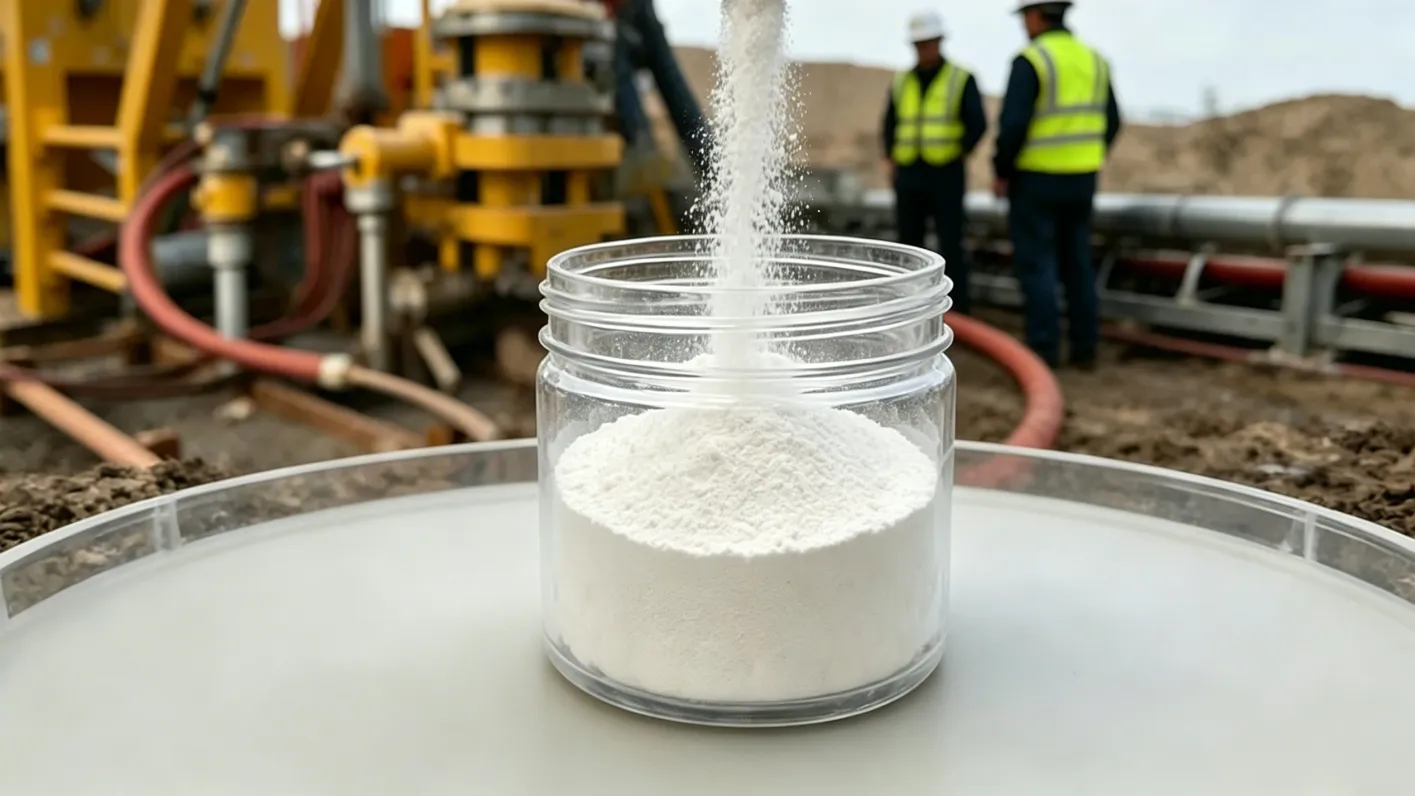
Polycarbonate requires precise thermal control during forming and molding to achieve reliable results. When thermoforming, the recommended processing temperature falls between 170°C and 200°C (338°F–392°F). Within this window, the material softens sufficiently for shaping while minimizing the risk of thermal degradation or discoloration.
To avoid defects during heating and molding, several best practices should be followed:
- Pre-Drying: Because polycarbonate is hygroscopic, it must be dried thoroughly before processing. A typical drying condition is 120°C–130°C (248°F–266°F) for 3–4 hours, with moisture content reduced below 0.02% to prevent hydrolysis, which can lead to molecular breakdown and poor surface finish.
- Gradual Heating: Uniform and gradual heating reduces the risk of uneven expansion, internal stress, and part distortion. In sheet forming, infrared heaters or convection ovens are commonly used for consistent surface temperatures.
- Controlled Cooling: After forming or molding, parts should cool slowly and evenly to maintain dimensional accuracy and prevent warping. Sudden cooling can trap internal stress, which may cause cracking over time.
- Tooling Temperature Management: For injection molding, mold temperatures between 80°C and 120°C (176°F–248°F) are often recommended to improve flow, reduce surface blemishes, and ensure full part replication.
Common Processing Challenges:
- Residual Stress: Stress built into the part during processing may not be immediately visible but can result in cracking or deformation over time. Post-molding annealing or optimized gate placement in injection molding can help reduce this risk.
- Shrinkage: Polycarbonate has a relatively low shrinkage rate (~0.5–0.7%), but poor cooling control or uneven mold design can still lead to dimensional inaccuracies.
- Warping: Caused by uneven cooling or inconsistent wall thickness. Proper mold design and temperature balance are key to minimizing this.
Benefits of Polycarbonate’s Thermal Capabilities
Polycarbonate exhibits exceptional thermal performance, offering a unique combination of high impact strength and heat resistance that ensures mechanical integrity across a broad temperature range. Its strong resistance to thermal degradation and ability to maintain toughness under continuous heat exposure contribute to extended material lifespan and reliable operation. These attributes form the foundation for its use in applications demanding consistent performance under thermal and mechanical stress.
- High Impact Resistance Combined with Heat Tolerance:
Polycarbonate maintains exceptional impact strength even when exposed to temperatures ranging from -40°C to 130°C. This combination enables the material to absorb shocks and resist deformation in environments with significant thermal variation, making it suitable for applications requiring mechanical robustness under thermal stress. - Flame Resistance and Compliance with Fire Safety Standards (e.g., UL 94 Ratings):
Polycarbonate typically achieves UL 94 V-0 classification, demonstrating rapid self-extinguishing behavior after flame removal. This rating ensures adherence to stringent fire safety protocols essential in electronic housings, lighting fixtures, and building materials, where minimizing fire propagation and smoke generation is critical. - Durability in Extreme Temperature Environments:
The polymer resists thermal aging and degradation caused by repeated exposure to high temperatures and thermal cycling. This stability preserves mechanical integrity and optical clarity in outdoor applications, automotive components, and electrical parts subjected to harsh temperature fluctuations.

These properties collectively position polycarbonate as a reliable choice for engineering components operating under demanding thermal and mechanical conditions.
Limitations and Challenges
Polycarbonate exhibits several limitations, particularly when exposed to high temperatures. Prolonged thermal stress can cause discoloration and deterioration of mechanical properties, restricting its use in applications demanding sustained heat resistance. Additionally, polycarbonate’s processing demands precise temperature control; deviations can result in defects such as warping, internal stresses, or surface imperfections, compromising final product quality.
| Thermal Degradation | Processing Sensitivity | Cost Considerations |
|---|---|---|
| Continuous exposure to temperatures exceeding 300°C initiates degradation processes, leading to: Yellowing and decline in optical clarity Potential brittleness Reduced suitability for prolonged high-temperature applications Careful thermal management is required in both processing and end-use environments to mitigate these effects. | Polycarbonate demands precise control of processing parameters to avoid defects. Key considerations include: Temperature and Cooling Rate: Deviations can cause warping, internal stress accumulation, or surface imperfections. Mold Design: Inconsistent designs may lead to stress cracking, compromising mechanical integrity and aesthetics. Pre-Drying: Essential to prevent hydrolytic degradation, ensuring moisture content is below 0.02% before processing. | Cost Considerations Compared to polymers with lower melting points, such as polypropylene or polystyrene, polycarbonate carries a higher raw material cost. Key points include: Requires thorough economic evaluation for large-volume or cost-sensitive manufacturing Enhanced mechanical properties and thermal resistance often justify the premium in demanding applications |
Optimizing polycarbonate performance involves strict process control, suitable thermal management, and the use of well-formulated resin grades designed for consistent behavior under industrial processing conditions.
Safety and Handling Considerations
Handling molten polycarbonate requires strict safety measures to protect workers and the environment. Due to the high processing temperatures, exposure to hazardous fumes and thermal risks is significant and must be carefully managed. Implementing comprehensive safety protocols minimizes accidents and ensures regulatory compliance.
- Ventilation: Proper ventilation systems must be in place to effectively remove fumes produced during high-temperature processing. These fumes may contain trace amounts of bisphenol A (BPA) and other volatile organic compounds (VOCs), which can pose respiratory hazards if inhaled over time.
- Protective Equipment: Operators should wear heat-resistant gloves, safety goggles, and protective clothing to prevent burns and eye injuries caused by hot material splashes or accidental contact.
- Environmental and Health Concerns: Continuous exposure to polycarbonate processing fumes may cause irritation to the respiratory tract and eyes. Ensuring adequate air exchange and regular monitoring of workplace air quality reduces health risks. Additionally, adherence to occupational safety standards is essential to minimize exposure.
- Recycling and Disposal: Polycarbonate is recyclable via various methods, which help reduce plastic waste and support sustainability. At end-of-life, materials should be sorted properly to avoid contamination. Improper disposal, such as uncontrolled incineration, can release harmful substances, making responsible waste management critical.
Conclusion
Polycarbonate maintains structural integrity at elevated temperatures, with a defined melting range between 225°C and 250°C. Its combination of thermal stability, impact resistance, and flame retardancy supports reliable performance in specific applications such as automotive lighting housings, electronic connectors, and protective glazing systems. To achieve consistent results, processing parameters—such as melt temperature, mold temperature, and drying time—must be carefully calibrated to match the application’s technical requirements.
For technical support or material inquiries, Talk to our technical team — we’re happy to help!
FAQs
A:Polycarbonate can typically endure continuous use at 115°C to 130°C (239°F to 266°F) without deformation. Brief exposure to higher temperatures is possible, but long-term performance may decline.
A:The material softens at its Vicat softening point, around 140°C to 150°C (284°F to 302°F), depending on grade and formulation.
A:No, polycarbonate generally expands when heated. However, uneven heating may cause internal stress relief, which can result in slight dimensional changes.
A:As an amorphous plastic, polycarbonate doesn’t melt sharply but softens above 155°C (311°F). Overheating can lead to yellowing and material degradation.
A:Polycarbonate resists heat better than PP, PS, and PMMA, but it is less heat-tolerant than advanced polymers like PEEK or PTFE.