When engineering high-performance electrical, electronic, and automotive components, selecting a material that balances mechanical rigor with reliable processability is paramount.
Enter Duranex 3300, a premier 30% glass fiber reinforced Polybutylene Terephthalate (PBT) resin engineered by the industry-renowned manufacturer Polyplastics. By incorporating a precise 30% glass fiber loading into the crystalline matrix, this grade achieves an exceptional structural equilibrium:
- High Mechanical Strength: Delivers excellent tensile and flexural properties for demanding load-bearing parts.
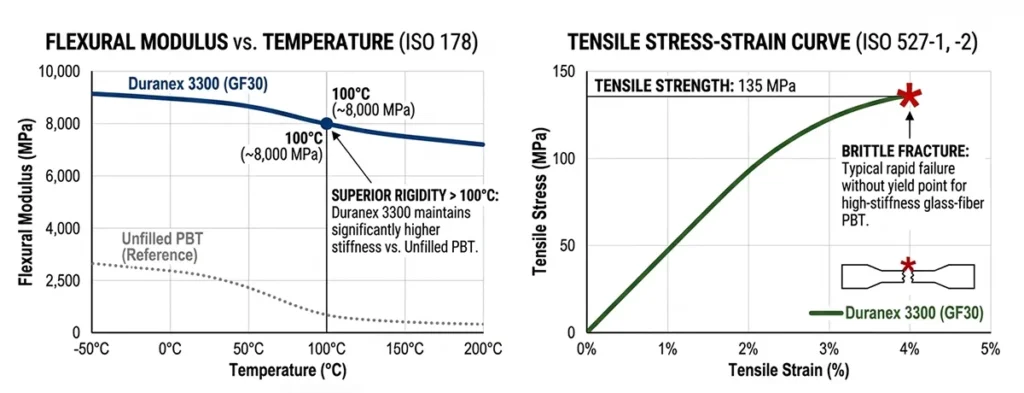
- Excellent Dimensional Stability: Minimizes mold shrinkage and maintains high rigidity under varying thermal loads.
- Superior Heat Resistance: Ensures long-term reliability and performance in elevated temperature environments.
Whether you are an procurement officer, an injection molding partner, or a product developer, this guide breaks down the material properties, target applications, and optimal processing parameters of Duranex® 3300. If you are benchmarking multiple grades or need a broader procurement strategy, read our Polyplastics Duranex PBT Resin: The Ultimate Sourcing Guide for High-Performance Injection Molding.
Key Technical Specifications & Properties
For automotive and electronic design, material selection hinges on verifiable empirical data. Duranex 3300 owes its industry-standard status to the synergistic bonding between the PBT matrix and its 30% glass fiber reinforcement, which significantly elevates its mechanical and thermal limits.
Before diving into the specific empirical data of this Polyplastics grade, you can explore our A Comprehensive Guide to PBT-GF30: Properties, Applications, and More to understand the foundational chemistry and characteristics of 30% glass fiber reinforced polyester.
Typical Property Values (ISO Standards)
| Technical Parameter | Test Method | Typical Value | Key Engineering Implication |
| Density | ISO 1183 | 1.53 g/cm³ | Predictable part weight & accurate shot-size calculation. |
| Tensile Strength | ISO 527-1, -2 | 135 MPa | High load-bearing capacity; prevents failure under tension. |
| Flexural Modulus | ISO 178 | 8,700 MPa | Exceptional rigidity; resists bending under mechanical load. |
| HDT (@ 1.82 MPa) | ISO 75-1, -2 | 210°C | Retains structural integrity in high-heat environments. |
| UL 94 Flame Rating | UL 94 | HB | Standard non-FR grade; ideal for halogen-free requirements. |
Core Advantages: Why It Remains an Industry Benchmark
Beyond the static numbers on data sheets, what matters most is how this resin performs on your shop floor and in your customers’ hands. Design engineers and injection molders rely on Duranex 3300 for three critical, long-term commercial advantages:
Minimizes long-term deformation under sustained mechanical stress, ensuring structural integrity for gears, actuators, and housings.
Superior Dimensional Stability
Low, predictable mold shrinkage prevents warping, allowing injection molders to consistently achieve ultra-tight tolerances.
Broad Chemical Resistance
Exhibits robust resistance to automotive fluids (oils, fuels, lubricants) and industrial solvents, preventing chemical stress cracking.
Whether you need to verify technical data sheets or secure volume pricing for your production, we can provide complete technical documentation, material certificates (COA), and a secure supply line for genuine Polyplastics Duranex 3300.
Need the Complete Technical Data Sheet (TDS)?
Get instant access to full property curves, extensive chemical resistance charts, and granular processing metrics for Duranex 3300.
Major Application Fields
Engineers select Duranex 3300 for its exceptional balance of high stiffness, thermal resistance, and dimensional stability, making it an ideal metal-replacement material. Tier-1 automotive suppliers, OEM electronics brands, and industrial manufacturers specify this 30% glass fiber reinforced grade to ensure zero-compromise performance in critical environments.
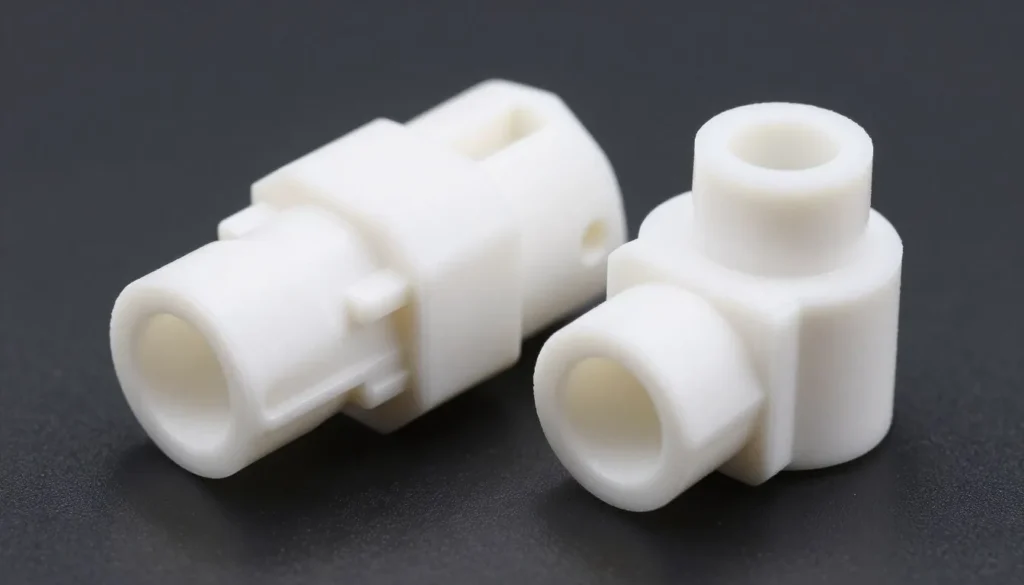
Three primary sectors rely heavily on Duranex® 3300 for their core product lines:
Automotive Industry
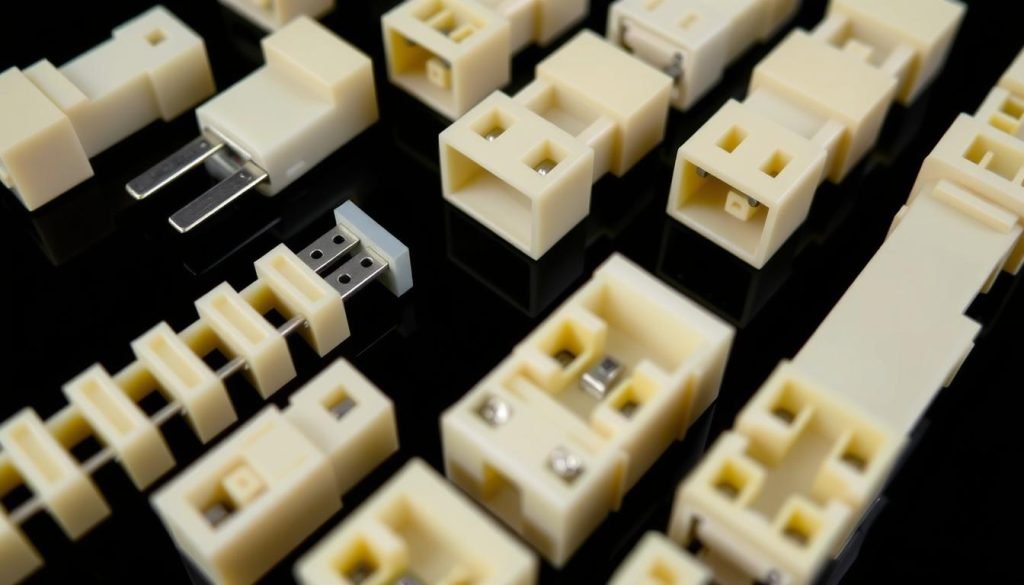
Vehicle components under the hood and within structural assemblies must endure constant vibration, thermal cycling, and harsh chemical exposure. Duranex® 3300 serves as an industry standard for these high-stress applications:
- Electrical Connectors & Housings: High structural integrity maintains precise slot dimensions and multi-pin alignment without warping during continuous vehicle operation.
- Ignition System Components: Exceptional dielectric strength and insulation performance protect delicate systems in high-voltage environments.
- Exterior & Structural Parts: Rearview mirror brackets and wiper arms utilize this grade for high rigidity and resistance to outdoor weathering.
Electrical & Electronics (E&E)
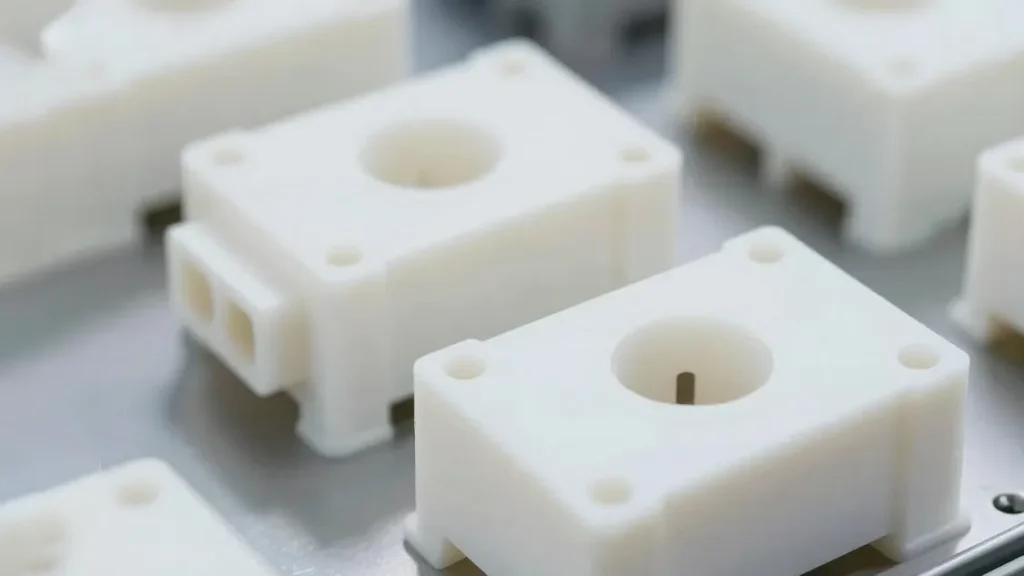
Miniaturization and high assembly temperatures—such as lead-free wave soldering—require materials with strict dimensional control. This grade delivers reliable results in high-precision molding:
- Bobbins & Coil Forms: High structural stiffness allows for thin-walled designs that easily withstand the heavy winding tension of copper wires.
- Switching Elements & Relays: Robust arc tracking resistance ensures smooth mechanical actuation and long-term reliability over thousands of cycles.
- Micro-Motor Housings: Rigid structural framing protects internal rotors and local electronic control units (ECUs).
Precision Industrial Components

Heavy-duty equipment requiring long-term fatigue resistance frequently utilizes Duranex 3300 to replace die-cast zinc and aluminum castings:
- Pump Castings & Impellers: Low moisture absorption prevents parts from swelling or losing mechanical properties when continuously exposed to water or chemical media.
- Gears, Bearings, & Actuators: High torque resistance and low wear rates ensure a long operational lifespan for industrial moving machinery.
- Metal Replacement Blocks: Excellent dimensional stability under pressure reduces raw part weight without relinquishing structural integrity.
This GF30 PBT variant is thus validated for precision components requiring tight dimensional tolerances across varying thermal and humid conditions. Its inherent resistance to automotive fluids and aggressive industrial substances further expands its functional lifespan in harsh service.
Supporting Your Production: From Sourcing to Finished Part
Navigating strict OEM specifications requires a reliable supply chain and verifiable material authenticity. Sourcing high-quality resin shouldn’t be a bottleneck for your project. We can provide authentic Polyplastics Duranex® 3300 with flexible logistics and full documentation (including COA and UL yellow cards) to keep your injection molding lines running smoothly.
Processing and Injection Molding Guidelines
Mastering the processing parameters of a 30% glass fiber reinforced crystalline polymer is critical to achieving peak structural performance and flawless surface aesthetics. Duranex® 3300 offers wide processing latitude, but its physical properties depend heavily on precise thermal and pressure management during the injection molding cycle.

⚠️ 1. Critical Pre-Drying Protocols
Polybutylene Terephthalate (PBT) is highly susceptible to hydrolytic degradation if molded in the presence of moisture. Processing wet resin permanently breaks the ester bonds in the polymer chains, resulting in brittle parts, molded-in stress, and severe loss of mechanical strength—often without visible surface defects.
- Drying Equipment: Dehumidifying hopper dryers are strongly recommended over standard hot-air ovens to maintain a stable, low dew point.
- Drying Parameters: Target a melt moisture content below 0.02%. Dry the resin at 120°C (248°F) for 3 to 5 hours. Avoid excessive drying times beyond 24 hours to prevent localized thermal discoloration.
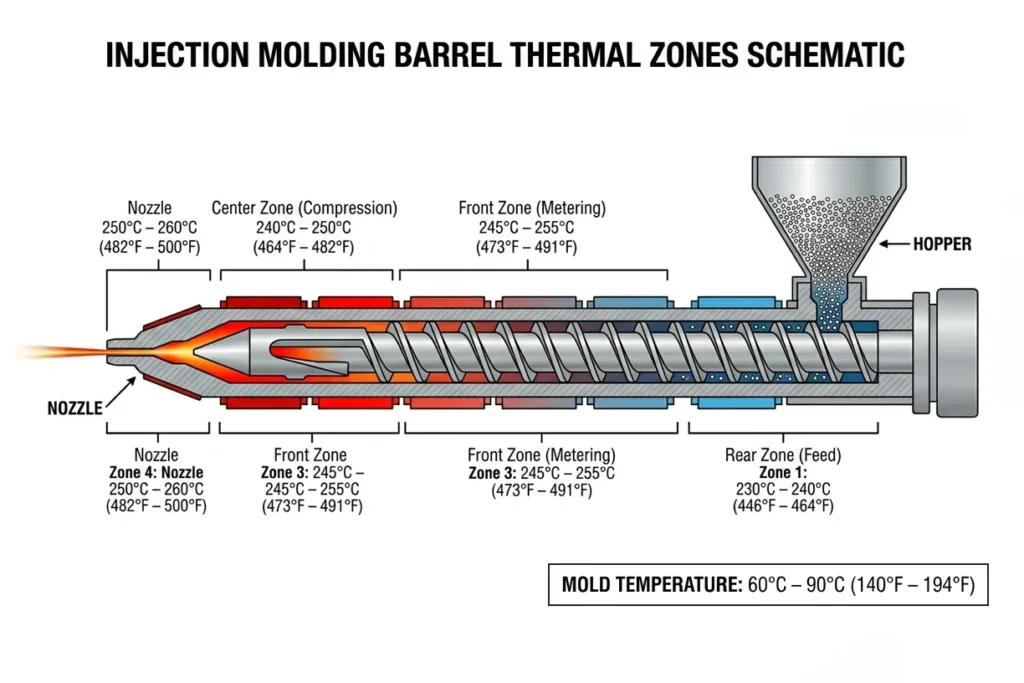
2. Cylinder & Mold Temperature Profiles
Balancing the thermal profile ensures uniform plasticization while safeguarding glass fiber distribution:
- Barrel and Nozzle Temperatures: Set a progressive thermal profile from the hopper to the nozzle to manage shear heating effectively:Rear (Feed): 230°C–240°CCenter: 240°C–250°CFront: 245°C–255°CNozzle: 250°C–260°C
- Mold Temperature: 60°C – 90°C (Note: Settings closer to 90°C slow the cooling rate, promoting optimal crystallization for maximum mechanical strength and a glossier finish).
3. Injection Pressure, Speed, and "Floating Fiber" Mitigation
Processing a 30% GF resin requires precise shear management to wrap glass fibers inside the polymer core and eliminate surface silver streaks:
Injection Speed
Employ a moderate-to-high injection speed. High velocity creates localized shear heating that keeps the polymer matrix molten at the flow front, effectively wrapping glass fibers inside the core to eliminate surface roughness.
Injection & Holding Pressure
Utilize a multi-stage filling profile. Maintain sufficient holding pressure (typically 50% to 70% of peak injection pressure) to compensate for crystalline volumetric shrinkage, preventing sink marks in thick sections.
Screw Back-Pressure
- Back-Pressure: Keep low to moderate (3 to 7 MPa).
- Screw Speed: Maintain within 60 to 90 RPM.
Excessive settings will shear and break the glass fibers inside the barrel, shortening fiber length and degrading parts stiffness.
Your Technical Partner from Resin to Finished Part
Flawless PBT molding requires both premium resin and technical expertise. We eliminate bottlenecks like warpage and fiber exposure by supplying authentic, lot-by-lot Polyplastics Duranex® 3300 backed by complete processing parameters and optimization support.
The Duranex 3300 Family & Derivatives
Duranex 3300 functions as the baseline 30% glass-reinforced platform within Polyplastics’ robust family of PBT engineering thermoplastics. This comprehensive portfolio offers design engineers significant flexibility, providing application-specific grades that retain the core PBT advantages while addressing highly specialized performance requirements such as heat aging, flame safety, or moisture exposure.
We maintain supply channels for the entire functional lineup, allowing design engineers to seamlessly pivot to specialized grades without sacrificing the core PBT advantages:
| Grade | Description | Key Differentiating Properties | Primary Applications |
| Duranex 3300 | Standard 30% glass fiber reinforced | Benchmark mechanical, thermal, and electrical balance | General purpose load-bearing and structural parts |
| Duranex 3300H | High heat stabilized | Superior long-term thermal aging performance | Engine compartment and under-hood components |
| Duranex 3300FR | Flame retardant | UL94 V-0 certification at 0.8 mm wall thickness | High-voltage electrical housings and safety connectors |
| Duranex 3300HR | Hydrolysis resistant | Proven stability in hot and humid service environments | Automotive cooling systems and water-contact components |
| Duranex 3300IM | Impact modified | Significantly enhanced toughness and low-temperature impact strength | Components exposed to shock loading or vibration |
| Duranex 3300LW | Low warpage | Optimized dimensional stability and reduced molded warpage | Precision assemblies requiring tight tolerance mating |
Why Source PBT Duranex 3300 from Us?
Sourcing Polyplastics Duranex 3300 from our inventory provides your business with distinct operational, quality, and logistical advantages across global markets.
Compliance & Authenticity
100% Genuine Resin with Full Documentation
We guarantee that every shipment of Duranex 3300 is 100% authentic Polyplastics original resin, delivered in its factory-direct packaging.
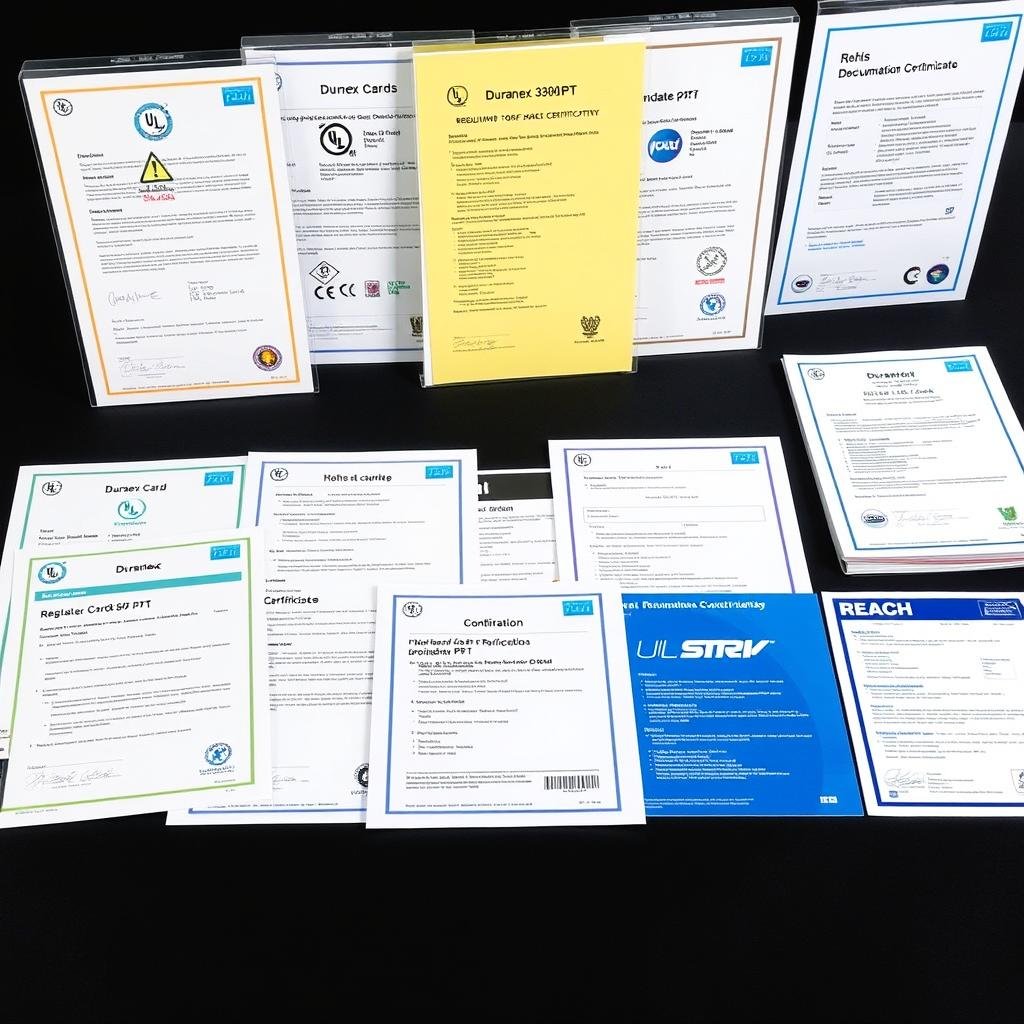
- Complete traceability with full Certificate of Analysis (COA) and Certificates of Origin for every lot.
- Full compliance support including UL Yellow Cards, REACH, and RoHS documentation to clear your QC and OEM audits.
Strategic Port Proximity
Our warehouse in Jiaxing City sits directly adjacent to the Shanghai Port. This geographical edge streamlines export customs, minimizes inland transit times, and shields your supply line from global logistics disruptions.
Flexible Scale
We support your validation pipeline without forcing rigid volume mandates. Secure flexible, smaller quantities for initial mold trials (trial runs), and scale seamlessly to full container loads (FCL) later.
Technical Consulting
We do not operate as a passive trading desk. Our team offers advanced polymer consulting, assisting compounders and converters with processing optimization to eliminate molding defects like floating fibers.
Conclusion
Duranex 3300 remains the global benchmark for 30% glass fiber reinforced PBT, offering an unmatched balance of mechanical rigidity and thermal endurance. However, delivering a flawless finished component requires more than just premium resin—it demands a flawless supply chain.
By bridging the gap between factory-direct authenticity, technical molding expertise, and streamlined logistics near the Shanghai Port, we eliminate procurement bottlenecks so your team can focus entirely on production excellence.
Our specialists are ready to accelerate your procurement process. For volume pricing, technical data sheets, or inventory availability, contact us directly via email at jerry@salesplastics.com or via WhatsApp/WeChat at +61 468862776. We guarantee a technical response within 24 business hours.