Understanding the differences between biodegradable materials is critical for selecting the right solution. Below is a realistic comparison from a materials and application perspective. For a deeper exploration of starch-based biodegradable plastics, including materials, applications, and the commercial realities, check out our full article on Starch-Based Biodegradable Plastics: Materials, Applications, and Commercial Reality .
Starch-Based Plastics vs PLA
PLA (Polylactic Acid) is a widely used bioplastic known for its higher rigidity, better dimensional stability, and improved surface finish. It is derived from renewable resources like corn starch or sugarcane and is a popular choice for rigid packaging and consumer goods.
In contrast, starch-based plastics, often in the form of thermoplastic starch (TPS), are more cost-effective but significantly more moisture-sensitive. While PLA provides better performance in terms of mechanical properties and heat resistance, starch-based plastics are better suited for disposable applications where cost is a key factor.
Advantages of PLA
PLA is more suitable for applications where high structural integrity is required, such as in rigid packaging, containers, and consumer goods. It has a smoother surface finish and better performance in terms of dimensional stability, making it more reliable for high-end applications.
Advantages of Starch-Based Plastics
Starch-based plastics excel in cost-effectiveness, especially in industries looking to lower material costs while maintaining biodegradability. However, they have limitations in terms of mechanical properties and moisture resistance.
Starch-Based Plastics vs PBAT
PBAT (Polybutylene adipate terephthalate) is a flexible, biodegradable polymer known for its excellent flexibility and toughness, making it ideal for films and bags. It performs well in flexible packaging applications and is often used for items that require a more durable and long-lasting performance, such as compostable bags.
Starch-based plastics, when blended with PBAT, are often used to reduce cost and enhance biodegradability. While pure starch-based plastics tend to have lower mechanical durability, blending them with PBAT improves performance. PBAT-rich blends outperform pure starch compounds in terms of mechanical properties, allowing them to be used in a wider range of applications.
Advantages of PBAT
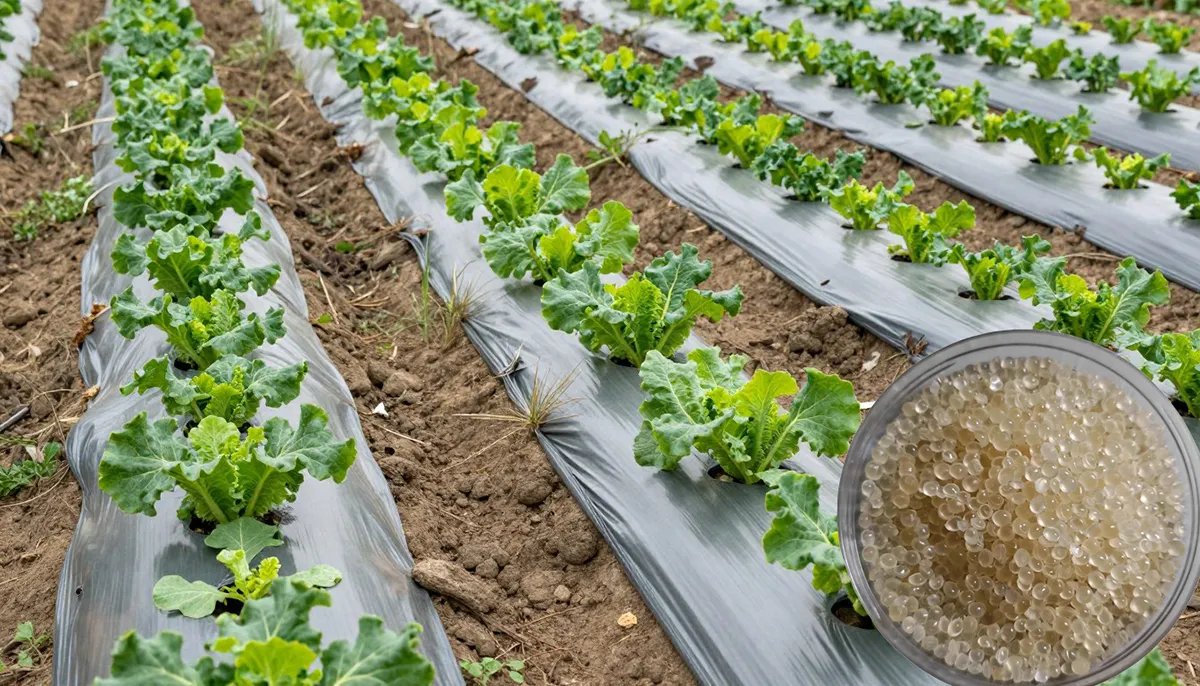
PBAT offers superior mechanical strength and flexibility, making it a better choice for applications that require toughness, such as flexible films, packaging, and agricultural films.
Advantages of Starch-Based Plastics
Starch-based plastics can offer a cost-effective alternative when blended with PBAT, improving the overall biodegradability of the product while still maintaining some flexibility and toughness.
Starch-Based Plastics vs PHA
PHA (Polyhydroxyalkanoates) stands apart as one of the most biodegradable polymers available. PHA offers superior biodegradability, even in marine environments, setting it apart from both PLA and PBAT. It also provides better heat resistance, mechanical balance, and long-term stability, making it suitable for a wider range of performance-critical applications.
Starch-based plastics, on the other hand, are primarily cost-driven solutions that focus on providing an environmentally friendly option at a lower price point. While they excel in short-life, cost-sensitive applications, they are not well-suited for more demanding applications that require durability or long-term stability.
Advantages of PHA
PHA’s superior biodegradability and resistance to environmental factors make it ideal for products where long-term biodegradation is critical, such as in marine or outdoor applications. It also offers better heat resistance and mechanical stability compared to starch-based plastics.
Advantages of Starch-Based Plastics
Starch-based plastics are ideal for applications where cost-effectiveness is more important than long-term performance. These materials are often used for disposable items that do not require the performance capabilities of PHA.
Practical Comparison Summary
| Property | Starch-Based | PLA | PBAT | PHA |
|---|---|---|---|---|
| Moisture Resistance | Low | Medium | High | High |
| Mechanical Strength | Low | Medium | Medium-High | High |
| Heat Resistance | Low | Medium | Medium | Medium-High |
| Compostability | Industrial | Industrial | Industrial | Broad (incl. marine) |
| Cost Level | Low | Medium | Medium | High |