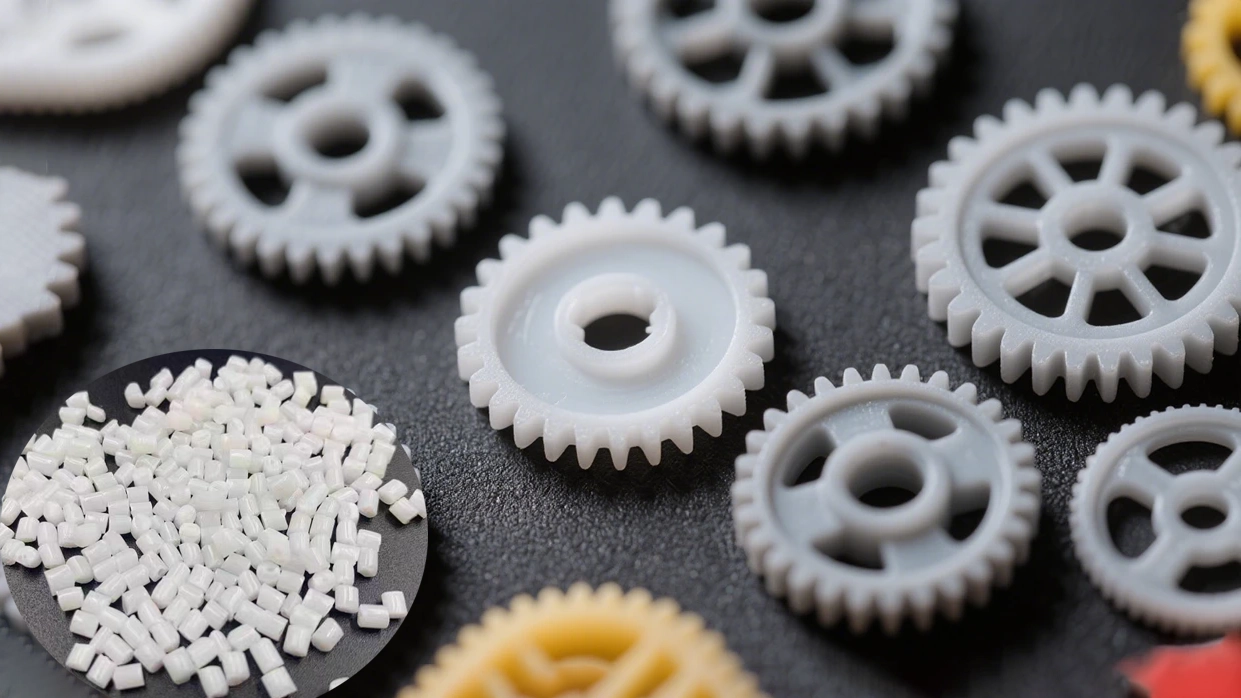
Three biodegradable polymers—PHA (Polyhydroxyalkanoates), PLA (Polylactic Acid), and starch-based plastics—serve as critical alternatives to petroleum-based materials in the global effort to reduce plastic waste.
PHA
Microbial Fermentation
Produced through bacterial fermentation of sugars or oils. It offers the most versatile biodegradability profiles in natural settings.
PLA
Plant-Based Starch
Synthesized by fermenting plant starches (corn/sugarcane) into lactic acid. Renowned for clarity and high rigidity in packaging.
Starch-based
Agricultural TPS
Thermoplastic starch (TPS) made from potato, corn, or wheat. The most economical option for low-cost disposable items.
Key Properties Comparison
| Property | PHA | PLA | Starch-based |
|---|---|---|---|
| Biodegradability | Soil, Freshwater, Marine (6-18 months) | Industrial Composting (3-6 months) | Industrial/Soil (3-12 months) |
| Tensile Strength | 20–40 MPa | 50–70 MPa | 10–30 MPa |
| Heat Resistance | Up to 120°C | 55–65°C | Below 100°C |
| Est. Cost (USD/kg) | 4–6 USD | 2–3 USD | 1–2 USD |
| Best For | Medical, Marine use | Food service, 3D printing | Mulch films, Carry bags |
Decision Framework
Exposure to Natural Environments?
If the product risks entering oceans or rivers without industrial composting, PHA is the most suitable option for reliable degradation.
Primary Constraint is Cost?
For high-volume production, Starch-based is the starting point. Choose PLA if clarity or stiffness is required.
Mechanical & Thermal Stability Needed?
If moisture resistance and heat tolerance are essential, PHA provides the most balanced performance profile.
Visual Clarity or Surface Finish?
PLA delivers superior optical clarity and printability for premium consumer packaging.
Deep Dive into Bioplastic Engineering
Ready to make an informed decision? Explore our technical data sheets, lifecycle assessments, and industrial case studies.
Certification Matters
Always verify relevant certifications—such as ASTM D6400 or EN 13432 for industrial compostability, and emerging labels like OK Marine—to confirm environmental performance claims.
Summary
Match the material to your specific environmental, performance, and economic requirements. As fermentation efficiency improves, these biopolymers will become increasingly practical across all industrial sectors.