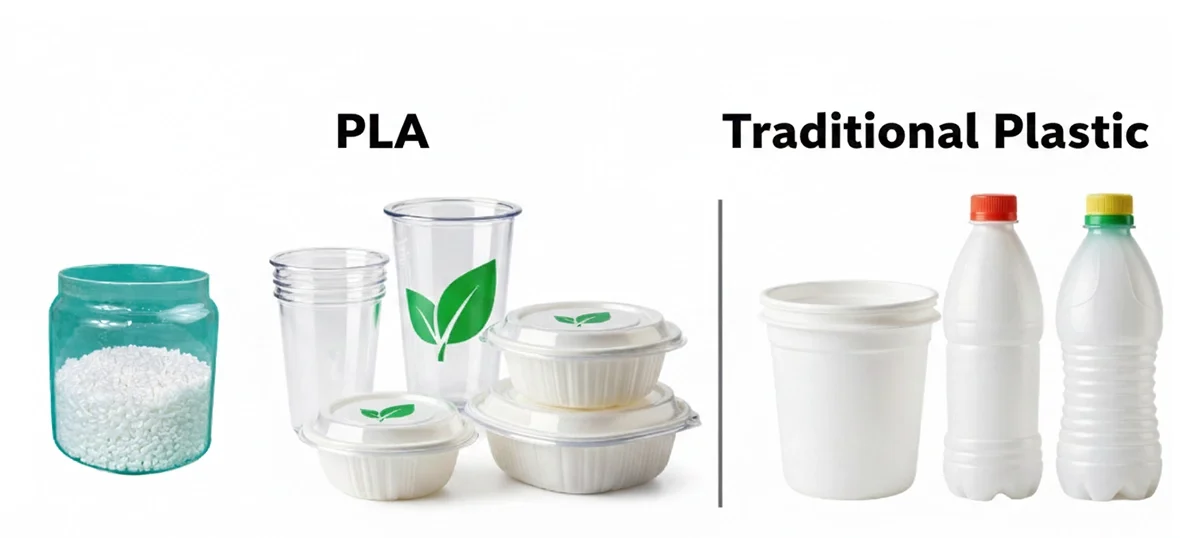
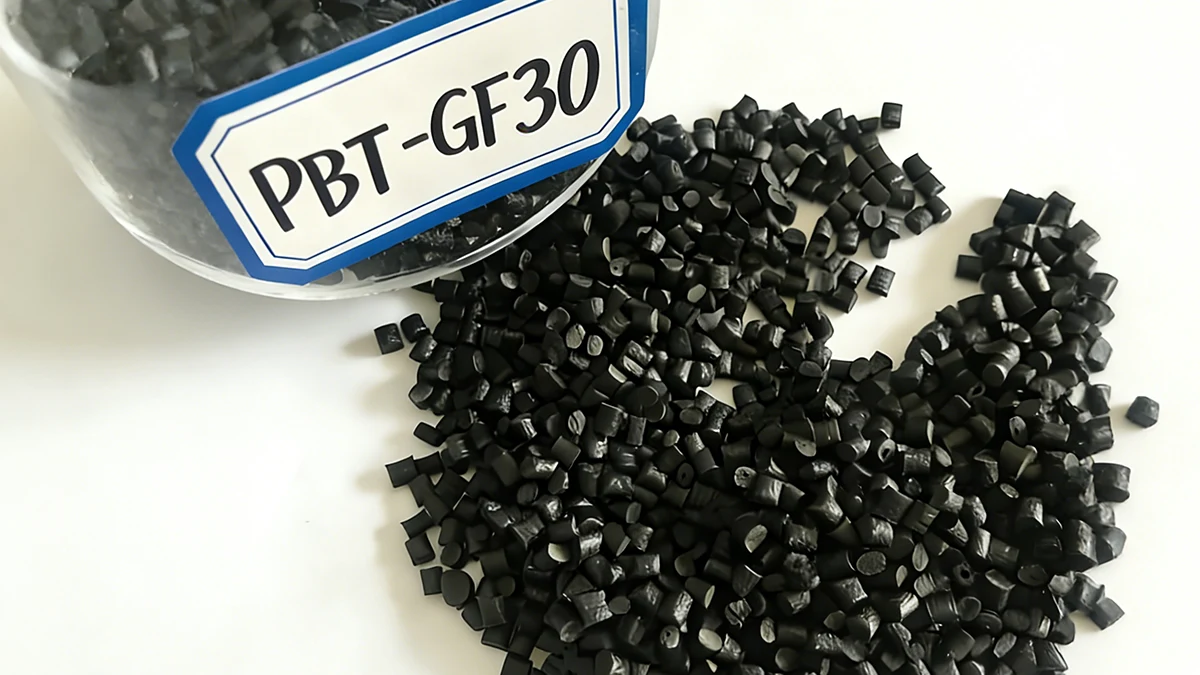
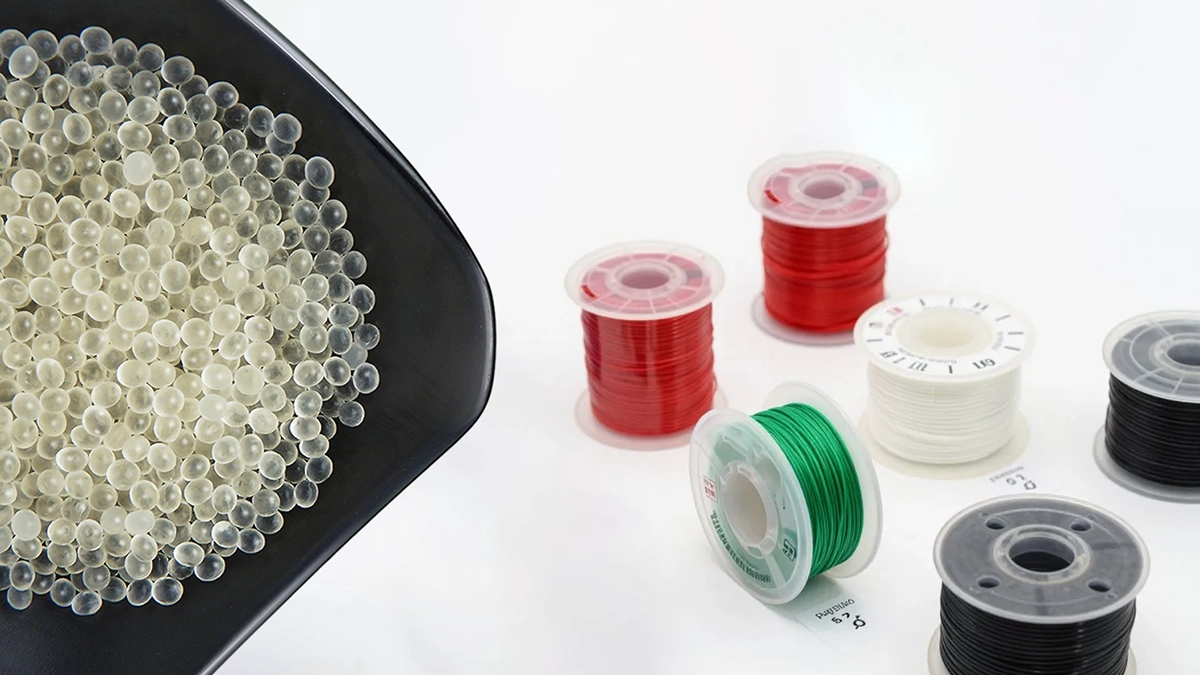
With over 400 million tons of plastic waste generated annually, the packaging industry faces an unprecedented regulatory and environmental crisis. In the Philippines and global markets, the shift toward biodegradable solutions is no longer just an ethical choice—it is a strategic necessity to mitigate supply chain risks and meet tightening carbon mandates.
True sustainability requires a versatile material toolkit. Our specialized portfolio—comprising PHA (Polyhydroxyalkanoates) for marine-safe coatings, PLA (Polylactic Acid) for high-clarity applications, and Starch-based bioplastics for cost-effective flexible packaging—bridges the gap between ecological responsibility and industrial performance. These resins provide the mechanical integrity required for modern commerce while ensuring a certified, residue-free end-of-life.
This guide explores the technical selection, performance benchmarks, and economic advantages of these advanced biopolymers to help you future-proof your packaging operations.
Unsure which biopolymer fits your production line?
Contact our technical team for a custom material consultation.
What Are Biodegradable Materials?
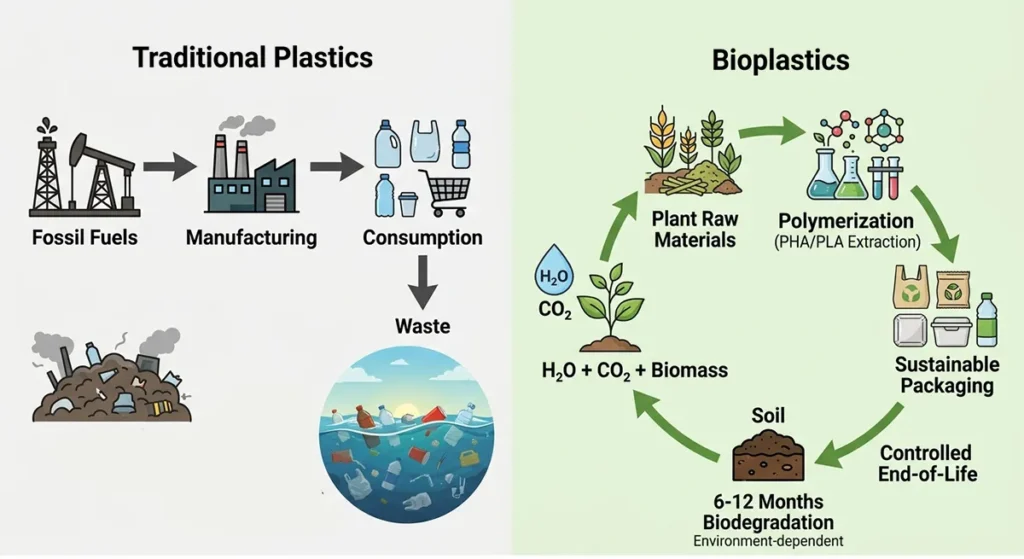
Biodegradability is the biological process where microorganisms—such as bacteria and fungi—metabolize carbon-based polymers into water, carbon dioxide (CO₂), and biomass. Unlike traditional synthetic plastics that merely fragment into persistent microplastics, our certified PHA, PLA, and Starch-based resins undergo total molecular assimilation, leaving zero toxic residues in the ecosystem.
Environmental Footprint: A Strategic Comparison
The distinction between conventional and biodegradable materials lies in their “End-of-Life” (EoL) velocity and impact:
- Traditional Plastics: Derived from fossil fuels; persist for 400+ years; contribute to ocean plastic patches and soil toxicity.
- Biodegradable Biopolymers: Sourced from renewable feedstocks; designed to return to nature within months under specific conditions; significantly lower Life Cycle Analysis (LCA) scores.
Biodegradable vs Compostable: Navigating Compliance
In the packaging industry, precision is critical for regulatory compliance. While all compostable materials are biodegradable, not all biodegradable plastics are compostable:
- Biodegradable: A broad term for materials that break down in various environments (soil, water, or anaerobic digesters).
- Compostable: A specific subset (like our PLA and Starch-blends) that must meet standards such as ASTM D6400 or EN 13432, ensuring they decompose within a specific timeframe in industrial composting facilities without harming the resulting compost.
Understanding the relationship between a material’s feedstock (Bio-based) and its environmental end-of-life is the foundation of a sound sustainability strategy. For an authoritative breakdown of these scientific classifications, we recommend reviewing our comprehensive resource: Biodegradable Materials: Fundamentals and Classification.
Top Biodegradable Raw Materials for Eco-Friendly Packaging
Selecting the right biodegradable material requires understanding each option’s unique properties. The following materials represent the most promising alternatives for sustainable packaging applications.
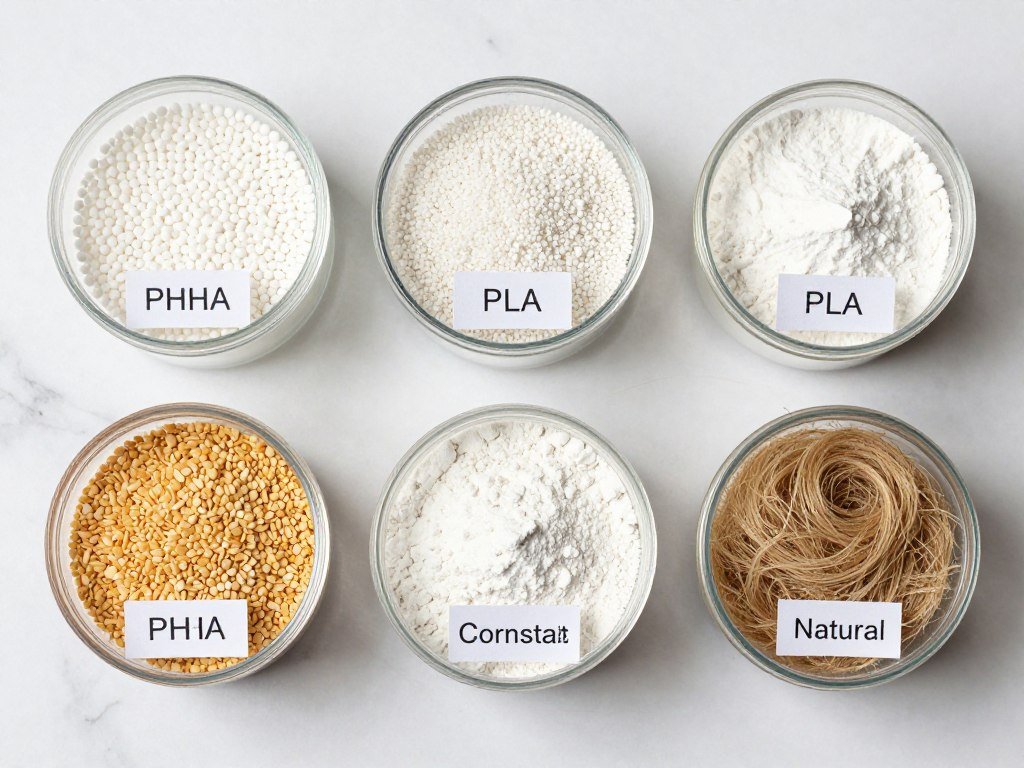
PHA (Polyhydroxyalkanoates)
PHA stands out as one of the most versatile biodegradable materials available today. Microorganisms produce these polymers naturally through fermentation processes using organic materials like agricultural waste.
The production process mirrors natural biological systems. Bacteria consume plant-based feedstock and store energy as PHA within their cells. Manufacturers harvest and process these polymers into usable materials.
Key advantage: PHA biodegrades completely in marine environments—a critical feature since ocean plastic pollution poses severe environmental threats. This material breaks down in soil, compost, and water without requiring industrial facilities.
Applications span multiple packaging categories. Food containers benefit from PHA’s barrier properties against moisture and oxygen. Single-use items like cutlery and straws perform well with this material’s structural integrity.
The material handles various processing methods effectively. Injection molding, extrusion, and thermoforming equipment accommodate PHA with minimal modifications. This compatibility simplifies manufacturing transitions for businesses.
Cost considerations remain important. PHA typically costs more than conventional plastics currently. However, production innovations continue reducing prices as demand increases globally.
PLA (Polylactic Acid)
PLA derives from renewable plant resources, primarily corn starch, sugarcane, and cassava. This material has gained significant market acceptance due to its plastic-like properties and relatively established production infrastructure.
Manufacturing begins with extracting sugars from plant sources. Fermentation converts these sugars into lactic acid. Polymerization then transforms lactic acid into polylactic acid—the final biodegradable material.
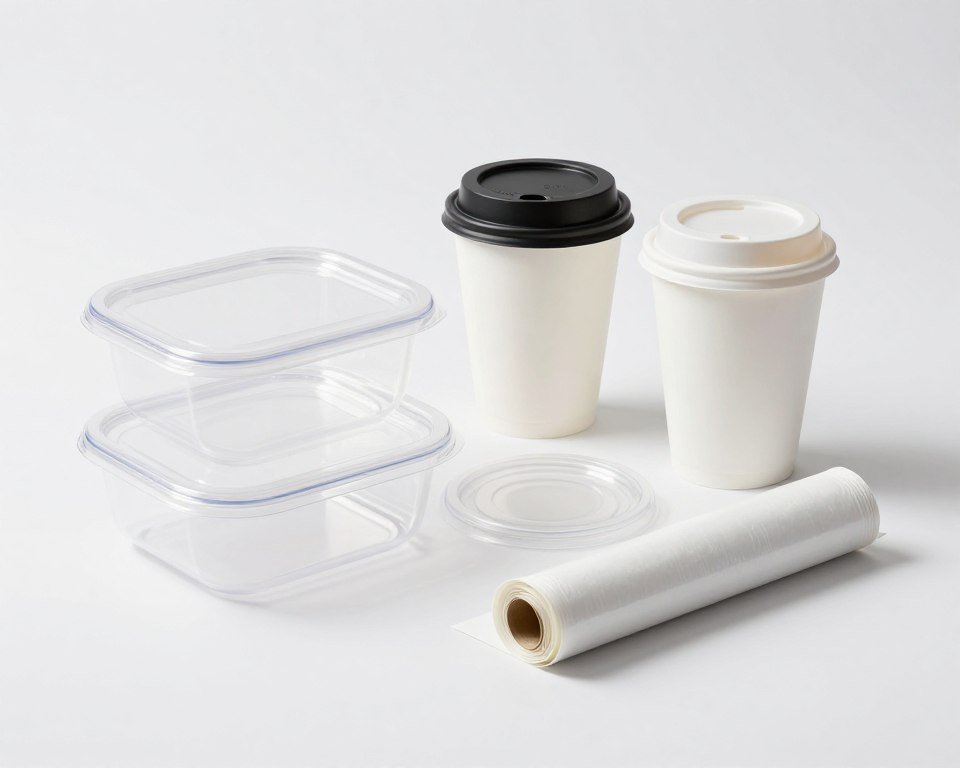
Transparency represents a significant advantage for many products. PLA produces clear packaging that showcases contents effectively. This quality makes it ideal for fresh produce, baked goods, and beverage applications.
The material requires specific conditions for optimal biodegradation. Industrial composting facilities provide temperatures between 55-60°C and proper moisture levels. Under these conditions, PLA breaks down within 90-180 days.
Home composting presents challenges. Lower temperatures slow the decomposition process significantly. Some PLA products may take years to break down in typical backyard compost bins.
Processing capabilities match conventional plastics closely. Existing manufacturing equipment handles PLA with minor adjustments. This compatibility reduces capital investment requirements for companies switching from traditional materials.
Starch-based Bioplastics
Starch-based materials blend natural starch from potatoes, corn, or tapioca with biodegradable polymers. This combination creates packaging with excellent environmental profiles and cost-effectiveness.
The production process utilizes agricultural crops and food processing waste. This dual sourcing approach maximizes resource efficiency while reducing waste in food production chains.
Material properties vary based on formulation ratios. Pure starch products offer maximum biodegradability but limited strength. Blending with polymers enhances durability while maintaining environmental benefits.
Common applications include shopping bags, agricultural films, and loose-fill packaging. The material’s flexibility suits products requiring cushioning protection during shipping and handling.
Water sensitivity requires consideration during use. Starch-based materials absorb moisture, which can affect performance in humid environments. Protective coatings or modified formulations address this limitation for specific applications.
Decomposition happens rapidly under proper conditions. Home composting systems break down starch-based packaging effectively. This accessibility makes these materials particularly suitable for consumer-facing products.
Cost competitiveness benefits widespread adoption. Starch-based bioplastics often match or undercut traditional plastic prices. This economic advantage accelerates market penetration across various industries.
Need Help Selecting Materials for Your Products?
Our material specialists provide free consultations to match your packaging requirements with the optimal biodegradable solution. We analyze your product specifications, budget constraints, and sustainability goals.
PHA vs. PLA: Choosing the Right Material for Your Products
Business decision-makers frequently ask which biodegradable material suits their specific packaging needs. PHA and PLA represent the most commercially viable options, yet they serve different applications optimally.
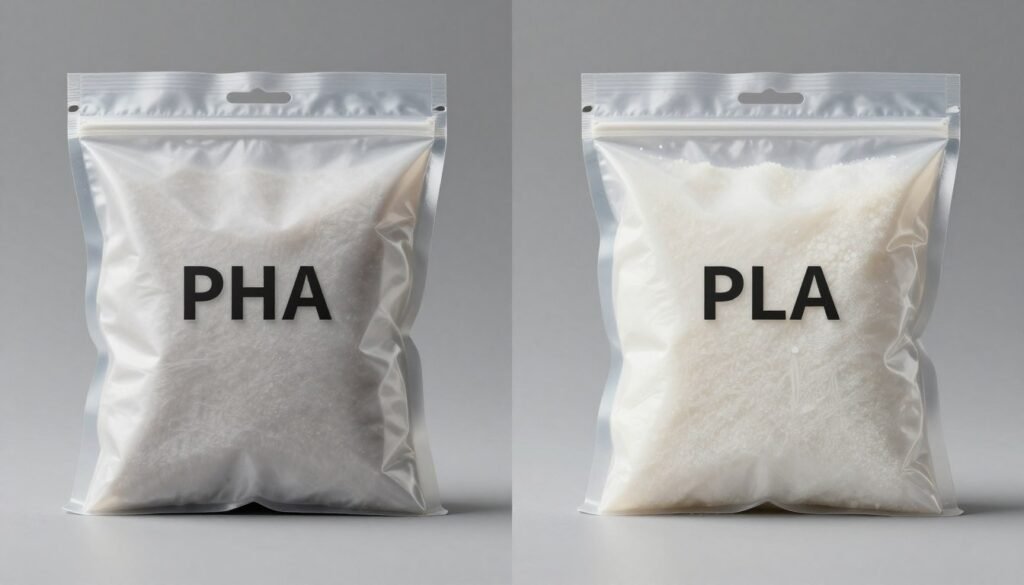
| Characteristic | PHA | PLA |
| Biodegradation Environment | Soil, compost, marine water | Industrial composting required |
| Decomposition Time | 3-6 months (various conditions) | 3-6 months (industrial composting) |
| Heat Resistance | Moderate (up to 60°C) | Limited (begins softening at 50°C) |
| Flexibility | High (rubber-like properties) | Rigid (similar to traditional plastics) |
| Water Resistance | Excellent barrier properties | Good moisture resistance |
| Cost Range | Higher ($4-6 per kg) | Moderate ($2-3 per kg) |
| Source Material | Bacterial fermentation | Plant starches (corn, sugarcane) |
| Processing Equipment | Standard plastic equipment | Standard plastic equipment |
Application suitability guides material selection effectively. PHA excels in situations requiring marine biodegradability. Coastal businesses, fishing industries, and marine recreation products benefit from this complete decomposition capability.
Flexible packaging applications favor PHA’s rubber-like characteristics. Films, bags, and pouches maintain integrity while offering superior elasticity compared to rigid alternatives.
PLA serves applications demanding clarity and rigidity. Display packaging, clamshells, and transparent containers showcase products effectively. The material’s glass-like appearance appeals to premium brand positioning.
When to Choose PHA
- Products likely to reach marine environments
- Packaging requiring flexibility and stretch
- Applications needing home composting options
- Items exposed to varying environmental conditions
- Single-use products for outdoor events
When to Choose PLA
- Transparent packaging for product visibility
- Rigid containers and structured forms
- Cold food and beverage applications
- Products with access to industrial composting
- Cost-sensitive packaging solutions
Budget considerations influence material decisions significantly. PLA’s lower production costs make it accessible for businesses transitioning from conventional plastics. The established supply chain ensures consistent availability across the Philippines.
PHA’s premium pricing reflects newer production technologies. Companies prioritizing environmental impact over immediate cost savings choose this material. The investment demonstrates commitment to comprehensive sustainability.
End-of-life infrastructure availability matters practically. Philippine cities with industrial composting facilities support PLA adoption effectively. Rural areas without such infrastructure benefit from PHA’s versatile biodegradation capabilities.
Performance requirements under tropical conditions deserve attention. High humidity and temperatures in the Philippines affect material behavior. Testing products under local environmental conditions ensures packaging maintains functionality throughout its use cycle.
Key Benefits of Integrating Biodegradable Materials in Your Business
Adopting biodegradable materials delivers measurable advantages across environmental, operational, and commercial dimensions. These benefits extend beyond simple sustainability compliance to create tangible business value.
Environmental Protection Impact
Biodegradable materials reduce the volume of waste accumulating in landfills substantially. Traditional plastics occupy space indefinitely, while biodegradable alternatives decompose within months.
Ocean pollution decreases when products use marine-degradable materials. Packaging that reaches waterways breaks down naturally rather than forming persistent debris harmful to marine life.
Brand Reputation Enhancement
Consumer preferences increasingly favor environmentally responsible businesses. Surveys show 73% of Filipino consumers consider sustainability when making purchase decisions.
Visible commitment to biodegradable packaging differentiates brands in competitive markets. This positioning attracts environmentally conscious customers willing to pay premium prices for sustainable products.
Regulatory Compliance Advantage
Government regulations targeting plastic waste continue expanding globally. The Philippines banned single-use plastics in multiple cities, with national legislation under consideration.
Early adoption of biodegradable materials positions businesses ahead of regulatory requirements. This proactive approach avoids costly last-minute transitions when new restrictions take effect.
Supply chain resilience improves through biodegradable material adoption. Dependence on petroleum-based plastics exposes businesses to price volatility and supply disruptions. Plant-based alternatives utilize renewable agricultural resources with more stable availability.
The carbon footprint reduction contributes to climate change mitigation. Production of biodegradable materials generates significantly lower greenhouse gas emissions compared to conventional plastic manufacturing processes.
Innovation opportunities emerge through sustainable material adoption. Research and development teams create novel packaging solutions that enhance product protection while minimizing environmental impact. This innovation culture attracts talent and investment.
Long-term cost benefits offset initial premium pricing. While biodegradable materials may cost more upfront, savings accumulate through waste disposal reductions, regulatory compliance advantages, and avoided future penalties.
Partnership opportunities expand within sustainability-focused business networks. Suppliers, distributors, and retailers increasingly prefer working with environmentally responsible companies. This network effect creates competitive advantages beyond individual transactions.
Calculate Your Sustainability ROI
Discover how biodegradable packaging impacts your bottom line. Our team provides customized financial analysis showing cost comparisons, waste reduction savings, and brand value enhancement specific to your business.
The Future of Sustainable Packaging: Trends and Innovations
The biodegradable materials industry continues evolving rapidly. Emerging technologies and innovative approaches promise even more effective solutions for environmental protection while meeting complex packaging requirements.
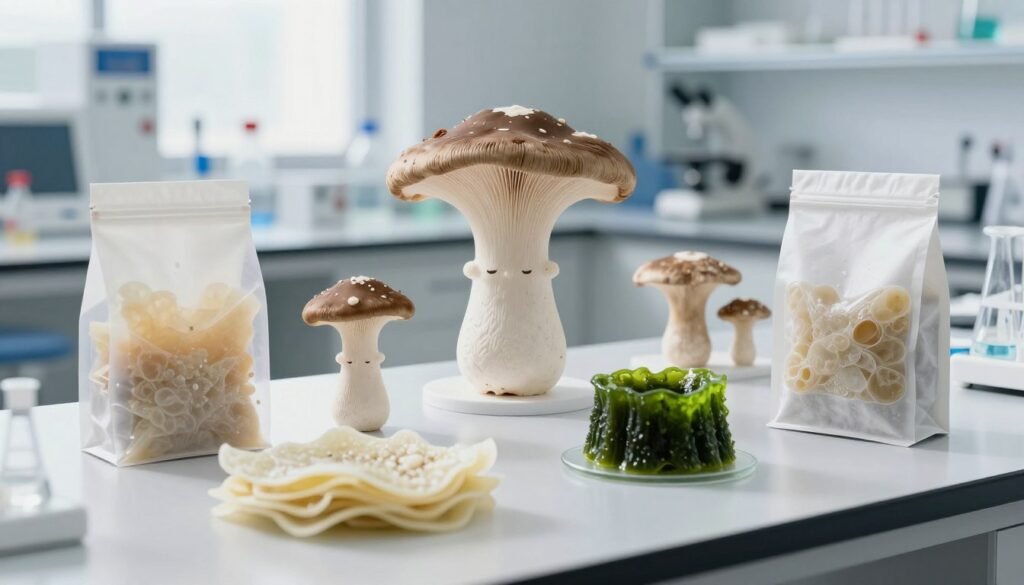
Seaweed-based materials represent one of the most promising developments. Algae grows rapidly without requiring fresh water or agricultural land. This abundant resource produces films and coatings that biodegrade completely, even in cold ocean water.
Manufacturers extract polymers from seaweed through sustainable harvesting methods. The resulting materials offer exceptional barrier properties for food packaging applications. Edible seaweed films add functionality—consumers can eat the packaging along with the product.
Mushroom packaging utilizes mycelium—the root structure of fungi. This material grows into desired shapes within days using agricultural waste as nutrients. The production process consumes minimal energy while creating sturdy protective packaging.
Agricultural Waste Transformation
Converting farming byproducts into biodegradable materials addresses two environmental challenges simultaneously. Rice husks, sugarcane bagasse, and coconut shells become valuable packaging resources.
- Rice husk packaging offers excellent insulation properties
- Sugarcane bagasse creates strong molded containers
- Coconut fiber produces durable films and wraps
- Pineapple leaf fibers form flexible packaging materials
Nanotechnology Integration
Nano-enhanced biodegradable materials deliver improved performance characteristics. Microscopic particles strengthen material structure while maintaining complete biodegradability.
- Enhanced barrier properties protect contents better
- Improved heat resistance expands application range
- Greater mechanical strength matches conventional plastics
- Extended shelf life preservation for food products
Smart Packaging Development
Biodegradable materials incorporate intelligent features that monitor product conditions. These innovations enhance safety while maintaining environmental responsibility.
- Time-temperature indicators track food freshness
- Oxygen sensors detect package seal integrity
- pH indicators show product quality changes
- Antimicrobial properties extend product lifespan
Circular Economy Models
Business models evolving beyond simple disposal focus on complete resource cycles. These systems maximize material value throughout entire product lifecycles.
- Take-back programs collect used packaging
- Industrial composting partnerships process materials
- Material regeneration creates new products
- Closed-loop systems minimize waste generation
Investment in biodegradable material research accelerates globally. Government funding and private capital flow into innovative startups developing next-generation solutions. This financial support drives faster commercialization of laboratory breakthroughs.
Standardization efforts improve material consistency and reliability. Industry organizations establish testing protocols and performance benchmarks. These standards give businesses confidence when specifying biodegradable materials for specific applications.
Infrastructure development supports biodegradable material adoption. More cities build industrial composting facilities. Collection systems expand to handle compostable packaging separately from traditional waste streams.
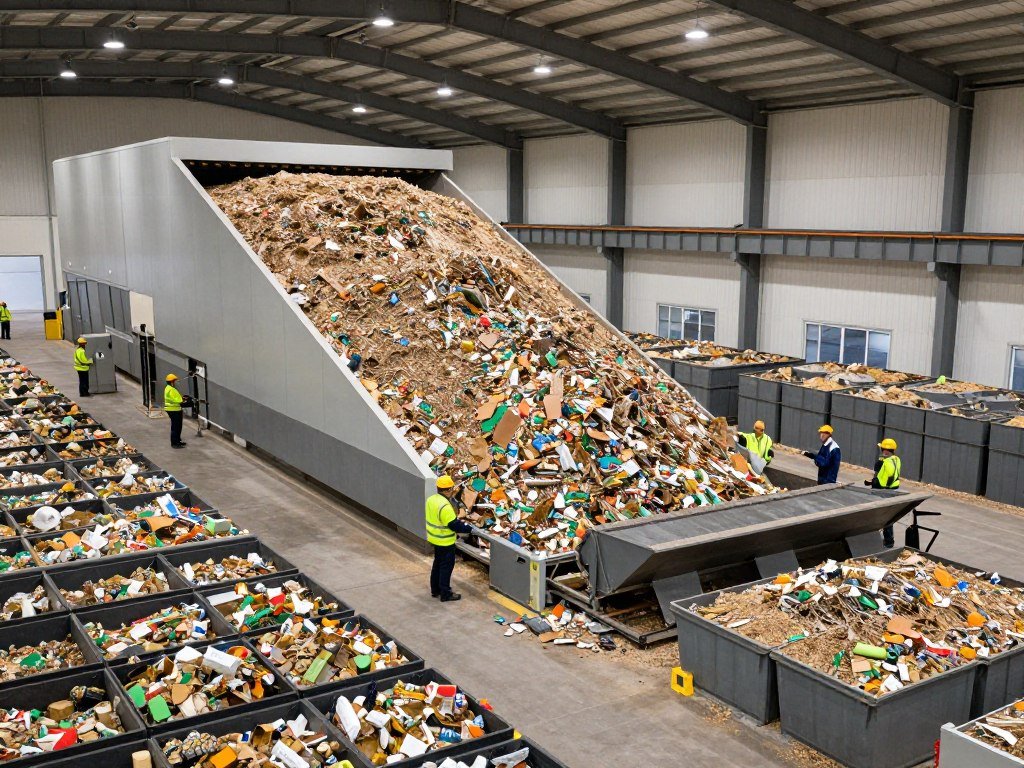
Education initiatives help consumers understand proper disposal methods. Clear labeling and public awareness campaigns teach people which bins accept biodegradable packaging. This knowledge ensures materials reach appropriate processing facilities.
Cost reduction trends make biodegradable materials increasingly accessible. Production scale improvements and process optimization lower manufacturing expenses. Price parity with conventional plastics approaches for several material categories.
Frequently Asked Questions (FAQ)
What material is 100% biodegradable?
Several materials achieve complete biodegradation under appropriate conditions. Natural substances like paper, hemp, bamboo, and wood decompose entirely into organic matter. Among synthetic options, PHA breaks down completely in soil, compost, and marine environments without leaving residues.
The term “100% biodegradable” requires clarification regarding timeframe and conditions. Some materials need industrial composting facilities with controlled temperature and moisture. Others decompose in natural environments like backyard compost or ocean water.
Certification standards from organizations like ASTM International verify complete biodegradation claims. Products meeting these standards transform entirely into carbon dioxide, water, and biomass within specified periods.
Is bamboo truly biodegradable?
Pure bamboo material biodegrades completely and rapidly. This natural fiber decomposes in soil within months, returning nutrients to the environment. Bamboo’s cellular structure allows microorganisms to break it down efficiently.
Bamboo products containing adhesives or synthetic coatings may biodegrade differently. Manufacturing processes sometimes add chemicals that slow decomposition or leave residues. Checking product specifications ensures you understand the complete material composition.
Bamboo grows extremely fast—up to one meter per day for some species. This rapid renewability makes bamboo one of the most sustainable materials available. Combined with biodegradability, bamboo offers exceptional environmental benefits for packaging applications.
How long does it take for PLA to decompose?
PLA decomposition time varies significantly based on environmental conditions. Industrial composting facilities break down PLA within 90-180 days. These facilities maintain temperatures between 55-60°C with proper moisture and oxygen levels.
Home composting systems take longer—potentially several years. Lower temperatures slow the biological processes needed for PLA decomposition. Some backyard compost bins never reach temperatures sufficient for efficient PLA breakdown.
PLA persists in natural environments like soil or water for extended periods. Without heat and specific conditions, decomposition proceeds very slowly. This limitation makes proper disposal through composting facilities important for realizing PLA’s environmental benefits.
What makes a material truly “eco-friendly”?
Truly eco-friendly materials meet multiple criteria throughout their entire lifecycle. The source material should come from renewable resources that regenerate quickly. Production processes must minimize energy consumption, water use, and chemical emissions.
End-of-life disposal represents a critical factor. Eco-friendly materials decompose completely without releasing toxic substances. They return to the environment safely, supporting rather than harming ecosystems.
The complete environmental impact requires assessment. Some materials appear eco-friendly based on biodegradability alone but require intensive production processes. Comprehensive life-cycle analysis reveals the true environmental cost from raw material extraction through final decomposition.
Third-party certifications help verify eco-friendly claims. Look for standards like Cradle to Cradle, USDA BioPreferred, or European EN 13432 certification. These independent assessments provide confidence in environmental performance claims.
How long does it take for plastic to biodegrade?
Traditional petroleum-based plastics never truly biodegrade in any meaningful timeframe. These synthetic materials persist in the environment for 500-1000 years or longer. Instead of decomposing, conventional plastics fragment into smaller microplastic particles.
Different plastic types break down at varying rates. Plastic bags may fragment within 10-20 years, while bottles take 450 years. However, fragmentation differs fundamentally from biodegradation—the material remains in the environment as microscopic pollution.
This persistence creates accumulating environmental damage. Microplastics enter food chains, contaminate water sources, and harm wildlife. The permanent nature of conventional plastic waste drives the urgent need for biodegradable alternatives in packaging applications.
What is the most biodegradable material?
Among widely available options, paper ranks as one of the most biodegradable materials. Uncoated paper decomposes within 2-6 weeks in composting conditions. Natural fibers like hemp and cotton biodegrade similarly fast.
For synthetic biodegradable options, PHA demonstrates the fastest and most complete decomposition. This material breaks down in diverse environments including soil, compost, fresh water, and ocean water. Marine biodegradability sets PHA apart from most alternatives.
The “best” biodegradable material depends on specific application requirements. Strength needs, moisture resistance, transparency, and cost constraints all influence optimal material selection. Our consultation services help businesses identify the right biodegradable material for their unique packaging needs.
Questions about materials? Call our experts directly
Conclusion
Biodegradable materials offer practical solutions to plastic pollution challenges facing businesses and the environment. The transition from conventional packaging to sustainable alternatives represents both environmental responsibility and smart business strategy.
PHA, PLA, and starch-based bioplastics each provide distinct advantages for different applications. Understanding material properties, decomposition requirements, and cost considerations enables informed decisions aligned with specific product needs.
The benefits extend beyond environmental protection. Brand reputation enhancement, regulatory compliance, and long-term cost optimization create compelling business cases for biodegradable material adoption. Early adopters position themselves advantageously as sustainability requirements intensify.
Innovation continues accelerating in biodegradable materials development. Seaweed-based packaging, agricultural waste transformation, and smart packaging features promise even better solutions in coming years. Infrastructure improvements and cost reductions make these materials increasingly accessible to businesses of all sizes.
Success requires selecting appropriate materials matched to product requirements and disposal infrastructure availability. Professional guidance helps navigate technical specifications, regulatory compliance, and supplier selection for optimal outcomes.
Start Your Sustainable Packaging Journey Today
Transform your packaging strategy with expert guidance tailored to Philippine business needs. Our team provides comprehensive support from material selection through supplier partnerships and implementation. Take the first step toward environmental responsibility and competitive advantage.