Sustainability drives innovation in food packaging, with bioplastics offering effective alternatives to petroleum-based materials while adhering to food safety regulations.
"For a broader overview of bioplastics—including definitions, production methods, and key characteristics of PLA, PHA, and starch-based types—refer to this in-depth guide: What Are Bioplastics? A Guide to PLA, PHA, and Starch-Based Types."
PLA
Transparent and Rigid Material
Softening above 60°C limits hot food uses unless enhanced by coatings.
PLA derives from fermented plant starches such as corn or sugarcane, with major producers like NatureWorks achieving large-scale output. Its transparency and rigidity suit applications that benefit from clear visibility, such as salad containers and disposable utensils.
ADVANTAGES
- FDA GRAS certified
- Excellent clarity
- Cost-effective ($2-3.5/kg)
DEGRADATION
- Industrial composting
- 90-120 days cycle
- Higher versatility in blends
Starch-Based
Economical and Compostable
Ensures renewable sourcing from crops like corn, potatoes, or cassava.
These materials fit short-term uses like shopping bags, waste liners, and bread packaging. While pure forms are moisture-sensitive, hybrids with PBAT or PLA retain compostability while dominating commercial offerings.
Practical Shift for Food Services
• Rapid breakdown within weeks/months
• Ideal for produce and baked goods
• Lowest cost in the bioplastic category
• Thrives in Asian markets (Novamont/Plantic)
PHA
Versatile & Fully Biodegradable
The premium choice for marine-sensitive areas and zero-toxin goals.
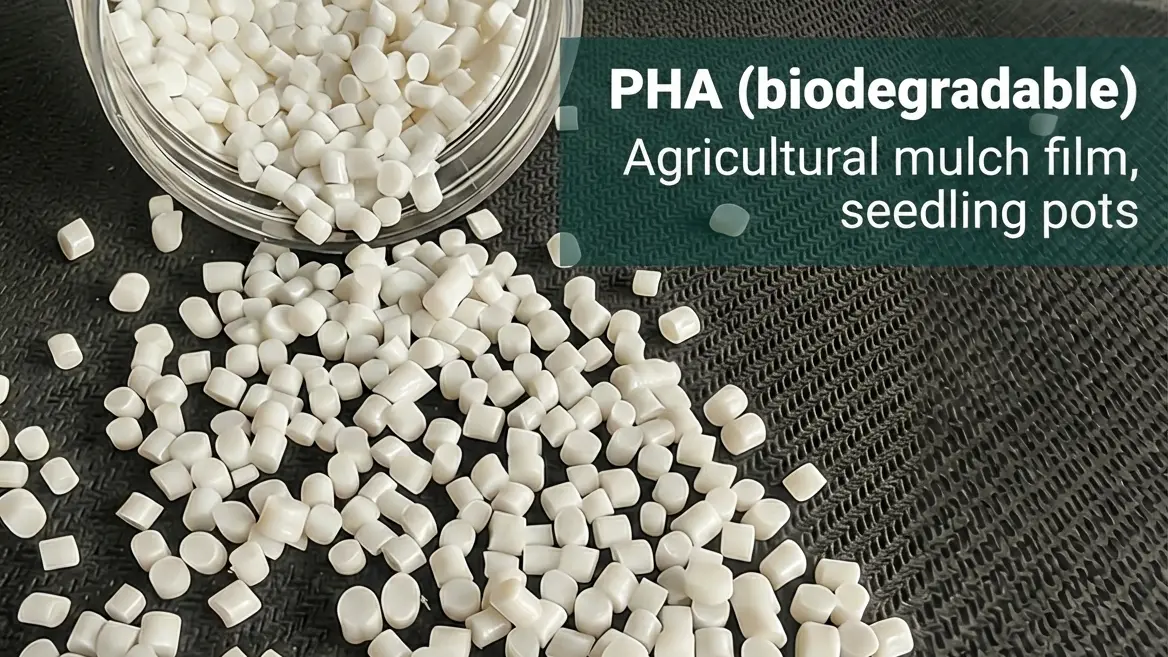
PHA results from bacterial fermentation of sugars or methane. It excels where strict pollution controls apply, degrading completely in soil or oceans over 14-365 days without microplastics.
High Barrier Protection
Strong barriers against oil and oxygen; ideal for burger liners and premium trays.
Production & Cost
Firms like Danimer and Bluepha are reducing costs to $3-8 per kg (2025-2026).
Comparison Matrix
- Price: $2-3.5/kg
- Strength: Rigidity
- Compost: Industrial
- Price: Lowest
- Strength: Affordable
- Compost: Home/Soil
- Price: $3-8/kg
- Strength: Barriers
- Compost: Marine/All
Future Trends & Recommendations
Strategic roadmap for 2026 and beyond
Market Evolution
Regulatory measures speed up bioplastics adoption. PHA output is expected to rise significantly by 2026, closing cost differences and broadening availability for global brands.
Smart Selection
Assess needs carefully: modified PLA for hot items, starch for quick-use products, and PHA for top environmental performance. Tailor these solutions to meet specific eco-goals.