The shift toward PLA packaging starts with precise polymer selection.As major brands aggressively phase out conventional plastics, packaging manufacturers and converters need bio-based drop-in solutions that don’t sacrifice line speed, yield, or product integrity.
Food-grade Polylactic Acid (PLA) resin has emerged as the premier feedstock for sustainable packaging. Yet, for extrusion and injection molding facilities, not all biopolymer pellets are created equal. In an industry where FDA and EU food-contact compliance are non-negotiable, selecting a high-purity, consistent resin is a competitive necessity. This guide dives into the technical processing advantages of our premium Food Grade PLA pellets, explores the regulatory landscape, and explains why sourcing raw materials through a specialized distributor is the smartest way to scale your production of compostable food packaging and secure a future-proof supply chain.
Secure Your Production, Not Just Your Compliance.
Don’t let regulatory hurdles or supply chain volatility stall your transition. As a specialized PLA distributor, we provide more than just pellets—we offer localized inventory buffers, batch-consistent resin, and on-site technical audits to ensure your move to Food-Grade PLA is seamless and cost-effective.
What Is Food Grade PLA?
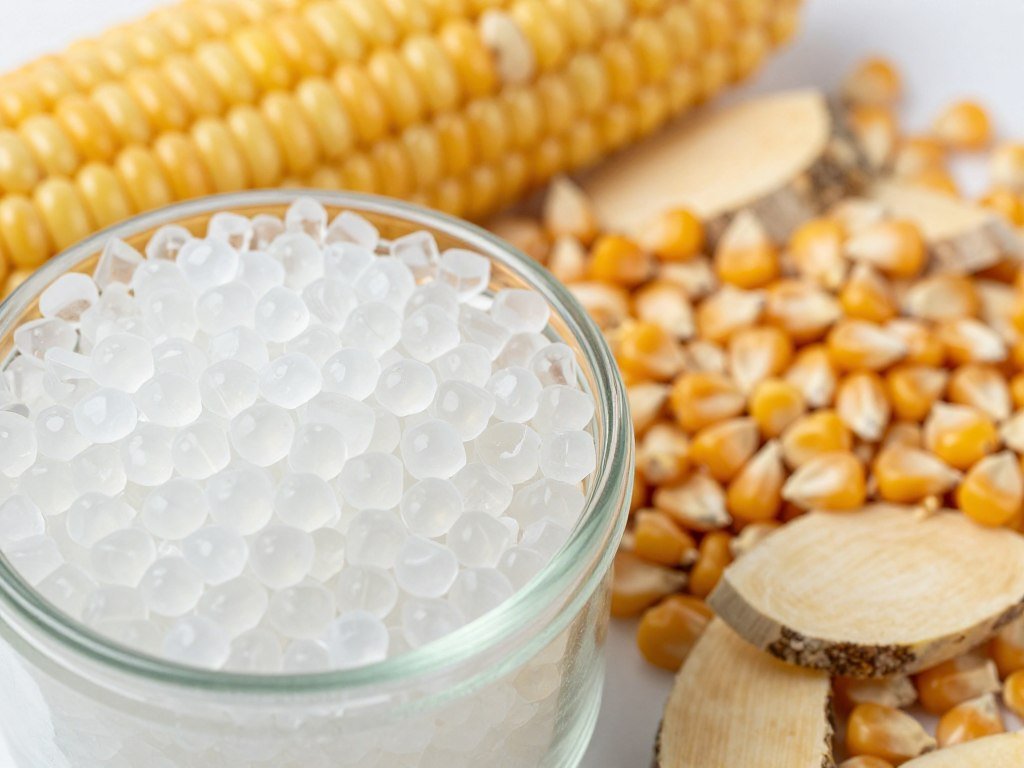
Food Grade Polylactic Acid (PLA) is a high-purity biopolymer resin engineered specifically for the rigorous safety and performance demands of the global food packaging industry. Unlike generic bioplastics, our food-grade resins are derived from 100% renewable, non-GMO feedstocks (such as cornstarch or sugarcane). The material is produced through a sophisticated, multi-stage process: the controlled fermentation of plant sugars into lactic acid, followed by high-vacuum polymerization to ensure minimal residual monomers and superior polymer stability.
The “Food Grade” designation is more than a label—it is a guarantee of compliance and chemical purity. Our PLA resins are strictly tested to meet and exceed international food-contact standards, including FDA (US), EU 10/2011 (Europe), and GB 4806 (China). By maintaining migration levels significantly below legal thresholds—even under acidic or fatty food simulants—our resins ensure that your packaging preserves the original aroma and flavor profile of the food without BPA, phthalates, or PFAS contamination.
Technical Advantages & Processing Parameters:
Our premium Food Grade PLA pellets are engineered to bridge the gap between sustainability and industrial durability.
- Precision Melt Flow Index (MFI): Tailored grades for low-MFI sheet extrusion and high-MFI thin-wall injection molding.
- Advanced Moisture Control: Delivered in moisture-barrier packaging; target processing moisture is <250 ppm to prevent hydrolytic degradation.
- Enhanced Thermal Stability (CPLA): Our nucleated Crystalline PLA (CPLA) maintains structural integrity up to 95°C (203°F), ideal for hot-fill applications.
- Superior Surface Energy: Naturally high at 38–40 dynes/cm, ensuring crisp print adhesion without expensive corona treatments.
By sourcing our Food Grade PLA raw materials, manufacturers gain more than just a resin; they secure a transparent supply chain backed by full TDS/MSDS documentation and expert technical support for seamless material transition.
Technical Grade Selection
Successful conversion begins with selecting the optimal Ingeo™ molecular structure. The following selection guide outlines the functional standards for high-volume food packaging production:
Extrusion & Thermoforming (Cups, Trays, and Clamshells)
These grades offer high clarity and the melt strength required for consistent sheet quality and deep-draw thermoforming.
- Ingeo 2003D: The industry standard for transparent food containers. Excellent for deli cups, berry clamshells, and dairy packaging.
- Ingeo 4032D / 4043D: Ideal for biaxially oriented (BOPLA) films and high-clarity sheet extrusion. 4032D is preferred for higher heat environments.
- Ingeo 4060D: A specialized amorphous grade designed for use as a heat-seal layer in co-extruded film structures.
Precision Injection Molding (Cutlery & Serviceware)
Optimized for fast cycle times and easy mold release, these grades ensure high-volume productivity.
- Ingeo 3251D: A high-flow grade specifically designed for thin-wall injection molding (e.g., disposable cutlery, clips, and fasteners).
- Ingeo 3001D / 3052D: Reliable general-purpose molding grades with excellent stiffness and dimensional stability.
- Ingeo 2500HP / 3100HP: Part of the High Performance (HP) series. These resins offer faster crystallization rates, significantly reducing cycle times and increasing heat deflection temperatures (HDT) when used with nucleating agents.
Fibers & Specialized Food Contact (Tea Bags & Filtration)
For applications where “breathability” and flavor preservation are critical.
- Ingeo 6201D / 6202D: High-tenacity grades for filament extrusion; widely used for compostable tea bags and coffee filters.
- Ingeo 6100D / 6400D: Optimized for non-woven processes (spunbond/meltblown), providing a safe, sensory-neutral barrier for food service.
- Ingeo 6752D: A high-viscosity grade tailored for specialized monofilament applications in food filtration.
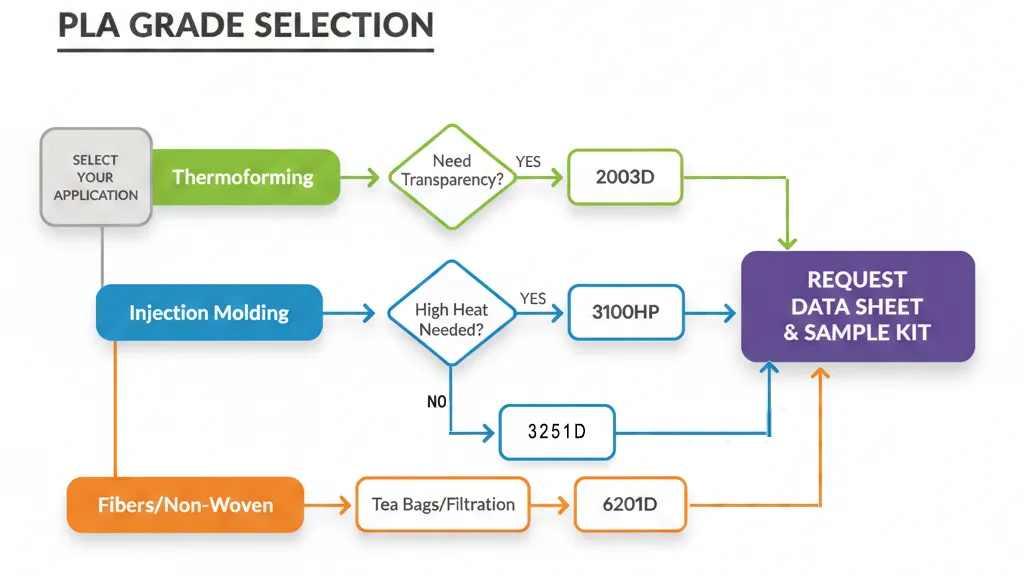
Successful conversion begins with selecting the optimal Ingeo™ molecular structure. However, the right resin is only half the battle. Our team provides specialized guidance on:
- Impact Modification: For deep-draw thermoforming where standard PLA might be brittle, we offer drop-in blending strategies to enhance ductility.
- Advanced Moisture Management: To prevent hydrolytic degradation, we don’t just provide TDS; we define precise drying curves (<250 ppm) tailored to your specific ambient warehouse conditions.
- Optimized Shrinkage Control: We assist in adjusting mold temperatures to account for PLA’s unique crystallization rates compared to PP or PET.
Why Food Grade PLA Matters for Food Packaging
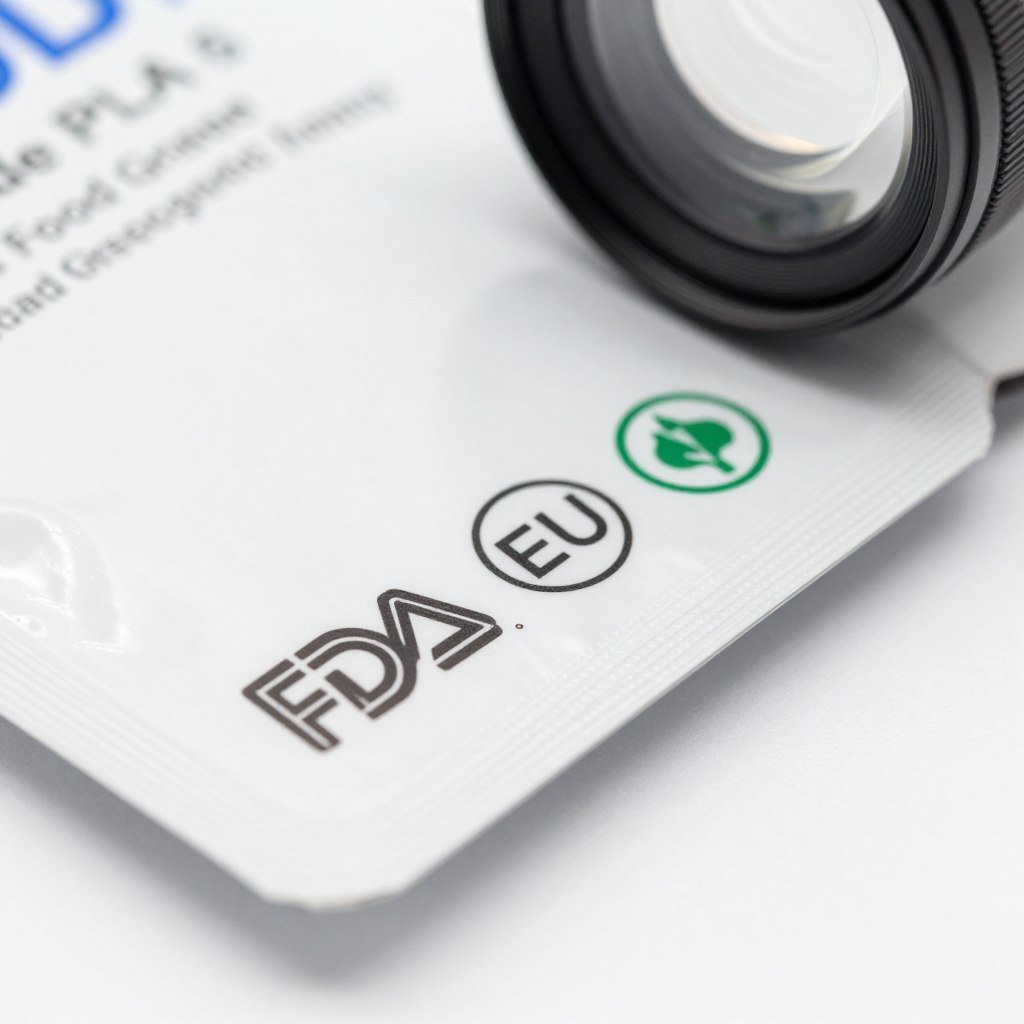
Safety & Regulatory Compliance: Beyond BPA-Free
In an era of tightening food safety scrutiny, our Food Grade PLA offers more than just a non-toxic alternative; it provides a comprehensive shield against chemical migration. Unlike low-grade bioplastics, our resins are strictly PFAS-free and contain no phthalates or heavy metals. This proactive compliance ensures your packaging meets the most stringent global standards, protecting your brand from the legal and reputational risks associated with NIAS (Non-Intentionally Added Substances).
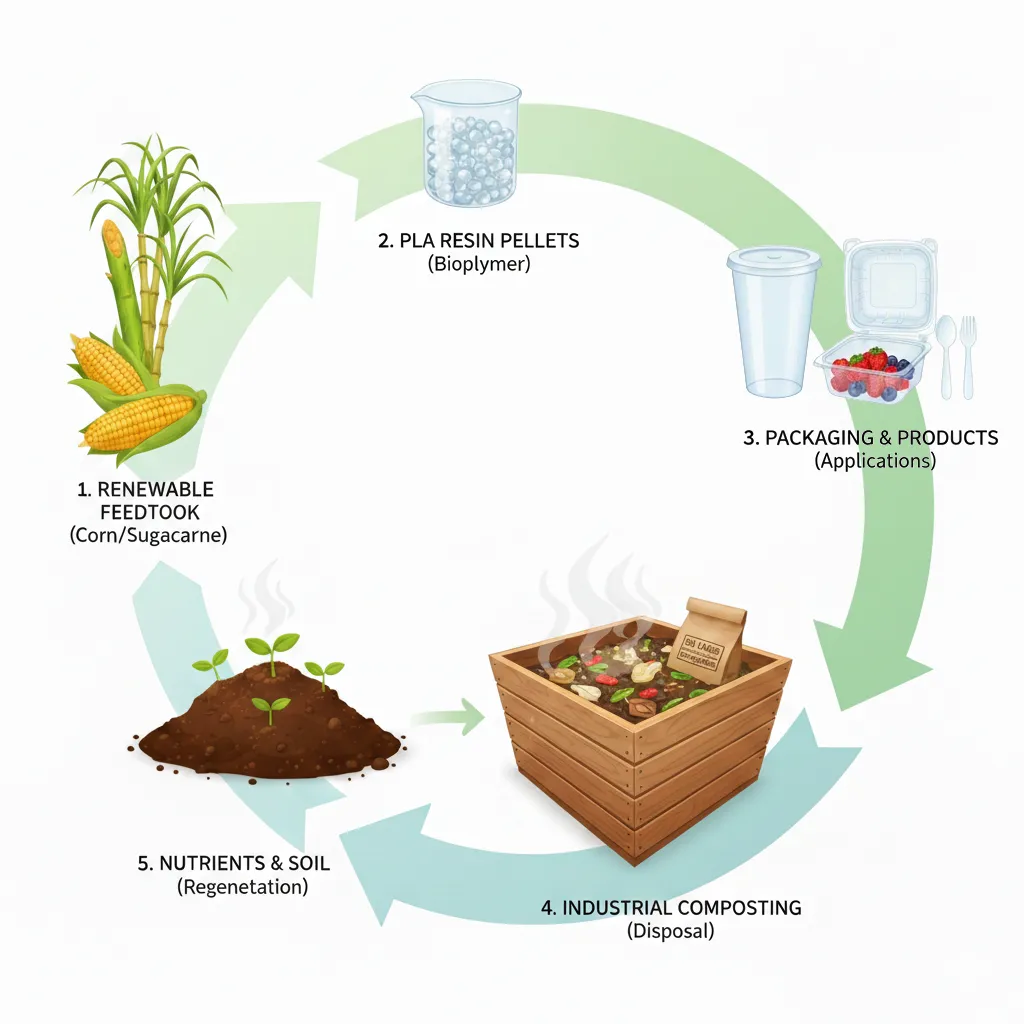
The Circular Economy: Future-Proofing Your Supply Chain
Switching to our 100% bio-based PLA isn’t just about reducing carbon footprints—it’s about staying ahead of the regulatory curve. As EPR (Extended Producer Responsibility) fees and single-use plastic bans (like the EU’s PPWR) become the norm, our EN 13432 certified compostable resins offer a compliant, end-of-life solution that keeps your products on the shelves while others are phased out.
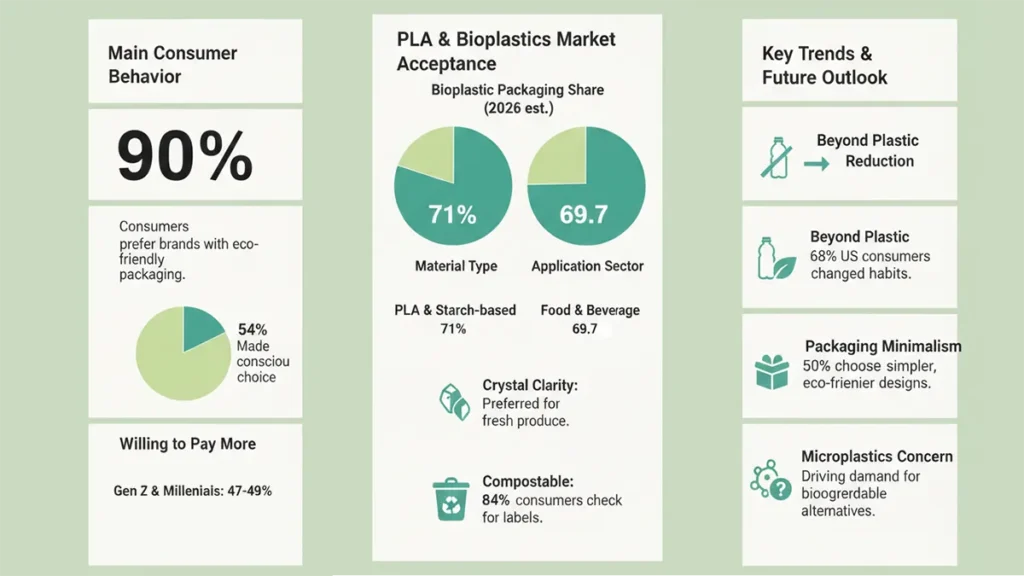
Our high-purity Food Grade PLA delivers superior optical clarity and surface tension, allowing for high-quality printing and brand positioning. With over 70% of consumers prioritizing environmental impact, using our certified virgin resins allows you to command a premium price point, transforming “sustainability” from a cost center into a competitive edge.
Performance of Food Grade PLA in Food Packaging Applications

While traditional biopolymers often struggle with brittle textures, our High-Performance Food Grade PLA is engineered to bridge the gap between sustainability and industrial durability.
Optimized Impact Strength
Through advanced molecular weight control and optional impact-modified grades, our resins overcome the natural brittleness of PLA, making them ideal for high-pressure thermoforming and deep-draw containers.
Thermal Evolution (CPLA)
For applications requiring heat resistance (up to 95°C), we supply Crystalline Food Grade PLA (CPLA). This allows your brand to utilize eco-friendly materials for hot coffee lids and microwave-safe trays without deformation.
Superior Print Adhesion
Our resins feature naturally high surface energy (38–40 dynes/cm), ensuring crisp, high-definition graphics without the need for costly corona treatment—a significant cost saving for high-speed printing lines.
| Property | Premium Food Grade PLA | PET (Fossil-based) | PP (Polypropylene) |
| Tensile Strength | 60 – 70 MPa | 55 – 75 MPa | 30 – 40 MPa |
| Young’s Modulus | 3.5 – 3.8 GPa | 2.8 – 3.1 GPa | 1.3 – 1.6 GPa |
| Clarity / Haze | < 2.0% (Superior) | < 2.5% | Translucent/Opaque |
| Heat Deflection | 55°C (Amorphous) / 95°C (CPLA) | 65 – 70°C | 90 – 110°C |
| Eco-Profile | 100% Bio-based / Compostable | Carbon Intensive | Carbon Intensive |
Most Common Food Packaging Applications for Food Grade PLA
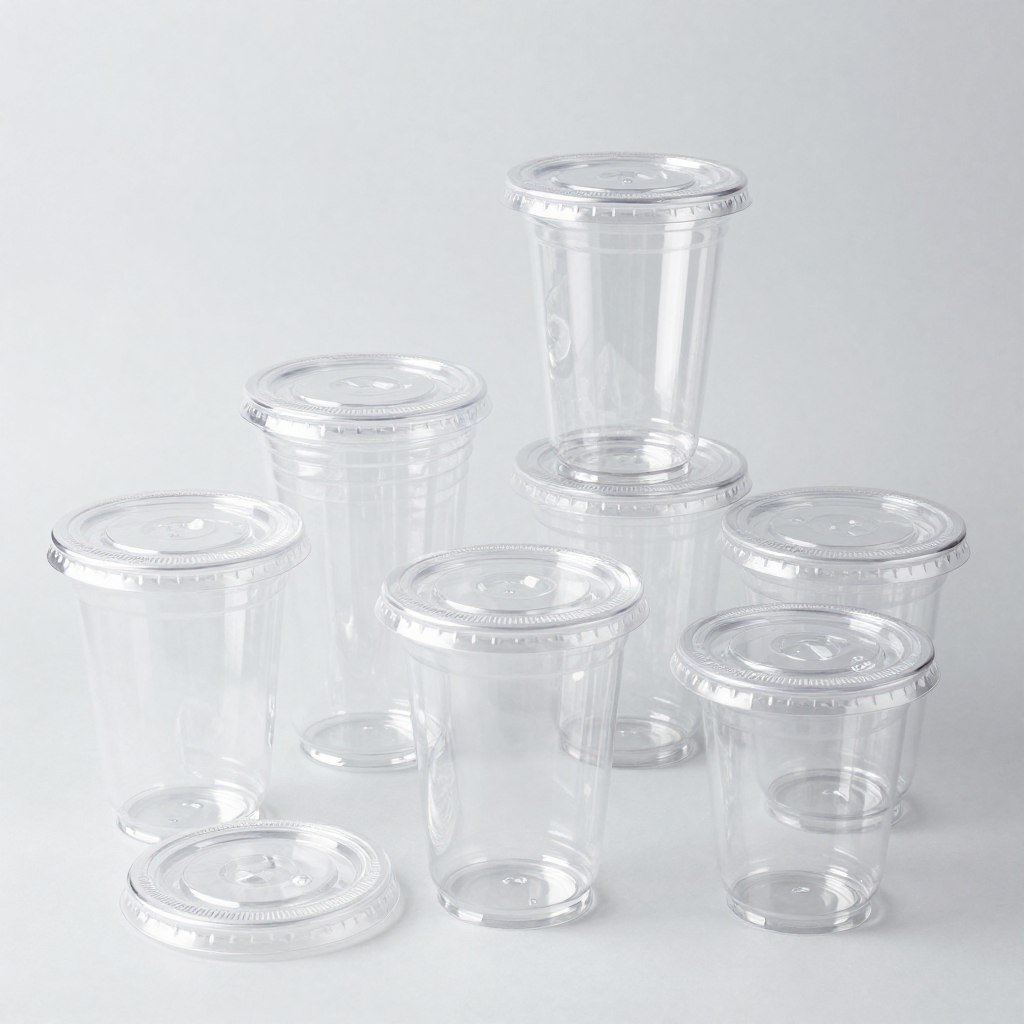
High-Precision Straws & Cold Drink Cups
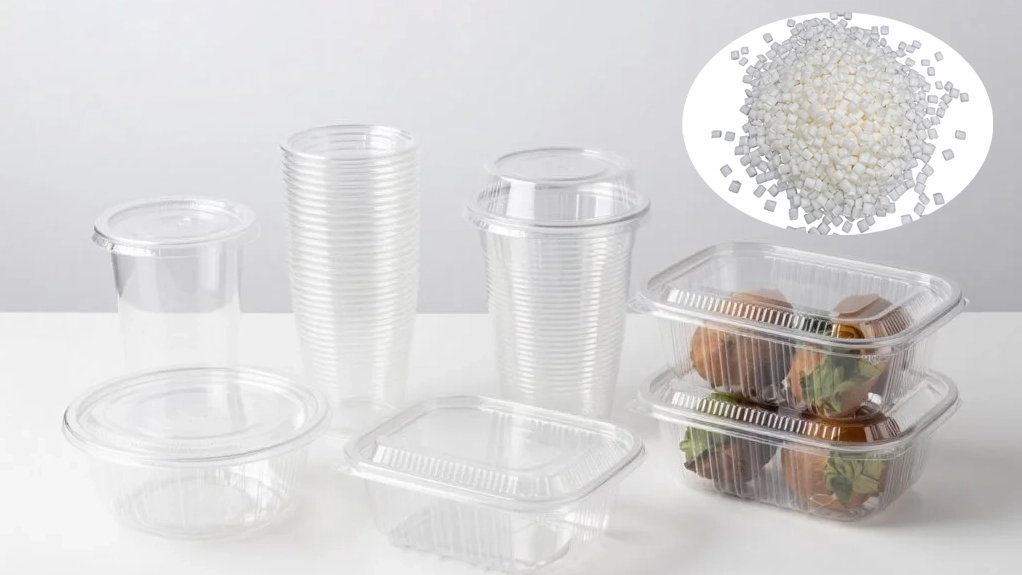
We provide Extrusion Grade PLA optimized for high-speed straw production and Thermoforming Grades for crystal-clear cups. These resins feature consistent melt strength, ensuring uniform wall thickness and crack resistance—essential for high-volume automated service.
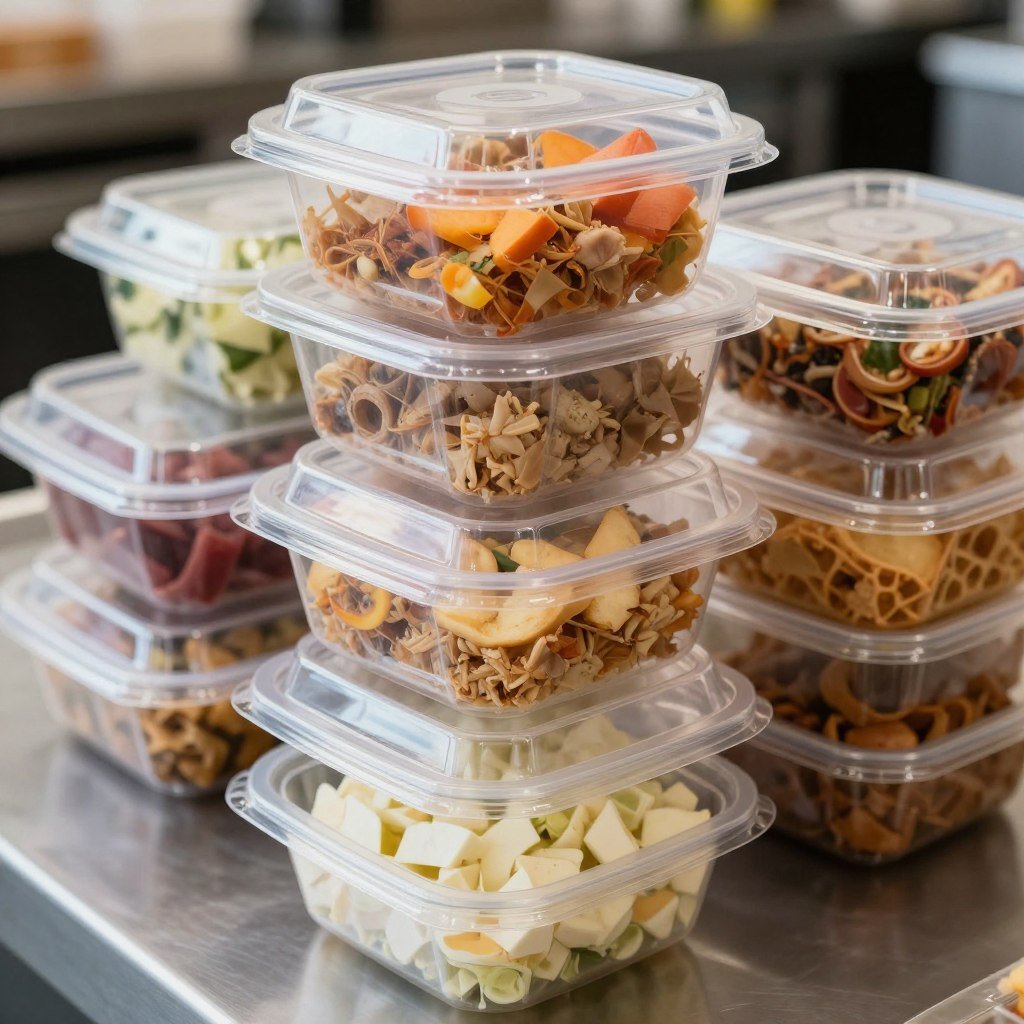
Heat-Resistant Cutlery (CPLA)
Standard PLA fails in hot applications. Our CPLA (Crystalline PLA) resins are specifically formulated for injection-molded cutlery. By incorporating bio-based nucleating agents, these materials withstand temperatures up to 90°C, meeting the functional demands of hot food service while remaining fully compostable.
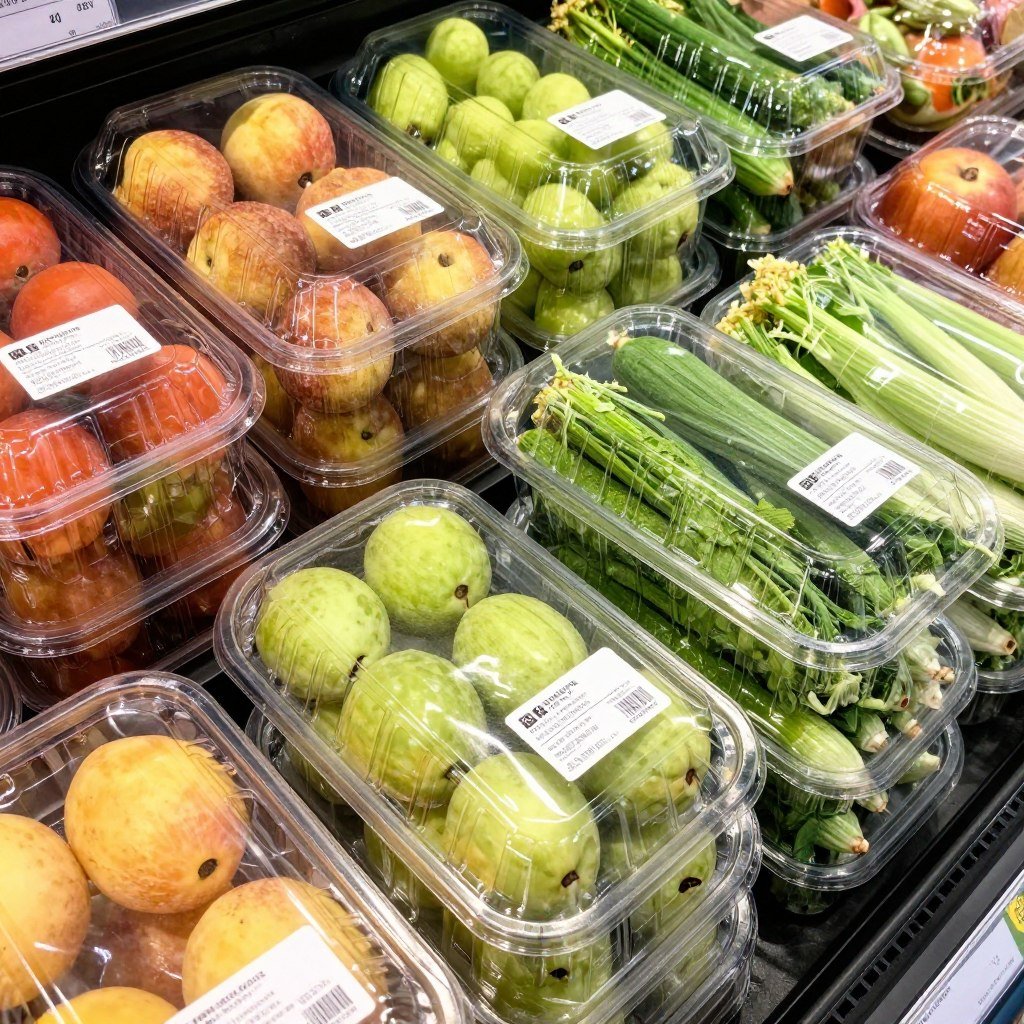
Breathable Fresh Produce Packaging
Our Food Grade PLA trays offer a unique “breathability” (naturally higher O2 and CO2 permeability compared to PET). This helps regulate the micro-atmosphere inside the package, preventing moisture buildup and extending the shelf life of fresh berries and leafy greens.
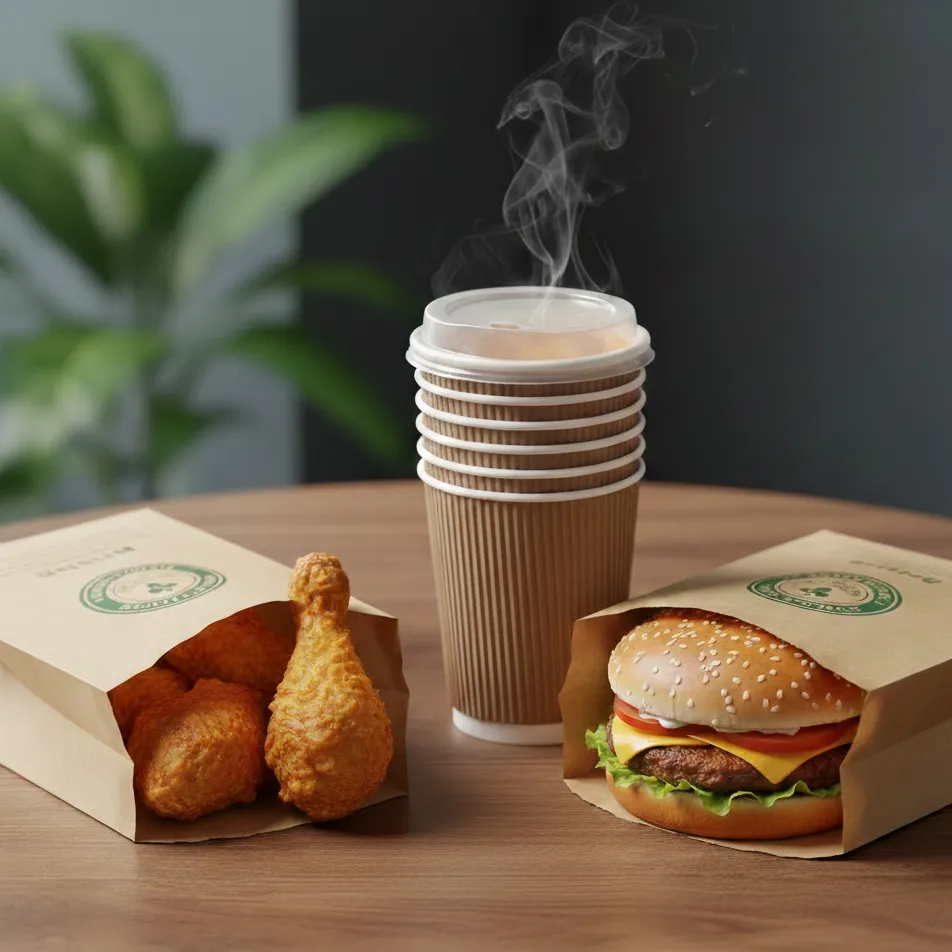
Sustainable Paper Coating & Lamination
Replacing traditional PE lining, our Coating Grade PLA provides an excellent grease barrier for coffee cups and fast-food wrappers. It adheres perfectly to paper substrates, ensuring a leak-proof finish that simplifies the recycling and composting of fiber-based packaging.
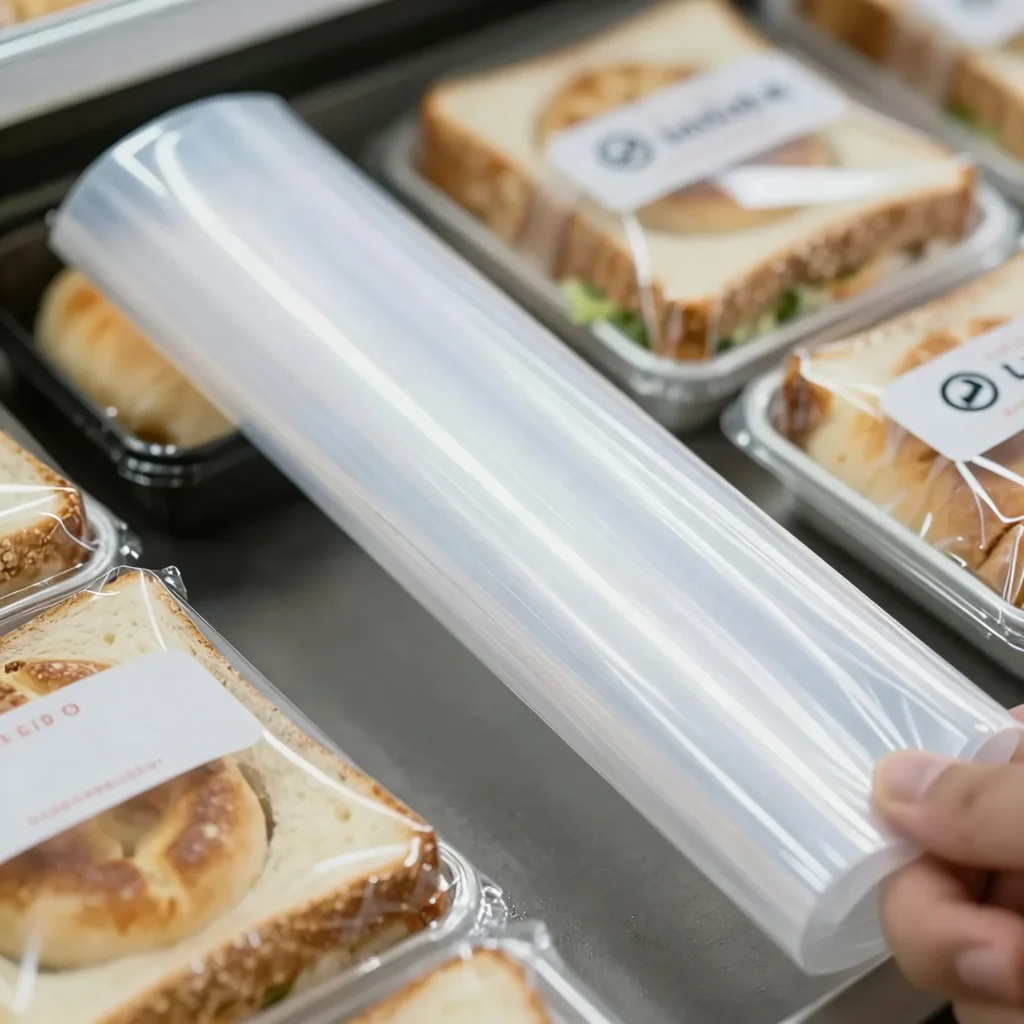
High-Clarity Flexible Films
Engineered for BOPA/BOPET replacement in short-term snack and bakery packaging, our film-grade resins offer superior twist retention and high surface gloss to enhance shelf presence.
Not sure which PLA grade is compatible with your current machinery and product requirements?
Contact our technical team for a Material Selection Audit and free sample testing.
Cost Comparison: Food Grade PLA vs Traditional Plastics
While the initial market price of Food Grade PLA may sit higher than virgin PET or PS, a professional Total Cost of Ownership (TCO) analysis reveals a much more competitive landscape for modern manufacturers.
Structural Efficiency & Material Reduction (Down-gauging)
Due to its superior tensile strength and higher modulus compared to PP or PS, manufacturers can often achieve the same structural integrity with thinner walls. By reducing the gram-weight per unit, the “per-piece cost” of a PLA container often nears parity with traditional options.
Regulatory Hedge & Tax Mitigation
In many global markets, Plastic Taxes and EPR (Extended Producer Responsibility) fees are aggressively targeting fossil-based polymers. Sourcing our 100% bio-based PLA allows brands to bypass these carbon-related penalties, turning a “premium material” into a “tax-saving strategy.”
Processing Synergy
As a drop-in solution, our Food Grade PLA is designed for low-energy processing. Its lower melting point (150-170℃) allows for reduced heater-band energy consumption. Furthermore, the high surface energy of the resin eliminates the need for expensive corona treatments before printing, further lowering the total conversion cost.
Cost Optimization Strategies for Food Grade PLA:
- Volume-Linked Pricing: Tiered pricing structures for large-scale converters.
- Inventory Buffering: Protecting you from spot-market price volatility.
- Technical Optimization: Assisting your engineers in maximizing cycles-per-minute to ensure the highest ROI on your production lines.
How to Choose a Reliable Food Grade PLA Supplier

Selecting a Food Grade PLA supplier is about more than just a transaction; it’s about securing a link in your food-contact supply chain. As a specialized distributor, we bridge the gap between global polymerization excellence and your local production floor.
Essential Certifications & Compliance
Uncompromising Compliance (The Paper Trail)
Never settle for vague promises. A reliable partner provides batch-specific COAs (Certificates of Analysis) and verified FDA/EU/GB food-contact certifications upfront. We maintain a live library of TDS and regulatory documents for every grade we carry.
Technical Optimization (The Machinery Fit)
The transition to PLA shouldn’t stop your lines. We don’t just ship bags; we provide on-site processing parameters for extrusion and thermoforming, ensuring our resin integrates seamlessly with your specific machinery.
Supply Chain Resilience (Local Inventory)
Global shipping is volatile, but your production shouldn’t be. We maintain strategic local stock to provide shorter lead times and buffer against market fluctuations, offering flexible MOQs that manufacturers need to scale.
Quality Consistency
We pre-vet our manufacturing partners for batch-to-batch consistency in Melt Flow Rate (MFR) and thermal stability, acting as your first line of quality defense.
Don’t Fall for the “Greenwash” Red Flags:
Beware of suppliers who cannot provide EN 13432/ASTM D6400 compostability certifications or those who are nontransparent about the Non-GMO status of their feedstocks.
Building a strong relationship with your Food Grade PLA supplier is an investment in your product quality and brand reputation. Take time to thoroughly evaluate potential partners, request samples for testing in your specific applications, and establish clear expectations for ongoing support and collaboration.
Conclusion: Embracing the Future of Food Packaging
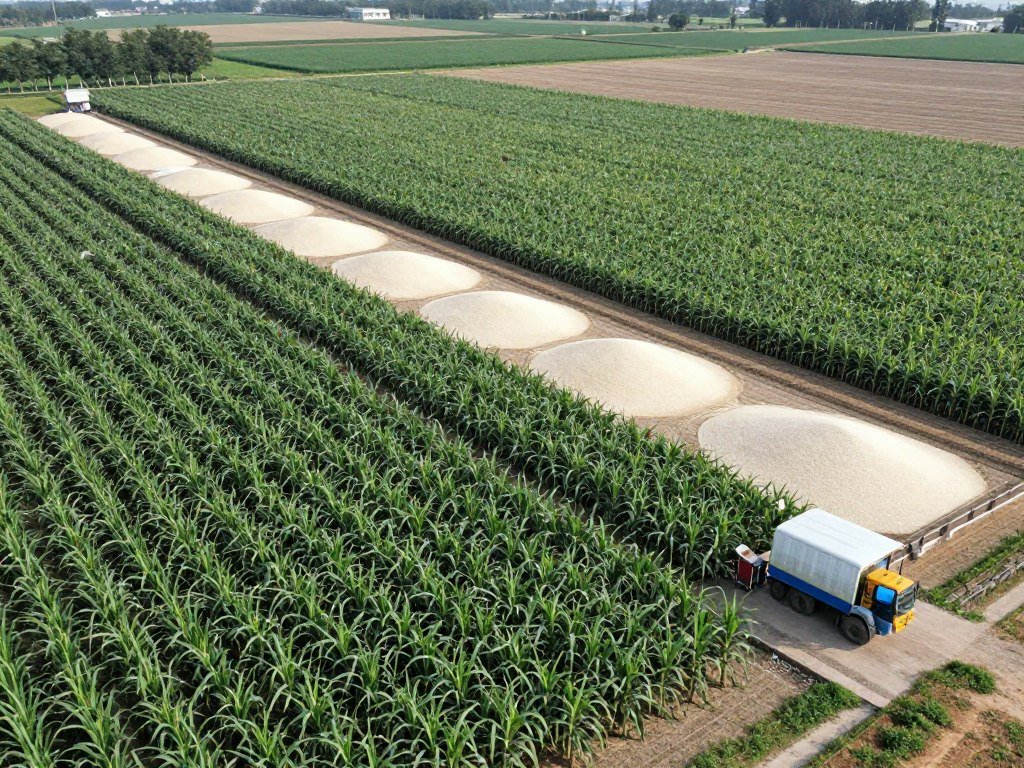
Food Grade PLA is no longer a futuristic concept—it is a strategic necessity for brands navigating the shifting landscape of global packaging regulations and consumer expectations. By offering an uncompromising blend of safety, high-clarity performance, and 100% compostability, it stands as the most viable successor to conventional fossil-based plastics.
We understand that transitioning to biopolymers involves more than just swapping resins. It requires a stable supply chain, rigorous regulatory documentation, and technical expertise to ensure your machinery performs at peak efficiency. As your dedicated Food Grade PLA partner, we bridge this gap with:
- Certified Global Compliance: Instant access to FDA, EU, and GB certification records.
- Production-Ready Inventory: Reliable wholesale supply to safeguard your production timelines.
- Expert Technical Guidance: Specialized support for thermoforming, injection molding, and film extrusion.
Ready to transform your food packaging?
Our team of packaging experts can help you evaluate Food Grade PLA for your specific applications and develop a transition strategy that aligns with your business goals.
Frequently Asked Questions
What PLA is food safe for?
Food Grade PLA is exceptionally versatile and is primarily used for short-to-medium shelf-life applications where high clarity and sustainability are prioritized. It is ideal for:
- Cold Food & Beverages: Including transparent cups, deli containers, and cold-brew bottles.
- Fresh Produce: Trays and clamshells for berries and leafy greens (benefiting from PLA’s natural breathability).
- Dry Goods: Bakery boxes, candy wrappers, and windowed pouches.
- High-Heat Applications (CPLA): When modified into Crystalline PLA, it is safe for hot coffee lids, cutlery, and soup containers (up to 95°C/203°F).
- Barrier Solutions: As a coating for paper cups and bowls to replace traditional PE linings.
What is the difference between PLA and food grade PLA?
The critical difference lies in Chemical Purity, Additive Control, and Traceability.
- Standard PLA: May contain residual monomers, processing aids, or pigments that are not vetted for human consumption. It is typically used for industrial 3D printing or non-food general packaging.
- Food Grade PLA: This is a “Premium Resin” that undergoes strict high-vacuum polymerization to minimize residual lactic acid monomers. Every batch is tested for Global Migration Limits, ensuring no harmful substances (like PFAS or phthalates) leach into food. Furthermore, Food Grade PLA comes with a Certificate of Analysis (COA) and meets specific regulatory codes such as FDA 21 CFR and EU 10/2011.
Is PLA biodegradable?
Yes, Food Grade PLA is industrially biodegradable and compostable according to EN 13432 and ASTM D6400 standards, meaning it breaks down into water, CO2, and biomass without leaving toxic residues.
Is it safe to drink out of PLA filament?
Technically, while the base PLA resin might be food-safe, drinking out of 3D-printed PLA filament is NOT recommended for industrial food service for two main reasons:
- Bacterial Growth: 3D printing creates microscopic layers (ridges) that act as breeding grounds for bacteria, which are nearly impossible to sanitize in a commercial environment.
- Additives & Extrusion: 3D filaments often contain colorants, flow enhancers, or metal particles from the printer nozzle that are not food-contact certified. For commercial food packaging, you must use injection-molded or thermoformed Food Grade PLA resins produced in a controlled, hygienic facility.