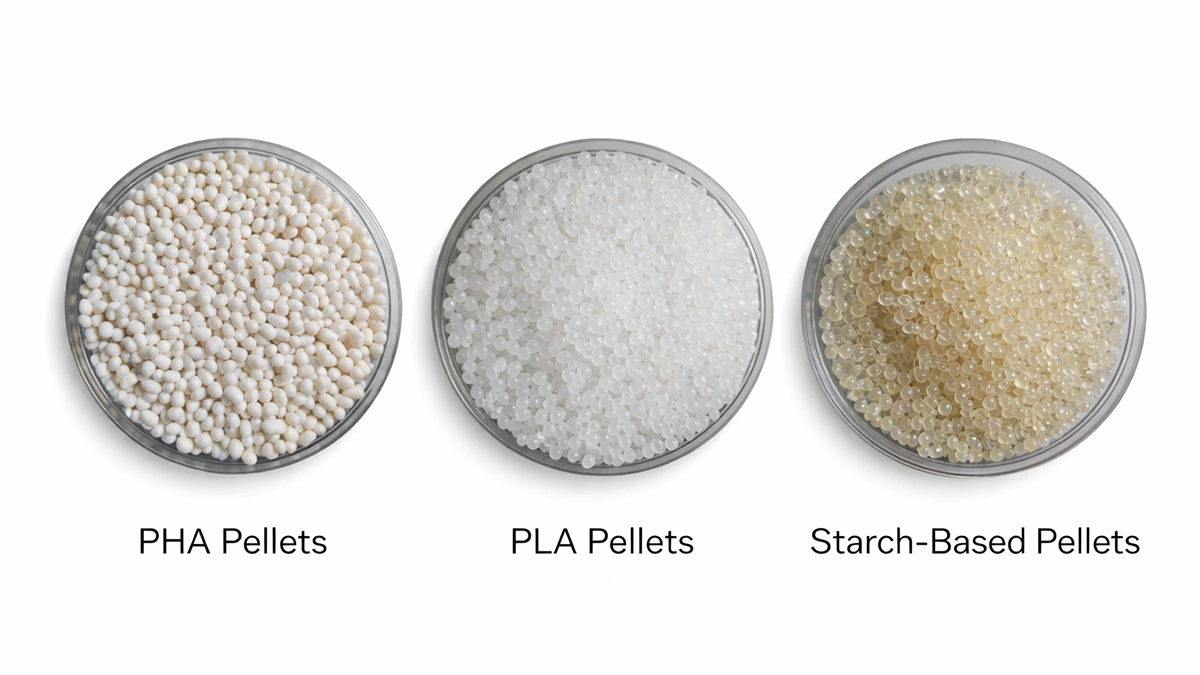
This guide explores the use of polycarbonate pellets in 3D printing, emphasizing material properties, processing requirements, and applications for manufacturers and technical professionals. Polycarbonate, valued for its high strength, optical clarity, and thermal stability, is ideal for producing durable industrial components and functional prototypes. The guide addresses pellet selection, filament extrusion considerations, and material performance in 3D printing, offering technical insights to optimize outcomes in professional manufacturing workflows.
Introduction to Polycarbonate in 3D Printing
Polycarbonate (PC) is a high-performance thermoplastic characterized by high tensile strength, optical clarity, and thermal stability, with a glass transition temperature of approximately 147°C. Its impact resistance and lightweight properties make it suitable for demanding 3D printing applications.
Advantages of Polycarbonate Pellets for 3D Printing
Compared to ABS and PLA, polycarbonate pellets offer distinct benefits for filament production:
- High Strength: PC exhibits tensile strength of 60-70 MPa, surpassing ABS (~40 MPa) and PLA (~50 MPa), enabling durable functional parts.
- Thermal Stability: PC maintains structural integrity at elevated temperatures, unlike PLA, which deforms above 60°C.
- Optical Clarity: With up to 90% light transmission, PC is suitable for transparent components.
- Flexibility: PC’s moderate flexibility minimizes cracking under stress, unlike brittle PLA.
These properties make polycarbonate pellets a preferred choice for producing filaments used in manufacturing robust prototypes, industrial components, and transparent enclosures.
Polycarbonate Pellets in 3D Printing Applications
Polycarbonate pellets are primarily processed into filaments for Fused Deposition Modeling (FDM), supporting applications such as drone frames, medical device housings, and transparent consumer product enclosures.
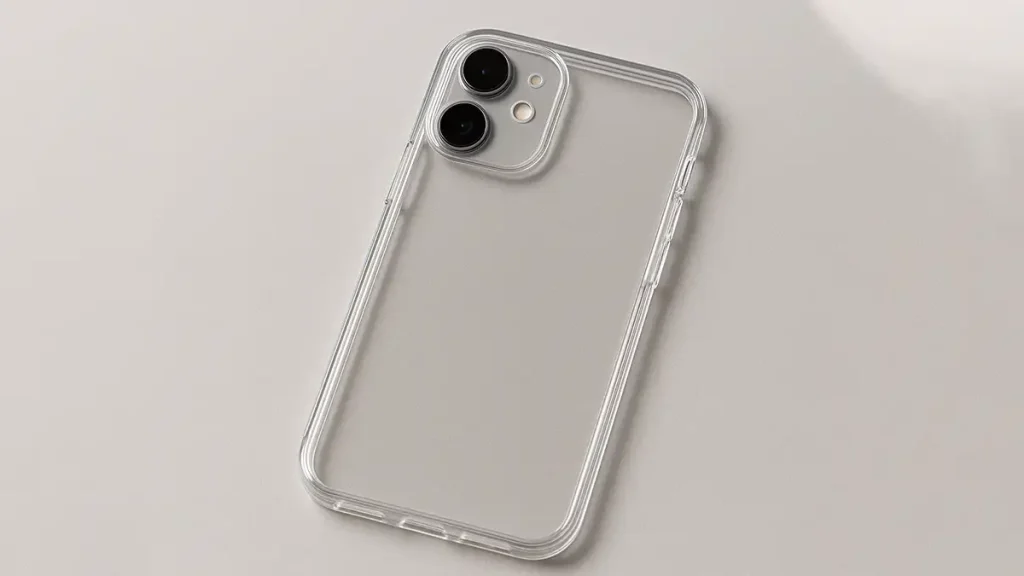
Polycarbonate Material Properties
Polycarbonate pellets provide distinct properties for 3D printing, enabling the production of components with high impact resistance, thermal stability, and optical clarity. These characteristics support applications in demanding environments, such as automotive structural parts, medical device enclosures, and transparent protective panels.
1. Impact Resistance
Polycarbonate exhibits a notched Izod impact strength of 600–800 J/m (ASTM D256), suitable for components under mechanical stress, such as machinery brackets or protective casings.
2. Thermal Stability
With a glass transition temperature (Tg) of 145–150°C (ASTM D3418) and a heat deflection temperature (HDT) of 135–140°C at 0.45 MPa (ASTM D648), polycarbonate performs reliably in high-temperature applications, such as automotive under-hood components or industrial equipment parts.
3. Optical Clarity
Achieving 88–90% light transmission (ASTM D1003), polycarbonate is effective for optical components, including lenses, visors, and transparent covers.
4. Chemical Resistance
Polycarbonate resists oils, greases, and dilute acids (pH > 4, ASTM D543) but is susceptible to solvents (e.g., acetone) and alkalis (pH > 10). Careful material evaluation is required for applications involving chemical exposure, such as fluid containers.
Comparison with Other 3D Printing Materials

The table below compares polycarbonate pellets with ABS, PLA, and PETG based on quantifiable performance metrics, aiding material selection for applications requiring strength, heat resistance, or optical clarity.
| Material | Tensile Strength (MPa) | Heat Deflection Temperature (°C) | Transparency | Ease of Printing | Cost |
|---|---|---|---|---|---|
| Polycarbonate | 60–70 | ~135 | Transparent (~90% light transmission) | Moderate (250–300°C extruder, heated bed) | Moderate-High |
| ABS | 40–45 | ~98 | Opaque | Moderate (220–250°C, heated bed recommended) | Low-Moderate |
| PLA | 50–60 | ~55 | Opaque/Translucent | Easy (180–220°C, no heated bed required) | Low |
| PETG | 50–55 | ~75 | Translucent | Easy-Moderate (230–250°C, heated bed optional) | Low-Moderate |
Polycarbonate requires higher extrusion temperatures and strict moisture control compared to PLA or PETG.
Polycarbonate Pellet Types for 3D Printing
Polycarbonate pellets are formulated to meet specific 3D printing requirements, offering options for precision, sustainability, and specialized performance:
- Virgin Polycarbonate: High-purity pellets with a melt flow index (MFI) of 7–15 g/10 min (ASTM D1238, 300°C/1.2 kg) ensure consistent filament extrusion for precision components, such as medical device enclosures or automotive lenses.
- Recycled Polycarbonate: Retains impact strength (600–800 J/m, ASTM D256) and light transmission (88–89%, ASTM D1003) for sustainable applications, such as consumer product prototyping.
- Specialty Grades:
- UV-Stabilized: For outdoor components (e.g., signage), with <2% degradation after 1000-hour UV exposure (ASTM G154).
- Flame-Retardant: Meets UL94 V-0 (self-extinguishing in ≤10 seconds) for safety-critical applications.
- Glass-Fiber-Reinforced: Contains 15–30% glass content, increasing tensile modulus to 5–7 GPa for structural parts like machinery frames.
Pellet Selection Considerations
Consistent filament extrusion in 3D printing depends on precise material quality and processing characteristics of polycarbonate pellets. Key specifications include certifications, purity, and consistency to ensure reliable print performance:
- Certifications:
- ISO 9001: Verifies standardized manufacturing processes for consistent pellet quality.
- RoHS: Confirms absence of restricted substances, enabling use in consumer electronics and medical device enclosures.
- Purity: Pellets with impurity levels <0.01% (ASTM E168, FTIR spectroscopy) prevent nozzle clogs and support filament tolerances of ±0.05 mm during extrusion.
- Consistency: Pellets sized 2–3 mm with moisture content <0.015% (ASTM D6869, Karl Fischer titration) minimize defects such as bubbles or warping. Pre-drying at 120°C for 4–6 hours is necessary to achieve optimal moisture levels.
Polycarbonate Pellet 3D Printing: Technical Specifications
Polycarbonate pellets, valued for high strength, optical clarity, and thermal stability, require specific processing conditions to produce quality filament and printed parts. This section details equipment compatibility, material preparation, processing parameters, and environmental controls to optimize performance in 3D printing for manufacturers and technical professionals.

Equipment Compatibility
The high melting point and viscosity of these pellets necessitate equipment designed for elevated temperatures and consistent material flow. Extruders and hotends must handle temperatures up to 310°C to ensure proper filament production. Compatibility with heated build plates and enclosed chambers further supports defect-free printing.
- Extruder: Operates at 260–310°C to melt the material for filament production.
- Build Plate: Heated to 90–120°C to ensure adhesion and minimize thermal contraction.
- Enclosed Chamber: Maintains stable thermal gradients to reduce stresses in printed parts.
- Hotend: All-metal design to withstand sustained high temperatures without degradation.
Pellet Preparation
The hygroscopic nature of this material demands rigorous moisture management to maintain filament quality and print integrity. Moisture absorption can lead to extrusion defects, such as bubbles or inconsistent flow, compromising mechanical properties. Proper drying and storage are critical to ensure optimal performance.
- Drying: Process pellets at 110–120°C for 4–6 hours before extrusion to eliminate moisture, preventing bubbles or weak layer bonding.
- Storage: Keep pellets in airtight containers with desiccant to ensure consistent extrusion performance.
Processing Parameters
Effective filament extrusion and printing rely on parameters tailored to the material’s thermal and flow properties. The melt flow rate (10–20 g/10min) of these pellets influences temperature and speed settings, requiring precise adjustments. These settings ensure robust layer bonding and dimensional accuracy in printed parts.
- Extrusion Temperature: 260–310°C, based on the material’s melt flow rate (10–20 g/10min).
- Nozzle Temperature: 250–300°C, adjusted for filament composition.
- Build Plate Temperature: 90–120°C to enhance adhesion and limit thermal stress.
- Print Speed: 30–50 mm/s for robust layer bonding and dimensional accuracy.
- Layer Height: 0.1–0.2 mm for precision; 0.3 mm for efficiency.
- Adhesion: Use PEI sheets or high-temperature adhesives for secure bonding.
Environmental Control
Temperature stability during printing is essential to prevent defects in parts made from these pellets. Rapid thermal contraction can cause warping or layer separation, particularly due to the material’s high thermal requirements. Controlled cooling and an enclosed environment enhance part strength and quality.
- Cooling: Limit cooling to 10–20% fan speed to avoid rapid thermal contraction and layer separation.
- Enclosure: An enclosed chamber stabilizes temperatures, reducing cracking and enhancing part strength.
Best Practices for PC 3D Printing
Successfully printing with polycarbonate requires careful preparation, precise settings, and attention to safety. Below are the essential practices categorized for ease of reference.
🔧 Pre-Printing Preparation
- Drying the Filament
Dry at 80°C for 4–6 hours to remove moisture and prevent bubbling or poor layer adhesion.
(Moisture content should be below 0.1%.) - Calibrating the Printer
Ensure accurate bed leveling and nozzle height (±0.05 mm) to achieve a successful first layer. - Test Prints
Print small calibration models to fine-tune settings like flow rate and temperature.
🖨️ Printing Techniques
- Nozzle Temperature & Speed
Set nozzle between 270–310°C.
Recommended print speed: 20–30 mm/s for improved interlayer adhesion. - Bed Adhesion
Use a heated bed at 90–110°C.
Surfaces: PEI sheets or a thin layer of PVA glue stick. - Support Structures
Optimize for strength and material use with 10–15% support density.
Polycarbonate’s rigidity often reduces support requirements.
🔄 Post-Processing
- Annealing
Place finished parts in a convection oven at 100–120°C for 30–60 minutes.
Relieves internal stress, improves mechanical performance, and reduces warping. - Sanding & Polishing
For optical clarity, sand with progressively finer grits (e.g., 400 to 1200 grit), then polish with plastic-safe compounds. - Painting
Use polycarbonate-compatible primers to ensure strong and durable paint adhesion.
⚠️ Safety Considerations
- Ventilation
Always print in a well-ventilated space or use enclosures with HEPA and carbon filters. - Thermal Hazards
Components may exceed 250°C—wear heat-resistant gloves when handling. - Fume Control
In enclosed spaces, use air purifiers compliant with OSHA or local industrial standards to reduce VOC exposure.
📌 These practices help ensure strong, stable, and safe polycarbonate prints—ideal for engineering-grade applications.
Applications of Polycarbonate in 3D Printing
Thanks to its exceptional combination of toughness, heat resistance, and optical clarity, polycarbonate (PC) is widely adopted across industries for both prototyping and final-use parts. Below are key application categories that demonstrate PC’s versatility in additive manufacturing.
1. Industrial Applications
In industrial settings, polycarbonate is valued for its mechanical strength, thermal stability, and resistance to deformation under load. These characteristics make it a go-to material for parts that must perform reliably in production environments or field testing.
- Functional Prototypes in Demanding Environments
Polycarbonate’s high impact resistance and thermal stability make it ideal for functional prototypes exposed to heat, pressure, or mechanical load—such as in electrical housings, bracket systems, or ventilation components for factory use. - Tooling and Fixtures
PC can be used to 3D print strong, heat-tolerant jigs, fixtures, drill guides, and forming tools that require dimensional stability under repeated use in production lines. - End-Use Mechanical Components
PC parts such as custom gears, bearing housings, or casings for industrial equipment benefit from its toughness, stiffness, and machinability.
2. Consumer Applications
For everyday products, polycarbonate offers both functional durability and aesthetic flexibility. Its clarity, strength, and resistance to household chemicals make it suitable for a wide range of customized, high-performance consumer items.
- Optical or Transparent Parts
Due to its optical clarity, PC is suitable for printing translucent or transparent items like protective screens, small lighting lenses, and display windows. Post-processing can enhance light transmission for lens-grade applications. - Durable Household Tools and Accessories
Polycarbonate’s strength and thermal resistance make it suitable for producing custom kitchen utensils, wall-mounted organizers, or rugged protective cases for electronics.
3. Emerging and High-Performance Sectors
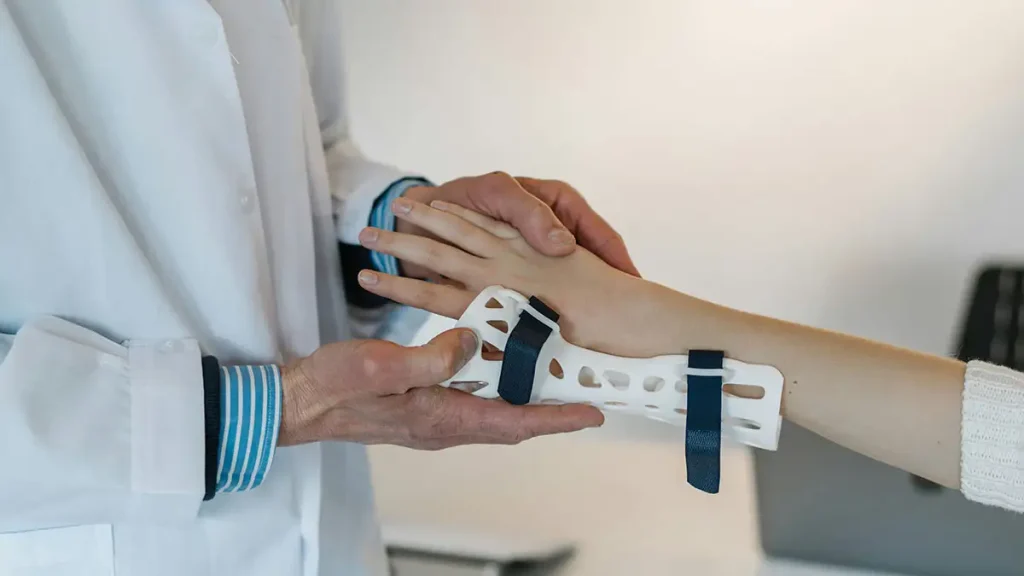
As industries demand more from 3D-printed materials, polycarbonate is gaining ground in specialized sectors. Its blend of mechanical reliability, biocompatibility, and heat resistance makes it a preferred choice for aerospace, medical, and automotive applications.
- Medical and Dental Tools
Medical-grade PC filaments are used for producing sterilizable surgical drill guides, dental models, and ergonomic device housings. Biocompatibility and gamma/steam sterilization compatibility are key advantages. - Aerospace-Grade Components
Lightweight and thermally stable, PC is used in the prototyping and small-batch production of drone enclosures, insulation brackets, or satellite frame components exposed to variable thermal and mechanical loads. - Automotive Applications
In the automotive industry, PC is used for dashboard prototypes, structural brackets, and interior light covers due to its balance of strength, dimensional stability, and resistance to heat and impact.
Challenges and Solutions PC 3D Printing

Polycarbonate’s high strength and thermal stability demand precise 3D printing conditions, such as high-temperature extruders and moisture control. Its hygroscopic nature and elevated processing temperatures can lead to issues like warping or poor layer adhesion. Addressing these challenges is critical to achieving high-quality, durable prints.
| Issue | Cause | Solution |
|---|---|---|
| Warping | Thermal gradients >20°C | Enclosed printer (40–60°C), bed at 100–110°C, PEI sheet |
| Layer Separation | Low temperature, moisture >0.02% | Nozzle at 270–290°C, speed 20–30 mm/s, dry pellets |
| Moisture Sensitivity | Moisture absorption | Dry at 110–120°C for 4–6 hours, store with desiccant |
Sourcing Polycarbonate for 3D Printing
Sourcing high-quality polycarbonate pellets is critical for reliable 3D printing, ensuring consistent extrusion at 260–310°C and minimizing defects like warping or nozzle clogs. This section covers key selection criteria, supply chain factors, sustainability, and cost considerations.
Choosing the Right Polycarbonate Pellets
High-quality pellets ensure reliable 3D printing:
- Purity: Impurity levels below 0.01% support smooth extrusion at 260–310°C, reducing nozzle clogs by 95%.
- Consistency: Pellets (2–3 mm, MFI 7–15 g/10 min, ASTM D1238) with <0.015% moisture (ASTM D6869) ensure stable flow and layer adhesion.
- Certifications: ISO 9001 and RoHS compliance suit electronics and medical applications.
Sustainability
Recycled pellets retain 600–750 J/m impact strength and 88–89% light transmission (ASTM D256/D1003), cutting carbon emissions by 30%. Pre-dry at 110–120°C for 4–6 hours for optimal results.
Cost Considerations
Polycarbonate costs 20–40% more than ABS/PLA but offers superior strength (60–70 MPa) and heat resistance (HDT 135–140°C). Recycled pellets reduce costs by up to 15%.
Conclusion and Recommendations
Polycarbonate delivers exceptional performance for 3D printing, with a tensile strength of 60–70 MPa, heat resistance up to 140°C, and 88–90% light transmission, making it ideal for durable industrial prototypes, transparent consumer goods, and specialized aerospace and medical components.
Ready to elevate your 3D printing projects? Contact email jerry@salesplastics.com or call +8618657312116 to source premium polycarbonate pellets and receive expert guidance for your specific application.
Frequently Asked Questions (FAQ)
A:Polycarbonate parts offer a tensile strength of 60–70 MPa (ASTM D638) and notched Izod impact strength of 600–800 J/m (ASTM D256), making them highly durable for prototypes and end-use parts in demanding applications like machinery brackets or protective casings.
A:Minimize warping by using an enclosed printer to maintain stable temperatures (±5°C fluctuation), setting the heated bed to 90–120°C, and applying a PEI sheet or high-temperature adhesive (e.g., PVA glue stick) for secure bed adhesion.
A:Store polycarbonate filament in airtight containers with desiccant to prevent moisture absorption (<0.015% moisture content, ASTM D6869). Dry filament at 80°C for 4–6 hours before printing to ensure optimal layer adhesion and defect-free results.
A:Polycarbonate printing is safe when using a well-ventilated area or an enclosure with a HEPA and carbon filter to manage VOC emissions. Handle hot components (>250°C) with heat-resistant gloves to avoid burns, and ensure compliance with OSHA ventilation standards.
A:Use minimal cooling (10–20% fan speed) to prevent warping while maintaining strong layer adhesion. An enclosed chamber is recommended to stabilize temperatures and enhance part strength, especially for SalesPlastics’ high-purity polycarbonate pellets.
A:Polycarbonate (60–70 MPa tensile strength, 135–140°C HDT, 88–90% light transmission) outperforms PLA (50 MPa, 55°C HDT) and ABS (40–45 MPa, 98°C HDT) in strength, heat resistance, and transparency. While costlier, its durability and versatility justify the investment for high-performance applications like medical enclosures or automotive parts.