Is Food-Grade PLA Truly Safe for Food Contact?A Clear Breakdown

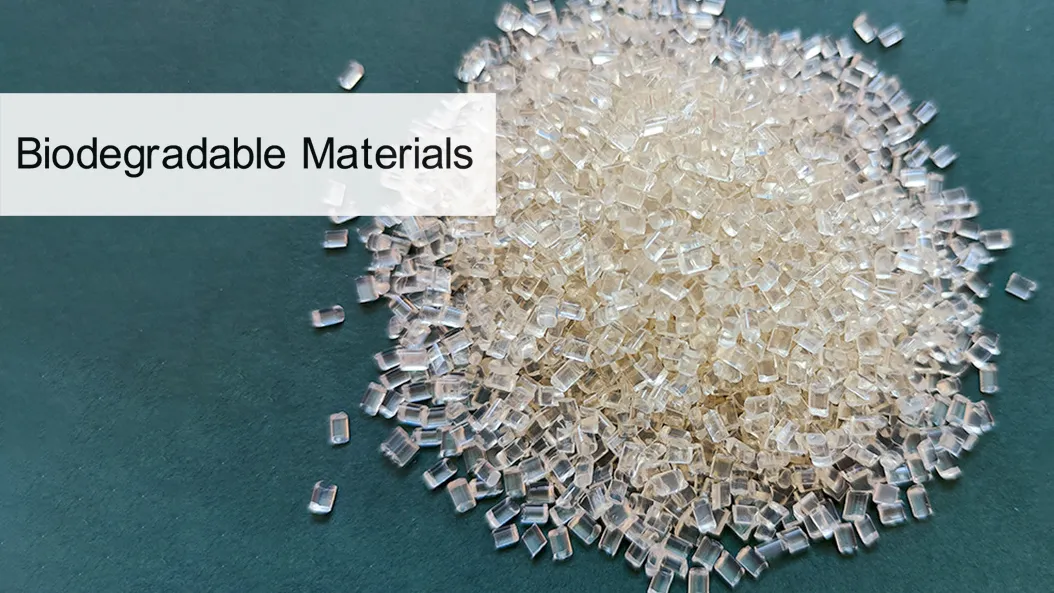
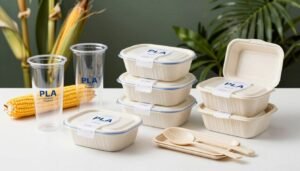
Food-grade polylactic acid (PLA), derived from renewable starch-based sources like corn or sugarcane, offers a practical option for food packaging. This material draws from natural lactic acid fermentation, providing inherent safety benefits that align with modern demands for reliable food contact solutions. Understanding its certifications, composition, and performance helps clarify why it fits well in everyday applications such as disposable cups or fresh produce trays.

Sustainable Packaging

Interested in the bigger picture?

For a broader look at why PLA is gaining attention as both a safe and sustainable choice.

Food Grade PLA: The Safe & Sustainable Choice for Food Packaging

Core Certification & Compliance Status

PLA meets stringent regulatory standards that affirm its suitability for food contact. Food-grade PLA complies with the world's strictest food-contact standards (FDA GRAS + EU Regulation 10/2011), establishing it as a dependable choice for packaging that prioritizes consumer well-being.

FDA Recognized (GRAS)

The U.S. FDA recognizes pure PLA as Generally Recognized as Safe (GRAS). This evaluations confirm minimal risk, with degradation products (like lactic acid) occurring naturally in the body.

EU Regulation No 10/2011

Aligns with Regulation (EU) No 10/2011 on the authorized Union List. Adheres to migration limits (< 10 mg/dm²), ensuring safe performance for global markets.

BPA & Phthalate Free

No Harmful Substances, Extremely Low Migration Risk

PLA stands out for its clean composition, free from bisphenol A (BPA) and phthalates—common concerns in some petroleum-based plastics. This absence reduces potential health risks associated with endocrine disruptors.

Migration testing reveals very low transfer rates from PLA to food, mainly involving trace lactic acid or simple oligomers that break down harmlessly. These levels stay well below safety thresholds, with the material's biological inertness ensuring non-toxicity in typical scenarios.

Safety Comparison with Traditional Plastics

Comparing PLA to polyethylene terephthalate (PET) and polystyrene (PS) highlights distinct advantages in health-focused uses. PLA excels in minimizing harmful additives and migration.

Feature PLA (Plant-Based) PET (Traditional) PS (Traditional)
Main Raw Material Plant-based starch
(corn, sugarcane)
Petroleum-based Petroleum-based
BPA / Plasticizers None Possible traces None (potential styrene)
Migration Risk Extremely low
(mainly lactic acid)
Moderate
(possible antimony)
Moderate
(styrene monomer)
Compliance GRAS + EU 10/2011 Approved w/ limits Approved w/ limits
Health Concerns Virtually none Debates (BPA/antimony) Styrene-related issues
Best-Suited Scenarios Cold beverages, salads,
fresh produce
Bottled drinks,
some hot-fill
Foam trays,
disposable cups

Suitable Range: Cold & Hot Beverages, Dry & Wet Foods

Cold & Room Temp

Range: 0°C – 45°C

PLA performs best in cold and room-temperature settings. Ideal for iced drinks, yogurts, fruits, or dry snacks like nuts. Its stability here maintains clarity and prevents significant migration, fitting well for on-the-go packaging.

Hot Resistance (CPLA)

Standard: < 55°C | CPLA: 80–90°C

Standard PLA softens above 55–60°C. Crystallized PLA (CPLA) variants extend heat resistance to 80–90°C, allowing for warm beverages or lids. This versatility covers dry and wet foods, including acidic items like juices.

Note: High-fat or extreme-heat combinations benefit from targeted testing.

Content Recommendations & Presentation Tips

  • Build Trust: Incorporate visual aids like FDA and EU certification icons, straightforward migration charts, and "BPA-Free" labels.
  • Show Real Examples: Pair with real examples, such as starch-sourced PLA in eco-friendly coffee cups from suppliers like NatureWorks, to illustrate value.
  • Focus on Benefits: Focusing on these elements conveys PLA's safety and natural benefits, helping users appreciate its role in sustainable, reliable packaging without overstatement.

finding the right polymer supplier?

We’re here to help. Don’t hesitate to reach out—we’re ready to support you in building your dreams. Start today and create a better tomorrow.

Related Posts

PLA Pellets to Filament - Raw Material and Finished 3D Printing Spools

PLA Filament Cost Comparison: PLA vs PETG vs ABS

Polylactic Acid (PLA) anchors this sector, offering an optimal balance of superior extrudability, minimal warping, and bio-based sustainability. From an industrial manufacturing perspective, these filament-level advantages are fundamentally determined upstream—by

Read More »

get in touch