

Nylon and polyester are two high-performance engineering plastics widely used in industries such as automotive, electronics, and consumer goods. In plastic pellet form, these resins are key materials for injection molding and extrusion.Selecting the right material depends on specific application requirements, such as strength, moisture resistance, or cost. This article provides a comprehensive comparison of nylon and polyester, focusing on their properties, manufacturing processes, and suitability for various applications. By understanding their differences, professionals can make informed decisions for their projects.
What is Nylon?
Nylon refers to a family of synthetic polyamides, with PA6 and PA66 being the most commonly used types. PA6 is produced from caprolactam, while PA66 is made from hexamethylene diamine and adipic acid. Both materials contain strong amide bonds that give nylon pellets high tensile strength, wear resistance, and good thermal stability.
In pellet form, nylon is processed mainly through injection molding and extrusion. PA6 pellets offer better flexibility and impact resistance, while PA66 pellets provide greater stiffness and higher heat resistance. These characteristics make them suitable for producing high-performance plastic components.

What is Polyester?
Polyester in plastic pellets mainly refers to polybutylene terephthalate (PBT). PBT pellets offer reliable dimensional stability, good chemical resistance, and low moisture absorption. These properties make PBT pellets suitable for injection molding, blow molding, and film extrusion used in many industrial manufacturing processes.

How Are Nylon and Polyester Made?
Nylon and polyester pellets are produced through polymerization reactions followed by pelletizing. Although their manufacturing steps are similar—melting, extruding, cooling, and pelletizing—their chemical raw materials and final properties differ significantly.
Nylon Production
Nylon materials like PA6 and PA66 are produced by reacting two chemical ingredients: an acid and an amine. This reaction happens at high temperature and creates molten nylon.
Standard processing steps include:
- Extruding the molten nylon into strands
- Cooling the strands in water
- Cutting them into uniform nylon pellets
These nylon pellets are the base material for extrusion, injection molding, or further compounding. To meet different performance needs, the pellets can be modified during or after pelletizing:
- Glass fiber reinforcement for higher mechanical strength
- Impact modifiers for better durability
- Heat or flame retardant additives for temperature-critical applications
We supply:
- Unfilled PA6 and PA66 pellets
- PA66 GF30 (30% glass-filled)
- Toughened or heat-stabilized nylon formulations
Polyester Production
Polyester, mainly PET and PBT, is made by reacting a type of acid (like PTA) with a glycol. This creates molten polyester resin, which is then processed into pellets.
Key steps include:
- Extruding into strands
- Cooling in water
- Cutting into pellets
Some polyester pellets are also made from recycled materials by reprocessing post-consumer plastic into reusable resin.
We offer:
- Injection-molding grade PBT pellets
- Glass-fiber reinforced PBT

Nylon or Polyester: Key Differences in Plastic Pellet Performance
For manufacturers using engineering plastics in injection molding or extrusion, understanding the core differences between nylon (PA6, PA66) and polyester (mainly PBT) is essential. Both materials are widely used, but their mechanical behavior, processing traits, and environmental resistance vary significantly.
Key Performance Comparison
| Property | Nylon (PA6/PA66) | Polyester (PBT) |
|---|---|---|
| Chemical Structure | Polyamide | Polybutylene Terephthalate |
| Melting Point | 220–265°C | 250–260°C |
| Tensile Strength | 70–100 MPa | 55–80 MPa |
| Elasticity | 20–30% elongation | 15–20% elongation |
| Moisture Absorption | 3–4% | 0.4–0.8% |
| Production Cost | Higher | Lower |
Mechanical and Processing Characteristics
1. Tensile Strength and Wear Resistance
- Nylon (PA6, PA66) generally offers higher tensile strength and better wear resistance, especially when glass fiber is added. It is often chosen for mechanical parts like gears or brackets where load-bearing strength is critical.
- Polyester (mainly PBT) also has good strength, but not as high as nylon. However, PBT performs well in dimensional stability and surface hardness, making it suitable for housings and connectors.
2. Flexibility and Impact Resistance
- Nylon has better impact resistance and flexibility, especially PA6. It can absorb shock without cracking, which makes it ideal for moving parts or applications under stress.
- Polyester is stiffer and more brittle under impact unless modified.
3. Heat Resistance
- PA66 can typically handle higher continuous-use temperatures (up to ~120–140°C) than PBT, which are usually rated around 100–120°C.
- Heat-stabilized grades are available for both PA and PBT when higher thermal performance is required.
4. Moisture Absorption
- Nylon absorbs more moisture from the air (especially PA6), which can affect dimensional stability and processing. Drying before molding is essential.
- Polyester absorbs very little moisture, so it’s more stable in humid environments and easier to store and handle.
5. Chemical and UV Resistance
- Polyester (especially PBT) generally has better chemical resistance, especially against oils, solvents, and fuels.
- Nylon can be attacked by strong acids and bases but holds up well to wear and friction.
- For outdoor use, both materials require UV stabilizers to avoid degradation over time.
6. Molding Behavior and Shrinkage
- Nylon has higher molding shrinkage, especially unfilled PA6 and PA66. Parts may require closer dimensional control during design.
- Polyester (especially PBT) shows low and uniform shrinkage, which makes it better for precise, high-tolerance parts like electrical connectors.
As a pellet distributor, we help our customers choose the right material grade based on these performance factors. For high strength, wear resistance, and toughness,PA66 GF is a strong performer. For better dimensional stability and low moisture uptake, PBT is often the preferred choice.
Applications and Uses of Nylon and Polyester
Nylon and polyester pellets serve diverse markets due to their strong mechanical properties and versatility. Nylon (PA6 and PA66) is widely used in automotive parts, consumer goods, and technical fibers where strength, heat resistance, and durability are critical. PPolyester pellets, primarily PBT, are used in precision electrical and automotive components due to their dimensional consistency and chemical resistance.
Nylon Applications (e.g., PA6, PA66 Pellets)
Automotive:
Nylon pellets are commonly used to produce under-the-hood components such as gears, cable ties, bushings, and coolant reservoirs. These parts benefit from nylon’s high mechanical strength and thermal resistance.
Consumer Products:
Nylon is ideal for injection-molded tool handles, fasteners, and electrical connectors, especially where dimensional stability and toughness are needed.
Filaments & Technical Fibers:
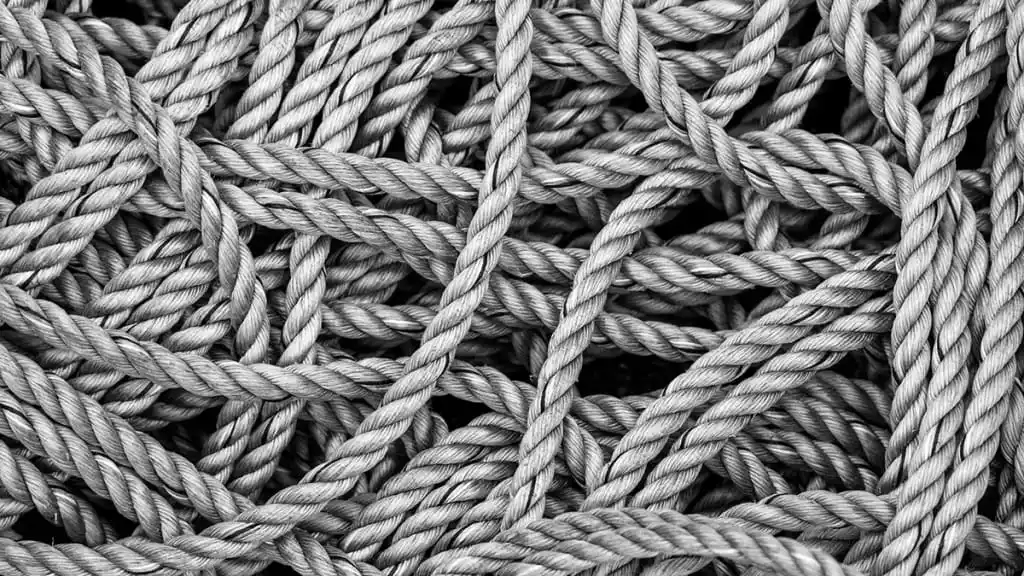
Used in the production of industrial ropes, fishing lines, and bristles, nylon fibers deliver excellent abrasion resistance and flexibility.
Polyester Applications (Primarily PBT)
Electrical and Automotive Components
PBT pellets are typically used for precision parts such as terminal housings, relay bases, and sensor covers. PBT offers consistent moldability, chemical resistance, and heat tolerance, making it suitable for applications requiring tight dimensional control.

Summary of Use Focus
- Nylon (PA6/PA66): Preferred for automotive, industrial, and consumer parts that require high strength, thermal stability, and impact resistance.
- PBT: Suitable for precision-molded parts in electrical and automotive systems that require dimensional accuracy and chemical resistance.
Ready to get started on your next project? Contact us today to learn more about our Nylon(PA6 & PA66) plastic pellets and how we can support your manufacturing needs.
Environmental Impact and Recyclability
Nylon and polyester pellets differ in their environmental footprint and recycling options, which directly affects material selection for manufacturers.
Recyclability
- Polyester pellets are widely recycled, with mature recycling systems supporting reuse in various applications.
- Nylon recycling exists but is limited. Recycled nylon mainly comes from industrial scrap or specific waste streams. Collection and processing remain challenging, so recycled nylon pellets are less common in the market.
Biobased and Recycled Materials
- Bio-based nylon and polyester pellets are in development but not yet widespread commercially due to cost and scale.
- The majority of nylon pellets currently on the market are petroleum-based.
Energy Consumption and Emissions
- Nylon production requires more energy and typically generates higher emissions due to its chemical synthesis process.
- Polyester production uses less energy comparatively, especially when recycled material is incorporated.
Alternatives and Blended Materials
Beyond standard PA6, PA66, and PBT pellets, manufacturers now use bio-based resins and performance-enhanced blends to address mechanical or environmental demands. This includes materials such as PLA and limited-availability bio-nylon, along with nylon-polyester formulations modified for structural, electrical, or impact-prone components.
Biobased and Compostable Alternatives
- PLA (Polylactic Acid) is a popular biodegradable pellet made from renewable plant sources like corn starch. It’s used mainly in packaging and disposable items but has lower heat resistance than nylon or polyester.
- Bio-based nylon exists but is limited in supply. It offers similar strength to regular nylon with a reduced fossil fuel footprint.
Blended and Modified Pellets
- PA/PBT Blends: Combining nylon and polyester can create pellets that balance strength, flexibility, and chemical resistance, suitable for demanding injection molding parts.
- Glass-Fiber Reinforced Nylon: Adding glass fiber (typically 20-40%) increases stiffness and heat resistance, making pellets ideal for automotive and industrial components.
- Impact-Modified Pellets: Tougheners improve durability for parts exposed to shocks or drops.
Nylon and Polyester in Plastic Pellets and Injection Molding
In injection molding applications, nylon and polyester pellets serve distinct roles based on performance and processing needs.
Nylon Resins (Nylon 6, Nylon 66)
These engineering-grade pellets offer high mechanical strength and impact resistance, typically 50–100 J/m (Izod impact). They are widely used for precision-molded parts such as automotive fasteners, gears, and electrical connectors. However, nylon absorbs moisture, which can affect dimensional stability and processing consistency.
Polyester Resins (Mainly PBT)
Compared to nylon, PBT pellets provide better chemical resistance and melt flow (around 20–40 g/10 min, vs. nylon’s 10–30). This makes them ideal for thin-walled, high-speed molding, such as USB connectors, appliance housings, and LED holders. PBT also offers more stable processing in humid environments.
Summary
- Nylon: Better for structural and load-bearing parts where mechanical performance is critical.
- Polyester (PBT): Preferred for cost-sensitive, high-volume parts with good surface finish.
Which Material Is Better for Your Application?
Nylon and polyester are both widely used in injection molding, but they serve different roles depending on how the final part will be used. Nylon pellets offer high mechanical strength and toughness, making them suitable for components under mechanical stress. Polyester pellets are often selected for applications where surface finish, weather resistance, or cost control is more important.
Sustainable Manufacturing
Recycled polyester pellets and bio-based nylon are suitable for brands aiming to reduce environmental impact while maintaining part quality.
High-Strength Parts (e.g., industrial gears, cable ties)
Nylon pellets provide high tensile strength and abrasion resistance, making them ideal for load-bearing and moving parts.
Outdoor-Use Products (e.g., tool handles, housings)
Polyester granules offer better UV and moisture resistance, suitable for components exposed to sunlight or humidity.
Textile-Backed Molding (e.g., soft-touch consumer goods)
Polyester resins with moisture control properties are commonly used. For added flexibility, nylon-polyester blends are often selected.
Precision Injection Molding
- Functional Parts (e.g., clips, mechanical covers): Nylon is preferred for its toughness and dimensional accuracy.
- Economical Components (e.g., caps, dispensers): Polyester offers a more cost-efficient solution for less demanding parts.
FAQs: Nylon or Polyester for Material Use and Processing
Q:Polyester is widely used in moisture-wicking fabrics due to its faster drying behavior. Nylon is often blended in for applications needing elasticity and abrasion resistance, like performance garments or seatbelt webbings.
Q:Nylon (polyamide) has higher tensile strength (70–100 MPa) and better stretch recovery, making it ideal for impact-resistant parts. Polyester (PET) absorbs less moisture (0.4%) and handles UV exposure better, making it suitable for outdoor applications.
Q:Both come from fossil-based sources and are not biodegradable. However, PET has mature recycling systems (like rPET pellets), while nylon recycling is less common and more energy-intensive.
Q:Some biopolymers exist, but natural fibers like cotton or hemp are mostly used in textiles, not plastic pellet production. Hemp has moderate strength (50–70 MPa) but lacks thermal resistance and consistency for industrial molding.
Q:Nylon requires more complex production and consumes more energy (around 250 MJ/kg vs. 200 MJ/kg for PET). This leads to higher raw material and processing costs.
Q:Nylon (PA6/PA66) has higher tensile strength (~80–95 MPa unfilled) and better impact resistance, making it more suitable for structural parts.Polyester offers lower moisture absorption (<0.2%) and better dimensional stability, which is ideal for electrical components.
If strength and wear resistance are priorities, nylon is often better. For precision molding and moisture-sensitive parts, polyester may be the preferred choice.
Q:In mechanical terms, cotton is not suitable for plastic applications.
Tensile strength: Cotton fibers ~20–30 MPa, Nylon ~80–95 MPa, PBT ~50–70 MPa
Heat resistance: Cotton degrades above 150°C, while nylon and PBT can withstand 200°C+ in engineering grades
Processability: Cotton cannot be injection molded; nylon and polyester are thermoplastics and widely used in molded parts.
Conclusion
Nylon (PA6, PA66) pellets deliver superior mechanical strength and impact resistance for structural automotive and industrial components, while polyester pellets provide excellent chemical resistance and stable processing for high-volume, thin-walled parts like electrical connectors and housings. Reach out to source premium nylon pellets or polyester pellets tailored to your injection molding needs. Contact us at jerry@salesplastics.com or call +8618657312116!
