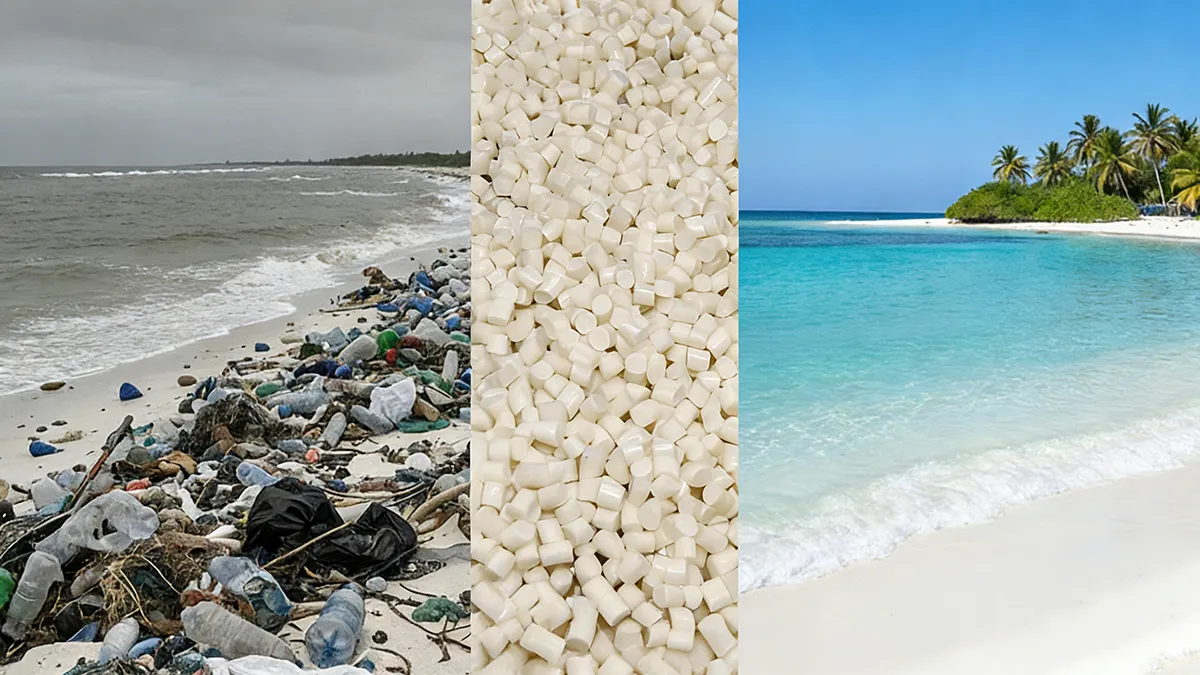
Unlike synthetic polymers, PHAs offer a rare synergy of mechanical versatility and absolute environmental circularity.
As of 2026, the industrial application of these materials has solidified into three strategic pillars: high-value healthcare, sustainable retail, and regenerative agriculture.
Biomedical & Pharmaceutical: High-Value Precision
"The human body integrates PHA with a minimal immune response, as these polyesters are synthesized by living organisms."
Regenerative Medicine
3D-printed scaffolds act as temporary "honeycombs" supporting cell growth. As natural tissue heals, the PHA hydrolyzes into harmless hydroxy acids.
Surgical Innovation
Meshes, orthopedic pins, and cardiac valves with "tunable" degradation rates allow clinicians to synchronize integrity with patient recovery.
Smart Pharmacology
PHA nanoparticles act as delivery vehicles, encapsulating hydrophobic payloads and releasing them only when encountering specific biological triggers, reducing systemic side effects.
Sustainable Packaging:
Mitigating Marine Pollution
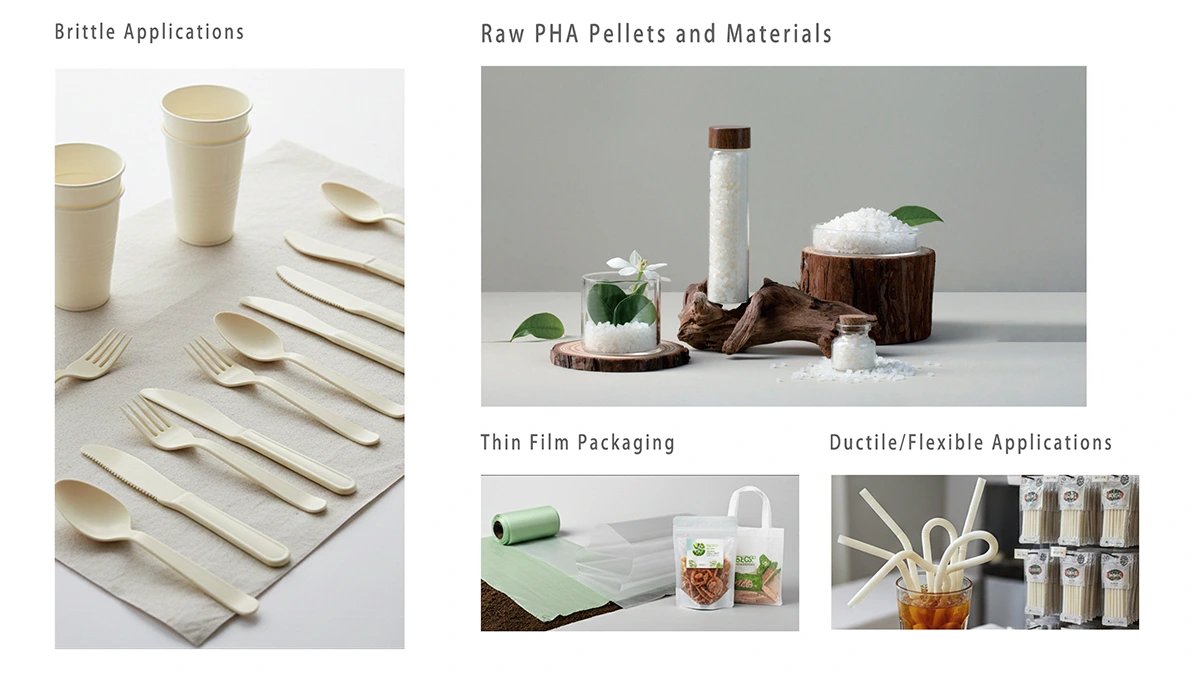
Representing over 50% of global demand in 2026, packaging is the dominant market for PHAs. Unlike other bioplastics, PHA degrades in ambient marine and soil environments.
-
Superior Barrier Properties
Oxygen barrier superior to other biopolymers, extending shelf life without multi-layer aluminum.
-
Marine Biodegradation
PHA-based bottles fully biodegrade in the ocean within months if accidentally discarded.
Agricultural Applications: Restoring the Soil Loop
Modern farming relies heavily on "plasticulture." PHAs offer a "use-and-forget" alternative that restores the natural carbon cycle.
Mulch Films
Traditional PE films fragment into microplastics. PHA films are designed to be plowed directly into the earth where soil microbes convert them into $CO_2$ and water.
Smart Fertilizers
By coating nutrients in a thin PHA layer, minerals are released at a rate that matches crop uptake, protecting aquifers from chemical runoff.
2026 Industry Outlook: The Three Pillars of PHA Commercialization
The "PHA Revolution" has moved beyond simple lab-scale production. In 2026, the industry is defined by three strategic shifts aimed at achieving cost-parity and superior performance.
1. Feedstock Diversification
The "Waste-to-Value" Shift
From Sugars to Waste: Utilizing Used Cooking Oil (UCO), agricultural residues, and industrial wastewater.
Gas-to-Plastic: CCU technology feeding microbes CH4 and CO₂ to create carbon-negative polymers.
2. Property Tailoring
Engineering High-Performance Blends
Rise of Amorphous PHA (aPHA): Soft, rubber-like "bio-modifiers" used to blend with polymers like PLA.
Overcoming Brittleness: Copolymers like PHBV matching the flexibility of PE and the toughness of PP.
3. The "Non-Sterile" Revolution
Slashing Production Costs
Open Tank Fermentation: Halophilic bacteria thriving in high-salinity, non-sterile open tanks.
Energy Efficiency: Eliminating expensive pressurized steam sterilization, drastically lowering mass-market prices.
Summary Table: The Evolution of PHA Production
| Feature | Traditional PHA (Pre-2020) | Next-Gen PHA (2026+) |
|---|---|---|
| Feedstock | Food-grade Sugar / Corn | Waste Oils, CO₂, Methane |
| Sterility | Strict Sterile Requirements | Non-Sterile / Open Systems |
| Material Feel | Brittle, Stiff | Tailorable (Soft to Rigid) |
| Carbon Footprint | Low | Potential Carbon-Negative |