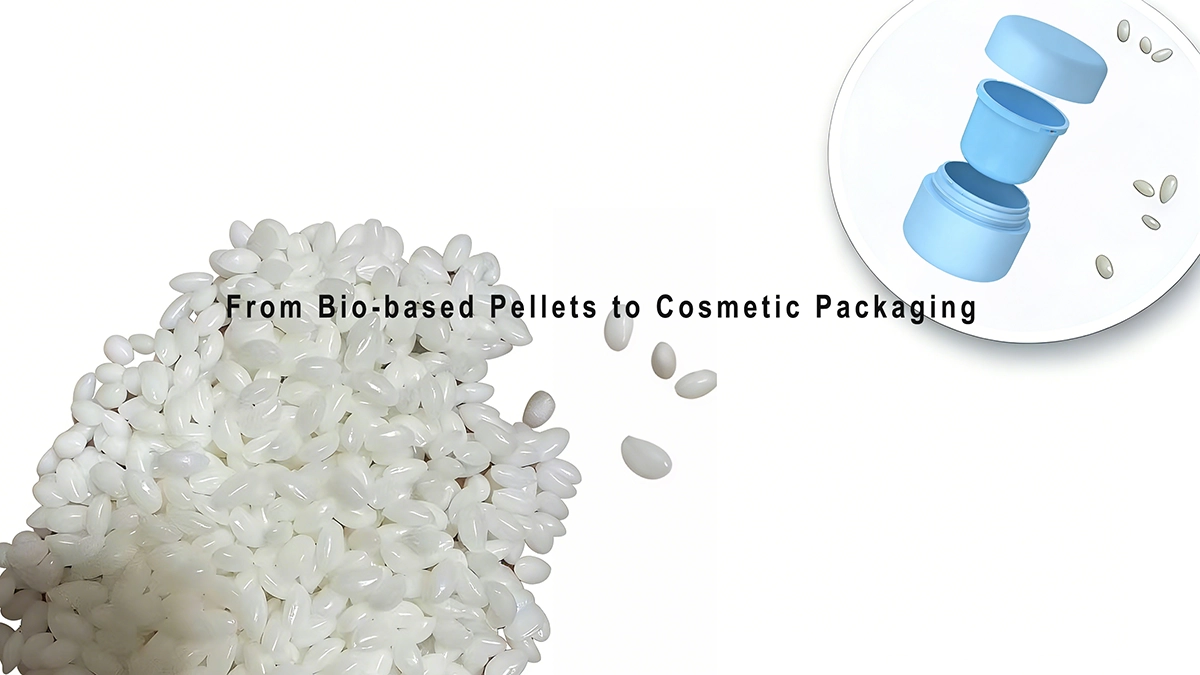
Polyhydroxyalkanoates (PHAs) represent a paradigm shift in polymer science. Rather than viewing them as traditional "bioplastics," industry leaders must recognize PHAs as natural polyesters—biosynthesized polymers that function as a biological storage mechanism.
Strategic Guide
PHA Bioplastic in Action: A Strategic Guide to Materials and Industrial ApplicationsFoundation Guide
A Comprehensive Guide to Polyhydroxyalkanoates (PHA)The Biological Blueprint: More Than Just Plastic
Bacteria such as Cupriavidus necator synthesize PHA within their cell walls as an intracellular energy reserve, much like starch in plants or lipids in humans. This occurs during fermentation when carbon sources are abundant but essential nutrients like nitrogen or phosphorus are limited.
The Molecular Family
Engineering performance at the monomer level with a library of over 150 monomers for precise mechanical tuning.
Poly-3-hydroxybutyrate
Most fundamental grade. High crystallinity and stiffness comparable to polypropylene (PP).
3-hydroxyvalerate Co-polymer
Lowers melting point and increases impact resistance, broadening the processing window.
3-hydroxyhexanoate
Third-generation PHA with longer side chains for elastomer-like flexibility.
Definitive Resource for Grade Selection: The Ultimate Guide to Polyhydroxyalkanoates (PHAs): The Future of Biodegradable Plastics
Sustainable Production
Fermentation
Specialized microbes "consume" renewable feedstocks in large-scale bioreactors.
Accumulation
Microbes convert carbon into granules, occupying up to 80% of cell mass.
Extraction
Cell walls disrupted to harvest pure resin without molecular weight degradation.
Technical Performance Benchmarking
Technical data confirms that modified PHA grades exhibit superior heat deflection temperatures and gas barrier properties compared to PLA or PBS.