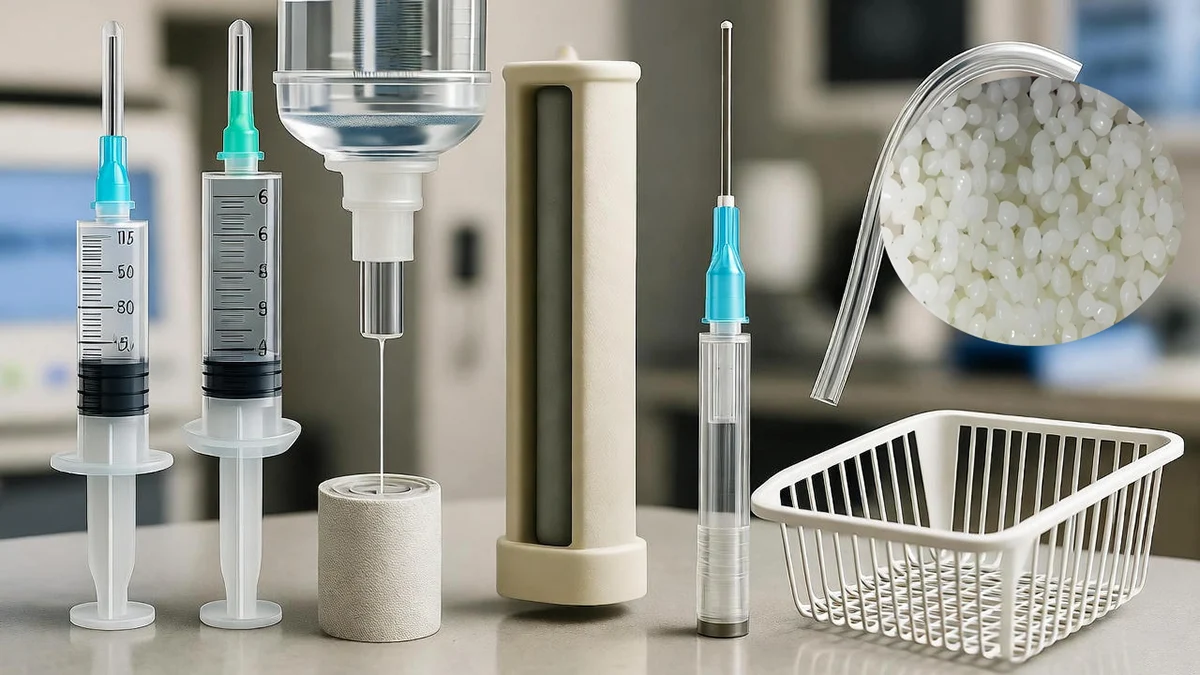
Environmental pressures from plastic pollution have increased interest in biodegradable alternatives to petroleum-based materials such as Polyethylene (PE), Polypropylene (PP), and PET. Key bio-based options include PHA, PLA, and starch-based plastics, each offering distinct properties compared to conventional plastics and other biodegradable polymers like PBAT or PBS.
Renewable
Plant & Bacteria Sourced
Compostable
Natural Degradation
Bio-Based vs. Traditional Plastics
| Category | Traditional (PE/PP/PET) | PHA / PLA / Starch |
|---|---|---|
| Raw Material | Crude Oil & Natural Gas | Corn, Sugarcane, Bacterial Fermentation |
| Environmental Impact | High carbon footprint; persists for centuries | Reduced reliance on fossil fuels; lower CO2 emissions |
| Biodegradability | Minimal / Non-existent | Environmentally degradable (Specific conditions) |
| Performance | High stability & low cost | Variable (Higher cost, specialized properties) |
PHA
Broad biodegradability in soil, marine, and home composting. Ideal for marine packaging and agricultural mulch.
- High cost (4-10x)
- Bacterial fermentation
PLA
Transparent and rigid. Best for cutlery, cups, and 3D printing. Requires industrial composting (heat/moisture).
- Brittle at high temp
- Scalable production
Starch-Based
Cost-effective for flexible films and shopping bags. Often blended with other polymers for strength.
- Moisture sensitive
- Highly affordable
Relation to Other Polymers
Life Cycle & Market Trends
Global bioplastics capacity is set to reach 4.69 million tonnes by 2030, with a CAGR of 15-20%.
Data source: European Bioplastics (2025 data).
Dive Deeper into Sustainable Material Science
Access our comprehensive guide for detailed side-by-side tables and technical data sheets.
Regulatory Support & Certifications
EU PPWR (2025)
Requires all packaging to be recyclable by 2030, favoring bio-based and compostable formats.
EN 13432 / ASTM D6400
Gold standards for verifying industrial compostability for PLA and PBAT polymers.
Asian Growth
China's strict plastic restrictions drive large-scale adoption of starch-blends and PHA.
OK Biodegradable MARINE
Specific certification confirming PHA's ability to safely degrade in ocean environments.
In Summary
While PHA offers the best environmental adaptability, PLA provides the scalability needed for rigid packaging, and starch-based materials deliver cost-effective solutions for the flexible film market.