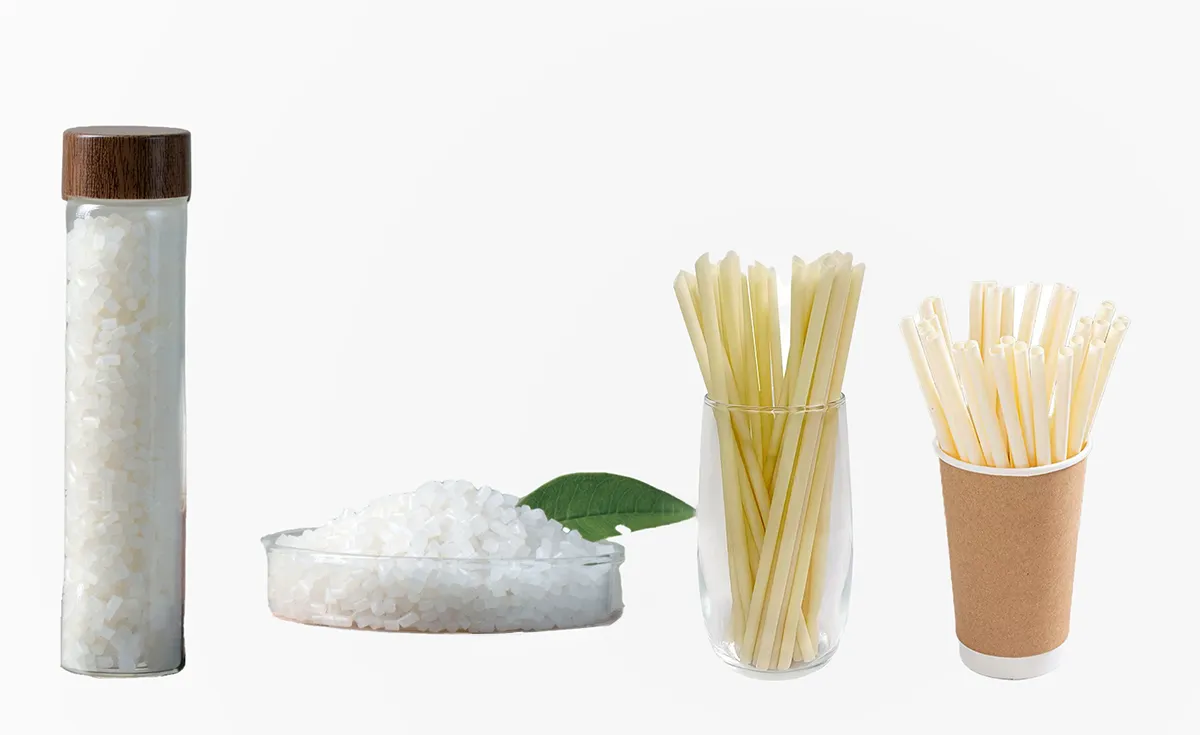
The single-use plastic straw has become the symbolic villain of ocean pollution, with images of marine life harmed by debris driving global demand for alternatives. However, the industry is facing a harsh reality: most “green” solutions fail to deliver on their environmental promises. Traditional plastics persist for centuries, fragmenting into microplastics that infiltrate our food chains.
Unlike first-generation bioplastics, PHA (Polyhydroxyalkanoate) delivers the durability of plastic with the certainty of natural decomposition. It is the only biopolymer that guarantees true marine biodegradability, breaking down in soil, home compost, and ocean environments alike. For manufacturers seeking a future-proof material, PHA is the definitive answer to ocean-bound plastic pollution.
Recommended Reading: For a deeper dive into the specific ecological impact of traditional materials and the “Greenwashing” risks of early alternatives, see our full report: PHA: The Environmental Crisis & The “Straw Problem”.
The Science of PHA: From Natural Bacteria to High-Performance Straws
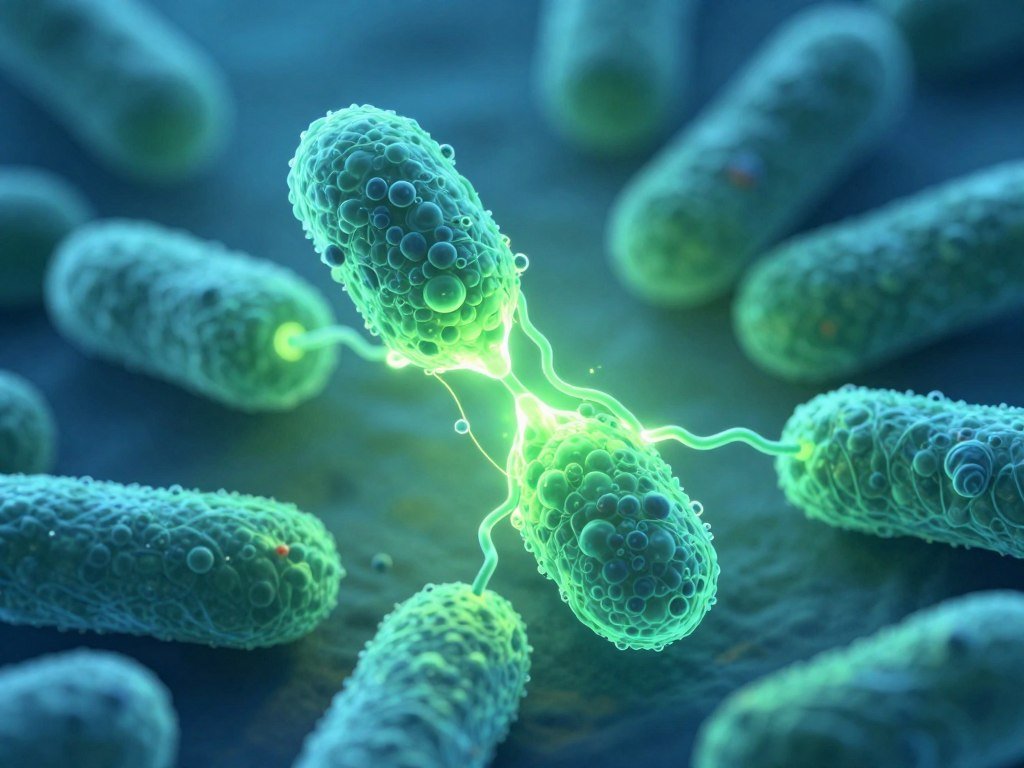
Polyhydroxyalkanoates (PHA) are not chemically synthesized; they are biological metabolites grown within specialized cellular factories. This bio-based origin gives them a unique chemical signature that traditional plastics simply cannot replicate.
From Microbes to Industrial Resin
The process begins with high-efficiency bacteria that convert renewable feedstocks—such as plant oils or agricultural by-products—into PHA granules as internal energy storage. Through a rigorous extraction and purification workflow, these granules are refined into high-quality pellets.
Deep Dive: For a technical breakdown of fermentation phases and extraction workflows, read our full technical brief: From Microbes to Material: The Industrial Synthesis of PHA.
Seamless Manufacturing & Performance
These PHA pellets can be processed using standard plastic extrusion equipment with only minor temperature adjustments. The resulting straws deliver the mechanical strength and thermal stability expected by consumers, maintaining their structural integrity in both hot and cold beverages—a critical advantage over paper alternatives.
Natural Degradation by Design
The true “science” of PHA lies in its ester bonds. While conventional plastics have carbon-carbon backbones that nature cannot break, PHA’s molecular structure is recognized by diverse microorganisms as a food source. Whether in a home compost bin or the deep ocean, enzymes naturally metabolize the PHA straw into CO₂ and water, leaving zero persistent microplastics behind.
Technical Superiority: Why PHA Outperforms PLA and Paper
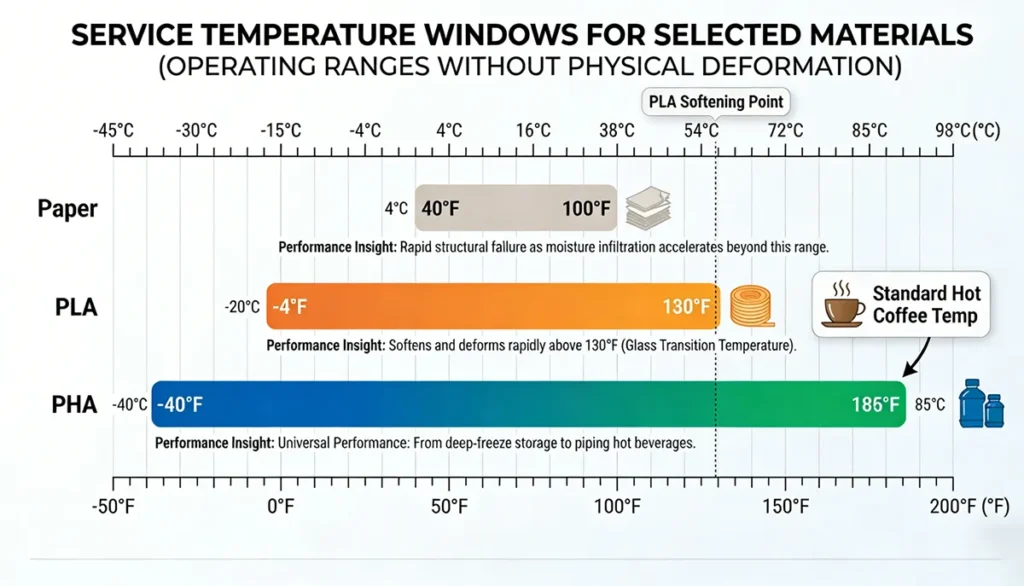
Paper straws have become synonymous with poor user experience, often disintegrating before the beverage is finished. PLA improves on this but remains a “cold-only” solution, softening at 130℉ (54℃).
PHA (Polyhydroxyalkanoate) redefines the category by matching the thermal profile of traditional polypropylene (PP). With a heat deflection temperature of up to 185℉(85℃), PHA straws remain rigid in steaming coffee and structurally sound in frozen slurries—ensuring zero customer complaints.
- Performs across all temperature ranges (-40°F to 185°F)
- No degradation during use regardless of beverage type
- Standard storage conditions—no humidity or temperature control needed
- Flexible and durable—resists cracking during shipping
- Biodegrades in soil, home composting, and marine environments
- Compatible with existing plastic straw manufacturing equipment
PHA Advantages
- Softens in hot beverages above 130°F
- Becomes brittle in freezing conditions
- Requires industrial composting—won’t biodegrade in home systems
- Persists in marine environments like conventional plastic
- Higher breakage rates during handling
- Limited temperature tolerance complicates storage
PLA Limitations
Paper Drawbacks
- Rapid degradation in any liquid—poor customer experience
- Unsuitable for hot beverages
- Requires moisture-controlled storage
- Higher per-unit cost due to specialized production
- Texture concerns affect user satisfaction
- Multiple straws often needed per drink
Unlike paper, which requires entirely new production lines, PHA resin is compatible with standard plastic extrusion machinery.
| Performance Metric | PHA Resin | PLA Resin | Paper Material |
| Heat Resistance | Up to 185°F | Up to 130°F | Low (Varies) |
| Marine Degradable | Certified (TÜV/ASTM) | No | Yes (Untreated) |
| Manufacturing | Standard Extrusion | Requires Cooling | Specialized Line |
| Storage Risk | Low (Stable) | Brittle/Deforms | High (Moisture) |
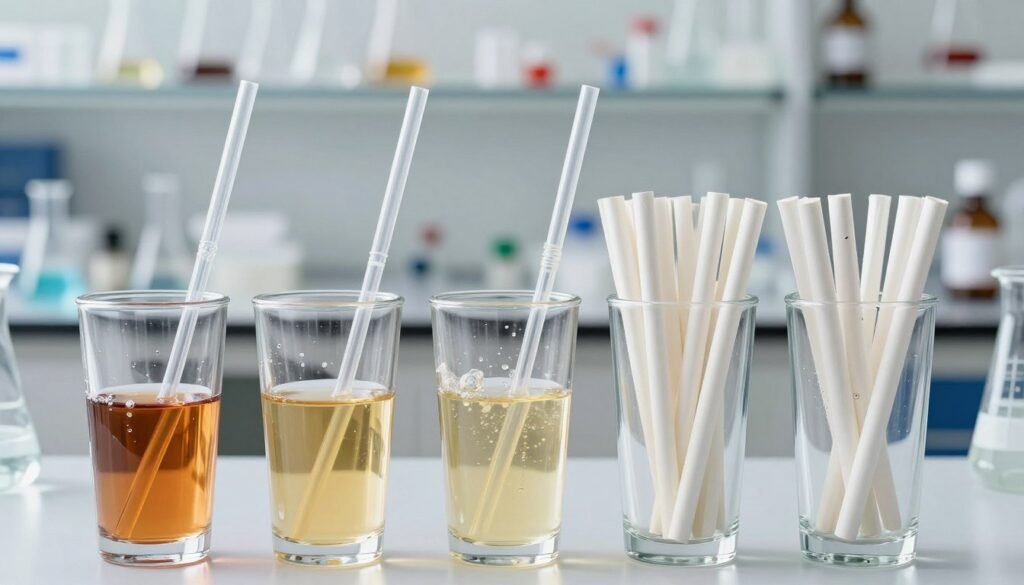
The "Marine-Degradable" Reality Check
The most critical distinction for ESG-conscious brands is end-of-life. PLA’s “compostable” label is often a marketing half-truth, as it requires industrial facilities that 95% of consumers cannot access. PHA is the only material that guarantees complete microbial metabolism in the ocean, breaking down into harmless organic matter even if it bypasses traditional waste streams.
Compare the Profiles: How does PHA tackle the “Cold Water Challenge” where other bioplastics fail? Read the full degradability comparison here.
The "Marine-Degradable" Advantage: True Environmental Impact
Perfect waste management is an ideal, not a reality. Even with sophisticated infrastructure, lightweight items like straws frequently escape intended disposal pathways through wind, rain, and storm drains. This “leakage” represents a significant reputational and regulatory risk.
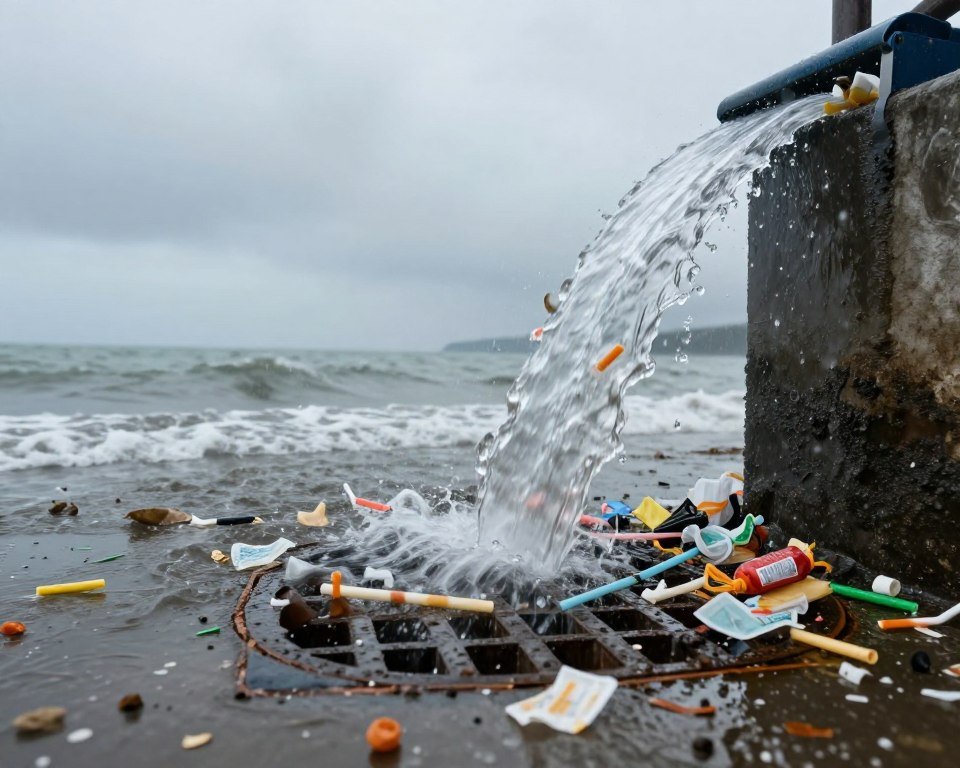
Why Standard "Compostables" Fail the Ocean
Traditional compostable materials, such as PLA, offer zero advantage once they enter the ocean. They require the sustained high temperatures (140℉+) of industrial facilities to break down. In the cool, oxygen-depleted marine environment, PLA persists as long as petroleum-based plastic.
PHA: Natural Mineralization vs. Fragmentation
Unlike conventional plastics that fragment into persistent microplastics, PHA undergoes complete mineralization. Because its molecular structure features enzymes-sensitive ester bonds, marine microorganisms recognize PHA as a nutrient source.
- No Microplastics: It converts entirely into CO₂, water, and biomass.
- Proven Timelines: Field studies confirm complete breakdown in 4–6 months (Tropical) and 8–12 months (Temperate) waters.
Third-Party Validation & Compliance
We ensure our PHA resins meet the highest global standards for marine safety, providing our partners with the necessary certification for market entry:
- TÜV AUSTRIA OK biodegradable MARINE: Guarantees biodegradation in natural seawater.
- ASTM D6691: Validates aerobic biodegradation under laboratory marine conditions.
- Food Contact Safety: Certified non-toxic and safe for sensitive ecosystems.
Manufacturing Compatibility: Seamless Integration for Producers

Sustainable adoption often stalls at the high cost of equipment overhaul. PHA removes this friction by functioning as a true drop-in resin. For producers, this means transitioning to the world’s most sustainable material without sacrificing existing capital investments.
Seamless Process Integration
PHA pellets are engineered to work with standard single-screw and twin-screw extrusion systems. Because their rheological profile mirrors conventional polyolefins, the transition is intuitive for your production team.
- Thermal Profile: Operates at a stable window of 320℉-350℉(160℃-177℃), requiring only minor PID adjustments from your current PP/PE settings.
- Tooling Compatibility: Works with existing straw dies and mandrels. No custom tooling or specialized high-shear screws are necessary.
- Post-Production: Standard cooling water baths and high-speed rotary cutters perform with the same precision and cycle times as traditional lines.
The Economics of Transition
While the resin price carries a premium, the Total Cost of Ownership (TCO) is highly competitive:
- Zero Capex: No new machinery required.
- In-Plant Recycling: Production scrap (edge trim/start-up waste) can be re-granulated and fed back into the process, significantly reducing material loss.
- Inventory Stability: With a shelf life of 12-18 months, PHA avoids the premature degradation risks common with paper or low-grade bioplastics.
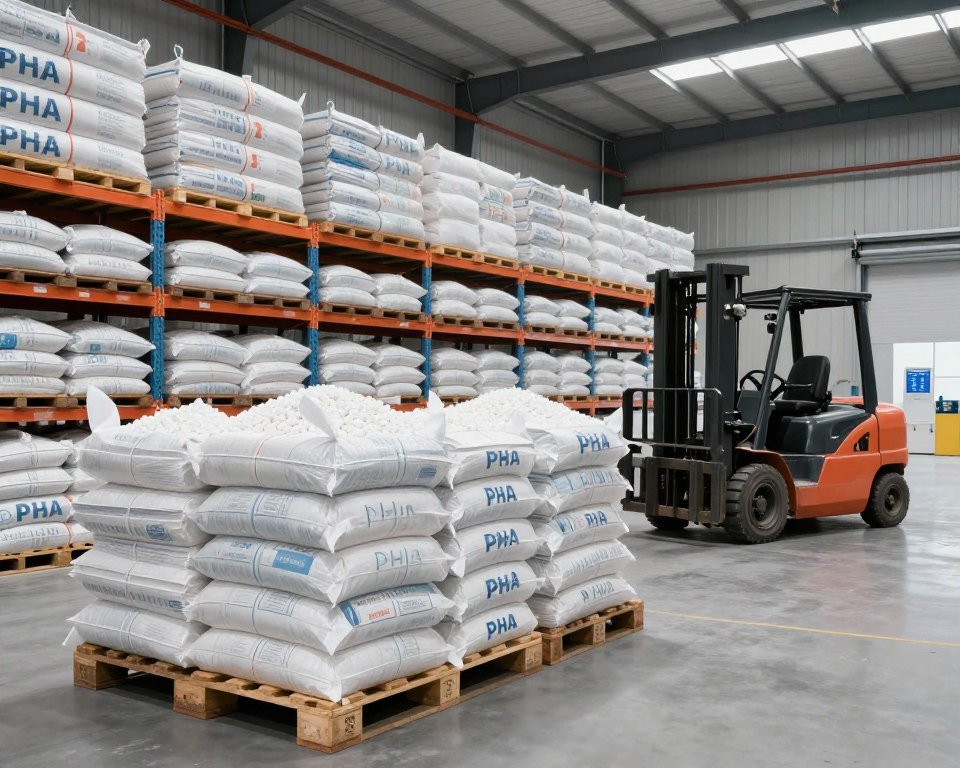
Ready to validate PHA on your production line?
Contact our materials engineering team for a custom assessment.
Safety and Global Compliance
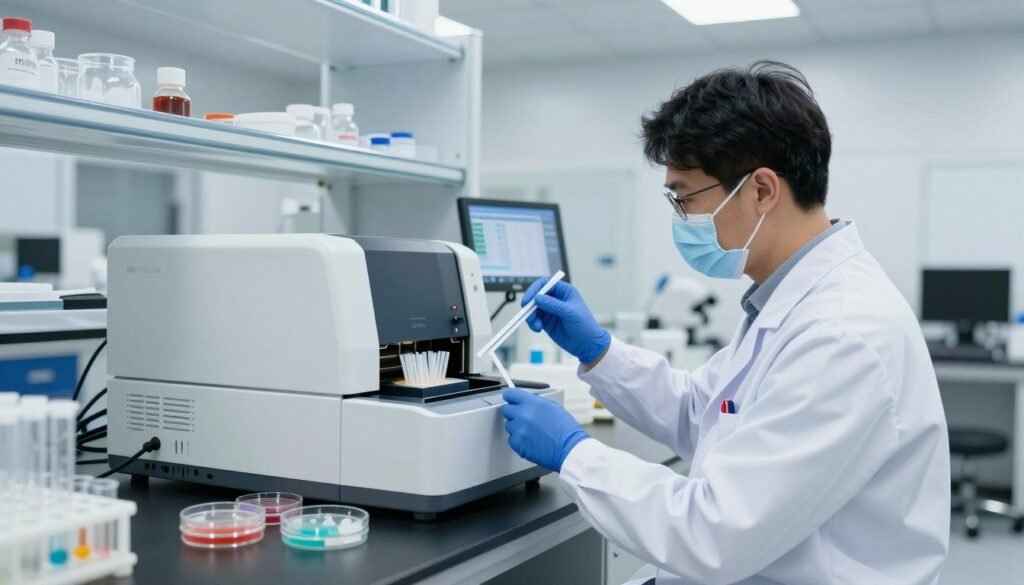
Certified Food Contact Safety
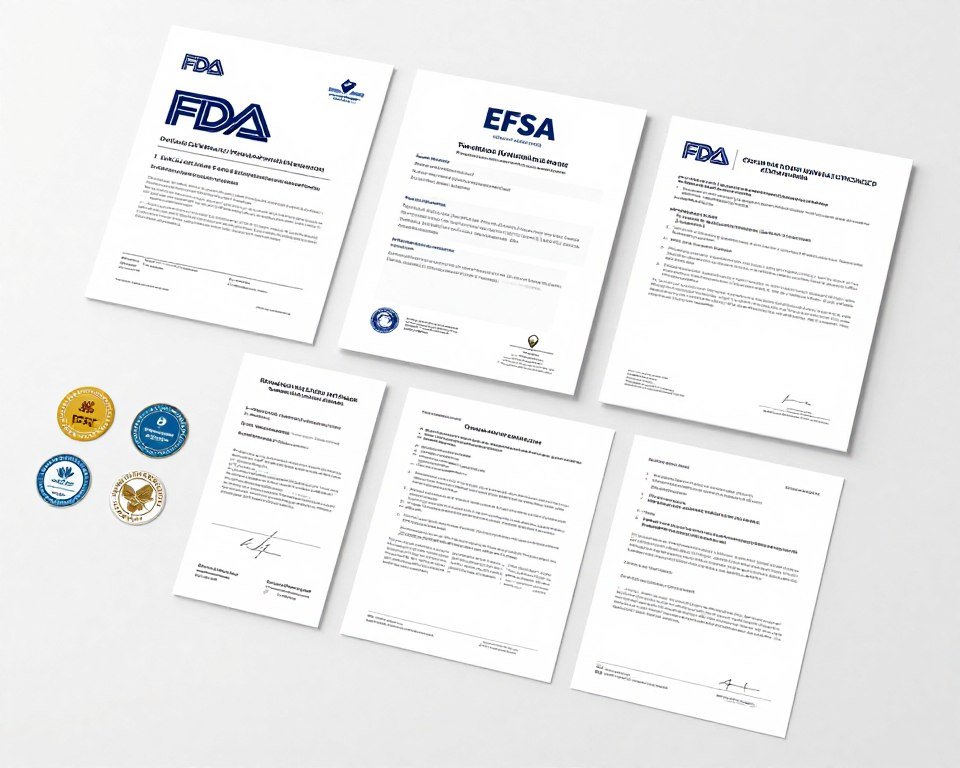
PHA is not just sustainable; it is inherently safe. Unlike paper straws that may rely on synthetic glues or PLA that can be brittle, our PHA resins are 100% Bio-based and PFAS-Free.
- Global Approval: Fully compliant with FDA 21 CFR (USA) and EFSA (EU) for all food types, including high-temperature applications up to 185℉.
- Zero Migration: Rigorous testing in food simulants confirms no harmful chemical migration, ensuring total consumer safety and brand protection.
The "Marine-Degradable" Gold Standard
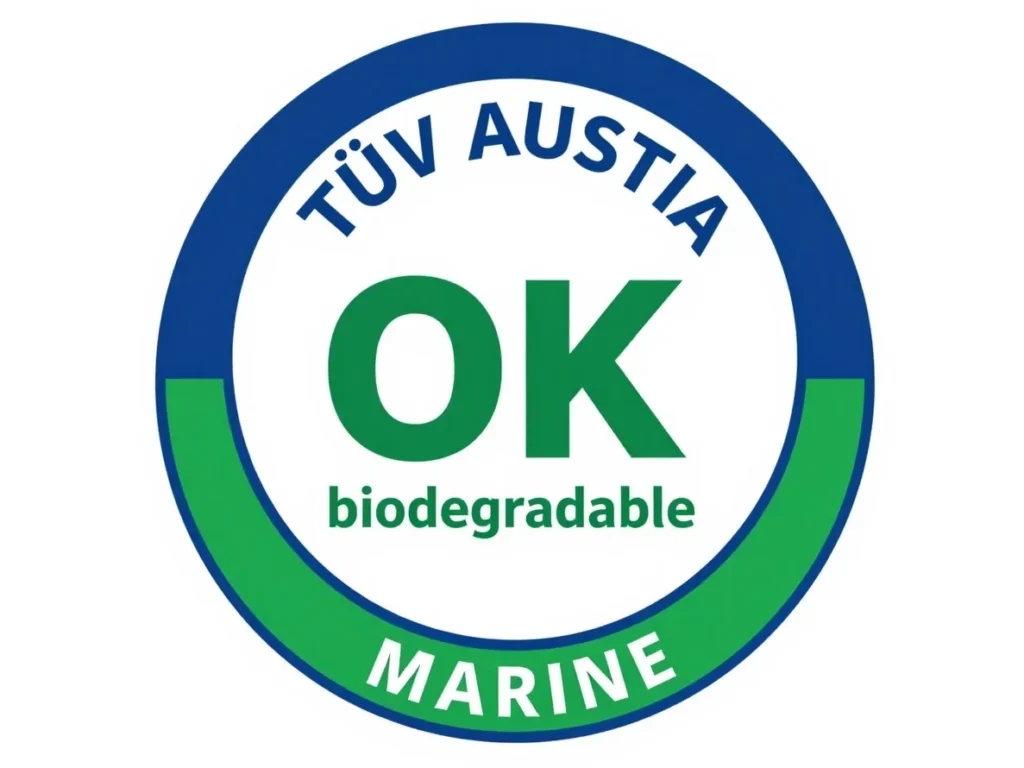
While many materials claim to be “green,” PHA carries the certifications to prove it. We provide full documentation for:
- TÜV AUSTRIA OK biodegradable MARINE: The benchmark for materials that leave no trace in aquatic ecosystems.
- TÜV AUSTRIA OK compost HOME: Ensuring breakdown in backyard settings, not just industrial plants.
Navigating the Global Regulatory Minefield
As single-use plastic (SUP) bans tighten globally, PHA offers a “Safe Harbor” for manufacturers.
- EU SUP Directive: PHA is recognized as a natural, non-chemically modified polymer in many frameworks, bypassing the restrictions placed on conventional and even some bio-based plastics.
- California & Canada Compliance: Meets the strictest regional requirements for compostability and labeling.
Transparency & Traceability
Our commitment to transparency ensures that every resin shipment is accompanied by a Comprehensive Compliance Package, providing the documentation needed for global market entry:
- Certificate of Analysis (CoA) for every production lot.
- Full Migration Test Reports.
- Third-party Environmental Certifications.
Conclusion
The search for sustainable straw alternatives has produced numerous options, yet few deliver comprehensive solutions. Paper straws sacrifice functionality, and PLA relies on non-existent infrastructure. PHA represents a fundamental shift—delivering the durability of plastic with the certainty of natural decomposition.
Why Choose PHA:
- Operational Excellence: Seamlessly integrates into existing extrusion lines without capital equipment replacement.
- Total Compliance: Certified for FDA/EFSA food contact and TÜV OK biodegradable MARINE standards, future-proofing your business against tightening plastic bans.
- Uncompromised Performance: Maintains structural integrity from -40°F to 185°F, outperforming both paper and PLA in hot and cold beverages.
Real sustainability requires solutions that businesses can implement at scale today. As your specialized biopolymer partner, we provide not just the raw PHA resin, but the technical expertise to ensure a flawless production transition.
Take the Next Step Toward Marine-Degradability
Ready to lead the market with truly sustainable straw solutions? Our team is standing by to support your integration.
Frequently Asked Questions
What is PHA straw?
A PHA (Polyhydroxyalkanoate) straw is a high-performance, 100% bio-based drinking straw made from naturally occurring biopolymers. Unlike traditional plastic straws, PHA straws are “Marine Degradable,” meaning they are scientifically proven to biodegrade in ocean environments, soil, and home compost bins without leaving behind persistent microplastics. They offer the same durability and mouthfeel as conventional plastic but with a circular life cycle.
What is the difference between PLA and PHA straws?
The primary difference lies in their end-of-life requirements and thermal performance:
- Biodegradability: PLA (Polylactic Acid) is “industrially compostable,” requiring high-heat facilities (140℉+) to break down; it persists in the ocean just like conventional plastic. In contrast, PHA is “Marine Degradable,” metabolizing naturally in cold seawater and home compost.
- Temperature Resistance: PLA straws typically soften at 130℉(54℃), making them unsuitable for hot drinks. PHA straws remain structurally sound up to 185℉(85℃), covering both frozen and boiling beverage applications.
- Manufacturing: While both are thermoplastics, PHA offers a broader processing window and is more compatible with standard polypropylene (PP) extrusion equipment.
What are PHA straws made of?
PHA is produced through a natural microbial fermentation process. Specialized bacteria consume renewable feedstocks—such as plant oils, sugars, or even upcycled food waste—and store energy in the form of PHA granules within their cells. These granules are then extracted and refined into high-quality resin pellets used for manufacturing. The result is a material that is entirely plant-derived, non-toxic, and PFAS-free.
Are PHA straws safe?
Yes, PHA straws are among the safest packaging materials available globally. Our PHA resins are FDA and EFSA compliant for direct food contact across all food types. Because they are a product of natural fermentation, they contain no harmful chemical plasticizers, heavy metals, or “forever chemicals” like PFAS. They are rigorously tested for migration safety, ensuring that no harmful substances transfer into your beverage, even at high temperatures.