Cigarette butts, primarily composed of cellulose acetate plastic, pose a major pollution challenge. Each year, around 4.5 trillion butts are discarded worldwide, leaching toxins and microplastics into soil, waterways, and oceans.
Butts discarded yearly
Leaching into soil
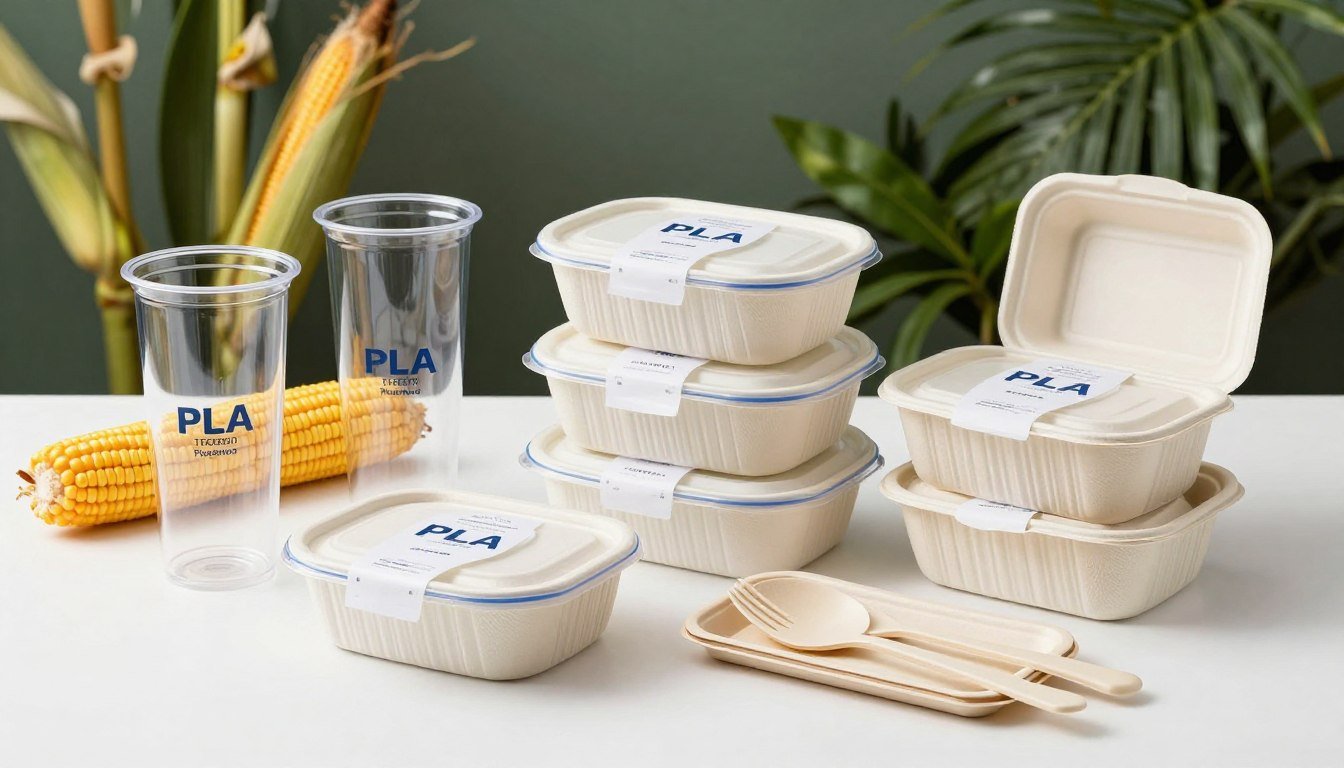
Plant-based source
Biodegradable potential
PLA vs. Traditional Filters
| Feature | Cellulose Acetate | PLA (Polylactic Acid) |
|---|---|---|
| Origin | Wood Pulp / Synthetic | Plant-based (Corn starch) |
| Biodegradability | Very Slow (Years) | Rapid Degradation |
| Microplastics | High Risk | Significantly Reduced |
| Environmental Cost | High Cleanup Liability | Lower Footprint |
Regulatory Frameworks Guiding Adoption
EU Single-Use Plastics Directive
Mandates extended producer responsibility and labeling requirements.
WHO FCTC Meetings
Discussions on phasing out non-degradable filters globally by 2025.
China’s Carbon Goals
National goals for carbon peaking and plastic pollution controls.
Corporate ESG Strategies in Action
Philip Morris International
Aims for operational carbon neutrality by 2030 and net-zero emissions by 2050. Biodegradable filters are a key role in waste reduction.
British American Tobacco
Focuses on eliminating unnecessary plastics and achieving Scope 3 net-zero by 2050 through sustainable material development.
Japan Tobacco
Holds numerous patents for bio-degradable designs, aligning responsible practices with global investor priorities.
Deep Dive into PLA Innovation
Explore why PLA stands out as the choice for green raw materials, including its renewable origins and sustainability benefits.
Growth
Market Dynamics and Growth Projections
The cigarette filters market reached $41 billion in 2025, with projections to grow to $57 billion by 2030. Biodegradable variants like PLA are expanding faster as demand for lower-carbon options increases.
"Suppliers in China lead production, exporting specialized formats to meet global standards."
Balancing Opportunities and Hurdles
PLA filters enable meaningful progress in sustainability, yet implementation requires addressing filtration efficiency, sensory experience, and production costs. Ongoing innovations and policy evolutions position PLA as a viable pathway, fostering industry-wide accountability.
Sustainability
Plant-based origins
Compliance
Meets EU Directives
Innovation
Next-gen materials