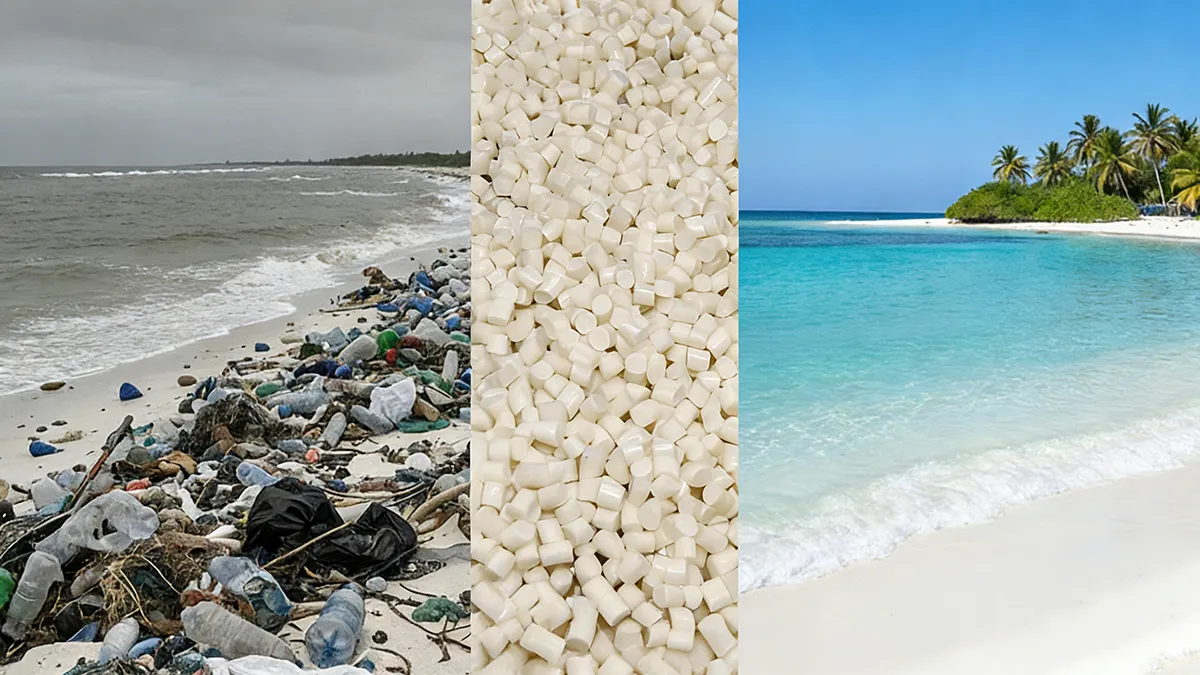
Environmental concerns continue to grow regarding plastic pollution. Polylactic acid (PLA) cigarette filters provide a promising plant-based alternative derived from renewable sources such as corn starch or sugarcane.
Tackling "White Pollution"
Traditional filters, made primarily from cellulose acetate (CA), play a major role in “white pollution” because they persist in nature and break into microplastics. These filters focus on fast biodegradation and eliminate persistent microplastic residues, making PLA a greener choice for cutting the ecological impact of tobacco waste.
Related Exploration:
PLA Cigarette Filter: An Innovative Choice of Green Raw MaterialsRapid Biodegradation: A Key Advantage
PLA filters distinguish themselves through much quicker breakdown compared with conventional materials, converting into carbon dioxide, water, and non-toxic biomass.
| Material Type | Natural Setting (Soil/Ocean) | Industrial Composting | End Result |
|---|---|---|---|
| PLA (Polylactic Acid) | 1 – 3 Years | ~6 Months (90%+) | CO2, Water, Biomass |
| Cellulose Acetate (CA) | 5 – 14 Years | Very Slow | Fragments / Microplastics |
| Polypropylene (PP) | Thousands of Years | Non-degradable | Persistent Pollution |
Ready to Transition to Sustainable Filtration?
Join the movement toward a cleaner planet by adopting PLA technology that eliminates microplastic pollution and aligns with global ESG goals.
The 4.5 Trillion Problem
Annual cigarette butts discarded worldwide, releasing toxins and microfibers.
The PLA Solution
Zero microplastics, harmless mineralization, and reduced ocean contamination.
Eliminating Persistent Microplastics
Unlike CA filters that shed microfibers—entering food chains and affecting organisms like water fleas—PLA filters prevent persistent microplastic formation. Their bio-based degradation pathway produces harmless compounds without long-term fibrous leftovers, making them "ocean-friendly."
Industry Context
PLA advantages correspond closely with sustainability trends like the EU Single-Use Plastics Directive. Beyond degradation, it delivers effective filtration, trapping tar and harmful substances while preserving taste and draw similar to traditional filters. Renewable sourcing further decreases the lifecycle carbon footprint.
Practical Considerations
Degradation rates depend on conditions; post-smoking residues like tar can slightly postpone breakdown. While extreme settings like deserts slow the process, PLA still outperforms traditional options. Success requires supporting efforts in waste collection and public awareness.
Conclusion
PLA cigarette filters mark a significant advance in lessening the environmental harm from tobacco waste. Degradation within 1–3 years in natural settings—compared with decades for CA—and zero contribution to persistent microplastics allow PLA to confront the crisis of 4.5 trillion annual littered butts directly. Continued research and wider adoption promise to steer the industry and ecosystems toward greater sustainability.