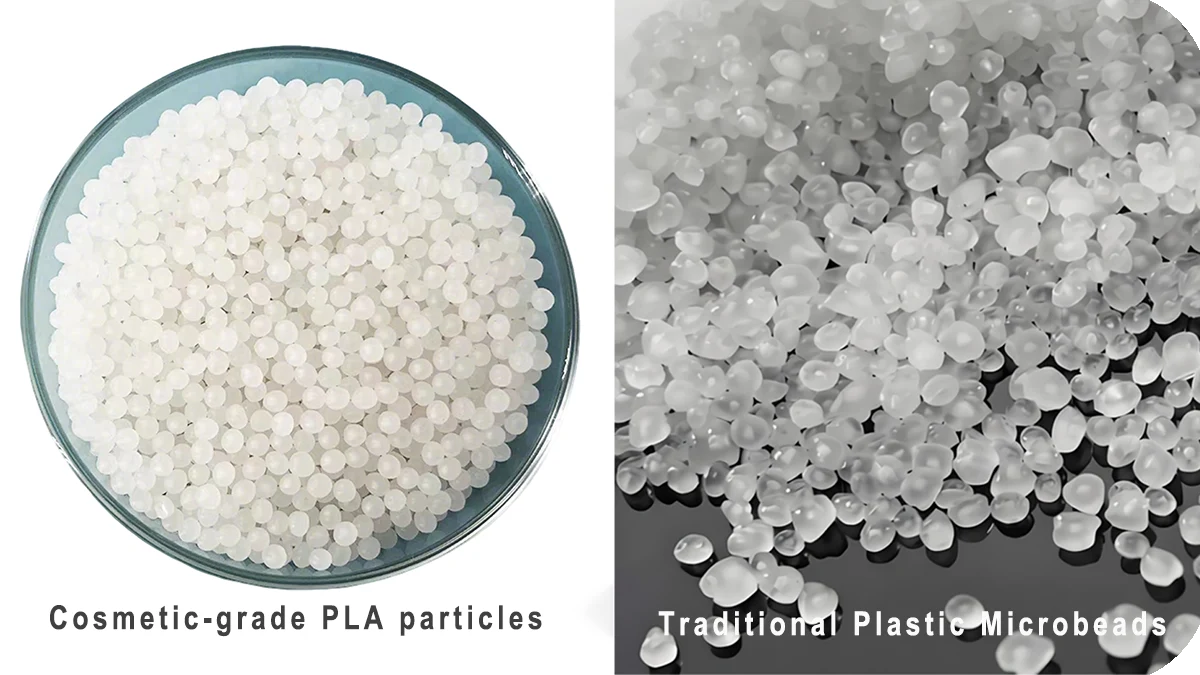
Environmental mandates are driving a rapid evolution across the global packaging sector, forcing converters and brand owners to pivot toward high-performance decarbonization strategies. Polylactic acid (PLA) resin stands at the forefront of this transition, offering a robust, bio-sourced alternative to conventional polyolefins. Premium PLA grades deliver carbon-neutral footprints while maintaining the critical melt strength, clarity, and tensile properties essential for modern packaging integrity.
Evaluating PLA resin requires precise alignment of melt flow indices (MFI) and thermal resistance with your specific conversion processes, whether extrusion, injection molding, or thermoforming. Securing the right resin grade ensures that end-products consistently meet stringent barrier requirements and international compostability standards.
What is PLA?
Polylactic acid constitutes a high-performance thermoplastic polyester synthesized through the polymerization of lactic acid derived from renewable plant sugars. This biopolymer serves as a strategic drop-in alternative to carbon-intensive plastics, bridging the gap between ecological responsibility and industrial scalability.
Mechanical profiles of neat PLA align closely with those of polystyrene (PS) and polyethylene terephthalate (PET), characterized by high stiffness and exceptional optical clarity. Molecular architecture dictates the functional performance of the polymer matrix.
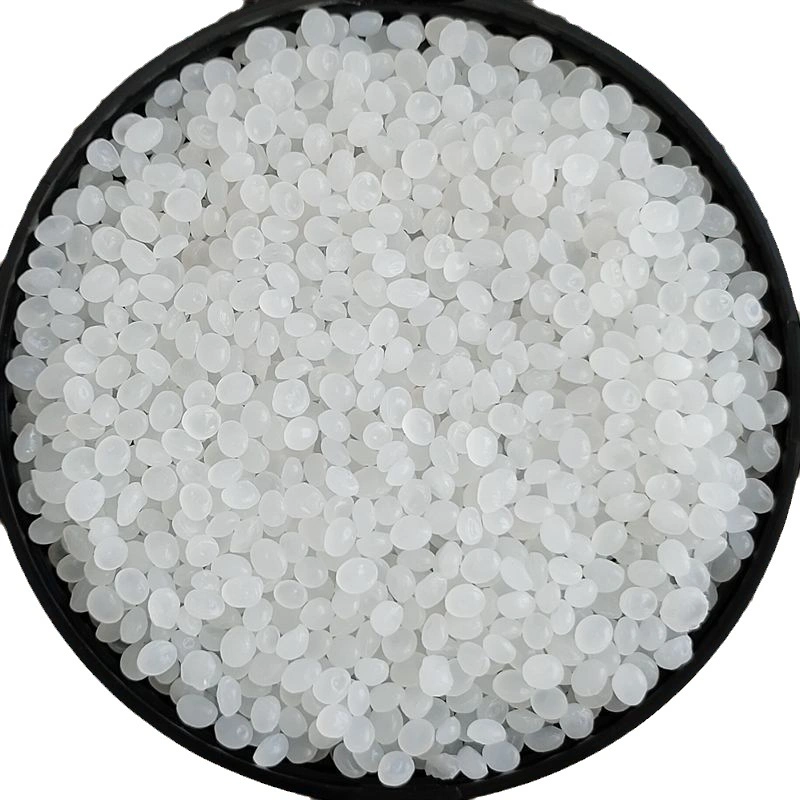
By carefully selecting resins with calibrated L-lactide and D-lactide ratios, manufacturers can manipulate crystallinity and molecular weight distribution. This tailorability allows for optimized thermal stability and melt flow, suiting demanding environments ranging from high-speed sheet extrusion to complex thin-wall injection molding.
Need Technical Specifications for Your Application?
Our team provides comprehensive Technical Data Sheets (TDS), Safety Data Sheets (SDS), and specific processing guidelines for packaging manufacturers.
Common Applications of PLA in Packaging
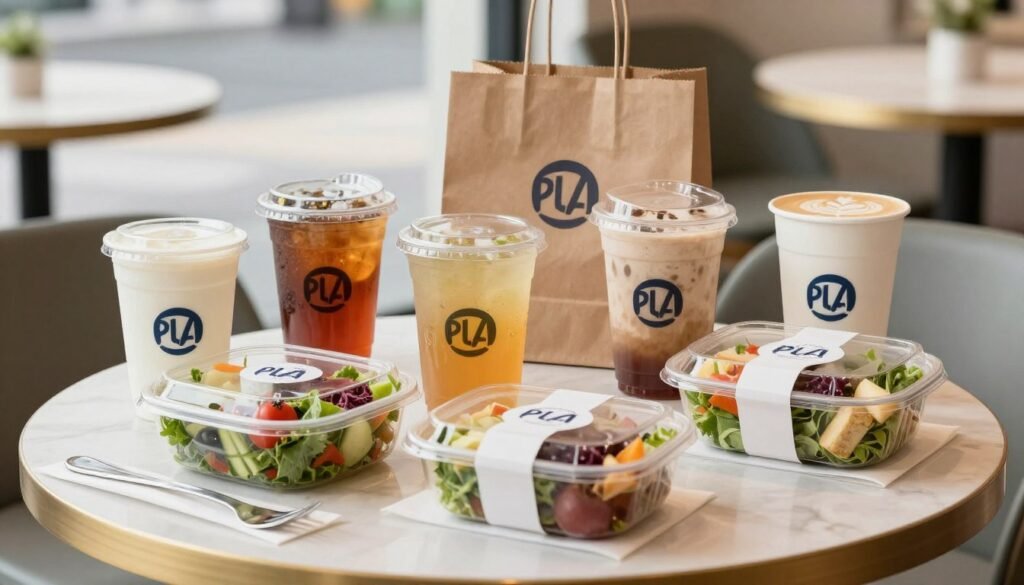
Market demand for sustainable packaging spans diverse segments. Sourcing the correct PLA resin profile—matched to your specific conversion equipment—ensures maximum throughput and minimal scrap rates. We supply optimized grades for the following core processes:
Thermal Forming & Sheet Extrusion
High-clarity PLA resin grades facilitate the production of cold-service disposables, maintaining structural rigidity at temperatures below 110°F (43°C).
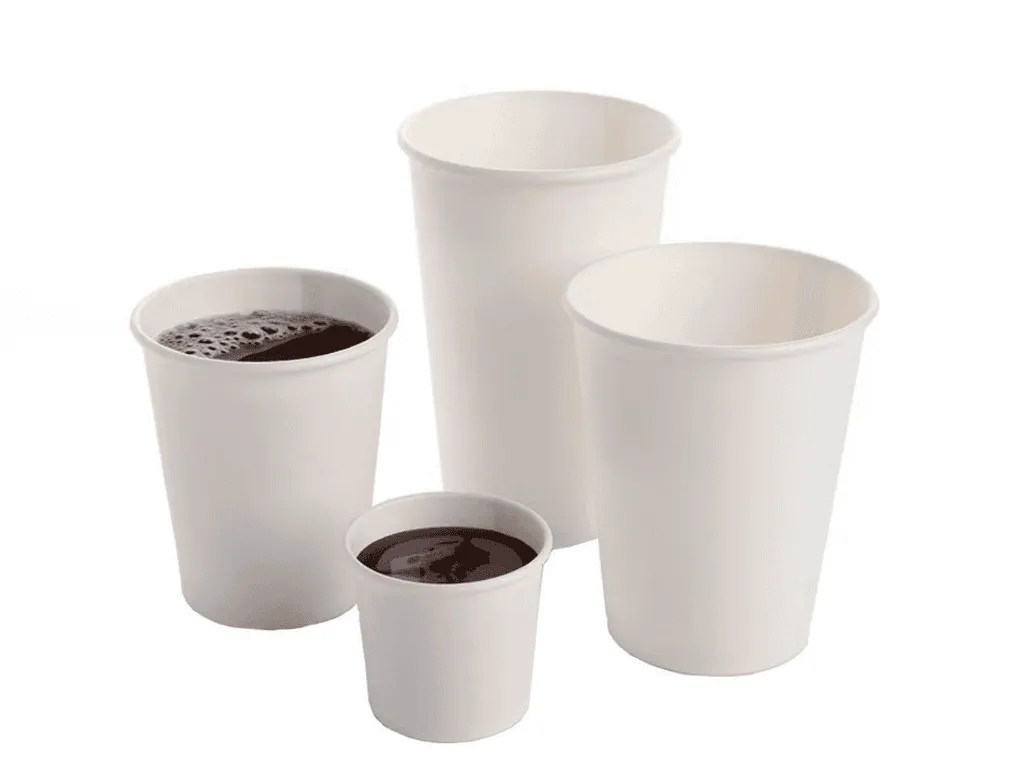
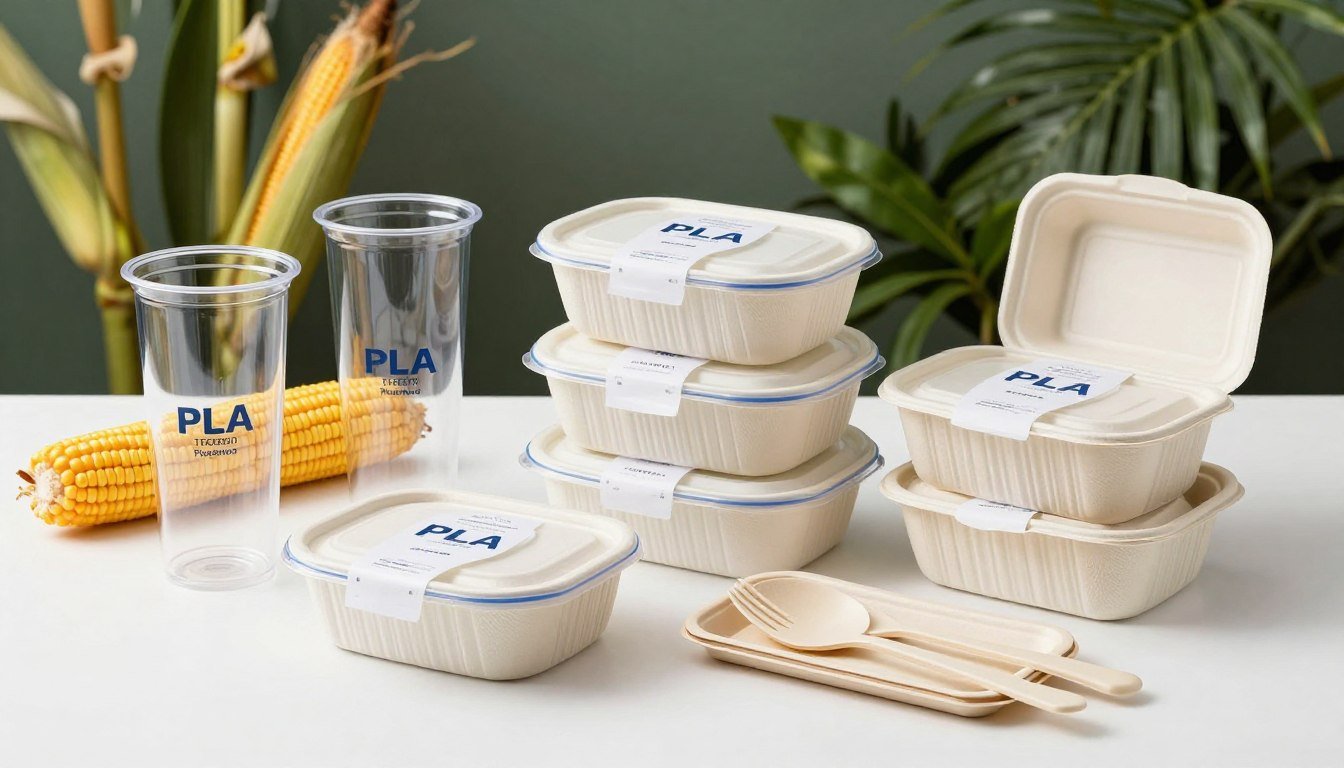
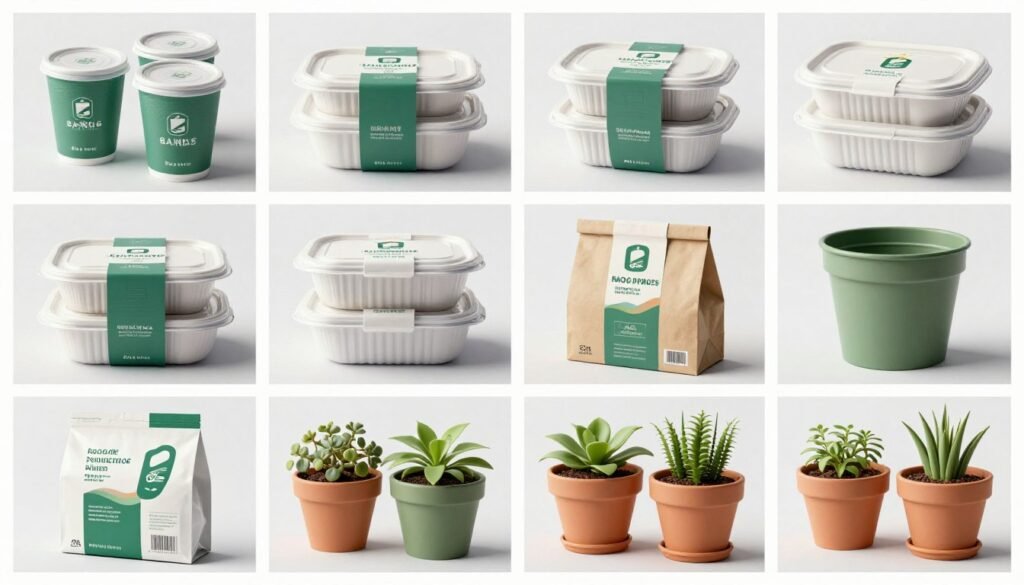
- Beverage Systems: Production of clear PLA cups and standard pla cups for the juice and coffee industry, complemented by high-flow pla straws.
- Fresh Produce: Perforated clamshells and anti-fogging pla film used for bakery and vegetable wrap applications.
Precision Injection Molding
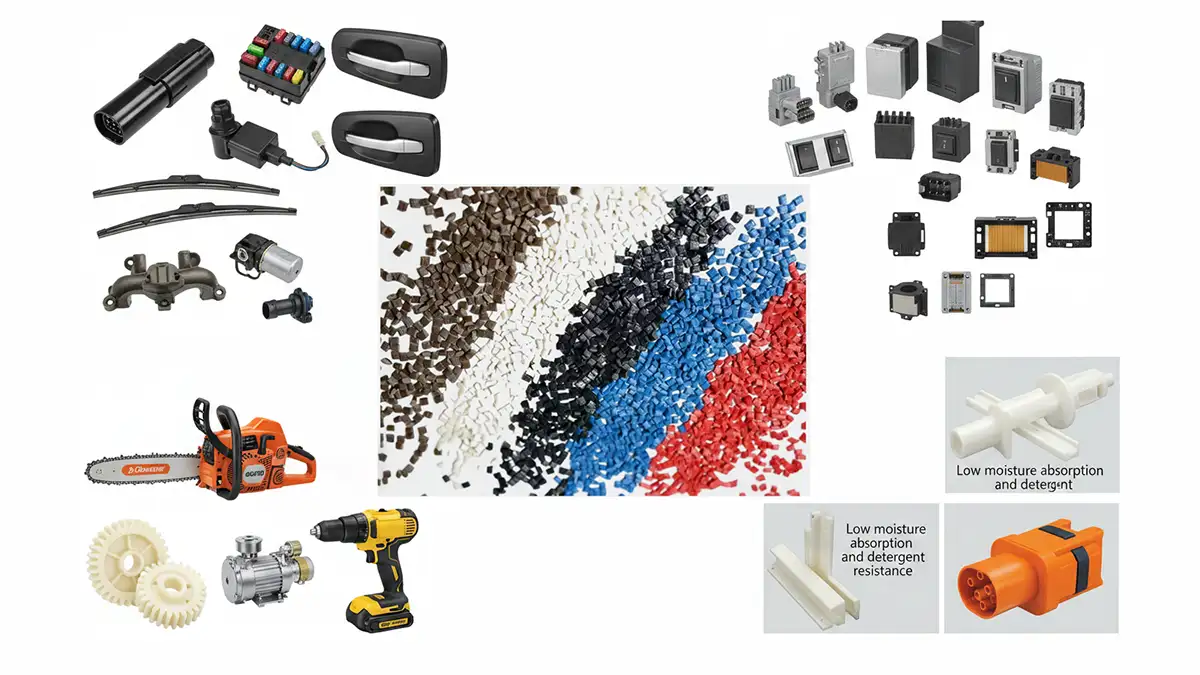
Manufacturers utilize high-stiffness PLA pellets to replace traditional polystyrene (PS) in rigid packaging and accessory applications.
- Food Service: Bio-based pla cutlery (forks, knives, spoons) and heavy-duty condiment portions.
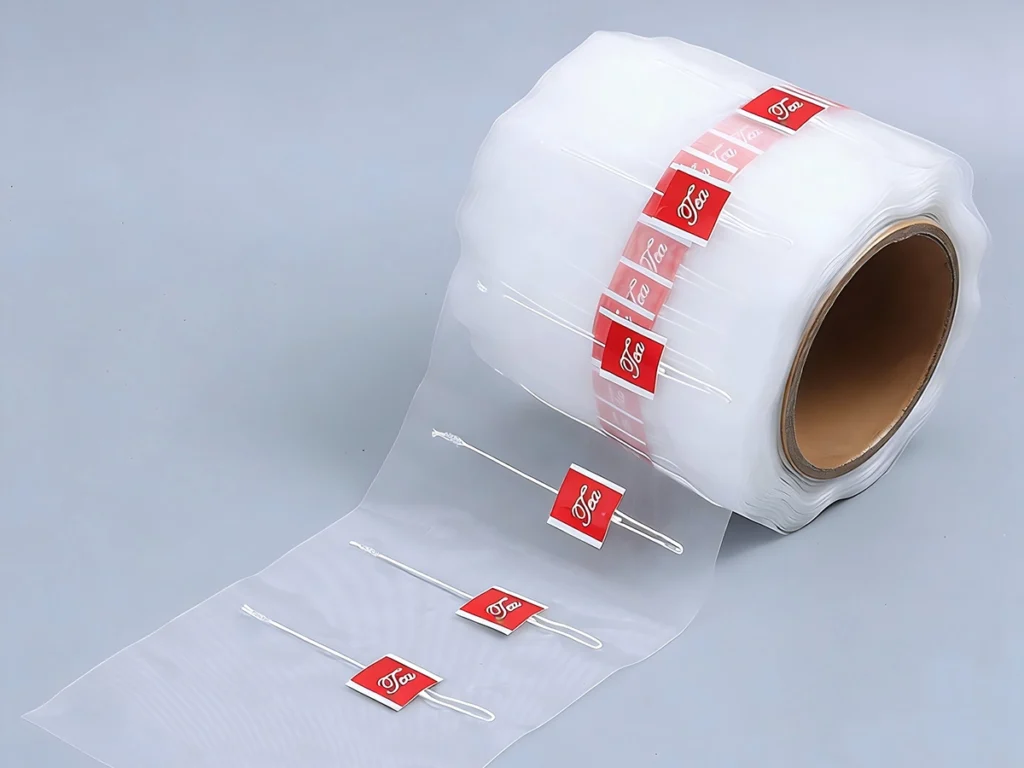
- Specialized Filtration: High-purity resin processed into fine fibers for the manufacturing of premium pla tea bags.
Blow Molding & Flexible Packaging
Advanced compounding allows PLA resin to transcend its standard physical limitations, catering to versatile container formats.
- Liquid Packaging: Engineering of polylactic acid bottles for non-carbonated beverages and personal care products.
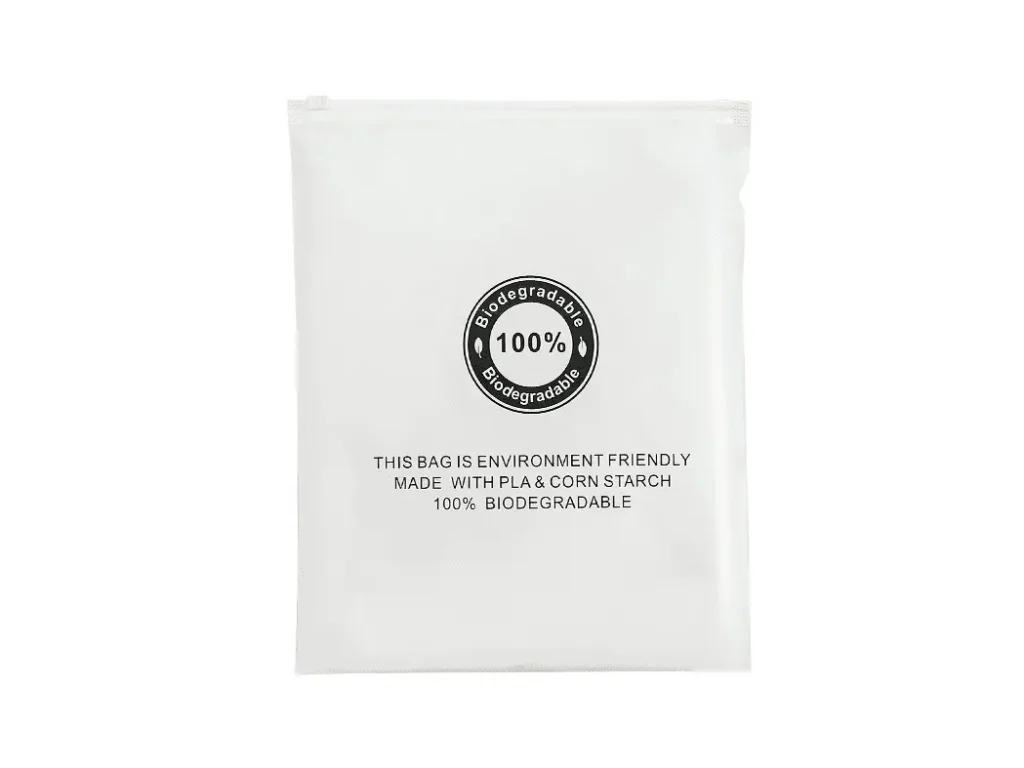
- Bag Conversion: Blending PLA with flexible biopolymers to produce the high-strength pla bag used in retail and organics collection.
Modified Performance Grades (CPLA)
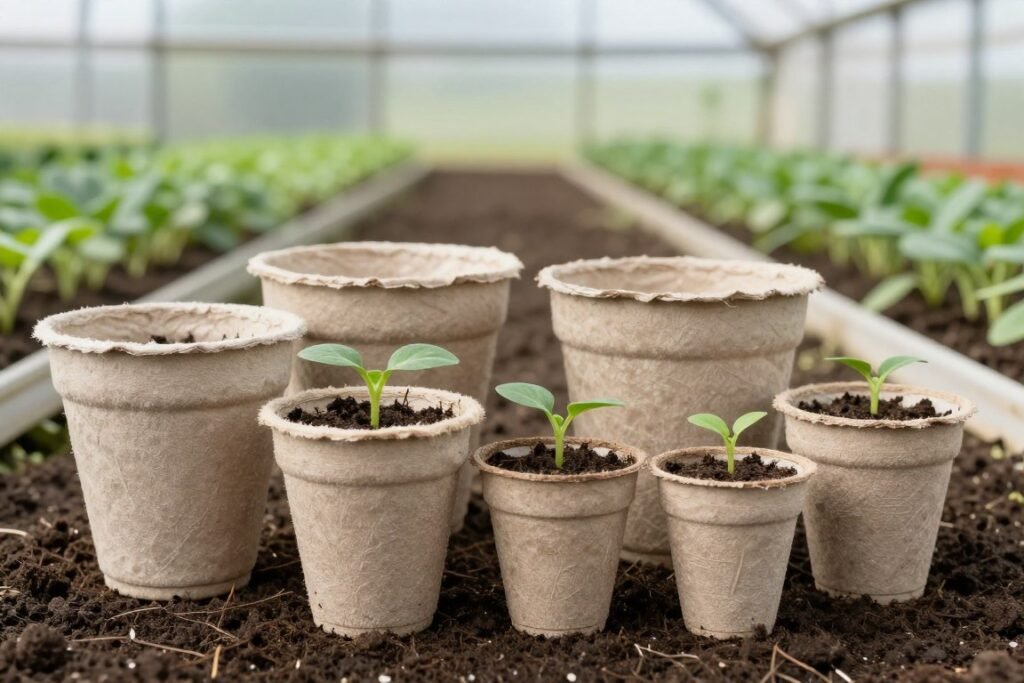
Heat-resistant PLA (CPLA) grades enable applications in hot-fill environments, effectively extending the material’s utility into the hot-beverage market for items like microwaveable trays and heat-stable lids.
Exploring PLA for Your Packaging Application?
Our applications engineering team helps manufacturers evaluate PLA suitability for specific packaging requirements. We provide processing recommendations and material selection guidance for your production needs.
Material Performance and Key Considerations
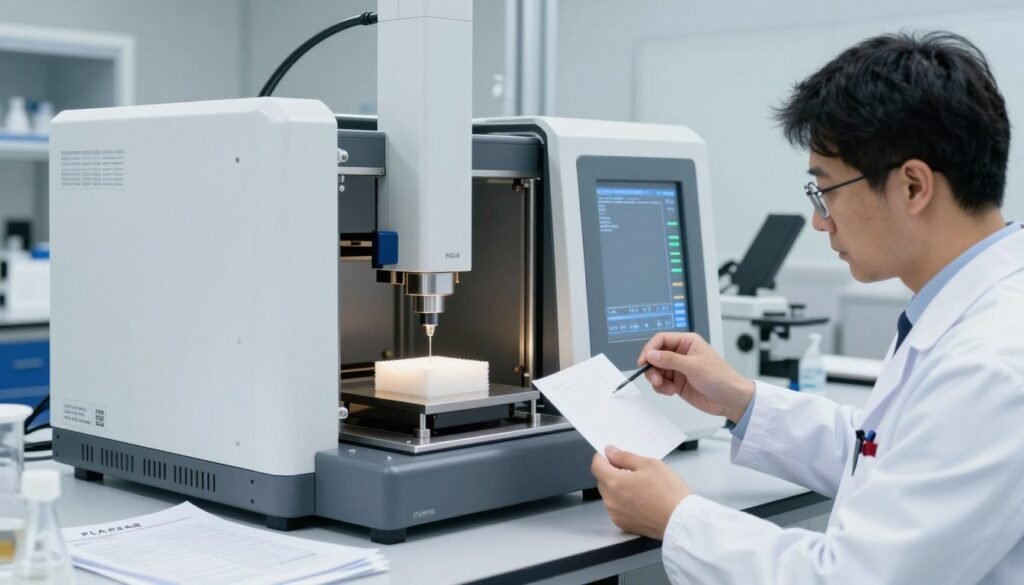
Maximizing yield with PLA resin requires strict adherence to specific thermodynamic parameters. While the biopolymer offers excellent processability, technicians must manage its unique thermal and moisture sensitivities.
Moisture Control & Pre-Drying
Hydrolytic degradation represents the primary risk during melt processing. Because PLA is inherently hygroscopic, pre-drying the resin pellets to moisture levels strictly below 250 ppm is mandatory. Processing wet resin aggressively reduces molecular weight, resulting in brittle parts and visual defects.
Thermal Constraints (Tg)
Standard polylactic acid maintains a glass transition temperature (Tg) of approximately 140°F (60°C). Operating environments exceeding this threshold induce softening. Processors must utilize nucleated grades or crystallization promoters for hot-fill compatibility.
Impact Modification
Tensile modulus aligns favorably with PS, offering high crush resistance. However, unmodified PLA can exhibit brittleness. We provide guidance on compounding our resins with eco-friendly impact modifiers to enhance drop-test performance for cold-storage packaging.
Cycle Time Optimization
Mastering PLA’s crystallization kinetics is crucial for throughput. While slow crystallization aids thermoforming transparency, it can extend injection molding cycles. Formulating with tailored crystallization promoters accelerates solidification, improving overall machine yield.
Processing Consideration: PLA requires careful moisture control during processing. The resin absorbs water, which can cause hydrolytic degradation during melt processing. Pre-drying to moisture levels below 250 ppm ensures consistent processing and optimal mechanical properties in finished packaging products.
Performance Advantages
- Delivers superior optical clarity comparable to PET for premium product visibility.
- Maintains high tensile modulus ensuring excellent structural integrity in rigid, stackable designs.
- Guarantees food-grade compliance through rigorous global regulatory certifications.
- Reduces carbon footprints by up to 70% compared to traditional fossil-based resins.
- Integrates seamlessly into existing thermoforming and injection molding infrastructures.
Material Limitations
- Address thermal sensitivity by incorporating nucleating agents to raise the Heat Deflection Temperature (HDT).
- Manage higher moisture vapor transmission through specialized bio-based barrier coatings or short-cycle retail strategies.
- Mitigate hydrolytic degradation by implementing strict pre-drying protocols to reach moisture levels below 250 ppm.
- Neutralize inherent brittleness by compounding with eco-friendly, biodegradable impact modifiers.
- Optimize production throughput by utilizing crystallization promoters to shorten cooling cycles and improve dimensional stability.
Environmental and Regulatory Aspects
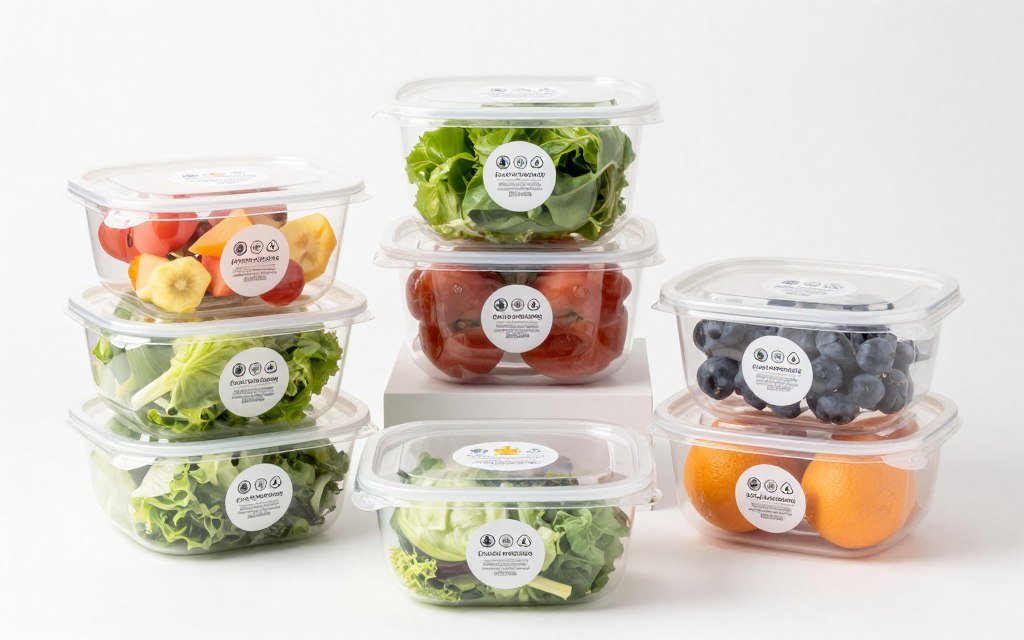
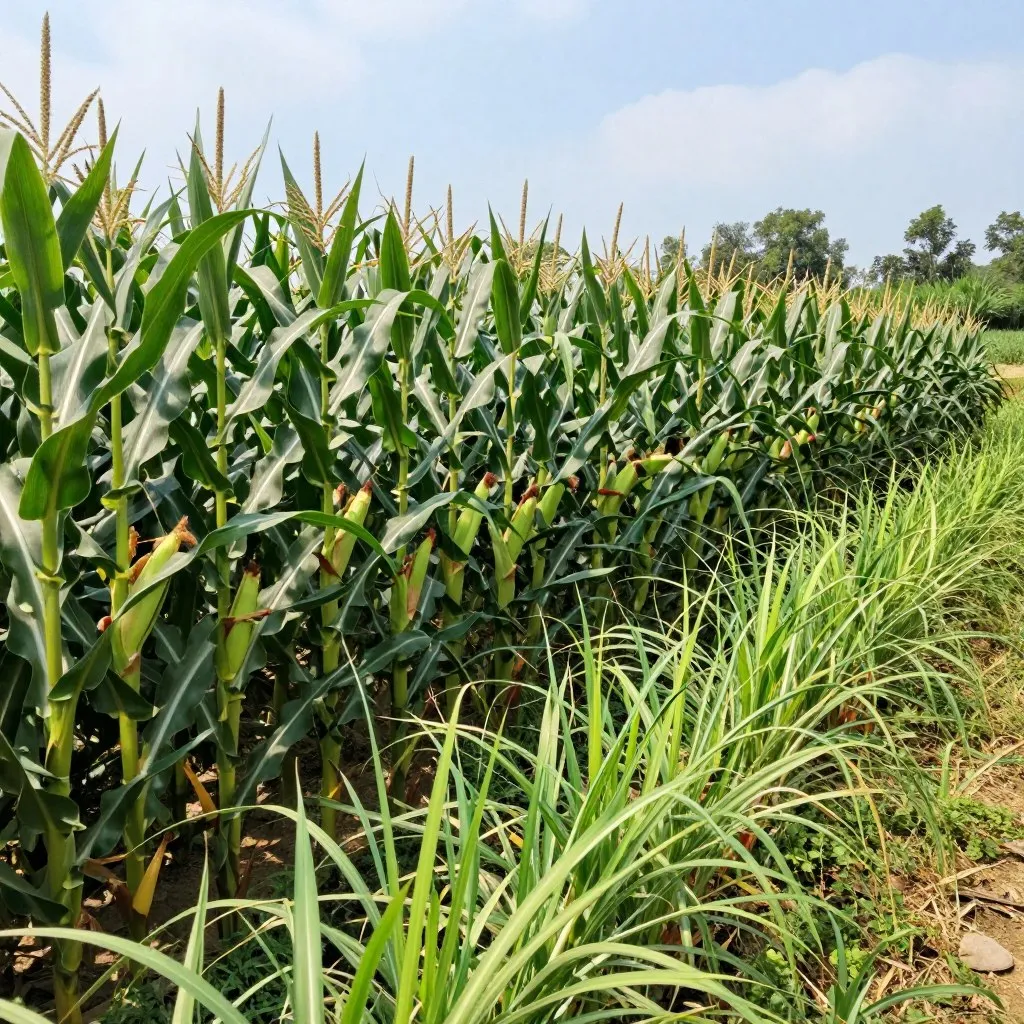
Strategic decarbonization within the packaging value chain relies on the quantifiable environmental advantages of PLA resin. Beyond its renewable origins, this biopolymer offers a systemic reduction in greenhouse gas emissions and fossil fuel dependency. Precise Life Cycle Assessments (LCA) demonstrate that bio-based carbon sequestration—captured during plant growth—significantly offsets the energy intensity of the polymerization process.
Industrial Composting and Circularity Pathways
Controlled biodegradation serves as the primary end-of-life objective for PLA-based architectures. Under industrial conditions (140–160°F), the resin undergoes complete enzymatic and microbial breakdown into water, CO2, and nutrient-rich biomass within 90 to 180 days.
- Infrastructure Alignment: Validation of local industrial composting capacity remains a critical step for brands to fulfill “compostable” marketing claims.
- Recycling Synergy: Advanced Near-Infrared (NIR) sorting technologies effectively mitigate cross-contamination risks between PLA and conventional PET streams, supporting broader circular economy goals.
Regulatory Integrity and Food-Contact Safety
High-purity PLA resins provided by professional distributors adhere to stringent global safety mandates. Compliance with U.S. FDA and European EFSA standards ensures that the material is chemically inert and safe for direct food contact across diverse packaging formats.
- Purity Specifications: Rigorous batch testing verifies that migration levels remain well below international thresholds, ensuring consumer safety in both ambient and refrigerated conditions.
- Traceability: Sourcing resins from certified suppliers guarantees the necessary documentation for supply chain transparency and regulatory audits.
Important Disposal Consideration: PLA does not biodegrade in home composting, landfills, or marine environments at meaningful rates. Material that enters conventional recycling streams can contaminate PET recycling if not properly sorted. Clear labeling and consumer education about proper disposal methods are essential for realizing environmental benefits.
Certification and Standards
Third-party verification provides the necessary evidentiary support for sustainability claims. The following table outlines the essential benchmarks for PLA resin compliance:
| Standard | Region | Verification Scope | Core Requirement |
| ASTM D6400 | North America | Industrial Compostability | 90% biodegradation within 180 days |
| EN 13432 | European Union | Packaging Recovery | Includes ecotoxicity and disintegration testing |
| USDA BioPreferred | United States | Bio-based Content | Minimum renewable carbon percentage |
| OK Compost | International | End-of-Life | Compliance with ISO 17088 standards |
Conclusion
Transitioning packaging portfolios to biopolymers is a highly technical endeavor that requires more than just purchasing raw materials. It requires a reliable supply chain partner capable of delivering consistent resin quality and actionable processing intelligence.
Industrial implementation should always begin with rigorous pilot trials. We encourage packaging converters to conduct comprehensive extrusion and injection molding tests using our high-grade resin samples to dial in cycle times, verify dimensional stability, and validate mechanical performance. By prioritizing technical due diligence and securing reliable material documentation, packaging manufacturers can scale sustainable production profitably.
Ready to optimize your processing line with premium PLA?
Our applications engineering team is available to evaluate your specific machinery and product requirements. We provide tailored material selection and reliable inventory programs to keep your production running smoothly.
FAQs
What does PLA mean in packaging?
Polylactic acid (PLA) is a bio-based thermoplastic polyester synthesized from fermented plant starches like corn or sugarcane. In the packaging supply chain, it serves as a high-purity resin for sustainable manufacturing.
- Core Value: Reduces carbon footprint and fossil fuel dependency.
- Primary Form: Supplied as high-transparency resin pellets.
- End-of-Life: Supports industrial composting pathways.
What kind of plastic is PLA?
PLA is an aliphatic polyester with versatile thermoplastic properties, allowing it to be melted and reshaped repeatedly.
- Processing Profile: Compatible with thermoforming, injection molding, and extrusion.
- Thermal Specs: Glass transition temperature (Tg) at 140°F (60°C); melting point (Tm) near 340°F (170°C).
- Material Class: A renewable alternative to petroleum-based PET and PS.
What is PLA in food packaging?
PLA resin is a chemically inert material certified for safe, direct food contact by the FDA and EFSA. It is engineered specifically for short-shelf-life and refrigerated applications.
- Typical Uses: Clear beverage cups, deli clamshells, and produce trays.
- Safety Standard: Low migration levels under ambient conditions.
- Limit: Restricted to cold-service and room-temperature packaging.
What are the downsides of PLA plastic?
While highly sustainable, PLA resin requires specific processing expertise to manage its inherent physical constraints.
- Thermal Sensitivity: Standard grades soften above 140°F (60°C) (requires CPLA modification for heat resistance).
- Processing Risk: Must be pre-dried to <250 ppm to prevent hydrolytic degradation during melting.
- Mechanical Profile: Naturally more brittle than PET; often requires bio-based impact modifiers for toughness.
- Infrastructure: Depends on access to industrial composting for optimal environmental benefits.