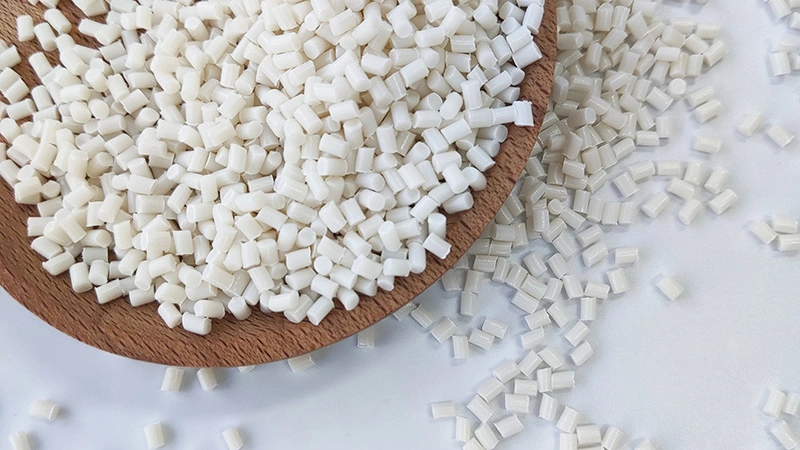
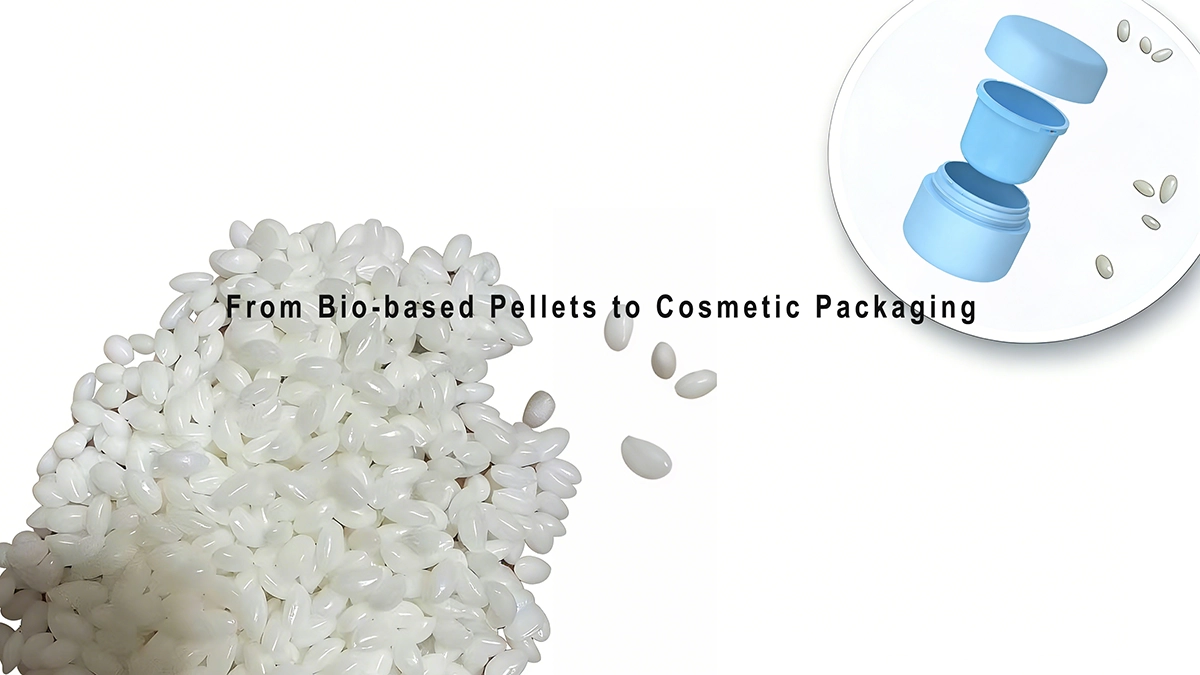
Transitioning to sustainable packaging necessitates a rigorous alignment with global compliance frameworks and a data-driven mastery of Life Cycle Assessment (LCA). For Polylactic Acid (PLA) resin to transcend its role as a mere alternative and become a strategic asset, its environmental credentials must be anchored in standardized certification and stringent chemical safety protocols.
Global Certification: Securing Market Access
Adhering to region-specific compostability mandates is the prerequisite for international distribution. While standards align on core requirements, critical variances exist in toxicity parameters.
EN 13432 (Europe)
Standard for packaging recoverable through composting and biodegradation.
ASTM D6400 (USA)
Specific focus on biodegradation in municipal and industrial facilities.
AS 4736 (Australia)
Adds Earthworm Toxicity testing—a rigorous benchmark for soil health.
Beyond End-of-Life: Bio-based Origin
Utilizing ASTM D6866 radiocarbon dating, suppliers categorize high-purity resins under the OK biobased (TÜV) or DIN-Geprüft systems. Precise deployment of these certifications is paramount as global anti-greenwashing directives tighten.
Optimize Your Material Strategy
Discover how these certified resins perform in diverse industrial applications.
Decarbonization Logic: LCA Performance
Carbon Sequestration
Feedstock crops capture atmospheric carbon during photosynthesis, creating a negative carbon debt at the start of the cycle.
Low-Emission Production
Cradle-to-Gate emissions are typically 60% to 80% lower than virgin PP or PET polymers.
Circular Depolymerization
Transitioning toward chemical recycling to facilitate a circular carbon loop that outperforms mechanical recycling.
Comparative analysis of Cradle-to-Gate emissions per 1kg of resin.
Food Contact Safety: Beyond Migration Limits
Food safety serves as the non-negotiable technical threshold. Manufacturers must rigorously monitor catalyst residues and manage Non-Intentionally Added Substances (NIAS).
FDA & EU Compliance
Managed under FCN (USA) and EU 10/2011, focusing on Specific Migration Limits (SML).
Catalyst Monitoring
Stringent monitoring of stannous octoate to ensure concentrations remain within ppm limits.
PFAS-Free Advantage
Inherent regulatory advantage over traditional grease-resistant coatings in paper and pulp.
High Stability
Critical control of low-molecular-weight oligomers in acidic or high-temp environments.
End-of-Life Science
Correcting public misconceptions requires evidence-based data. Under industrial composting conditions—standardized at 58°C—PLA undergoes predictable two-stage degradation: initial abiotic hydrolysis followed by microbial mineralization.
50μm Film
Mineralizes within weeks
2mm Technical Part
Calibrated window for breakdown
Establishing "Disintegration Window" matrices allows for infrastructure compatibility.
Conclusion
Success in the sustainable transition lies at the intersection of molecular integrity and regulatory precision. By leveraging validated LCA data and adhering to the highest global safety standards, manufacturers can deploy PLA resin as a high-performance, compliant, and carbon-efficient solution for the evolving global market.