Polylactic Acid (PLA)—a versatile, bio-based, and compostable thermoplastic—has emerged as the premier alternative to conventional petroleum-based resins. However, for manufacturers and procurement teams, the key challenge is no longer whether to use PLA, but which grade of PLA is suitable for the application.
In practical terms, the decision comes down to three key questions:
- Heat exposure → Will the product face temperatures above 60°C?
- Mechanical demand → Does it require long-term strength or rigidity?
- Cost sensitivity → Is budget more important than performance?
Quick Answer: PLA vs PLLA
- Choose PLA → When cost-efficiency, ease of processing, and ambient-temperature use are the priority
- Choose PLLA → When heat resistance, structural strength, and long-term stability are required
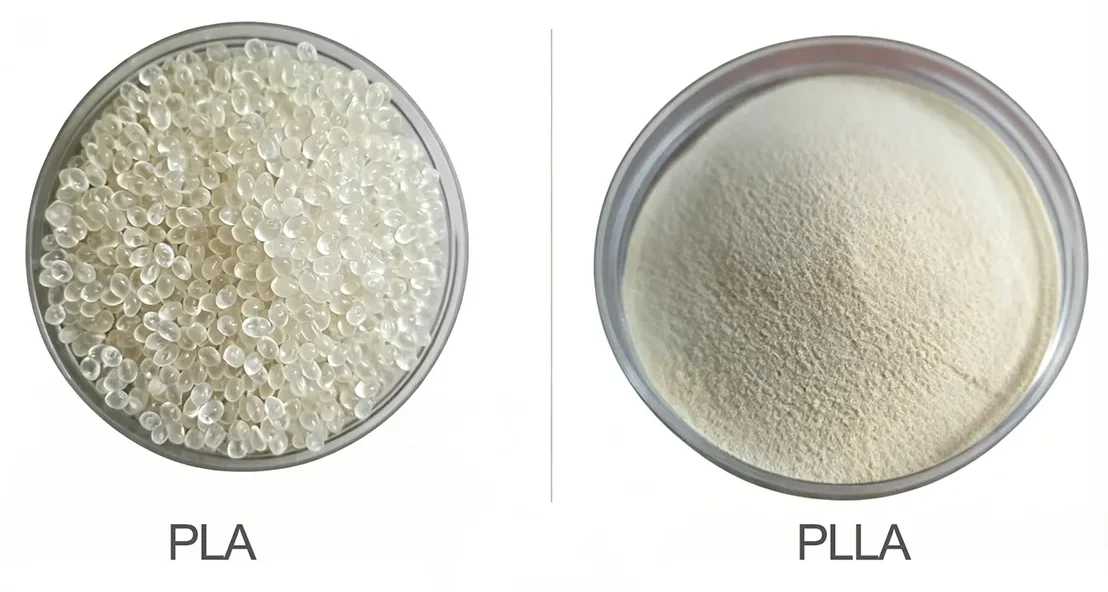
This is where the distinction between standard PLA and Poly(L-lactide) (PLLA) becomes critical. While both materials share the same chemical origin, their internal structure leads to significantly different performance outcomes.This article provides a technical yet practical comparison of PLA and PLLA, helping you match material properties with real-world application requirements.
Chemical Structure and Molecular Configuration
The performance differences between PLA and PLLA originate from their molecular structure, specifically how their polymer chains are arranged at the microscopic level.
In simple terms: The more orderly the molecular structure, the stronger, more heat-resistant, and more stable the material becomes.This means that molecular architecture directly determines real-world performance in processing and end-use applications.
Lactic acid exists in two forms: L-lactic acid and D-lactic acid. Although they share the same chemical composition, they differ in spatial arrangement—similar to how left and right hands are mirror images of each other.
This difference plays a critical role in polymer structure. When both forms are mixed, the polymer chains become irregular and less organized. When only one form (L-lactic acid) is used, the chains can align more tightly, forming a highly ordered structure.
For a deeper understanding of how stereochemistry and isomer ratios influence crystallinity, thermal stability, and mechanical performance, see our technical guide: PLA vs PLLA: Decoding Material Science for High-Performance Applications.
The Role of Isomeric Purity in Crystallinity
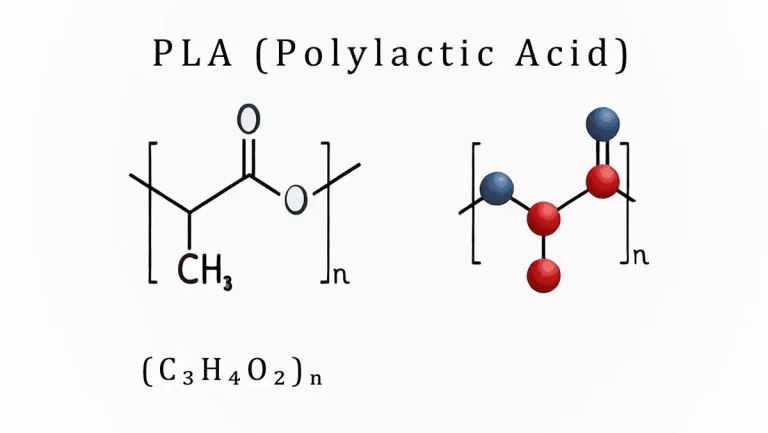
Molecular structure of polylactic acid (PLA)
In the commercial plastic resin market, standard PLA is typically a random copolymer containing a mixture of both isomers (usually 90–98% L-isomer and 2–10% D-isomer). In standard PLA, the presence of D-lactic acid introduces structural irregularities. These “defects” prevent polymer chains from packing tightly together, which significantly limits crystallization.
From an industrial perspective, this leads to two key limitations:
- Lower heat resistance
- Slower crystallization during processing
As a result, standard PLA is easier to process but less suitable for high-temperature or load-bearing applications.
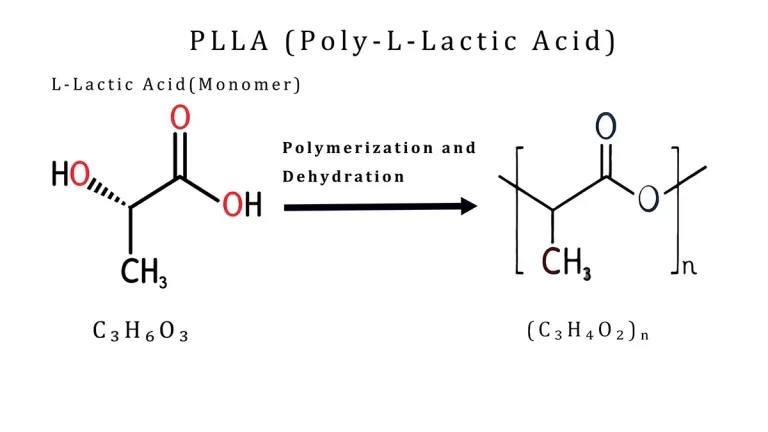
The molecular structure of PLLA shows the L-isomer.
Conversely, PLLA (Poly-L-lactic acid) is synthesized from high-purity L-lactic acid, typically exceeding 99% concentration. This exceptional molecular regularity is the key to its industrial value. In contrast, PLLA is produced from nearly 100% L-lactic acid, resulting in a highly uniform molecular structure. This high molecular uniformity allows polymer chains to align into highly ordered crystalline structures.
For industrial users, this translates into:
- Higher heat resistance and dimensional stability
- Increased tensile strength and rigidity
- More consistent processing behavior during injection molding
In practical production environments, this also means shorter cycle times and improved product consistency.
Industrial Implications of Crystalline Development
For resin converters and manufacturers, this structural difference translates into two critical competitive advantages:
- Enhanced Crystallization Kinetics: The high stereopurity of PLLA enables a much faster crystallization rate during cooling, which is essential for reducing cycle times in injection molding.
- Thermal and Mechanical Stability: While standard PLA often deforms at temperatures above 55°C, the high degree of crystallinity in PLLA (which can reach 70% or more) provides significantly higher thermal stability and tensile modulus, making it suitable for engineering-grade applications and durable goods.
Performance Comparison: Bridging Structure and Application
The transition from molecular configuration to industrial utility is best observed through a rigorous performance analysis. For procurement experts and engineers, the distinction between standard PLA and PLLA centers on three pillars: thermal endurance, structural rigidity, and environmental longevity.
Comparative Technical Data
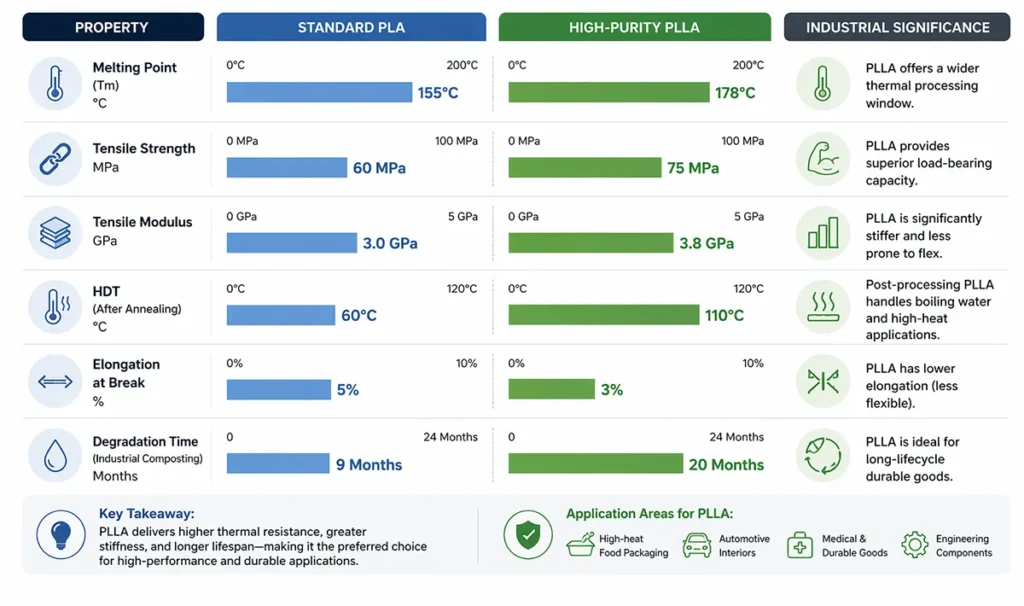
To facilitate material selection, the following table summarizes the primary thermomechanical divergence between general-purpose PLA and high-purity PLLA:
| Property | Standard PLA (Semi-crystalline) | High-Purity PLLA | Industrial Significance |
| Melting Point (Tm) | 150-160°C | 175°C – 180°C | PLLA offers a wider thermal processing window. |
| Tensile Strength | 50 – 65MPa | 70 – 80 MPa | PLLA provides superior load-bearing capacity. |
| Tensile Modulus | ~ 3.0 GPa | ~ 3.5 – 4.0 GPa | PLLA is significantly stiffer and less prone to flex. |
| HDT (After Annealing) | 55°C – 60°C | Up to 100°C – 120°C | Post-processing PLLA handles boiling water/heat. |
| Degradation Rate | Faster (6-12 months) | Slower (18-24 months) | PLLA is ideal for long-lifecycle durable goods. |
Thermal Stability and the "Annealing" Advantage
While both materials share a similar Glass Transition Temperature (Tg) of approximately 55°C – 65°C, their behavior under heat stress differs markedly.
Standard PLA often suffers from low heat deflection temperature (HDT), which leads to deformation in warm or high-temperature environments.
In contrast, PLLA can undergo annealing, a post-processing heat treatment that significantly increases crystallinity and thermal resistance.
Without annealing, PLA-based parts may deform; with annealing, PLLA components can withstand temperatures exceeding 100°C.
Mechanical Integrity and Modulus
The mechanical superiority of PLLA is not merely in its breaking point, but in its Tensile Modulus (stiffness). The dense, ordered crystalline lattice of PLLA acts as a reinforced matrix, providing the rigidity required for precision-molded parts. Conversely, standard PLA exhibits slightly higher elongation (3-6%), offering a degree of “forgiveness” in less demanding applications, whereas PLLA’s rigidity (2-4% elongation) demands precise structural design to avoid brittleness.
Hydrolytic Stability and Life Cycle
From a sustainability and storage perspective, degradation kinetics are crucial. The compact crystalline structure of PLLA acts as a barrier, slowing the penetration of water molecules during hydrolysis.
- Standard PLA → Faster degradation
Larger amorphous regions allow moisture to penetrate more easily, making it ideal for short-life, disposable products. - PLLA → Longer service life
Its dense crystalline structure slows hydrolysis, ensuring mechanical stability over extended use periods.
Need Detailed Technical Specifications?
Access our comprehensive technical data sheets for PLA and PLLA to make an informed material selection for your project.
Application Fields: Matching Material Grades to End-Use Requirements
The divergent thermomechanical profiles of PLA and PLLA dictate their respective strongholds in the global market. As a distributor, aligning the specific resin grade with the mechanical and thermal demands of the final product is essential for ensuring functional reliability and cost-efficiency.
General-Purpose PLA: High-Volume Commodity Applications
Standard PLA is the preferred resin for applications where ease of processing and sustainability are the primary drivers. Its moderate mechanical strength and excellent clarity make it a staple in the following sectors:
Additive Manufacturing (3D Printing)
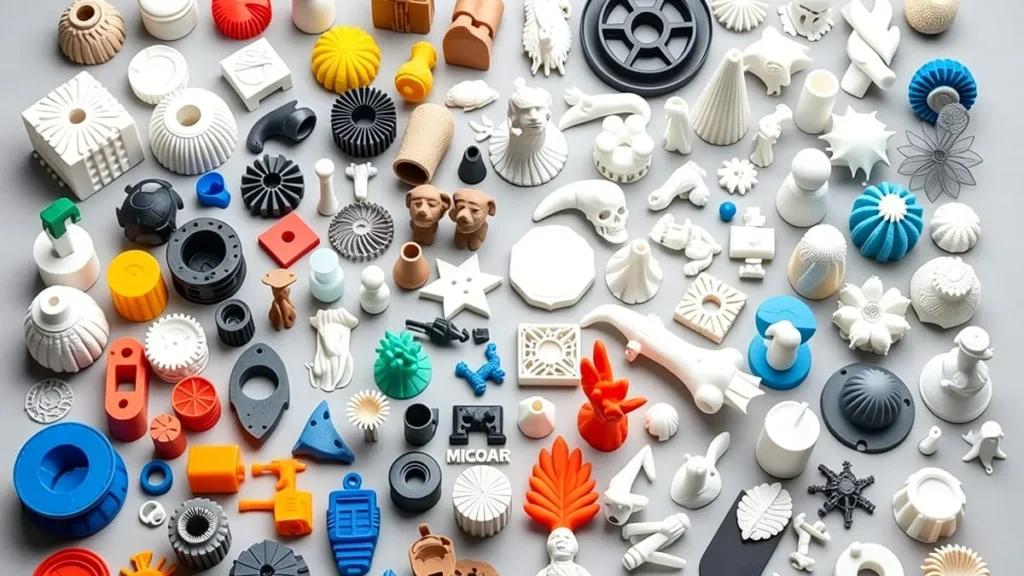
PLA is the preferred material for 3D printing due to its ease of processing and dimensional stability.
- Low shrinkage → Ensures high printing accuracy
- No heated chamber required → Simplifies processing conditions
- Ideal for prototypes and consumer products
Eco-friendly Packaging & Foodservice
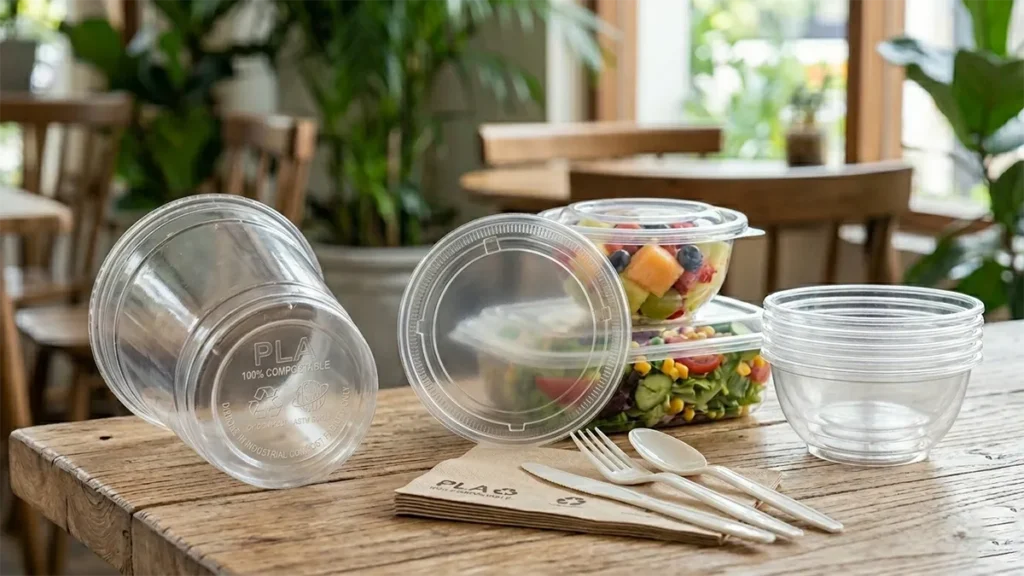
PLA is widely used in disposable packaging where sustainability and clarity are essential.
- Suitable for cold food and beverages
- Excellent transparency and aesthetics
- Cost-effective alternative to petroleum-based plastics
Sustainable Agriculture
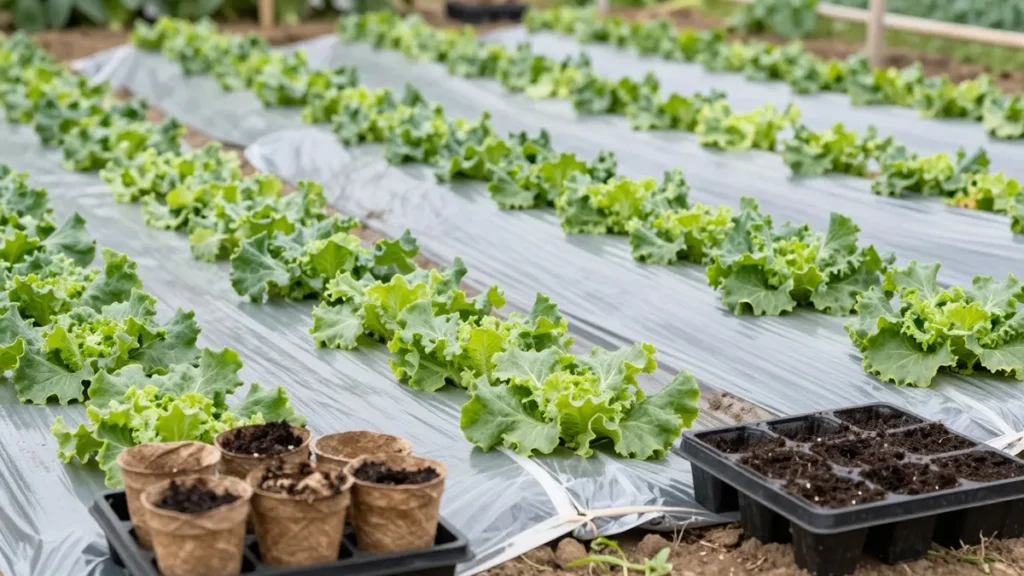
PLA supports sustainable farming by offering biodegradable solutions for short-life applications.
- Used in mulch films and seedling trays
- Can be tilled directly into soil after use
- Reduces labor and microplastic pollution
High-Performance PLLA: Engineering and Medical Grade Applications
Thanks to its superior crystallinity and structural integrity, PLLA transitions beyond simple packaging into high-value engineering and healthcare sectors:
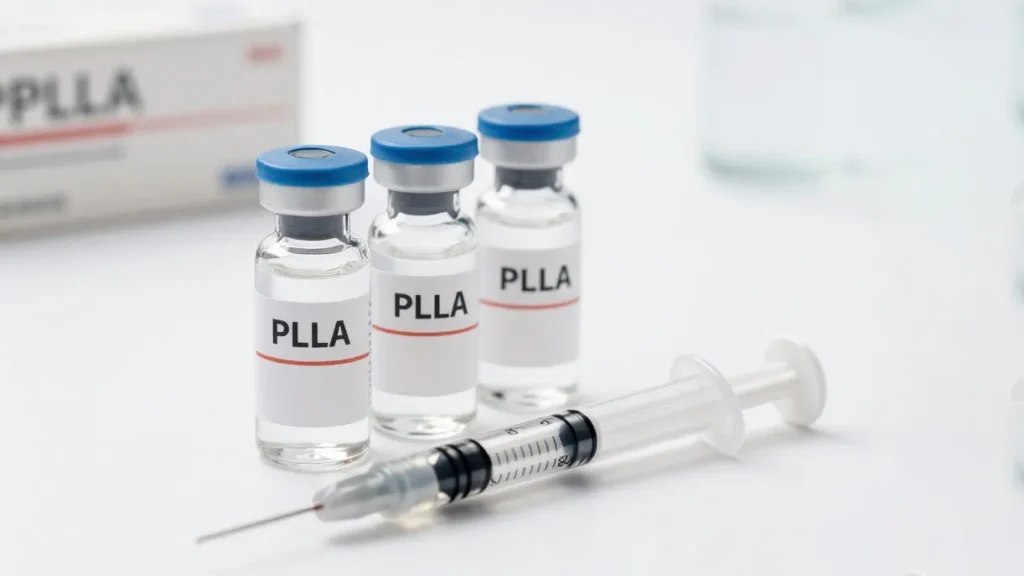
Biomedical Engineering
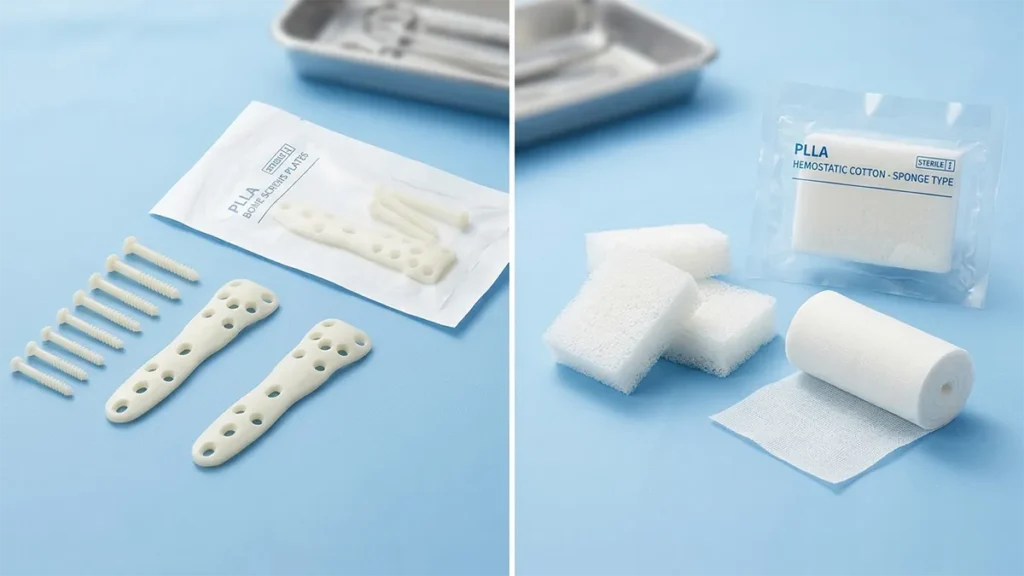
PLLA is widely used in bio-absorbable medical devices due to its high strength and controllable degradation.Typical applications include:
- Orthopedic implants → Screws, pins, and plates that provide temporary structural support during bone healing
- Absorbable sutures & stents → Ensuring reliable wound closure and vascular support throughout recovery
High-Performance Textiles
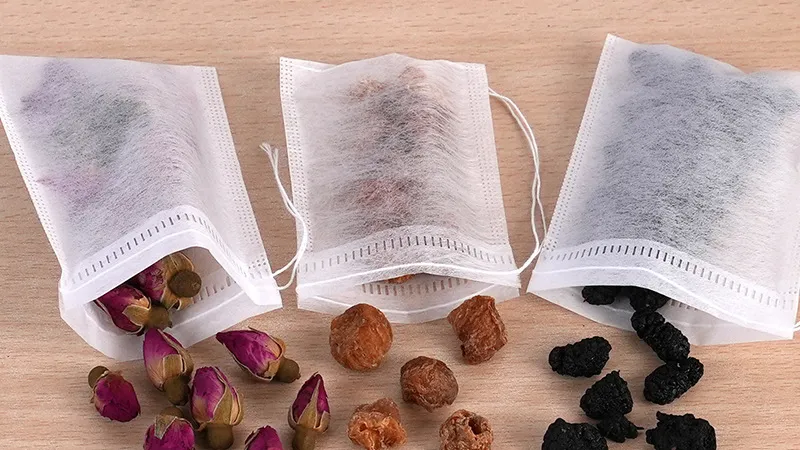
PLLA fibers are used in applications requiring heat resistance and mechanical durability.
- Higher melting point supports dyeing and finishing processes
- Suitable for industrial textiles and performance apparel
- Maintains shape under elevated temperatures
Industrial Injection Molding
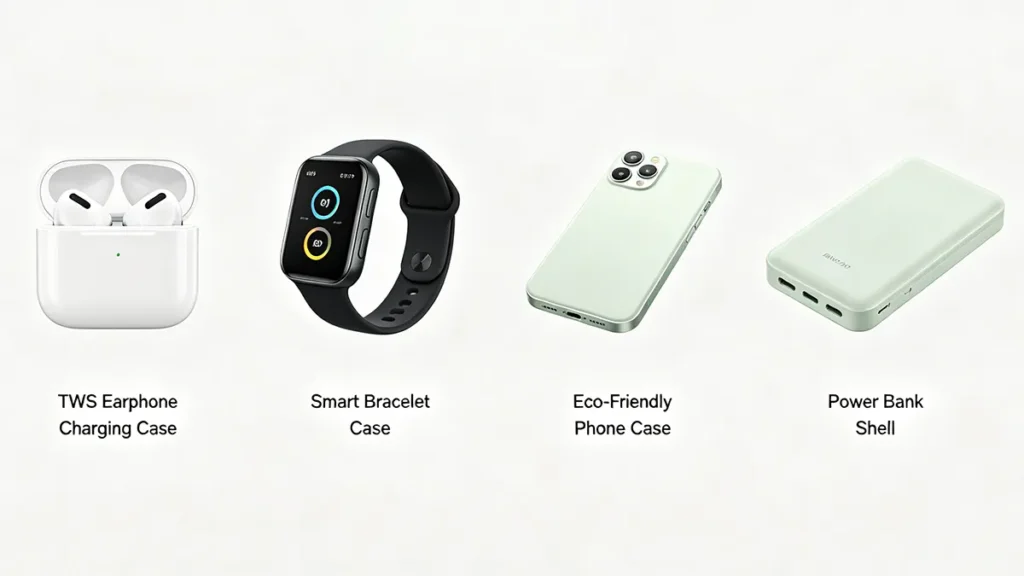
PLLA is applied in engineering-grade molded parts where thermal stability is required.
- Suitable for electronic housings and automotive interiors
- Enhanced heat resistance after annealing
- Provides dimensional stability in demanding environments
How to Select the Right Resin Raw Materials?
Selecting the optimal biopolymer is not merely a technical choice but a strategic business decision. For resin procurement and product development, the “right” material must balance functional performance with cost-efficiency and supply chain stability.
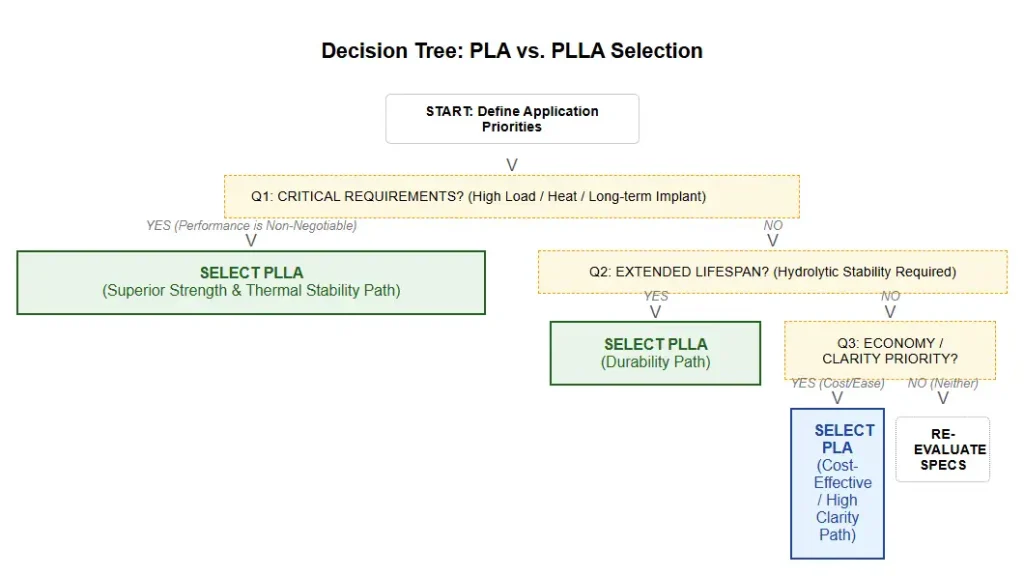
Decision flowchart for selecting the optimal bioplastic based on application requirements
Core Selection Criteria: Heat, Lifespan, and Budget
To simplify the decision-making process, we recommend evaluating your project against three primary constraints:
- Thermal Requirements: If the end product will be exposed to temperatures above 55–60°C (e.g., hot beverages or automotive interiors), PLLA is not optional—it is required. Standard PLA will deform under these conditions.
- Service Life: For single-use items with short lifecycles (packaging, catering disposables), Standard PLA offers the advantage of faster biodegradation. For durable goods or medical implants requiring structural integrity for over 12 months, PLLA’s slower hydrolytic degradation ensures the product remains fit-for-purpose.
- Cost Sensitivity: Standard PLA typically offers a 15–30% cost advantage over specialized PLLA grades. If the application does not demand extreme heat resistance or high tensile modulus, PLA provides the most competitive ROI for high-volume production.
The Procurement "Pain Point": Purity and Stability
In the international resin trade, the most critical—yet often overlooked—factor is the isomeric purity (L-content) of the raw material. This metric is the leading indicator of batch-to-batch consistency and final product quality.
- The Impact of L-Content: In real supply scenarios, even a minor fluctuation in D-isomer content can lead to significant variations in crystallization behavior.This is one of the most common causes of processing instability in injection molding and extrusion.
- Quality Risks: Low-purity resins often suffer from “molecular sagging” or erratic cooling behavior, leading to increased scrap rates and compromised mechanical properties. As a reliable distributor, we emphasize that consistent L-isomer concentration is the key to maintaining the dimensional stability of your precision-molded parts.
| Choose Standard PLA When… | Choose High-Performance PLLA When… |
| Primary focus is cost-efficiency. | Engineering-grade mechanical strength is required. |
| Application operates at ambient temperatures. | Product must withstand high heat (post-annealing). |
| Fast industrial compostability is a priority. | A controlled, long-term degradation is needed. |
| Processing on standard equipment without upgrades. | High-precision medical or industrial specs are met. |
Supply Chain & Technical Support
Beyond the resin’s physical properties, ensure your supplier provides comprehensive Technical Data Sheets (TDS) and Certifications (e.g., EN 13432, FDA GRAS). For complex projects, selecting a partner who understands the nuances of moisture sensitivity (maintaining <0.025% moisture content) and barrel temperature optimization is vital for minimizing downtime and maximizing product quality.
Not Sure Which Material Is Right For Your Application?
Our material specialists can analyze your specific requirements and recommend the optimal bioplastic solution.
Conclusion
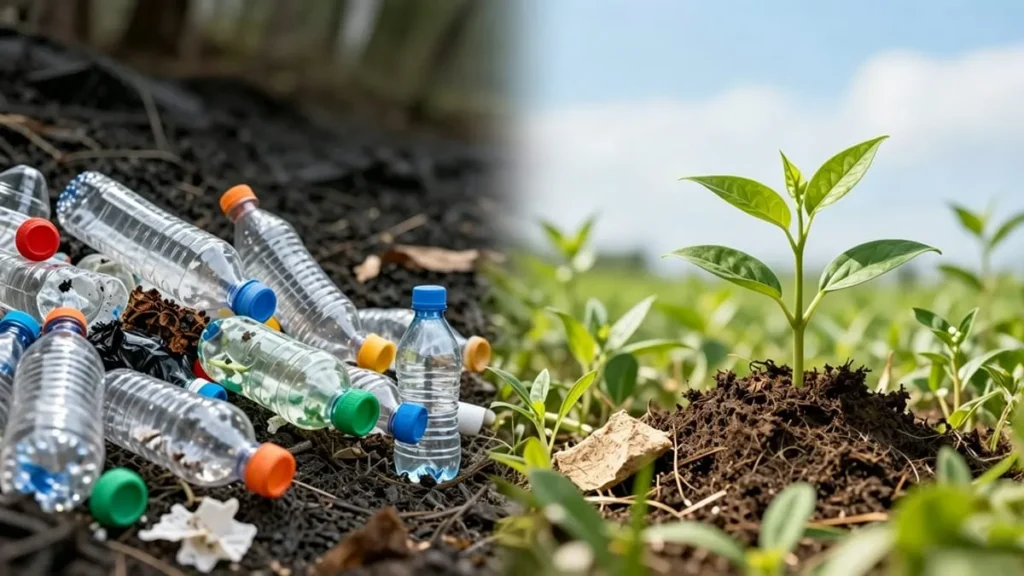
The distinction between standard PLA and PLLA extends far beyond chemical nomenclature; it represents a fundamental choice in engineering strategy and product viability. As the global plastic industry pivots toward a circular economy, understanding these molecular nuances is the key to unlocking the full potential of bio-based resins.
- Standard PLA remains the versatile workhorse for the commodity and consumer markets. Its balance of processability, biodegradability, and cost-efficiency makes it the ideal choice for high-volume packaging, disposable foodservice items, and the rapidly growing 3D printing sector.
- PLLA serves as the high-performance benchmark for mission-critical applications. In fields where mechanical endurance, heat resistance (HDT), and precision-controlled degradation are non-negotiable—such as biomedical implants and advanced engineering components—PLLA provides the necessary performance premium.
Choosing the appropriate resin is the foundational step in successful sustainable product development. There is no “universal” bioplastic—only materials that are correctly or incorrectly matched to their application.Selecting the wrong grade is not just a technical issue, but a direct cost and performance risk.
Let’s Build a Sustainable Future Together
As your dedicated partner in high-performance polymer distribution, our team at SalesPlastics is committed to supporting your transition to bio-based materials. We don’t just supply raw materials; we provide the technical clarity needed to ensure your products thrive in a competitive market.
Ready to optimize your material selection?
Download Technical Data Sheets (TDS): Access detailed specs on our PLA and PLLA grades.
- Request a Material Consultation: Speak with our technical experts for tailored resin recommendations based on your specific mold designs and processing requirements.
Together, let’s transform your sustainability vision into a high-performance reality.
Ready to Implement PLA or PLLA in Your Projects?
Request material samples and technical support to evaluate which bioplastic is best suited for your specific application.
Frequently Asked Questions
What is the primary manufacturing difference between PLA and PLLA?
The key difference lies in stereochemical control during production. PLLA is a stereo-pure homopolymer, consisting exclusively of L-lactic acid isomers. This purity requires stringent purification and controlled ring-opening polymerization to eliminate D-isomers. Standard PLA, conversely, contains varying (and less controlled) ratios of L- and D-isomers. This difference in manufacturing complexity directly contributes to PLLA’s higher material cost.
Is PLLA better than PLA?
Not necessarily. PLLA offers superior heat resistance and strength, but at a higher cost. For many packaging applications, standard PLA provides sufficient performance at a more competitive price.
Can PLA withstand heat?
Standard PLA typically softens at temperatures above 55–60°C. For heat-resistant applications, annealed PLLA or modified PLA grades are required.
Why is PLLA more expensive than PLA?
PLLA requires high-purity L-lactic acid and stricter polymerization control, resulting in higher production costs but significantly improved performance.
How does PLLA's crystallinity benefit engineering applications?
PLLA’s high, ordered crystalline structure is essential for its superior mechanical and thermal performance:
- Thermal Resistance: The higher melting point (Tm) and potential Heat Deflection Temperature (HDT) allow PLLA components to withstand sterilization and higher operating temperatures.
- Mechanical Strength: High crystallinity provides improved tensile strength and dimensional stability, making PLLA suitable for load-bearing or high-precision parts.
- Hydrolytic Stability: The denser crystalline lattice slows water penetration, extending the product’s lifespan in demanding or long-term applications.
What are the common PLA uses across industries?
PLA’s versatility, ease of processing, and cost-effectiveness make it suitable for high-volume applications where renewable sourcing and adequate performance are valued:
- Packaging: Food serviceware, disposable films, beverage cups, and blister packaging.
- Additive Manufacturing: Filament for rapid prototyping and general consumer products.
- Consumer Goods: Disposable cutlery, toys, and low-stress housings.
- Agricultural: Biodegradable mulch films and plant pots.
Are there concerns about PLA microplastics?
While both PLA and PLLA can fragment into microparticles via physical weathering, they present a lower long-term environmental risk than conventional petrochemical plastics. Unlike the latter, PLA microplastics retain ultimate biodegradability and will fully break down into carbon dioxide and water under the appropriate industrial composting conditions. The primary concern remains ensuring adequate waste stream management, as PLA fragments may persist for years in cold or passive environments.
In which medical applications are PLLA and PLA typically used?
The choice is defined by the required degradation timeline and mechanical load:
- PLA: Specified for short-term applications (e.g., temporary sutures, drug delivery carriers) where rapid bioresorption (3-6 months) is beneficial.
- PLLA: Designated for long-term, structural applications (e.g., orthopedic fixation devices, specialized implants) requiring predictable stability and high mechanical integrity for 1-3 years or more.
Is PLLA used only for fillers, and why is it expensive?
No, PLLA is a versatile polymer used for high-performance engineering components and long-term medical devices. Its expense is due to the mandatory upstream purification required to achieve stereo-pure L-lactide, ensuring the precise crystalline structure that delivers its enhanced properties (strength, heat resistance, long degradation time).