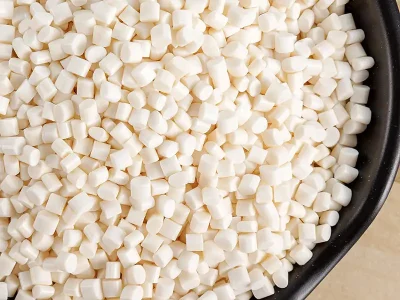
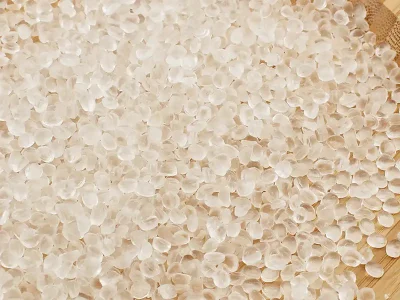
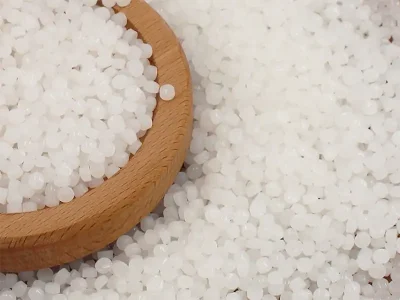
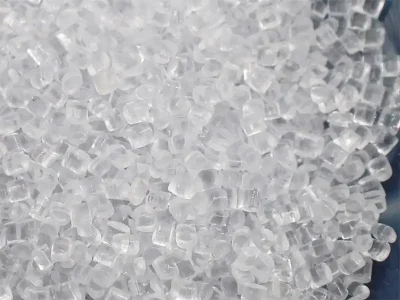
Your Comprehensive Guide to Plastic Resins
From Plastic Pellets to High-Performance Solutions
Welcome to the world of plastic resins. Whether you're a seasoned engineer seeking specific technical data or a new procurement specialist trying to understand the difference between PE and PP, you'll find the information you need here. Plastics are the building blocks of modern life, from life-saving medical devices to lightweight automotive components.
Welcome to the Plastics World
This guide is designed to demystify plastic resins for all professionals, helping you understand this complex and fascinating field clearly, enabling you to make the most informed purchasing decisions for your projects.
As your trusted partner, we not only provide high-quality resin products but are also committed to sharing our expertise, supporting you throughout your project journey from concept to finished product.
What You'll Learn
- Understanding polymer basics and terminology
- Material selection across performance tiers
- Industry-specific applications and requirements
- Technical specifications and data sheets
Fundamentals - What Are You Actually Purchasing?
Polymer
From a scientific perspective, polymers are the most fundamental chemical building blocks of plastics. They are long-chain macromolecules formed by connecting many small molecular units called "monomers" through chemical bonds.
Think of it like a train: if monomers are individual train cars, then polymers are complete trains formed by connecting hundreds or thousands of cars together.
Resin
Resin is the raw, unprocessed state of polymers before they are processed into final products. It can be understood as the "raw material" form of plastics.
In the plastics industry, resin usually exists in liquid, powder, or most commonly, pellet form. For thermosetting plastics, the term resin is especially important as it represents the material's "pure" state before melting and curing.
Plastic Pellets
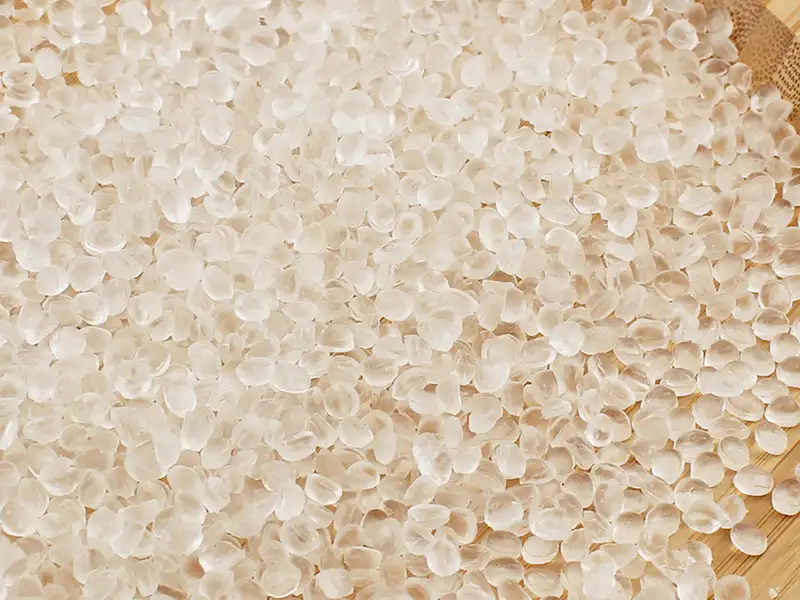
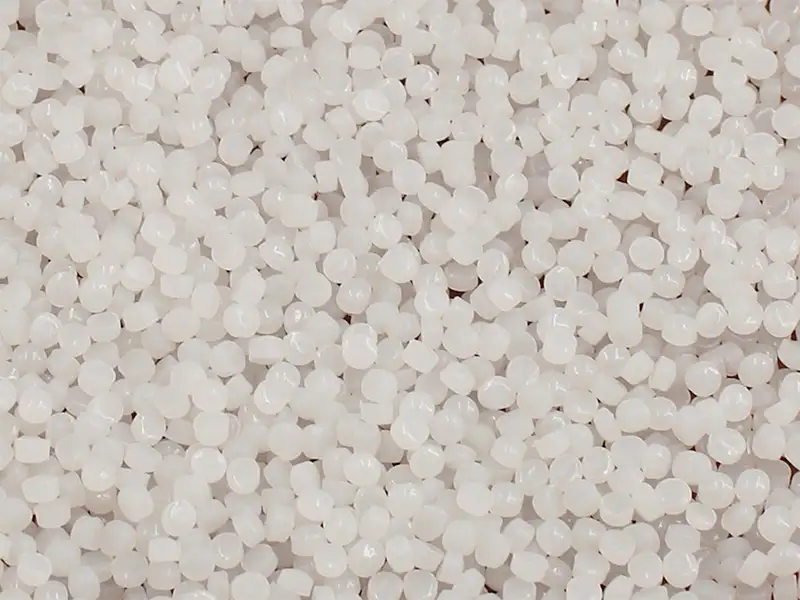
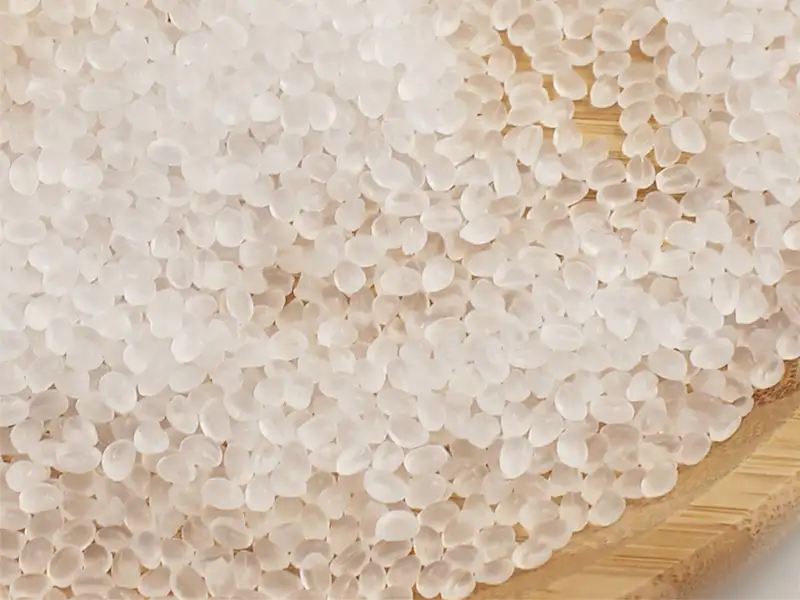
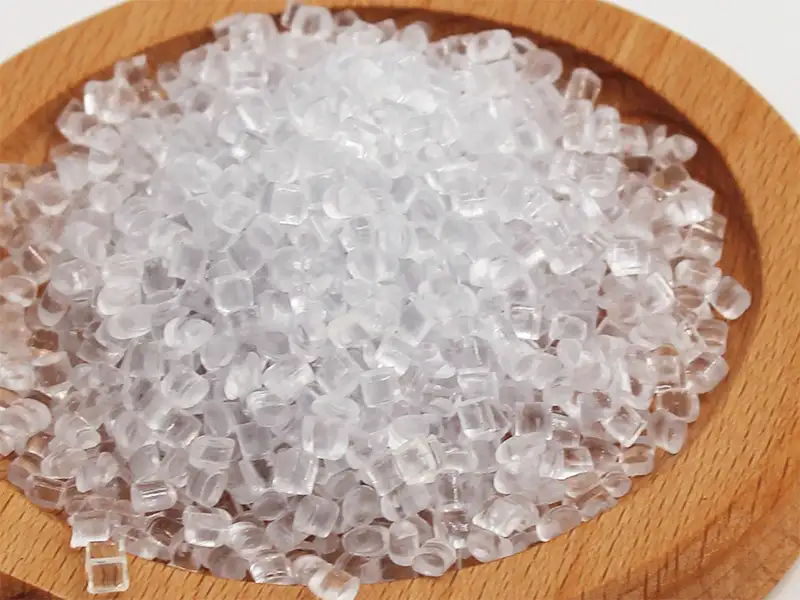
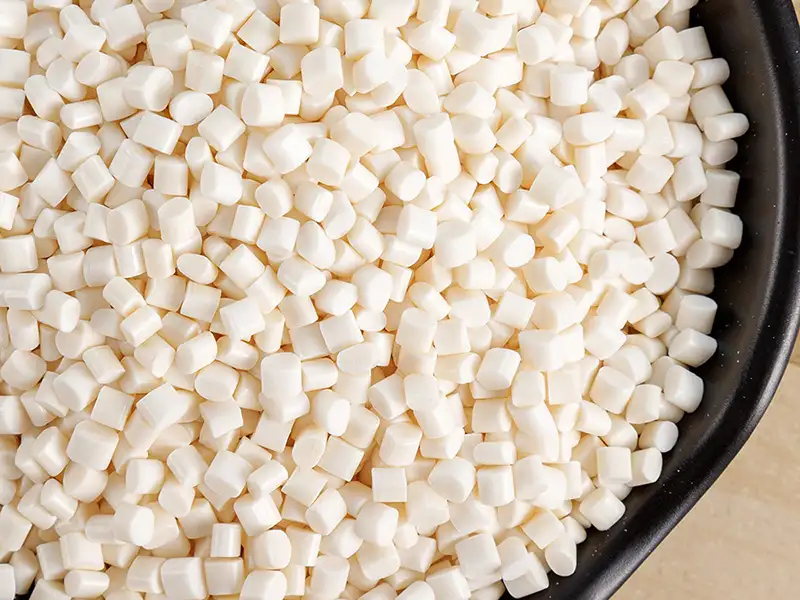
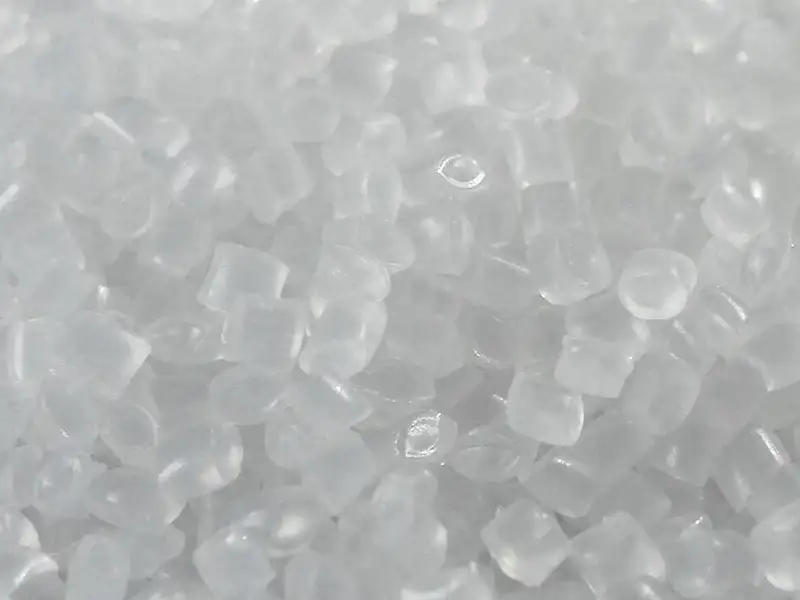
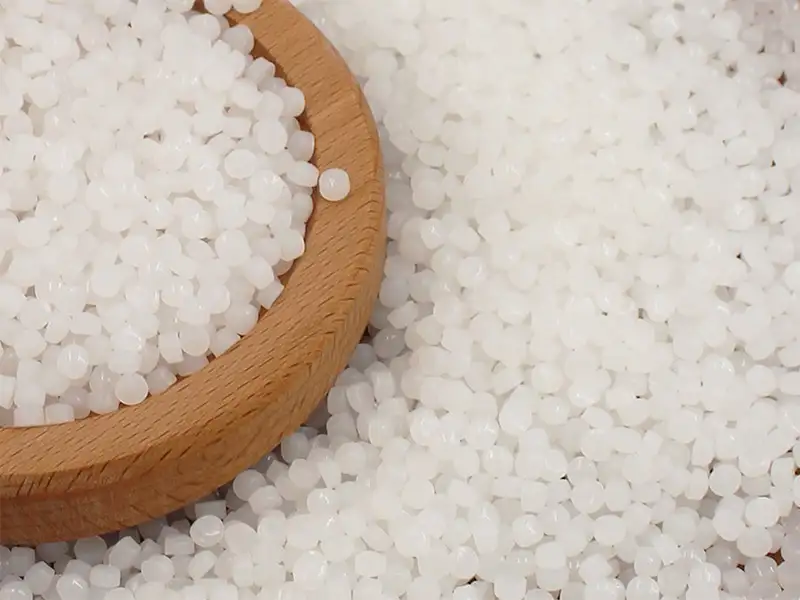
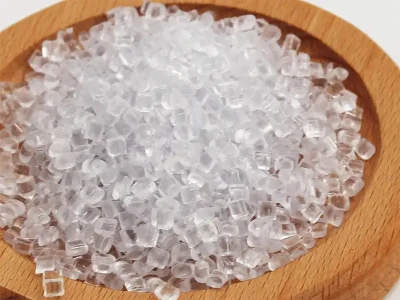
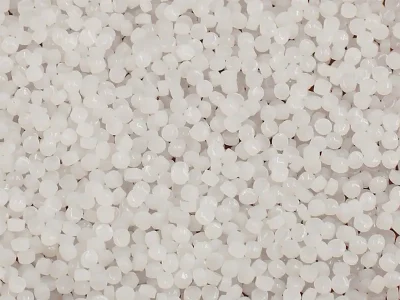
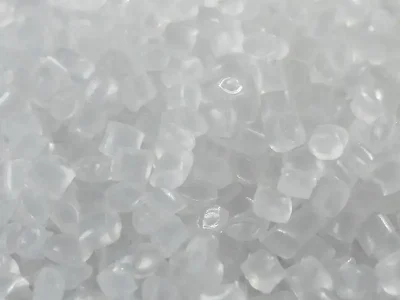
These are the physical form of resin that manufacturers actually purchase and use. These tiny bead-like or granular materials are the starting point for plastic processing.
In injection molding, extrusion, and other forming processes, these pellets are heated and melted, then injected into molds or extruded through dies to form final plastic products.
Understanding Through Baking Analogy
Polymer = Dough
Basic material that can be made into various foods
Resin = Raw Batter
Form of dough stored and transported before baking
Plastic = Baked Bread
Final product after shaping with specific purpose
Thermoplastics
These are the "versatile performers" of the plastics world and the focus of most trading and applications. Their molecular structure consists of many independent long-chain polymers connected by relatively weak intermolecular forces.
Like melting ice into water and refreezing - the chemical properties remain unchanged.
Thermosets
These are the "one-time molding" specialists. During initial heating and processing, they form an irreversible three-dimensional crosslinked network structure through chemical reactions.
Like two-part epoxy adhesive - once mixed and cured, it forms a permanent bond.
Microscopic Exploration: Amorphous vs Semi-Crystalline Polymers
Amorphous Polymers
Imagine their molecular chains as randomly and chaotically entangled together, like a plate of cooked spaghetti. This chaotic structure allows light to pass through relatively freely, making amorphous plastics naturally transparent.
Examples: PS, PC, PMMA
Semi-Crystalline Polymers
These polymers have a more complex molecular structure containing two regions: some molecular chains arranged very orderly and tightly forming "crystalline regions," while others remain randomly entangled in "amorphous regions."
Examples: PE, PP, PA (Nylon)
From Oil to Factory: The Resin Manufacturing Journey
Extraction & Refining
Journey begins with crude oil or natural gas extracted from deep underground. In refineries, crude oil is heated and separated into gasoline, diesel, and various chemical raw materials including "naphtha."
Cracking & Monomer Production
Naphtha enters "cracking" units where long-chain hydrocarbon molecules are broken down into smaller, more useful molecules called "monomers" like ethylene and propylene.
Polymerization
In polymerization reactors, monomer molecules are connected together like stringing beads under catalyst action, forming long polymer chains. The result is a powder-like substance called "fluff."
Compounding & Additives
Raw polymer fluff is melted and mixed with various additives including colorants, stabilizers, plasticizers, flame retardants, and reinforcing materials like glass fibers.
Extrusion & Pelletization
The compounded material is fed into extruders, heated, mixed, and pushed through dies like noodles. These long strands are cooled and cut into uniform small pellets or cylinders.
Quality Control & Distribution
Before shipping, pellets undergo strict quality control testing for melt index, color, strength, and other performance indicators. Qualified pellets are packaged and distributed worldwide.
Polypropylene (PP) is one of the most widely used thermoplastic resins, known for its excellent mechanical, chemical, and thermal properties. It is commonly used in packaging, automotive, textiles, and consumer goods industries due to its cost-effectiveness and versatility.
Properties of Polypropylene
PP is a semi-crystalline polymer with high stiffness, low density, and excellent chemical resistance. It has good impact strength and moisture resistance, and a high melting point (130–171°C / 266–340°F), making it more heat-resistant than polyethylene.
Types of Polypropylene
There are two main types of PP:
-
Homopolymer PP: Known for rigidity and high tensile strength, used in packaging and medical applications.
-
Copolymer PP: Offers improved flexibility and impact resistance, suitable for automotive parts and piping.
Production and Global Demand
PP is one of the most produced plastics globally, with 2023 production capacity around 107.89 million tons, expected to reach 118 million tons by 2025. It is widely produced by major petrochemical companies in China, the US, and Europe.
Common Applications of PP
-
Packaging: Food containers, bottle caps, and films.
-
Automotive: Interior and exterior parts.
-
Medical: Syringes, surgical trays, and lab equipment.
-
Textiles: Nonwoven fabrics for hygiene products.
PP growing demand is driven by its versatility, recyclability, and continuous advancements in sustainability.
Acrylonitrile butadiene styrene (ABS) is a thermoplastic made from the copolymerization of three monomers: acrylonitrile, butadiene, and styrene. ABS offers high strength, good toughness, and impact resistance, making it ideal for various applications such as toys, home appliance housings, automotive parts, and pipe fittings. Additionally, ABS is easy to process and mold, and under certain conditions, it can be food-grade.
Physical Properties: ABS is an amorphous polymer, meaning it lacks a crystalline structure. This property contributes to its toughness and impact resistance. It is body-safe under normal use conditions and is stable at room temperature (typically 100–110°C / 212–230°F). Although small amounts of volatile organic compounds may be released at high temperatures, they generally do not reach harmful levels during normal use. ABS can be molded into complex shapes and offers a glossy surface finish, making it suitable for aesthetic applications.
Production and Global Demand: ABS is one of the most important plastics. In 2023, global production capacity for ABS was around 15.65 million metric tons per year (mtpa), with projections indicating an average annual growth rate (AAGR) of over 6% from 2023 to 2028. Major petrochemical companies in North America, Asia, and Europe are the primary producers of ABS.
ABS Common Applications
-
Automotive: ABS is used for bumpers, dashboards, and interior components. It also forms parts that require high durability, such as battery casings and trim components.
-
Electronics: ABS is commonly used for housings of computers, televisions, smartphones, and other consumer electronics. Its strength and ability to mold into intricate designs make it ideal for protective casings.
-
Consumer Goods: ABS is found in products like toys, luggage, kitchenware, and household appliances, offering low cost and impact resistance while maintaining vibrant colors.
-
Industrial: ABS is used in pipes, fittings, and electrical components due to its chemical resistance and ease of processing.
Polyoxymethylene (POM) also known as Acetal or Polyacetal, is a highly crystalline thermoplastic polymer. It is recognized for its excellent mechanical properties, low friction, and high wear resistance. Due to its high strength, dimensional stability, and chemical resistance, POM is widely used in precision engineering applications that require high stiffness and low moisture absorption.
POM Properties: High melting point (165–175°C / 329–347°F) and outstanding fatigue resistance, making it ideal for mechanically demanding applications. It also exhibits excellent creep resistance, meaning it retains its shape and strength under prolonged stress. While POM is highly resistant to solvents, fuels, and chemicals, it is sensitive to strong acids and UV exposure.
POM Types
Homopolymer POM: Features higher density, crystallinity, and melting point but has lower thermal stability and a narrow processing temperature range (about 10°C / 18°F).
Copolymer POM: Has lower density, crystallinity, and melting point but offers better thermal stability, is less prone to decomposition, and has a wider processing temperature range (about 50°C / 90°F).
POM Common Applications
Automotive: POM is used in fuel system components, gears, and door handles due to its low friction and heat resistance.
Industrial Machinery: Ideal for conveyor belts, bearings, and rollers because of its wear resistance.
Consumer Products: POM is used in zippers, fasteners, and electrical connectors for its durability and insulating properties.
Medical Equipment: Applied in inhalers and surgical instruments due to its precision and chemical resistance.
Polylactic Acid (PLA) is a biodegradable thermoplastic polymer derived from renewable resources such as corn starch, sugarcane, and other plant-based materials. Unlike conventional petroleum-based plastics, PLA offers an environmentally friendly alternative with comparable mechanical properties. PLA has become widely used in packaging, 3D printing, medical applications, and disposable tableware.
Polymer Properties: PLA is known for its high transparency, rigidity, and good tensile strength, making it suitable for applications that require both aesthetics and durability. It has a melting point of approximately 150–180°C (302–356°F) and offers good resistance to grease and oils. However, PLA has lower heat resistance compared to traditional plastics like polypropylene (PP) and polyethylene (PE), which limits its use in high-temperature environments.
Environmental Benefits: One of PLA most significant advantages is its biodegradability under industrial composting conditions, where it can break down into carbon dioxide and water within months. However, in normal environmental conditions, decomposition takes significantly longer.
Common Applications
Packaging: Used in food containers, biodegradable films, and compostable cutlery.
3D Printing: One of the most popular materials for desktop 3D printing due to its ease of printing and low warping.
Medical Applications: Used for surgical sutures, implants, and drug delivery systems due to its biocompatibility.
Textiles & Fibers: Can be spun into biodegradable fabrics for clothing and nonwoven applications.
Polyamide (PA) commonly known as Nylon, is a high-performance thermoplastic polymer valued for its mechanical strength, wear resistance, and chemical stability. Among the different types of polyamides, PA6 (Nylon 6) and PA66 (Nylon 66) are the most commonly used.
PA6 vs. PA66: Key Differences
Both PA6 and PA66 offer high tensile strength, toughness, and resistance to abrasion and chemicals, making them ideal for demanding applications. They also exhibit thermal stability, with PA6 having a melting point of around 215°C (419°F) and PA66 around 255°C (491°F).
PA6: Offers better impact resistance and flexibility compared to PA66. It absorbs more moisture, which can affect its mechanical properties but improves toughness. PA6 is easier to process and has good surface finish properties.
PA66: Has higher stiffness, better wear resistance, and superior heat resistance compared to PA6. It absorbs less moisture, making it more dimensionally stable in humid environments.
Common Applications
Automotive: Used in engine components, air intake manifolds, and under-the-hood applications due to its heat resistance.
Industrial Machinery: Found in gears, bearings, and structural components requiring high strength and durability.
Consumer Goods: Used in power tools, sports equipment, and textiles.
Electronics: Applied in connectors and insulating components due to its electrical properties..
Polystyrene (PS) is a widely used thermoplastic. It is available in different grades, with General-Purpose Polystyrene (GPPS) and High-Impact Polystyrene (HIPS) being the most commonly used types. PS is popular in packaging, consumer goods, and industrial applications due to its lightweight nature and good insulation properties.
Types of Polystyrene
GPPS (General-Purpose Polystyrene):
A rigid, transparent, and brittle plastic with a high gloss finish. It has good dimensional stability and is used in food packaging, laboratory equipment, and disposable containers. However, it is prone to cracking under impact.HIPS (High-Impact Polystyrene):
Modified with rubber to improve toughness and impact resistance. HIPS is opaque and more flexible than GPPS, making it suitable for refrigerator liners, TV housings, and disposable cutlery. It retains good processability while being more durable than GPPS.
Material Properties: Both GPPS and HIPS have a melting point of around 210–250°C (410–482°F) and offer good resistance to water and acids but are sensitive to organic solvents.
Common Applications
Packaging: Used in food containers, disposable cups, and protective packaging due to its lightweight and cost-effectiveness.
Electronics: Found in casings for televisions, computers, and appliances.
Medical & Laboratory: Used for Petri dishes, test tubes, and diagnostic equipment.
Consumer Goods: Applied in toys, household items, and insulation materials.
Polycarbonate (PC) is a high-performance thermoplastic polymer containing carbonate groups in its molecular chain. Unlike many other polymers, PC maintains its toughness even at low temperatures, making it ideal for demanding applications in industries such as automotive, electronics, and construction.
Polymer Properties: PC is an amorphous polymer, meaning it lacks a well-defined crystalline structure. It has high transparency and no well-defined melting point. Instead, it softens gradually at temperatures around 155–165°C (311–329°F).
Impact Strength: PC is virtually unbreakable, making it suitable for safety applications such as bulletproof glass and protective eyewear.
Heat Resistance: It can withstand high temperatures without significant deformation.
Optical Clarity: PC is highly transparent and ideal for lenses, face shields, and LED covers.
Dimensional Stability: It resists warping and retains its shape under mechanical stress.
Common Applications
Automotive: Used in headlight lenses, instrument panels, and interior parts due to durability and heat resistance.
Electronics: Applied in laptop casings, smartphone housings, and electrical insulators thanks to flame retardancy.
Construction: Utilized in roof panels, noise barriers, and bulletproof windows due to shatter resistance.
Medical and Safety Equipment: Found in protective masks, safety goggles, and medical device housings.
Polyethylene (PE) is one of the most widely used thermoplastics globally. It comes in several forms, with High-Density Polyethylene (HDPE), Low-Density Polyethylene (LDPE), and Linear Low-Density Polyethylene (LLDPE) being the most commonly produced grades. Each grade has unique properties that make it suitable for specific applications.
Key Grades and Their Properties
- HDPE (High Density Polyethylene)
HDPE is known for its strength, rigidity, and high resistance to impact and chemicals. It has a melting point of around 130–137°C (266–279°F), making it suitable for outdoor use in pipes, containers, and bottles. It is also highly resistant to environmental stress cracking. - LDPE (Low Density Polyethylene)
LDPE is more flexible and has lower tensile strength compared to HDPE. It has high impact resistance and excellent low-temperature toughness. Melting point ranges from 105–115°C (221–239°F). Commonly used in films, bags, and containers due to ease of processing. - LLDPE (Linear Low Density Polyethylene)
LLDPE blends the flexibility of LDPE with the strength of HDPE. It offers enhanced tensile strength, puncture resistance, and durability, making it ideal for stretch films and heavy-duty bags.
Common Applications
HDPE: Pipes, bottles, plastic lumber.
LDPE: Plastic bags, food wrap, soft containers.
LLDPE: Stretch films, shopping bags, industrial liners.
Polyphenylene Sulfide (PPS) is a crystalline thermoplastic polymer made from styrene monomers. Manufacturers can synthesize PPS through various methods, producing it in the form of glossy, odorless, colorless pellets. Known for its exceptional heat and chemical resistance, PPS is widely used in high-performance applications across the automotive, electronics, and industrial sectors.
Key Properties of PPS
- High Temperature Resistance: PPS performs reliably at continuous operating temperatures up to 260°C (500°F), maintaining mechanical strength and integrity.
- Dimensional Stability: The material resists warping and deformation under stress, ensuring long-term precision and reliability.
- Low Friction & Wear Resistance: Engineers prefer PPS in gears, bushings, and bearings where low friction and extended wear life are critical.
- Excellent Electrical Insulation: PPS exhibits outstanding dielectric strength, making it ideal for high-performance electrical components.
Common Applications
Automotive: Fuel systems, connectors, and engine parts.
Electrical & Electronics: Connectors, capacitor housings, and insulators.
Industrial Machinery: Pumps, valves, chemical seals.
Aerospace: High-strength, high-temp-resistant structural parts.
Polyphenylene Oxide (PPO) is a high-performance polymer often blended with other plastics like polystyrene (PS) to enhance specific properties. It is valued for its mechanical strength, dimensional stability, and resistance to heat, making it ideal for use in demanding environments such as automotive, electronics, and industrial machinery.
Key Properties of PPO
- High Heat Resistance: PPO can withstand continuous operating temperatures up to 200°C (392°F) without significant degradation.
- Electrical Insulation: It offers excellent dielectric performance, making it ideal for circuit boards, connectors, and insulators.
- Chemical Resistance: PPO resists degradation from oils, fuels, and many solvents, allowing it to perform well in chemically aggressive environments.
- Dimensional Stability: Even under mechanical stress, PPO maintains its form, making it reliable for high-precision components.
Common Applications
Electronics: Connectors, housings, switches, and insulators.
Automotive: Fuel system parts, engine housings, and connectors.
Industrial Equipment: Pumps, gears, valves exposed to heat and chemicals.
Polyetheretherketone (PEEK) is a high-performance engineering plastic. It is a semi-crystalline polymer with ether and ketone groups in its backbone, offering high thermal stability and mechanical integrity.
Key Properties of PEEK
- High Temperature Resistance: PEEK withstands continuous operating temperatures up to 250°C (482°F), maintaining performance under extreme heat.
- Mechanical Strength and Durability: It provides excellent tensile strength, dimensional stability, and impact resistance under high mechanical stress.
- Chemical Resistance: PEEK resists attack from most acids, bases, and organic solvents, making it perfect for chemically aggressive environments.
- Low Friction and Wear Resistance: Its self-lubricating properties make it ideal for high-performance mechanical parts like bearings and seals.
Common Applications
Medical: Surgical instruments, dental devices, and implants.
Aerospace and Automotive: Lightweight fuel system components, engine parts, and high-performance structural pieces.
3D Printing: Durable, high-precision prostheses and functional prototypes.
Electronics: Insulation parts, connectors, and high-frequency circuit boards.
Polyethylene Terephthalate Glycol (PETG) is a modified form of PET (Polyethylene Terephthalate) that enhances toughness, flexibility, and chemical resistance. It is widely used in packaging, medical devices, and 3D printing. PETG is an amorphous thermoplastic, making it easier to thermoform and print compared to crystalline plastics.
Properties of PETG: PETG offers excellent transparency, impact resistance, and flexibility, making it ideal for applications requiring durability and visual clarity. Unlike standard PET, PETG contains glycol, which prevents crystallization and improves processability.
Heat Resistance: PETG has a melting point of approximately 230–260°C (446–500°F) and maintains good dimensional stability under moderate heat.
Chemical Resistance: It resists acids, bases, and alcohols, making it suitable for chemical packaging and medical applications.
Impact Strength: PETG is more impact-resistant than standard PET and acrylic, making it ideal for protective coverings and consumer products.
Common Applications of PETG: PETG is widely used in various applications. In packaging, it is found in food containers, cosmetic bottles, and blister packaging due to its FDA approval and clarity. In medical equipment, it is applied in medical trays, protective face shields, and pharmaceutical packaging because of its biocompatibility and sterilization resistance.
The Resin Family - Detailed Product Catalog
Standard PLA
General purpose biodegradable plastic made from renewable resources. Good stiffness and clarity.
Applications: Disposable tableware, food packaging, 3D printing
Modified PLA
Enhanced with additives for improved heat resistance, impact strength, or processing characteristics.
Applications: Durable goods, textiles, medical devices
Key Properties
- 100% biodegradable and compostable
- Made from renewable resources (corn, sugarcane)
- Good clarity and printability
- Low carbon footprint
- Food contact approved grades available
Common Applications
- Packaging: Food containers, cups, cutlery
- 3D Printing: Prototypes, models, educational materials
- Textiles: Biodegradable fibers, nonwovens
- Medical: Surgical sutures, drug delivery systems
Technical Data
| Property | Standard PLA |
|---|---|
| Density (g/cm³) | 1.21-1.25 |
| Tensile Strength (MPa) | 50-70 |
| Flexural Modulus (GPa) | 3.0-4.0 |
| Glass Transition Temp (°C) | 55-65 |
| Melting Point (°C) | 150-160 |
HDPE (High-Density)
Regular molecular chains, tightly packed, high density, rigid and strong. Excellent chemical resistance.
Applications: Milk jugs, detergent bottles, fuel tanks, pipes
LDPE (Low-Density)
Branched molecular chains, loose structure, low density, soft and flexible. Good transparency.
Applications: Plastic bags, food wrap, squeeze bottles
LLDPE (Linear Low-Density)
Short, regular branches. Higher tensile strength and puncture resistance than LDPE.
Applications: High-performance films, hoses
Key Properties
- Excellent chemical resistance
- Very low water absorption
- Good electrical insulation
- Maintains flexibility at low temperatures
- Food contact approved (specific grades)
Technical Data (HDPE vs LDPE)
| Property | HDPE | LDPE |
|---|---|---|
| Density (g/cm³) | 0.941-0.965 | 0.910-0.940 |
| Melting Point (°C) | 120-140 | 105-115 |
| Tensile Strength (MPa) | 20-40 | 8-17 |
| Continuous Use Temp (°C) | -50 to +80 | -50 to +80 |
Homopolymer PP
Made from pure propylene monomer. Higher rigidity, strength, and heat resistance compared to copolymer PP.
Applications: Structural parts, rigid packaging, medical devices
Copolymer PP
Ethylene monomer introduced during polymerization. Softer, significantly improved impact strength, especially at low temperatures.
Applications: Automotive bumpers, appliance housings, durable containers
Key Properties
- Excellent chemical resistance
- High melting point
- Outstanding fatigue resistance
- Lowest density among commodity plastics
- Steam sterilizable
Technical Data
| Property | Homopolymer | Copolymer |
|---|---|---|
| Density (g/cm³) | 0.904-0.908 | 0.898-0.900 |
| Melting Point (°C) | 160-165 | 135-159 |
| Yield Tensile Stress (MPa) | 35-40 | 20-35 |
| Flexural Modulus (GPa) | 1.1-1.6 | 1.0-1.2 |
Polyvinyl Chloride (PVC)
Durable and Adaptable Plastic
Rigid PVC (uPVC)
Contains no or minimal plasticizers, hard and rigid. Star material in construction industry.
Applications: Window frames, pipes, wall panels, fencing
Flexible PVC (PVC-P)
Contains plasticizers making it soft and elastic. Used for flexible applications.
Applications: Wire insulation, flooring, waterproof membranes, artificial leather
Key Properties
- Excellent durability and weather resistance
- Good chemical corrosion resistance
- Natural flame retardancy
- Good electrical insulation
- Cost-effective with superior performance
Technical Data (Rigid PVC)
| Property | Value |
|---|---|
| Density (g/cm³) | 1.3-1.45 |
| Tensile Strength (psi) | 7,500 |
| Flexural Modulus (psi) | 481,000 |
| Heat Deflection Temp (°F/°C) | 176/80 |
General Purpose PS (GPPS)
Crystal clear, rigid, and brittle. Excellent optical clarity and processability.
Applications: Disposable cups, food containers, CD cases
High Impact PS (HIPS)
Modified with rubber for improved impact strength. Opaque but tougher.
Applications: Appliance housings, toys, food service items
Key Properties
- Excellent optical clarity (GPPS)
- Easy to process and color
- Low cost and lightweight
- Good electrical insulation
- Recyclable
Technical Data
| Property | GPPS | HIPS |
|---|---|---|
| Density (g/cm³) | 1.04-1.06 | 1.04-1.08 |
| Tensile Strength (MPa) | 40-55 | 20-35 |
| Flexural Modulus (GPa) | 3.0-3.5 | 2.0-2.8 |
| Heat Deflection Temp (°C) | 80-90 | 75-85 |
Component Analysis
Acrylonitrile
Provides chemical resistance, heat resistance, and hardness
Butadiene
Rubber phase providing excellent impact toughness
Styrene
Provides rigidity, processing flow, and high-gloss surface
Key Properties
- Excellent impact strength and toughness
- Good rigidity and strength
- Superior surface finish, easy to plate and paint
- Good dimensional stability
- Relatively low cost (among engineering plastics)
Technical Data
| Property | General Grade |
|---|---|
| Density (g/cm³) | 1.04 |
| Tensile Strength (MPa) | 47 |
| Flexural Modulus (MPa) | 2,450 |
| Notched Impact Strength (KJ/m²) | 21 |
| Heat Deflection Temp (°C) | 82 |
Common Applications
- Safety: Protective glasses, face shields, riot shields
- Construction: Greenhouses, skylights, bulletproof glass
- Automotive: Headlight lenses, dashboards, sunroofs
- Electronics: Phone cases, laptop housings
Key Properties
- Exceptional impact strength ("bulletproof plastic")
- High transparency, optical performance comparable to glass
- Good dimensional stability and high rigidity
- Wide temperature range, good heat resistance
- Natural flame retardancy (specific grades)
Technical Data
| Property | General Grade |
|---|---|
| Density (g/cm³) | 1.2 |
| Tensile Strength (MPa) | 60 |
| Flexural Modulus (GPa) | 2.3 |
| Notched Impact (ft-lbs/in) | 12.0-16.0 |
| Heat Deflection Temp (°C) | 132 |
Nylon 6 (PA6)
Better impact resistance and flexibility compared to PA66. Higher moisture absorption but improved toughness.
Nylon 66 (PA66)
Higher rigidity, wear resistance, and heat resistance compared to PA6. Higher melting point and better dimensional stability.
Key Properties
- High tensile strength and elastic modulus
- Excellent wear resistance and low friction
- Good chemical resistance, especially to oils and bases
- Good thermal stability and fatigue resistance
- Lightweight, helps reduce equipment weight and noise
Common Applications
- Mechanical: Gears, bearings, bushings, rollers
- Automotive: Engine covers, intake manifolds, oil pans
- Electronics: Connectors, switches, coil bobbins
- Industrial: Conveyor parts, valves, seals
Technical Data
| Property | PA66 | PA6 |
|---|---|---|
| Tensile Strength (psi) | 12,000 | 10,000-13,500 |
| Flexural Modulus (10⁵ psi) | 4.4 | 4.2-5.0 |
| Notched Impact (ft-lbs/in) | 1.0 | 1.0-2.0 |
| Heat Deflection Temp (°F) | 194 | - |
| Water Absorption (24h, %) | 1.2 | 1.3-1.9 |
Polyethylene Terephthalate (PET)
Crystal Clear Packaging Champion
Bottle Grade PET
High molecular weight for blow molding applications. Excellent clarity and gas barrier properties.
Applications: Beverage bottles, food containers
Film Grade PET
Optimized for film and sheet applications. Good mechanical properties and processability.
Applications: Food packaging films, labels, thermal insulation
Key Properties
- Excellent clarity and transparency
- Outstanding gas barrier properties
- Good chemical resistance
- Excellent recyclability
- FDA approved for food contact
Common Applications
- Packaging: Water bottles, soft drink bottles
- Food: Food trays, containers, jars
- Textiles: Polyester fibers, clothing
- Films: Packaging films, labels
Technical Data
| Property | Value |
|---|---|
| Density (g/cm³) | 1.33-1.38 |
| Tensile Strength (MPa) | 55-75 |
| Flexural Modulus (GPa) | 2.0-3.0 |
| Glass Transition Temp (°C) | 78 |
| Melting Point (°C) | 245-265 |
POM Homopolymer
Higher strength, stiffness, and chemical resistance. Better dimensional stability.
Applications: Precision gears, springs, automotive parts
POM Copolymer
Better thermal stability and processability. Improved impact strength at low temperatures.
Applications: Electronic components, plumbing fittings
Key Properties
- Excellent dimensional stability
- High strength and stiffness
- Low friction and wear resistance
- Good chemical resistance
- Excellent fatigue resistance
Common Applications
- Mechanical: Precision gears, bearings, springs
- Automotive: Fuel system components, door handles
- Electronics: Switch components, connectors
- Hardware: Zippers, buckles, fasteners
Technical Data
| Property | Homopolymer | Copolymer |
|---|---|---|
| Density (g/cm³) | 1.41-1.42 | 1.39-1.41 |
| Tensile Strength (MPa) | 62-70 | 58-65 |
| Flexural Modulus (GPa) | 2.8-3.1 | 2.5-2.8 |
| Melting Point (°C) | 175 | 165 |
PEEK (Polyetheretherketone)
Ultimate High-Performance Thermoplastic
Key Properties
- Exceptional chemical resistance
- Outstanding high-temperature performance (up to 260°C)
- Excellent mechanical properties retention at high temperatures
- Superior wear resistance and low friction
- Inherent flame resistance
- Biocompatible (medical grades)
Common Applications
- Aerospace: Engine components, structural parts
- Medical: Spine implants, surgical instruments
- Oil & Gas: Downhole tools, seals, bearings
- Electronics: Semiconductor equipment, connectors
Technical Data
| Property | Value |
|---|---|
| Density (g/cm³) | 1.30 |
| Tensile Strength (MPa) | 90-100 |
| Flexural Modulus (GPa) | 3.6-4.0 |
| Glass Transition Temp (°C) | 143 |
| Melting Point (°C) | 334 |
| Continuous Use Temp (°C) | 260 |
PPS (Polyphenylene Sulfide)
High-Temperature Chemical Resistant Plastic
Key Properties
- Exceptional chemical resistance
- High temperature stability (up to 220°C continuous)
- Inherent flame retardancy
- Excellent dimensional stability
- Good electrical properties
- Low moisture absorption
Common Applications
- Automotive: Engine components, emission control systems
- Electronics: Connectors, sockets, circuit breakers
- Industrial: Pump components, valves, filter housings
- Electrical: Insulator components, switches
Technical Data
| Property | Value |
|---|---|
| Density (g/cm³) | 1.35 |
| Tensile Strength (MPa) | 65-85 |
| Flexural Modulus (GPa) | 3.3-4.1 |
| Glass Transition Temp (°C) | 85-95 |
| Melting Point (°C) | 280 |
| Continuous Use Temp (°C) | 220 |
PEI (Polyetherimide)
Transparent High-Performance Plastic
Key Properties
- Excellent high-temperature performance (up to 170°C continuous)
- Outstanding dimensional stability
- Natural transparency (amber color)
- Inherent flame resistance (UL94 V-0)
- Excellent electrical properties
- Good chemical resistance
Common Applications
- Aerospace: Interior components, ducting
- Electronics: Connectors, circuit boards, LED lighting
- Automotive: Under-hood components, sensors
- Medical: Surgical instruments, sterilizable components
Technical Data
| Property | Value |
|---|---|
| Density (g/cm³) | 1.27 |
| Tensile Strength (MPa) | 105 |
| Flexural Modulus (GPa) | 3.2 |
| Glass Transition Temp (°C) | 217 |
| Heat Deflection Temp (°C) | 200 |
| Continuous Use Temp (°C) | 170 |
The Resin Pyramid - Finding Your Material Grade
We use a simple pyramid model to visually show these three major grades: Commodity Plastics, Engineering Plastics, and High-Performance Plastics. The pyramid’s base is widest, representing the highest volume and lowest cost commodity plastics; the top is narrowest, representing lower volume but extremely high cost and performance plastics.
Commodity Plastics
The Everyday Workhorses
About 80% of all plastics used globally. Perfect for packaging, consumer goods, and everyday items.
Engineering Plastics
The High-Achievers
Designed to provide superior performance over commodity plastics. Often replace traditional materials like metals.
High-Performance Plastics
The Elite Specialists
Designed for the most extreme environments where other plastics would fail. Superior thermal stability and chemical resistance.
About Customization: How Additives Change the Game
The three-tier pyramid model is a useful starting point, but the real world of material selection is more like a continuous spectrum rather than three separate boxes. Through "compounding" or "modification" techniques—adding various functional additives to base resins—material properties can be significantly changed, blurring the boundaries between tiers.
For example, by adding glass fibers to commodity plastic polypropylene (PP), its rigidity, strength, and heat resistance can be dramatically improved, allowing it to compete with unmodified engineering plastics in certain applications, providing a more cost-effective solution.
Resins in Action - Industry Application Guide
Packaging Industry
Plastics play an indispensable role in modern packaging, providing physical protection, preservation barriers, and lightweight transport solutions.
PE (HDPE/LDPE)
HDPE for rigid containers (milk jugs, detergent bottles), LDPE for flexible packaging (bags, films)
PET
King of beverage bottles with excellent transparency, strength, and gas barrier properties
PP & PLA
PP for hot-fill applications, PLA for biodegradable packaging solutions
Automotive Industry
Plastics revolutionize automotive manufacturing through lightweighting, improved fuel efficiency, enhanced safety, and design freedom.
PP
Most widely used automotive plastic - bumpers, dashboards, door panels, battery cases
PA (Nylon)
Key metal replacement in engine bay - under-hood covers, intake manifolds, gears
ABS & POM
ABS for interior trim, POM for precision mechanical components
Construction Industry
Resins provide durable, lightweight, corrosion-resistant, and cost-effective alternatives to traditional building materials.
PVC
Dominates with pipes, fittings, window frames, siding, and fencing
HDPE
Corrosion-resistant water/gas pipes and geomembranes
PC
High-impact glazing, skylights, and security applications
Electronics & Electrical
Plastics provide structural support, protect internal components, ensure electrical safety, and enable aesthetic design in our digital world.
ABS & PC
Golden combination for electronics housings - laptops, phones, TVs, printers
PVC & PE
Wire and cable insulation with excellent dielectric properties
High-Performance
PPS, PEEK, PEI for demanding high-temperature applications
Medical & Healthcare
Medical industry demands the highest standards: biocompatibility, sterilizability, and chemical resistance for safe patient contact.
PP & PE
Disposable medical supplies - syringes, IV bags, surgical trays
PLA
Biodegradable sutures, drug delivery systems, temporary implants
PEEK & PEI
Permanent implants and surgical instruments requiring sterilization
Consumer Goods
From household appliances to sporting goods, plastics enable innovative designs, durability, and cost-effective manufacturing.
ABS
Appliance housings, toys (LEGO), luggage with excellent surface finish
PP & PS
Household containers, furniture, disposable items
PC & PLA
PC for safety equipment, PLA for eco-friendly consumer products
We offer a wide selection of polymer brands, including high-performance resins for injection molding, extrusion, and compounding. Each brand is selected for its quality, consistency, and proven industrial application.
Making the Right Choice - Your Procurement Checklist
Guided Self-Assessment: Key Questions to Ask Yourself
Mechanical Performance Requirements
- • How much strength does the product need (tensile strength)?
- • Do you need rigidity or flexibility (flexural modulus)?
- • Will it withstand impacts or drops (impact strength)?
- • Do you need wear resistance or low friction (for moving parts)?
Environmental Exposure Conditions
- • What temperature will the product operate at?
- • Will it be used outdoors long-term (UV resistance needed)?
- • Will it contact chemicals, oils, or water?
- • Any humidity or moisture considerations?
Appearance & Aesthetic Requirements
- • Do you need transparent, translucent, or opaque?
- • Any specific color requirements or color matching?
- • What surface finish is needed (high-gloss, matte, textured)?
- • Are there branding or aesthetic considerations?
Regulatory & Safety Standards
- • Food contact requirements (FDA approval needed)?
- • Medical device biocompatibility standards?
- • Flame retardancy requirements (UL 94 rating)?
- • Environmental compliance (RoHS, REACH)?
Balancing the "Three Pillars": Performance, Price & Environment
Performance
Virgin Resin
Highest quality and consistency. Required for food contact and medical applications.
Near-Prime
Slightly off-spec but defect-free. Great for non-critical applications.
Recycled
Post-consumer or post-industrial. Good performance with environmental benefits.
Price
Premium
High-performance and specialty grades for demanding applications.
Standard
Engineering plastics balancing performance and cost.
Economy
Commodity plastics and recycled materials for cost-sensitive applications.
Environment
Circular Economy
Design for recyclability and continuous material loops.
Bio-Based
Plastics from renewable resources like corn and sugarcane (PLA).
Recycled Content
Incorporating post-consumer and post-industrial materials.
The Most Important Step: Partner with Experts
Navigating the complex world of resins goes far beyond selecting products from a catalog. A professional trading and distribution partner brings value that extends well beyond the products themselves.
What We Bring to You:
- • Global sourcing and market intelligence
- • Superior logistics and supply chain management
- • Expert technical support and material selection
- • Supply chain risk management
Our Commitment:
- • Competitive pricing with stable supply
- • Access to both standard and modified compounds
- • Market dynamics analysis and insights
- • Reliable partnership throughout your project journey
Plastic Pellets FAQs
Polymers vs. Plastics vs. Resins
To fully understand the relationship between polymers, plastics, and resins, let’s break it down from a structural, functional, and application perspective.
The Hierarchical Relationship
Think of polymers as the biggest category, under which plastics are a subcategory, and resins are the raw material used to produce plastics.
Polymers → Resins → Plastics
- Polymers: A broad category of large molecules made of repeating units (monomers).
- Resins: The raw form (liquid, powder, or pellets) of plastics before they are processed.
- Plastics: A type of synthetic polymer that can be molded into products.
The Process: How Resins Become Plastics
Example: PET plastic bottle
- Step 1: Polymerization of ethylene glycol and terephthalic acid → PET polymer
- Step 2: PET polymer is processed into PET resin pellets
- Step 3: PET resin is heated and shaped into a plastic bottle
Real-World Analogy
To make this even more intuitive, let’s use baking as an analogy:
- Polymer = Dough (The base material that can be turned into various things)
- Resin = Raw Batter/Pellets (The form in which the dough is stored before baking)
- Plastic = Baked Bread (The final usable product, shaped into its purpose)
So, all plastics are polymers, but not all polymers are plastics. Likewise, all plastics come from resins, but not all resins become plastics (some are used for coatings, adhesives, etc.).
What are plastic pellets (resin pellets) and how are they used?
Plastic pellets (also called resin pellets or nurdles) are the basic raw material (plastic raw material) for molding and extrusion. They are small, moldable plastic beads (typically 2–5 mm across) made of polymer (about 90%) plus additives. In injection molding, these pellets are fed from hoppers into heated barrels, melted, and injected into molds. Worldwide plastic pellet production is enormous – on the order of 300–400 million tonnes per year. The six polymers accounting for >80% of this volume are LDPE, HDPE, PP, PET, PS (including EPS) and PVC. In other words, plastic pellets are simply processed forms of the plastic resin (polymer) that allow manufacturers to produce everything from automotive parts to packaging.
What are the main types of thermoplastic resins used in injection molding?
Most injection-molded parts use thermoplastic polymer resins. The dominant resins (over 80% of production) include polyethylene (PE: LDPE and HDPE), polypropylene (PP), polyethylene terephthalate (PET), polystyrene (PS, including expanded PS), and polyvinyl chloride (PVC)
. In practice, commodity resins are very common: for example, PP and PE have low densities (PP ~0.905 g/cm³, HDPE ~0.94–0.96 g/cm³) and good chemical resistance, and are widely used for containers and housings. Engineering resins also appear in many designs: for instance, polycarbonate (PC) offers high strength (density ~1.20–1.22 g/cm³), ABS provides toughness and easy finish (ABS median density ~1.07 g/cm³), and PET offers good strength and heat performance. Each resin type has its own flow and processing range, which drives its use case. In short, “resins” like PE, PP, PET, PS, PC and ABS cover most moldable plastics used in industry, each selected for its mechanical, thermal and processing properties
What is Melt Flow Index (MFI) and why is it important?
The Melt Flow Index (MFI, also called Melt Flow Rate, MFR) is a laboratory measure of how easily a thermoplastic polymer melts and flows. In an MFI test, a standard weight forces the molten polymer through a small orifice and the extruded mass (grams/10 min) is recorded. Thus MFI quantifies flowability: a higher MFI means a lower melt viscosity (the polymer flows more readily when heated), while a lower MFI implies a more viscous (higher-molecular-weight) melt. MFI is important for injection molding because it guides material selection and process settings. Process engineers choose a resin with an MFI suited to the part and machine – for example, very low MFI resins might not fill thin sections, whereas very high MFI resins (low viscosity) could flash or have poor mechanical properties. (As a rule of thumb, injection molding often uses moderately high-MFI grades; e.g. 10–30 g/10 min is typical for many parts.) By matching the MFI to the mold geometry and cycle time, manufacturers ensure reliable filling and quality.
What are typical MFI (melt flow) ranges for common resins?
MFI values vary widely by polymer and grade. Typical ranges for common injection-molding grades are:
Polypropylene (PP): from fractional melt flow (<1 g/10 min) up to over 100 g/10 min, depending on grade.
Polycarbonate (PC): roughly 2.0–32 g/10 min (as in some commercial grades).
Polystyrene (PS): around 12–16 g/10 min (for general injection-molding grades).
Polyethylene (PE, HDPE/LDPE): usually higher-flow grades for injection (often ~5–25 g/10 min), depending on density and application (exact values vary by grade).
ABS: typically in the range 2–10 g/10 min for many injection grades (varies with formulation).
These ranges are illustrative; within each polymer family, processors choose specific MFI grades to balance flowability and strength. High-MFI pellets flow easily through a mold (for thin walls or short cycle times), while low-MFI materials give higher strength and heat resistance
What do plastic recycling codes (1–7) mean?
Plastic containers often carry a resin-identification code (RIC) 1–7, which denotes the polymer type. For example, #1 = PET (polyethylene terephthalate, used in drink bottles); #2 = HDPE (high-density polyethylene, e.g. milk jugs); #3 = PVC (polyvinyl chloride, e.g. rigid pipes); #4 = LDPE (low-density PE, e.g. bags/films); #5 = PP (polypropylene, e.g. caps, tubs); #6 = PS (polystyrene, e.g. food trays, foam); and #7 = Other (miscellaneous polymers like polycarbonate, nylon, acrylic, bioplastics, etc.). These codes guide recycling: for instance, #1 and #2 are widely recycled, while #3 and #6 are harder to recycle. In summary:
- 1 – PET: Widely recycled (beverage bottles, food containers).
- 2 – HDPE: Widely recycled (containers, drums, caps).
- 3 – PVC: Not commonly recycled (pipes, window fittings).
- 4 – LDPE: Recycled at special programs (plastic bags, films).
- 5 – PP: Widely recycled (auto parts, caps, living hinges).
- 6 – PS: Not easily recycled (cups, foam packaging).
- 7 – Other: Special plastics (PC, nylon, multi-layer, etc.), usually require specialized recycling methods
How should manufacturers choose the right plastic resin (pellets) for injection molding?
Selection of a resin plastic must balance technical needs and practical constraints. Engineers start with the part’s requirements: its mechanical stresses, temperature exposure, chemical contact, and aesthetic needs (color, finish). They then match a polymer whose properties align: e.g. high-strength thermoplastics (like PC, nylon, or glass-filled PBT) for durable parts, versus commodity resins (PP, PE) for basic containers. Processing factors matter too: the resin’s melting temperature, MFI, and shrinkage must suit the mold and cycle time, ensuring the plastic flows properly and fills the mold. Cost is also key – high-performance resins are expensive, so designers weigh material cost against performance. Regulatory/safety requirements (food-grade, flame retardancy) and sustainability (recyclability, PCR content) may further guide the choice. In practice, buyers compare datasheet specs (MFI, density, thermal limits, additives) and test short runs to validate. By iterating resin options against requirements – flowability, strength, temperature rating, cost and compliance – engineers select the optimal pellet plastic for their injection molding application.
Sources: Industry data and materials from PlasticsEurope, Grand View Research, PlasticsToday, Scientific Polymer, and market reports have been used to provide up-to-date production volumes, MFI and density ranges, and market values.
Classifications of Plastic Polymers
Plastic polymers are broadly classified based on their chemical structure, thermal behavior, and application properties. Here are the main classifications:
Based on Thermal Behavior
Thermoplastics: Can be melted and reshaped multiple times. Examples: PE, PP, PVC, PS, ABS, PC, PA, PET, POM.
Thermosetting Plastics: Harden permanently after molding and cannot be remelted. Examples: PF (Phenolic), UF (Urea-Formaldehyde), EP (Epoxy), MF (Melamine-Formaldehyde).
Based on Chemical Composition
Addition Polymers: Formed by polymerizing monomers without by-products. Examples: PP, ABS, GPPS, HIPS, HDPE, LDPE, LLDPE.
Condensation Polymers: Formed through condensation reactions, releasing by-products (e.g., water). Examples: PA (Nylon), PET, PA-6, PA-66, PETG, POM, PC, PEEK, PPS, PPO, PBT.
Based on Physical Properties
Commodity Plastics: Low-cost, used in everyday applications. Examples: PE, PP, PVC, PS.
Engineering Plastics: Better mechanical and thermal properties, used in industrial applications. Examples: PA, POM, PC, PET, ABS.
High-Performance Plastics: Exceptional strength, heat, and chemical resistance. Examples: PEEK, PTFE, PPS, LCP.
Based on Degradability
Biodegradable Plastics: Decompose naturally. Examples: PLA, PHA, PBAT.
Non-Biodegradable Plastics: Persist in the environment. Examples: PE, PP, PVC.
Selecting the Right Plastic Polymer
Selecting the right plastic polymer depends on the molding process.
- Injection molding suits complex, high-precision parts using ABS, PP, PC, PA, and POM.
- Extrusion molding is ideal for continuous products like pipes and films, using PE, PP, PVC, and PET.
- Blow molding creates hollow items like bottles and tanks with HDPE, LDPE, PP, and PET.
- Compression molding is for thermosetting plastics like PF, UF, and EP, used in electrical components.
- Thermoforming shapes plastic sheets for packaging with PS, PET, and PVC.
- 3D printing enables custom, small-batch production with PLA, ABS, PETG, and PA.
Choosing the appropriate plastic polymer is based on specific product needs.
- Polymer Type Selection: Choose a polymer that closely matches the desired modification to minimize additive use. For example, wear-resistant modifications prioritize PA and POM, while transparent modifications favor PS, PMMA, and PC.
- Polymer Grade Selection: Different grades of the same polymer have varying properties. For heat-resistant PP modification (100–140°C / 212–284°F), selecting a naturally heat-resistant grade is essential.
- Polymer Flowability: Ensure similar viscosity among plasticized materials for smooth processing. Transition materials like PA6 in PA66 formulations or HDPE in PA6 formulations help reduce viscosity gradients. High-fill applications, such as magnetic plastics and halogen-free flame-retardant cables, require good flowability.
- Polymer-Additive Compatibility: Some polymers have strict additive restrictions. PPS cannot contain lead or copper additives, and PC should not use antimony trioxide to prevent depolymerization. The acidity or alkalinity of additives must align with the polymer to avoid adverse reactions.
Selecting the appropriate plastic polymer requires balancing cost and environmental impact.
- Cost Considerations: Commodity plastics like PE, PP, and PVC are affordable and widely used, while engineering plastics like PA, PC, and POM offer superior performance but at a higher cost. High-performance polymers, such as PEEK and PTFE, provide exceptional properties but are expensive, making them suitable for specialized applications.
- Environmental Impact: Biodegradable plastics (e.g., PLA, PHA) and recyclable materials (e.g., PET, HDPE) reduce environmental harm. Choosing recycled resins or bio-based alternatives helps lower carbon footprints. Some traditional plastics, like PVC, pose recycling challenges due to additives.
- Application-Specific Balance: For disposable products, biodegradable or recycled plastics are ideal, while durable applications benefit from high-performance and recyclable materials. Manufacturers should also consider energy-efficient processing methods to further reduce environmental impact.