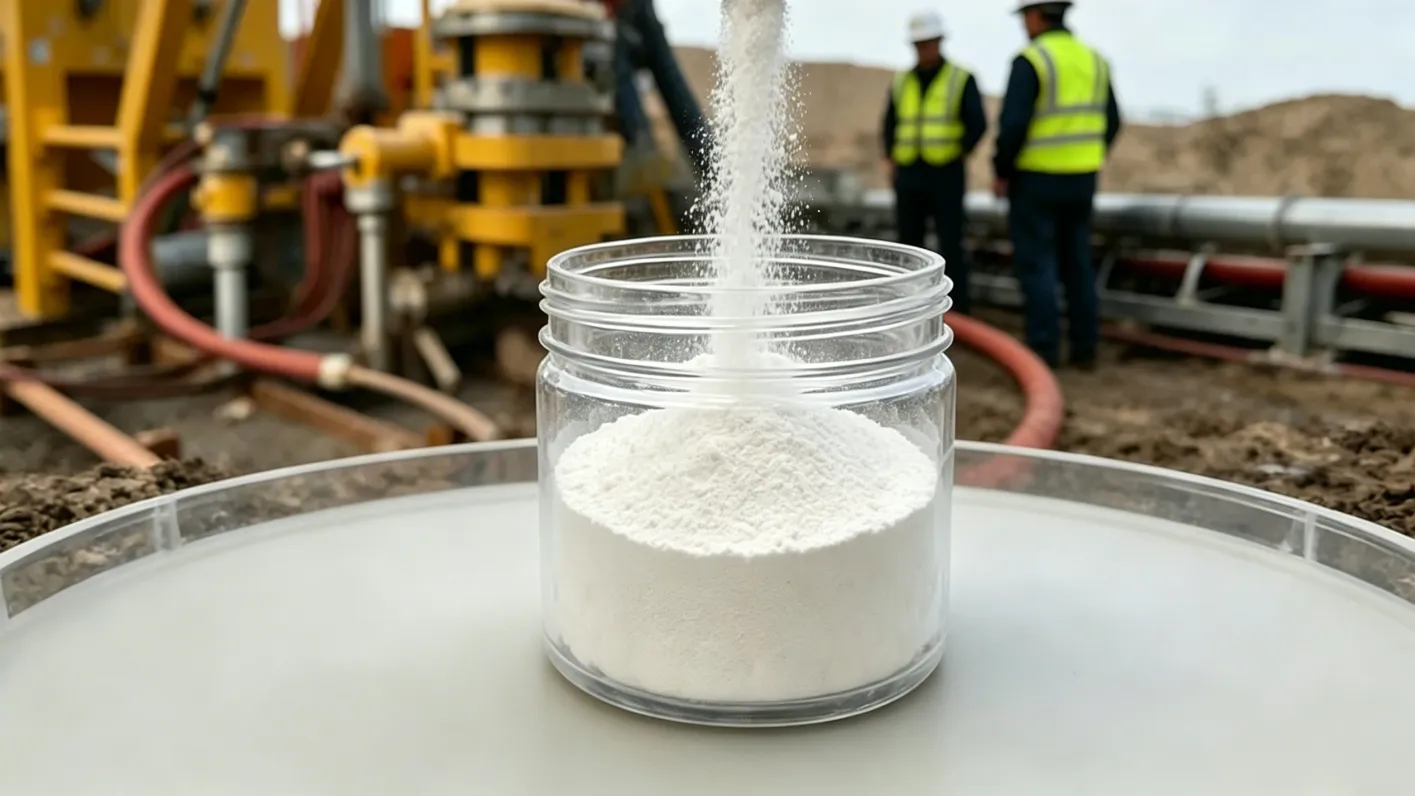
When a mold or process engineer reviews the impressive data sheet of Polyketone (POK), the immediate question is rarely "Will it perform?" but rather "How much do I need to modify my existing equipment and tooling?"
Fortunately, transitioning from polyamide (PA6 or PA66) to POK is remarkably straightforward. At Salesplastics, we frequently see processors achieve seamless material upgrades and enhanced shop-floor efficiency with virtually zero modification to their active nylon molds.
Material Preparation: Eliminating the Drying Bottleneck
Nylon (PA6/PA66)
Requires 4–8 hours drying at 80–90°C
Highly hygroscopic. Moisture >0.2% causes hydrolysis, splay, and brittle parts.
Polyketone (POK)
No pre-drying required under normal conditions
Moisture absorption <0.5%. Can be processed straight from the bag.
Processing Insight: POK’s ability to be processed "straight from the bag" is due to its low-polarity crystalline structure, which inherently rejects moisture. Why does this matter for your final part? Understand the critical link between moisture, dimensional stability, and field failure prevention in our technical guide →
Temperature Profiles and Processing Windows
| Processing Parameter | Polyketone (POK) | Polyamide 6 (PA6) | Polyamide 66 (PA66) |
|---|---|---|---|
| Barrel Temperature Range | 180–240°C | 240–285°C | 260–290°C |
| Recommended Mold Temp. | 20–60°C | 60–80°C | 60–90°C |
| Processing Window Width | ~60°C (Wide) | ~45°C | ~30°C (Narrow) |
Key Takeaway
POK offers twice the processing window width of PA66, giving operators significantly more tolerance and reducing scrap rates from temperature fluctuations.
Important boundary for POK: Never exceed 240°C melt temperature. POK degrades rapidly above this limit or if left stagnant in the barrel for extended periods.
Mold Compatibility and Shrinkage Behavior
Yes — you can run POK in most existing nylon molds.
- Nearly isotropic shrinkage — unlike nylon’s anisotropic behavior
- Existing PA gates and runners work well due to POK’s excellent flow
- Standard nylon venting depths are sufficient
Cycle Time and Shop-Floor Transition
Standard PA66 Cycle
Optimized POK Cycle 15–30% FASTER
For your first trial, use existing nylon parameters as baseline. Drop barrel temperatures by 30–40°C, set mold temperature to 20–60°C, and reduce cooling time by 15%.
Conclusion
Switching from nylon to POK does not require capital re-investment. Standard injection molding machinery handles the material beautifully, and existing tooling can generally be utilized with minimal to no adjustment. By removing the drying phase, broadening the processing window, and trimming down the cooling cycle, POK delivers an immediate boost to shop-floor productivity.
Note: While this guide focuses on processing and mold design, it is part of our comprehensive technical series. For a full parameter-by-parameter comparison of POK versus Nylon regarding mechanical properties, chemical resistance, and sustainability, see our core guide: Polyketone vs Nylon: A Sustainable, High-Performance Alternative"