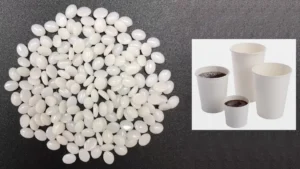
Pure PLA offers exceptional clarity, yet its inherent brittleness and low heat deflection temperature (HDT) often restrict its use. By strategically blending resins, manufacturers can retain carbon-neutral benefits while achieving the mechanical toughness and thermal ceilings required for commercial success.
Successful polymer modification requires a baseline understanding of raw material properties. For a detailed breakdown of pure resin benchmarks, refer to our foundational analysis:
Enhancing Impact Strength
The PLA/PBAT Selection Logic
Flexible packaging demands high tear resistance. Blending PLA with PBAT creates a toughened matrix via phase morphology optimization.
Improving Thermal Performance
PLA/PBS & Crystallization Control
Standard PLA softens above 55°C. Incorporating PBS acts as a nucleating aid, significantly boosting the thermal ceiling for steam sterilization.
Engineering Your Next-Generation Material
The transition from pure resins to high-performance alloys requires precise formulation and grade matching. We specialize in providing modified Polylactic Acid Plastic resins tailored to specific industrial benchmarks, ensuring your products meet both mechanical and ecological targets.
Application Adaptations
Balancing service life with end-of-life efficiency across diverse environmental stressors.
Agricultural Mulch
Modified with anti-hydrolysis stabilizers to ensure 90-180 day functional life in high-humidity soil.
Rigid Packaging
Focus on impact modifiers that preserve aesthetic clarity for high-end cosmetic drop-test requirements.
Flexible Films
Prioritizing heat-seal strength and puncture resistance for industrial logistics wraps.
Strategic Selection Checklist
Define the Thermal Ceiling
Does the product require heat resistance above 60°C? Prioritize PLA/PBS blends with nucleating agents.
Determine Ductility Requirements
Rigid or Flexible? Adjust PBAT loading to reach the target elongation at break.
Validate Degradation Timelines
Match anti-hydrolysis stabilization levels to the expected environmental exposure and service duration.
Related Posts
Future Trends & Alternatives: PLA vs Traditional Plastic
This article examines the long-term trajectory of biodegradable materials as replacements for conventional plastics. We highlight key alternatives, home compostability progress, policy forces, and a realistic hierarchy for tackling plastic

Polyamide vs Nylon: Key Differences and Comprehensive Guide
The terms polyamide and nylon are often used interchangeably in manufacturing and engineering, leading to a common point of confusion. While it’s true that all nylons are polyamides, it’s a
How PHA Outperforms PLA and PBAT in Gas and Water Barrier Properties
Polyhydroxyalkanoates (PHA) are emerging as a leading bioplastic due to their superior gas and water barrier properties. Compared to bioplastics like Polylactic Acid (PLA) and Polybutylene Adipate Terephthalate (PBAT), PHA
Thermoplastic Starch (TPS):Balancing Hydrophobicity and Stability
Stricter “plastic bans” and tightening international export regulations have forced packaging manufacturers into a corner. Transition to degradable materials or risk losing market access. “While Polylactic Acid (PLA) offers high