
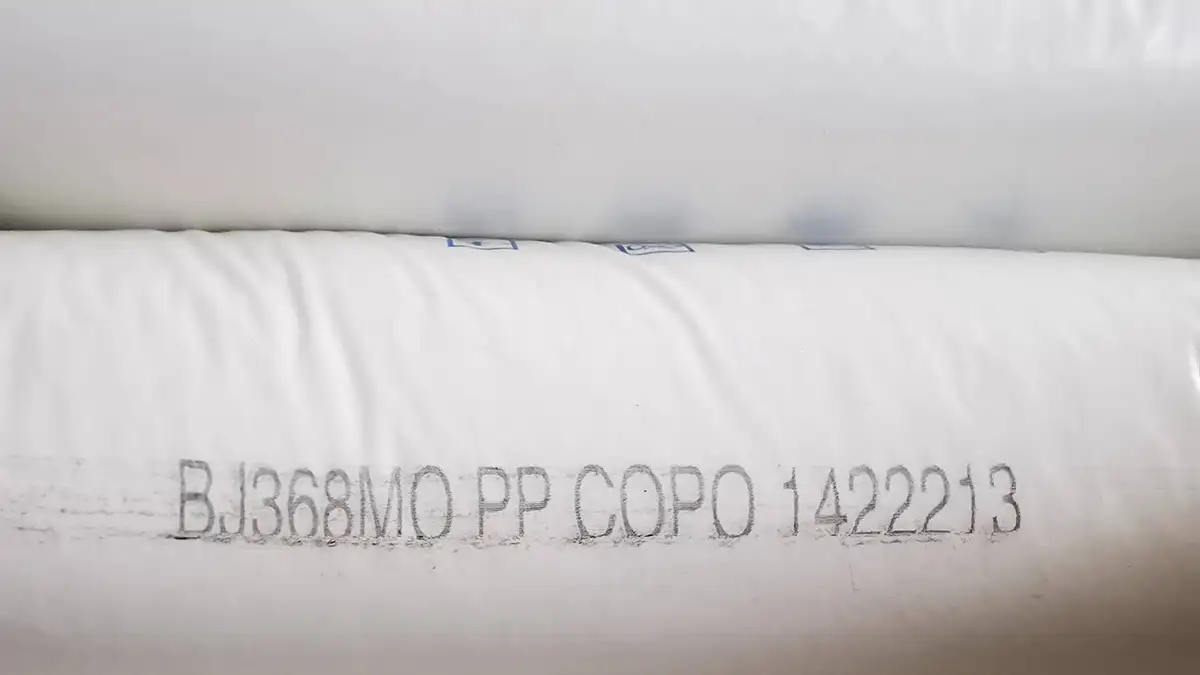
Borouge BJ368MO Hot Sale PP Resin
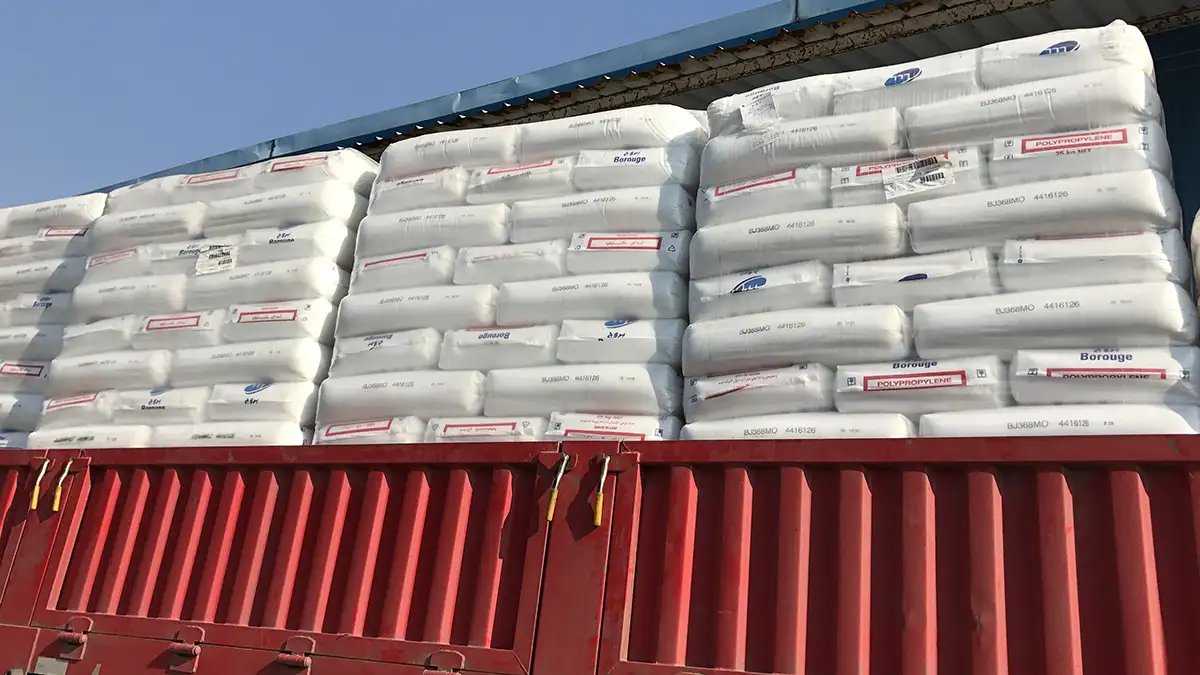
Borouge BJ368MO is specifically developed for high-performance thin-wall injection molding (TWIM), enhancing both production efficiency and part performance. The copolymer core attributes are defined by a very high melt flow rate (MFR) of 70 g/10min, which ensures exceptional processability and the ability to fill complex, thin-walled mold geometries with ease. This is synergistically combined with an optimized balance of high stiffness, evidenced by a Flexural Modulus of approximately 1500 MPa, and excellent impact strength, which is notably retained at sub-zero temperatures, with a Charpy notched impact value of 3.5 kJ/m² at -20°C.
The primary commercial value proposition of BJ368MO lies in its potential to deliver significant gains in manufacturing efficiency. The material’s unique formulation, which incorporates Borealis Nucleation Technology (BNT), facilitates rapid crystallization, leading to potential cycle time reductions of up to 20%. This increase in throughput, combined with excellent mold release and antistatic properties, directly translates to a lower cost per manufactured part.
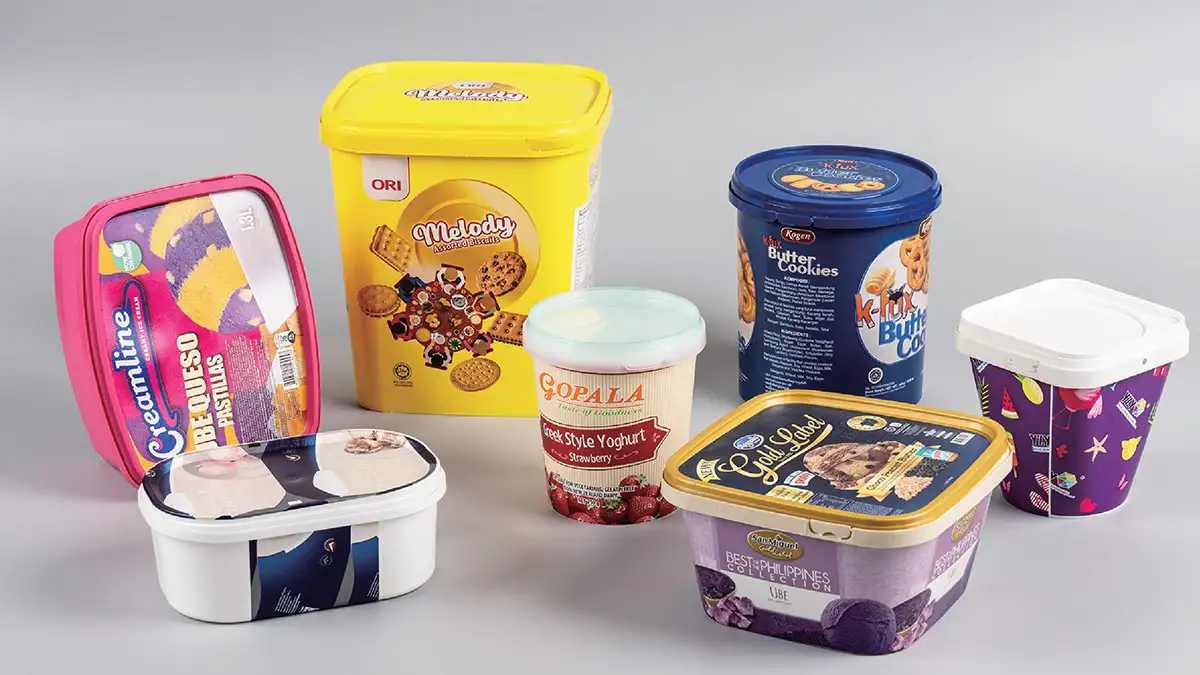
The primary market for BJ368MO is the rigid packaging industry, with a strong focus on thin-wall food containers such as margarine tubs, yogurt cups, refrigerated salads, and frozen food packaging. Its properties also make it suitable for a range of other rigid consumer and industrial articles where production efficiency, structural integrity, and durability are critical.
In conclusion, BJ368MO is positioned as a premium material choice for converters and brand owners. Its higher initial cost is justified by tangible and quantifiable benefits in production efficiency, opportunities for material savings through light-weighting (downgauging), and the superior quality and durability of the final product.
Borealis BJ368MO: Product Lineage and Market Positioning
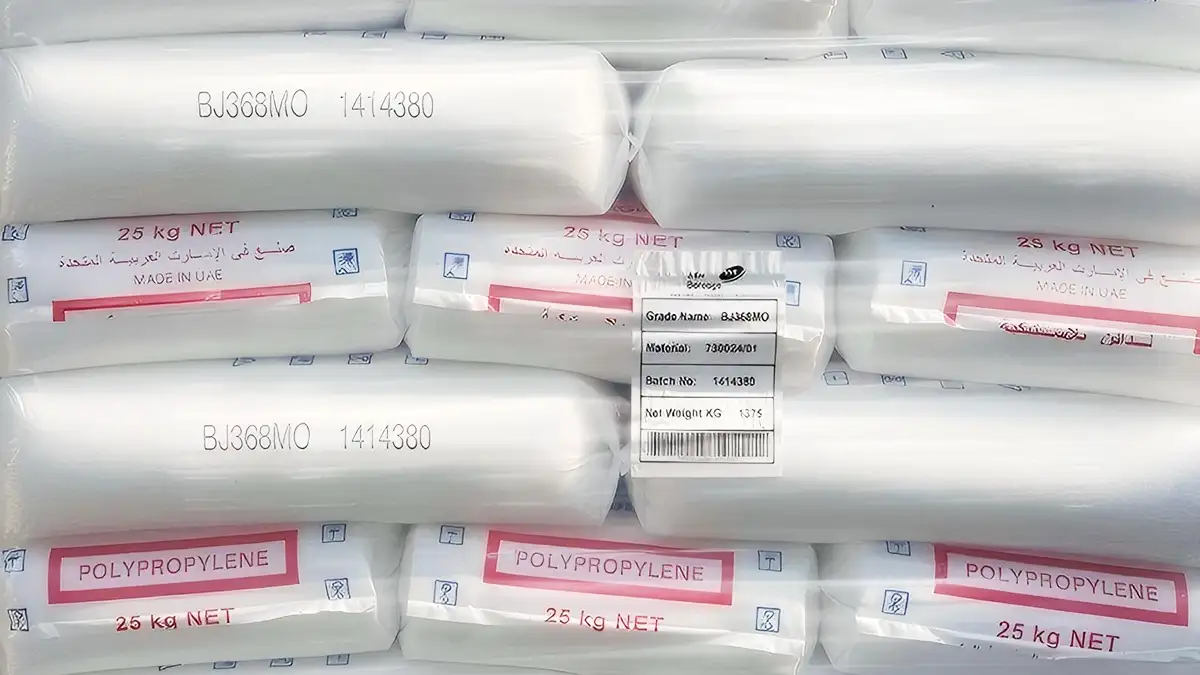
Borealis BJ368MO is formally classified as a Polypropylene Heterophasic Copolymer, a type of thermoplastic polymer engineered for a specific balance of mechanical properties. The base polymer, a propylene-ethylene copolymer, is identified by the Chemical Abstracts Service (CAS) Number 9010-79-1.
BJ368MO is manufactured and supplied by two closely linked entities: Borealis AG, an Austrian-based leader in advanced polyolefin solutions, and Borouge, a major joint venture between Borealis and the Abu Dhabi National Oil Company (ADNOC). Borouge operates large-scale production facilities in the United Arab Emirates and maintains a key commercial hub in Singapore, positioning it to serve the expansive Asian markets.
The central value proposition for BJ368MO, consistently highlighted in technical literature, is its ability to deliver an “optimum combination of high stiffness and high impact strength” within a material that also possesses very high flow characteristics. This claim directly addresses a fundamental challenge in polymer engineering, which often involves a trade-off between mechanical robustness (stiffness and impact) and processing ease (flowability). By overcoming this compromise, BJ368MO enables the production of parts that are both lightweight and durable, manufactured at higher speeds than are possible with conventional materials.
The Architecture of BJ368MO Performance
The high-performance characteristics of BJ368MO are not the result of a single feature but rather the synergistic interplay of its molecular architecture, specialized additives, and rheological profile. This sophisticated material design overcomes inherent polymer trade-offs to deliver its unique balance of properties.
The Heterophasic Copolymer Structure
BJ368MO’s foundation is its heterophasic (or block copolymer) structure, which consists of two distinct polymer phases. The primary phase is a continuous, semi-crystalline matrix of isotactic polypropylene (iPP). This iPP matrix is responsible for the material’s high stiffness (rigidity), dimensional stability, and thermal resistance. Dispersed within this rigid matrix is a secondary, rubbery phase composed of an amorphous ethylene-propylene copolymer (EPC), sometimes referred to as ethylene-propylene rubber (EPR). These finely distributed rubbery domains act as microscopic impact modifiers. When the material is subjected to an impact, these domains absorb and dissipate the energy, preventing the initiation and propagation of cracks. This mechanism is what provides BJ368MO with its high toughness and excellent impact resistance, particularly at sub-zero temperatures where standard polypropylene can become brittle. This engineered two-phase morphology is the key to achieving the “very good stiffness and impact balance” that defines the grade.
The Role of Borealis Nucleation Technology (BNT)
A critical component of the BJ368MO formulation is the proprietary Borealis Nucleation Technology (BNT). This advanced additive package serves two primary functions: enhancing mechanical properties and accelerating the manufacturing process. The nucleating agents in BNT introduce a high density of microscopic sites within the polymer melt. As the material cools in the injection mold, these sites act as templates, triggering the rapid and simultaneous formation of a large number of small, uniform crystalline structures known as spherulites. Scientific studies on similar nucleated systems show that this can decrease the crystallization half-time by an order of magnitude and dramatically increase the cooling rate at which a stable, desirable crystal structure (the α-phase) can form, with stability observed at cooling rates up to 1000 K/s. This accelerated crystallization is the direct scientific basis for the material’s main commercial benefit: “potential for cycle time reduction”. The cooling phase is often the longest and most rate-limiting step in the injection molding cycle. By solidifying much faster, the molded part gains sufficient rigidity to be ejected from the mold sooner, significantly shortening the overall cycle time and increasing machine output.
Rheological Profile and High Flow
BJ368MO is characterized by a very high Melt Flow Rate (MFR) of 70 g/10min (measured at 230°C/2.16kg). This value indicates a very low viscosity in the molten state. This high flowability is essential for thin-wall injection molding (TWIM) applications, as it allows the polymer to travel quickly and easily through narrow channels and fill intricate mold cavities with lower injection pressures. This helps prevent manufacturing defects such as “short shots” (incomplete parts) and reduces the level of molded-in stress, leading to more dimensionally stable and durable final products. The combination of these three elements—a heterophasic structure, BNT, and high MFR—demonstrates a holistic material design strategy. While increasing MFR in a simple polymer often compromises its impact strength, BJ368MO’s heterophasic design provides a robust mechanical baseline. The BNT package then further enhances the final mechanical properties through a fine, uniform crystal structure while simultaneously unlocking the processing speed advantages of a high-flow material. This synergy is the core technical innovation that allows BJ368MO to deliver on its promises.
Curious How This Works in Your Application?
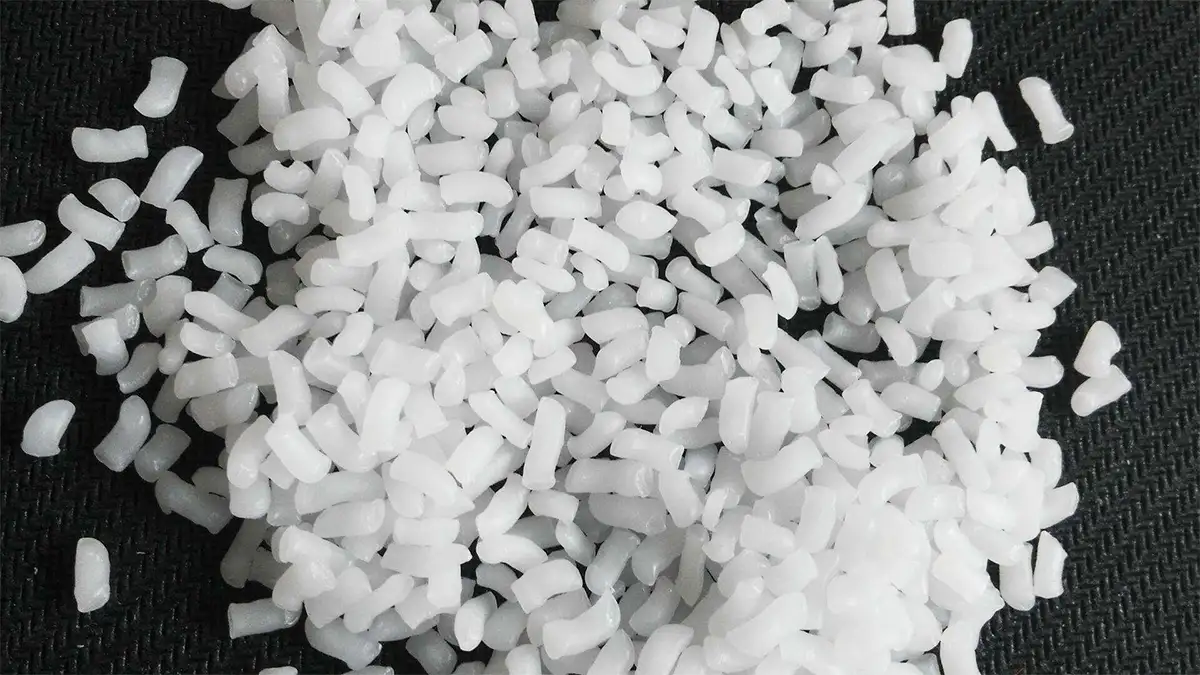
Comprehensive Technical Specifications
The following table consolidates the typical physical, mechanical, and thermal property data for Borealis BJ368MO, synthesized from multiple official and technical sources. These values are intended for guidance and comparison and, as advised by the manufacturer, should not be used for specification work without independent verification.
Consolidated Technical Data Sheet for Borealis BJ368MO
| Property | Typical Value | Unit | Test Method |
| Physical Properties | |||
| Density | 905 | kg/m³ | ISO 1183-1 |
| Melt Flow Rate (230°C/2.16kg) | 70 | g/10min | ISO 1133-1 |
| Linear Mold Shrinkage | 1 – 2 | % | – |
| Mechanical Properties | |||
| Flexural Modulus | 1500 (Note 1) | MPa | ISO 178 |
| Tensile Modulus (1 mm/min) | 1500 | MPa | ISO 527-2 |
| Tensile Stress at Yield (50 mm/min) | 25 | MPa | ISO 527-2 |
| Tensile Strain at Yield (50 mm/min) | 4 | % | ISO 527-2 |
| Charpy Impact Strength, notched (23°C) | 5.5 | kJ/m² | ISO 179-1/1eA |
| Charpy Impact Strength, notched (-20°C) | 3.5 (Note 2) | kJ/m² | ISO 179-1/1eA |
| Rockwell Hardness (R-scale) | 86 | – | ISO 2039-2 |
| Thermal Properties | |||
| Heat Deflection Temperature (1.80 MPa) | 102 (Note 3) | °C | ISO 75-2 |
Note 1: Some datasheets report 1400 MPa or 1450 MPa. The value of 1500 MPa is from the most recent official Product Data Sheet.
Note 2: One source reports a value of 4.0 kJ/m².
Note 3: One source reports a value of 100°C.
Commentary on Key Specifications
lexural Modulus (1500 MPa): This high value is a direct measure of the material’s rigidity. For thin-wall containers, high stiffness is critical as it provides the necessary top-load strength to allow filled containers to be stacked high during transportation and on retail shelves without collapsing. This property also enables downgauging, the practice of reducing wall thickness to save material and weight, which is a key driver for both cost reduction and sustainability.
Charpy Impact at -20°C (3.5 kJ/m²): This data point is crucial as it quantifies the material’s toughness at freezer temperatures. It provides the technical validation that qualifies BJ368MO for frozen food packaging applications. This level of impact resistance ensures that the container will not become excessively brittle and fail if dropped or mishandled during cold-chain logistics or by the end consumer.
- Heat Deflection Temperature (102°C at 1.80 MPa): This value indicates good thermal stability under load. It makes the material suitable for hot-fill packaging applications, where the container is filled with hot product and must maintain its shape. It also suggests suitability for reusable containers that may need to withstand industrial or domestic dishwashing cycles.
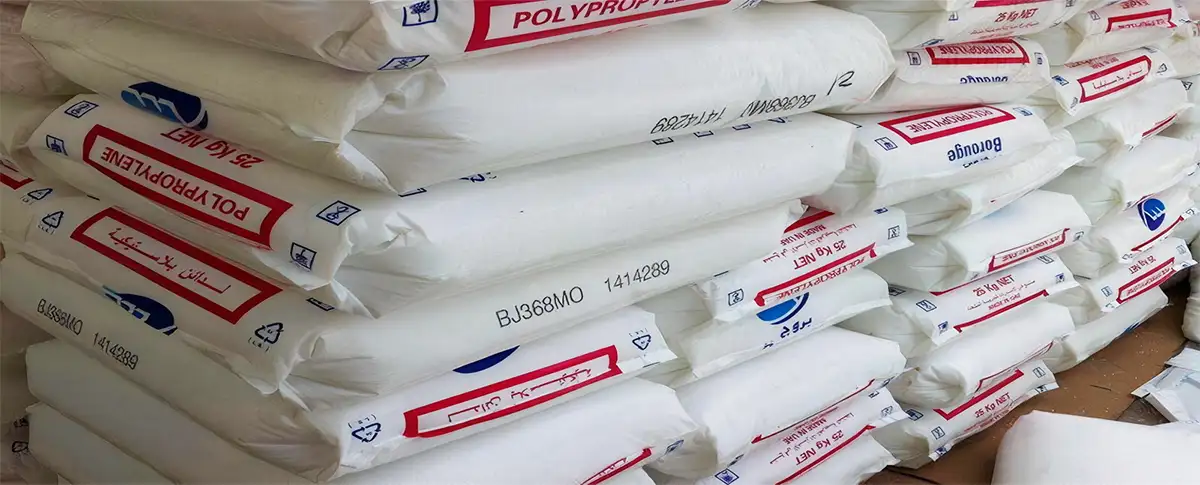
Processing and Manufacturing Guidelines
BJ368MO is designed for easy and efficient processing on standard injection molding equipment. Adhering to the manufacturer’s recommended parameters is key to unlocking its full performance potential.
Recommended Injection Molding Parameters
The following settings are provided as a guideline for processing BJ368MO :
Melt Temperature: 210 – 260 °C
Mould Temperature: 10 – 30 °C
Holding Pressure: 200 – 500 bar (equivalent to 20 – 50 MPa)
- Injection Speed: High
For more information on the thermal behavior of polypropylene, including its melting range and processing implications, see our detailed guide on Polypropylene Melting Point
The recommended low mold temperature of 10-30°C is particularly noteworthy. In conventional injection molding, there is often a conflict between cycle time and part quality; a cold mold accelerates cooling but can “freeze” the polymer before it achieves full crystallinity, resulting in poor mechanical properties. A hotter mold promotes better crystallization but extends the cycle. The recommendation for a cold mold with BJ368MO highlights the effectiveness of its BNT package. The nucleating agent is so efficient at driving rapid crystallization that a cold mold can be used to drastically shorten the cooling phase without the typical penalty in part quality. This provides processors with the speed benefits of a cold mold and the performance benefits of a well-crystallized part, representing a significant processing advantage.
In-Mold Performance and Additives
Beyond the primary processing parameters, BJ368MO includes additives that enhance its in-mold behavior and the quality of the final part:
- Good Antistatic Performance: The formulation includes antistatic agents that dissipate electrostatic charges on the surface of the molded part. This is a significant practical benefit for converters, as it minimizes the attraction of dust and contaminants during post-mold handling, conveying, and storage. For the final product, it ensures a clean and appealing appearance on the retail shelf.
- Good Mould Release: The material is also formulated for excellent mold release. This property works in concert with the fast crystallization to enable a clean and rapid ejection of the part from the mold. It reduces the likelihood of part deformation, scuffing, or damage during demolding and further contributes to achieving the shortest possible cycle times.
Storage and Handling
To preserve the material’s intended properties, proper storage is essential. BJ368MO should be stored in dry conditions at temperatures below 50°C and protected from direct UV light. Improper storage can initiate degradation of the polymer, which may manifest as odor generation, color changes, and a negative impact on its physical properties.
Target Applications and Performance in Use
The unique combination of properties in BJ368MO makes it exceptionally well-suited for specific high-volume applications where performance and productivity are paramount.
Primary Application: Thin-Wall Food Packaging
The primary market for BJ368MO is thin-wall food packaging, an application that leverages all of the material’s key strengths.
Structural Performance: The high stiffness (Flexural Modulus ~1500 MPa) provides excellent top-load and stacking strength, which is critical for lightweight containers.
Durability: The excellent impact resistance, especially the retention of toughness at -20°C, makes it ideal for packaging refrigerated and frozen foods, ensuring container integrity from the freezer to the consumer’s home.
Design Freedom: The very high melt flow allows for the design and molding of complex container shapes and extremely thin walls (down to 0.3 mm), enabling significant material and weight savings.
Food Safety: The material is designed for food contact, implying good organoleptic properties (low taste and odor transfer) to preserve the quality of the packaged food.
Case Study Validation: The Piber Group
A press release from Borealis provides powerful third-party validation of BJ368MO’s performance claims through the experience of Piber Group, a leading Italian manufacturer of plastic food packaging. The case study highlights several quantified benefits:
Productivity Increase: Piber Group reported a “unique step change in productivity of typically up to 20%” due to faster cycle times enabled by the material’s rapid solidification.
Material Savings: The material’s high flow and strength allowed for significant downgauging, resulting in “material savings and weight reduction benefits of between 10 to 20%.”
Thin-Walling Capability: The company successfully produced containers with walls as thin as 0.3 mm without compromising the required impact resistance.
Customer Satisfaction: Paolo Bergaglio, Piber’s Technical Manager, confirmed that BJ368MO allowed them to meet stricter customer demands for lighter weight packaging with excellent drop and stacking performance, while also benefiting from a “faster and smoother production process”.
Other Applications
While food packaging is the primary focus, the properties of BJ368MO are also valuable in other sectors. These include general-purpose Home & Garden articles and rigid industrial packaging such as pails, where the balance of toughness, rigidity, and fast processing provides a competitive advantage.
Ready to Optimize Your Thin-Wall Production?
Competitive Landscape and Market Positioning
The market for high-flow polypropylene impact copolymers is dynamic and innovation-driven, with strong demand for improved manufacturing efficiency and lightweight, sustainable packaging solutions. Several alternative materials from leading global suppliers—such as Borealis/Borouge, SABIC, LyondellBasell, ExxonMobil, and Braskem—are available to meet similar thin-wall injection molding (TWIM) requirements.
Comparative Technical Overview
To better understand the positioning of BJ368MO, it is helpful to benchmark its key technical properties against comparable high-flow polypropylene grades commonly used in TWIM applications. The table below outlines relevant data for selected materials with similar performance targets.
Comparative Technical Analysis of High-Flow PP Copolymers for TWIM
| Grade (Manufacturer) | MFR (g/10min) | Density (g/cm³) | Flexural Modulus (MPa) | Tensile Stress @ Yield (MPa) | Izod/Charpy Impact @ 23°C (J/m or kJ/m²) | Charpy Impact @ -20°C (kJ/m²) |
| Borealis BJ368MO | 70 | 0.905 | ~1500 | 25 | 5.5 (Charpy) | 3.5 |
| SABIC PP 413MNK45 | 70 | N/A | N/A | 28 | 65 (Izod) | 35 J/m (Izod) |
| LyondellBasell Moplen EP548S | 70 | 0.9 | 1500 | 28 | 6.5 (Charpy) | 3.5 |
| ExxonMobil PP7555KNE2 | 50 | 0.9 | ~1340-1520 | 25.4 | 94 (Izod) | 4.6 |
| LyondellBasell Moplen RP398V | 100 | 0.9 | 950 | 26 | 5.0 (Charpy) | N/A |
| Braskem C7069-100NA | 100 | 0.9 | 1580 | 28 | 4.0 (Charpy) | 2.5 |
Note: Direct comparison of Izod (J/m) and Charpy (kJ/m²) values should be done with caution due to different test methodologies.
Performance Interpretation and Application Fit
With an MFR of 70, BJ368MO fits into the ultra-high flow category, alongside alternative options like SABIC’s PP 413MNK45 and LyondellBasell’s Moplen EP548S. Its flexural modulus of ~1500 MPa positions it at the higher end of the stiffness spectrum for this flow class, making it particularly suitable for lightweight downgauging without compromising rigidity.
What truly distinguishes BJ368MO is its balanced property profile. Compared with even higher-MFR materials (e.g., Braskem C7069-100NA at MFR 100), BJ368MO delivers superior low-temperature toughness (3.5 kJ/m² vs. 2.5 kJ/m²), highlighting its suitability for cold-chain packaging and freezer-grade applications.
Rather than simply maximizing flow, BJ368MO is engineered to offer a synergistic combination of processing speed and mechanical durability. This makes it an ideal material choice where ultra-fast cycle times and robust part performance—especially at low temperatures—are both essential.
Regulatory, Safety, and Sustainability Profile
Global Food Contact Compliance
As a material primarily intended for food packaging, BJ368MO is supported by a robust portfolio of regulatory compliance statements. It fulfills the requirements of major international food contact legislation, including :
Europe: Commission Regulation (EU) 10/2011 on plastic materials and articles intended to come into contact with food.
China: National Standard GB 4806.6-2016 on plastic resins for food contact use.
India: IS 16738:2018 positive list of constituents for polypropylene.
Japan: MHLW Notification No. 196 of 2020.
Migration testing on representative samples showed very low levels of migration, well within legal limits, confirming its suitability for food packaging applications.
Product Safety
According to the manufacturer’s Safety Data Sheet (SDS), BJ368MO is not classified as a dangerous or hazardous product under the Globally Harmonized System of Classification and Labelling (GHS). Standard hazards associated with handling polymer pellets apply, such as the potential for combustible dust formation during processing and slipping hazards if the material is spilled.
Sustainability and the Circular Economy
BJ368MO contributes to sustainability goals through several pathways aligned with the principles of a circular economy.
Recyclability: As a monomaterial polypropylene product, it is fully suitable for recycling within established and growing PP waste streams, where it can be reprocessed into new products.
- Design for Recycling (DfR): Borealis actively promotes Design for Recycling principles, and BJ368MO supports this framework directly. Its high performance allows for the creation of lightweight, monomaterial packaging that is easier to recycle than complex, multi-layer alternatives.
Resource Efficiency: The material promotes resource efficiency in two key ways:
Material Reduction: Its high stiffness enables the production of thinner, lighter parts, reducing the total volume of plastic required per package.
- Energy Reduction: Faster molding cycles directly translate to lower energy consumption per unit produced, reducing the carbon footprint of the manufacturing process.
While BJ368MO is a virgin polymer grade, its development and marketing are part of Borealis’s broader corporate commitment to sustainability, which includes initiatives like the Borcycle™ C portfolio of chemically recycled feedstocks.
Need Compliance or Sustainability Documentation?
Conclusion and Strategic Recommendations
Borealis BJ368MO is a highly engineered polypropylene heterophasic copolymer that successfully delivers on its core promise of combining exceptional manufacturing productivity with excellent mechanical performance. Its value is not derived from a single attribute but from the carefully balanced synergy of its constituent parts: a robust heterophasic copolymer structure provides the baseline stiffness and impact strength; a very high melt flow enables complex, thin-wall designs and fast processing; and the proprietary Borealis Nucleation Technology (BNT) accelerates crystallization to dramatically reduce cycle times while simultaneously enhancing final part properties. This makes it a standout material in the competitive landscape of high-performance polymers.
Recommendations for End-Users
Based on this comprehensive analysis, the following recommendations are provided for potential users of BJ368MO:
Optimal Use Case: BJ368MO is the recommended material choice for manufacturers of thin-wall rigid packaging, particularly with wall thicknesses in the range of 0.3 mm to 1.0 mm. It is especially advantageous for producers who aim to maximize production output (parts per hour) and/or reduce part weight without compromising on structural integrity and durability. Its excellent low-temperature performance makes it a premier candidate for products intended for refrigerated or frozen storage.
Cost-Benefit Analysis: Prospective users must conduct a thorough total cost of ownership (TCO) analysis. The premium price per kilogram of BJ368MO may be readily justified if the quantifiable gains in machine uptime, reductions in cycle time, and material savings from downgauging result in a lower overall cost per manufactured part.
Prototyping and Validation: Given the high-performance nature of the material and the minor variations noted in “typical” datasheet values, it is strongly recommended that end-users conduct their own injection molding trials. Prototyping and rigorous testing of the final parts are essential to validate the material’s performance against specific application requirements, mold geometries, and processing conditions before committing to large-scale production.
Future Outlook
The market demand for advanced materials like BJ368MO is expected to remain strong and likely grow. This growth will be fueled by persistent trends in the global packaging industry toward greater sustainability—which necessitates less material usage and lower energy consumption—and the continuous drive for higher manufacturing efficiency in a competitive marketplace. The ability of BJ368MO to help create lightweight, durable, and recyclable monomaterial packaging solutions positions it as a key enabling technology for the future of rigid packaging.