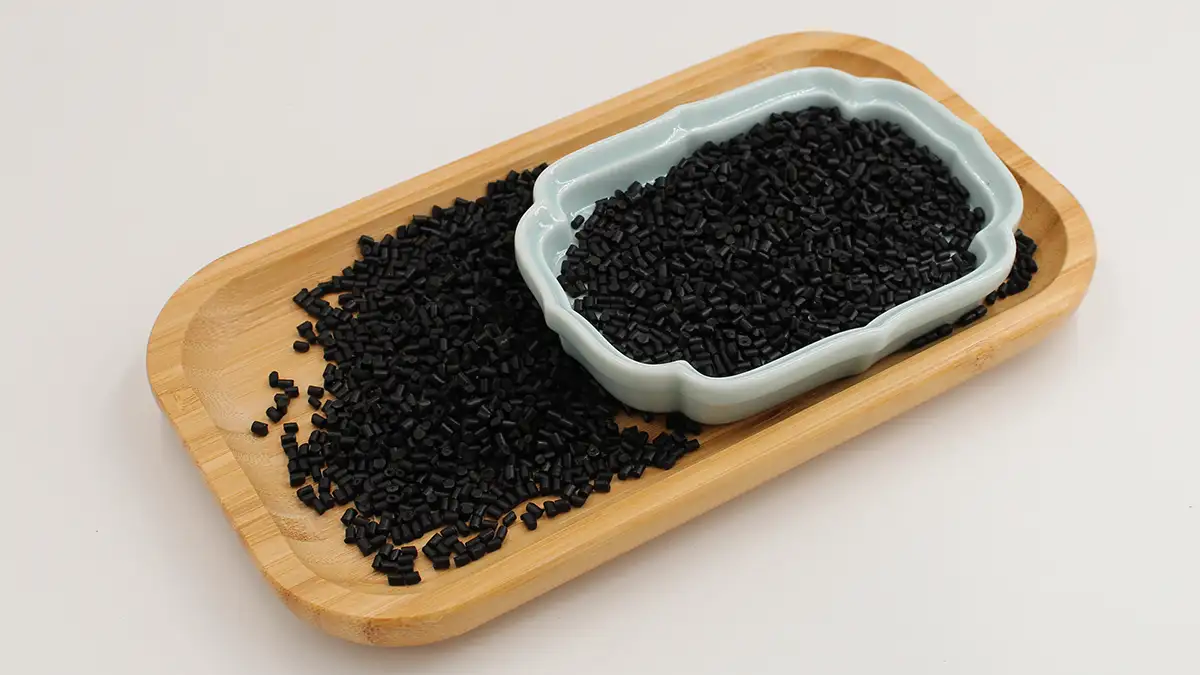
The price and availability of polypropylene are inextricably linked to a complex global value chain that begins deep underground. The journey from raw fossil fuels to the finished plastic pellets used by manufacturers exposes the material to volatility at multiple stages, primarily within the energy and petrochemical markets. The process originates with the extraction of hydrocarbon feedstocks—crude oil, natural gas, or coal. These raw materials are transported to refineries where they undergo a refining process. A key output of this process is naphtha, a chemical fraction that serves as a primary input for the petrochemical industry.
This multi-step value chain means that the cost of polypropylene is not determined in a vacuum. It is directly influenced by fluctuations in the price of crude oil and natural gas, the refining margins for naphtha, the operating rates and efficiency of steam crackers and PDH units, and the supply-demand balance for propylene monomer itself. Consequently, any credible forecast for polypropylene prices must be built upon a solid understanding of these upstream market dynamics.

Introduction to Polypropylene: The Indispensable Workhorse Polymer
Polypropylene, commonly abbreviated as PP, stands as the second-most widely produced commodity plastic globally, surpassed only by polyethylene. It is a thermoplastic polymer belonging to the polyolefin family, meaning it softens upon heating and can be remolded, a property crucial for both manufacturing and recycling. At its chemical core, polypropylene is derived from the polymerization of propylene (or propene) monomers, resulting in a linear hydrocarbon resin with the chemical formula (C3H6)n. In its raw, unprocessed state, it typically appears as a translucent or milky-white solid, which is odorless, non-toxic, and can be formulated to be opaque or transparent.
The global PP market reached approximately 75 million metric tons in 2024, with projections indicating continued growth through 2025 and beyond. Borouge, a joint venture between ADNOC and Borealis, remains one of the dominant suppliers in the market, particularly in the Middle East and Asia Pacific regions.
PP’s significance stems from its unique combination of properties:
- Excellent chemical resistance
- High tensile strength
- Good fatigue resistance
- Low density (0.9 g/cm³)
- Melting Point Ranges from 160℃ to 170℃

Industries do not simply demand “polypropylene”; they demand a specific set of performance characteristics that only a particular grade can provide. The automotive sector’s need for impact resistance drives demand for copolymers, while the packaging industry’s focus on rigidity and food safety often favors homopolymers. These distinctions also lead to price differentials, as the manufacturing complexity and performance benefits of copolymers often command a premium over standard homopolymer grades. Borouge product portfolio spans these varieties, catering to diverse application requirements.
| Property | Polypropylene Homopolymer (PPH) | Polypropylene Copolymer (PPC) |
| Composition | Contains only propylene monomers. | Contains propylene and ethylene monomers. |
| Melting Point | 160−165℃ | 135−159℃ |
| Density | 0.904−0.908g/cm³ | 0.898−0.908g/cm³ |
| Stiffness | High stiffness, more rigid. | Softer, more flexible. |
| Impact Strength | Good, but lower than copolymer. Becomes brittle below 0℃. | Excellent impact strength, tougher and more durable, better low-temperature toughness. |
| Key Advantages | High strength-to-weight ratio, good chemical resistance, weldability, processability, food contact acceptable. | Better stress crack resistance, higher impact resistance, more durable. |
| Typical Applications | Packaging (food containers, films), textiles, healthcare (syringes, vials), pipes, electrical components. | Automotive parts (bumpers, dashboards, battery cases), industrial applications, consumer goods requiring high durability. |
A Decade of Volatility: Historical Price & Market Analysis (2015–2024)
The global polypropylene market over the past decade has been characterized by consistent growth in value, punctuated by periods of significant volatility driven by macroeconomic shocks and shifting supply-demand fundamentals. The period from 2015 to 2024 saw the market navigate the aftermath of a commodity price collapse, a global pandemic, and unprecedented supply chain disruptions, all of which left their mark on polypropylene pricing.

A Narrative of Price Evolution (2015-2023)
The global market value for polypropylene provides a clear picture of its expanding significance. In 2015, the market was valued at $94.5 billion. This figure grew steadily, reaching $109.36 billion in 2018 and $114.37 billion in 2019. This growth was underpinned by robust demand from its primary end-use sectors, particularly packaging and automotive, in a relatively stable global economic environment.
The onset of the COVID-19 pandemic in 2020 introduced extreme volatility. While the market value saw a slight dip to $113 billion that year, the underlying dynamics were turbulent. Lockdowns initially caused a sharp decline in demand from the automotive and construction sectors as industrial activity ground to a halt. However, this was quickly offset by a massive surge in demand for polypropylene in packaging and medical applications. The boom in e-commerce, the need for single-use medical supplies like masks and syringes, and the increased consumption of packaged foods fueled an unprecedented demand for specific PP grades.
This demand shock, coupled with pandemic-related production disruptions and logistical bottlenecks, caused prices to climb. The market value rebounded strongly to $115.83 billion in 2021 , with other estimates placing the market size even higher, at $93.5 billion in 2021 and growing to $123.46 billion in 2022. This period was marked by a significant increase in import and export prices, which had remained relatively subdued since the global commodity price peak of 2014. The correlation between crude oil and polypropylene prices, a traditional market driver, was significantly weakened during the pandemic as localized demand and supply chain chaos became the dominant pricing factors. As the world emerged from the pandemic, the market continued its growth trajectory, driven by recovering industrial activity and sustained demand in key sectors, reaching a value of $83.8 billion in 2023.
2024 in Review: A Market at a Crossroads
The year 2024 served as a critical juncture for the global polypropylene market, where the lingering effects of past disruptions met the emerging reality of a new supply landscape. Price movements throughout the year were not uniform; instead, they revealed a fundamental decoupling of regional market dynamics, with local supply, demand, and logistical factors often overriding global trends.
The U.S. market experienced a bullish trend for much of the year. Prices started the year at a relatively low $1,050 per metric ton (MT) in Q1 but surged in the second quarter to $1,230/MT. This increase was spurred by a combination of strong demand from the automotive sector, which was in a seasonal manufacturing peak, and significant supply constraints caused by unexpected plant shutdowns. By the final quarter, prices had settled at a higher plateau of $1,270/MT. This stability came even as downstream activity in the construction and automotive sectors began to slow, indicating that supply discipline and higher feedstock costs were keeping prices firm.
In stark contrast, the European market, represented by Germany, grappled with persistent demand weakness. Prices in Q2 2024 stood at $1,220/MT, struggling under the weight of declining requirements from the construction and automotive industries. The market saw a mixed and challenging Q3, with prices inching up to $1,246/MT due to localized supply stability rather than a true demand recovery. The year concluded with European prices at a significant premium to other regions, reaching $1,470/MT in Q4. This high price level was less a sign of market strength and more a reflection of Europe’s high-cost production environment and vulnerability to import disruptions.
| Year | Average Global PP Price (USD/kg) | Year-on-Year Change | Key Market Drivers |
| 2015 | 1.15 | -18.4% | Crude oil price collapse |
| 2016 | 1.08 | -6.1% | Oversupply, weak demand |
| 2017 | 1.22 | +13.0% | Improved global economy |
| 2018 | 1.35 | +10.7% | Strong demand, rising oil prices |
| 2019 | 1.27 | -5.9% | Trade tensions, capacity additions |
| 2020 | 1.05 | -17.3% | COVID-19 pandemic, oil price crash |
| 2021 | 1.68 | +60.0% | Supply chain disruptions, recovery demand |
| 2022 | 1.52 | -9.5% | Energy crisis, inflation |
| 2023 | 1.38 | -9.2% | Economic slowdown, capacity expansion |
| 2024 | 1.42 | +2.9% | Stabilizing demand, freight disruptions |
Borouge has maintained a significant market presence throughout these fluctuations, with its polypropylene products—particularly the high-demand grade BJ368MO—often commanding premium pricing due to consistent quality and supply reliability. The company’s strategic capacity expansions, particularly in 2019 and 2023, have influenced regional supply dynamics and pricing structures.
Why BJ368MO Is One of Our Best-Selling Polypropylene Grades
Key Factors Influencing 2025 Polypropylene Prices
The price of polypropylene in 2025 will be determined by a complex interplay of forces. While end-use demand remains a crucial component, the market narrative is increasingly being shaped by upstream cost pressures and, most critically, a monumental shift in the global supply landscape. Understanding these core factors—feedstocks, supply, demand, and external risks—is essential to forecasting the price trajectory for the year ahead.
The Volatile Feedstock Factor

Polypropylene (PP) prices remain tightly linked to the volatile energy markets, as its primary feedstock—propylene monomer—is derived from crude oil (via naphtha cracking) or natural gas (via propane dehydrogenation). In 2025, oil price forecasts remain mixed: J.P. Morgan anticipates Brent crude to average $66/bbl due to rising OPEC output and policy-driven price control, while the U.S. EIA projects higher figures based on global demand. Beyond oil, propylene prices are also swayed by plant outages and PDH unit operations. A sharp contango in late 2024 highlighted expectations of supply tightness in early 2025, driven by refinery closures, low year-end inventories, and planned cracker turnarounds—indicating that even stable oil prices may not shield PP from cost volatility.
Growth Engines and Headwinds

Amid oversupply, polypropylene demand in 2025 is supported by moderate growth in automotive and packaging. Light vehicle production is set to rise, with S&P Global forecasting gains in Greater China (+355K units) and North America (+434K). Lightweighting for fuel efficiency and EV range continues to drive PP use in interior and structural components. In packaging—over 45% of total PP demand—growth is fueled by e-commerce and demand for convenience foods. The North American flexible packaging market alone may reach $84.9 billion. Sustainability trends are reshaping demand, with rising interest in mono-material PP solutions, recycled PP (r-PP), and bio-based grades. The recycled PP packaging market is projected to grow from $9.85 billion in 2025 to $17.6 billion by 2034, highlighting the material’s evolving role in a circular economy.
Geopolitical Factors

In 2025, the defining force in the global polypropylene market is not feedstock volatility but a structural oversupply driven by massive capacity expansion—chiefly in China. China’s PP capacity surged from 20 million tons in 2015 to 48 million in 2024, with 7.7 million more tons scheduled for 2025 alone. Surplus capacity over domestic demand is projected to jump 68% year-over-year. By 2034, China may account for nearly half of global PP capacity. This flood of new supply has slashed global utilization rates, from 92% in 2020 to a projected 70% by 2027. Chinese exports rose from 425,000 tons in 2020 to 2.2 million tons by late 2024. As a result, regional price spikes are now capped by low-cost Chinese PP exports, transforming the global pricing landscape. While specialty grades may escape this pressure, commodity PP prices are now tethered to China’s export momentum.
Macroeconomic and Logistical Wildcards
The global polypropylene market does not operate in a vacuum. Its stability and price predictability are subject to a range of external risks that can create significant volatility. In 2025, the most prominent of these wildcards are geopolitical trade tensions and logistical vulnerabilities.
The ongoing trade friction between the United States and China represents a major source of uncertainty. The imposition of tariffs and reciprocal retaliatory measures can have direct and indirect impacts on the PP market. For example, high U.S. tariffs on Chinese goods can reduce the competitiveness of finished products that use PP, potentially dampening China’s domestic demand for the polymer. More directly, tariffs on petrochemical feedstocks can disrupt supply chains. The reciprocal tariffs seen in 2024, which briefly caused a shortage of U.S.-imported propane in China, directly impacted the operating rates of Chinese PDH units, demonstrating how trade policy can immediately affect feedstock availability and cost.
Beyond the US-China dynamic, a broader trend of regional protectionism is fragmenting the global market. Brazil’s use of high import tariffs and anti-dumping duties on polypropylene, particularly against the U.S., is a case in point. Such measures are designed to protect local producers but can lead to significantly higher domestic prices, insulating the local market from global trends but reducing the competitiveness of downstream industries.
Finally, the global supply chain remains vulnerable to disruptions. The COVID-19 pandemic exposed the fragility of global logistics, and these risks persist. Volatility in container freight rates, port congestion, and geopolitical events affecting major shipping lanes can all lead to delays and increased costs. For regions like Europe that are heavily reliant on imports, these logistical challenges can tighten supply and drive up prices, even in a globally oversupplied market. These wildcards add a layer of unpredictable risk that buyers and sellers must factor into their strategies for 2025.
Sustainability Initiatives
The growing emphasis on sustainability and circular economy principles is influencing the PP market in 2025. Regulatory changes in the EU, including the implementation of the Single-Use Plastics Directive and expanded producer responsibility schemes, are creating both challenges and opportunities. Borouge has responded with its sustainable PP portfolio, which commands a 5-10% price premium over conventional grades.
Technological Advancements
Innovations in production technology are gradually affecting production costs and market dynamics. Catalyst improvements and process optimizations have enabled some producers to reduce energy consumption by up to 15% compared to older facilities. These efficiencies are particularly evident in newer plants operated by industry leaders like Borouge, potentially providing competitive advantages in pricing.

The 2025 Global Price Landscape: A Regional Deep Dive
The global oversupply of polypropylene, driven by massive capacity additions in Asia, is the dominant theme for 2025. However, this global pressure is not translating into uniform pricing worldwide. Instead, the market has fractured into distinct regional landscapes, each with its own unique cost structure, supply-demand balance, and logistical challenges. The result is a significant and persistent price disparity between Europe, North America, and Asia, a trend clearly visible in the first quarter of 2025.
| Region | Q1 2025 Average Price (USD/kg) | Q2 2025 Projected Price (USD/kg) | Key Regional Drivers | Major Suppliers |
| Asia Pacific | 1.32 | 1.28-1.35 | Chinese capacity expansion, moderate demand growth | Sinopec, Borouge, Reliance |
| Europe | 1.58 | 1.55-1.65 | Energy costs, sustainability regulations | Borealis, LyondellBasell, INEOS |
| North America | 1.45 | 1.42-1.50 | Shale gas advantage, export opportunities | ExxonMobil, Braskem, Formosa |
| Middle East | 1.25 | 1.22-1.30 | Feedstock advantage, export-oriented production | Borouge, SABIC, PetroRabigh |
| Latin America | 1.52 | 1.48-1.58 | Import dependency, logistics challenges | Braskem, Indelpro, Importers |
Asia Pacific Market Dynamics
The Asia Pacific region continues to be the largest PP consumer and producer globally. Chinese capacity expansions have created downward price pressure, with domestic prices averaging USD 1.30/kg in Q1 2025. Southeast Asian markets have seen slightly higher prices (USD 1.35-1.40/kg) due to import dependencies. Borouge has maintained a strong presence in this region, particularly in high-value applications where its premium grades command 5-8% price premiums over standard materials.
European Market Conditions
European PP prices remain the highest globally, influenced by elevated energy costs and stringent regulatory requirements. The implementation of the Carbon Border Adjustment Mechanism (CBAM) in early 2025 has added approximately €0.05-0.08/kg to imported materials, providing some protection for domestic producers. Contract prices have shown more stability than spot markets, which experienced volatility in Q1 2025.
North American Landscape
The North American market has benefited from relatively stable natural gas prices, supporting competitive production costs for PP. Export volumes increased by 12% in Q1 2025 compared to the same period in 2024, primarily to Latin America and Asia. Domestic prices have remained in the USD 1.42-1.48/kg range for homopolymer grades, with copolymers commanding a premium of USD 0.10-0.15/kg.
Middle East Production Hub
The Middle East continues to leverage its feedstock advantage, with production costs approximately 15-20% lower than global averages. Borouge’s strategic position in this region has enabled it to maintain competitive pricing while serving global markets. The company’s expansion plans in 2025 are expected to further strengthen its market position, particularly in high-performance PP grades for demanding applications.

Get Tailored Insights for Your Region or Industry
Expert Predictions for 2025 Polypropylene Prices
Forecasting a precise, single-point price for polypropylene in a market as volatile as today’s is an exercise in futility. The interplay of fluctuating feedstock costs, geopolitical risks, and the monumental supply-side shifts makes a scenario-based approach more prudent for strategic planning. The overarching theme for 2025 is that the immense pressure from global oversupply, primarily from China, will act as a powerful brake on prices, largely outweighing the moderate growth expected on the demand side.
While the total value of the global polypropylene market is projected to grow—with some forecasts showing an increase from a 2024 base of around $74-88 billion to a 2025 value of $77-170 billion depending on the source—this growth in overall market size can be misleading. A significant portion of this value increase will be driven by higher sales volumes as new capacity is utilized, rather than a sustained increase in the price per kilogram.
The analysis of regional dynamics and core market drivers points to a year where prices will likely remain subdued compared to the peaks of 2021-2022. The structural oversupply creates a buyer’s market for commodity grades, while regional production costs and logistical issues will maintain the price disparities observed in early 2025. The following forecast presents a probable price range for the year, broken down by region and scenario, to provide a framework for budgeting and risk management.
“The polypropylene market in 2025 is characterized by regional divergence, with Asian markets facing oversupply pressures while European and North American markets maintain relative balance. We expect global average prices to fluctuate within a 5-7% range throughout the year, with a slight downward trend in the second half as new capacities come online.”
| Time Period | Homopolymer PP (USD/kg) | Copolymer PP (USD/kg) | Borouge Premium Grades (USD/kg) | Confidence Level |
| Q1 2025 (Actual) | 1.38-1.45 | 1.48-1.55 | 1.52-1.60 | High (Historical) |
| Q2 2025 (Forecast) | 1.35-1.42 | 1.45-1.52 | 1.50-1.58 | Medium-High |
| Q3 2025 (Forecast) | 1.32-1.40 | 1.42-1.50 | 1.48-1.55 | Medium |
| Q4 2025 (Forecast) | 1.30-1.38 | 1.40-1.48 | 1.45-1.53 | Medium-Low |
| Full Year 2025 (Average) | 1.34-1.41 | 1.44-1.51 | 1.49-1.57 | Medium |
Bullish Factors
- Potential crude oil price increases due to geopolitical tensions
- Stronger-than-expected economic recovery in key markets
- Production disruptions due to unplanned outages or natural disasters
- Increased demand from emerging applications (medical, sustainable packaging)
- Freight rate increases due to shipping constraints
Bearish Factors
- Significant capacity additions coming online in H2 2025
- Economic slowdown in major consuming regions
- Substitution with recycled materials due to sustainability initiatives
- Lower crude oil prices due to demand concerns
- Reduced export opportunities due to trade barriers
Expert Consensus: Most analysts expect a gradual 3-5% decline in global average polypropylene prices from Q1 to Q4 2025, primarily due to capacity additions outpacing demand growth. However, premium grades and specialized formulations, including those from Borouge, are projected to maintain more stable pricing due to their value-added properties and more balanced supply-demand dynamics.
Plan Ahead with Confidence
Practical Implications for Manufacturers and Buyers
The projected polypropylene price trends for 2025 have significant implications for various stakeholders across the value chain. Strategic planning based on these forecasts can help mitigate risks and capitalize on opportunities.
For Manufacturers & Designers

- Consider hedging strategies to mitigate price volatility
- Evaluate formula-based pricing agreements with key customers
- Optimize production schedules around projected price movements
- Invest in efficiency improvements to maintain margins
- Develop value-added formulations to command premium pricing
For Converters

- Secure long-term supply agreements during favorable price windows
- Diversify supplier base to include multiple regions
- Explore inventory strategies that align with price forecasts
- Consider pass-through clauses in customer contracts
- Evaluate material substitution where technically feasible
For End Users

- Develop strategic procurement plans based on price forecasts
- Consider dual-sourcing strategies to mitigate regional risks
- Evaluate total cost of ownership beyond raw material price
- Collaborate with suppliers on innovation initiatives
- Monitor sustainability developments affecting material selection
“In 2025, the most successful companies will be those that combine tactical price management with strategic value creation. Understanding not just where prices are heading, but why they’re moving, enables more effective decision-making across procurement, production, and sales functions.”
Case Study: Strategic Sourcing in Volatile Markets
A leading automotive components manufacturer implemented a strategic sourcing approach for polypropylene in early 2025, based on price forecasts indicating potential volatility. The strategy included:
- Securing 60% of requirements through quarterly contracts with Borouge and other premium suppliers
- Maintaining 25% flexibility through monthly spot purchases
- Reserving 15% capacity for opportunistic buying during price dips
This balanced approach has enabled the company to maintain supply security while achieving an average 4.2% cost advantage compared to benchmark prices in Q1 2025.

Key Takeaway: The polypropylene market in 2025 rewards strategic flexibility. Organizations that combine market intelligence with agile procurement practices are best positioned to navigate price volatility while maintaining supply security.
Conclusion and Strategic Recommendations
The global polypropylene market in 2025 is defined by a fundamental contradiction: moderate demand growth is colliding with a structural oversupply, creating a complex and regionally fragmented pricing environment. The massive capacity expansion in China will act as a persistent ceiling on commodity-grade prices globally, while regional production costs, logistical bottlenecks, and the rise of a premium sustainable segment will create significant market variations. Navigating this landscape requires tailored strategies for different market participants.
Key Takeaways
- Global PP prices are projected to decline gradually by 3-5% from Q1 to Q4 2025
- Regional price disparities will persist, with Europe maintaining premium pricing
- Premium grades, including Borouge’s specialty portfolio, will show greater price stability
- Supply-demand balance will shift toward oversupply in H2 2025 as new capacity comes online
- Sustainability considerations are increasingly influencing market dynamics and pricing
Strategic Recommendations
- Implement balanced procurement strategies combining contract and spot purchases
- Develop contingency plans for potential supply disruptions or price spikes
- Consider geographic diversification to mitigate regional risks
- Evaluate the total value proposition beyond base price when selecting suppliers
- Monitor capacity additions and utilization rates as leading indicators of price movements
As the polypropylene market continues to evolve in 2025, staying informed about price trends, supply-demand dynamics, and regional variations will be crucial for effective decision-making. Organizations that combine market intelligence with strategic flexibility will be best positioned to navigate the challenges and capitalize on opportunities in this dynamic market environment.