Polylactic Acid (PLA) is one of the most widely used materials in 3D printing due to its environmental benefits and ease of handling. However, for optimal printing results, it is essential to consider one key factor: moisture.
Excess moisture can significantly affect PLA filament properties, ultimately impacting the quality of 3D prints. In this article, we will delve into the importance of drying PLA filament and how moisture influences its performance.
How Moisture Affects PLA Performance: Understanding the critical balance between environmental factors and print quality.
Is PLA Hygroscopic?
Understanding Absorption
PLA is a relatively low-hygroscopic material compared to Nylon, but the ester bonds in PLA are sensitive to water. Moisture accumulation happens at three critical stages:
During Pellet Storage
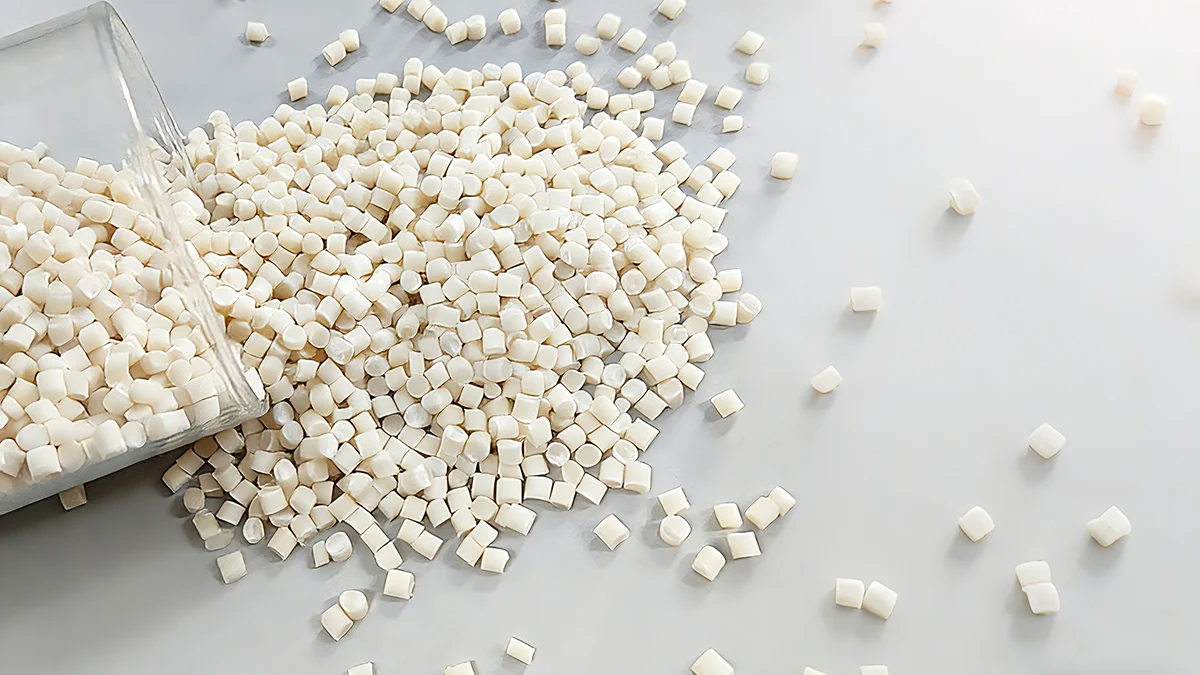
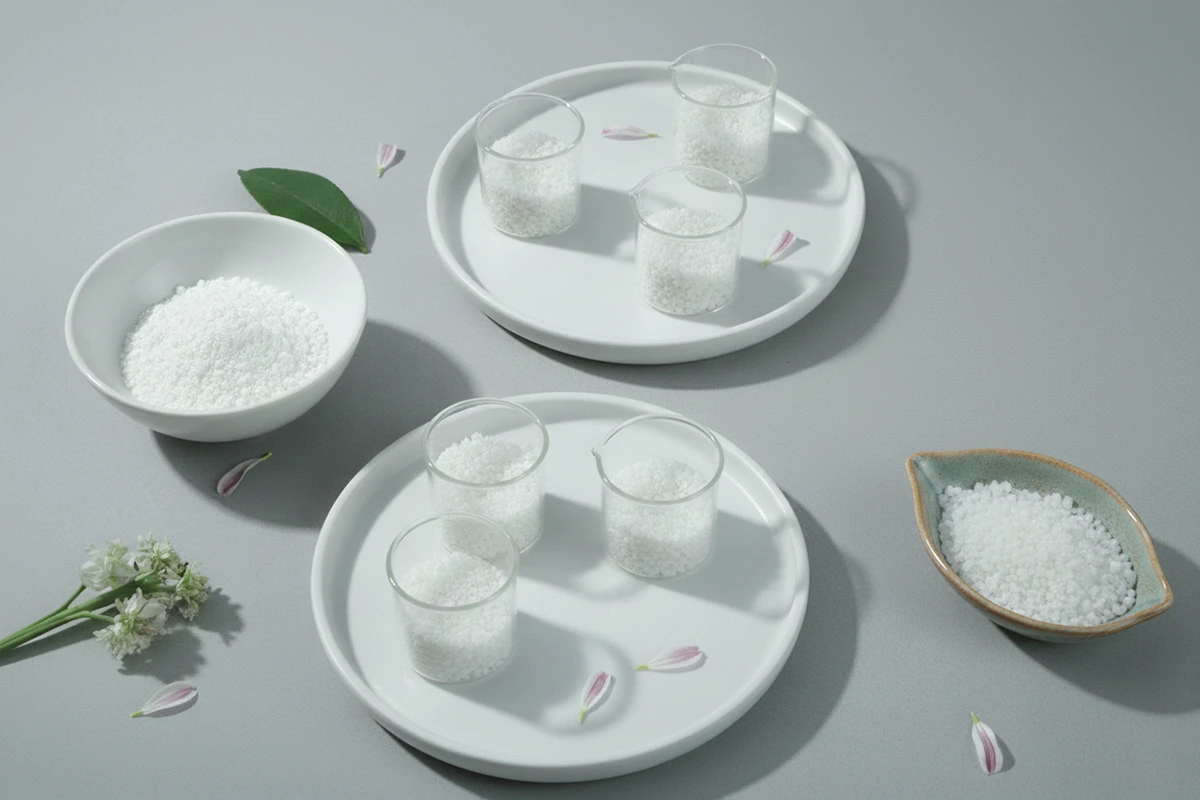
PLA pellets can absorb moisture from surrounding air if stored improperly.
During Extrusion
Moisture affects the extrusion process, leading to inconsistent results.
During Filament Storage
Filament not stored in dry, controlled environments absorbs moisture over time.
How Moisture Affects Properties
1. Molecular Degradation
Hydrolysis: Water breaks down ester bonds, reducing molecular weight.
- Weaker prints prone to failure.
- Poor layer adhesion (weak spots).
- Decreased tensile & impact strength.
2. Flow Stability
Moisture affects Melt Flow Rate (MFR) and viscosity.
- Fluctuating filament diameter.
- Micro-bubbles & surface defects.
- Nozzle clogging due to instability.
3. Post-Print Quality
Even after printing, the damage persists in the object.
- Reduced tensile strength.
- Brittleness (snapping under force).
- Warping and dimensional inaccuracy.
Filament Drying: Necessary But Not Sufficient
Drying PLA filament is a critical step. It prevents further degradation and improves printability by stabilizing extrusion.
Recommended Drying Conditions
* Avoid over-drying to prevent brittleness.
Why Resin Quality Matters More
While drying is vital, the quality of the PLA resin used in filament production plays a more significant role. High-quality resin reduces the need for frequent drying and ensures consistency.
- Stable Moisture Content: Less susceptible to absorption.
- Consistent Molecular Weight: Better resistance to hydrolysis.
- Low Residual Monomer: Fewer impurities for purer performance.
When considering materials for 3D printing, it is essential to weigh both performance and cost. Different materials, like PLA, ABS, and PETG, offer varying benefits and pricing structures. To gain a better understanding of how PLA compares to these other materials in terms of cost, check out our detailed PLA Filament Cost Comparison: PLA vs ABS vs PETG .
Conclusion
Moisture control is essential for optimal 3D printing with PLA filament. While drying is necessary to maintain print quality, it cannot fully compensate for poor-quality PLA resin. To achieve the best possible results, both proper moisture management and high-quality resin selection are crucial.