What Is Polymer Resin?
Ever wondered how plastic products can be both lightweight and strong? The answer lies in polymer resin—a material used in everything from packaging and car parts to medical tools.
In plastic manufacturing, terms like resin, polymer, and plastic often get mixed up. While they’re closely related, they’re not exactly the same. For those new to injection molding or plastic production, it’s important to understand the difference.
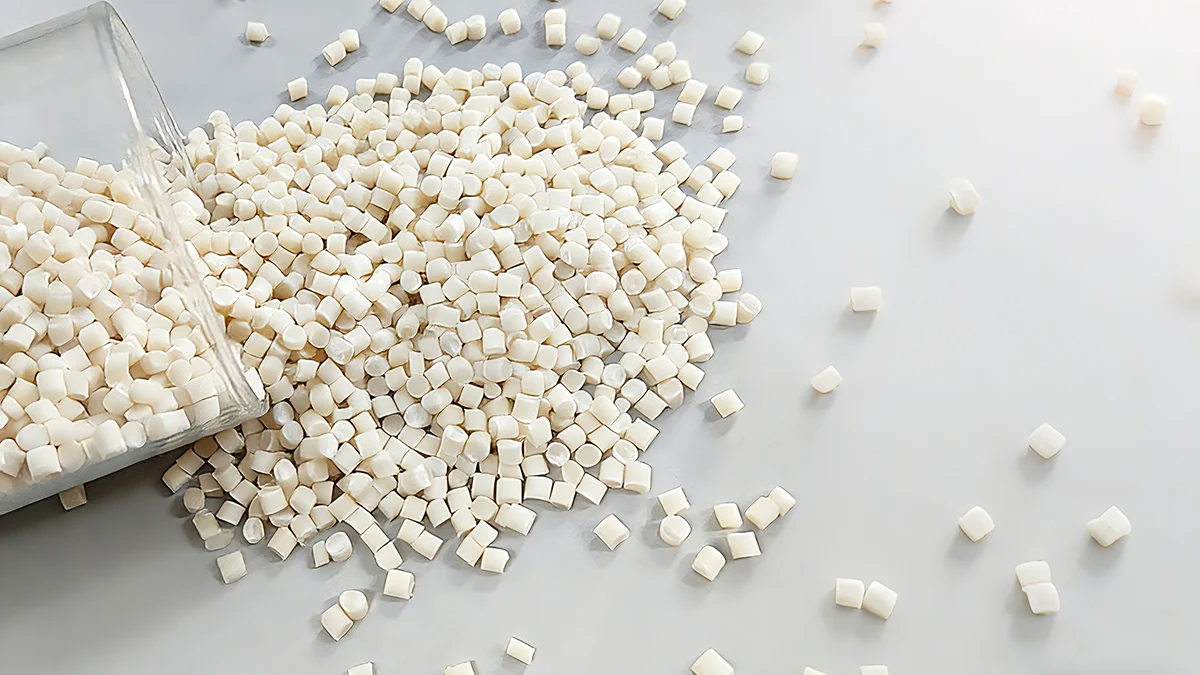
Polymer resin is the raw material used to create most plastic products. It usually starts as a thick liquid that hardens under heat or pressure. In factories, it’s processed into polymer granules—small pellets that melt easily and ensure consistent quality. These plastic granules, supplied by distributors like Sales Plastics, help make production faster and more efficient.
Types of Polymer Resin
Polymer resin is central to plastic manufacturing, acting as a synthetic resin that enhances the performance of countless products. These resins are generally classified into thermoplastics and thermosets, each with distinct properties suited to different applications. Understanding the various types of resin enables engineers and manufacturers to select the most appropriate material for specific uses.
- Thermoplastics soften when heated and can be reshaped multiple times. Common in packaging, consumer goods, and automotive parts.
- Thermosets harden permanently after curing. They offer high strength and are ideal for long-lasting, heat-resistant components.
Common Resin Types
Polymer resins come in different types, each with unique features that make them perfect for specific jobs. Whether you’re crafting signs, building electronics, or creating sturdy construction materials, there’s a resin for that! Here’s a friendly breakdown of three popular resin types, their applications, and what makes them stand out.
- Acrylic Resin: This resin is a star for creating eye-catching signs and tough surface coatings. It’s crystal clear, stands up to harsh UV rays, and holds up beautifully in all kinds of weather, making it a go-to for outdoor projects.
- Epoxy Resin: Need something super strong? Epoxy resin is your pick for adhesives and electronics. It’s known for its incredible strength and resistance to chemicals, making it perfect for heavy-duty applications where durability is key.
- Polyester Resin: Used in fiberglass and construction materials, polyester resin is a budget-friendly champ. It’s strong, easy to mold, and works like a charm for projects that need both toughness and flexibility.
How Is Polymer Resin Made?
The production of polymer resin starts with raw materials—usually derived from crude oil or natural gas. These are processed through polymerisation to create the resin structure.
Key Raw Materials
| Material | Source | Role in Production |
|---|---|---|
| Crude Oil | Natural resource | Provides base hydrocarbons |
| Naphtha | From crude oil | Main feedstock for thermoplastics |
| Ethylene | Refined from naphtha | Used in polyethylene and other polymers |
| Propylene | Petroleum derivative | Key for polypropylene |
Polymerisation Methods
- Addition Polymerisation: Monomers link without by-products. Used for polyethylene, polystyrene, etc.
- Condensation Polymerisation: Releases small molecules like water. Used for polyesters, nylons, etc.
These methods allow manufacturers to create a wide variety of plastics with specific traits for different industries.

Engineering and Industrial Applications
Polymer resin applications are found in many industries. They are valued for their versatility. They meet the need for durable, flexible, and lightweight materials in key sectors. This section looks at their use in the automotive, construction, medical, and packaging industries.
Automotive Industry
In the car world, polymer resins are crucial. They help make many car parts. Here are some examples:
- Seat belts that are safe but don’t weigh much.
- Dashboards that are tough and look good.
- Outer body panels that make cars more fuel-efficient.
These uses improve car performance and make drivers happy.
Construction Industry
The building world uses polymer resins for lasting materials. They are key in making:
- Weather-resistant window frames.
- Floors that can handle lots of people.
- Roofing tiles that keep buildings safe and warm.
Using polymers makes buildings stronger and more energy-efficient.
Dental and Medical Uses
In medicine, polymer resins are vital. They help make dental and medical items. Here’s how:
- Dental implants that need to be precise and reliable.
- Surgical tools that must be clean and safe.
They help keep patients safe and support medical progress.
Polymer Resin in Packaging Industry
The packaging world relies on polymer resins for strong solutions. They offer:
- Strong packaging that keeps products safe.
- Flexible materials that fit different shapes and sizes.

Where to Buy Polymer Resins
If you’re sourcing plastic materials, finding reliable suppliers is essential. There’s a growing network of companies offering plastic granules and resins that meet industry standards.
Distributors like Sales Plastics provide a wide range of thermoplastic and thermoset materials, helping manufacturers streamline production and maintain quality. Comparing supplier options can also improve cost-efficiency and give you a competitive edge.
FAQ: Polymer Resin Basics
What is polymer resin used for?
It’s used to make plastic parts for industries like automotive, construction, packaging, and healthcare.
What types of polymer resins exist?
Main types are thermoplastics (can be reshaped with heat) and thermosets (permanently set after curing).
How is polymer resin produced?
From oil-based raw materials like naphtha, through polymerisation techniques such as addition or condensation reactions.
Can polymer resin be used in the medical field?
Yes. It’s used in implants, tools, and devices because of its strength, safety, and sterilizability.
What are polymer granules?
They’re the pellet form of resin used in injection molding and other manufacturing processes.
Are there resin suppliers in Mauritius?
Yes. Many local suppliers offer quality plastic raw materials for a wide range of industrial needs.
We hope this guide helped make a complex topic a bit easier to understand—and showed just how important polymer resins are in today’s world.
Have questions or need help choosing the right polymer resin?
Feel free to reach out at jerry@salesplastics.com, or click here to learn more about Sales Plastics.