Nylon, a robust polyamide, is a fundamental material in modern manufacturing due to its exceptional strength, durability, and thermal stability. For manufacturers and distributors sourcing plastic pellets, understanding nylon’s properties, especially its melting point, is critical for effective processing and product reliability. This guide provides technical decision-makers with precise insights for material selection and process optimization.
Understanding Nylon: Properties, Types, and Composition
Nylon, a synthetic polyamide, is a polymer defined by amide (-CONH-) bonds. Invented by DuPont in the 1930s, it offers exceptional tensile strength, flexibility, and abrasion resistance, making it suitable for high-performance applications. Nylon boasts a high strength-to-weight ratio, excellent chemical resistance, and thermal stability.
Produced via condensation polymerization, nylon typically combines diamines with dicarboxylic acids or uses lactams. It is supplied as plastic pellets, a key raw material for injection molding, extrusion, and compounding.
Types of Nylon Pellets
Nylon pellets come in various grades for specific performance needs. The two primary types, Nylon 6 and Nylon 6,6, differ in molecular structure, mechanical properties, and thermal characteristics. Specialty grades offer expanded utility.
- Nylon 6 (PA6): Derived from caprolactam, this grade offers excellent flexibility and toughness. Its melting point is approximately 220°C (428°F). It is cost-effective and easy to process, suitable for applications requiring moderate thermal resistance and good impact strength, such as automotive components and consumer goods .
- Nylon 6,6 (PA66): Formed from hexamethylenediamine and adipic acid, Nylon 6,6 provides superior tensile strength and thermal stability, with a melting point of around 260°C (500°F). Its enhanced heat resistance makes it ideal for high-temperature environments, such as under-hood automotive parts and industrial machinery components .
- Specialty Grades: These include reinforced nylons, often filled with glass or carbon fibers, offering improved stiffness and strength. They cater to niche applications like aerospace components and high-performance engineering parts. Other grades like Nylon 11 and Nylon 12 offer better water absorption resistance, while Nylon 46 provides the highest operating temperature.
Comparison: Nylon 6 vs. Nylon 6,6

Nylon 6 balances cost and processability for general-purpose applications, while Nylon 6,6’s higher melting point and strength suit it for demanding conditions requiring enhanced durability and thermal resistance. This choice involves balancing material and processing costs against performance and reliability, especially to prevent premature part failure.
| Property | Nylon 6 (PA6) | Nylon 6,6 (PA66) |
| Melting Point | Approx. 220°C (428°F) | Approx. 260°C (500°F) |
| Derivation | Caprolactam | Hexamethylenediamine + Adipic Acid |
| Key Mechanical Properties | Excellent flexibility and toughness | Superior tensile strength and thermal stability |
| Ease of Processing | Easier processing | More challenging due to higher processing temperatures |
| Cost-Effectiveness | More cost-effective | Higher cost |
| Typical Applications | Automotive components, consumer goods | Under-hood automotive parts, industrial machinery |
Nylon’s Critical Thermal Properties: Melting Point and Beyond
Nylon’s melting point, the temperature at which it transitions from solid to molten, is crucial for manufacturing processes like injection molding and extrusion.
- Nylon 6 (PA6): 215–225°C (419–437°F).
- Nylon 6,6 (PA66): 255–265°C (491–509°F).
Differential Scanning Calorimetry (DSC) is used to precisely determine these temperatures.
Factors Influencing Thermal Behavior
- Moisture Content: Nylon is hygroscopic and absorbs water, which acts as a plasticizer, reducing the effective melting point. Excess moisture can also cause hydrolysis during melting, leading to bubbles, voids, or reduced mechanical properties.
- Additives: Reinforcements like glass fibers can enhance heat resistance but do not significantly alter the melting point.
- Molecular Weight: Higher molecular weight grades exhibit slightly elevated melting points due to increased chain entanglement.
Understanding Softening, Glass Transition Temperature (Tg), and Thermal Degradation
Nylon’s thermal behavior involves several critical benchmarks:
- Softening Point: Nylon begins to soften below its melting point (e.g., ~180–190°C for Nylon 6).
- Glass Transition Temperature (Tg): This is where mechanical properties change significantly. For dry Nylon 6, Tg is typically 40–60°C (104–140°F). For Nylon 6,6, it ranges from 65 to 90°C. Moisture can lower the Tg.
- Thermal Degradation: Occurs above ~300°C (572°F), irreversibly damaging the material and releasing toxic fumes like ammonia, carbon monoxide, and hydrogen cyanide. This also compromises mechanical properties, leading to embrittlement and discoloration.
- Hydrolysis: Prolonged contact with water or humidity can chemically cleave polymer chains, decreasing molecular weight and reducing mechanical properties. This is a critical degradation pathway, not just a processing issue.
| Property | Nylon 6 (PA6) | Nylon 6,6 (PA66) |
| Melting Point Range | 215–225°C (419–437°F) | 255–265°C (491–509°F) |
| Glass Transition Temperature (Tg) Range | 40–60°C (104–140°F) (dry) | 65–90°C (dry) |
| Softening Point (Approx.) | ~180–190°C | ~200–210°C (estimated, below melting point) |
| Continuous Service Temperature (Standard Grades) | 80–120°C (176–248°F) | 80–120°C (176–248°F) |
| Continuous Service Temperature (Reinforced Grades) | Up to 200°C (392°F) | Up to 200°C (392°F) |
| Degradation Temperature (Approx.) | Above 300°C (572°F) | Above 300°C (572°F) |
Why Melting Point Matters
Nylon’s melting point is critical for processing, part quality, and material selection. It dictates flow during molding, end-use temperature resistance, and safety protocols.
- Processing Accuracy: Precise temperature control ensures optimal material flow and part integrity, reducing defects.
- Application Compatibility: For high-temperature components (e.g., automotive engine parts), higher melting point nylons like Nylon 6,6 are essential for durability .
- Quality Control: Incorrect temperature settings cause defects like voids or dimensional inaccuracies, compromising reliability.
- Safety Considerations: Exceeding degradation temperature releases hazardous emissions, posing safety risks.
A holistic understanding of all thermal benchmarks (melting point, softening point, Tg, and degradation temperature) is crucial for both safe processing and reliable design. Functional performance is often limited by continuous service temperature or Tg, not just the melting point.
Key Applications of Nylon Pellets Across Industries
Nylon pellets are essential for components demanding strength, heat resistance, and durability. Their properties, including low friction, electrical insulation, and enhanced stiffness in glass-filled variants, make them ideal for high-performance manufacturing.
Versatility of Nylon
Nylon’s adaptability allows it to be molded into complex shapes and tailored for specific performance requirements across various industrial contexts.
Sector-Specific Applications
- Automotive: Nylon’s strength-to-weight ratio and heat resistance make it suitable for gears, bearings, and under-hood parts like intake manifolds and radiator end tanks. It’s increasingly replacing metals for lightweighting and in electric battery packs for EVs.
- Industrial: Components like bushings, rollers, and conveyor belt guides rely on nylon’s low friction and wear resistance for consistent performance in heavy-duty equipment.
- Consumer Goods: Nylon’s electrical insulation and durability are critical for electrical housings, connectors, and casings in products like power tools and kitchen appliances. It’s also widely used in sports equipment.
- Specialized Applications: Glass-filled nylon provides superior stiffness and strength for structural components in aerospace and construction. Nano-scale adoption is also emerging in medical devices and electronics.

The widespread adoption of polyamides is driven by the automotive industry’s push for lightweighting and electrification, and the rising demand for durable components in consumer electronics.
Nylon Processing: Best Practices
Consistent results in nylon processing depend on precise control of temperature, moisture content, and molding conditions. Deviations can lead to defects or reduced mechanical performance.
Importance of Precise Control
Achieving high-quality nylon components requires meticulous attention to every processing stage to minimize defects and ensure optimal performance.
Key Processing Parameters
Barrel Temperature Settings:
- Nylon 6 (PA6): Maintain 230°C to 250°C. Lower settings cause incomplete melting; higher settings cause thermal degradation.
- Nylon 6,6 (PA66): Requires 270°C to 290°C for proper melt flow and part integrity.

Moisture Control:
- Criticality: Nylon rapidly absorbs moisture.
- Best Practice: Dry pellets to below 0.2% moisture content before processing.
- Consequences: Excess moisture causes hydrolysis during melting, leading to bubbles, voids, or reduced mechanical properties.
Mold Design Considerations:
- Wall Thickness: Uniform wall thickness promotes balanced flow and cooling, preventing defects like flow lines and sink marks.
- Venting: Adequate venting prevents burn marks, trapped gas, or short shots.
- Gate Placement: Strategic gate placement can mitigate defects like flow lines and jetting.
Cooling and Cycle Control:
- Controlled Cooling: Slower cooling reduces internal stress and warping.
- Avoid Sharp Drops: Prevent uneven shrinkage by avoiding abrupt temperature drops in the mold.
Safety and Handling
Strict safety protocols are essential when processing nylon to protect personnel and ensure final part integrity. Primary risks involve thermal degradation and moisture contamination.
Key Safety Protocols
- Overheating and Degradation: Avoid temperatures above 300°C (572°F). This causes thermal degradation, releasing toxic fumes like carbon monoxide, ammonia, and hydrogen cyanide, and damaging mechanical properties.
- Ventilation: Use Local Exhaust Ventilation (LEV) directly at the machine to capture and remove hazardous fumes.
- Storage and Moisture Control: Store pellets in sealed, dry containers. Processing moist nylon causes hydrolysis, leading to defects and reduced strength.
- Personal Protective Equipment (PPE): Mandate heat-resistant gloves and safety glasses. Where fume exposure is a risk, appropriate respiratory protection for ammonia and organic vapors is required.

Comparison with Other Engineering Plastics
Understanding nylon’s properties relative to other engineering plastics is crucial for informed material selection, balancing performance, cost, and application demands.
Nylon offers a balance of mechanical properties and cost, making it versatile. It’s a cost-effective alternative where high-end polymers like PEEK are unnecessary, but basic commodity plastics are insufficient. However, its limitations (e.g., water absorption, UV degradation without additives) require careful management.
| Material | Distinctive Qualities | Max Service Temp (°C) | Key Chemical Resistance | UV Resistance | Cost | Typical Applications |
|---|---|---|---|---|---|---|
| Nylon (PA) | Tough, abrasion & fatigue resistant, high strength-to-weight | 150 (std)200 (reinforced) | Good with fuels/oils; poor with strong acids/bases; absorbs water | Needs stabilization for outdoor use | Moderate | Automotive gears, under-hood parts, bushings, housings |
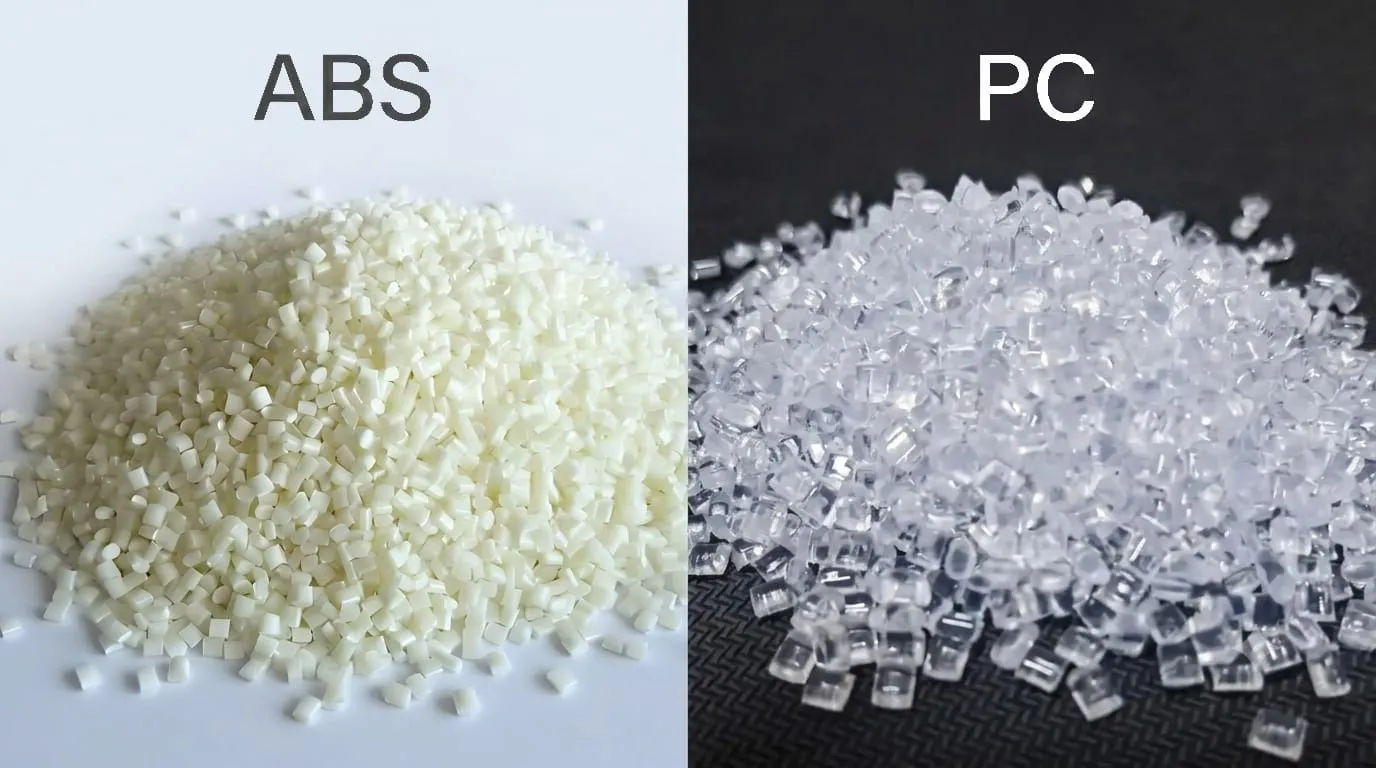
| Polycarbonate (PC) | Strong, transparent, high impact resistance | ~135 | Good with acids/bases; sensitive to solvents | Needs coatings/stabilizers | Moderate | Headlamp lenses, housings, guards, glazing |
| ABS | Impact resistant, tough at low temps | ~100 | Resistant to water-based acids/alkalis; poor with solvents | Needs stabilization for outdoor use | Affordable | Automotive interiors, appliances, electronics |
| PEEK | High-temp strength, excellent chemical resistance | ~250 | Resistant to solvents, acids, bases | Naturally UV resistant | High | Aerospace, medical, high-performance electronics |
| Polypropylene (PP) | Lightweight, chemical & moisture resistant, good fatigue resistance | ~130 | Excellent with most acids/bases | Needs stabilizers for outdoor use | Lowest | Chemical tanks, plumbing, automotive, packaging |
Why Choose Salesplastics for Nylon Pellets
Salesplastics is your direct source for high-performance Nylon 6 and Nylon 6,6 pellets. We support manufacturers with a straightforward approach focused on quality materials, supply reliability, and essential technical support.
- Focused PA6 & PA66 Supply: We specialize in providing prime-quality Nylon 6 and Nylon 6,6 pellets, ensuring you receive consistent, high-grade material for your specific applications.
- Reliable, On-Time Delivery: Our logistics are structured to maintain your production schedules. Count on us for dependable supply and competitive, transparent pricing.
- Direct Technical Support: When you have questions about processing or material properties, our team provides clear, practical guidance to help you achieve the best results.
- Contact Us: Reach out to our team for technical data, a competitive quote, or to discuss your PA6 and PA66 requirements.
You can email us at jerry@salesplastics.com or call +8618657312116. We’re here to help.
FAQS
A:The melting point varies by grade. Nylon 6 (PA6) melts at approximately 220°C (428°F), while Nylon 6,6 (PA66) melts at a higher temperature of around 260°C (500°F).
A:This is much lower than the melting point. For standard grades, the continuous service temperature is typically 80-120°C (176-248°F). Glass-reinforced grades can often withstand up to 200°C (392°F). Always check the material’s technical datasheet (TDS).
A:Nylon begins to soften and lose rigidity at its glass transition temperature (Tg), which is typically between 40°C and 60°C (104°F and 140°F) for dry nylon.
A:It melts first, turning into a liquid for processing. It will only burn (thermally degrade) if overheated well above its melting point, typically above 300°C (572°F), which damages the material and releases fumes.
A:The melting point of Nylon 6 (PA6) is approximately 220°C (428°F).
A:The melting point of Nylon 6,6 (PA66) is approximately 260°C (500°F).
A:In continuous use, standard nylon can withstand temperatures of 80-120°C (176-248°F). Reinforced grades can often handle up to 200°C (392°F).
A:Yes, polyamide (nylon) is considered heat resistant for most engineering applications. Its ability to maintain structural integrity at elevated temperatures, especially in reinforced grades, is a key reason for its wide use.
A:Yes, please see this article Nylon vs Polyester: Which Material is Best for Your Needs?