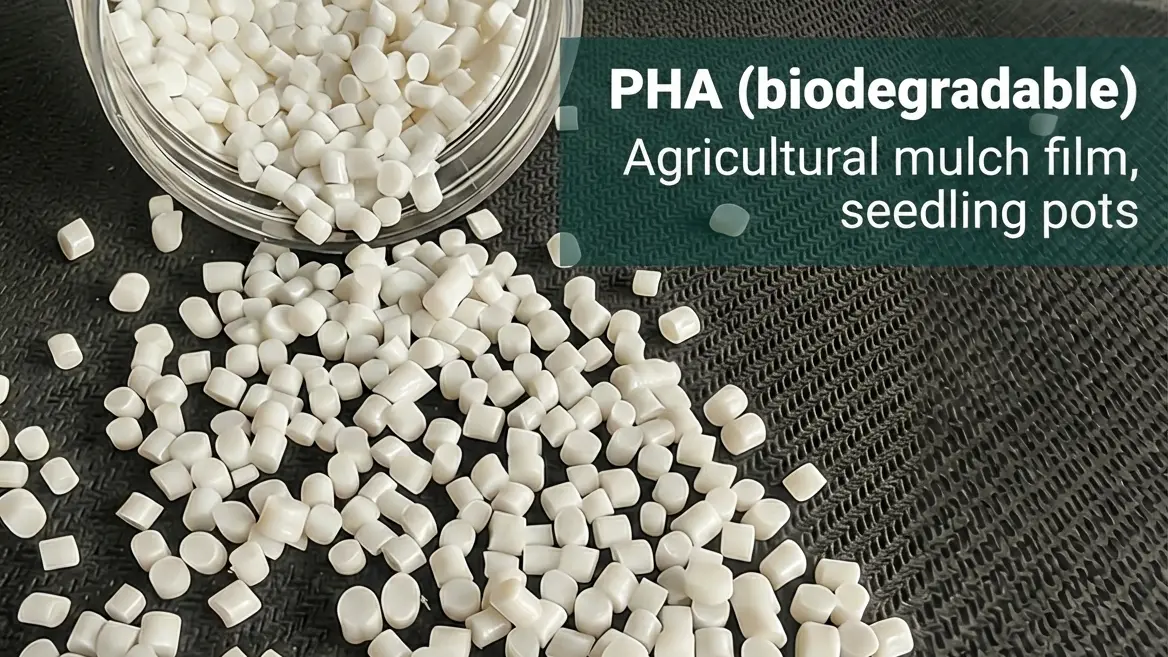
The transition toward sustainable manufacturing has firmly established Polylactic Acid (PLA) and Polyhydroxyalkanoates (PHA) as critical materials in the polymer supply chain. However, for process engineers and procurement specialists, the challenge extends beyond polymer chemistry to physical morphology.
The specification of feedstock form—granules (pellets) versus powder—is a fundamental engineering decision. This choice dictates processing rheology, thermal history, and the economic viability of the production line. While granules offer the bulk density required for high-throughput extrusion, powders provide the specific surface area necessary for rapid kinetics and specialized dispersion.
This analysis compares the engineering characteristics of PLA and PHA in both forms, establishing technical criteria for optimal feedstock selection based on application requirements.
Morphological Basis and Property Comparison
The physical form of PLA and PHA feedstock—granule or powder—imposes foundational constraints and opportunities on downstream processing and final product function. Detailed consideration of these intrinsic differences is essential for material selection.
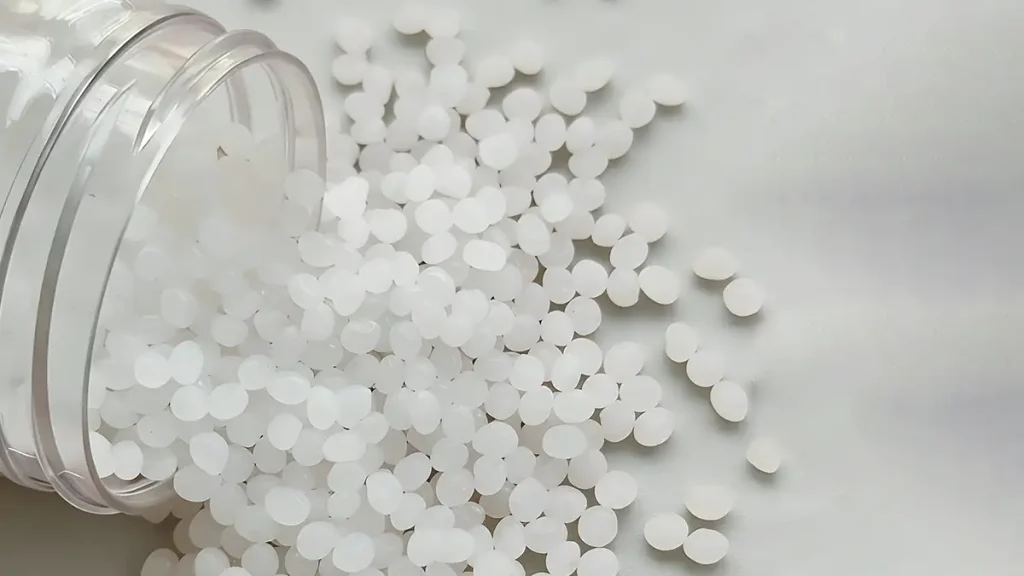
Granule Morphology (Pellets)
Granules constitute the industry-standard feedstock, prized for their uniformity and ease of handling in large-scale operations.
- Production Method: Controlled extrusion and pelletization (die-face or strand cutting).
- Typical Dimensions: Highly uniform, near-cylindrical or spherical particles, generally measuring 2-5 mm in diameter.
- Key Engineering Advantages:
- High Bulk Density: Typically 0.70-0.85 g/cm³, maximizing storage volume and ensuring consistent feeding.
- Excellent Flowability: Enables reliable continuous conveying and precise volumetric metering in standard equipment.
- Low Surface Area: Minimizes moisture uptake (crucial for hygroscopic PLA) and reduces the risk of oxidative degradation during storage.
- Processing Compatibility: Ideal for conventional melt processing (extrusion, injection molding).
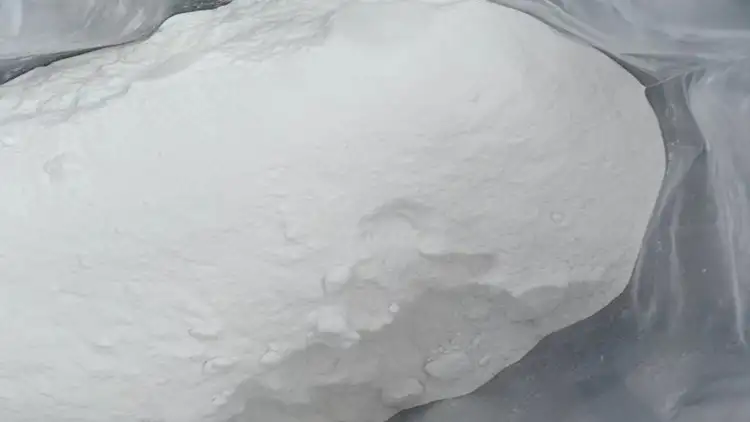
Powder Morphology
Polymer powders are a specialized form, leveraged for applications demanding high surface reactivity and precise blending capabilities.
- Production Method: Specialized techniques like cryogenic grinding, precipitation, or spray drying.
- Typical Dimensions: Irregular, fine particles, usually ranging from 10 to 500 μm.
- Key Engineering Characteristics:
- Extremely High Surface Area: Vital for achieving rapid heat transfer and fast dissolution/degradation kinetics.
- Rapid Dispersion: Facilitates intimate blending for superior homogeneity when incorporating minor additives or fillers.
- Tailored PSD: Critical for advanced manufacturing methods like selective laser sintering (SLS) 3D printing.
- Handling Challenges:
- Low Bulk Density: Typically 0.3-0.5 g/cm³, complicating storage and pneumatic conveying.
- High Sensitivity: Increased surface area results in greater moisture and oxidative sensitivity, requiring stringent handling protocols.
Summary of Performance Comparison
The table below summarizes the key engineering distinctions between the two morphologies, which directly inform material handling and final application suitability.
| Performance Parameter | Granule Form (Standard) | Powder Form (Specialized) | Rationale/Application Impact |
| Typical Production Method | Extrusion/Pelletization | Grinding, Precipitation, Spray Drying | Dictates uniformity and particle shape. |
| Particle Size Range | 2-5mm | 10-500μm | Critical for dissolution and reactivity. |
| Bulk Density | High (0.7-0.85 g/cm³) | Low (0.3-0.5 g/cm³) | Influences storage volume and feed consistency. |
| Mass Flowability | Excellent | Fair to Poor | Essential for reliable, continuous processing. |
| Surface Area/Reactivity | Low | Very High | Governs moisture absorption, oxidation risk, and dispersion kinetics. |
| Dispersion Capability | Good | Exceptional | Required for intimate blending with minor additives/fillers. |
| Processing Compatibility | Conventional Melt Processing | Advanced Techniques (SLS 3D Printing, Coatings) | Defines suitable manufacturing method. |
Traditional Large-Scale Processing: The Dominance of Granules
In conventional polymer processing, the granule (pellet) form of PLA and PHA remains the dominant feedstock. This dominance is driven by the form’s compatibility with high-throughput systems, ensuring operational stability and optimal economics.
Processing Stability and Throughput
Granules are perfectly tailored for the demands of high-volume manufacturing processes, maximizing efficiency and consistency.
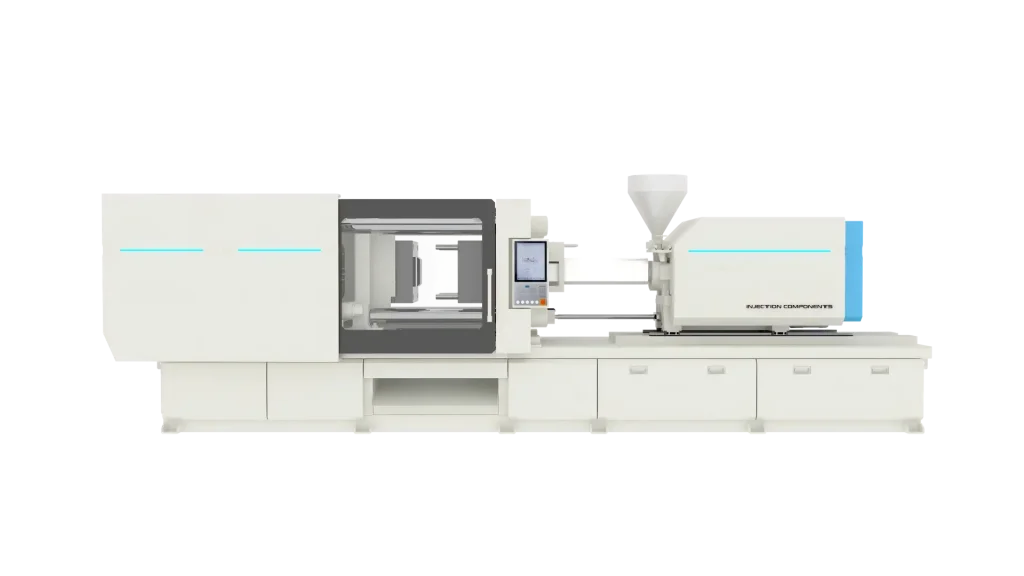
Extrusion and Injection Molding
Uniform pellet dimensions ensure stable, continuous feeding and precise volumetric metering. This reliability is directly linked to high capacity utilization and maximized throughput in large-scale industrial production.
Fine powders are prone to bridging and pulsing, leading to erratic feed rates. Their low bulk density also inherently reduces material output per cycle.
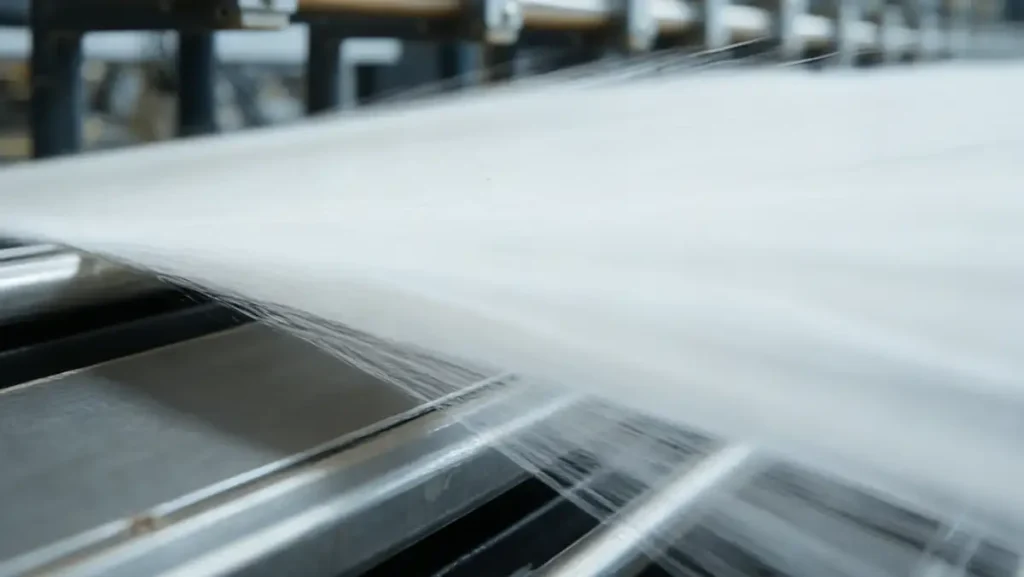
Fiber Spinning
Granules are essential for maintaining a uniform melt viscosity and continuous melt flow. This process stability is fundamental for producing fibers with consistent diameter and predictable mechanical properties.
Cost and Logistics Efficiency
The morphological advantages of granules translate directly into supply chain savings and safety benefits.
- Logistics Efficiency: The high bulk density (0.70-0.85 g/cm³) dramatically optimizes material usage, reducing shipping volume and lowering freight costs.
- Economic Advantage: The energy-efficient pelletization process generally results in a lower overall feedstock cost compared to the specialized grinding methods required for powders.
- Safety: The low-dust nature of pellets significantly reduces airborne particle risks and minimizes the requirement for costly, specialized dust abatement safety protocols.
High-End and Customized Applications: The Unique Advantages of Powder
Powder morphology of PLA and PHA offers distinct advantages in sectors where material performance and precise control over microstructure are paramount, standing in contrast to the granular form. These applications involve high value-added products where optimized function dictates material selection.
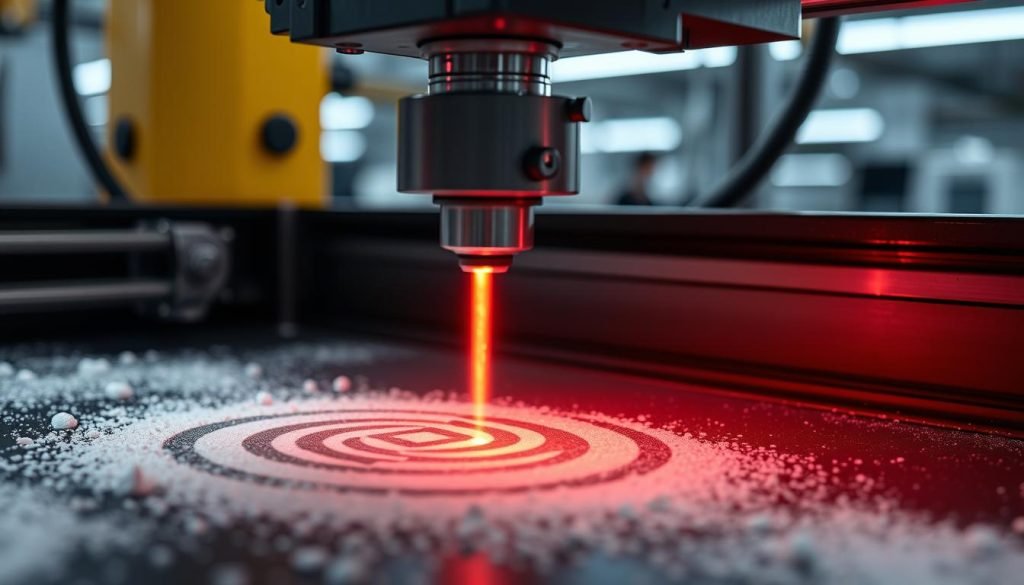
Additive Manufacturing
Advanced manufacturing methods rely heavily on powder forms due to their unique properties. Additive Manufacturing techniques, particularly Selective Laser Sintering (SLS), use fine, controlled polymer powders exclusively. The required tight particle size distribution (PSD) and morphology are essential for optimal powder bed packing density, which directly dictates final part resolution and reduced mechanical anisotropy.
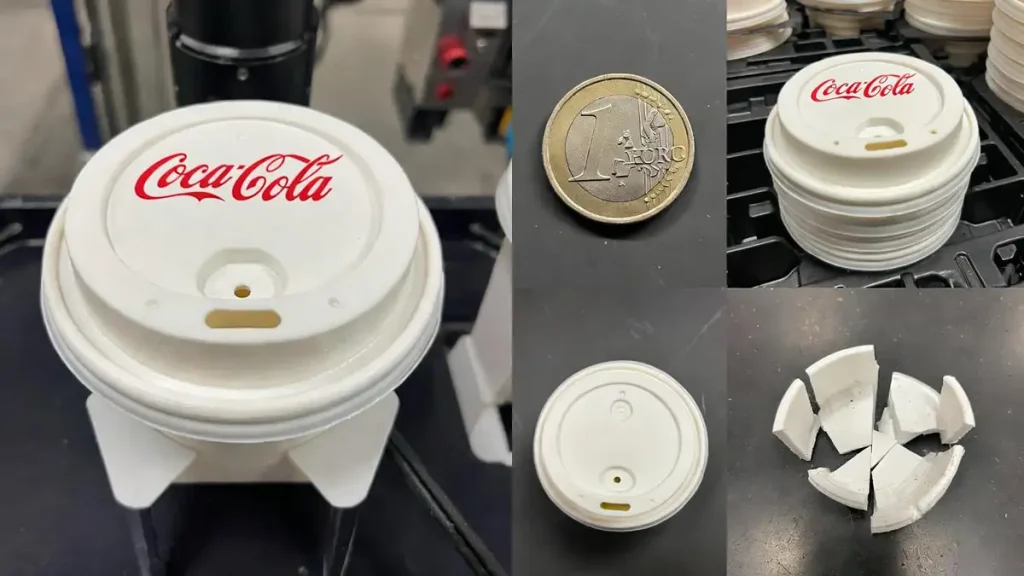
Composite Materials and Blending Modification
Creating high-performance composite materials is another domain where powder characteristics are crucial. The fine particle size facilitates intimate particle-level mixing and superior homogeneous dispersion of reinforcing agents (like nanoparticles or fillers). This enhanced blending is key to achieving improved interfacial adhesion and superior final component properties, a critical advantage over granule-based compounding.
Biomedical Special Applications
The biomedical sector critically utilizes powder’s unique characteristics for controlled material function. Precise control over the powder’s PSD enables exact encapsulation of active ingredients in drug delivery systems, allowing for the tuning of biodegradation rates to achieve specific, predictable drug release kinetics. For tissue engineering scaffolds, powder-based techniques fabricate 3D structures with controlled porosity and interconnectivity, essential for cell infiltration and tissue regeneration. The unique surface reactivity and customizable morphology of powders are non-negotiable requirements in these fields.
Need Help Selecting the Right Material Form?
Our technical team can provide customized recommendations based on your specific application requirements. Contact us for material selection guidance and processing optimization.
Special Considerations for PHA and PLA
Material form choice is heavily influenced by the unique chemical structure and inherent physical properties of PLA and PHA.
Thermal Management of Polyhydroxyalkanoates (PHA)
PHA demonstrates a narrower processing window and higher thermal sensitivity. Powder morphology can be utilized to better protect the polymer’s molecular weight.
Low-Temperature Processing
Powder facilitates intimate particle-level mixing and additive dispersion at lower temperatures than those required to fully melt granules. This minimizes thermal degradation and preserves PHA‘s molecular structure.
Targeted Stabilization
Powder’s high surface area allows for the more effective application of thermal stabilizers directly onto the surface before compounding.
Hygroscopicity and Drying Protocols for PLA
The inherent hygroscopic nature of PLA presents challenges amplified by morphology.
Differential Moisture Uptake
The elevated surface area of PLA powder accelerates moisture absorption compared to denser granules, triggering rapid hydrolytic degradation during processing if not managed.
Drying Requirements
PLA powder demands more stringent environmental controls and specialized drying protocols than granules to reach the necessary low moisture content before melt processing.
Customization and Functionalization
The powder form is superior for developing new materials and fulfilling specialized requirements.
Small-Batch Modification
Powder enables efficient, precise incorporation of performance additives or fillers in small production runs, essential for rapid prototyping and developing application-specific formulations.
Functionalization Efficiency
Powder facilitates superior homogeneous blending for PLA/PHA blends or material functionalization, achieving fine-tuned properties like enhanced impact resistance or controlled biodegradation rates.
Conclusion
The choice between PLA and PHA powder and granule forms constitutes a foundational morphological duality dependent solely on application objectives, not inherent superiority. Granules remain optimal for scale-driven manufacturing (e.g., melt extrusion) due to logistical efficiency and process stability. Conversely, powder morphology is essential for specialized, performance-driven applications (e.g., AM, precise functionalization).
For material scientists and engineers, the selection process requires rigorous analysis. The optimal polymer form must balance three critical vectors: processing window compatibility, cost efficiency, and target performance metrics (e.g., degradation kinetics, dispersion homogeneity).
Further Reading and Technical Resources
Deepen your understanding of biodegradable polymers and optimal material specification:
- Comprehensive Guide to PHA: Interested in the detailed chemistry, applications, and processing of Polyhydroxyalkanoates? Please refer to our comprehensive article: 《A Comprehensive Guide to Polyhydroxyalkanoates (PHA)》.
- PLA Grade Selection: Need assistance in selecting the correct PLA grade for your specific manufacturing process? Review our detailed material guide: 《PLA Material: NatureWorks Injection, Extrusion & Fiber Grades》.