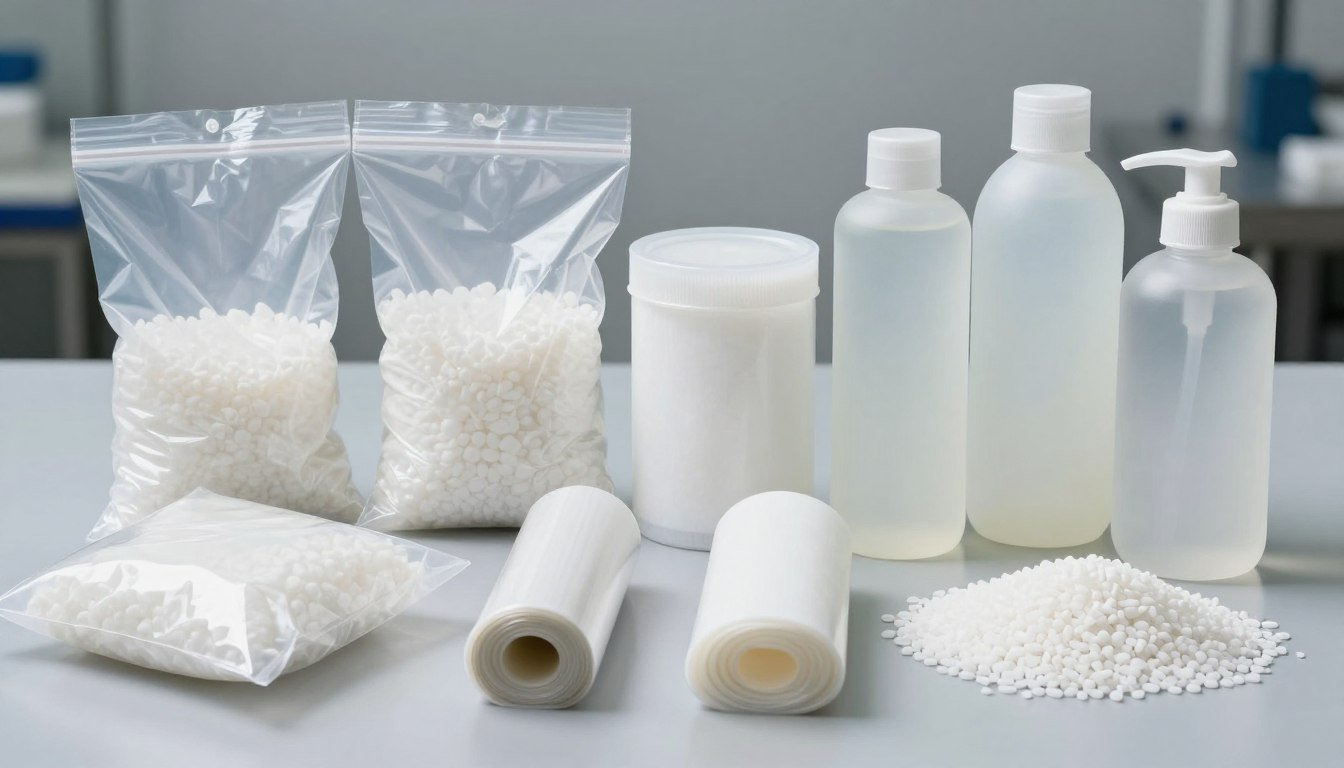
PLA derives from corn starch or sugarcane, while PHA comes from bacterial fermentation of plant-based materials. Their differences in biodegradation and ecological effects become clear when examining real-world conditions beyond controlled settings.
Degradation Processes: Key Variations in Conditions and Speed
● Polylactic Acid (PLA)
- Process: Requires precise environments for effective breakdown. Hydrolysis initiates the process chemically through water exposure, after which microbes convert the material into compost.
- Industrial Composting: Achieves over 90% mineralization within 90 days (meets ASTM D6400 standards) at temperatures above 58–60°C and elevated humidity.
- Natural Environments: Persists longer. In typical soil at ambient temperatures, mass loss reaches only about 16% after 180 days. In aquatic settings like rivers or oceans, degradation extends over years, with potential fragmentation into micro-sized particles during the interim.
- Challenge: This stems from PLA's crystalline structure, which limits microbial access without sufficient heat.
● Polyhydroxyalkanoates (PHA)
- Process: Undergoes enzymatic degradation directly from microbes (bacteria and fungi), yielding water, CO₂, and non-toxic biomass.
- Natural Environments: Occurs across varied settings, from compost piles to natural soils and waters. Degradation rates depend on composition (e.g., PHB or PHBV variants) and local factors.
- Marine Degradation: In marine environments, PHA degrades at 0.04–0.09 mg per day per square centimeter, allowing a standard bottle to mineralize fully in 1.5–3.5 years. Certain formulations reach 80–90% breakdown in weeks.
- Advantage: In soils, 90% degradation often happens within 200 days. PHA resembles natural polyesters like plant cutin, enabling broad microbial recognition.
Simulated Breakdown Speed Comparison
*Visualization based on reported average degradation rates in typical natural environments.
Ecological Effects: Pollution Risks and Lifecycle Considerations
Microplastic Formation
Microplastic formation poses a notable concern. PLA may break into small fragments in uncontrolled environments before complete hydrolysis, temporarily contributing to pollution in soils and waters.
PHA mineralizes without such residues, aligning with natural degradation patterns and reducing harm to ecosystems.
Lifecycle CO₂ Equivalent
Lifecycle analyses indicate both materials emit less CO₂ than fossil-based plastics. PLA at approximately 1.63 kg CO₂ equivalent per kg from production start to factory output.
PHA often shows a smaller footprint when including end-of-life stages, due to its ability to degrade naturally without additional processing.
Lifecycle CO₂ Equivalence
Fossil Plastic
PLA (1.63 kg/kg)
PHA (Lower)
Studies from 2024–2025 emphasize PHA’s advantages in limiting persistent contaminants in marine and terrestrial systems. PHA breakdown can also support soil microbial communities and nutrient recycling.
PLA's reliance on crop cultivation can elevate impacts like land conversion and nutrient enrichment in water bodies. For PLA, disposal without proper infrastructure mirrors issues seen with non-biodegradable plastics.
Applications and Future Outlook
PLA Best Fit
PLA fits applications with access to composting systems, like single-use packaging, where its clarity and lower cost provide practical benefits.
- Single-use packaging
- Items with established industrial composting access
PHA Best Fit
PHA suits items likely to enter natural environments, such as agricultural films or marine gear, given its reliable degradation and minimal pollution risk.
- Agricultural films
- Marine gear and products
Composites and Future: Composites of PLA and PHA can combine strengths, enhancing overall performance and breakdown efficiency. As PHA manufacturing expands, its adoption may increase, supported by ongoing refinements in production scalability. For contexts prioritizing reduced ecological persistence, PHA offers clearer advantages. In systems with established composting, PLA serves effectively as an interim solution. Both advance sustainability when matched to appropriate uses.
If you're evaluating these materials for product development, including technical properties and practical decision-making, see our related article:PLA vs PHA: Choosing the Right Bioplastic for Sustainable Products.