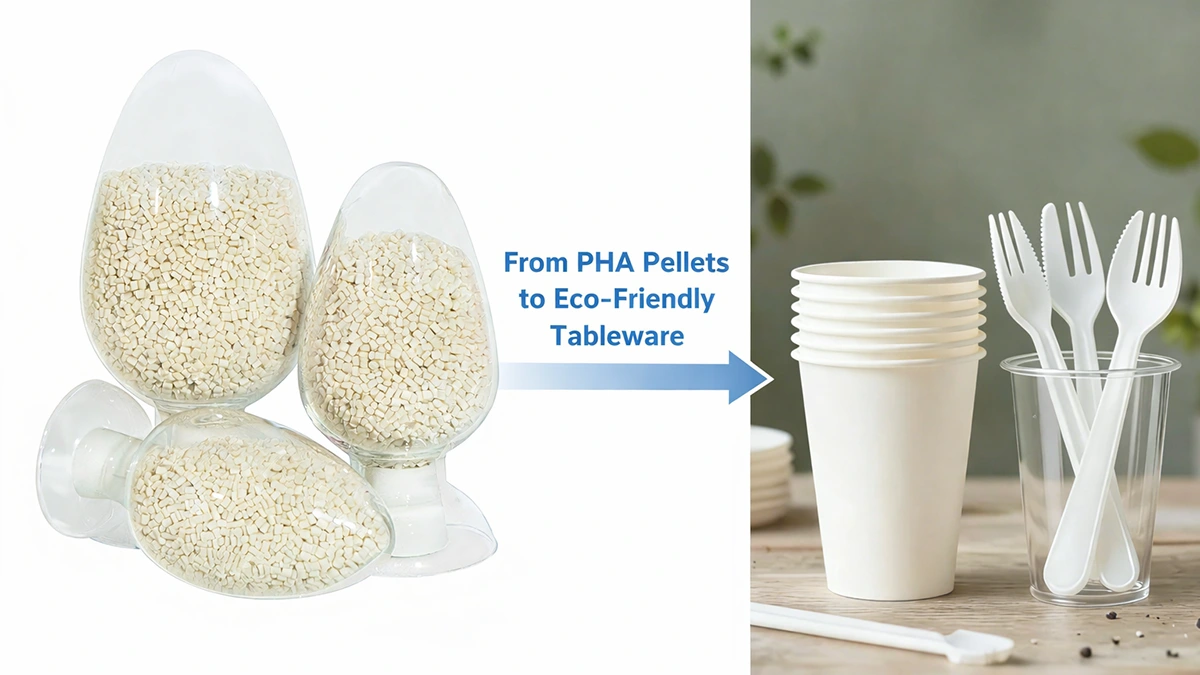
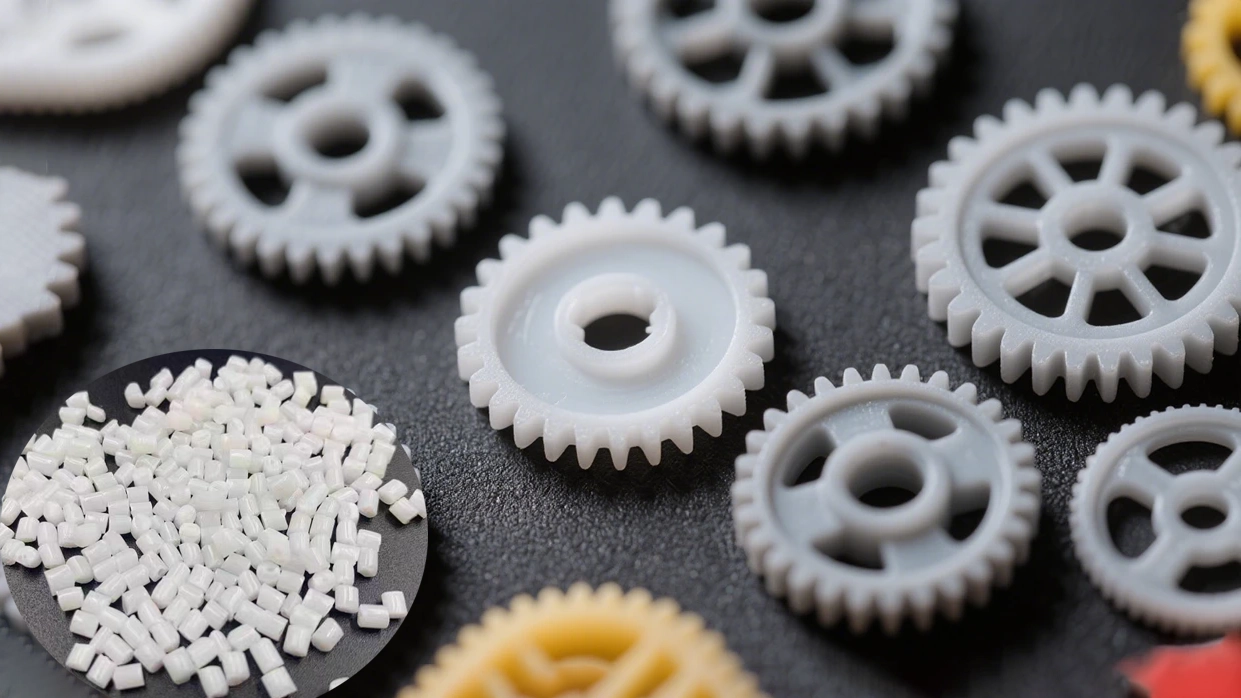
As biodegradable polymers enter industrial production, technical performance influences material decisions alongside environmental considerations.ional reliability and compatibility with existing equipment are the primary deciders for industrial success.
Mechanical Properties
Mechanical characteristics define how a material responds to tension, bending, and impact.
- PLA: High stiffness and tensile strength; ideal for rigid structures but susceptible to brittleness.
- PHA: Improved elongation and toughness; consistent performance in flexible films under dynamic stress.
- Starch-based: Broad performance spectrum depending heavily on plasticizers and blend ratios.
Heat Resistance & Thermal Stability
Thermal behavior frequently defines the practical boundaries of biodegradable polymers in outdoor or industrial settings.
While PLA may soften at moderate temperatures, PHA often maintains higher structural stability. Starch-based formulations typically require reinforcement to enhance dimensional stability.
Barrier Properties in Packaging
Critical for oxygen and moisture control in food, cosmetic, and medical applications.
Processing & Melt Flow
Compatibility with existing machinery determines the feasibility of material substitution.
- Melt Flow Index (MFI): Practical indicator of flow behavior.
- Degradation Control: Managing thermal exposure to avoid discoloration.
- PLA: Stable flow but requires controlled drying.
Bioplastics vs. Conventional Plastics: Matrix Perspective
| Feature | Conventional (PP/PET) | Bioplastics (PLA/PHA) |
|---|---|---|
| Thermal Resistance | High / Superior | Application-specific / Moderate |
| Long-term Durability | Excellent | Designed for end-of-life options |
| Renewability | Low (Petrochemical) | High (Bio-based) |
| Processing Stability | Very Stable | Requires specific thermal windows |
"Viewing these characteristics collectively rather than individually enables more realistic decision-making."
Engineering Integration
In practical engineering contexts, biodegradable polymers function less as universal replacements and more as application-specific materials with distinct technical profiles. When mechanical response, thermal tolerance, and barrier performance are evaluated through structured comparison, material selection becomes a data-guided process that supports both functional performance and sustainability objectives.