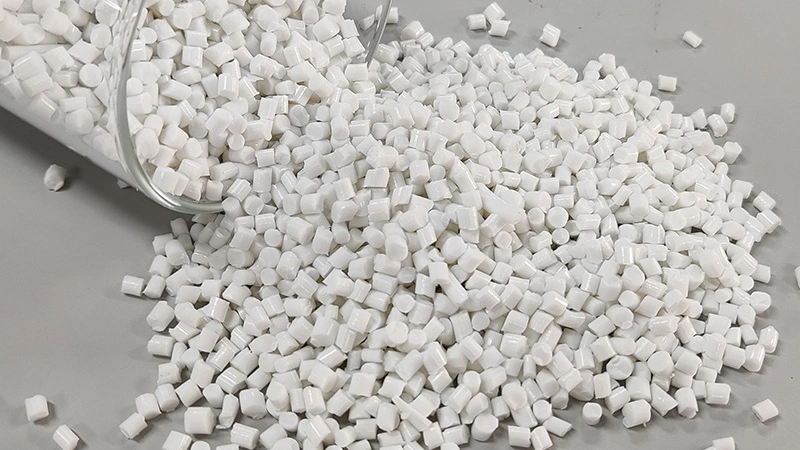
Polylactic Acid (PLA) has emerged as the premier bio-based and biodegradable polymer, offering brands a powerful tool to meet carbon neutrality goals and regulatory requirements. For converters, PLA provides a versatile, compostable alternative to fossil-based plastics. However, transitioning from conventional resins to neat PLA often reveals significant functional hurdles. In its unmodified state, PLA’s inherent brittleness, low heat deflection temperature (HDT), and narrow processing window can lead to high scrap rates and limited application range.
To unlock the full potential of bioplastics, targeted modification is essential. By strategically blending PLA with complementary polymers—such as PBAT for flexibility, PBS for thermal stability, or Thermoplastic Starch (TPS) for cost-efficiency—engineers can fine-tune mechanical properties without sacrificing compostability. These hybrid formulations expand PLA’s footprint from simple packaging to high-performance industrial components.
Understanding PLA's Strengths and Weaknesses
Polylactic Acid (PLA) is the most commercially viable bio-based and industrially compostable thermoplastic available today. While its sustainability profile—derived from renewable plant sugars with a significantly lower carbon footprint than PET—is its primary draw, successful industrial adoption requires a clear-eyed understanding of its performance boundaries.
PLA Strengths
- EN 13432 & ASTM D6400 certified for global compostability compliance.
- High optical clarity comparable to PET and PS for premium retail packaging.
- Superior stiffness and tensile strength for stackable, thin-walled structural designs.
PLA Limitations
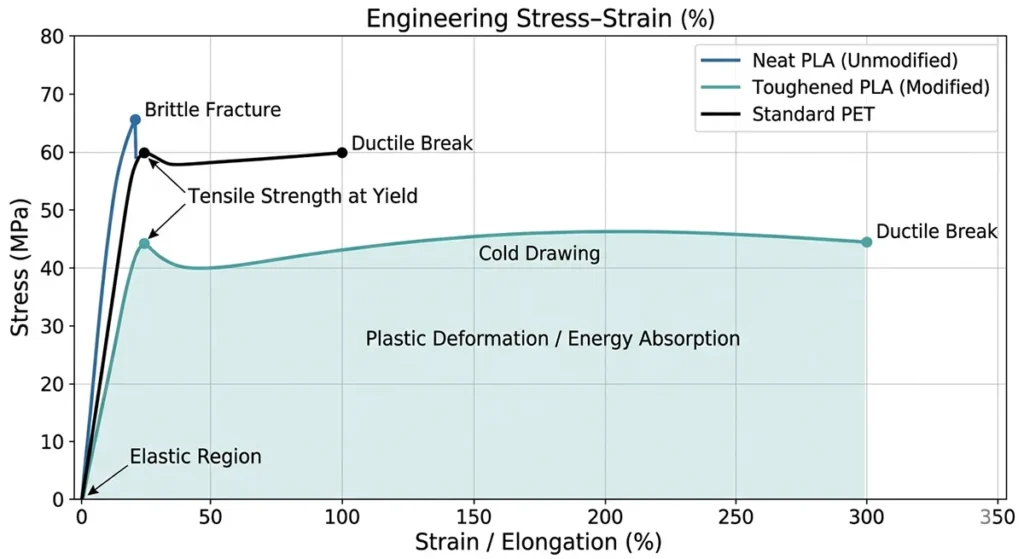
- High brittleness with only 2%–10% elongation, causing cracks in shipping and transit.
- Low thermal stability (Tg ~60°C) leading to deformation in hot-fill or summer logistics.
- Slow crystallization which extends injection molding cycle times and increases unit costs.
- Poor tear resistance in film applications, unsuitable for heavy-duty or stretch wraps.
Key PLA Modification Strategies
Materials engineers and converters utilize a strategic “toolbox” of modification approaches to bridge the gap between neat Polylactic Acid (PLA) and industrial performance targets. Through advanced PLA compounding, we integrate specific functional additives to fine-tune mechanical properties while maintaining regulatory compliance (e.g., FDA/FCM).
To Improve Flexibility & Toughness (Polymer Blending)
We engineer a high-performance PLA blend by alloying the resin with PBAT or PBS to transform it from brittle to ductile.
- The Result: Elongation at break shifts from 5% to 300%+.
- Best for: Flexible films, shopping bags, and high-impact housings.
- Technical Edge: We use Reactive Compatibilizers to prevent delamination and ensure optical clarity.
To Boost Heat Resistance & Speed Up Production (Nucleating Agents)
Unmodified PLA cools slowly. By adding specialized nucleators (1–5 wt%), we “program” the material to crystallize faster.
- The Benefit: 30% faster cycle times and significantly higher HDT (Heat Deflection Temperature).
- Best for: Microwaveable containers and hot-fill packaging.
To Enhance Barrier Properties & Softness (Additives)
- Plasticization: Uses PEG or citrate esters for ultra-flexible, “soft-touch” applications.
- Nanocomposites: Creates a “tortuous path” (maze effect) for molecules.
- These specialized additives are critical for high-performance applications, such as 3D printing filaments. By using our modified grades, manufacturers achieve superior layer adhesion and reduced warping, transforming PLA from a hobbyist material into a reliable engineering tool.
Start: What is your primary product requirement?
- ⬇️ High Flexibility & Toughness (e.g., Shopping bags, courier mailers)
- ⬇️ Heat Resistance & Rigid Strength (e.g., Coffee lids, microwave trays)
- ⬇️ Maximum Bio-content & Low Cost (e.g., Disposable cutlery, mulch film)
PLA + PBAT: Improved Toughness and Processability
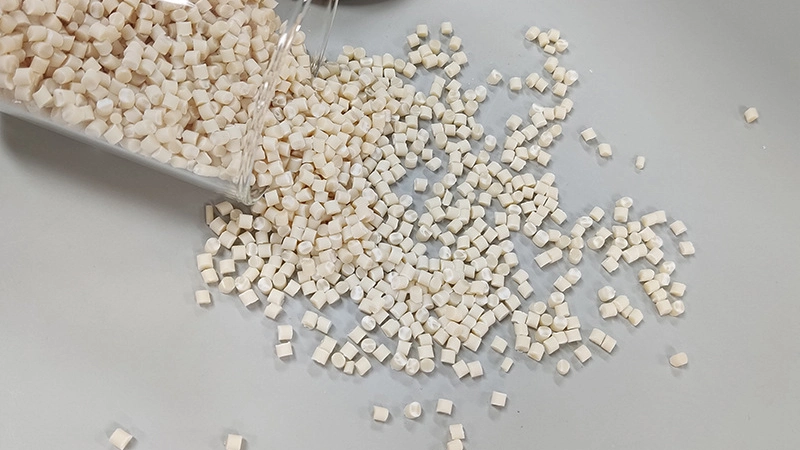
The strategic blending of Polylactic Acid (PLA) with Polybutylene Adipate Terephthalate (PBAT) is the most commercially successful route for overcoming PLA’s inherent brittleness. While PLA provides the bio-based structure and stiffness, PBAT acts as a high-performance “toughening partner,” resulting in a compostable alloy that rivals conventional polyethylene in durability and processability.
PBAT is a fully biodegradable aliphatic-aromatic co-polyester known for its exceptional flexibility, high ductility, and excellent melt flow. Unlike the rigid nature of PLA, PBAT behaves mechanically like LDPE, offering an elongation at break that can exceed 600%. This makes it the ideal candidate for creating “soft-touch” bio-plastics that don’t crack under pressure.
Synergistic Benefits: Why Blend?
When PLA is alloyed with PBAT, the resulting compound achieves several critical industrial benchmarks:
- Impact Transformation: Transitions the material failure mode from “brittle” to “ductile,” drastically increasing energy absorption.
- Enhanced Elongation: Elevates the elongation at break from a mere 5% (neat PLA) to 150%–400%, essential for film blowing and bag conversion.
- Expanded Processing Window: PBAT improves melt strength and stability, making it easier for operators to maintain a stable “bubble” in blown film extrusion or to fill complex geometries in injection molding.
Design Points & Trade-offs
As your technical partner, we help you navigate the “Balance of Properties”:
- Stiffness vs. Flexibility: Increasing PBAT content enhances toughness but reduces the tensile modulus (stiffness). We optimize this ratio to ensure your bags have the right “hand-feel” without being too flimsy.
- Optical Clarity: PBAT is inherently opaque. Higher loadings will result in a translucent or “milky” finish. For applications requiring clarity, we recommend specific compatibilizers to minimize phase separation.
- The Role of Additives: To ensure long-term stability and prevent delamination, we utilize Chain Extenders and Compatibilizers to bridge the interface between PLA and PBAT, rebuilding molecular weight lost during high-heat processing.
Market-Ready Applications
PLA/PBAT blends have become the industry standard for compostable solutions in:
- Flexible Packaging: Heavy-duty garbage bags, retail shopping bags, and high-impact courier/mailing pouches.
- Agricultural Mulch Films: Providing the required outdoor durability followed by controlled soil biodegradation.
- Technical Injection Molding: Semi-flexible components that require snap-fit functionality or impact resistance.
Choosing the right polymer compound is a strategic decision for your business. For a step-by-step roadmap to selecting the ideal grade based on your cost and performance requirements, explore our full Comprehensive PBAT/PLA Selection Guide, or contact our technical team for a personalized suitability audit.
Explore PLA-PBAT Formulations
Request our technical brief with sample formulations (e.g., PLA + 15% PBAT + 1% compatibilizer) and processing recipes to evaluate toughness, clarity, and compostability trade-offs in your application.
PLA + PBS: Balancing Toughness and Heat Resistance
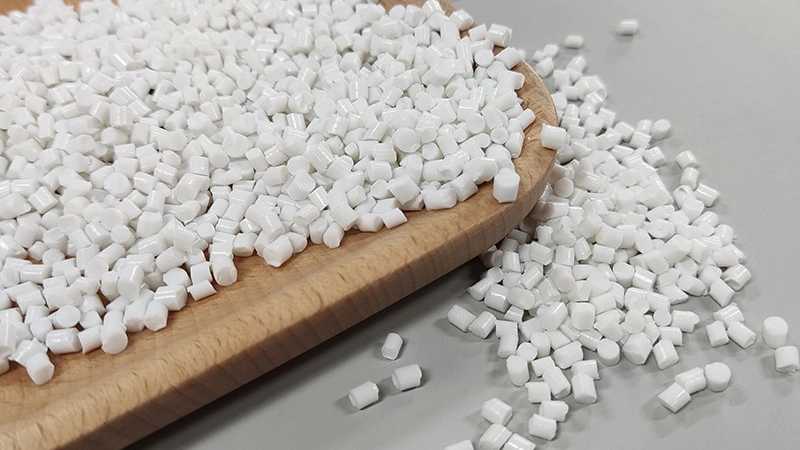
When a project demands a bio-based material that is tough yet firm and capable of withstanding heat, the combination of Polylactic Acid (PLA) and Polybutylene Succinate (PBS) is the industry’s premier choice. While PBAT focuses on extreme flexibility, PBS serves as a structural performance booster that elevates PLA’s thermal threshold and mechanical resilience.
PBS: The Versatile Aliphatic Polyester
PBS is a fully biodegradable aliphatic polyester characterized by its moderate flexibility, excellent ductility, and superior melt processability. With a melting point typically ranging from 110°C to 120°C, it possesses a more compatible thermal profile with PLA than most other biopolymers. Its semi-crystalline nature allows it to act as more than just a softener; it is a functional component for high-heat formulations.
Synergistic Performance: Toughness Meets Thermal Stability
Blending PLA with PBS transforms the brittle polymer into a durable engineering material:
- Impact Transformation: PBS segments disperse within the PLA matrix, effectively absorbing mechanical energy and significantly reducing the risk of fracture in rigid parts.
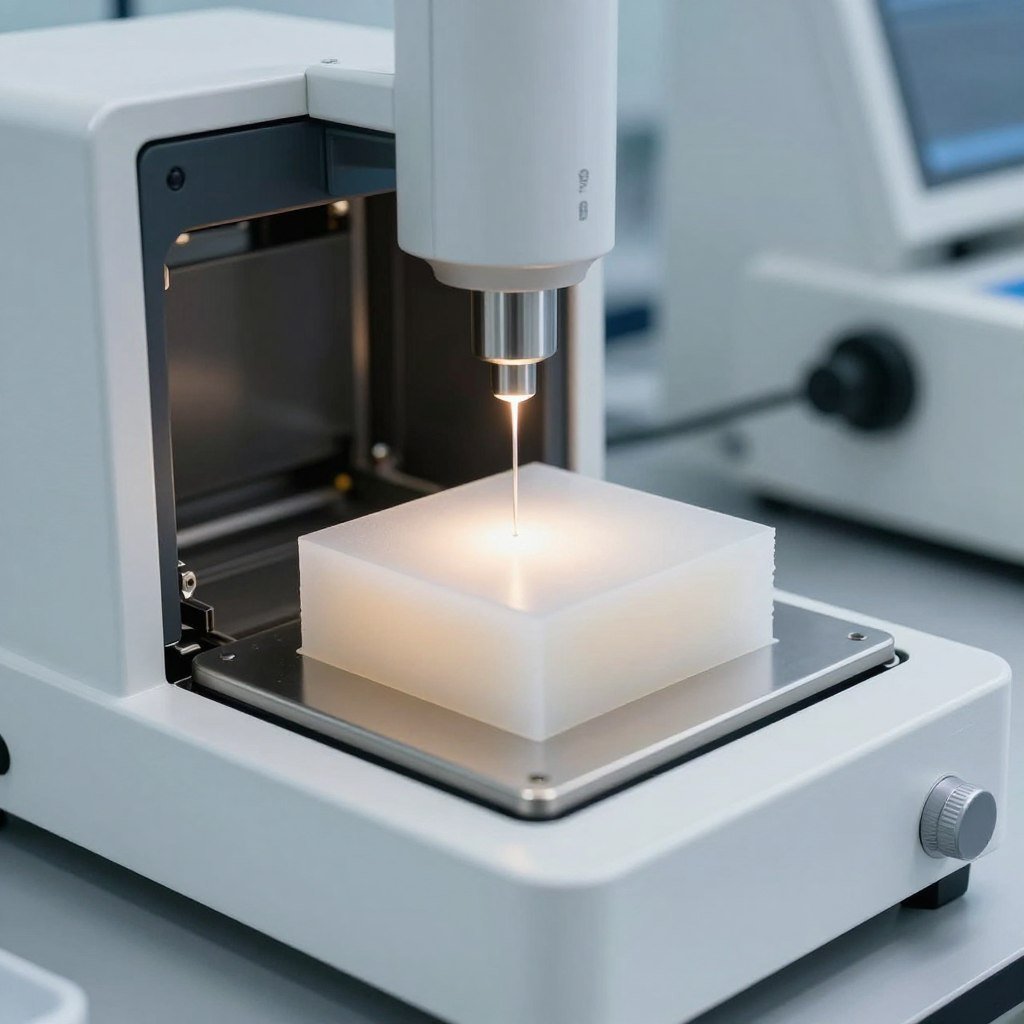
- The Heat Resistance “Turbo”: Unlike simple plasticization, PBS—when paired with nucleating agents—accelerates the crystallization of PLA. This synergy allows the final product to reach higher Heat Deflection Temperatures (HDT), enabling bio-plastics to finally enter the “Hot-fill” market.
Key Formulation & Processing Considerations
We guide our clients through two critical factors for success:
- Stiffness-Flexibility Equilibrium: We help you determine the optimal loading (typically 15%–40%) to ensure your cutlery or trays feel “premium and rigid” while remaining shatter-proof.
- Phase Compatibility & Cooling: To prevent delamination and ensure a smooth surface finish, we utilize Chain Extenders to bridge the interface. Furthermore, we optimize mold temperatures and cooling rates to maximize the crystallization benefits of the PBS component.
Industrial Applications & Opportunities
PLA/PBS blends bridge the gap between low-cost disposable items and high-performance engineering plastics, excelling in:
- High-Heat Food Service: Hot-fill coffee cup lids, microwaveable food trays, and high-quality compostable cutlery.
- Rigid Packaging: Clamshells and containers that must maintain structural integrity during warm-season logistics or hot-filling.
- Agricultural Durables: Plant pots and seed trays that require outdoor durability followed by reliable biodegradation.
PLA + Starch / TPS: Cost Reduction and "Eco Story"
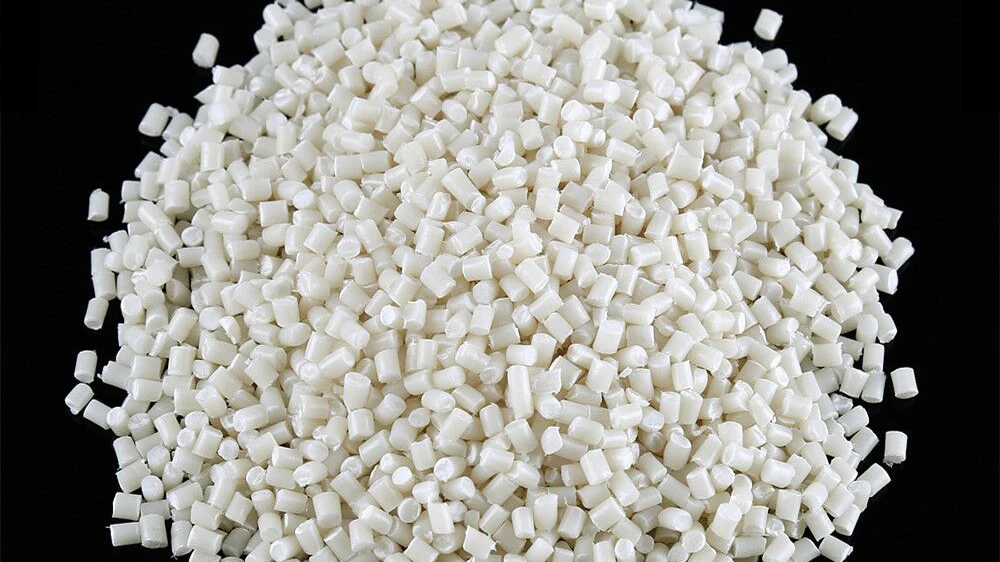
Integrating native starch or Thermoplastic Starch (TPS) into Polylactic Acid (PLA) is the primary strategy for brands prioritizing cost reduction and a maximum “natural origin” narrative. By leveraging abundant agricultural feedstocks, this blend offers a compelling pathway to high-volume, eco-friendly applications.
From Native Starch to TPS: The Transformation
Native starch in its granular form is not processable as a plastic. To be successfully blended with PLA, it must be converted into Thermoplastic Starch (TPS):
- Plasticization: Through heat, shear, and the addition of plasticizers (like glycerol), the semi-crystalline starch granules are disrupted into a flowable, amorphous thermoplastic phase.
- Pre-treatment: High-quality TPS requires precise moisture control and uniform plasticizer distribution to ensure stable properties once compounded into the PLA matrix.
Challenges & Technical Solutions
While starch offers economic benefits, it introduces specific engineering challenges that require professional modification:
- Managing Brittleness: Starch-rich blends can become brittle. We recommend Compatibilization using maleic anhydride-grafted polymers to strengthen the interface between the hydrophilic starch and the hydrophobic PLA.
- Moisture Sensitivity: Starch is naturally hygroscopic. To maintain dimensional stability, formulations must be optimized with protective additives or used in dry-service environments.
- Phase Dispersion: Achieving a fine, uniform dispersion of the TPS phase is critical to preventing stress concentrators that lead to mechanical failure.
Suitable Scenarios: Finding the Sweet Spot
PLA/Starch blends excel in low-to-medium performance applications where short service life and rapid biodegradation are prioritized:
- Disposable Food Service: Trays, plates, and non-load-bearing cutlery.
- Protective Packaging: Bio-based cushioning materials, loose-fill “peanuts,” and structural fillers.
- Short-term Disposables: Agricultural starter pots and single-use produce bags where a matte, natural aesthetic is desired.
When to choose starch: opt for PLA‑starch if cost and renewable content are more important than high moisture barrier, long-term durability, or extreme mechanical performance (e.g., disposable serviceware, short‑term packaging, agricultural starters).
Struggling with high virgin PLA costs?
Get a personalized cost-benefit analysis for our PLA+TPS masterbatches.
Other Common Modification Approaches
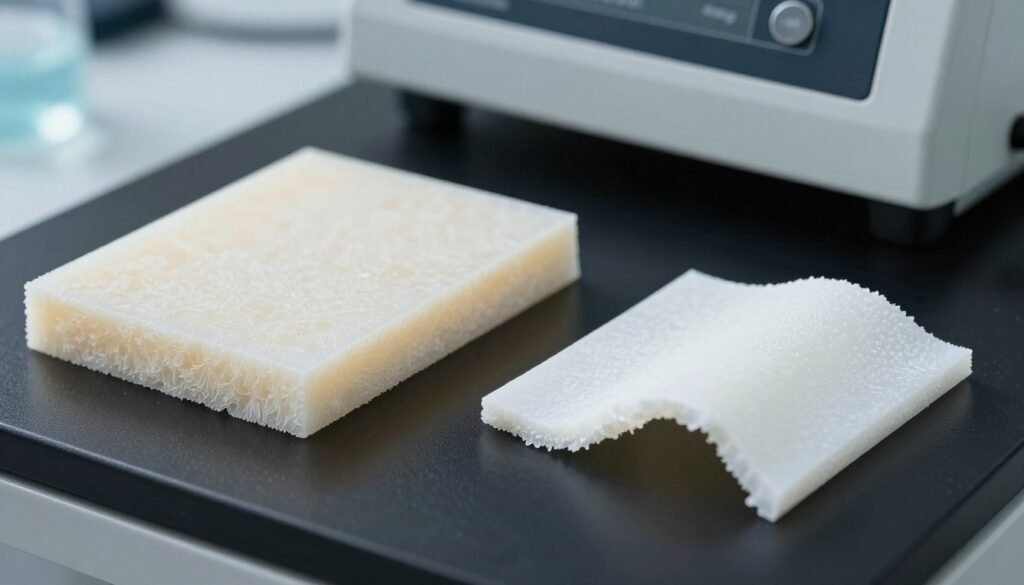
Beyond polymer blending, a specialized toolkit of chemical and mineral additives allows for the precise “tuning” of PLA. These approaches are essential for creating high-value compounds that meet specific industrial standards for heat resistance, structural integrity, and processing stability.
Thermal Management: Nucleating Agents & Crystallization Regulators
Unmodified PLA crystallizes slowly, which often limits its use in warm environments. By incorporating Nucleating Agents (such as specialized organic nucleators, talc, or calcium carbonate at 1–5 wt%), we can:
- Boost Heat Resistance: Significantly raise the Heat Deflection Temperature (HDT), allowing parts to maintain their shape at higher service temperatures.
- Optimize Cycle Time: Accelerate the solidification process in the mold, enabling faster production speeds and lower energy consumption per unit.
Mechanical Tuning: Plasticizers & Chain Extenders
To achieve the perfect balance between “soft-touch” flexibility and “high-pressure” processing stability, we utilize molecular-level modifiers:
- Plasticizers: Food-contact safe Citrate Esters or PEG (5–20 wt%) effectively lower the glass transition temperature (Tg), reducing brittleness and increasing elongation for flexible films and tubing.
- Chain Extenders: During high-heat processing, PLA chains can undergo scission. Our epoxy-functionalized chain extenders (0.3–1.5 wt%) act as a chemical “repair kit,” rebuilding molecular weight and restoring the Melt Strength necessary for stable extrusion and complex injection molding.
Structural Reinforcement: Fibers & Mineral Fillers
For applications requiring high-load bearing capacity and long-term dimensional stability, we recommend high-aspect-ratio reinforcements:
- Natural & Synthetic Fibers: Reinforcement with flax, hemp, or glass fibers drastically increases tensile modulus and stiffness, making PLA suitable for automotive interiors and structural housing.
- Mineral Fillers: Beyond cost reduction, fillers like mica or wollastonite improve dimensional stability and reduce shrinkage in precision-molded parts.
Synergistic Performance: The Hybrid Strategy
The most effective performance targets are often met by combining these specialized additives with the primary blends discussed earlier (PBAT, PBS, or Starch).
Example: A PLA/PBS blend can be further enhanced with Nucleating Agents to reach an HDT of 95°C, or a PLA/Starch compound can be toughened with Plasticizers to maintain flexibility while reducing cost.
How to Choose the Right PLA Modification Route
Selecting the optimal modification strategy is a strategic balance between performance requirements, processing capabilities, and cost targets. We guide our partners through a structured, application-first evaluation to ensure the chosen material delivers both functional success and market competitiveness.
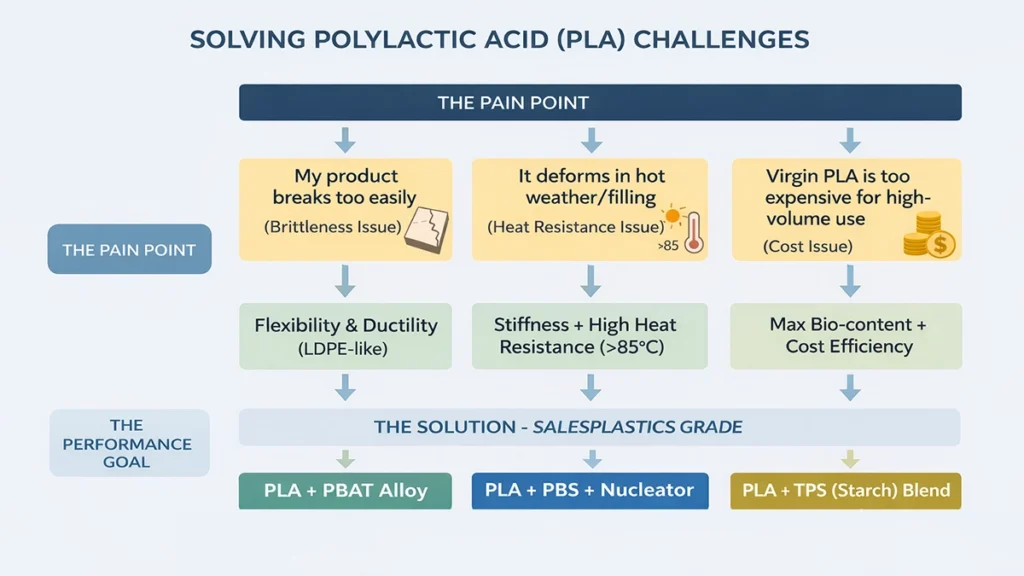
Start with the End-Use Requirements
Every successful formulation begins with a clear hierarchy of needs. Are you prioritizing mechanical resilience, thermal stability, or a specific price point?
- Toughness Priority: For applications like mailing bags or impact-resistant housings that must survive rigorous logistics.
- Heat Resistance Priority: For food-service items like hot coffee lids or microwaveable trays that must maintain structural integrity under elevated temperatures.
- Cost & Marketing Priority: For high-volume disposables where reducing the “green premium” and maximizing the “100% plant-based” narrative are the primary drivers.
Decision Framework
To simplify your material selection, we utilize a streamlined framework based on your primary objective:
- “Need Toughness and Easy Processing?” → Choose PLA + PBAT. This is the gold standard for flexible films and shopping bags, offering LDPE-like ductility and stable blown-film production.
- “Need Better Heat Resistance with Toughness?” → Choose PLA + PBS (+ Nucleating System). Ideal for semi-rigid packaging, this combination balances a firm hand-feel with a significantly higher Heat Deflection Temperature (HDT).
- “Need Lower Cost and a Strong ‘Green Story’?” → Choose PLA + Starch/TPS Blends. By maximizing renewable content from corn or cassava, this route achieves the most aggressive price points for short-life disposables.
Testing & Certification
Choosing the right route is only the beginning. Successful commercialization requires rigorous validation:
- Technical Validation: Conduct standard mechanical (tensile/impact) and thermal (DSC/HDT) testing to ensure the formulation survives real-world stress.
- Regulatory Compliance: Verify that all additives maintain the required compostability certifications (e.g., EN 13432, ASTM D6400) and meet food-contact safety standards (FDA/EU).
- The Supplier Partnership: Work with a reliable material supplier who provides not just the resin, but the Technical Data Sheets (TDS), processing audits, and the supply chain stability needed for long-term production.
Confused by the options? Let us run the numbers for you.
Selecting the wrong modification route can lead to costly trial failures. We provides customized formulation audits to match your equipment and budget.
Why Partner with Salesplastics for Your PLA Transition?
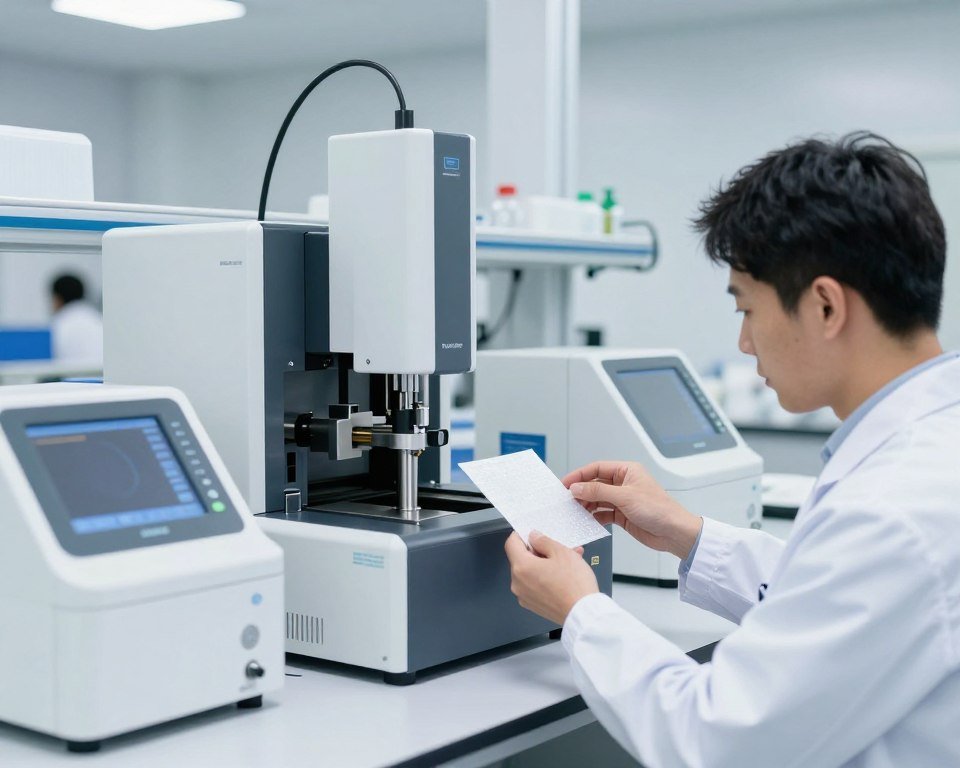
In the specialized field of biopolymers, a resin is only as good as its performance on your production floor. We bridge the gap between complex polymer science and industrial reality, ensuring your transition to sustainable materials is high-yield and low-risk.
Custom Development: Precision-Tuned for Your Machinery
We don’t just ship standard resins; we provide Application-Specific Formulations. Whether you are running high-speed thin-wall injection molding or stable blown-film extrusion, we align our modified PLA with your equipment’s specific processing window.
- The Result: A “Drop-in” solution that minimizes machine downtime and reduces scrap rates from day one.
Industrial-Grade QC: Eliminating Batch-to-Batch Variance
The biggest hidden cost in bioplastics is material inconsistency. Our Quality Control protocol is designed to protect your margins:
- Total Traceability: Every batch is tested for MFR (Melt Flow Rate), Impact Strength, and Moisture Content before dispatch.
- Technical Dossiers:Every shipment includes a comprehensive Certificate of Analysis (COA) to ensure your operators don’t have to keep adjusting settings.
Field Engineering: We Are on the Factory Floor with You
We are more than a supplier; we are your external R&D team.
- The “Trial Kit”: We provide specialized drying protocols and starting processing recipes to ensure a smooth trial.
- Scale-up Support: Our engineers offer remote or on-site consultation to help you troubleshoot issues like bubble instability or part warpage during commercial runs.
Conclusion
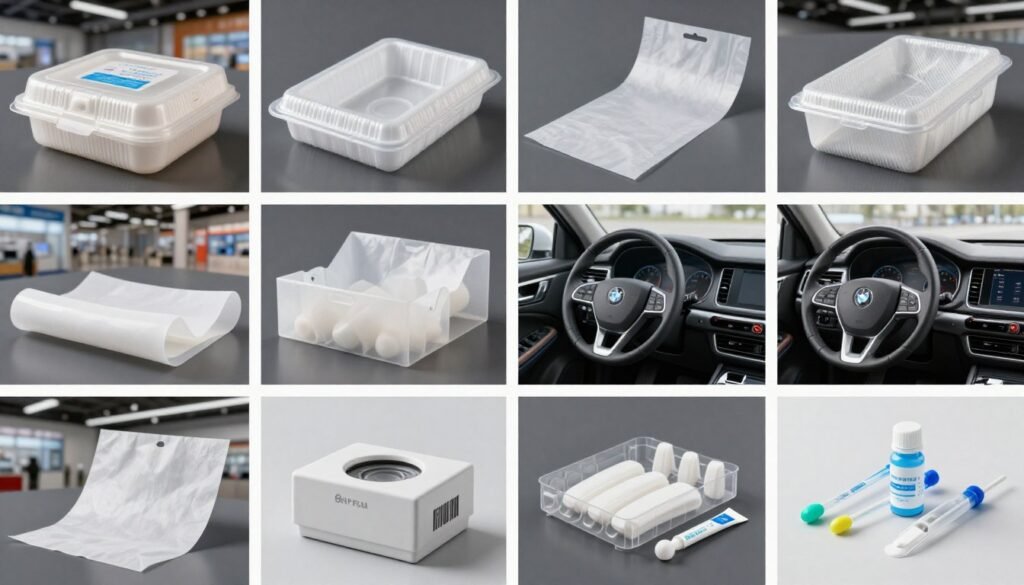
While neat Polylactic Acid (PLA) has its inherent limitations, it is no longer a restricted “niche” polymer. Through the smart modification routes explored in this guide—from PBAT toughening and PBS thermal enhancement to cost-effective TPS alloying—PLA has evolved into a high-performance material platform capable of covering the vast majority of mainstream plastic applications.
A Call to Action for Brand Owners & Converters
We encourage brand owners seeking to meet ESG goals and converters aiming for operational excellence to reconsider PLA not as a singular resin, but as a tailored formulation system.
- For Brand Owners: Modified PLA offers a verified compostable and bio-based “passport” to global markets without compromising your product’s shelf-life or premium feel.
- For Converters: Our advanced modification techniques ensure stable processing windows and high yields on your existing extrusion and molding equipment.
The move toward sustainable plastics is a journey, not a single step. Choosing a partner with technical depth—one who understands the complex interplay between molecular weight, compatibilization, and crystallization—is the most reliable way to de-risk your material transition.
Start Your Modified PLA Project Today
Turn sustainability objectives into commercial products with our formulation expertise and testing support. Request a sample kit (includes 3 formulation grades, processing recipes, and data sheets) or schedule a consultation to map a development plan.
FAQs

Is PLA actually plastic?
Yes. PLA is a thermoplastic polyester. Although derived from renewable starch (corn/cassava), it processes and performs just like traditional plastics.
- The Advantage: You can use your existing injection or extrusion machinery to produce sustainable products with zero equipment re-investment.
Why is PLA not more widely used?
Historically, its cost and brittleness were barriers. However, modern modification changes the game:
- The Solution: By blending with PBAT/PBS or adding Chain Extenders, we’ve made PLA a practical, high-performance substitute for PP and PS.
- The Driver: New global plastic bans are now making modified PLA a strategic necessity for international brands.