Automotive electronics and precision components demand absolute reliability. When standard polymers fail under stress, manufacturers face critical line-down situations—typically caused by:
- Thermal & Hydrolytic Degradation: Severe embrittlement during high-temperature processing or long-term field exposure.
- Component Warping: Uncontrolled mold shrinkage that ruins tight-tolerance electrical connectors.
- Supply Chain Volatility: Inconsistent resin quality or sudden lead-time delays from unverified sources.
Polyplastics Duranex® PBT offers a proven solution to these manufacturing challenges, recognized worldwide as a premier Polybutylene Terephthalate resin. Engineered to withstand demanding operating environments, Duranex® PBT delivers a reliable balance of high heat resistance, mechanical strength, rigid dimensional stability, and excellent electrical insulation.
Our goal is to support your production with genuine, factory-grade Duranex® PBT resin that optimizes your injection molding efficiency and secures your component quality. Explore how this high-performance material can stabilize your manufacturing pipeline and deliver long-term durability.
Key Performance Advantages of Polyplastics Duranex® PBT
Selecting a high-performance engineering plastic demands a perfect balance between long-term component survival and short-term processing economics. Polyplastics Duranex® PBT serves as a reliable upgrade over standard polymers, offering five distinct technical advantages that mitigate field failures and optimize factory margins.
Exceptional Heat Resistance
Duranex® PBT maintains high mechanical strength, rigidity, and creep resistance under elevated, continuous-use temperatures.
Outstanding Electrical & Insulation Properties
High-voltage automotive systems and localized electronic assemblies require strict electrical isolation to ensure safety.
Superior Dimensional Stability vs Polyamides (Nylon)
Moisture absorption regularly compromises the microscopic dimensional tolerances of standard PA6 or PA66 resins.
Excellent Chemical & Oil Resistance
Industrial and automotive environments subject components to aggressive and continuous chemical exposure.
High Flowability & Fast Injection Molding Cycles
Beyond physical part endurance, Duranex PBT directly optimizes the bottom line of the injection molding workshop.
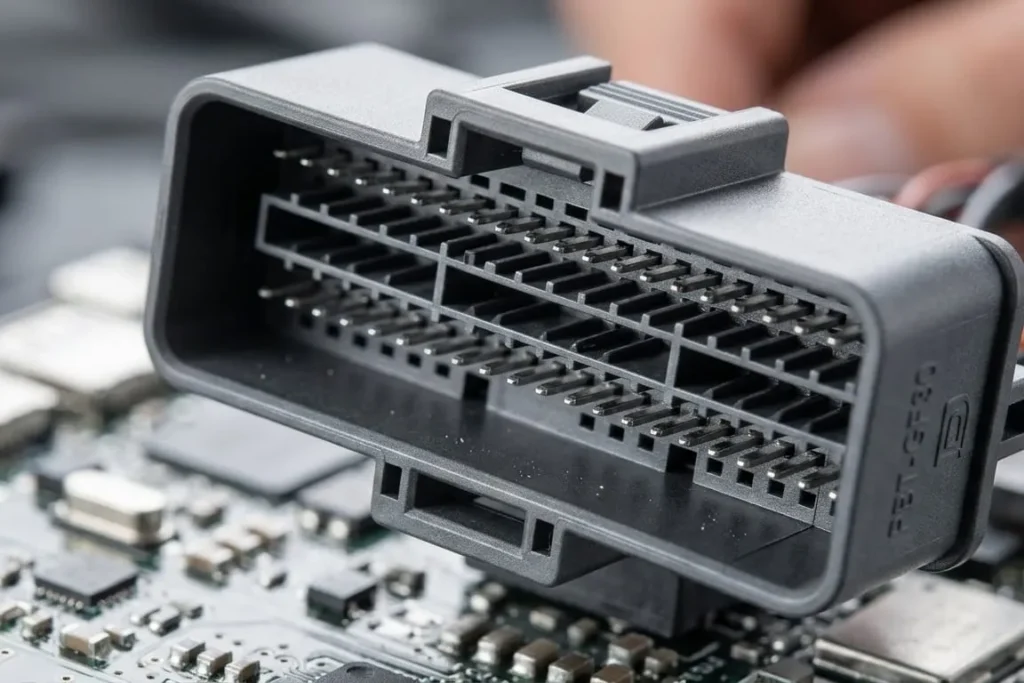
Popular Duranex® PBT Grades & Material Selection Guide
Resin grade selection directly dictates injection molding efficiency, tooling wear, and end-product survival. Matching the exact performance profile to your specific mold design prevents costly re-tooling and premature component failures. To streamline your procurement pipeline, we distribute a comprehensive portfolio of Polyplastics Duranex® PBT, categorized by industrial functionality to match your precise application requirements.
Unreinforced Grades
Duranex® 2000, 2016 Series
Engineered for premium surface gloss, maximum melt flowability, and reliable baseline dielectric properties. Perfect for aesthetic housings and complex connectors without glass fiber abrasion.
Glass Fiber Reinforced
Duranex® 3300, 3105, 3200 Series
Blended with rigid glass fibers to drastically elevate tensile strength and Heat Deflection Temperatures (HDT). Duranex® 3300 (30% GF) remains the global baseline for structural automotive components.
Flame Retardant (V-0)
Duranex® 3300, 3105, 3200 Series
Fully certified UL94 V-0 ratings built for demanding electronic architectures. Provides robust fire suppression while maintaining high mechanical stiffness and crack resistance under load.
High-Performance Specialized Functional Grades
- Eco-Friendly Compliance (Duranex® 330NF): A premium Halogen-Free flame-retardant grade designed to meet stringent RoHS/REACH environmental mandates effortlessly.
- Low-Warping Excellence (Duranex® 733LD): Specifically formulated to suppress differential shrinkage during cool-down, ensuring absolute planar flatness on wide electronic casings.
- Hydrolysis Resistance (Duranex® 201HR / 201EB): Chemically stabilized to block moisture-driven molecular degradation in relentlessly humid or harsh under-the-hood environments.
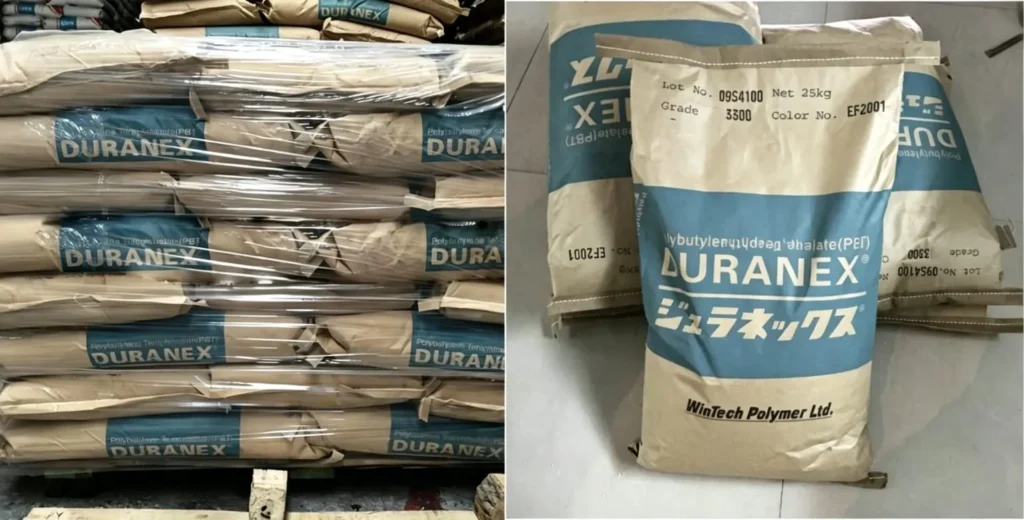
Compare your requirements against these grade characteristics. Your material selection directly impacts product performance, processing efficiency, and manufacturing costs.
Need Technical Specs or Commercial Pricing?
Selecting the exact resin grade can make or break your injection molding efficiency. Whether you need a specific Technical Data Sheet (TDS) or are looking for a reliable, cost-effective direct alternative to your current PBT grade, our technical desk is here to help.
Core Applications: Where is Duranex® PBT Used?
Polyplastics Duranex® PBT serves as a reliable foundational material for Tier 1 automotive suppliers and global OEMs producing everything from high-voltage EV battery infrastructure to micro-electronic switches. Specifying a certified, pre-approved resin matrix helps ensure your molded components meet strict end-user validation protocols and support high-value contract requirements.
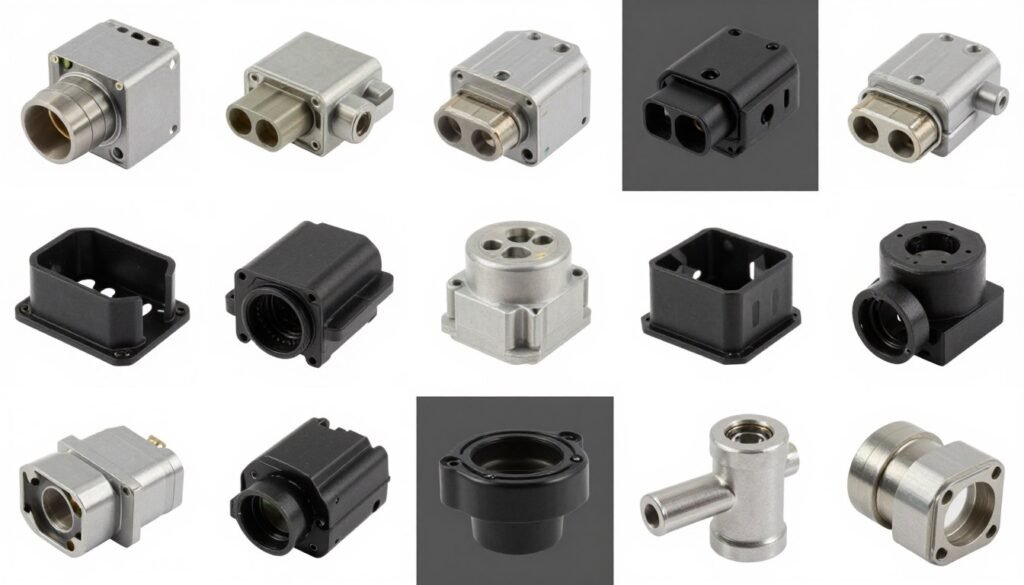
Automotive Applications
Automotive manufacturers specify Duranex® PBT for numerous under-hood and interior components. The heat resistance and chemical stability meet stringent automotive requirements for safety and durability.
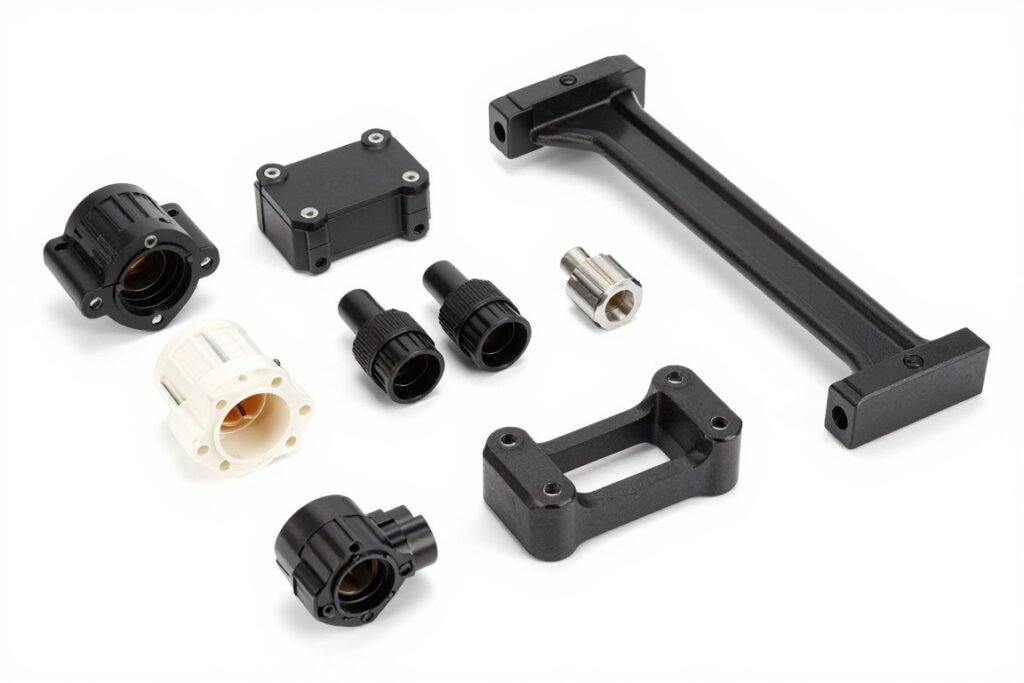
Electrical Systems
- Connector housings and terminals
- Sensor components and covers
- Relay bases and switch housings
- Fuse boxes and junction boxes
These electrical components require consistent insulation properties. Duranex® PBT maintains dielectric strength across temperature extremes and humid conditions.
Mechanical Components
- Door handles and mirror supports
- HVAC system components
- Windshield wiper assemblies
- Fuel system parts
Mechanical automotive parts demand dimensional stability. The low moisture absorption prevents swelling and maintains tight tolerances during service.
Electrical and Electronic Applications
The electronics industry relies on polyplastics Duranex for safety-critical insulation components. Superior electrical properties combined with flame resistance protect sensitive electronic circuits.
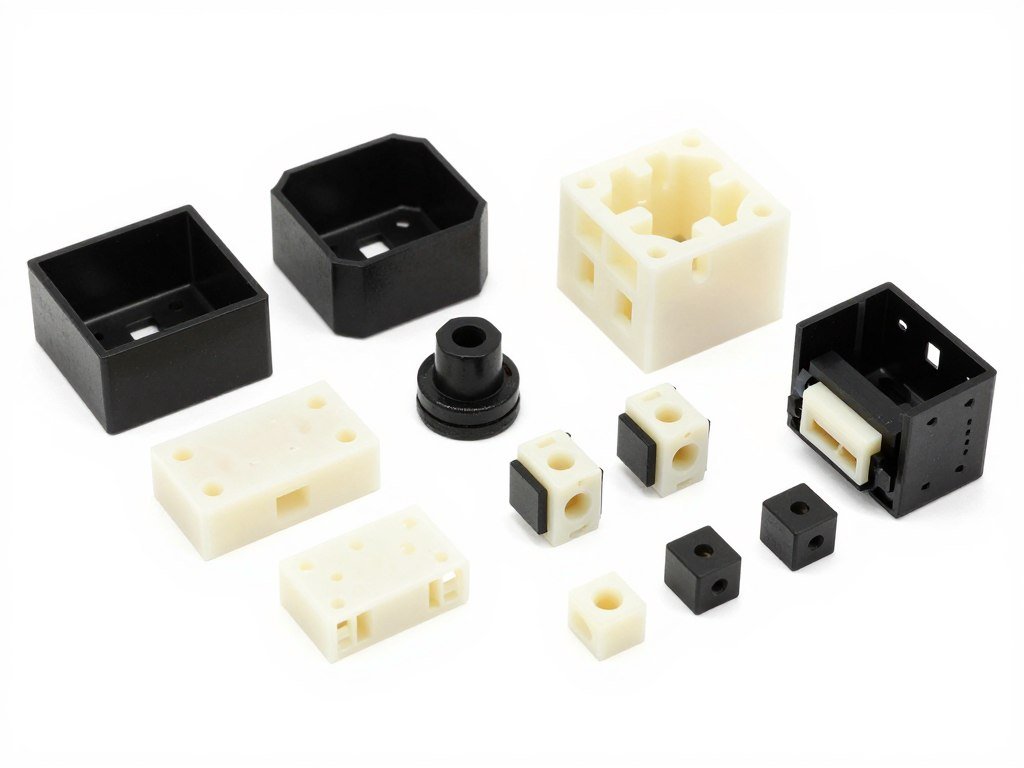
Consumer electronics, industrial controls, and power distribution systems incorporate PBT components. Your products meet electrical safety standards while withstanding mechanical stress during assembly and use.
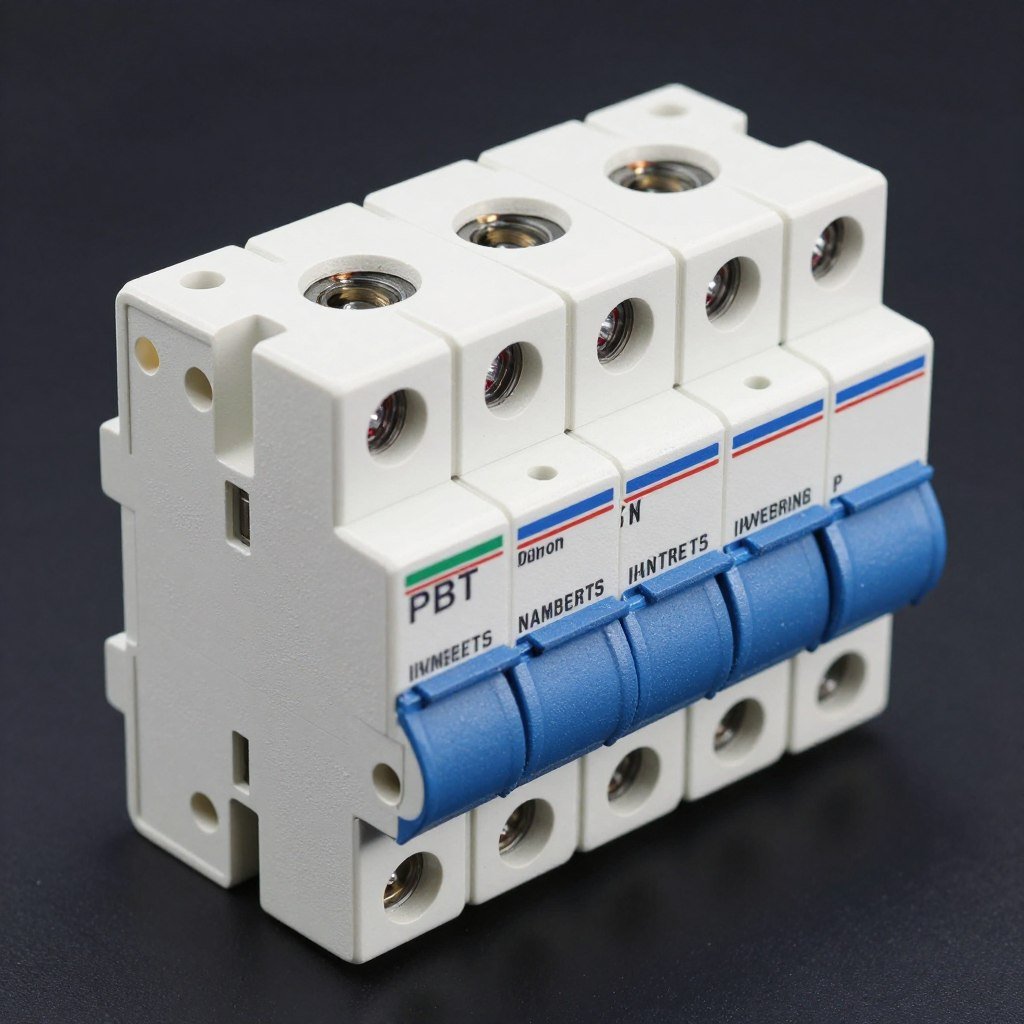
Power Components
Circuit breaker housings resist arc tracking. The material protects against electrical failure in high-voltage applications.
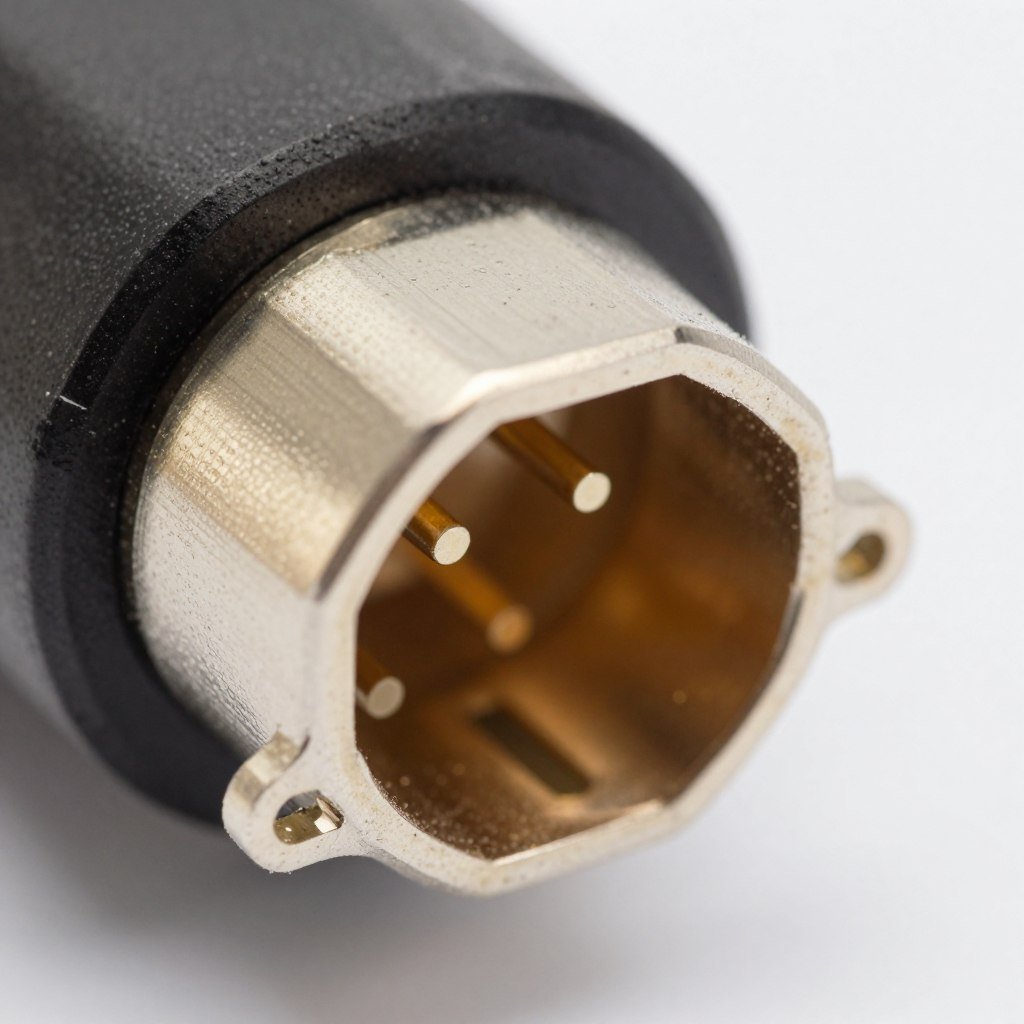
Signal Connectors
Data connector housings maintain signal integrity. Low dielectric constant prevents signal loss in high-frequency applications.
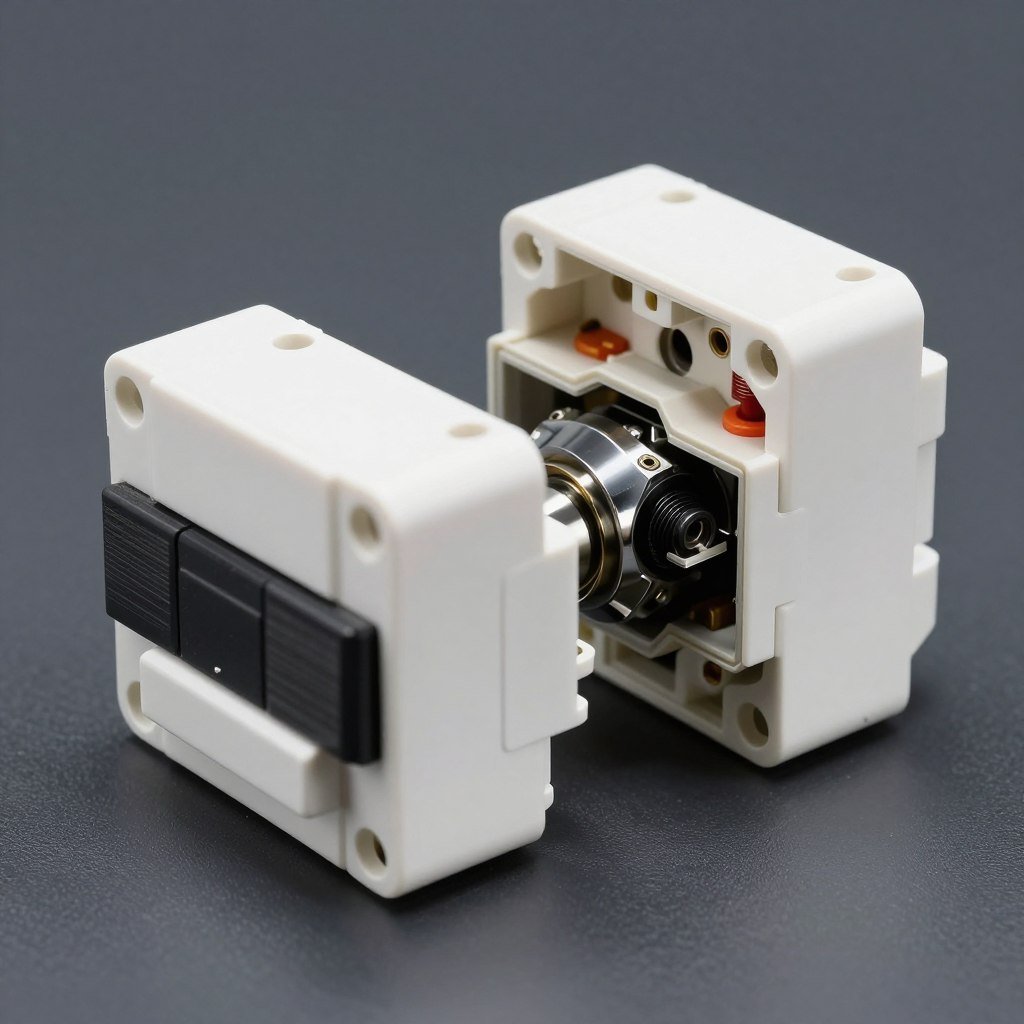
Switch Assemblies
Electrical switch components combine insulation with mechanical durability. The material withstands repeated switching cycles without degradation.
Industrial and Consumer Products
Industrial equipment manufacturers choose Duranex® engineering plastic for components requiring chemical resistance. The material withstands exposure to oils, solvents, and cleaning agents common in industrial environments.
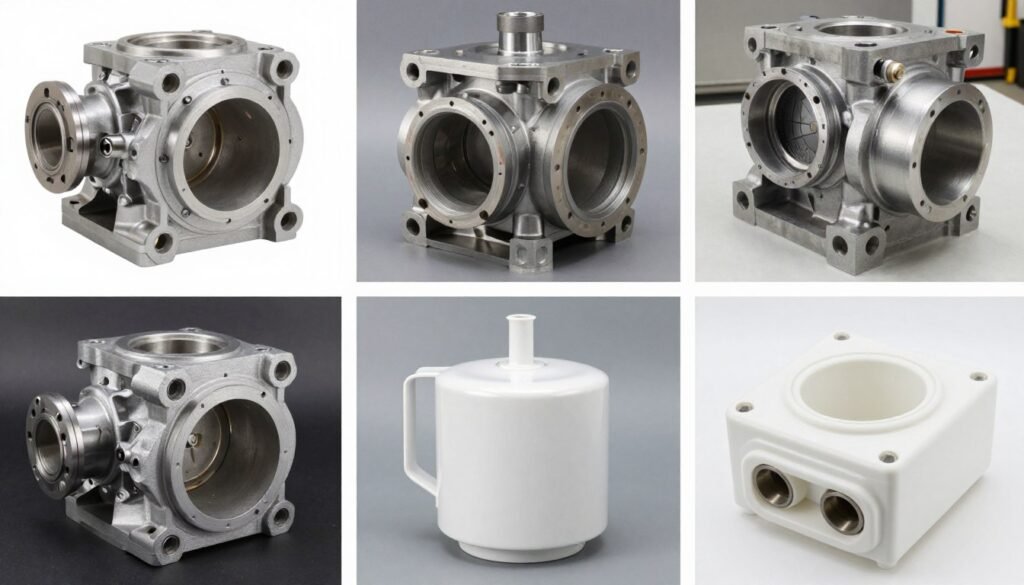
Consumer appliances incorporate PBT resin in heating elements, motor housings, and structural components. Your products deliver reliable performance while meeting safety regulations and quality standards.
Typical Industrial Applications
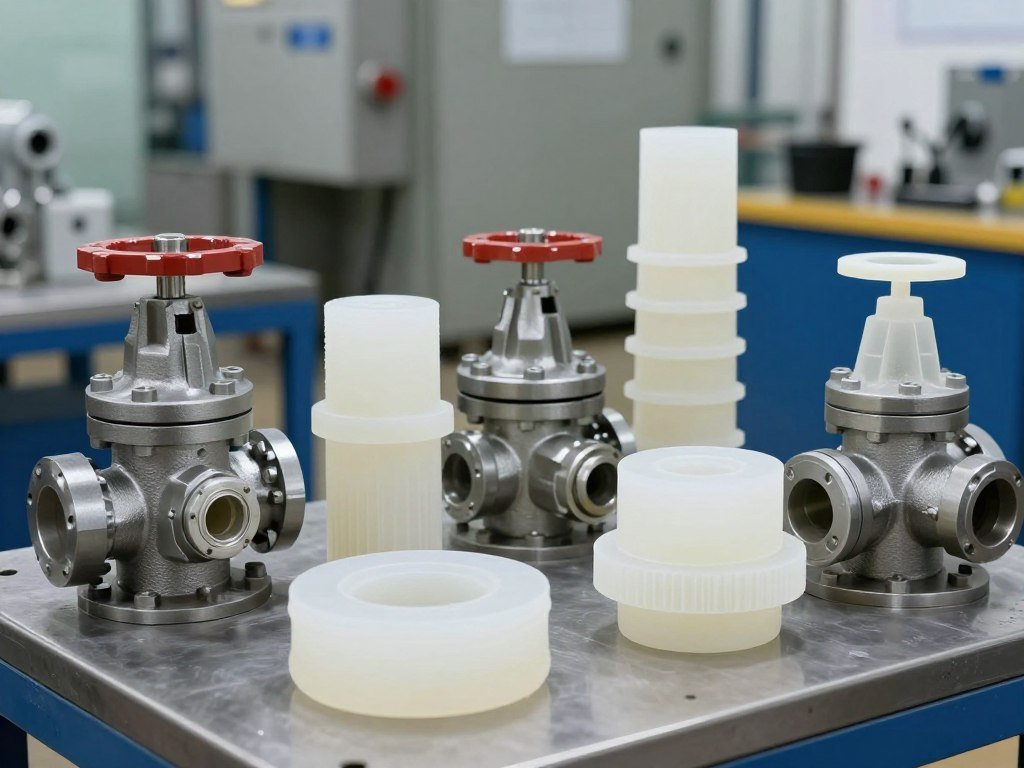
Pump housings and impellers resist chemical attack from process fluids. The dimensional stability maintains sealing surfaces and clearances during extended operation.
Valve components withstand thermal cycling in fluid control systems. Glass fiber filled grades provide strength for pressurized applications while maintaining chemical compatibility.
Bearing housings utilize low friction grades. Duranex® CTN formulations reduce maintenance requirements in rotating equipment.
Why Partner with Us?

Reliable material sourcing requires more than product availability. You need a partner who understands your technical requirements and supports your manufacturing success.
Comprehensive Technical Support
Our engineering team provides application-specific guidance for material selection and processing optimization. You receive expert recommendations based on decades of polyplastics experience.

Consistent Quality and Supply
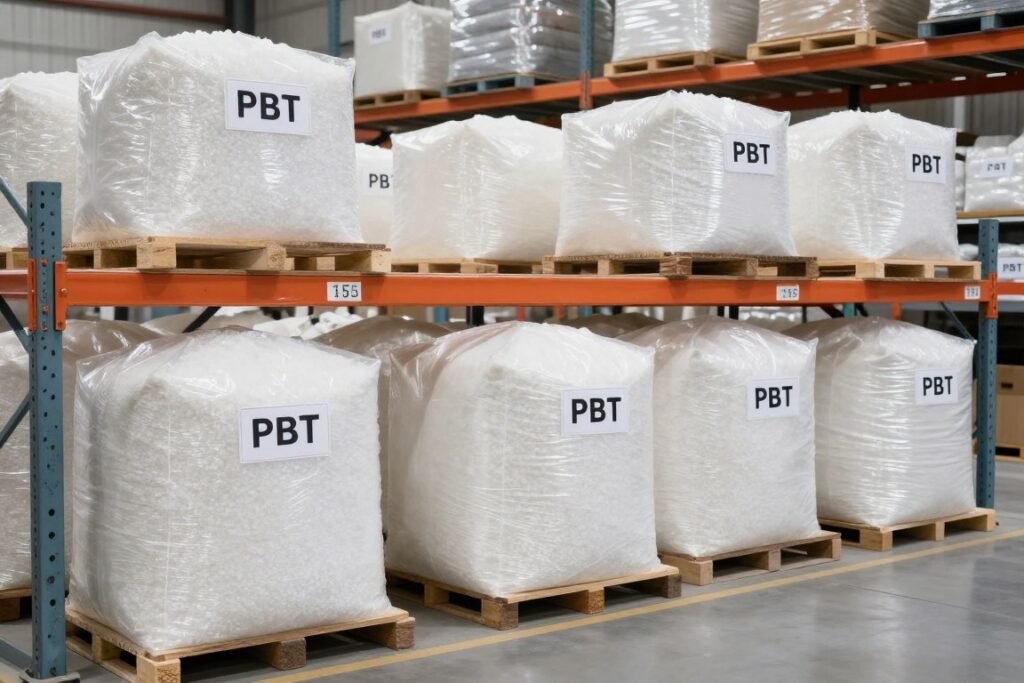
We maintain strategic inventory of popular Duranex® grades. Your production schedules remain protected from material shortages and supply disruptions.
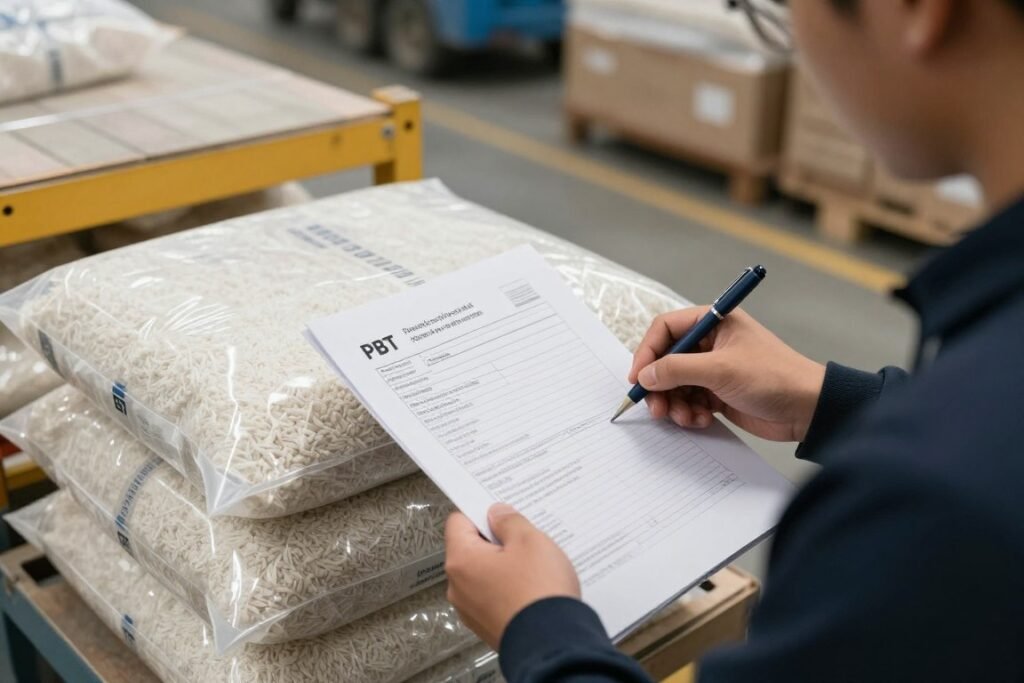
Every shipment includes comprehensive documentation. You receive certificates of analysis, material safety data sheets, and technical data sheets for quality assurance.
Flexible Ordering and Delivery
We accommodate projects of all scales. Small sample quantities support your development work while bulk orders ensure production continuity.
Efficient logistics minimize lead times. Your materials arrive when needed, reducing inventory carrying costs while maintaining production flexibility.
Material Expertise
Our team understands polybutylene terephthalate chemistry and processing. You benefit from practical knowledge gained through years of material application experience.
- Grade selection assistance
- Processing parameter optimization
- Troubleshooting support
- Alternative material recommendations
Competitive Pricing
Direct relationships with Polyplastics enable competitive pricing. Your material costs remain optimized without compromising quality or service.
- Transparent pricing structure
- Volume discounts available
- No hidden fees or surcharges
- Long-term supply agreements
Local Support in New Zealand
Our New Zealand presence provides responsive local service. You work with technical specialists who understand regional requirements and standards.
- Fast response times
- On-site technical visits
- Local inventory availability
- Regional compliance expertise
Start Your Sourcing Partnership Today
Connect with our material specialists to discuss your Duranex® PBT requirements. We provide personalized recommendations and competitive quotes for your projects.
Call us directly for immediate technical assistance
Injection Molding Guidelines for Duranex® PBT
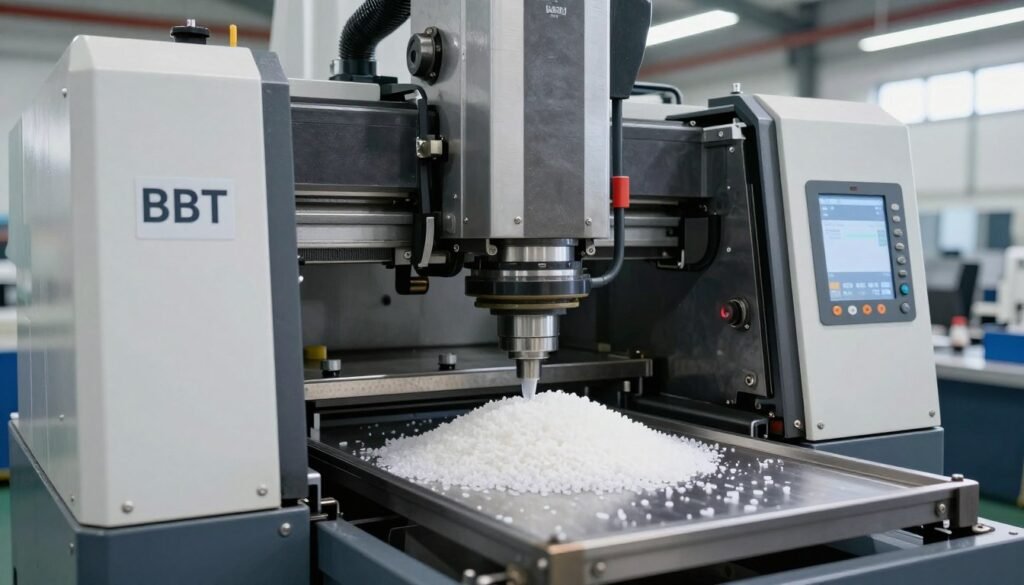
Proper processing parameters ensure optimal part quality when injection molding Duranex® polybutylene terephthalate. Understanding material behavior during processing helps you achieve consistent results and minimize defects.
Material Preparation and Drying
PBT resin absorbs moisture from ambient air. You must dry the material thoroughly before processing to prevent hydrolytic degradation and surface defects.
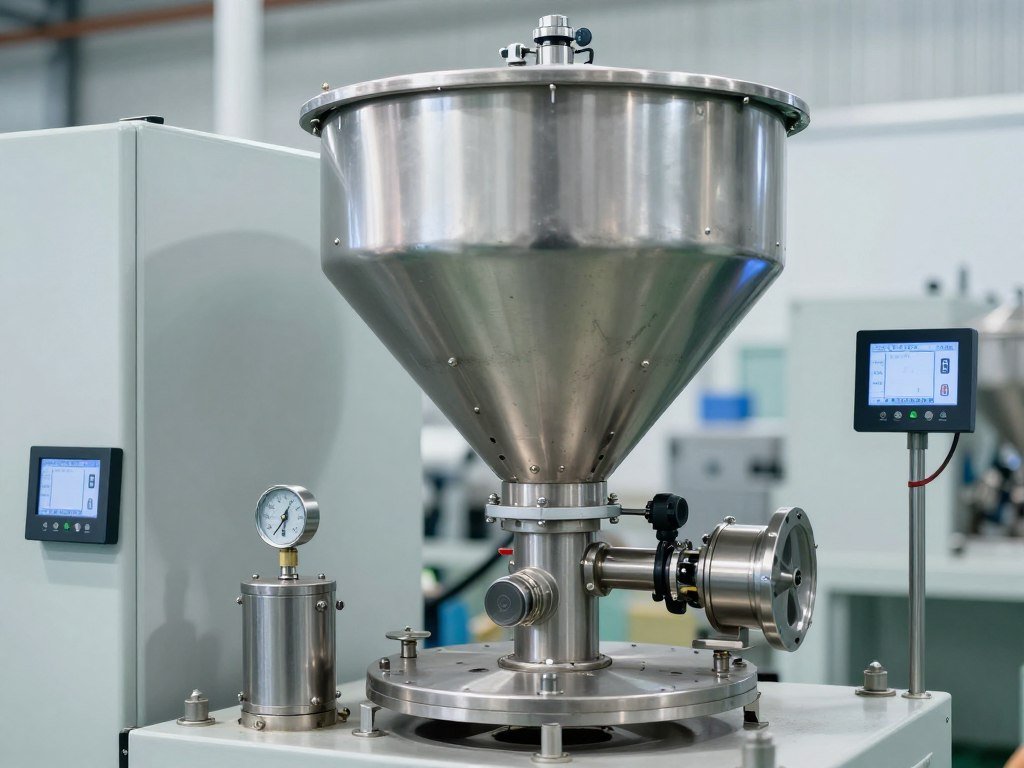
| Drying Parameter | Recommended Setting | Notes |
| Drying Temperature | 120°C | Use desiccant dryer for optimal results |
| Drying Time | 3-4 hours | Minimum time for standard grades |
| Air Dewpoint | -40°C or lower | Critical for preventing moisture reabsorption |
| Hopper Capacity | 2-4 hours production volume | Maintain continuous material flow |
Monitor moisture content regularly. Target moisture levels below 0.02% for glass fiber filled grades and below 0.03% for unfilled formulations.
Processing Temperature Profile
Barrel temperature settings affect melt viscosity and flow behavior. Your temperature profile should promote complete melting while preventing thermal degradation.
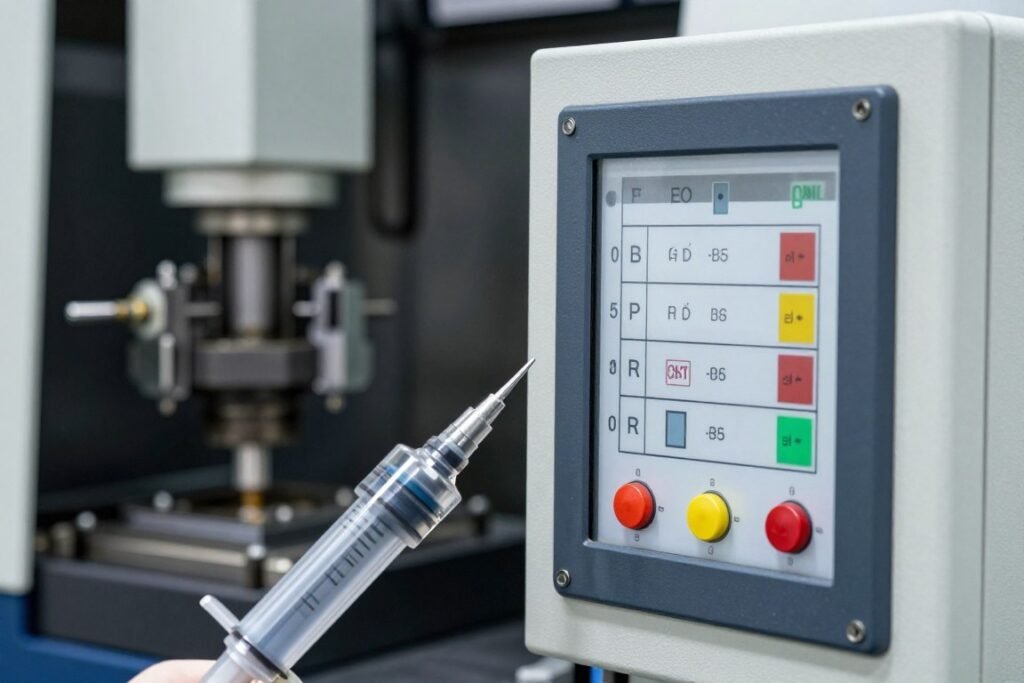
Typical Temperature Settings
- Rear zone: 240-250°C
- Middle zone: 250-260°C
- Front zone: 255-265°C
- Nozzle: 255-265°C
These ranges suit most Duranex® grades. Adjust temperatures based on specific grade recommendations and part geometry.
Temperature Optimization
Start at the lower end of recommended ranges. Gradually increase temperatures if flow marks or short shots occur during initial trials.
Avoid excessive temperatures above 280°C. Thermal degradation produces surface defects and reduces mechanical properties in finished parts.
Mold Design Considerations
Mold temperature significantly influences part quality and cycle time. Warmer molds improve surface finish and reduce residual stress but extend cooling periods.
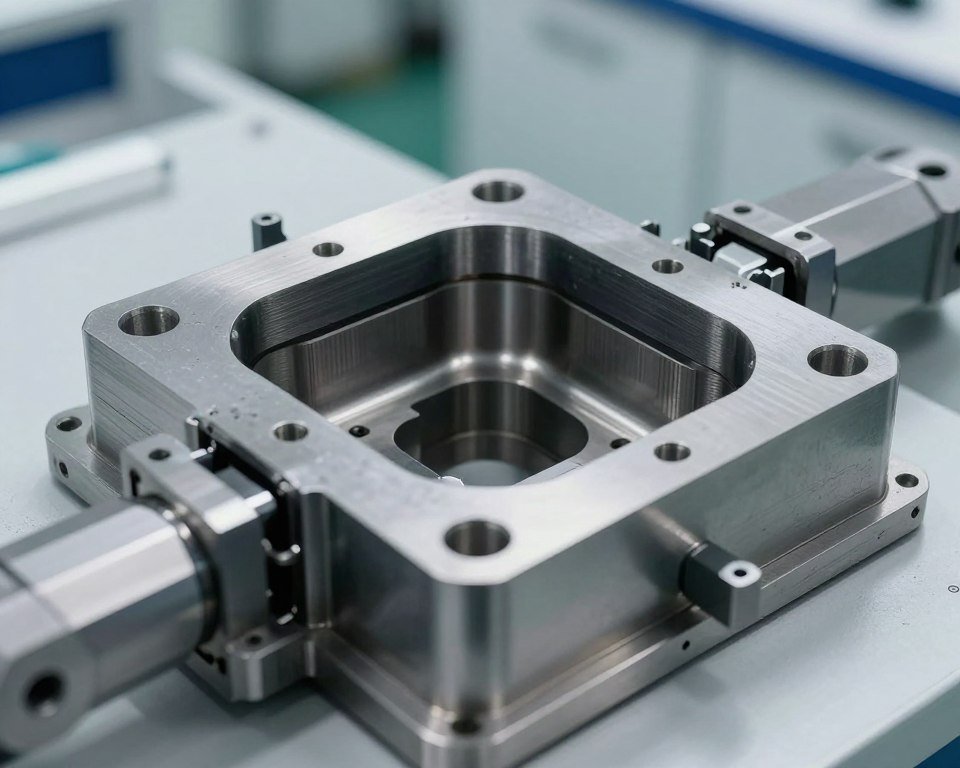
Maintain mold temperature between 60-80°C for most applications. Higher temperatures benefit thin-walled parts requiring long flow lengths, while lower temperatures suit thick sections needing faster cycles.
Gate Design Guidelines
Position gates to minimize weld lines in visible or stressed areas. Gate size should be 50-70% of nominal wall thickness for balanced filling.
- Edge gates work well for flat parts
- Sub gates reduce post-molding operations
- Hot runner systems improve efficiency
- Avoid sharp corners at gate locations
Cooling System Design
Uniform cooling prevents warpage and dimensional variations. Cooling channel spacing should provide consistent temperature across mold surfaces.
- Channel diameter: 8-12mm typical
- Distance from cavity: 1.5-2x channel diameter
- Uniform flow distribution required
- Monitor coolant temperature consistency
Injection Parameters
Injection speed and pressure affect part quality and dimensional consistency. Optimize these parameters through systematic trials for your specific part geometry.
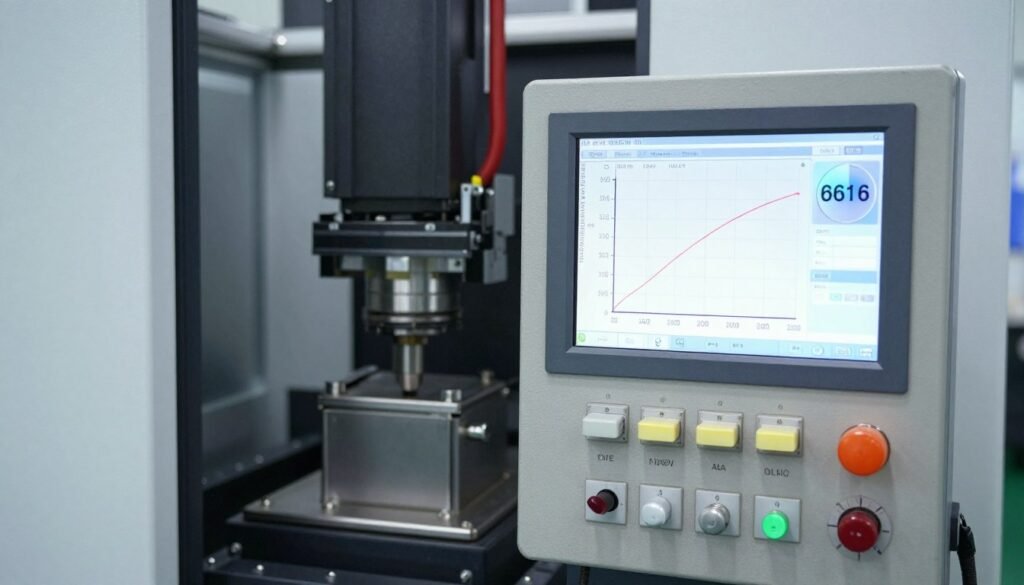
| Process Parameter | Typical Range | Optimization Notes |
| Injection Speed | Medium to fast | Faster speeds reduce flow marks on glass-filled grades |
| Injection Pressure | 70-120 MPa | Higher pressure for thin walls and long flow paths |
| Holding Pressure | 50-80% of injection pressure | Maintain until gate freeze-off occurs |
| Holding Time | 10-30 seconds | Adjust based on gate size and wall thickness |
| Back Pressure | 3-10 MPa | Higher pressure improves melt homogeneity |
| Screw Speed | 50-150 rpm | Moderate speeds prevent excessive shear heating |
Common Processing Issues and Solutions
Understanding typical processing problems helps you troubleshoot production issues quickly. Most defects relate to temperature, pressure, or material preparation factors.
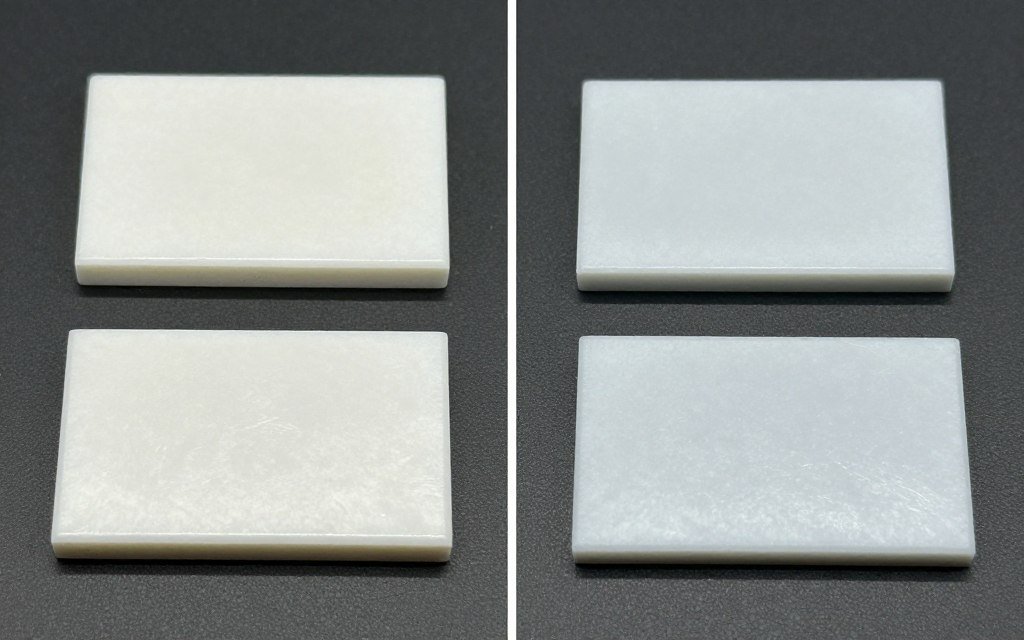
Surface Defects
Splay marks indicate moisture or volatiles. Increase drying time and verify dewpoint temperature meets specifications.
- Check material moisture content
- Verify dryer operation and dewpoint
- Reduce barrel temperature if degradation occurs
- Clean hopper and purge contamination
Dimensional Issues
Warpage results from uneven cooling or residual stress. Optimize mold temperature uniformity and holding pressure profile.
- Increase mold temperature for better crystallization
- Balance cooling channel flow rates
- Adjust gate location to improve flow pattern
- Modify part thickness for uniform sections
Fill Problems
Short shots occur from insufficient material or restricted flow. Verify material supply and increase injection parameters as needed.
- Increase injection speed and pressure
- Raise barrel and mold temperatures
- Enlarge gate size if flow restricted
- Check for material supply interruptions
Mechanical Weakness
Brittle parts suggest degradation or poor welding. Review temperature settings and injection speed for proper melt quality.
- Reduce residence time in barrel
- Lower barrel temperatures to prevent degradation
- Increase injection speed at weld line areas
- Verify material lot and storage conditions
Conclusion
Polyplastics Duranex® PBT resin delivers proven performance across demanding applications. Your engineering projects benefit from this polybutylene terephthalate’s combination of mechanical strength, thermal stability, and chemical resistance.
The diverse grade portfolio addresses specific application requirements. From glass fiber filled structural components to low friction moving parts, appropriate material selection optimizes your product performance and manufacturing efficiency.
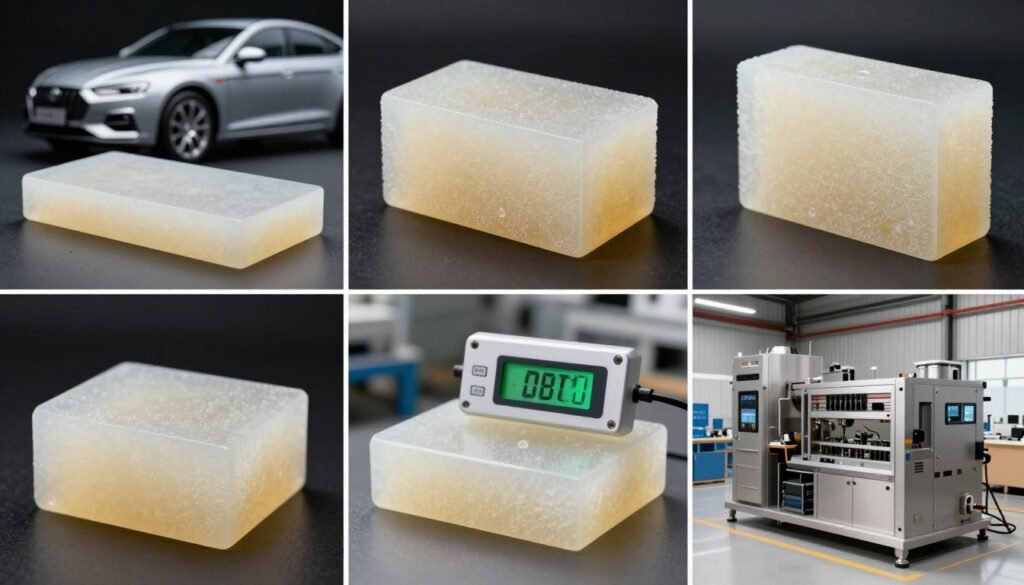
Proper injection molding practices ensure consistent part quality. Following recommended processing guidelines minimizes defects while maximizing productivity and material utilization.
Partner with experienced material suppliers who provide technical support and reliable supply. Your manufacturing success depends on more than material properties alone.