Thermoplastic polyurethane (TPU) is widely used in modern manufacturing, from footwear and automotive components to medical devices and consumer products. Because it often comes into contact with human skin or sensitive environments, a common question arises: Is TPU safe?
In general, TPU is considered safe when the appropriate grade is selected and it is used under proper processing conditions. TPU safety depends on formulation, certification, and the specific application environment.
What Is TPU Made Of?
Thermoplastic polyurethane (TPU) is a segmented block copolymer composed of alternating hard and soft segments. What is thermoplastic polyurethane (TPU) explains its molecular structure in detail. It is formed by the reaction of diisocyanates with polyols, which may be polyester-based or polyether-based.
Chemical Segmented Block Structure (Copolymer)
Once polymerized, TPU becomes a stable solid material with no free monomers under normal conditions. This stable structure is one reason TPU is widely used in industrial and consumer applications.
TPU provides a combination of:
Flexibility
Maintains elastomeric memory and flexible movement without the need for harmful plasticizers.
Mechanical Strength
Exceptional load-bearing capacity and tensile strength capable of enduring extreme shear stresses.
Durability
Highly resistant to abrasive wear, tearing, puncture, and various chemicals or atmospheric aging factors.
Human Contact and Medical Safety
TPU is commonly used in applications involving direct human contact, including:
Medical-grade TPU can meet ISO 10993 biocompatibility standards, ensuring compatibility with biological systems. Certain TPU formulations also comply with FDA food-contact regulations, making them suitable for regulated consumer and medical applications.
Important: Not all TPU grades are appropriate for these uses. Certification and correct grade selection are essential for TPU safety.
Processing and Thermal Safety
TPU is generally safe during standard processing methods, including injection molding, extrusion, and blow molding. Proper thermal control is crucial for maintaining TPU processing safety.
If processed at recommended temperatures, TPU remains stable. Overheating may cause:
Moisture Sensitivity & Proper Drying
TPU absorbs moisture from the air. Improperly dried material can result in surface defects like bubbles or streaks, hydrolytic degradation, and reduced mechanical performance.
Effect of Drying Time on TPU Moisture Content (%)
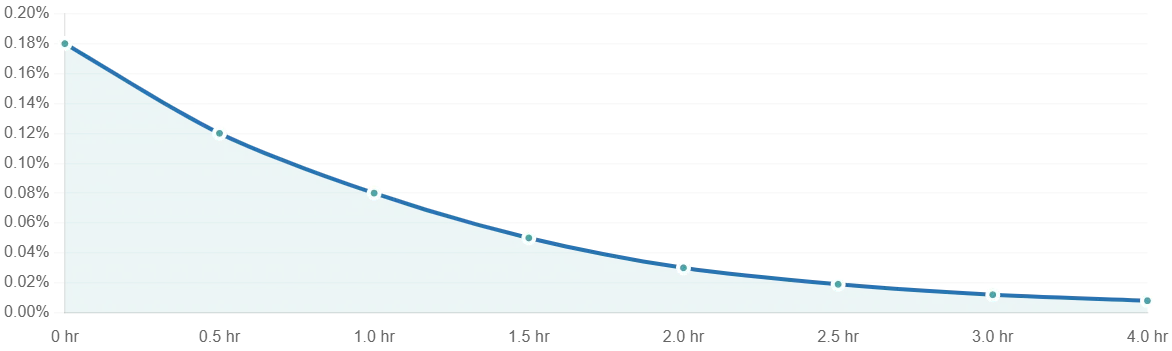
Recommended drying: 80–100°C for 2–4 hours, with moisture level maintained below 0.02%. Correct drying is key to ensuring TPU safety and functional consistency during processing.
Environmental Safety and Sustainability
TPU is not biodegradable, but as a thermoplastic, it can be melted and reprocessed multiple times. This recyclability is an advantage over thermoset elastomers.
| Key Environmental Considerations | Practical Assessment |
|---|---|
| Mechanical recycling | Possible and viable under proper systematic industrial recycling loops. |
| Bio-based TPU grades | Emerging bio-sources reduce the carbon footprint during chemical raw manufacturing. |
| Proper end-of-life management | Ensures that the environmental impact is reduced to support dynamic circular economies. |
Proper grade selection and recycling strategies help ensure TPU sustainability and safety.
Limitations and Considerations
While TPU is generally safe, some limitations exist:
Safety concerns for TPU typically arise from application mismatch or processing errors, not the material itself.
Conclusion
Thermoplastic polyurethane (TPU) is a safe and reliable engineering material when used correctly. Its stable polymer structure, mechanical performance, and certified grades make it suitable for applications in medical, automotive, and consumer industries.
Ensuring TPU safety requires proper grade selection, correct processing, and adherence to application limits. Manufacturers and engineers can rely on TPU’s performance and safety when selecting appropriate grades and following recommended processing guidelines. When these conditions are met, TPU delivers reliable performance, durability, and safety across a wide range of industries.