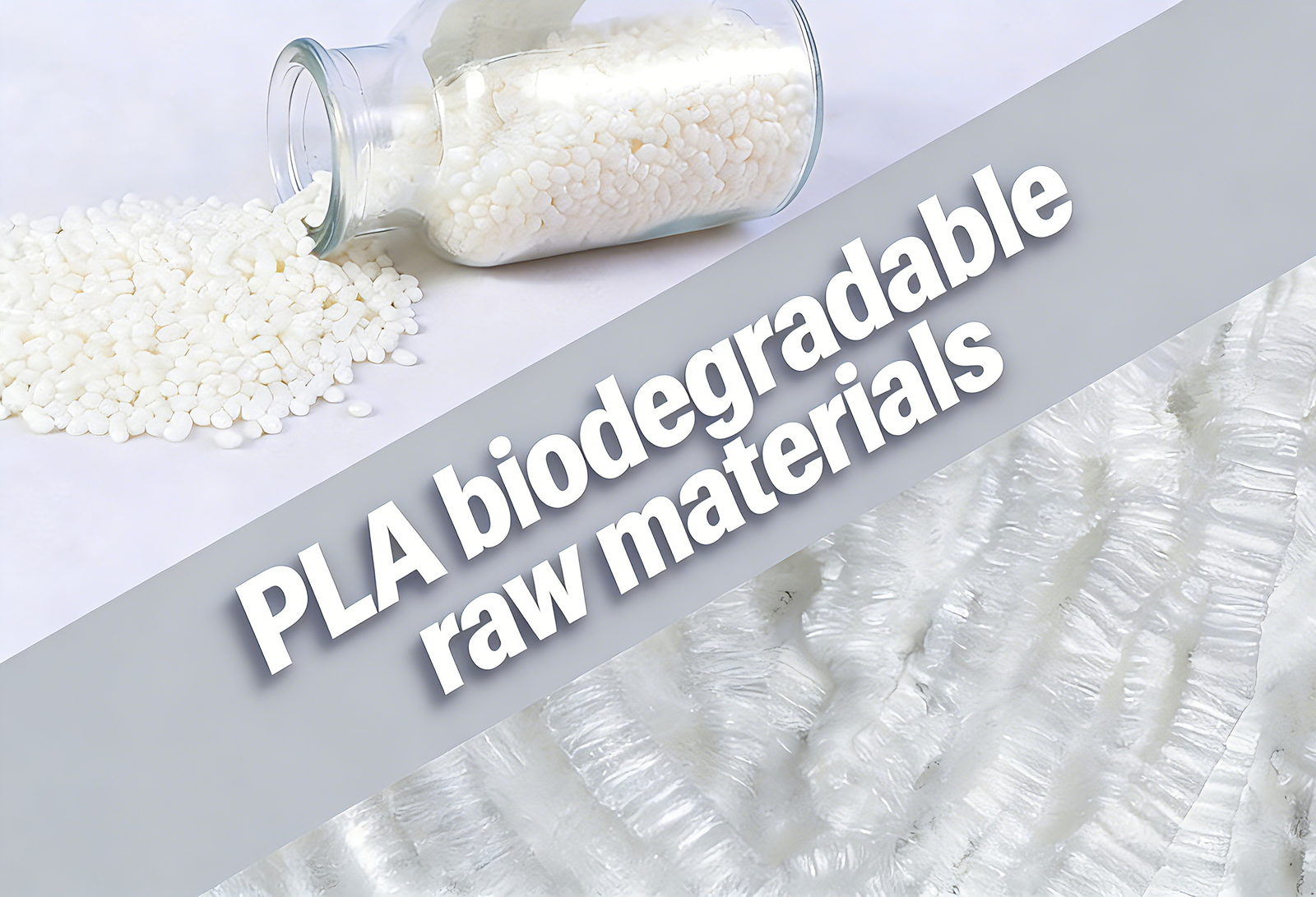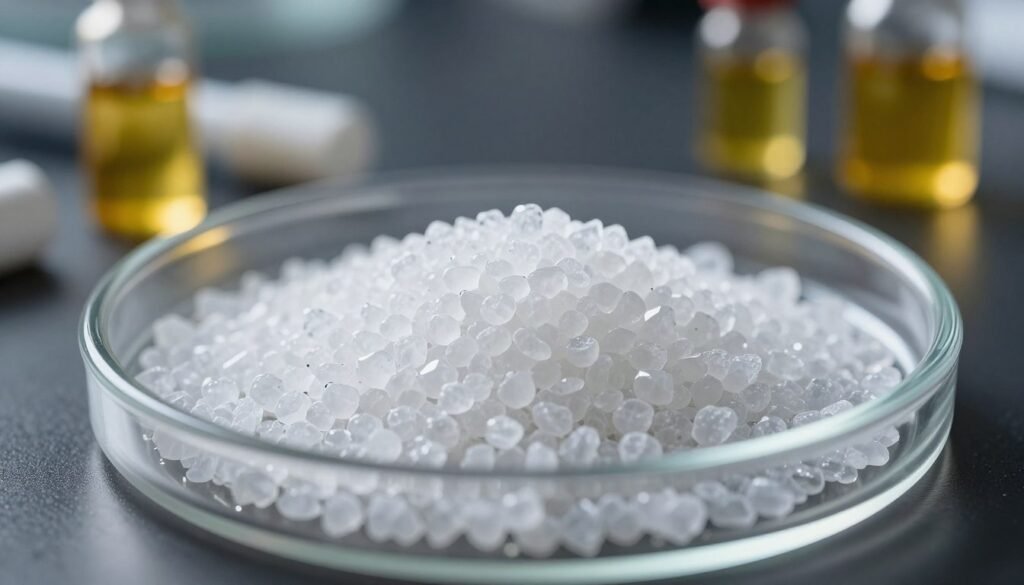
Zonal isolation is a routine but critical step in hydraulic fracturing and multi-stage well completion, allowing operators to direct treatment fluids to specific intervals along the wellbore. Traditional plugging materials—such as composite bridge plugs or ball sealers—can achieve this isolation, but they often require costly milling or drill-out operations afterward, and in some cases risk damaging the productive formation during removal.
Polyglycolic acid (PGA) offers an alternative approach to this challenge. As a hydrolytically degradable polymer, PGA can maintain mechanical integrity long enough to support the isolation needed during treatment, then break down into non-toxic byproducts under downhole temperature and fluid conditions—eliminating the need for a separate removal step.
This dissolution behavior is what has drawn increasing attention to PGA-based temporary plugging agents across drilling and completion applications, and it is the starting point for understanding how the material performs across different well conditions—and where its design tradeoffs lie.
What Is a PGA Temporary Plugging Agent?
A PGA temporary plugging agent is a specialized material used to achieve short-term zonal isolation in oil and gas operations. It is manufactured from polyglycolic acid (PGA)—a biodegradable aliphatic polyester—and formulated into particles or fibers designed to temporarily seal fractures, perforations, or formation pore throats during well intervention procedures.
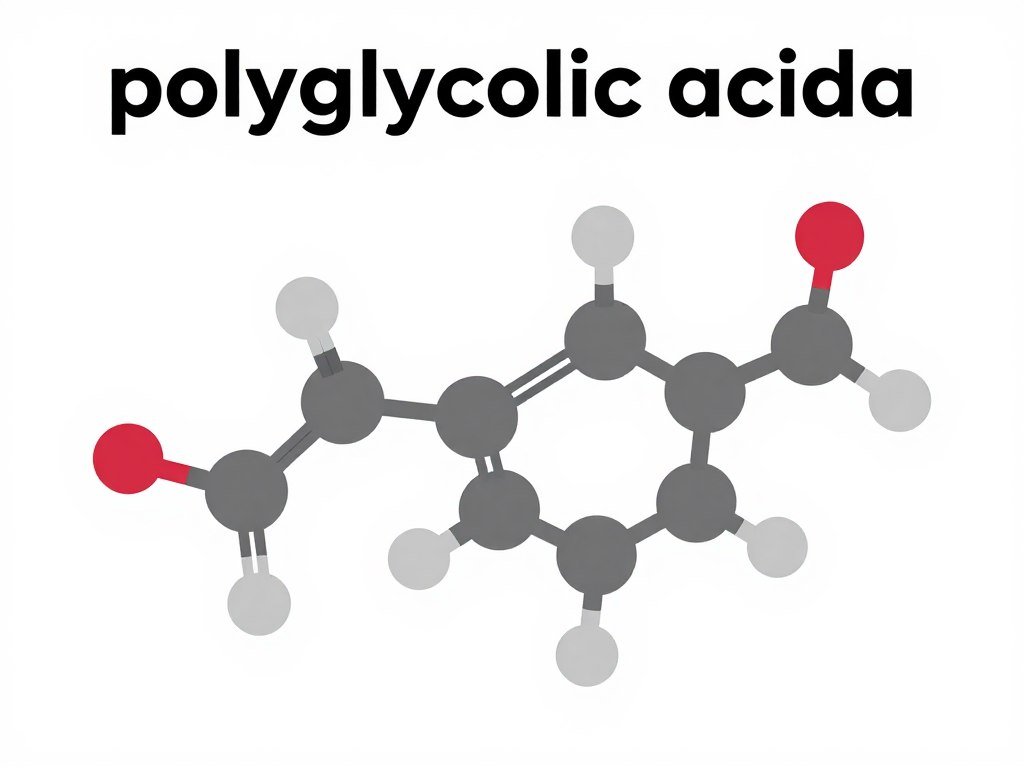
The PGA polymer backbone is built from repeating glycolic acid units joined by ester linkages, represented as –[O–CH₂–C(=O)]ₙ–. It is this repeating ester structure that makes the polymer susceptible to hydrolysis—the mechanism responsible for its temporary, self-removing behavior, discussed in detail below.
Physical and Chemical Properties
PGA’s performance in downhole environments is closely tied to its physical and chemical properties. The table below summarizes key characteristics along with their practical relevance to well operations.
| Property | Typical Range | Relevance to Operations |
| Density | 1.50–1.69 cm³ | Affects settling and placement behavior in fracturing fluid |
| Melting point | 225–230°C | Well above typical downhole temperatures, ensuring the plug does not melt during service |
| Glass transition temperature | 35–40°C | Marks the shift from rigid to more flexible polymer behavior; relevant to mechanical performance at wellbore temperatures |
| Tensile strength | 60–100 MPa | Determines the plug’s ability to withstand differential pressure during treatment |
| Crystallinity | 45–55% | Higher crystallinity generally slows hydrolysis, influencing how long the plug remains intact |
| Molecular weight | 10,000–100,000 Da | Higher molecular weight typically extends degradation time |
These properties are interrelated—for example, crystallinity and molecular weight both influence how quickly the ester bonds hydrolyze, which in turn determines how long a given PGA formulation can maintain isolation before breaking down.
Physical Properties
- Density: 1.50-1.69 g/cm³
- Melting point: 225-230°C
- Glass transition temperature: 35-40°C
- Tensile strength: 60-100 MPa
- Crystallinity: 45-55%
Chemical Characteristics
- Molecular weight: 10,000-100,000 Da
- Ester linkage structure
- Hydrolytically degradable
- Biocompatible and non-toxic
- Soluble in hexafluoroisopropanol
Forms and Configurations
PGA temporary plugging agents are available in a few physical forms, selected based on fracture geometry and flow conditions:
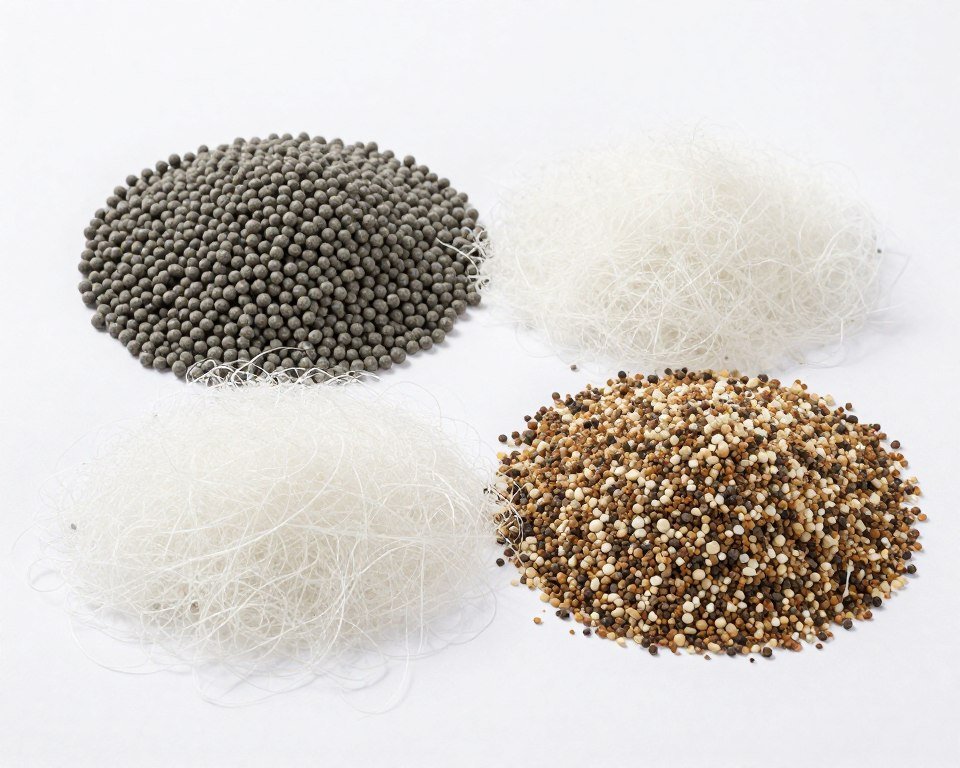
- Particulate PGA ranges from 20 to 200 mesh. Smaller particles are better suited to penetrating tighter formations, while larger particles provide bridging in wider fracture widths.
- Fibrous PGA, typically 2–25 mm in length, creates mechanical interlocking within fractures and performs well in forming stable plugs under high-flow conditions.
In practice, particulate and fibrous PGA are often used together—particles bridge the fracture opening while fibers reinforce the resulting plug structure. Combining the two forms in a single treatment is sometimes referred to as a composite plugging system, since the two forms work together rather than as a separate third material.
Degradation Mechanism
PGA’s temporary nature comes from hydrolytic degradation: water molecules gradually attack the ester bonds in the polymer backbone, breaking the material down without requiring chemical breakers or external catalysts.
Degradation rate depends primarily on two factors:
- Temperature — At 90°C, PGA may fully degrade within 48–72 hours; at around 60°C, the process typically extends to 7–14 days.
- pH — Both acidic and alkaline conditions accelerate breakdown relative to neutral environments.
Because degradation rate responds predictably to these variables, engineers can estimate how long a given PGA formulation will maintain isolation under specific well conditions.
Key Insight: PGA degrades into lactic acid and glycolic acid—both naturally occurring, non-toxic compounds—posing minimal risk to the formation or the surrounding environment.
Why Is PGA Suitable for Temporary Plugging Applications?
Compared with other temporary plugging materials—such as soluble salts, wax-based diverters, or benzoic acid flakes—PGA is distinguished primarily by its combination of high mechanical strength, predictable degradation kinetics, and compatibility with a wide range of well fluids. Each of these properties addresses a specific operational challenge in fracturing and completion work.
Mechanical Strength and Pressure Performance
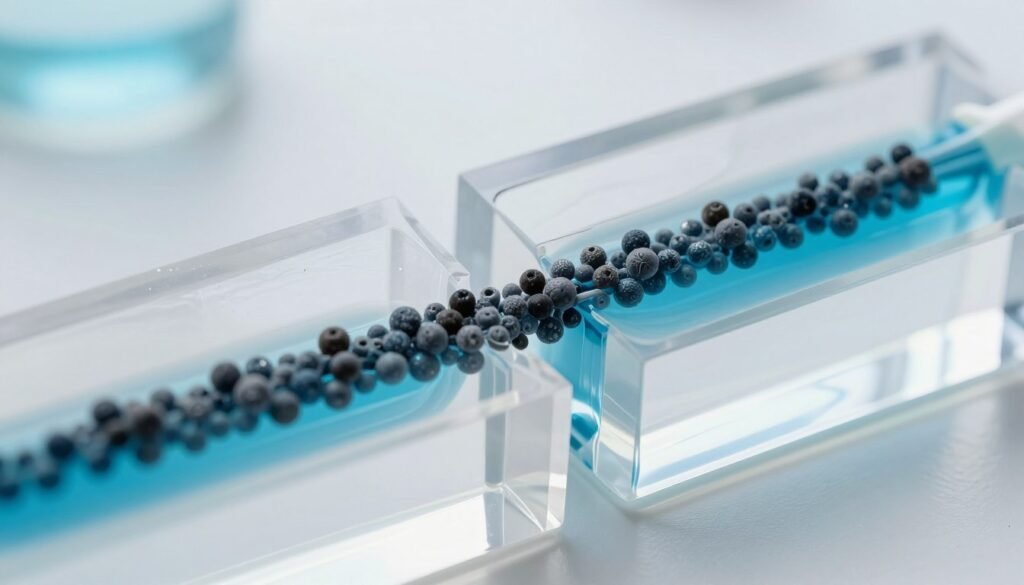
PGA’s high crystallinity gives it a tensile strength of 60–100 MPa in solid form, among the higher values reported for degradable plugging polymers. When compacted into a plug, PGA particles form a dense barrier capable of withstanding differential pressures in the range of 3,000–7,000 psi under typical fracturing conditions, with performance varying by particle size, packing density, and formulation. (Note: exact pressure ratings should be confirmed against specific product test data before publication.)
This range covers the differential pressures encountered in most multi-stage fracturing operations, where the plug must hold isolation through the treatment before degrading.
Predictable Degradation
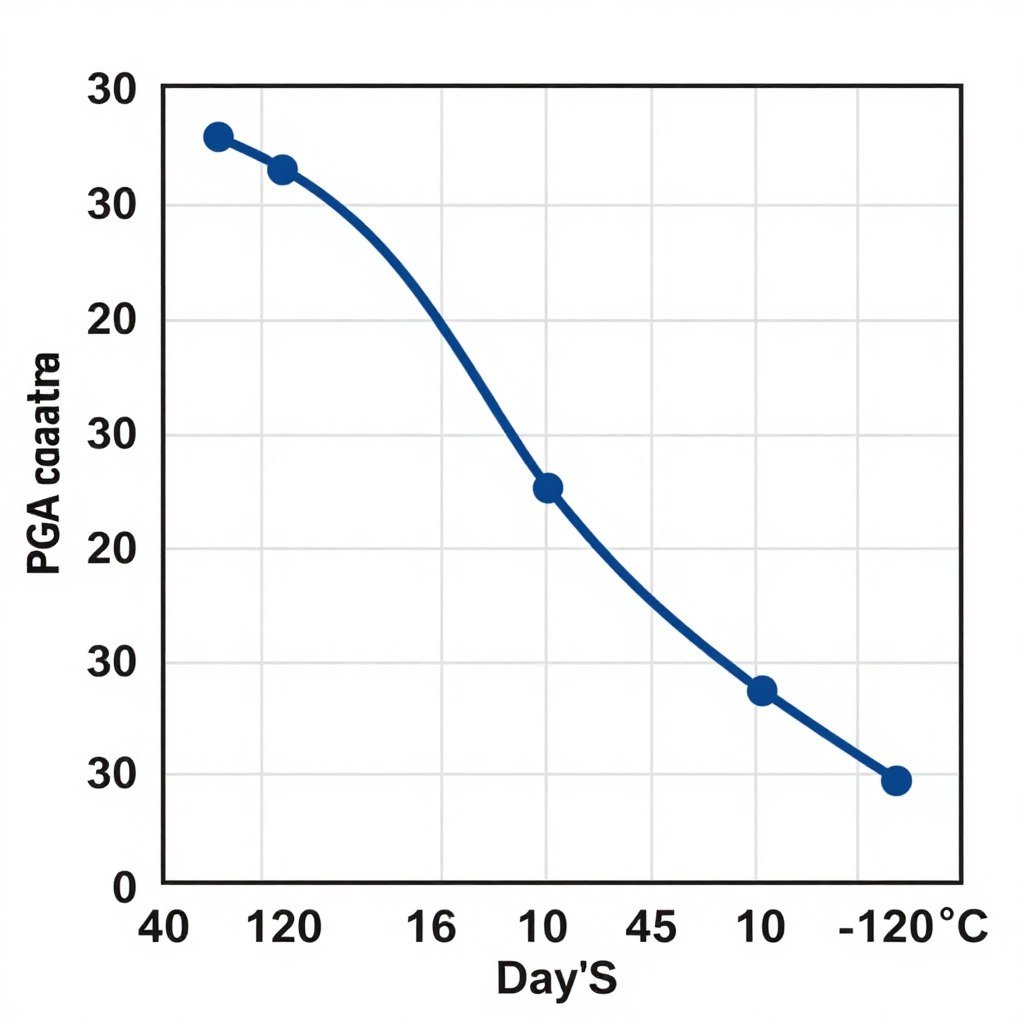
As discussed above, PGA degrades through hydrolysis at rates that respond predictably to temperature, pH, and particle size.
Degradation Rate Factors
This predictability is one of the main reasons PGA is preferred over materials with less consistent breakdown behavior: engineers can estimate an appropriate formulation and particle size based on expected bottomhole temperature and treatment duration, rather than relying on a fixed degradation window.
PGA also performs across a wide temperature range, remaining mechanically stable at temperatures up to 150°C for short-term applications, while still degrading in a predictable timeframe as temperature increases.
Minimal Formation Damage
Because PGA degrades completely into glycolic acid and lactic acid—both small, water-soluble organic acids—it leaves no solid residue in the formation after breakdown.
These byproducts are mildly acidic; some operators have noted this may offer a secondary benefit for near-wellbore permeability under certain conditions, though this effect depends heavily on formation mineralogy and is not a guaranteed outcome. The main formation-damage benefit of PGA remains the absence of long-term solid residue, rather than any acid-stimulation effect.
Compatibility with Well Fluids
PGA remains chemically stable in both water-based and oil-based drilling fluids during placement, which helps prevent premature degradation before the material reaches the target zone. It also disperses well across common fracturing fluid systems, including slickwater, linear gels, and crosslinked gels, supporting consistent placement across the treatment interval.

Need PGA Performance Data for Your Wells?
Our technical specialists can provide degradation rate calculations and performance predictions specific to your bottomhole temperature and fluid conditions.
PGA vs Traditional Temporary Plugging Materials
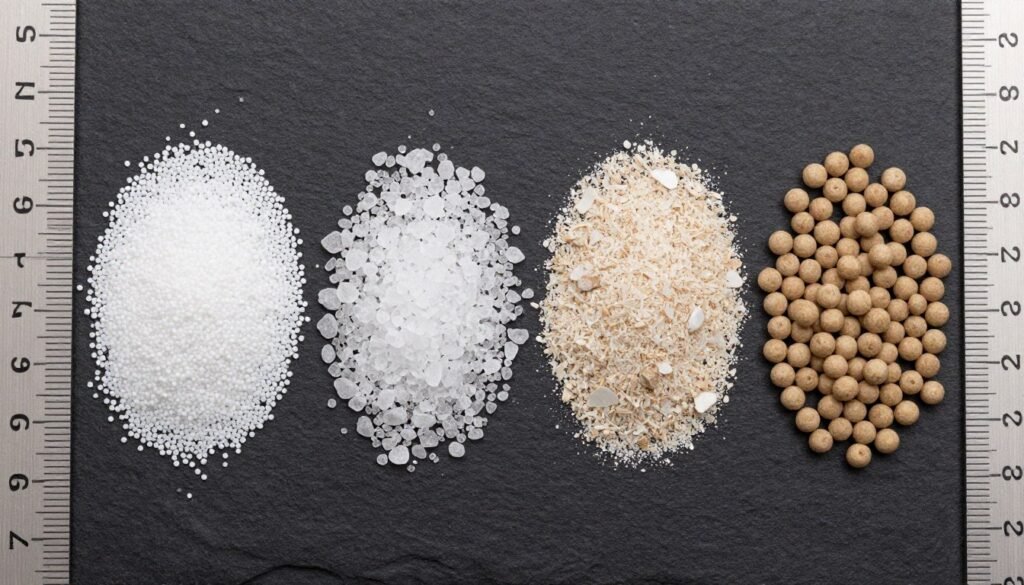
Temporary plugging technology has evolved through several generations of materials over decades of oilfield use. Understanding how PGA compares to conventional alternatives—in terms of strength, degradation behavior, and formation risk—helps engineers match the right material to a given well’s conditions.
Comparison with Traditional Materials
| Material Type | Mechanical Strength | Degradation Method | Natural Degradation Time | Requires Additional Removal? | Formation Risk | Cost Factor |
| PGA Particles | High (60–100 MPa) | Hydrolytic | 2–14 days | No | Minimal | Medium–High |
| Rock Salt | Medium (40–50 MPa) | Dissolution | 6–48 hours | No (in fresh water) | Low | Low |
| Benzoic Acid | Low–Medium (20–30 MPa) | Dissolution/sublimation | 12–36 hours | No | Low–Medium | Low–Medium |
| PLA Polymers | Medium (50–70 MPa) | Hydrolytic | 14–60 days | No | Low | Medium |
| Calcium Carbonate | Medium–High (50–80 MPa) | Insoluble; removed by acid | N/A | Yes – acid treatment | Medium | Low |
| Oil-Soluble Resin | Low (15–25 MPa) | Oil dissolution | Variable (1–7 days) | No | Medium–High | Medium |
Note: values represent typical ranges reported for these material categories and can vary by formulation and well conditions.
Other Traditional Materials at a Glance
Beyond PLA, several other materials remain in use, each suited to specific, narrower conditions:
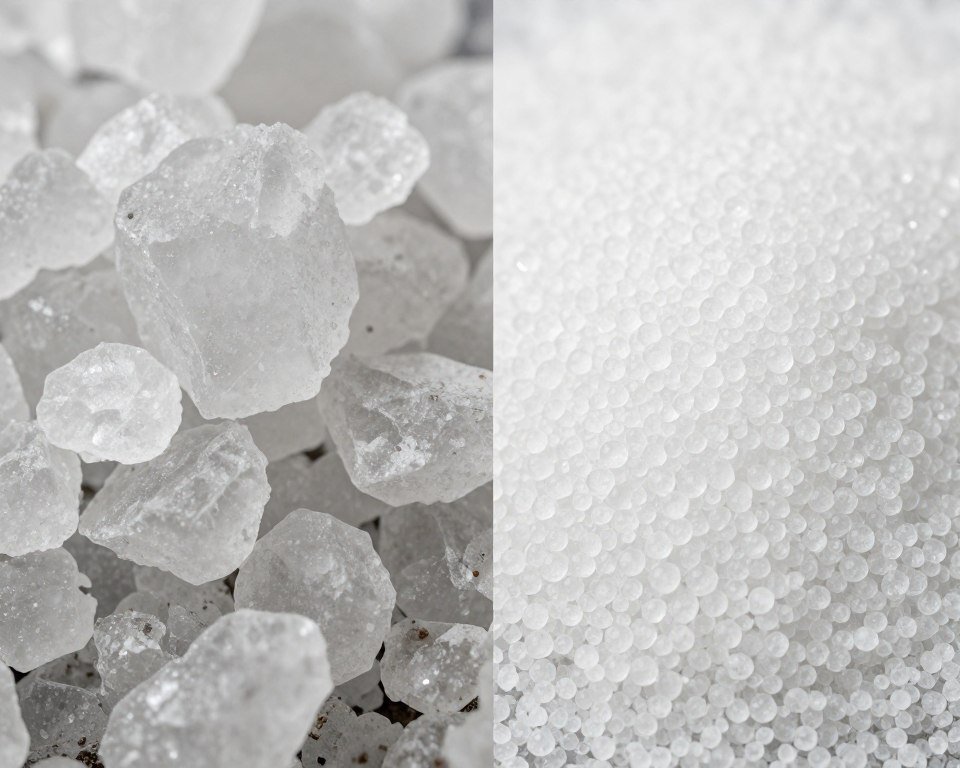
- Rock salt is low-cost and dissolves readily in freshwater, but its performance is inconsistent in high-salinity formation water, and its mechanical strength (40–50 MPa) limits use in higher-pressure treatments.
- Benzoic acid and organic acid systems dissolve or sublime above roughly 80°C, but uneven wellbore temperature distribution can cause inconsistent breakdown timing across the treated interval.
- Calcium carbonate offers strong mechanical performance and long-term stability, but it does not degrade naturally—removal requires an acid treatment stage, which adds time and can leave residue if acid coverage is incomplete, especially in long horizontal sections.
- Oil-soluble resins dissolve on contact with crude oil, but dissolution speed varies with oil composition (too fast in light oils, too slow in heavy oils), and the resin can adhere to water-wet rock surfaces.
PGA’s hydrolytic, water-based degradation mechanism is not dependent on water salinity, wellbore temperature uniformity, or hydrocarbon composition, giving it more consistent behavior across this range of well conditions—though at a generally higher material cost.
Polylactic Acid (PLA) Polymers
PLA is the closest chemical relative to PGA among degradable polymers, sharing a similar ester-based backbone. The two are often compared directly:
Where PGA typically performs better:
- Faster degradation under most well temperatures
- Higher crystallinity and mechanical strength
- More consistent performance at elevated temperatures
- More predictable breakdown kinetics
Where PLA typically performs better:
- Lower raw material cost
- Wider supplier availability
- Longer ambient shelf life
- More mature, established supply chains
PGA’s higher per-pound cost is often partly offset by shorter degradation times, which can reduce the duration of non-productive time between treatment and flowback. The extent of any net cost benefit depends heavily on well-specific factors and should be evaluated case by case rather than assumed.
For a deeper look at PLA’s own degradation chemistry, particle configurations, and application scenarios, see our Complete Guide to PLA Temporary Plugging Agent.
Matching Materials to Well Conditions
| Well/Operation Characteristics | Materials Typically Favored |
| High-temperature wells (>80°C), extended plugging (3–14 days), high-pressure fracturing, acid-sensitive formations, complex horizontal geometries | PGA |
| Low-temperature wells (<60°C), short-duration plugging (<24 hrs), simple vertical completions | Rock salt |
| Cost-sensitive operations with established acid treatment workflows | Calcium carbonate |
| Lower-pressure applications with moderate temperature | Benzoic acid / organic acid systems |
In shale gas development specifically, PGA’s combination of mechanical strength and self-degrading behavior is generally well suited to the high pressures and long lateral sections typical of multi-stage horizontal fracturing—though actual performance depends on specific formation and treatment parameters, and operators should request formulation-specific test data from suppliers rather than relying on general industry figures.
- High-temperature wells above 80°C
- Extended plugging requirements (3-14 days)
- High-pressure fracturing operations
- Formations sensitive to acid damage
- Complex well geometries
- Multi-stage fracturing in horizontal wells
Best Applications for PGA
- Low-temperature wells below 60°C (salt preferred)
- Short-duration plugging under 24 hours (salt preferred)
- Cost-sensitive operations (calcium carbonate preferred)
- Simple vertical well completions
- Wells with established acid treatment procedures
- Low-pressure applications (organic acids suitable)
Best Applications for Traditional Materials
Applications of PGA Temporary Plugging Agents in Oil & Gas
The versatility of PGA temporary plugging agents enables their use across numerous oil and gas operations. Each application leverages PGA’s unique combination of mechanical strength and controlled degradability to solve specific operational challenges.
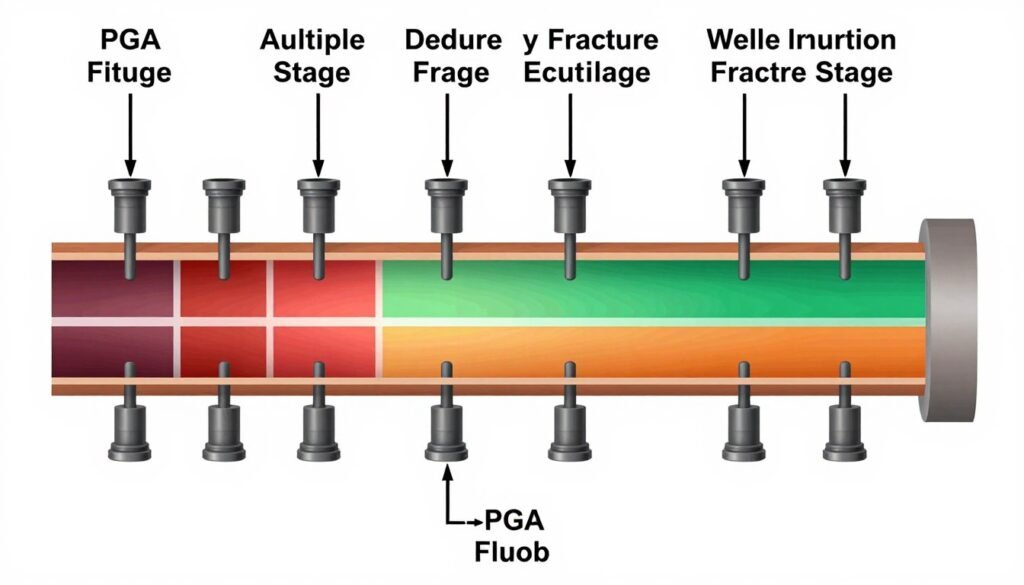
Multi-Stage Hydraulic Fracturing
Hydraulic fracturing in horizontal wells represents the primary application for PGA temporary plugging technology. These operations require isolating previously stimulated zones while fracturing new sections. PGA particles accomplish this isolation effectively.
During fracturing operations, engineers pump PGA particles ahead of proppant stages. The particles enter existing fractures and perforations in treated zones. They form a temporary seal that forces subsequent fracturing fluid into new, untreated perforations.
This temporary diversion creates more uniform stimulation across the horizontal section. Without effective diversion, fracturing fluid tends to enter the easiest zones repeatedly. PGA ensures each perforation cluster receives adequate stimulation volume.
Ball-and-Seat Systems Enhancement
Many horizontal wells use ball-and-seat completion systems for stage isolation. PGA particles complement these systems by sealing around dropped balls. This sealing improves pressure isolation and reduces ball seat erosion.
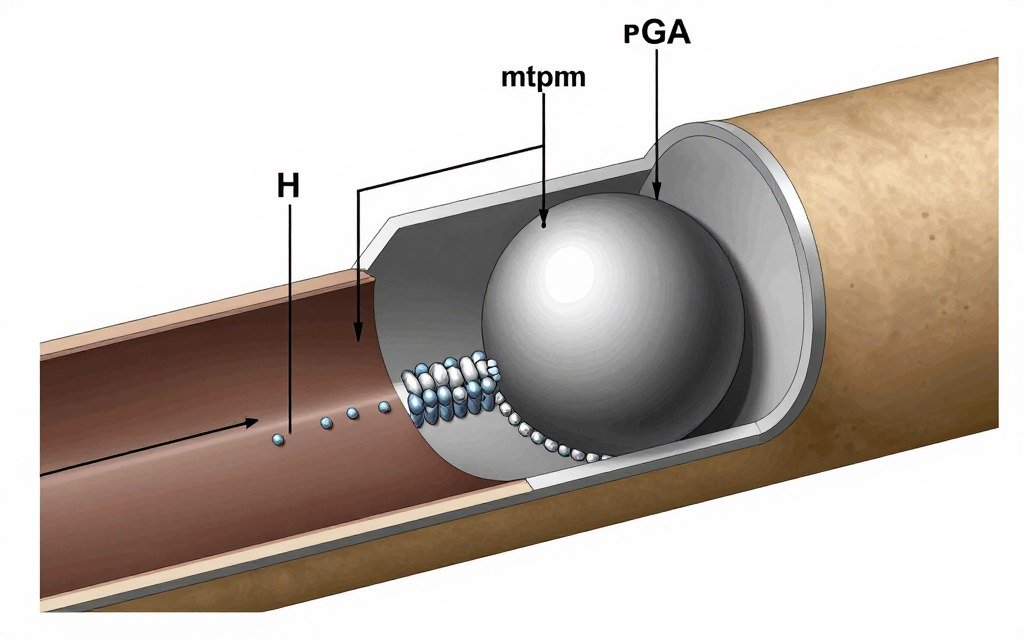
The combination of mechanical isolation from balls and chemical diversion from PGA creates robust stage separation. This dual approach allows higher treating pressures and better fracture complexity. Field results show improved production compared to ball-only completions.
Perforation Cluster Diversion
Within a single fracturing stage, multiple perforation clusters may exist. Creating simultaneous fractures from all clusters remains challenging. Flow naturally follows the path of least resistance, often entering only one or two clusters preferentially.
PGA temporary plugging agents address this perforation cluster inefficiency. Operators add PGA to fracturing fluid at strategic points during treatment. The particles preferentially enter active fractures, temporarily blocking them.
As active clusters plug, pressure increases until fluid diverts to unstimulated clusters. This process continues throughout the treatment, promoting fracture initiation across all perforations. The result: more complex fracture networks and improved reservoir contact.
Particle Size Distribution Strategy
Effective perforation diversion requires careful particle sizing. Engineers design PGA particle size distributions to match expected fracture widths and formation characteristics.
Tight Formations (Permeability under 0.1 mD)
- Primary particle range: 20-40 mesh (420-850 microns)
- Secondary range: 40-60 mesh (250-420 microns)
- Concentration: 20-50 pounds per thousand gallons
- Application: Narrow fracture widths typical of tight rock
Higher Permeability Formations (Over 0.1 mD)
- Primary particle range: 10-20 mesh (850-2000 microns)
- Secondary range: 20-40 mesh (420-850 microns)
- Concentration: 30-80 pounds per thousand gallons
- Application: Wider fractures in more permeable rock
Refracturing Operations
Existing wells often benefit from restimulation treatments. Refracturing operations face unique challenges—old fractures may still conduct fluid, limiting new fracture creation. PGA temporary plugging agents enable effective refracturing by isolating old fractures.
Operators pump PGA particles into old fractures before initiating new treatments. The particles seal existing conductivity pathways. Treatment pressure then increases, forcing fluid to break down new rock and create fresh fractures.
After degradation, both old and new fractures contribute to production. This approach maximizes the benefit of restimulation investment by adding new fracture surface area rather than merely retreating existing fractures.
Drilling Fluid Applications
PGA finds application in drilling fluid systems, particularly when drilling through depleted or naturally fractured formations. Lost circulation events in these zones waste expensive drilling fluid and delay operations.
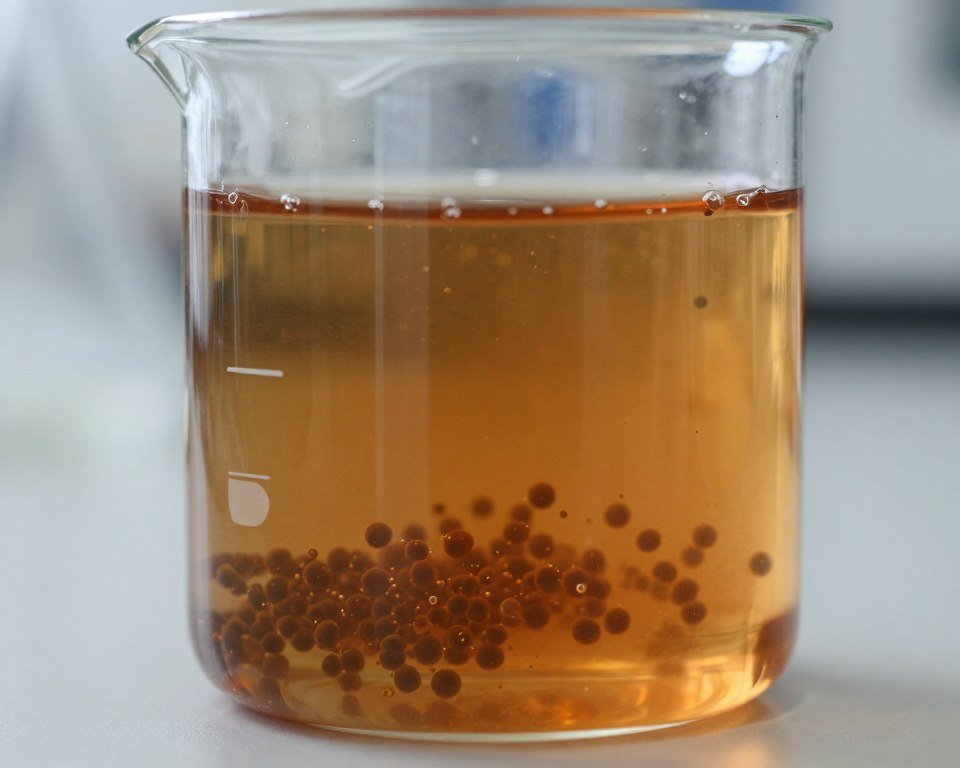
Adding PGA temporary plugging agents to drilling fluid provides lost circulation control. As fluid enters fractures or vugular porosity, PGA particles bridge and seal the loss zones. The temporary seal allows drilling to continue without major fluid losses.
After drilling completes, the PGA degrades naturally. This degradation reopens the sealed fractures, preserving formation productivity. Unlike permanent lost circulation materials, PGA causes no lasting formation damage.
Acid Fracturing Operations
Carbonate reservoirs often undergo acid fracturing treatments. Hydrochloric acid etches flow channels in limestone or dolomite formations. Achieving uniform acid placement across all perforations proves challenging.
PGA particles divert acid to unstimulated zones using the same mechanism as in proppant fracturing. The particles withstand acidic pH temporarily, providing diversion during treatment. After acid neutralization, the PGA degrades normally in the now-neutral wellbore environment.
This acid fracturing application requires selecting PGA grades with appropriate acid resistance. Slower-degrading formulations remain stable during initial acid contact while still degrading within desired timeframes post-treatment.
Water Shutoff Applications
Excessive water production plagues many mature oil and gas fields. Temporary water shutoff treatments allow production testing or enable selective treatment of high-water zones. PGA provides an effective temporary barrier for such applications.
Engineers inject PGA particles into high-water perforations or fractures. The particles form a temporary seal, reducing water influx. The well then produces preferentially from oil or gas zones for a defined period.
After the test period or treatment window, PGA degrades and normal production resumes. This temporary shutoff approach provides diagnostic information or enables selective treatment without permanent zone isolation.
Conformance Control in Production Wells
Production conformance issues occur when certain zones produce disproportionately, leaving other zones unstimulated. PGA temporary plugging agents offer solutions for improving production conformance.
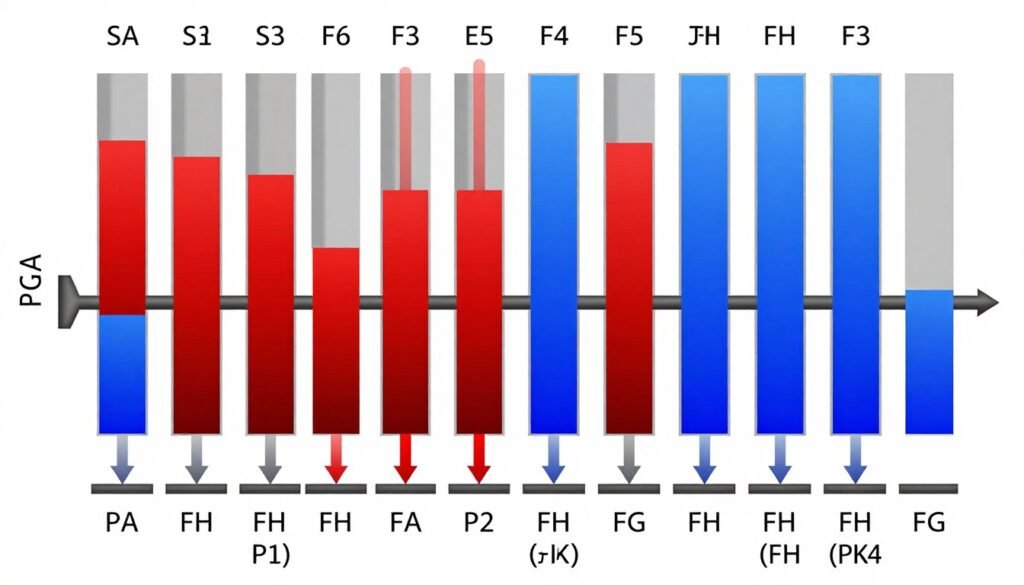
Operators inject PGA into high-permeability or depleted zones. This temporary blocking forces production from less-depleted, tighter zones. The practice improves sweep efficiency and ultimate recovery from heterogeneous reservoirs.
The temporary nature of PGA makes this technique low-risk. If the conformance treatment proves ineffective, the plugging agent simply degrades. The well returns to its original production profile without permanent formation alteration.
Fracture Height Control
Controlling fracture height growth protects water aquifers and avoids fracturing into adjacent formations. PGA particles help limit unwanted vertical fracture propagation.
When pumped in sufficient concentrations, PGA can seal against fracture tip propagation temporarily. This sealing redirects fracturing energy laterally rather than vertically. The technique proves especially valuable near formation boundaries.
After the primary fracturing treatment concludes, PGA degrades. The fracture then connects fully to the wellbore without restriction. This approach maintains producibility while controlling fracture geometry during stimulation.
Field Application Results
Field data from multiple basins demonstrates the effectiveness of PGA temporary plugging agents across these various applications.
| Application Type | Basin/Field | Key Result | Improvement vs. Baseline |
| Multi-stage fracturing | Permian Basin | Improved cluster efficiency to 78% | +23% production |
| Perforation diversion | Eagle Ford Shale | All clusters stimulated effectively | +18% EUR |
| Refracturing | Bakken Formation | Created 40% new fracture area | +156% production rate |
| Lost circulation control | Carbonate reservoir | Eliminated total loss zones | $340K savings per well |
| Acid fracturing diversion | Middle East carbonate | Uniform acid etching achieved | +31% productivity index |
Optimize Your Well Completion Strategy
Discuss your specific well conditions and operational objectives with our completion specialists. We’ll recommend the optimal PGA application strategy and material specifications for your field.
PGA Resin Selection Guide for Temporary Plugging Agent Manufacturing
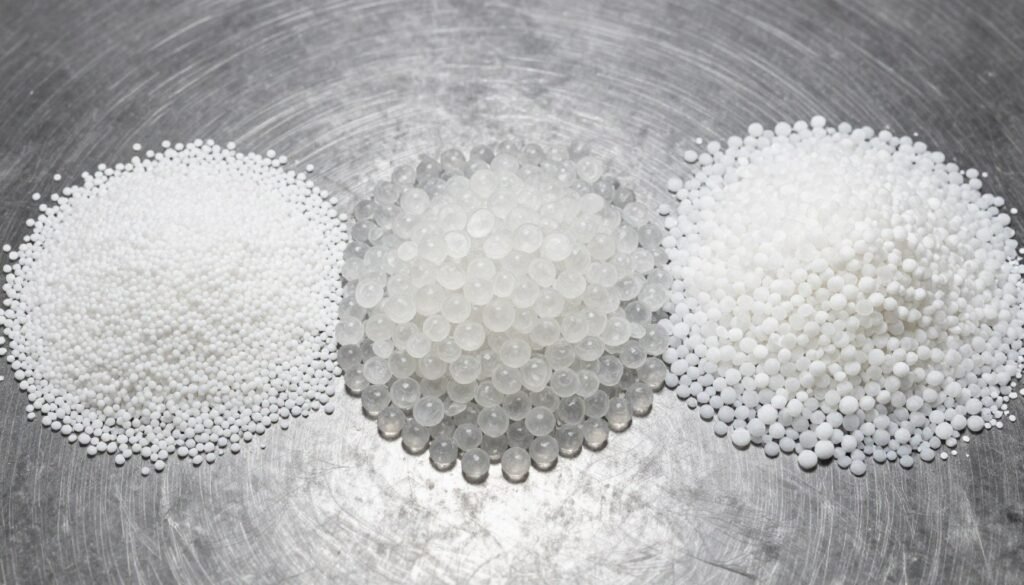
Manufacturing effective PGA temporary plugging agents requires selecting appropriate resin grades. The molecular weight, crystallinity, and processing characteristics of PGA resin directly influence the final product’s downhole performance.
Key Resin Specifications
PGA resin comes in various grades differentiated by molecular weight, melt flow index, and crystallinity. Understanding these specifications helps manufacturers select appropriate materials for specific applications.
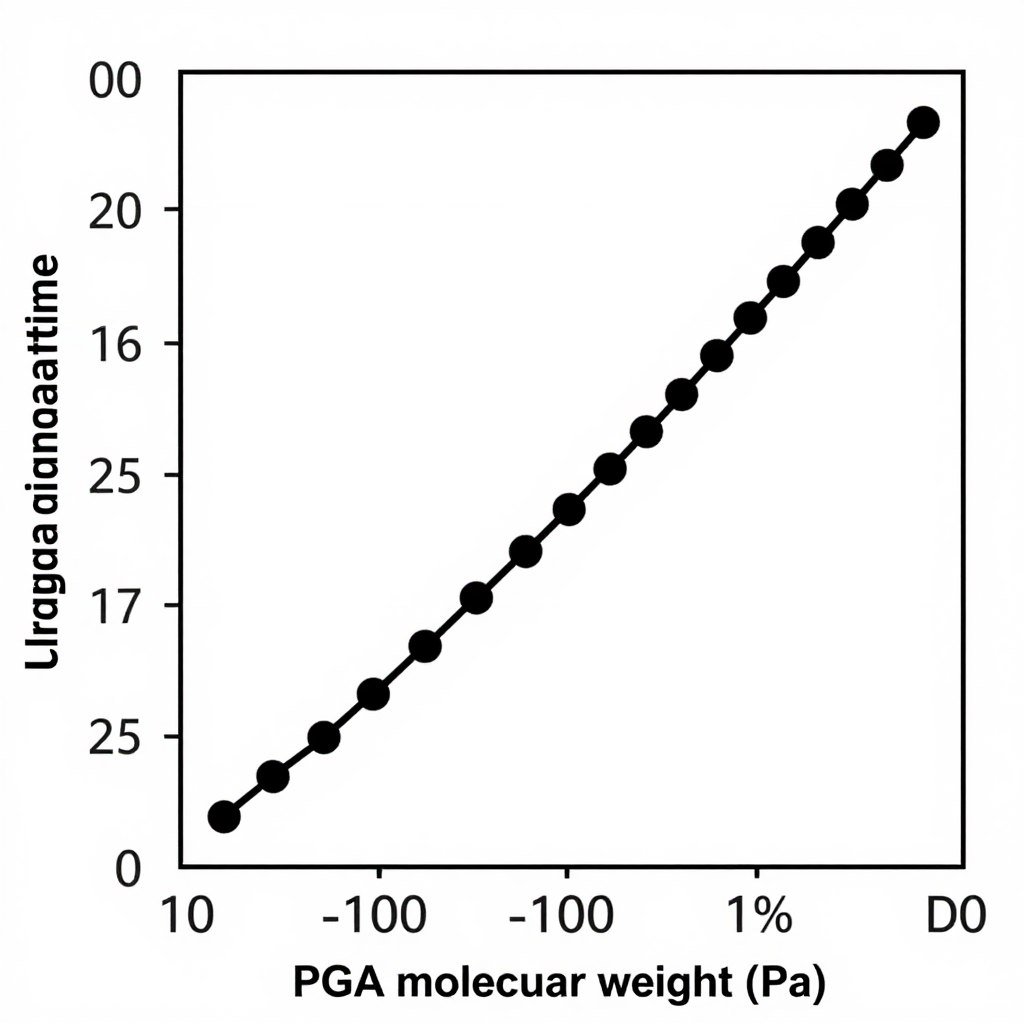
Molecular Weight Considerations
Molecular weight represents the most critical specification for PGA resin selection. This parameter directly affects both mechanical properties and degradation behavior.
Low molecular weight PGA resins (10,000-30,000 Da) degrade rapidly. These grades suit applications requiring quick breakdown within 2-5 days. However, they offer lower mechanical strength, limiting their use in high-pressure applications.
Medium molecular weight grades (30,000-60,000 Da) provide balanced performance. They deliver adequate mechanical strength for most fracturing applications while maintaining reasonable degradation times of 5-10 days. This range represents the most commonly used specification.
High molecular weight PGA resins (60,000-100,000 Da) offer maximum mechanical strength. Applications involving extreme pressures or extended plugging durations benefit from these grades. Degradation times extend to 10-20 days depending on downhole conditions.
Crystallinity Requirements
Crystallinity measures the degree of molecular ordering in the polymer structure. Higher crystallinity typically correlates with better mechanical properties but may slow degradation rates.
- Low crystallinity (35-45%): Faster degradation, lower strength, suitable for lower-pressure applications
- Medium crystallinity (45-55%): Balanced properties, most versatile for general applications
- High crystallinity (55-65%): Maximum strength, slower degradation, specialized high-pressure uses
Melt Flow Index (MFI)
The melt flow index indicates how easily PGA resin flows during processing. This specification affects manufacturing processes like extrusion, injection molding, and fiber spinning.
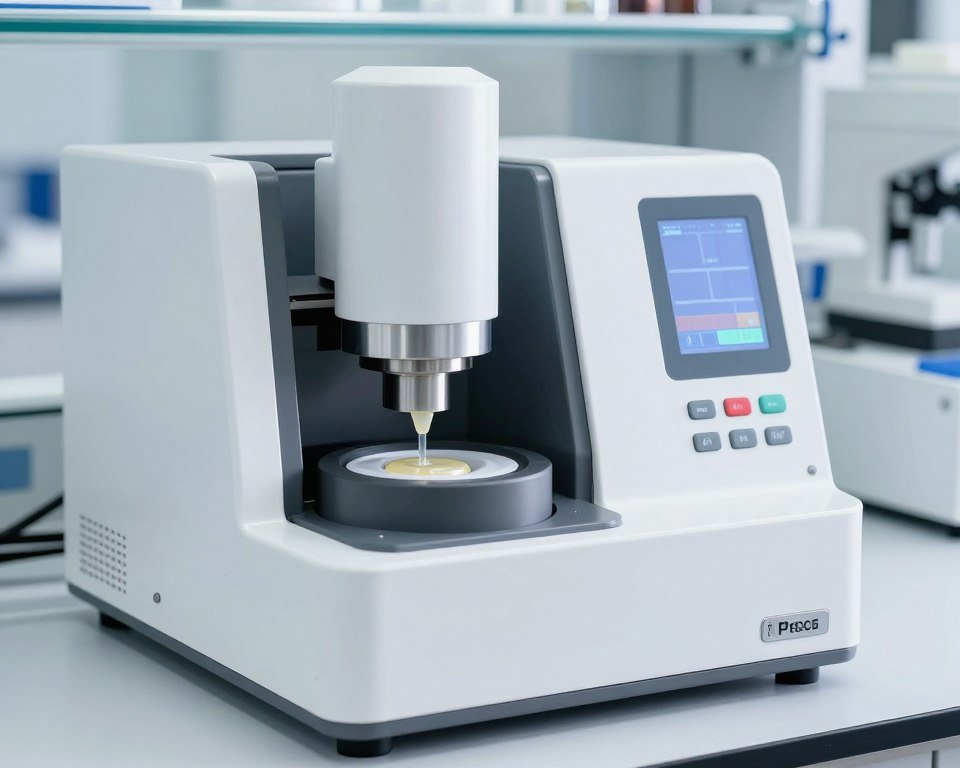
Low MFI resins (1-5 g/10 min) resist flow and require higher processing temperatures. They produce stronger particles but challenge manufacturing operations. High MFI resins (15-30 g/10 min) process easily but may yield softer particles with reduced mechanical strength.
Application-Specific Grade Selection
Different temporary plugging applications demand specific PGA resin characteristics. Matching resin grade to application ensures optimal performance.
| Application | Recommended MW Range | Crystallinity | Target Degradation | Key Property Priority |
| High-pressure fracturing | 60,000-100,000 Da | 55-65% | 10-14 days | Maximum mechanical strength |
| Standard multi-stage fracturing | 40,000-60,000 Da | 48-55% | 5-10 days | Balanced strength and degradation |
| Perforation diversion | 30,000-50,000 Da | 45-52% | 3-7 days | Rapid placement and degradation |
| Drilling lost circulation | 50,000-80,000 Da | 50-60% | 7-14 days | Stability in drilling fluid |
| Acid fracturing | 55,000-85,000 Da | 52-62% | 8-12 days | Temporary acid resistance |
| Low-temperature wells (under 70°C) | 25,000-45,000 Da | 42-50% | 10-20 days | Appropriate degradation kinetics |
Manufacturing Process Considerations
The manufacturing method for temporary plugging agents influences resin selection. Different processes place varying demands on resin properties.
Particle Production Methods
Several manufacturing techniques produce PGA particles for temporary plugging applications. Each method works best with specific resin grades.
Grinding and Sieving
This method crushes solid PGA into particles of desired sizes. It works well with high molecular weight, high crystallinity resins. The resulting particles have irregular shapes that bridge effectively in fractures.
Optimal resin: MW 60,000-100,000 Da, crystallinity 55-65%, low MFI
Solution Precipitation
PGA dissolves in solvent then precipitates as particles. This method produces more uniform, spherical particles. It accommodates a wider range of molecular weights and works well for creating specific particle size distributions.
Optimal resin: MW 30,000-70,000 Da, crystallinity 45-55%, medium MFI
Melt Extrusion
Molten PGA extrudes through dies and cuts into particles. This continuous process favors resins with good melt flow characteristics. It efficiently produces large volumes of consistent particles.
Optimal resin: MW 40,000-60,000 Da, crystallinity 48-54%, higher MFI
Fiber Production
PGA fibers provide mechanical reinforcement in temporary plugging systems. Fiber production typically uses melt spinning processes. These methods require resins with specific melt viscosity and thermal stability.

Fiber applications generally use medium molecular weight resins (40,000-70,000 Da) with moderate crystallinity. The fibers must possess sufficient tensile strength while remaining processable at reasonable temperatures.
Quality Control Parameters
Verifying resin quality ensures consistent temporary plugging agent performance. Manufacturers should test incoming resin against key specifications.
- Molecular weight distribution (GPC analysis)
- Intrinsic viscosity measurement
- Differential scanning calorimetry (crystallinity)
- Melt flow index at specified conditions
- Residual monomer content (under 1%)
- Moisture content (should be under 0.3%)
- Particle size distribution (if pre-ground)
Critical Testing Requirements
- Compressive strength of formed plugs
- Degradation rate at target temperature
- Suspension stability in carrier fluids
- Plugging efficiency in slot flow tests
- Regained permeability after degradation
- Compatibility with fracturing additives
- Thermal stability during storage
Performance Verification Tests
Storage and Handling Requirements
PGA resin requires proper storage to maintain quality. The material degrades slowly even in solid form when exposed to moisture and heat.
Store resin in sealed containers with desiccant. Humidity accelerates hydrolysis, reducing molecular weight over time. Warehouse temperatures should remain below 25°C when possible. Higher temperatures accelerate degradation, particularly in partially crystalline regions.
Typical shelf life ranges from 12-24 months under proper storage conditions. After this period, test resin properties before use. Extended storage may reduce molecular weight by 5-15%, affecting final product performance.
Cost Optimization Strategies
PGA resin represents a significant cost component in temporary plugging agent formulations. Strategic purchasing and specification optimization help control expenses.
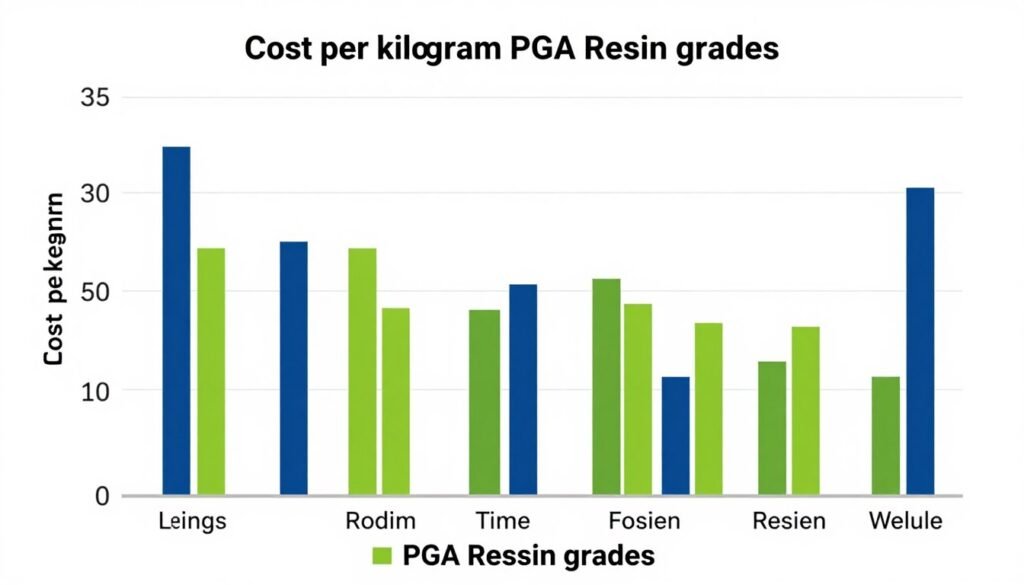
Avoid over-specifying resin requirements. Using unnecessarily high molecular weight or purity grades increases costs without proportional performance benefits. Match specifications precisely to application requirements.
Consider blending different resin grades. Combining high and medium molecular weight resins can achieve target performance at reduced cost. This approach requires careful testing to verify that the blend meets all performance criteria.
Bulk purchasing reduces per-unit costs significantly. Establish relationships with reliable suppliers and commit to volume purchases. However, balance bulk buying against storage limitations and shelf life considerations.
Get Custom PGA Resin Recommendations
Our material specialists will analyze your specific application requirements and recommend the optimal PGA resin grade, including detailed specifications and sourcing options.
Challenges and Considerations When Using PGA Temporary Plugging Agents
While PGA temporary plugging agents offer significant advantages, successful implementation requires addressing several technical and operational challenges. Understanding these limitations enables engineers to design more effective treatments and avoid potential issues.
Temperature Sensitivity and Degradation Control
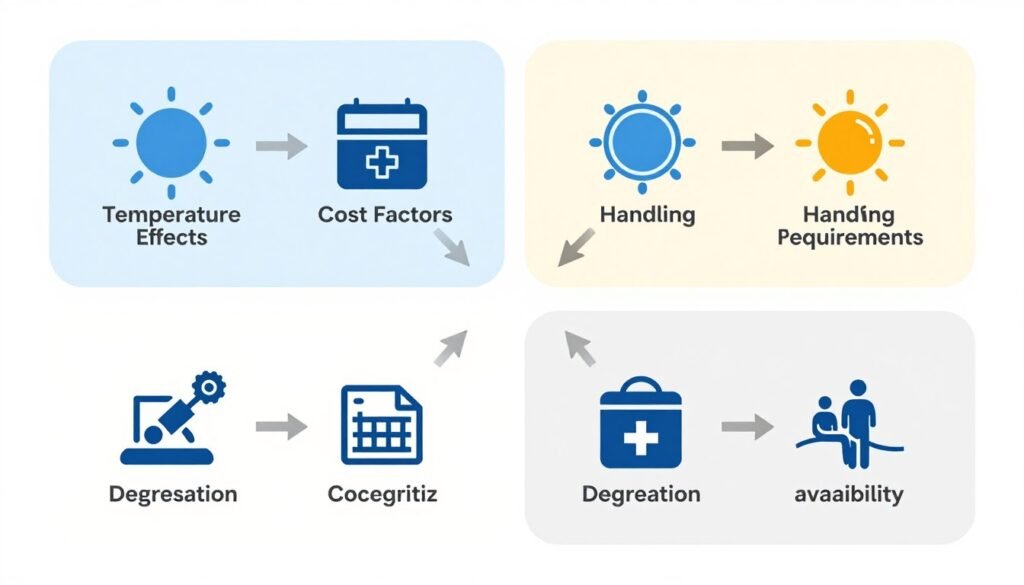
Temperature profoundly affects PGA degradation rates. This sensitivity creates both opportunities and challenges in well operations.
At elevated temperatures above 100°C, PGA may degrade too rapidly. The plugging agent might break down before completing its intended function. Wells with bottomhole temperatures exceeding 120°C pose particular challenges for standard PGA formulations.
Conversely, low-temperature environments below 50°C slow degradation significantly. The temporary plug may persist much longer than anticipated. This extended presence delays production startup and may necessitate intervention to remove residual material.
Temperature Variation Management
Wellbore temperature varies with depth and changes over time during operations. Shut-in periods allow wells to heat up. Circulation cools the wellbore temporarily. These fluctuations complicate degradation timeline predictions.
Critical Consideration: Always calculate degradation times based on static bottomhole temperature, not circulating temperature. The difference can exceed 30°C in deep, hot wells, dramatically affecting actual degradation behavior.
Engineers must account for temperature profiles when planning PGA applications. Use downhole temperature surveys rather than surface calculations. Build contingency time into operational schedules to accommodate degradation variability.
Cost Considerations
PGA temporary plugging agents cost significantly more than traditional materials like salt or calcium carbonate. This price difference requires careful economic justification.
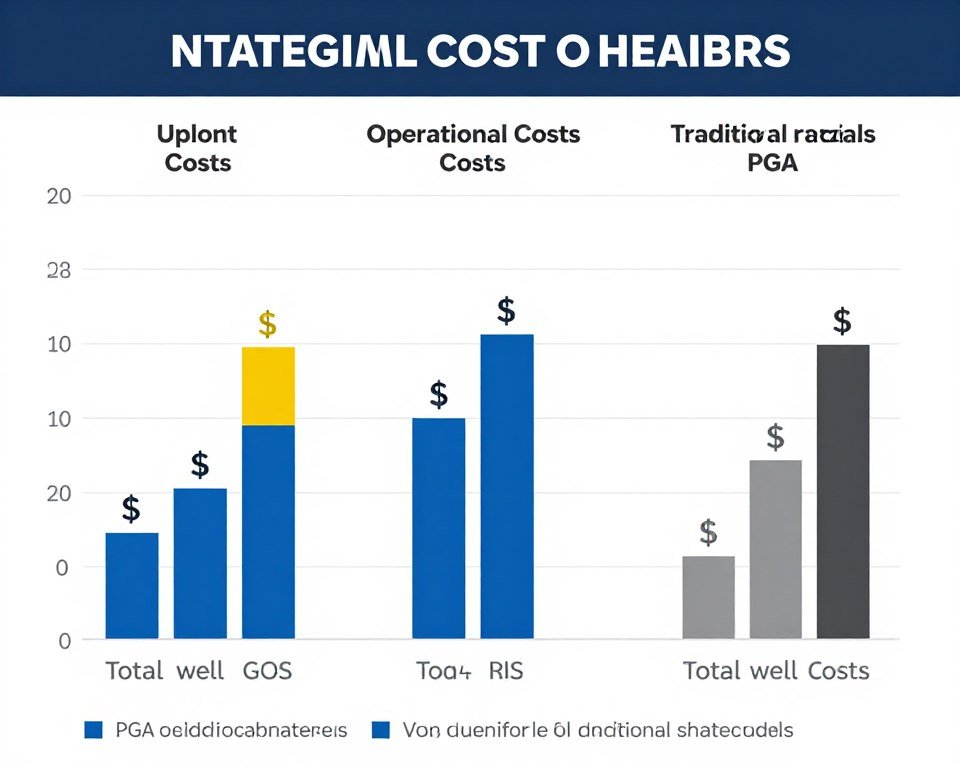
Material costs for PGA typically range from $15-30 per pound depending on grade and volume. A single fracturing stage might require 200-500 pounds of material. This adds $3,000-15,000 per stage compared to negligible costs for salt or under $500 for calcium carbonate.
However, total well economics often favor PGA despite higher material costs. Eliminating acid cleanout operations saves rig time worth $20,000-50,000 per day. Improved production from better stimulation creates long-term value exceeding upfront cost differences.
Economic Optimization Strategies
Several approaches help optimize PGA economics while maintaining performance.
- Use PGA selectively in critical stages requiring reliable degradation rather than all stages
- Blend PGA with lower-cost degradable materials in less demanding applications
- Optimize particle concentrations to minimum effective levels through testing
- Consider PGA primarily in high-value wells where production gains justify costs
- Negotiate volume pricing with suppliers for multi-well programs
Handling and Logistics Challenges
PGA requires more careful handling than traditional temporary plugging materials. The polymer’s sensitivity to moisture and temperature creates logistical complications.
Moisture exposure during storage or handling accelerates degradation. Even ambient humidity slowly hydrolyzes PGA over time. This process reduces molecular weight and degrades performance before the material reaches the wellsite.
Temperature control during transportation and storage matters significantly. Shipping containers exposed to direct sunlight may reach temperatures exceeding 50°C. These elevated temperatures accelerate degradation during transport.
Best Practices for Material Handling
Storage Requirements
- Maintain warehouse temperature below 25°C
- Store in sealed, moisture-barrier packaging
- Include desiccant packets in containers
- Implement first-in-first-out inventory rotation
- Limit storage duration to 12-18 months maximum
- Keep material away from water sources
Handling Procedures
- Minimize package opening time at wellsite
- Protect material from rain and humidity
- Use dry blending equipment cleaned of water
- Add material to fluids immediately before use
- Avoid prolonged mixing that might initiate degradation
- Dispose of unused material per environmental guidelines
Fluid Compatibility Issues
PGA performs differently in various fluid systems. Compatibility testing before field application prevents unexpected problems.
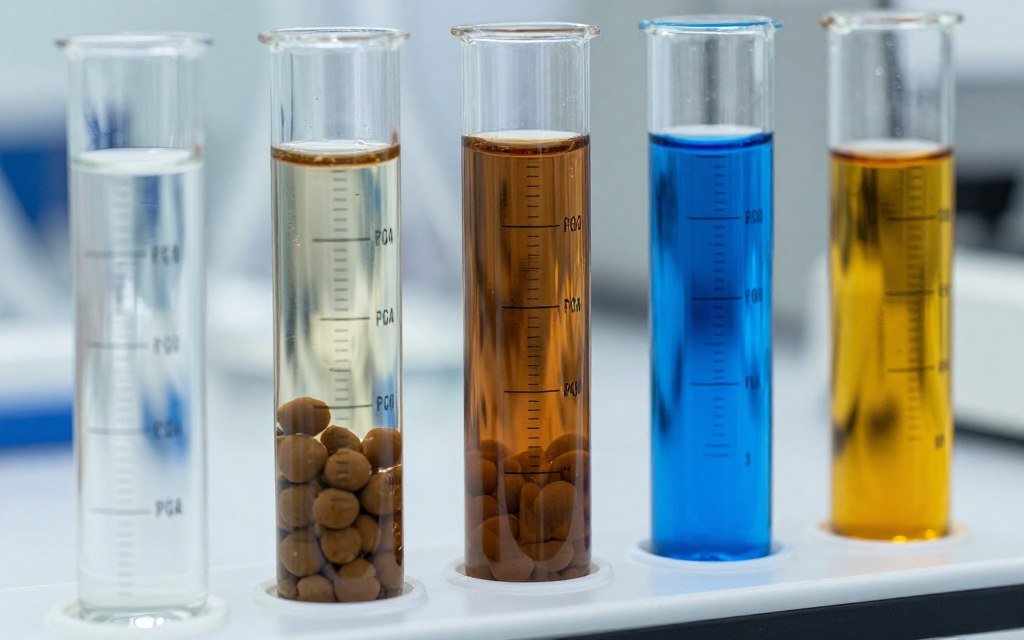
High-salinity brines may affect PGA degradation rates unpredictably. Some field data suggests accelerated degradation in concentrated salt solutions. Other studies show minimal impact. This variability necessitates testing with actual field brines.
Organic additives in fracturing fluids sometimes interact with PGA particles. Surfactants may alter surface properties, affecting bridging behavior. Biocides occasionally accelerate or retard degradation through pH effects.
Oil-based fluids present particular challenges. PGA remains stable in pure hydrocarbons, but emulsified systems behave less predictably. Water content in the emulsion drives degradation, but accessibility varies with emulsion stability.
Particle Bridging Uncertainty
Effective temporary plugging requires particles to bridge and seal across fracture widths or perforation diameters. Predicting bridging behavior involves uncertainty.
Fracture width distributions in actual formations remain poorly characterized. Assuming uniform fracture widths may lead to inadequate particle sizing. Some fractures exceed expected widths, allowing particles to pass through without bridging.
Flow velocity affects bridging efficiency. High-velocity flow during fracturing may erode particle bridges before they stabilize. This erosion reduces plugging effectiveness in extreme conditions.
Bridging Prediction Guidelines
Laboratory testing provides bridging performance data, but scaling to field conditions requires careful interpretation. Conservative design approaches help ensure field success.
| Fracture Width | Recommended Particle Size | Concentration Range | Expected Bridging Reliability |
| Under 1 mm | 40-60 mesh (250-420 µm) | 20-40 lb/1000 gal | High (over 90%) |
| 1-2 mm | 20-40 mesh (420-850 µm) | 30-60 lb/1000 gal | High (over 85%) |
| 2-3 mm | 10-20 mesh (850-2000 µm) | 40-80 lb/1000 gal | Moderate (70-85%) |
| 3-5 mm | 8-16 mesh (1000-2400 µm) | 60-120 lb/1000 gal | Moderate (60-75%) |
| Over 5 mm | Blended sizes with fibers | 80-150+ lb/1000 gal | Variable (40-70%) |
Formation Damage Potential
While PGA degrades completely, the degradation products and physical presence during plugging may affect formation properties temporarily.
Glycolic acid and lactic acid accumulation near the wellbore could alter wettability or react with formation minerals. Carbonate formations might experience localized dissolution. Clay-containing formations may undergo temporary permeability reduction from acidic conditions.
Particle invasion into the formation matrix before degradation potentially reduces permeability. Fine PGA particles may penetrate deeper than intended, creating temporary formation damage. This damage reverses after degradation but affects initial production.
Mitigating Formation Damage Risks
Several practices minimize potential formation damage from PGA temporary plugging agents.
- Use particle size distributions that cannot penetrate formation pore throats
- Limit PGA concentrations to minimum levels required for effective plugging
- Consider post-treatment flowback procedures to remove degradation products
- Test formation compatibility with degradation products in core samples
- Allow adequate time for complete degradation before production startup
- Monitor initial production for signs of residual plugging or damage
Regulatory and Environmental Considerations
PGA’s biodegradable nature generally satisfies environmental requirements. However, regulatory compliance still requires attention.

Some jurisdictions require disclosure of all wellbore additives. PGA must appear on chemical disclosure forms even though it degrades completely. Documentation should include degradation products and timelines.
Disposal of unused PGA material requires following local regulations. While biodegradable, disposing of large quantities may still require special procedures. Landfill disposal typically satisfies requirements, but verify local rules.
Groundwater protection regulations may affect PGA use near aquifers. While degradation products pose minimal risk, demonstrate this through documentation. Some operators conduct additional environmental assessments for sensitive areas.
Quality Consistency Challenges
PGA temporary plugging agent performance depends heavily on consistent material quality. Batch-to-batch variability creates operational risks.
Polymer molecular weight may vary between production batches. This variation affects both mechanical strength and degradation kinetics. A batch with 10% lower molecular weight might degrade 20-30% faster than expected.
Particle size distribution also shows batch variability. Manufacturing processes produce somewhat inconsistent size ranges. Significant deviations from specified distributions compromise bridging performance.
Quality Assurance Protocols
Implement rigorous testing protocols to ensure material consistency across batches.
Recommended Testing Sequence: Test every batch for molecular weight (GPC), particle size distribution (sieve analysis), crystallinity (DSC), and suspension behavior in field fluids before deployment. Reject batches deviating more than 5% from specifications.
Choosing a Reliable PGA Resin Supplier for Temporary Plugging Applications
Selecting a dependable PGA resin supplier significantly impacts the success of temporary plugging operations. Supplier reliability affects material quality, delivery consistency, technical support, and ultimately, well performance.

Critical Supplier Evaluation Criteria
Comprehensive supplier assessment requires examining multiple factors beyond price. The following criteria help identify suppliers capable of supporting demanding oil field operations.
Manufacturing Capability and Capacity
A supplier’s manufacturing infrastructure determines their ability to meet volume requirements consistently. Evaluate production capacity against your projected needs, including potential expansion.
Dedicated PGA production facilities indicate serious commitment to the material. Suppliers manufacturing PGA alongside many other polymers may lack specialized expertise. Ask about annual production volumes and capacity utilization rates.
Production consistency requires quality control systems and process monitoring. Request information about in-process testing, statistical process control, and batch release procedures. ISO 9001 certification provides baseline assurance of quality management systems.
Technical Expertise and Support
Temporary plugging applications demand specialized knowledge. Suppliers should offer more than just material—they should provide technical partnership.
Essential Technical Support Services
- Application engineering assistance
- Custom grade development for specific conditions
- Degradation modeling for well conditions
- Compatibility testing with field fluids
- Failure analysis and troubleshooting
- Field trial support and monitoring
Supplier Technical Qualifications
- Staff with oil and gas industry experience
- Laboratory testing capabilities
- Published research or field case studies
- Understanding of downhole conditions
- Collaboration with academic institutions
- Participation in industry conferences
Quality Assurance and Testing
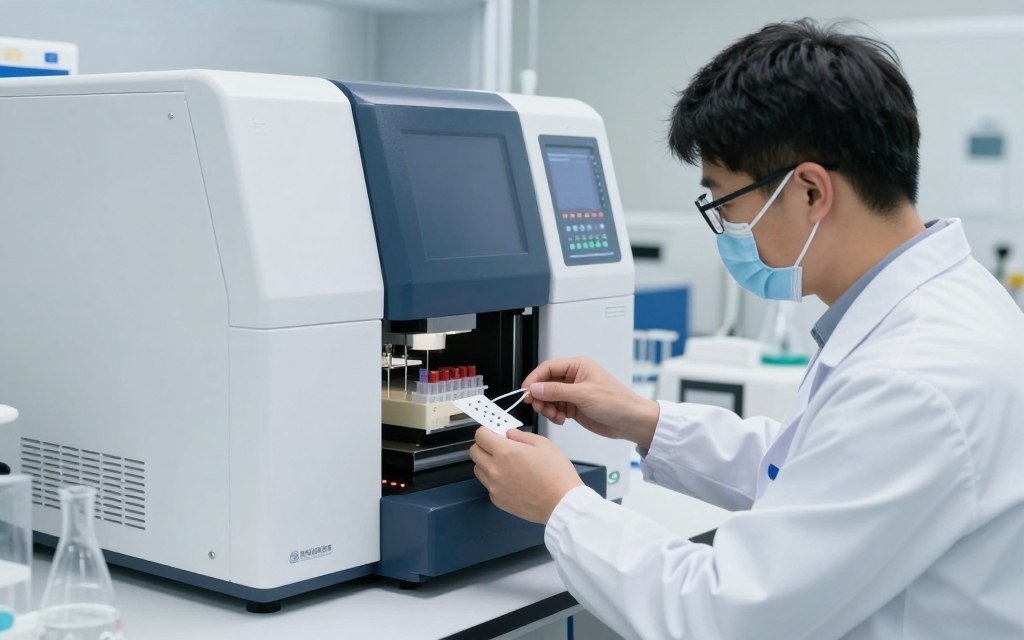
Consistent material quality requires rigorous testing protocols. Evaluate supplier testing capabilities and quality documentation practices.
Every batch should undergo comprehensive testing. Certificate of Analysis (COA) documents must accompany shipments. These certificates should report all critical specifications: molecular weight, crystallinity, melt flow index, and residual monomer content.
Third-party laboratory verification provides additional confidence. Suppliers willing to submit samples for independent testing demonstrate transparency. Ask about their policies regarding disputed test results and material returns.
Supply Chain Reliability
Delivery reliability matters as much as product quality in time-sensitive drilling operations. Late deliveries disrupt expensive drilling schedules and may force use of alternative materials.
Assess supplier inventory practices. Do they maintain stock, or produce only against orders? Stock availability enables faster response times. Made-to-order models may offer lower prices but create delivery uncertainty.
Geographic proximity affects delivery speed and costs. Domestic suppliers generally deliver faster than overseas sources. However, some international suppliers maintain regional warehouses that provide competitive delivery times.
| Supply Chain Factor | Questions to Ask Suppliers | Red Flags to Watch For |
| Lead Times | What are standard and expedited delivery times? How often do you meet promised dates? | Vague timelines, frequent delays in trial orders, no expedite options |
| Inventory | Do you stock standard grades? What minimum quantities require special production runs? | Zero inventory, high minimum orders, long production cycles |
| Logistics | Who handles shipping? Can you deliver to remote wellsites? What about temperature-controlled transport? | No specialized logistics, inability to deliver to field locations |
| Backup Plans | What happens if production issues arise? Do you have secondary manufacturing sites? | Single production facility with no contingency plans |
Pricing Structure and Terms
PGA resin pricing varies significantly across suppliers. Understanding pricing structures helps negotiate favorable terms while ensuring quality.
Base material costs typically range from $12-25 per kilogram depending on grade, volume, and supplier. Higher molecular weight grades generally cost more. Custom formulations command premium pricing.
Volume discounts provide significant savings opportunities. Establish pricing tiers for different purchase volumes. Lock in pricing through annual contracts for predictable budgeting. However, avoid overcommitting if consumption volumes remain uncertain.
Hidden Costs to Consider
Evaluate total cost beyond quoted material prices. Several factors add to the delivered cost of PGA resin.
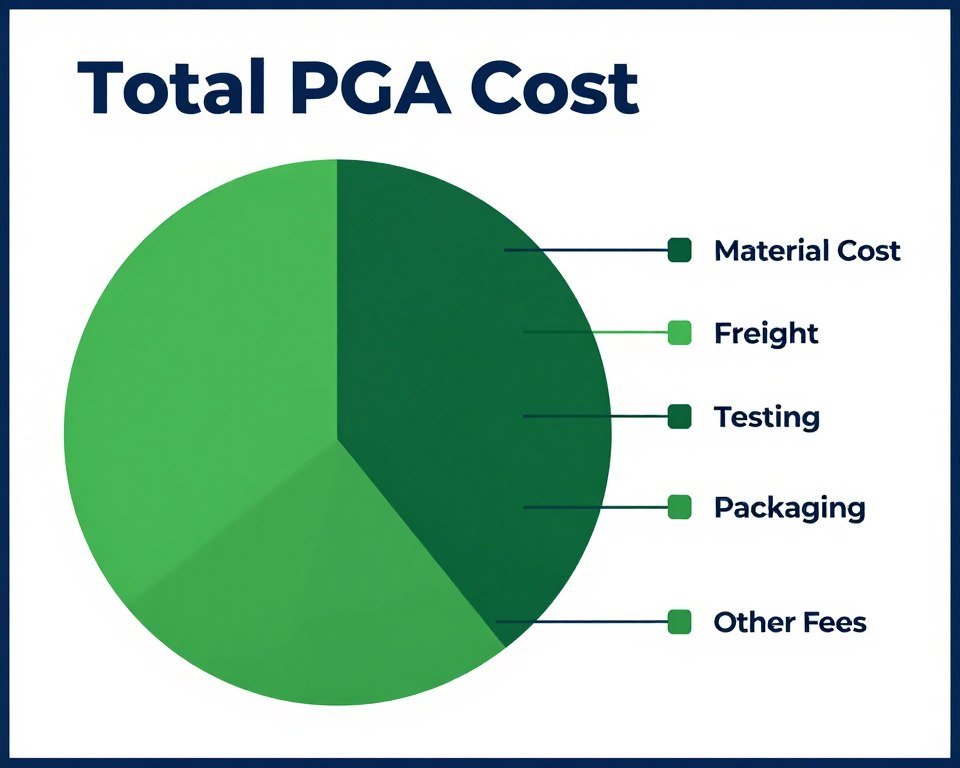
- Freight and logistics fees, especially for temperature-controlled shipping
- Custom packaging requirements for moisture protection
- Testing and certification charges beyond standard COA
- Minimum order quantities forcing inventory carrying costs
- Rush order premiums for expedited delivery
- Currency exchange risks for international suppliers
Supplier Financial Stability
Long-term supplier relationships require financially stable partners. A supplier’s bankruptcy or closure mid-project creates significant problems.
Research supplier ownership and financial backing. Publicly traded companies offer transparency through financial disclosures. Private companies may provide references or bank letters confirming financial health.
Years in business indicates stability, though newer companies with strong backing may offer innovation. Ask about major customers and market position. Dominant market players typically demonstrate strong financial positions.
Regulatory Compliance and Certifications
Suppliers must comply with relevant regulations governing chemical manufacturing and sale. Verify compliance before establishing relationships.
- ISO 9001 (Quality Management)
- ISO 14001 (Environmental Management)
- Safety Data Sheet (SDS) availability
- Chemical registration compliance (REACH, TSCA)
- Export/import licenses for international trade
- Product liability insurance
Essential Certifications and Compliance
- ISO 13485 (Medical device quality, indicating high QC)
- Industry-specific certifications
- Environmental sustainability certifications
- Third-party quality audits
- Published safety studies
- Traceability systems for batch tracking
Value-Add Certifications
Reference Checks and Reputation
Speaking with existing customers provides invaluable insights into supplier performance. Request references and conduct thorough interviews.
Ask references specific questions about quality consistency, delivery reliability, technical support responsiveness, and problem resolution. Generic positive feedback matters less than detailed performance examples.
Industry reputation extends beyond formal references. Attend oil and gas conferences where suppliers exhibit. Talk with peers about their supplier experiences. Online reviews and discussion forums sometimes reveal issues not mentioned in sales conversations.
Sample Evaluation Program
Never commit to large volumes without testing supplier material in your specific application. Implement a structured evaluation program.

Sample Testing Protocol
- Request samples of recommended grades from multiple suppliers
- Conduct independent laboratory testing to verify specifications
- Test compatibility with your specific drilling or fracturing fluids
- Perform degradation studies at expected downhole temperatures
- Conduct bridging tests with actual fracture width simulators
- Compare sample performance against current material if applicable
- Request second sample batch to assess consistency
- Consider small field trial with most promising supplier
Document all testing results systematically. Compare suppliers objectively using standardized criteria. Resist choosing based solely on lowest price—performance consistency matters more.
Contract Terms and Protections
Formal supply agreements protect both parties and clarify expectations. Address key terms explicitly in written contracts.
Quality specifications must appear in contracts, not just sales quotations. Define acceptable ranges for all critical parameters. Establish procedures for handling off-specification material, including return policies and replacement timelines.
Delivery terms should specify lead times, expedite options, and penalties for late delivery. Include force majeure provisions but require notification and mitigation efforts.
Intellectual property clauses matter if developing custom formulations. Clarify ownership of proprietary grades and restrictions on supplier selling to competitors.
Legal Tip: Include provisions for annual price negotiations tied to raw material indices. This protects against arbitrary price increases while allowing justified adjustments for market conditions.
Developing Supplier Partnerships
The best supplier relationships transcend transactional exchanges. Cultivate true partnerships that benefit both parties.
Share field performance data with suppliers. This feedback helps them improve products and develop new grades. Suppliers appreciate customers who contribute to product development rather than simply demanding improvements.
Involve suppliers early in planning new projects or applications. Their technical expertise may identify better approaches or prevent problems. Early involvement also helps them prepare adequate inventory and support resources.
Consider exclusive or preferred supplier arrangements for particularly strong partners. These relationships may unlock better pricing, priority allocation during shortages, and enhanced technical support.
Connect with Trusted PGA Resin Suppliers
Our supplier network includes pre-vetted, experienced PGA resin manufacturers. We can facilitate introductions and provide independent guidance on supplier selection for your temporary plugging applications.
Conclusion
Polyglycolic acid temporary plugging agents represent a significant advancement in oil and gas well completion technology. Their unique combination of mechanical strength, controlled degradability, and minimal formation damage addresses critical challenges in modern drilling operations.
The material’s predictable degradation eliminates costly removal operations required by traditional plugging materials. This autonomous breakdown reduces well intervention time and accelerates production startup. Economic benefits often exceed the premium material costs through faster operations and improved well performance.
PGA’s effectiveness across diverse applications—from multi-stage fracturing to lost circulation control—demonstrates its versatility. Engineers can rely on consistent performance in demanding downhole environments. Temperature ranges from 50°C to 150°C accommodate most well conditions encountered in conventional and unconventional plays.
Successful implementation requires careful attention to material selection, application design, and supplier partnerships. Understanding degradation kinetics at specific well temperatures enables accurate operational planning. Proper resin grade selection ensures adequate mechanical strength while achieving desired breakdown timelines.
Challenges exist with any advanced technology. Temperature sensitivity, higher costs compared to traditional materials, and handling requirements demand careful consideration. However, these limitations diminish as engineers gain experience and suppliers develop improved formulations.
The oil and gas industry continues advancing toward more efficient, environmentally responsible operations. PGA temporary plugging agents align perfectly with this evolution. Their biodegradable nature, superior performance, and operational efficiency make them increasingly attractive despite premium pricing.
Looking forward, ongoing research promises further improvements. New PGA formulations may extend temperature tolerance or provide even more precise degradation control. Manufacturing scale-up will likely reduce costs, broadening economic applicability. Integration with digital monitoring systems may enable real-time degradation tracking.
For operations teams evaluating temporary plugging solutions, PGA deserves serious consideration. The technology has matured beyond experimental status into a proven, field-tested tool. Thousands of successful applications across major producing basins validate the material’s effectiveness.
Selecting reliable suppliers and following best practices ensures optimal results. Take time to properly specify resin grades for your conditions. Conduct thorough testing before full-scale deployment. Partner with experienced suppliers who offer technical support beyond material sales.
The transition from traditional temporary plugging materials to PGA requires initial investment in knowledge and potentially higher material costs. This investment pays dividends through improved operational efficiency, better well performance, and reduced intervention requirements.
As the industry pursues ever-more-complex well designs and challenging reservoir targets, advanced materials like PGA become increasingly essential. The temporary plugging agent market will continue evolving, but PGA has established itself as a cornerstone technology for modern completion operations.
Ready to Implement PGA in Your Operations?
Our team of completion engineers and material specialists can guide you through PGA selection, application design, and supplier evaluation. Start optimizing your temporary plugging strategy today.