

Acrylonitrile Butadiene Styrene (ABS) and Polyvinyl Chloride (PVC) are two thermoplastics commonly selected for industrial applications due to their distinct mechanical and processing characteristics. From automotive parts to plumbing systems, each material serves specific functional needs. This guide offers a detailed comparison of ABS and PVC in terms of mechanical strength, environmental impact, and manufacturing requirements. By outlining their respective advantages, limitations, and application scenarios, the analysis helps engineers, manufacturers, and procurement professionals choose the most suitable material for performance, cost-efficiency, and regulatory compliance.
Introduction to ABS and PVC Plastics
Acrylonitrile Butadiene Styrene (ABS) is a robust thermoplastic prized for its balance of strength, impact resistance, and moldability. Derived from acrylonitrile, butadiene, and styrene, ABS offers chemical stability, flexibility, and rigidity, respectively. This combination drives its widespread use in applications like automotive parts, consumer electronics, and intricate molded components.
Polyvinyl Chloride (PVC), another prevalent thermoplastic, is valued for its durability, exceptional chemical resistance, and affordability. Available in rigid and flexible variants, PVC adapts to diverse needs, from rigid pipes in construction and plumbing to flexible films in packaging. Its versatility and low cost make it a staple across multiple sectors.
Both ABS and PVC are supplied as plastic pellets, compatible with processes like injection molding and extrusion. However, their distinct mechanical and chemical properties dictate their suitability for specific applications, influencing performance, processing, and end-use requirements.
Not sure whether ABS fits your design? Tell us your part geometry, target impact, and operating temperature—we’ll recommend the right ABS pellets and a processing window for injection or extrusion.
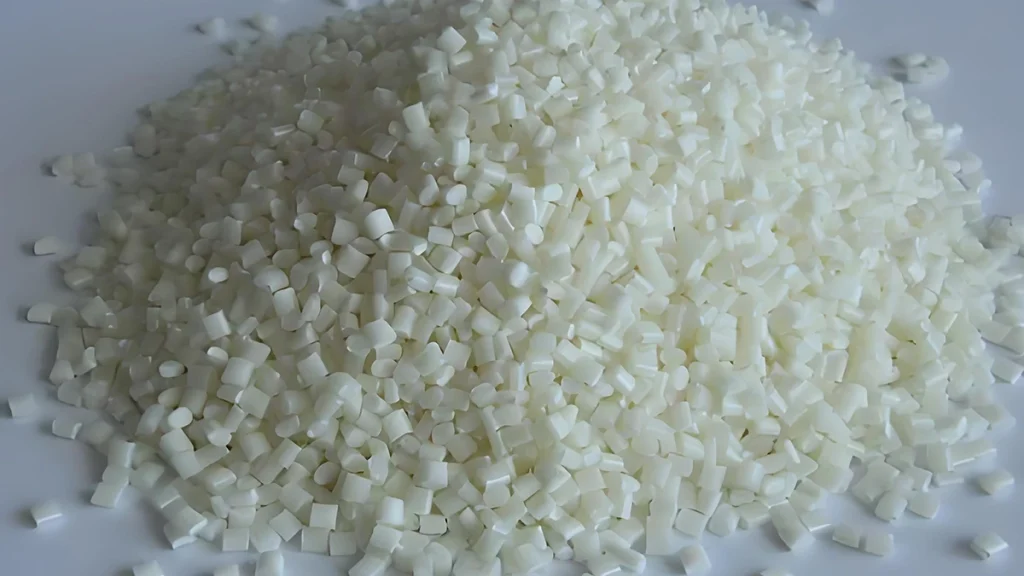
Key Properties of ABS and PVC
A thorough comparison of the physical and chemical properties of ABS and PVC is essential to match material performance with project specifications. This analysis evaluates critical factors such as strength, thermal stability, and chemical resistance to guide informed material decisions. The table below outlines their key characteristics, followed by insights into their practical applications and limitations, ensuring alignment with manufacturing, environmental, and cost considerations.
| Property | ABS | PVC |
|---|---|---|
| Density | 1.04–1.06 g/cm³ | 1.38–1.45 g/cm³ (rigid); 1.1–1.35 g/cm³ (flexible) |
| Tensile Strength | 40–50 MPa | 50–80 MPa (rigid); 10–25 MPa (flexible) |
| Impact Resistance | High (excellent toughness) | Moderate (rigid is brittle; plasticized PVC improves flexibility) |
| Heat Resistance | 80–100°C | 60–80°C (rigid); lower for flexible PVC |
| Chemical Resistance | Good (resists acids, alkalis, some solvents) | Excellent (resists acids, salts, oils, and most corrosive substances) |
| Flexibility | Moderate (rigid but moldable) | Rigid or flexible (with plasticizers) |
| Cost | Moderate to high | Low to moderate |
Further reading: See how ABS density affects part weight, packing pressure, and cycle time in our deep dive.
ABS: Acrylonitrile Butadiene Styrene excels in applications requiring durability and aesthetic versatility. Its balanced strength and impact resistance, combined with the ability to be painted, glued, or electroplated, make it ideal for automotive components, electronic housings, and consumer goods like toys. ABS maintains structural integrity under moderate heat and chemical exposure but may degrade with prolonged UV exposure unless stabilized.
PVC: Polyvinyl Chloride is distinguished by its exceptional chemical resistance and cost-effectiveness. Rigid PVC, unplasticized, is widely used in construction for pipes, fittings, and window frames due to its strength and corrosion resistance. Flexible PVC, achieved through plasticizers, serves in applications like hoses, cables, and medical tubing. However, its lower heat resistance limits use in high-temperature environments, and plasticized variants may have reduced mechanical strength.
Common Applications of ABS and PVC
The distinct properties of ABS and PVC drive their use in diverse industries, with applications tailored to their mechanical and chemical characteristics. Below is a detailed overview of their primary uses, highlighting how each material’s strengths align with specific project demands.
ABS Applications
- Automotive: ABS’s toughness and ability to achieve high-quality surface finishes make it ideal for dashboards, interior trim, and exterior components like grilles and bumpers.
- Consumer Goods: Its durability and moldability suit electronics housings, appliance components, and toys, such as LEGO bricks, where precision and impact resistance are critical.
- Pipes and Fittings: ABS is employed in drain, waste, and vent (DWV) systems due to its lightweight nature, impact resistance, and ease of installation in plumbing applications.
- Prototyping: ABS’s compatibility with 3D printing and rapid prototyping stems from its excellent processability, enabling complex, high-fidelity designs for testing and development.
- Medical Devices: Select grades of ABS are used in medical equipment housings due to their strength, sterilizability, and ability to meet regulatory standards.

PVC Applications
- Construction: Rigid PVC’s durability, corrosion resistance, and weatherability make it a preferred choice for window frames, siding, roofing membranes, and cladding.
- Plumbing: PVC pipes, manufactured from plastic pellets, dominate water supply, drainage, and irrigation systems due to their resistance to corrosion and low maintenance requirements.
- Packaging: Flexible PVC films and sheets are used in food packaging, blister packs, and shrink wraps, leveraging their clarity, flexibility, and barrier properties.
- Electrical: Flexible PVC’s excellent electrical insulation properties make it suitable for cable insulation, conduits, and wiring sheaths in residential and industrial settings.
- Medical: PVC’s flexibility and biocompatibility (when formulated appropriately) enable its use in medical tubing, IV bags, and other healthcare applications.
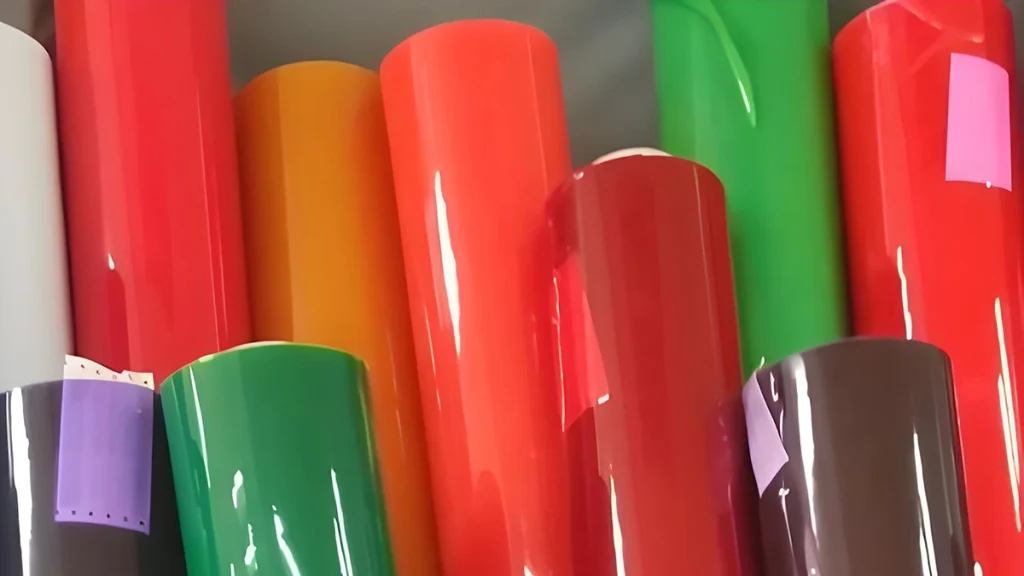
This comparison underscores how ABS’s strength and aesthetic versatility cater to precision-driven and impact-resistant applications, while PVC’s chemical resistance and adaptability serve corrosive environments and cost-sensitive projects.
Comparing ABS and PVC for Specific Applications
To ensure material selection aligns with project requirements, a detailed evaluation of ABS and PVC based on application-specific performance is critical. This comparison considers factors such as mechanical strength, environmental resistance, and processing needs to guide informed decisions. The table below outlines their suitability across key applications, highlighting practical advantages, limitations, and considerations for optimal use in diverse industries.
| Application | ABS Preferred When | PVC Preferred When |
|---|---|---|
| Pipes and Fittings | Lightweight, impact-resistant pipes for drain, waste, and vent (DWV) systems, especially in cold climates where toughness is critical. | Corrosion-resistant pipes for potable water, chemical transport, drainage, and irrigation, leveraging superior chemical stability. |
| Automotive Parts | High impact resistance and polished aesthetic finishes are needed for dashboards, interior trim, or exterior components like bumpers. | Rarely used due to insufficient toughness and limited aesthetic versatility. |
| Construction | Specific fittings or decorative components requiring moldability and moderate durability, such as trim or panels. | Rigid PVC for window frames, siding, roofing membranes, and cladding, due to exceptional weather and corrosion resistance. |
| Electronics Housing | Complex, precise shapes with high-quality surface finishes are required for device casings, such as laptops or appliances. | Flexible PVC for cable insulation and conduits, prioritizing electrical insulation and flexibility. |
| Medical Applications | Durable, sterilizable housings for medical devices or equipment, where impact resistance and regulatory compliance are key. | Flexible, biocompatible PVC for tubing, IV bags, or catheters, emphasizing flexibility and chemical inertness. |
ABS excels in applications demanding toughness, aesthetic precision, and processability, making it ideal for intricate or impact-prone components. PVC, with its superior chemical and weather resistance, dominates in corrosive environments or cost-sensitive projects requiring durability. Consider factors like operating temperature, regulatory requirements, and lifecycle costs to ensure optimal material performance.
Strengths and Weaknesses
Understanding the inherent advantages and limitations of ABS and PVC is crucial for aligning material properties with project demands. Below is a detailed breakdown of their strengths and weaknesses, emphasizing performance characteristics and practical considerations to inform material decisions.
ABS
Strengths:
- Exceptional impact resistance, maintaining toughness even at low temperatures, ideal for demanding applications like automotive components.
- Highly processable, allowing easy machining, painting, gluing, or electroplating, which supports design flexibility and aesthetic versatility.
- Excellent dimensional stability, ensuring precision in complex, molded parts such as electronics housings or prototypes.
- Good fatigue resistance, enabling durability in dynamic or stress-prone environments.
Weaknesses:
- Moderate chemical resistance, less effective against strong solvents or corrosive substances compared to PVC.
- Higher cost relative to PVC, impacting budget-sensitive projects.
- Limited UV resistance, requiring stabilizers or coatings for prolonged outdoor exposure to prevent degradation.
- Susceptible to stress cracking under certain chemical or mechanical stresses.
PVC
Strengths:
- Superior chemical and corrosion resistance, excelling in harsh environments like chemical processing or marine applications.
- Cost-effective, offering economical solutions for large-scale projects such as construction or plumbing systems.
- Available in rigid and flexible forms (via plasticizers), enabling diverse applications from pipes to medical tubing.
- Flame-retardant properties, enhancing safety in electrical and construction uses.
Weaknesses:
- Rigid PVC is brittle without modification, limiting impact resistance unless plasticizers are added.
- Lower heat resistance than ABS, restricting use in high-temperature environments (typically above 60–80°C).
- Environmental concerns due to chlorine content and potential release of harmful byproducts during processing or disposal.
- Plasticized PVC may experience plasticizer migration over time, reducing flexibility and longevity in some applications.
The emphasis here is on ABS’s robustness and versatility suit precision and impact-driven applications, while PVC’s chemical resilience and affordability excel in corrosive or cost-conscious environments. Evaluating these factors alongside project-specific needs ensures optimal material performance.
Recycling and Environmental Considerations

Sustainability plays a pivotal role in material decisions for manufacturers and engineers. Both ABS and PVC are recyclable thermoplastics, yet their recycling processes, environmental impacts, and lifecycle considerations differ significantly. The following analysis outlines their recyclability, environmental footprints, and key factors to guide sustainable material choices.
ABS
- Recyclability: ABS is recyclable through mechanical recycling, where it is reprocessed into pellets for reuse in products like automotive parts or consumer goods.
- Environmental Impact: Production of ABS generates a lower environmental footprint compared to PVC, primarily due to the absence of chlorine-based compounds.
- Challenges: Recycling ABS is complicated by its frequent use in complex assemblies (e.g., electronics), requiring effective sorting and separation from mixed plastic waste streams.
- Additional Considerations: UV stabilizers or additives may affect recyclability, and energy-intensive reprocessing can increase the environmental cost if not managed efficiently.
PVC
- Recyclability: PVC is recyclable, particularly in construction applications like pipes and profiles, where established recycling programs facilitate material recovery.
- Environmental Impact: The presence of chlorine and additives, such as plasticizers, raises concerns about potential emissions of hazardous byproducts (e.g., dioxins) during production, incineration, or improper disposal.
- Challenges: The diversity of PVC formulations (rigid vs. flexible) complicates recycling, as additives can contaminate streams and require specialized processing.
- Additional Considerations: Advances in chemical recycling are improving PVC’s circularity, but limited recycling infrastructure in some regions may hinder scalability.
For projects prioritizing sustainability, assess the availability of local recycling infrastructure, the complexity of material separation, and lifecycle environmental impacts. ABS may suit applications with streamlined recycling systems, while PVC‘s established recycling pathways in construction offer advantages for large-scale projects. Long-term considerations, such as regulatory restrictions on chlorinated plastics and energy use in recycling, should also inform material decisions to balance performance and environmental responsibility.
When to Choose ABS or PVC
Aligning material selection with project requirements demands a clear understanding of when ABS or PVC delivers optimal performance. Below is a concise guide outlining the scenarios where each material excels, incorporating key performance criteria and practical considerations to ensure informed decisions.
Opt for ABS When:
- High Impact Resistance is Essential: ABS’s superior toughness makes it ideal for applications like automotive components, protective casings, or consumer goods (e.g., tool housings) that must withstand mechanical stress or impacts, even at low temperatures.
- Aesthetic or Complex Designs are Needed: Its ease of machining, painting, or electroplating supports high-quality finishes and intricate shapes, perfect for electronics housings, decorative trim, or 3D-printed prototypes.
- Moderate Chemical Exposure is Involved: ABS performs well in environments with limited exposure to acids or alkalis, such as indoor plumbing fittings or appliance parts.
- Precision and Durability are Prioritized: ABS’s dimensional stability and fatigue resistance suit precision-molded parts in dynamic applications, like medical device casings or toys.
Opt for PVC When:
- Superior Chemical Resistance is Critical: PVC’s exceptional resistance to corrosive substances makes it the preferred choice for plumbing systems, chemical processing equipment, or marine applications.
- Cost Efficiency Drives Large-Scale Projects: PVC’s affordability supports budget-conscious applications, such as construction pipes, window frames, or irrigation systems.
- Rigid or Flexible Forms are Required: Rigid PVC excels in structural components like siding or conduits, while flexible PVC (with plasticizers) serves in cables, hoses, or medical tubing.
- Environmental Durability is Needed: PVC’s weather and corrosion resistance make it suitable for outdoor construction or electrical insulation in harsh conditions.
Additional Considerations: Evaluate operating conditions, such as temperature ranges and UV exposure, alongside regulatory or sustainability requirements. ABS suits impact-driven, aesthetically demanding applications, while PVC thrives in corrosive, cost-sensitive environments. Balancing these factors ensures material performance aligns with project goals and long-term reliability.
Summary and Recommendations
ABS and PVC differ primarily in impact strength, chemical resistance, cost, and performance in various environments. ABS delivers higher toughness, superior surface appearance, and reliable dimensional stability, making it well-suited for components that must endure mechanical stress or maintain a polished finish. PVC, on the other hand, provides stronger resistance to chemicals, corrosion, and weathering at a generally lower material cost, making it effective for projects requiring long-term exposure to moisture or outdoor conditions.
In plumbing applications, ABS pipe is often used in DWV (drain-waste-vent) systems, particularly in colder climates where it resists low temperatures, while PVC is the standard for pressurized water supply and chemical transport lines. In construction, PVC’s durability against UV exposure and weather extremes offers extended service life outdoors. ABS finds a strong foothold in automotive parts, consumer electronics housings, and structural products that demand impact strength and design flexibility.
Before finalizing a material, it is essential to match its properties to the project’s priorities. Consider factors such as expected mechanical loads, exposure to chemicals or temperature extremes, life-cycle cost, compliance with safety or environmental regulations, and the level of aesthetic finish required. Aligning these criteria with the application ensures a more dependable and cost-efficient outcome.
Contact Us for Custom Solutions
We supply premium-grade ABS pellets engineered to meet a wide range of performance and regulatory requirements. Whether your application involves automotive components, construction parts, plumbing systems, or other industrial products, our team is ready to provide the right ABS material specifications to support your project goals.
We offer guidance on resin grades, additive packages, and processing options to help ensure the finished product achieves optimal strength, durability, and cost efficiency. For tailored recommendations or to request detailed product data, contact us at jerry@salesplastics.com or +8618657312116 . Our specialists are ready to work with you on solutions that align precisely with your manufacturing needs.
FAQs
A:PVC has become more prevalent because it offers better chemical and UV resistance, broader regulatory acceptance, and is generally easier to source. ABS is still in use, but primarily in cold-climate DWV (drain-waste-vent) systems and specific applications where its impact resistance offers an advantage.
A:PVC performs better under sustained heat exposure and can handle higher continuous service temperatures. ABS softens at lower temperatures, which limits its use in applications requiring constant hot water flow or elevated operating temperatures.
A:Neither material is universally better. ABS provides higher impact resistance and strength in colder conditions, while PVC offers superior chemical resistance, weatherability, and broader code approval. The optimal choice depends on the application’s requirements.
A:PVC is typically preferred for shower drains because it withstands hot water better and is more widely approved by plumbing codes. ABS may be used if permitted locally, especially in colder climates, but code restrictions should be checked first.
A:PVC is generally less expensive than ABS, making it attractive for large-scale projects. However, pricing may vary by region and availability. It’s important to factor in not only the material cost but also installation labor and potential code compliance issues.
A:ABS Pros: Higher impact strength, performs well in cold climates, lightweight, easy to install.
ABS Cons: Lower UV and chemical resistance, less code acceptance, higher material cost in some markets.
PVC Pros: Better chemical and UV resistance, broader approval by building codes, lower cost.
PVC Cons: Brittle in extreme cold, requires priming before solvent welding.
A:Directly bonding ABS to PVC with standard solvent cements is not recommended. Special transition cement is required, and even then, some building codes do not permit this connection. Mechanical couplings may be required by local regulations.
A:PVC generally has a higher pressure rating, making it suitable for pressurized water supply lines. ABS is typically used in non-pressurized DWV applications and is not rated for high-pressure systems.


