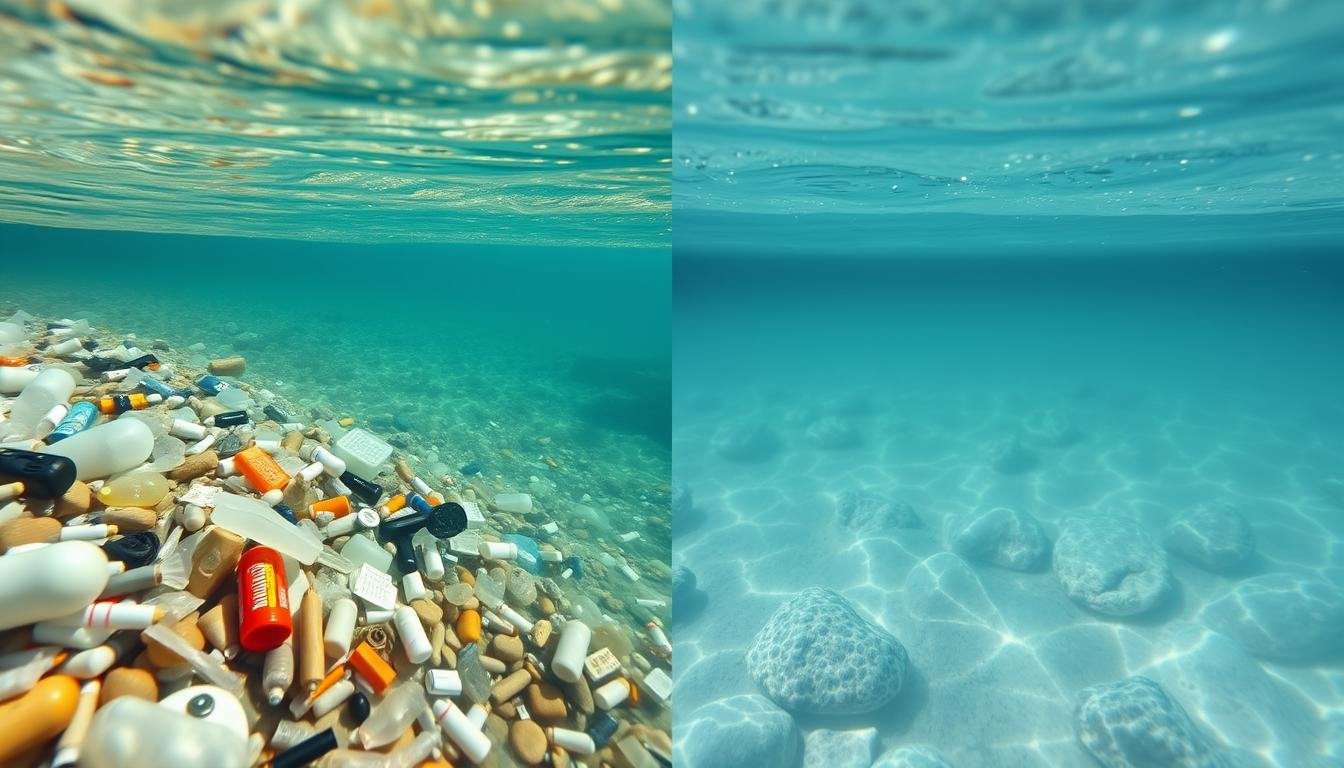
Sustainable packaging is taking the world by storm, and biodegradable innovations are leading industrial change. In Africa and East Africa, where regulatory bans on single-use plastics are tightening, manufacturers are being pushed harder than ever to replace traditional plastics. The real problem is the “performance gap”—finding green alternatives that match the high-speed processing and durability of LDPE/HDPE.
The foundation of a successful transition is no longer just about choosing a bioplastic, but about mastering the synergy of PBAT and PLA modifications. While pure polymers often fall short in specific industrial settings, our engineered compounds bridge this gap by balancing PBAT’s flexibility with PLA’s structural strength.
This guide examines three specialized modified resin series designed to meet rigorous industrial standards. By focusing on high-performance blending, we help procurement professionals identify solutions that ensure 100% regulatory compliance while maintaining the seamless processing efficiency required in today’s competitive landscape.
Start Your Biodegradable Materials Journey
Stop compromising on performance. Contact our technical team today to find the perfect PBAT/PLA blend for your production line.
Understanding PBAT and PLA: Material Fundamentals
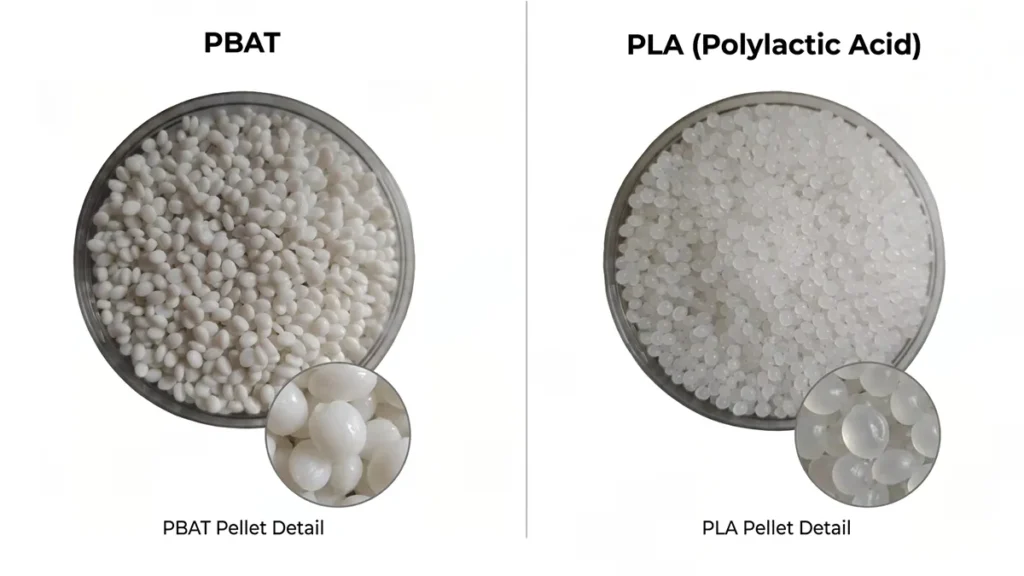
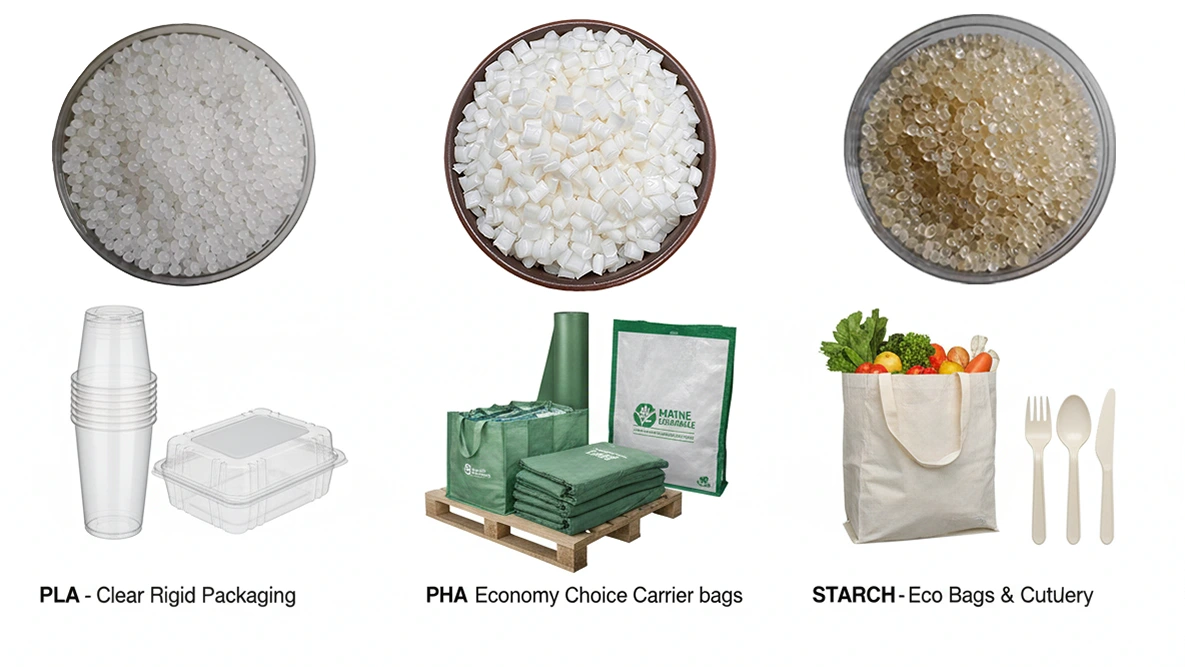
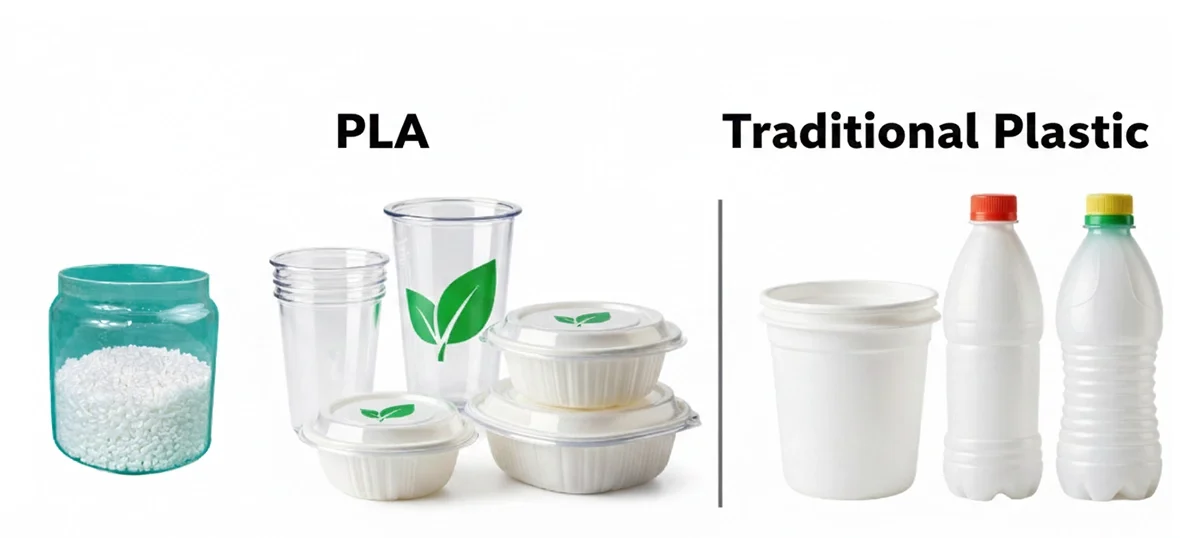
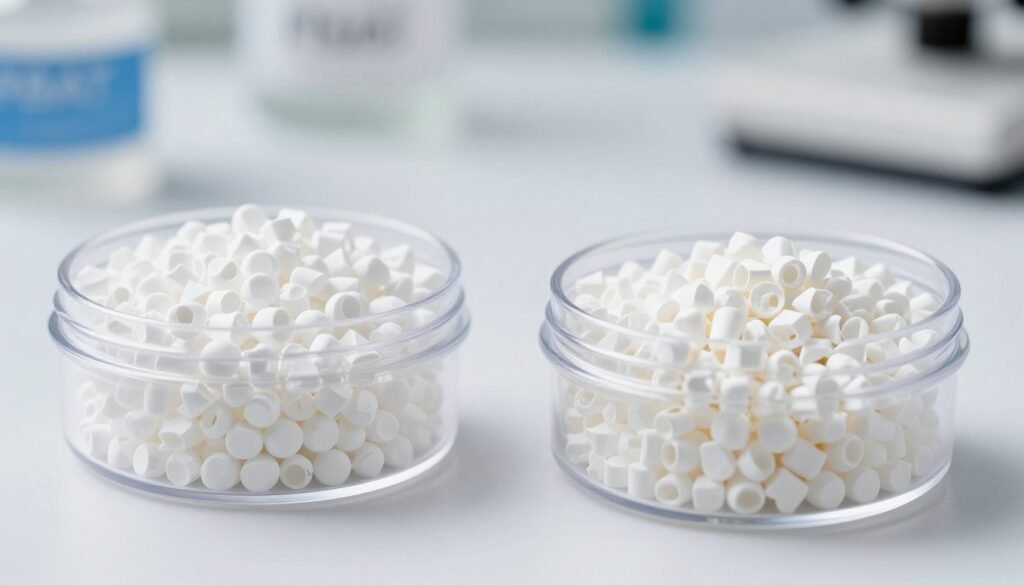
To select the right high-performance resin, one must first understand the two core components: PBAT and PLA. These materials offer contrasting physical properties that, when combined, create the perfect industrial solution.
PBAT(Polybutylene Adipate Terephthalate): The Source of Flexibility
PBAT is a fully biodegradable, petroleum-based polymer known for its exceptional toughness and elongation at break. It processes very similarly to traditional LDPE, making it the primary choice for flexible film applications.
- Key Strength: High tear resistance and flexibility.
- Main Limitation: Lower rigidity and higher production costs.
For a deep dive into molecular structures and specialized applications, see our comprehensive guide: [Understanding PBAT: Properties and Industrial Use Case].
PLA(Polylactic Acid): The Source of Strength
Derived from renewable resources like corn starch, PLA is a bio-based polymer that provides the rigidity and structural integrity of the final product. It offers excellent clarity but can be brittle in its pure form.
- Key Strength: High stiffness and excellent optical clarity.
- Main Limitation: Brittleness and sensitivity to high temperatures.
To learn more about the fermentation process and thermal stability of PLA, refer to our detailed analysis: [The Ultimate Guide to PLA: From Renewable Origins to Performance Limits].
Why Raw Materials Aren't Enough
While both materials are compostable, their pure forms often fall short of industrial requirements—PLA is too brittle for bags, and PBAT is too soft for structural packaging. The true breakthrough lies in our modified blends, which bridge this “Performance Gap” to deliver a material that is both tough and rigid.
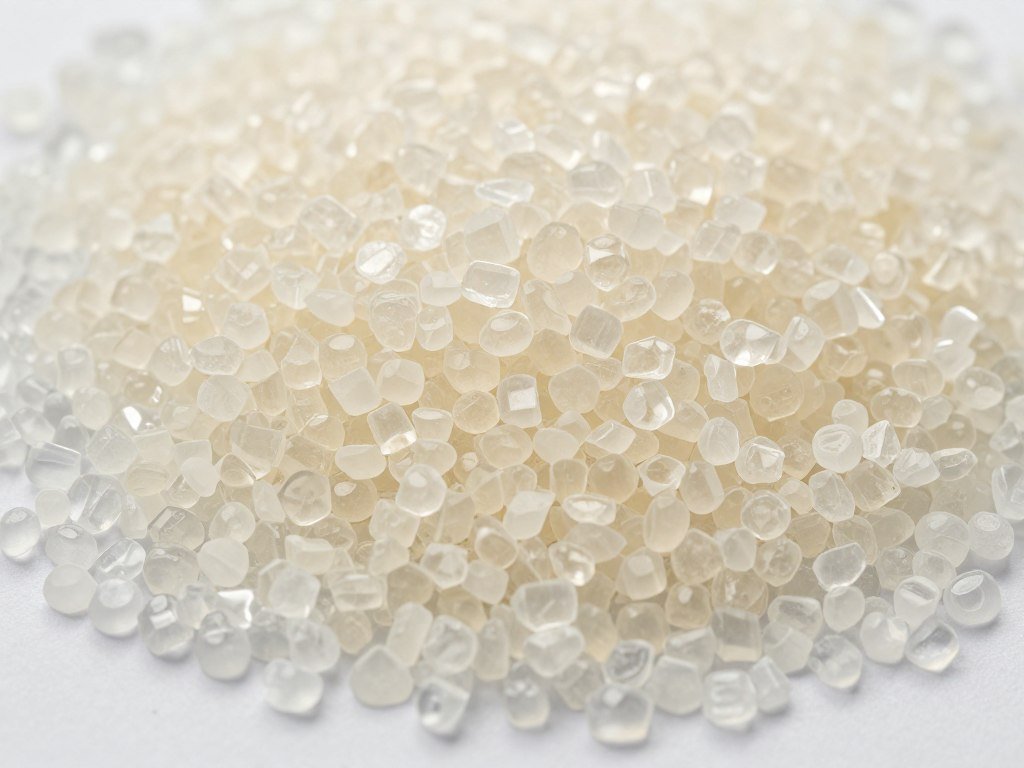
In-Depth Comparison of Product Performance
Selecting the right material is more than just reading a datasheet—it’s about balancing physical limits with commercial reality. While pure PBAT and PLA have their strengths, our engineered modified resins are designed to hit the “Sweet Spot” where performance meets profitability.
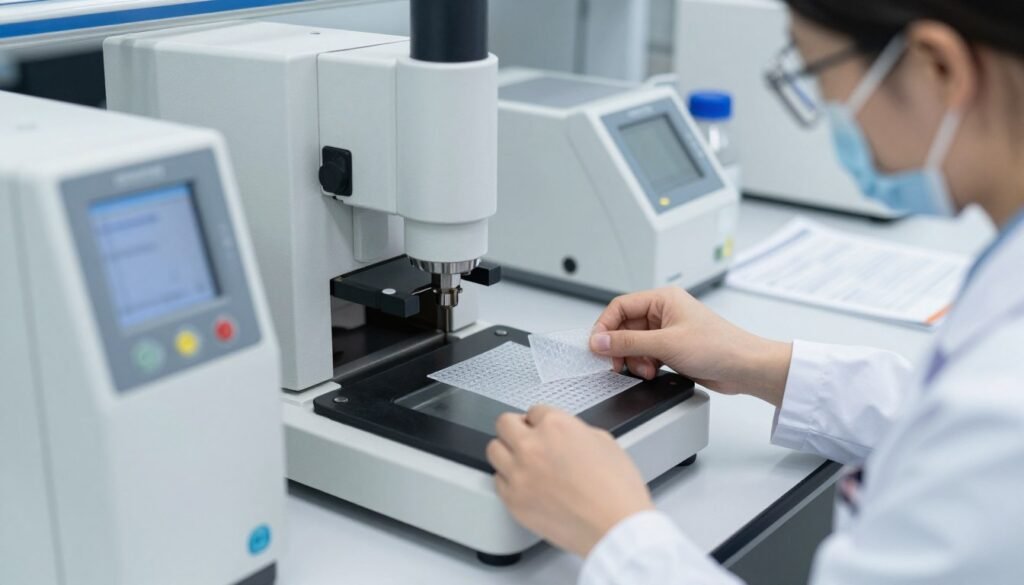
Mechanical Prowess: The Power of Blending
In the table below, notice how our modified blends eliminate the extreme brittleness of PLA and the excessive softness of PBAT:
| Property | Pure PBAT | Pure PLA | Our Modified Blends | Industrial Impact / Application |
| Tensile Strength | 15-35 MPa | 50-70 MPa | 35-50 MPa | Heavy-duty load bearing (ASTM D882) |
| Elongation at Break | 400-800% | 2-10% | 200-500% | Prevents puncture in sharp-edged cargo |
| Surface Finish | Tacky/Sticky | Crystal Clear | Custom (Matte to Gloss) | Adjustable for high-end branding |
| Processing Temp | 110-120°C | 150-160°C | 130-150°C | Stable output on standard PE machinery |
Thermal Stability & Processing Efficiency
One of the biggest hurdles in Africa and East Africa is maintaining production consistency in varying factory temperatures.
- The PLA Problem: Pure PLA’s narrow processing window often leads to high scrap rates.
- The PBAT Advantage: Adding PBAT creates a broader processing latitude, meaning our modified resins are “forgiving” on your machinery. You can maintain high-speed output without constant recalibration.
Barrier Properties: Protecting Your Product
Shelf-life is non-negotiable. Our blends are formulated to improve Moisture Resistance, outperforming standard bioplastics.
- Enhanced Shelf-life: By optimizing the PLA/PBAT ratio, we reduce oxygen and moisture permeability, ensuring that food packaging stays fresh longer than with standard single-source materials.
The Economic Reality: Total Cost of Ownership (TCO)
We often see manufacturers make the mistake of looking only at the “price per bag.” The real savings come from Total Cost Optimization:
- Zero Retooling: Our resins are designed to be a “drop-in” solution for your existing PE equipment.
- Higher Yields: Modified blends have better melt strength, resulting in fewer bubble breaks in film blowing and less downtime.
- The 80/20 Rule: Many of our clients achieve 80% of the performance of premium PBAT at roughly 60% of the cost by switching to our specific modified series.
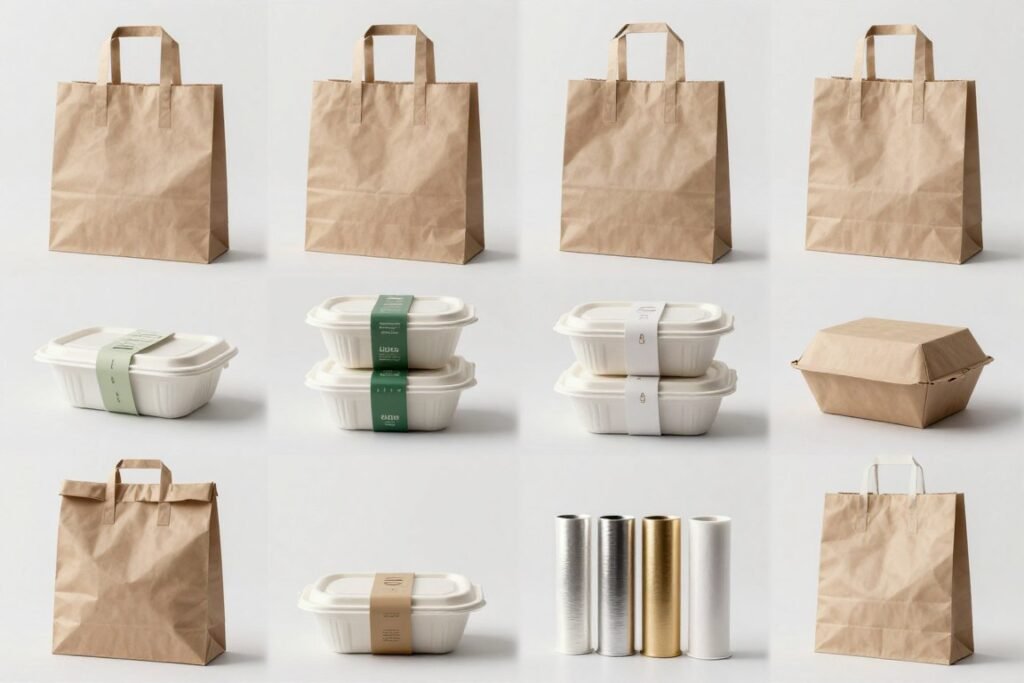
Cost Optimization Tip: Many manufacturers achieve best value through PBAT/PLA blends. These formulations deliver 70-80% of pure component performance at 60-70% of pure PBAT cost. The balanced approach suits medium-performance applications where neither extreme is justified economically.
Detailed Analysis of Each Model (Application Scenarios)
Not all biodegradable plastics are created equal. As your strategic partner, we have engineered three specialized series to solve specific industrial challenges. Whether you prioritize crystal clarity, extreme cost-reduction, or maximum bio-content, we have the exact formula.
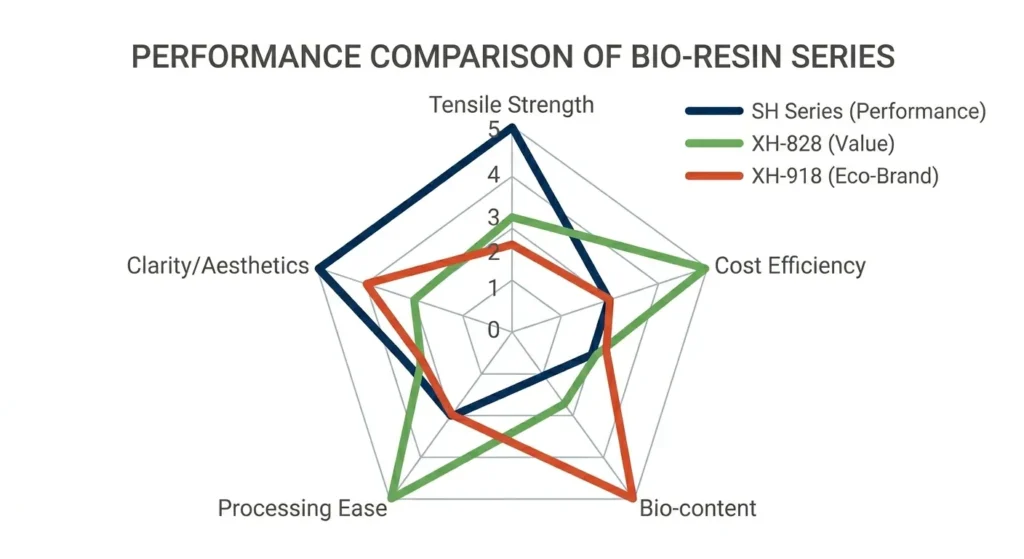
SH Series: The "Performance King" (Pure PBAT/PLA Blend)
Target: High-Transparency & Ultra-Toughness (Filler-Free)
The SH Series is our premium, filler-free formulation. It is designed for manufacturers who refuse to compromise on aesthetics or mechanical integrity.
- The Technical Edge: The SH Series utilizes a high-purity PBAT/PLA binary matrix. By eliminating starch and mineral fillers, we achieve a crystal-clear optical profile and a tensile strength (45+ MPa) that rivals conventional HDPE.
- Best For: Premium boutique shopping bags, high-clarity shrink films, and medical-grade packaging.
- Why it Wins: It offers the highest puncture resistance in our lineup. If your brand demands a “premium glass-like” clarity for high-end boutique bags, SH is the undisputed gold standard. It is also the best choice for multi-layer co-extrusion.
XH-828: The "Efficiency Specialist" (Mineral-Reinforced)
Target: Industrial Cost-Reduction & High Rigidity (CaCO3 Filled)
XH-828 is our most popular solution for high-volume retail and industrial sectors. By incorporating medical-grade Calcium Carbonate (CaCO3), we’ve created a resin that is both economical and exceptionally functional.
- The Technical Edge: XH-828 incorporates precision-grade mineral reinforcement (CaCO3), providing the “paper-like” crispness and high stiffness that pure bioplastics often lack. This reinforcement significantly increases the Heat Deflection Temperature (HDT).
- Best For: Mass-market shopping bags, garbage liners, and industrial protective films.
- Why it Wins: Beyond reducing material costs by 25-30%, the mineral content creates a premium matte finish and provides superior ink adhesion—making your brand’s logo pop without the need for expensive surface treatments.
XH-918: The "Eco-Reputation" Choice (Starch-Based Ternary)
Target: Maximum Bio-content & Soft-Touch Aesthetic (Corn Starch Blend)
For brands whose identity is built on “Natural” and “Organic” values, XH-918 is the “Reputation Favorite.” This ternary blend (PBAT+PLA+Starch) maximizes renewable resource utilization.
- The Technical Edge: XH-918 is a high-performance ternary blend (PBAT+PLA+Starch) designed for maximum bio-content. This series is optimized for rapid home and industrial composting compliance.
- Best For: Organic food packaging, luxury eco-cosmetics, and composting-certified foodservice items.
- Why it Wins: It offers a unique “silky-soft” tactile experience and a subtle, natural grain scent. This sensory feedback immediately communicates your “Eco-Commitment” to the consumer before they even read the label. It is the perfect choice for organic markets and luxury eco-packaging.
Need Help Selecting the Right Material?
Our technical team provides free consultation to match material properties with your specific application requirements. We analyze your performance needs, processing capabilities, and budget constraints to recommend optimal solutions.
Conclusion

Selecting the right biodegradable material is no longer just a technical decision—it is a strategic move to ensure your business remains competitive in a rapidly evolving market. With the performance gap now closed by advanced PBAT/PLA modification technology, the path to sustainability is clearer than ever.
Your Selection Roadmap at a Glance:
To simplify your procurement process, we recommend matching our series to your core business objective:
- The Choice for Performance: Opt for the SH Series if your product requires crystal clarity and the high-tensile strength of premium conventional plastics.
- The Choice for Efficiency: Leverage XH-828 if you need to transition to eco-friendly materials at an industrial scale without increasing your total cost of ownership.
- The Choice for Reputation: Adopt XH-918 if your brand identity is built on organic values and you want to offer the highest bio-based content to your customers.
Whether you are navigating strict local bans or preparing for future regional standards, our modified resins ensure that your products remain fully compliant while your production lines stay efficient.We understand that transitioning materials can be challenging. That is why we offer:
- Processing Optimization: On-site support to ensure our resins run smoothly on your existing PE machinery.
- Custom Formulations: The ability to adjust mineral or starch ratios to hit your specific price and performance targets.
- Supply Chain Security: Reliable inventory management to keep your production moving without interruption.
Don’t navigate the transition through trial and error. Contact our technical specialists today to schedule a “Material Suitability Audit” for your production line. We will help you select the exact SH, XH-828, or XH-918 grade that balances your environmental goals with your bottom line.