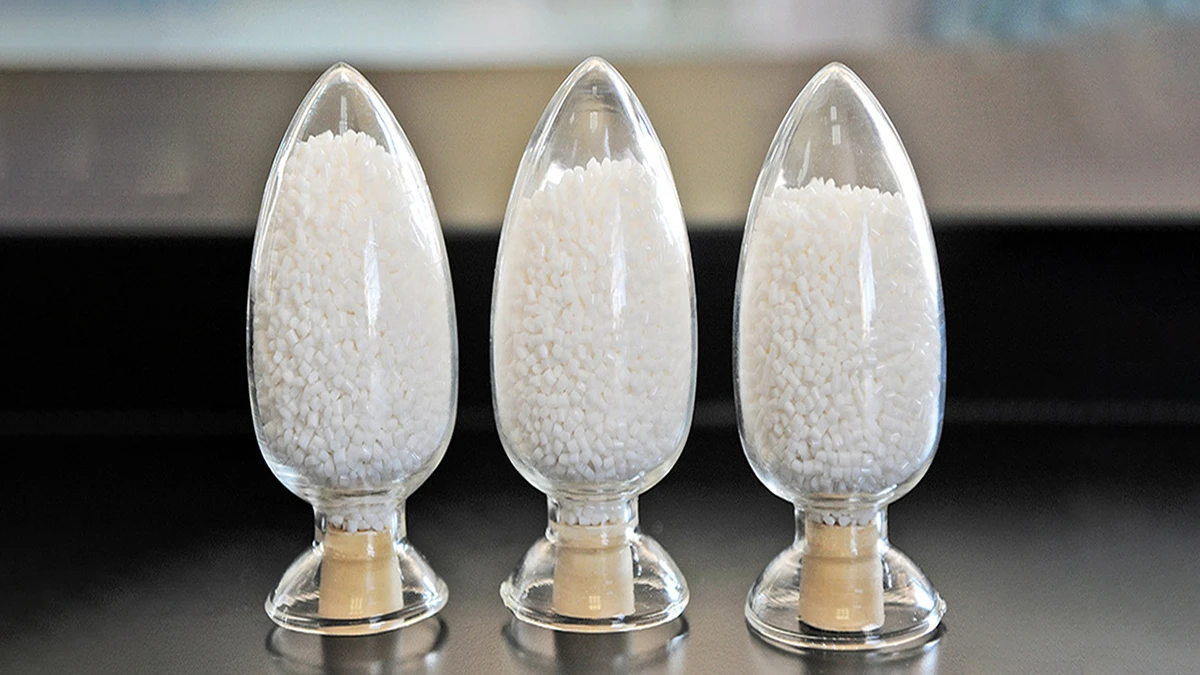
As global industries confront tightening carbon regulations and CBAM implementation, Carbon Fiber Reinforced PLA (CF-PLA) emerges as the nexus of high-performance engineering and environmental responsibility.
Decarbonizing Production via LCA
Quantifying the environmental footprint begins with a rigorous Cradle-to-Gate analysis. Unlike petroleum-derived composites (CF-ABS or CF-PA), PLA utilizes renewable feedstocks like corn or beet starch.
This biological origin facilitates "biogenic carbon" sequestration during crop growth, effectively acting as a carbon sink.
Reduction in CO₂ per kilogram compared to CF-ABS.
Significantly lower thermal requirements than PA or PEEK, reducing direct energy consumption in injection molding.
Strategic End-of-Life Lifecycle
Bio-degradation
Adheres to EN 13432 standards, degrading into water and CO₂ without microplastic residues.
Fiber Reclamation
Removing polymer matrix through controlled thermal processes to reclaim structural carbon fibers.
Secondary Life
Amortizing high embodied energy by reusing fibers in non-structural or semi-structural applications.
Implementing a Circular Economy (PIR)
Regrind Utilization
Production waste can be granulated and reintroduced at 15%–20% with negligible loss of tensile modulus, maintaining industrial-grade consistency.
Closed-Loop Supply Chains
"Take-back" agreements allow manufacturers to collect production scrap and re-pelletize it for specialized grades, lowering total material costs.
Technical Resources
Discover how base resin rheology facilitates high-yield recycling and stable compounding.
Choosing the Right PLA Base for High-Performance CompositesRegulatory Compliance & Global Access
Adherence to recognized certifications ensures bio-based content is accurately verified. These credentials function as a "Green Passport," facilitating streamlined market entry into regions with stringent legislation like the EU and North America.
Conclusion
Carbon Fiber Reinforced PLA represents a fundamental shift toward a circular manufacturing paradigm. By leveraging the low-carbon profile of bioplastics and the structural reinforcement of carbon fiber, Salesplastics delivers a solution that balances mechanical engineering with environmental preservation.