
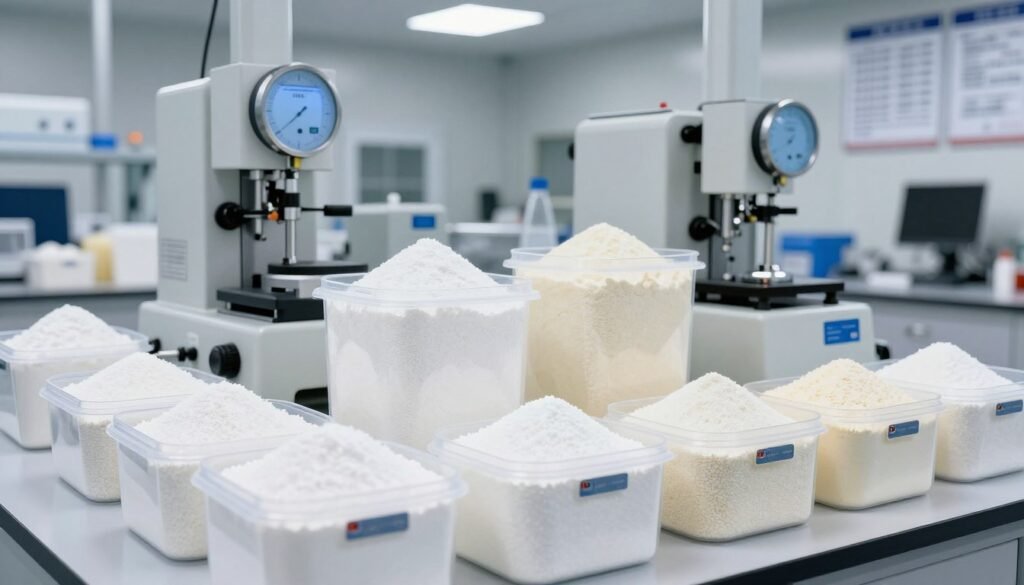
Selecting the wrong PVC grade leads to severe operational risks, including extruder surging, color shifting, higher scrap rates, and regulatory compliance failures. Industrial manufacturers must precisely align molecular weight (K-value), plasticizer levels, and thermal stability with specific processing parameters to eliminate these yield-loss problems.
This guide outlines a practical PVC selection framework covering essential chemistry, K-value matrices, rigid versus flexible tradeoffs, and application recommendations for pipe, cable, and profile manufacturing.
Whether you need to resolve active production bottlenecks or source batch-consistent PVC resins for uninterrupted processing, these technical criteria provide actionable insights for confident material decisions.
What Is PVC Material and Key Selection Parameters?
Polyvinyl Chloride (PVC) is a versatile thermoplastic polymer engineered for demanding industrial applications. Base resin selection depends primarily on the polymerization method, molecular weight (K-Value), and strict physical purity metrics.
Suspension PVC (S-PVC)
>80% Global OutputProduced via suspension polymerization, creating porous, high-purity particles with excellent plasticizer absorption and uniform particle size.
⚙️ Primary Route: Rigid Extrusion, Pipe Fitting & Flexible Cable Compounds
Emulsion PVC (E-PVC)
Paste & Coating Grade
Manufactured via emulsion polymerization to yield fine, ultra-small latex particles suitable for dispersion pastes and liquid formulations.
🎨 Primary Route: Plastisols, Artificial Leather, Dip Coating & Slush Molding
PVC Resin K-Value & Application Selection Matrix
Matching Molecular Weight to Downstream Industrial Processing
Critical Quality & Physical Parameters
0.45–0.58 g/cm³
Apparent Bulk Density
Directly governs extruder feeding consistency and throughput stability.
< 1.0 ppm
Residual VCM Content
Ensures non-toxicity and strict compliance with FDA, REACH & EU standards.
±0.5 K-Val
K-Value Tolerance
Tight batch-to-batch consistency for seamless, predictable processing.
To ensure zero batch-to-batch processing variations, our industrial S-PVC resins are produced under tight K-value tolerances (±0.5) and high-purity standards. Contact our technical specifiers to request grade data sheets or order trial samples for your production line.
Main Types of PVC Material
Industrial PVC divides into two primary compounded categories—Rigid (PVC-U) and Flexible (PVC-P)—alongside specialized engineered resins. Aligning downstream application requirements with the appropriate compounding formulation is essential for optimal melt processing.
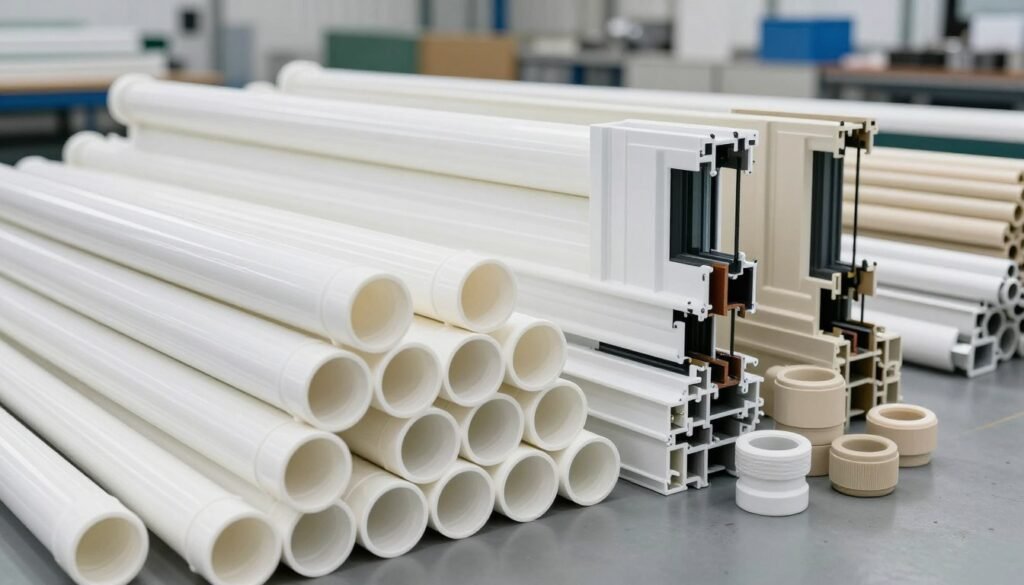
Rigid PVC (PVC-U) Unplasticized
Unplasticized formulations offer high tensile strength, structural stiffness, and excellent chemical resistance.
- Primary Grades: SG-5 SG-8
- Key Uses: Pressure pipes, structural profiles, conduits, and rigid packaging.
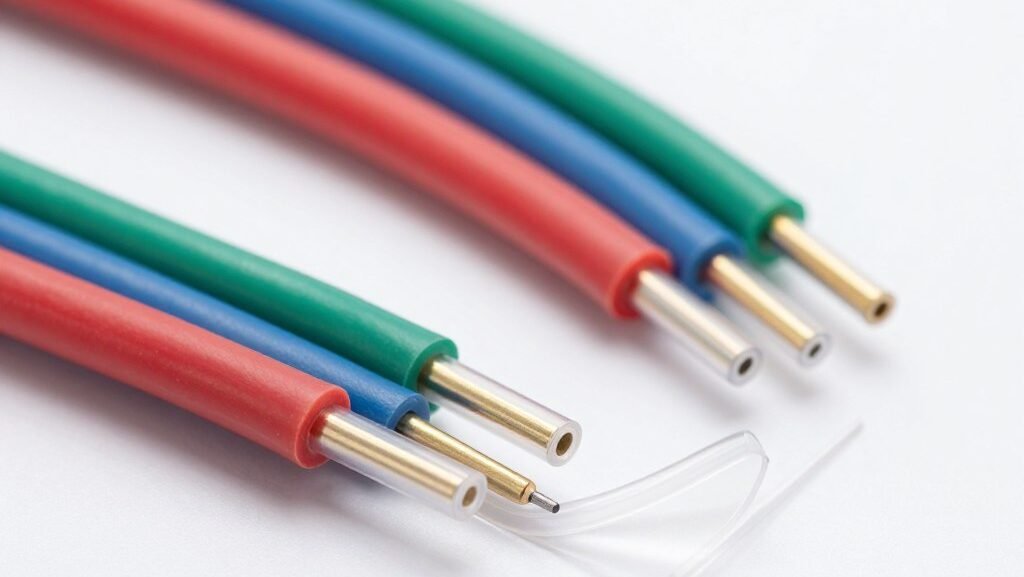
Flexible PVC (PVC-P) Plasticized
Compounded with plasticizers (e.g., DOTP, DINCH) to achieve high elasticity, flexibility, and lower processing temperatures.
- Primary Grades: SG-3 (K-70–72)
- Key Uses: Cable insulation, medical tubing, flexible hoses, and soft films.
Specialty & Engineered Resins
CPVC (Chlorinated PVC)
Emulsion PVC (E-PVC / Paste)
To optimize extrusion efficiency and prevent compound degradation, choosing high-purity base resin with tight molecular distribution is essential.
PVC Grade Selection Guide: K-Value Matching Matrix
The Fikentscher K-value measures molecular weight and determines melt viscosity, mechanical strength, and thermal processing behavior. Correctly matching K-value to your machinery and application eliminates processing instabilities, such as high melt torque, unplasticized surge, or short shots.
Industrial K-Value Selection Table
| K-Value Range | Common Grade | Primary Processing Method | Downstream Applications | Key Processing Characteristic |
| K-57 – K-58 | SG-8 | Injection Molding | Pipe fittings, electrical junction boxes, thin-wall parts | Excellent melt flow, lower viscosity, short cycle time |
| K-65 – K-67 | SG-5 | Extrusion, Calendering | Rigid pressure pipes, window profiles, conduit, rigid sheets | Balanced tensile strength, melt stability, & processing ease |
| K-70 – K-72 | SG-3 | Extrusion Coating, Blow Molding | Cable insulation, flexible hoses, soft packaging films | High plasticizer absorption, superior elastic recovery |
| K-75 – K-80 | SG-1 / Paste | High-Torque Extrusion, Dipping | High-spec industrial hoses, conveyor belts, plastisols | Maximum tensile strength, toughness, & oil resistance |
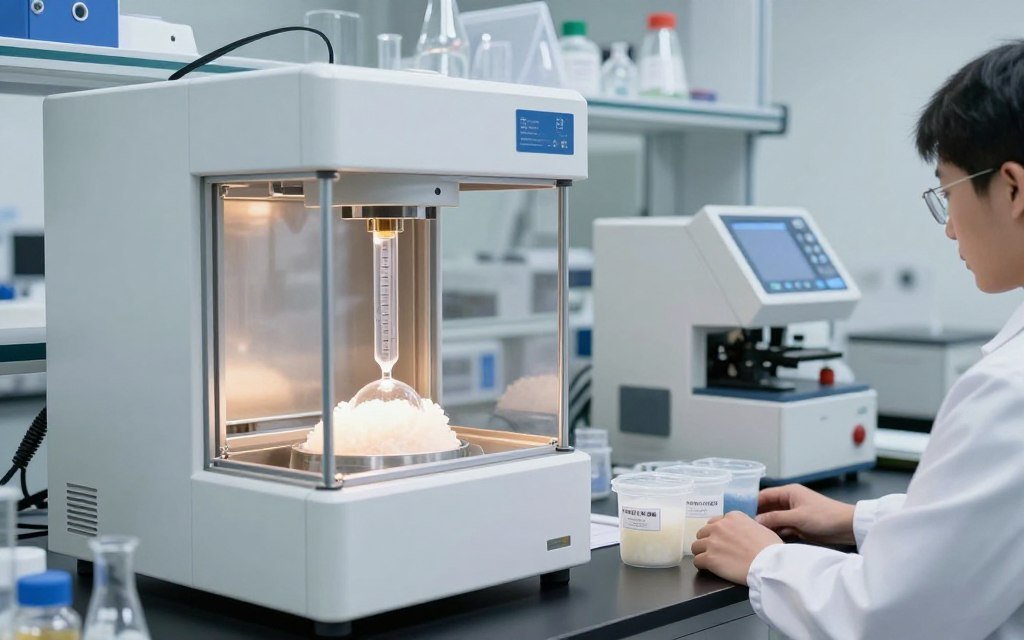
Critical Incoming Quality Control Indicators
Beyond K-value selection, raw resin purity directly impacts extrusion speed and part quality. Two critical parameters must be verified on incoming batches:
To guarantee zero machine downtime and consistent melt behavior, our suspension PVC resins are produced under tight K-value tolerances (±0.5) with certified bulk density and moisture limits.
Key Industrial Applications of PVC Material
Selecting the ideal PVC resin requires aligning downstream physical requirements with base resin molecular weights, purity levels, and regulatory approvals. Industrial applications generally cluster into four high-volume manufacturing sectors:
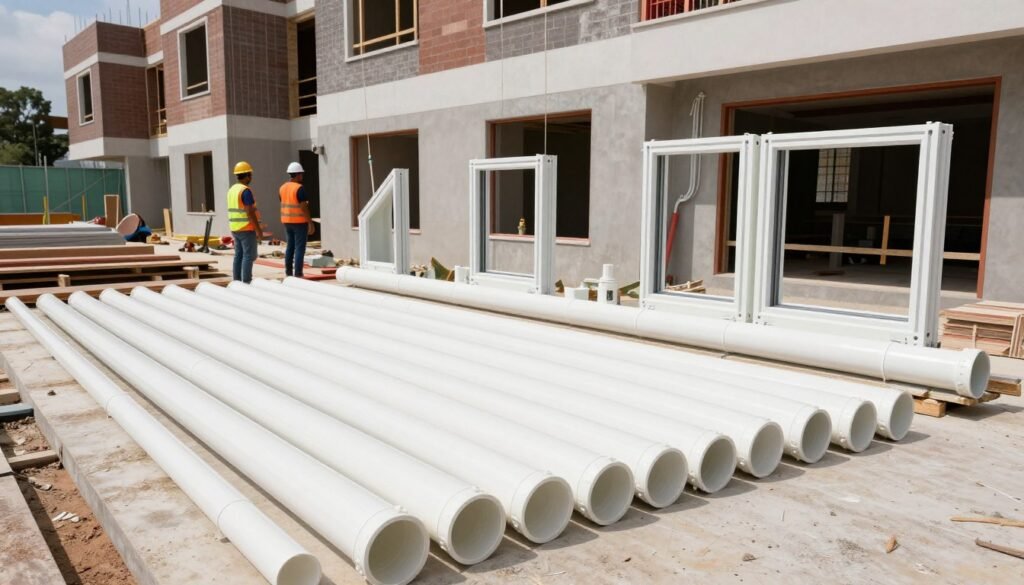
Pipes, Fittings & Structural Profiles
Rigid PVC dominates municipal and building infrastructure due to its chemical resistance, long service life, and high strength-to-weight ratio.
- Pressure Pipes & Profiles: Primarily processed from SG-5 (K-65–67) resin via twin-screw extrusion to achieve optimal long-term hydrostatic pressure resistance and dimensional stability.
- Injection-Molded Fittings: Utilizes low-viscosity SG-8 (K-57–58) resin to ensure complete mold filling without thermal degradation in rapid-cycle molding.
Wire & Cable Insulation
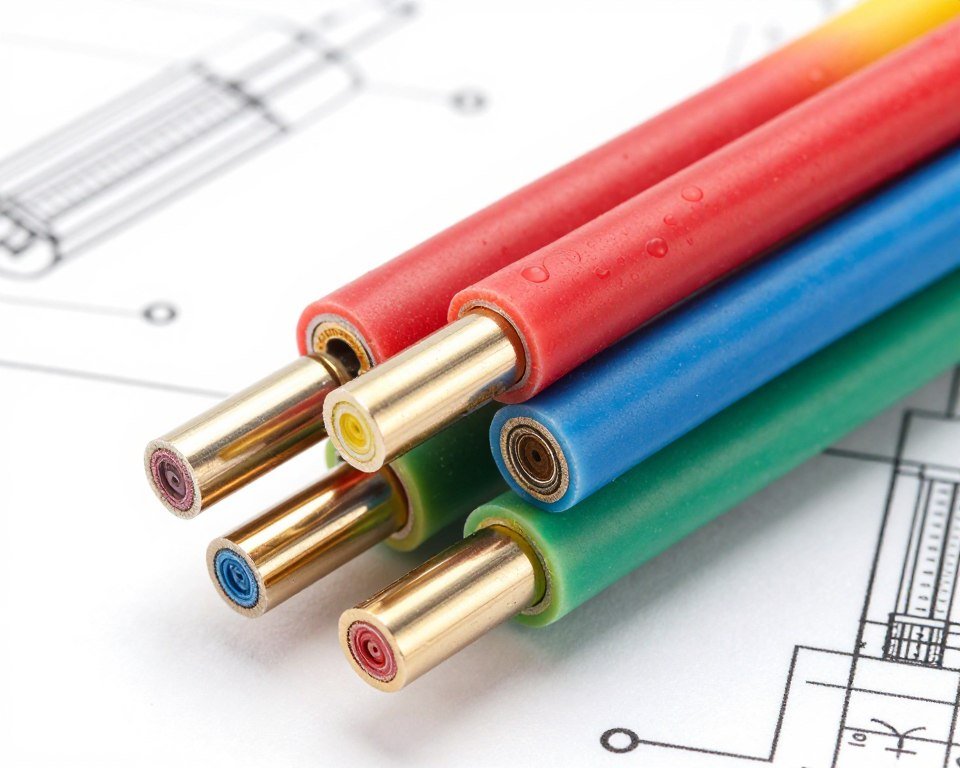
Flexible PVC provides reliable dielectric strength, flame retardancy, and mechanical flexibility for power transmission and building wiring.
- Insulation & Jacketing: Relies on high-molecular-weight SG-3 (K-70–72) resin. Its superior plasticizer absorption capacity delivers high elasticity, oil resistance, and low-temperature flexibility meeting UL and IEC flame standards.
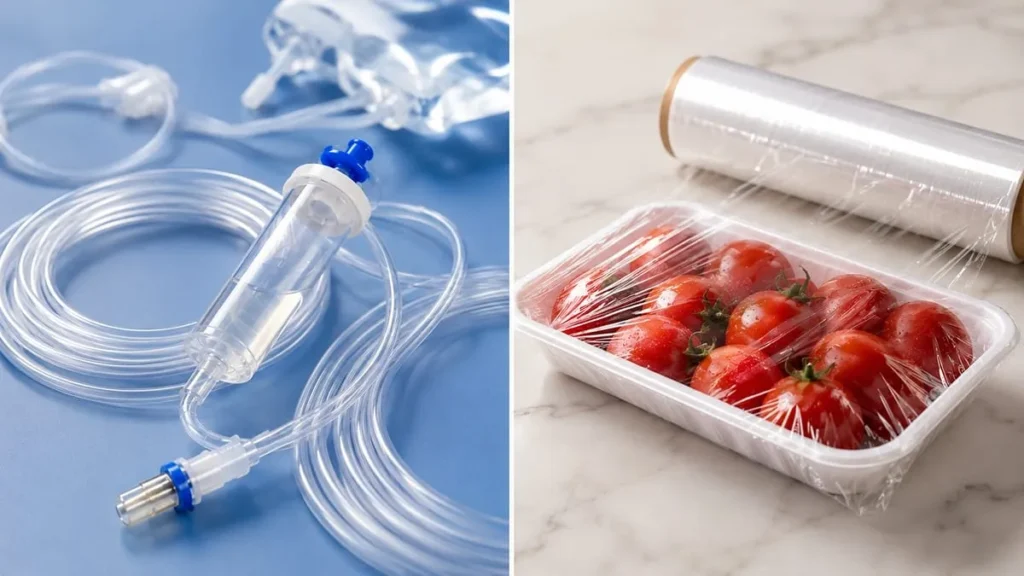
Medical Tubing & Food-Contact Packaging
Healthcare and food-packaging applications demand stringent resin purity, optical clarity, and strict chemical migration control.
- Medical Devices & Blister Packs: Processed using ultra-pure SG-3 or SG-5 resins with low residual VCM (< 1.0 ppm). Formulations comply with FDA, EU REACH/RoHS, and USP Class VI standards.

Automotive & Industrial Components
Engineered PVC compounds are used for instrument panels, underbody coatings, and industrial flexible hoses requiring thermal stability and weatherability.
- Flexible Hoses & Trim: Utilizes SG-3 for plasticized extrusions or Emulsion/Paste resins for plastisol dip coatings and automotive Underbody Seals (UBS).
Application-Specific Selection & Compliance Matrix
| Sector | Primary Resin Grade | Processing Method | Key Technical Criteria | Regulatory / Compliance |
| Potable Water Pipes | SG-5 (K-65–67) | Extrusion | Hydrostatic strength, impact resistance | NSF 61, ISO 1452, ABNT |
| Pipe Fittings | SG-8 (K-57–58) | Injection Molding | High melt flow, short cycle times | ISO 1452, Building Codes |
| Cable Insulation | SG-3 (K-70–72) | Extrusion Coating | Dielectric performance, plasticizer compatibility | UL94 V-0, IEC 60227 |
| Medical Devices | SG-3 / SG-5 | Extrusion / Blow Molding | Ultra-low residual VCM, biocompatibility | USP Class VI, FDA 21 CFR, REACH |
Securing Reliable Raw Material Supply
Ready to streamline your production with factory-direct, highly consistent S-PVC resins?
Contact our sales engineering team today to receive detailed technical datasheets, regulatory compliance reports, or to request trial sample quantities for your facility.
Sourcing High-Quality PVC Material for Industrial Manufacturing
Selecting the right PVC supplier is as critical as defining your technical grade specifications. Batch-to-batch resin inconsistency, unexpected volatile shifts, or delayed shipping creates severe processing downtime and high scrap rates. A robust sourcing strategy balances raw material cost, tight grade tolerances, and responsive technical support.
Essential Incoming QC Criteria & Batch Consistency
To prevent extruder surging and void defects, industrial manufacturers require full supply-chain transparency. Every inbound PVC resin shipment should be accompanied by a certified Certificate of Analysis (COA) verifying critical parameters:
- K-Value Tolerance: Strict ±0.5 deviation limits to ensure predictable melt viscosity.
- Residual VCM: Low residual monomer (< 1.0 ppm) to meet global regulatory safety standards (FDA, REACH, RoHS).
- Bulk Density & Moisture: High bulk density (0.45–0.58 g/cm³) and low volatile content (< 0.3%) for stable extruder feeding.
Streamlined Supplier Qualification Workflow
To minimize procurement risk and shorten trial timelines, we support your engineering team through a transparent, 4-stage onboarding process:

Review detailed technical data sheets (TDS), regulatory compliance files (FDA, REACH, RoHS), and baseline price quotes tailored to your volume.
Trial sample evaluation
Receive representative sample quantities (such as SG-3, SG-5, or SG-8 S-PVC resins) to run lab testing and pilot extruder trials on your equipment.
Quality audit & traceability
Verify our ISO 9001 quality management standards, raw material traceability, and batch-linked processing records.
Flexible logistics
Place initial production orders with guaranteed lead times, flexible bulk packaging options, and optimized ocean/land freight routes.
Optimizing Total Cost of Ownership (TCO)
Evaluating polymer sourcing goes beyond the per-kilogram base resin price. Procurement managers must factor in processing energy, scrap reduction, and freight logistics:
- Direct Supply: Eliminate unnecessary intermediary markups to secure competitive bulk pricing.
- Logistics & Landed Cost: Optimized shipping containers and fast customs clearance minimize lead-time risks for overseas manufacturing hubs.
- Technical Application Support: Access our polymer engineers to troubleshoot fusion issues, adjust screw temperature profiles, or optimize stabilizer formulation recipes.
Partner with Us for Reliable PVC Resin Supply
Whether you need high-purity SG-5 resin for pressure pipe extrusion, SG-3 for flexible cable insulation, or SG-8 for rapid injection molding, we deliver consistent, high-purity raw materials backed by full compliance certifications.
Making Confident PVC Material Decisions for Your Production
Selecting the right industrial PVC grade comes down to three core operational steps: matching molecular weight (K-value) to your processing machinery, verifying regulatory compliance, and securing raw resin from a supplier with proven batch consistency.
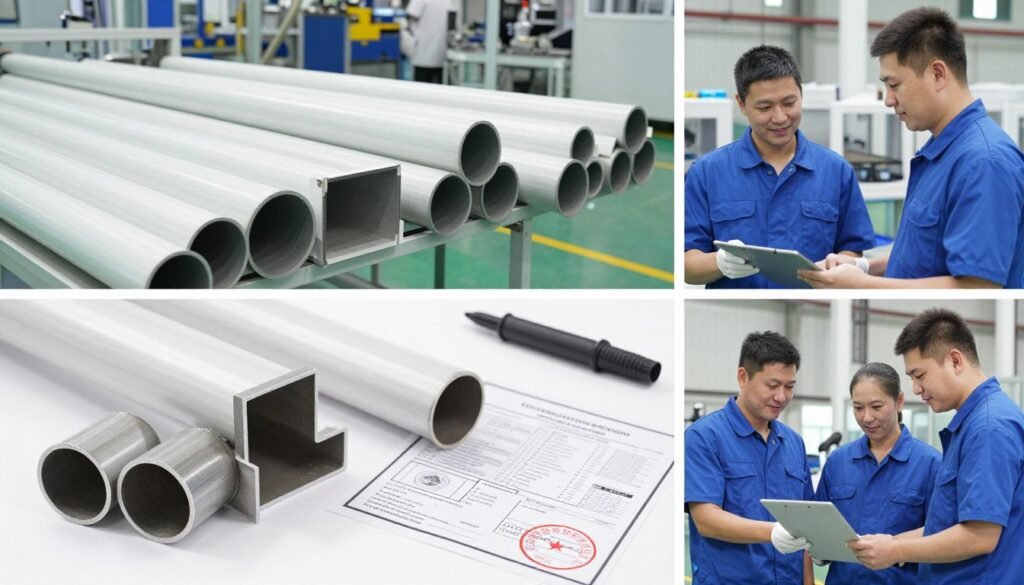
- Grade & K-Value Alignment: Choose SG-8 (K-57–58) for rapid injection molding, SG-5 (K-65–67) for rigid pipe and profile extrusion, and SG-3 (K-70–72) for flexible cable insulation and soft films.
- Incoming Quality Control: Verify incoming lots against COA specifications for tight K-value tolerances (±0.5), high bulk density (0.45–0.58 g/cm³), and low residual VCM (< 1.0 ppm).
- Total Cost Optimization: Evaluate base resin purity, processing energy efficiency, and overseas freight logistics rather than per-kilogram base price alone.
