Polylactic Acid (PLA) stands as a cornerstone of the modern bio-plastic movement, offering a functional bridge between renewable origins and industrial utility. However, the commercial success of PLA is often complicated by a misunderstanding of its "green" credentials.
Chemical Foundations
The molecular architecture of PLA is created through the Ring-Opening Polymerization (ROP) of lactide. While this process yields a robust thermoplastic polyester with mechanical properties comparable to PET, its degradation is not a spontaneous event.
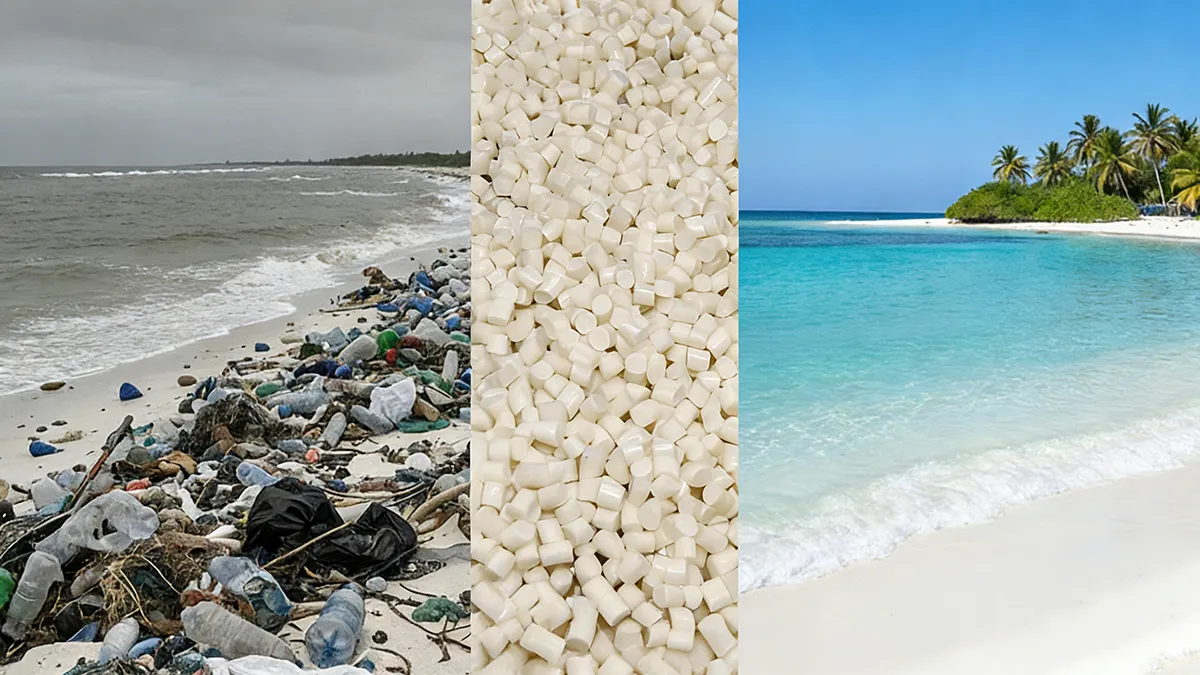
"PLA is inherently hydrophobic. This means that under standard environmental conditions, the material resists water penetration, maintaining its structural integrity for years in oceans or landfills."
The Hydrolysis Bottleneck
Initial Stage: Hydrolysis
Occurs when high temperatures (above 58°C) allow water molecules to cleavage the long-chain ester bonds.
Final Stage: Mineralization
Microorganisms convert fractured oligomers and lactic acid monomers into $CO_2$ and biomass.
While understanding the molecular transition from hydrolysis to mineralization is key, navigating the practical industry reality requires a deeper look into performance predictability. For a complete technical breakdown of how these mechanisms translate into regulatory compliance, explore our:
Overcoming Limitations with Thermoplastic Starch (TPS)
Integrating Thermoplastic Starch (TPS) into PLA formulations offers a strategic solution. Starch, consisting of amylose and amylopectin, acts as a functional catalyst.
- Accelerates hydrolysis via moisture penetration.
- Reduces total carbon footprint and material costs.
- Maintains processing stability for injection molding.
Compliance Standards
EN 13432
European standard for packaging recoverable through composting and biodegradation.
ASTM D6400
Standard specification for labeling of plastics designed to be aerobically composted.
90% Rule
Mandates disintegration within 180 days in an industrial compost setting.
"The synergy between PLA and TPS ensures that the resulting compound remains stable during its shelf life but transitions quickly to carbon-neutral byproducts once disposed of in professional waste streams."
Strategic Material Sourcing
Achieving the perfect balance of tensile strength, heat resistance, and degradation speed depends entirely on the quality of the raw material resin. As global regulations tighten, transitioning to high-performance bio-based blends is a technical necessity.
Our specialized TPS resin
Designed for seamless integration with PLA, PHA, and other biodegradable polyesters. By optimizing the interfacial bonding, we help create products that are both economically viable and ecologically responsible.