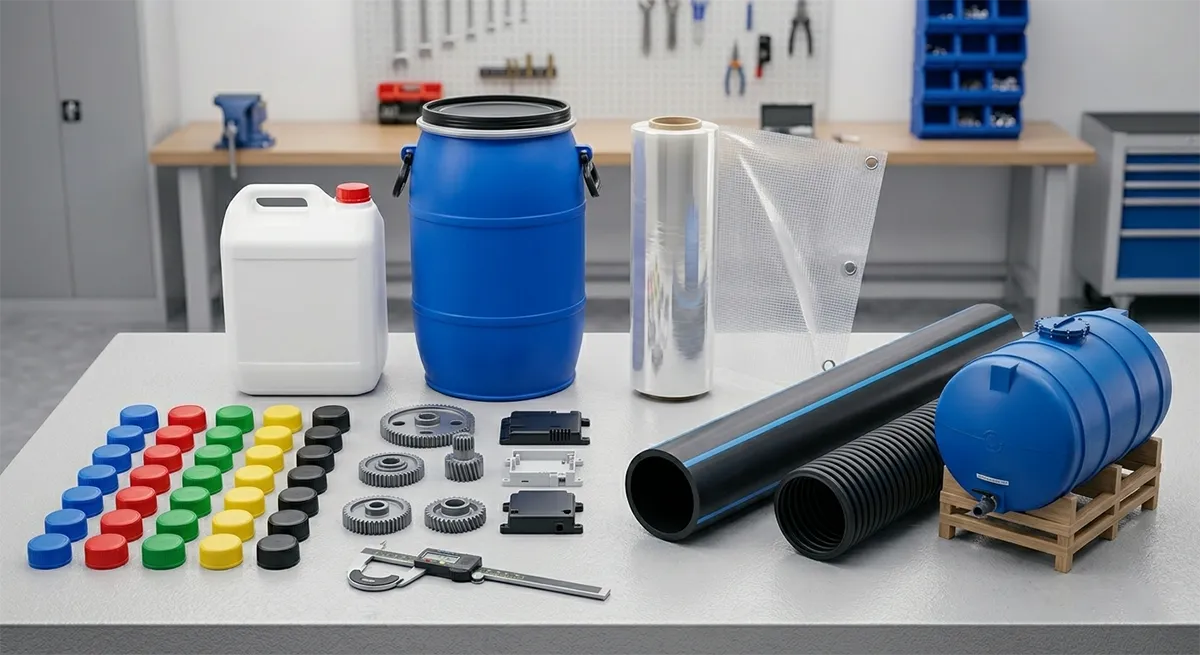
Polyethylene (PE) grade selection is never determined by material type alone. In practical manufacturing, the specific processing method is the primary driver that dictates which PE grade must be used.
Different manufacturing processes—such as injection molding, blow molding, film extrusion, pipe extrusion, and rotational molding—each impose drastically different demands on polymer melt behavior, molecular weight, and thermal stability. Therefore, a successful PE selection strategy always begins with the processing setup, not just the generic resin name.
The Core Material Selection Logic
To convert application requirements into predictable production outcomes, engineers utilize a straightforward logic chain:
Final Product Requirement⟶Processing Method⟶Required Melt Behavior⟶Precise PE Grade Selection
Quick-Reference Examples
| Target Product | Processing Method | Recommended PE Type | Primary Material Demand |
|---|---|---|---|
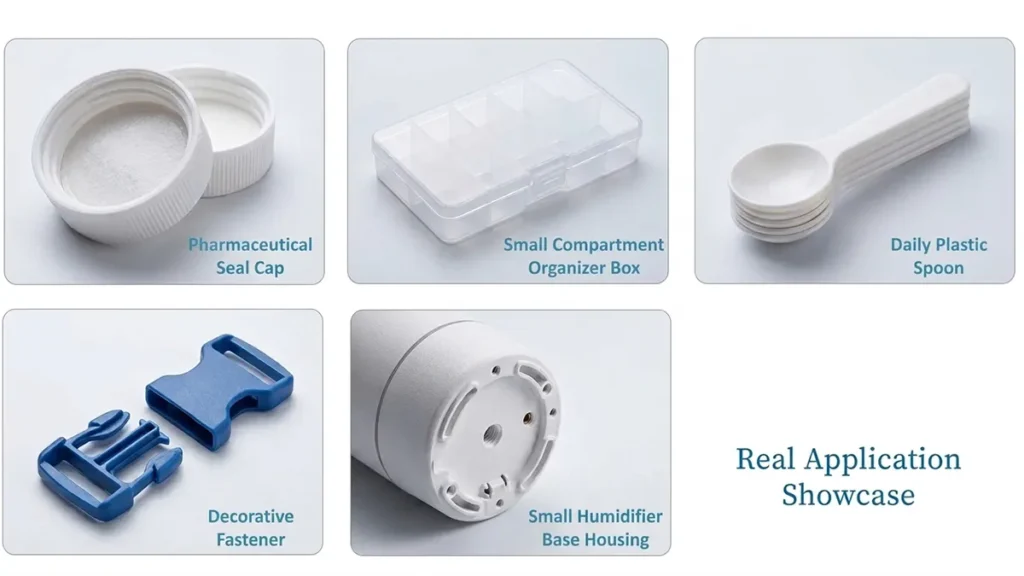
| Caps & Closures | Injection Molding | HDPE | High flowability & low warpage |
| Packaging Films | Film Extrusion | LDPE / LLDPE Blends | Bubble stability & puncture resistance |
| Pressure Pipes | Pipe Extrusion | HDPE (PE100 / PE80) | High long-term hydrostatic strength |
| Shampoo Bottles | Blow Molding | HDPE | High melt strength (anti-sagging) |
| Large Water Tanks | Rotational Molding | LLDPE / MDPE (Powder) | Zero-shear flow uniformity |
Injection Molding: Flowability and Cycle Efficiency
Injection molding relies on forcing molten polymer into complex, multi-cavity molds under immense pressure. The priority here is getting the material to fill every corner of the mold quickly and evenly before cooling down.
- Key Selection Metrics: High-to-medium Melt Flow Index (MFI), controlled shrinkage, and minimal molded-in stress.
- Recommended PE Grades: High-flow HDPE grades (typically MFI > 8 g/10 min).
💡 Key Insight: High MFI accelerates filling but can reduce impact strength. The goal is the lowest MFI that fills the mold without “short-shots”.
Blow Molding: Melt Strength and Shape Stability
In blow molding, a molten “parison” hangs unsupported in mid-air. The PE material requires exceptional structural integrity while molten to prevent deformities during inflation.
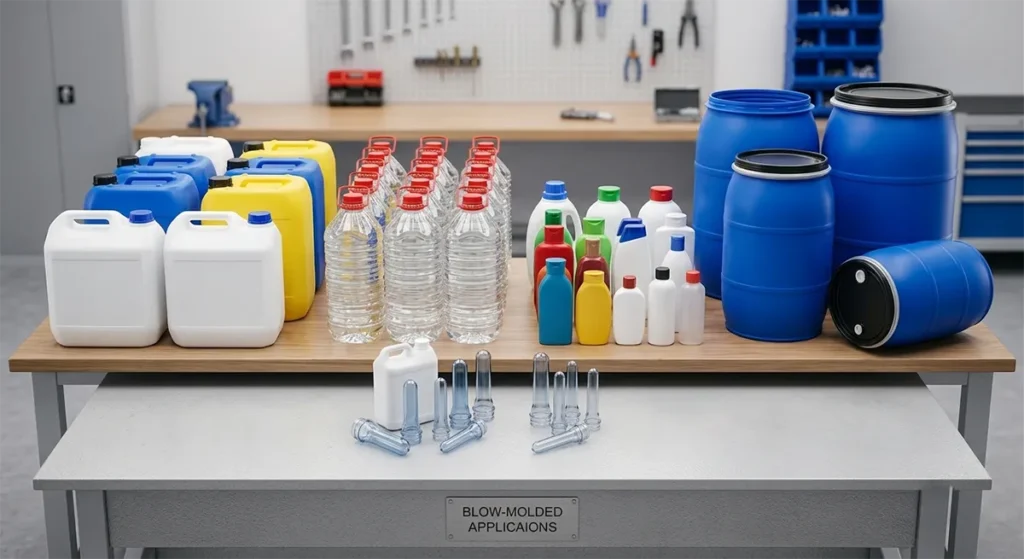
- Key Selection Metrics: Low-to-medium MFI, high melt strength, and outstanding Environmental Stress Crack Resistance (ESCR).
- Recommended PE Grades: Fractional-melt HDPE grades (typically MFI < 1.0 g/10 min).
💡 Key Insight: Low melt strength leads to “sagging,” resulting in uneven wall thickness and dangerously thin sections at the top of the container.
Optimize Your Material Strategy
Get expert guidance on matching high-performance PE grades to your specific manufacturing setup.
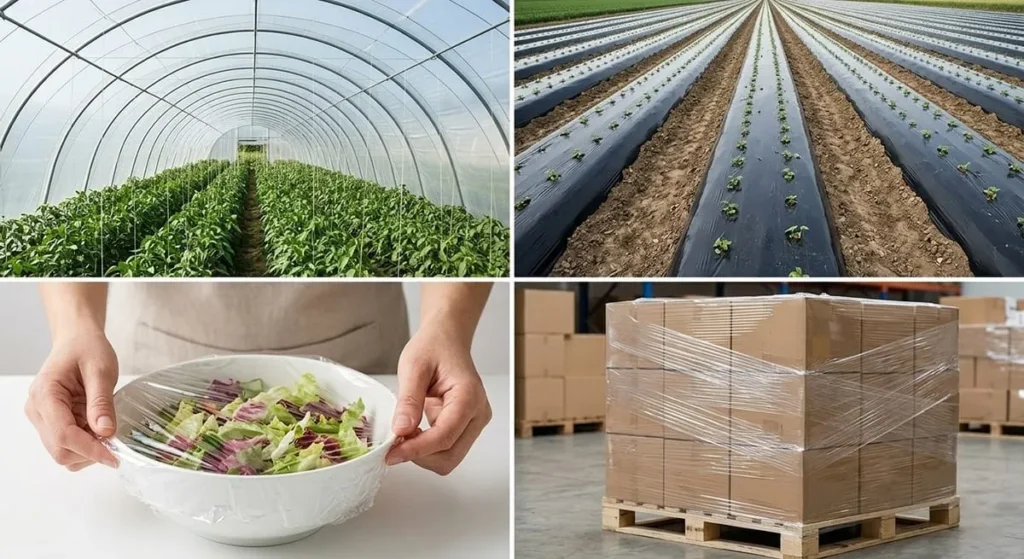
Film Extrusion: Balancing Toughness and Bubble Stability
Blown film extrusion involves extruding a tube upward and inflating it into a massive bubble. The polymer must be stretched in two directions simultaneously without tearing.
- Key Selection Metrics: Balanced MFI, high melt extensibility, and superior tear and puncture resistance.
- Recommended PE Grades: LDPE (stability), LLDPE (toughness), or custom blends.
Traditional LDPE provides “melt tension” to keep bubbles stable, while LLDPE provides physical toughness. Blending yields the perfect industrial balance.
Pipe Extrusion: Long-Term Durability and Creep Resistance
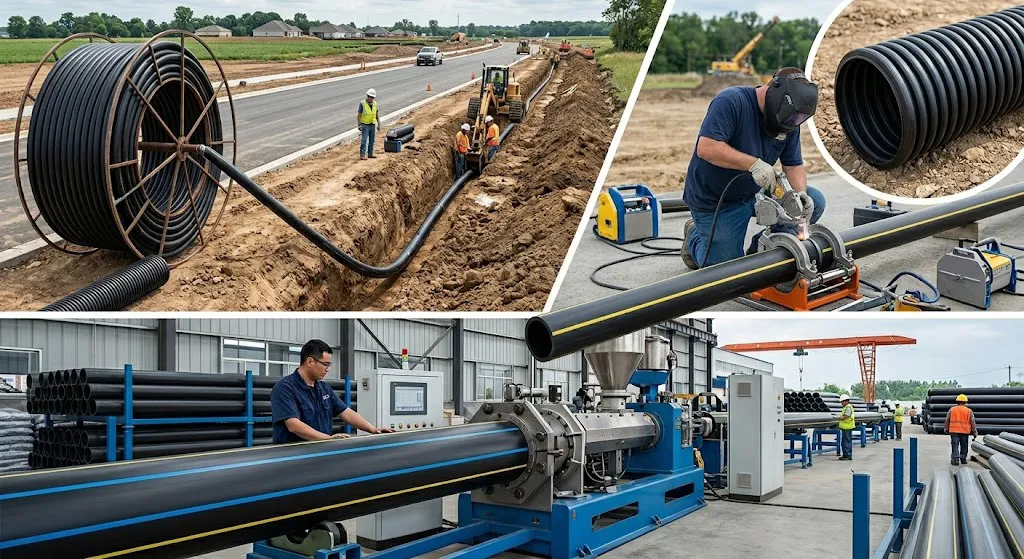
Industrial piping systems are designed to last 50-100 years. This requires resistance to slow crack growth and high hydrostatic pressure.
- 🏗️ Hydrostatic Stress: PE80 and PE100 classifications based on operating pressure.
- 📏 Low-MFI Grade: Fractional-melt grades (< 0.5 g/10 min) to resist structural creep.
- 🔥 Processing Profile: Localized heating to handle highly viscous melts without extreme backpressure.
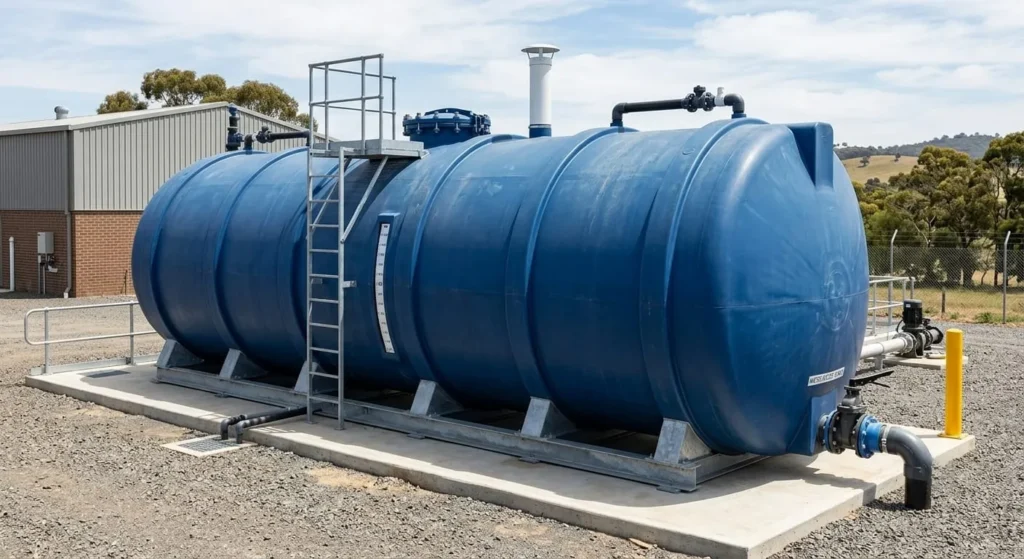
Rotational Molding: Zero-Shear Flow
Rotational molding uses no pressure or mechanical shearing; the plastic relies entirely on gravity and thermal contact to melt and coat the inner walls.
⚙️
Flow Behavior
Narrow MFI range (3.0 – 5.0) for uniform powder sintering.
🏗️
Applications
Large water storage tanks, kayaks, and rugged playground equipment.
Processing vs Material Property Matrix
| Processing Method | Target MFI | Critical Property | Primary Field Failure Risk |
|---|---|---|---|
| Injection Molding | High (5.0 – 20+) | Flowability | Part warpage / Short-shots |
| Blow Molding | Low (0.2 – 1.0) | Melt strength | Uneven wall thickness |
| Pipe Extrusion | Very Low (< 0.5) | Creep resistance | Brittle slow crack growth |
Common Pitfalls in Grade Matching
Extruding an Injection Grade
Using a high-MFI injection grade in extrusion will cause the polymer melt to liquefy completely, rendering bubble or parison formation impossible.
Molding a Pipe Grade
Using a pipe grade in an injection machine results in extreme backpressure and incomplete filling due to the material’s massive molecular weight.
Conclusion
Material selection for polyethylene is fundamentally a balancing act between processing efficiency and end-use performance. By aligning your specific manufacturing method with the correct MFI and density ranges, you minimize production downtime, optimize cycle times, and guarantee the long-term reliability of your product.
For an all-inclusive framework that maps out PE plastic types, machinery parameters, and chemical structures into a unified choice matrix, explore our foundational guide: Polyethylene (PE): How to Choose the Right Grade.