The oil and gas industry constantly seeks innovative solutions that enhance operational efficiency while reducing environmental impact. Polyglycolic acid has emerged as a game-changing polymer in oilfield applications. This biodegradable material offers unique properties that address long-standing challenges in well intervention and completion operations.
Traditional temporary plugging materials often require costly removal procedures or leave permanent residue downhole. PGA technology transforms this landscape entirely. The material degrades predictably in wellbore environments, eliminating expensive milling operations and reducing intervention time significantly.
Understanding PGA applications helps engineers and procurement specialists make informed decisions about material selection. This comprehensive guide explores how polyglycolic acid revolutionizes temporary plugging, fracturing operations, and well completion procedures across the oil gas industry.
Why Is Polyglycolic Acid (PGA) Suitable for Oil and Gas Applications?
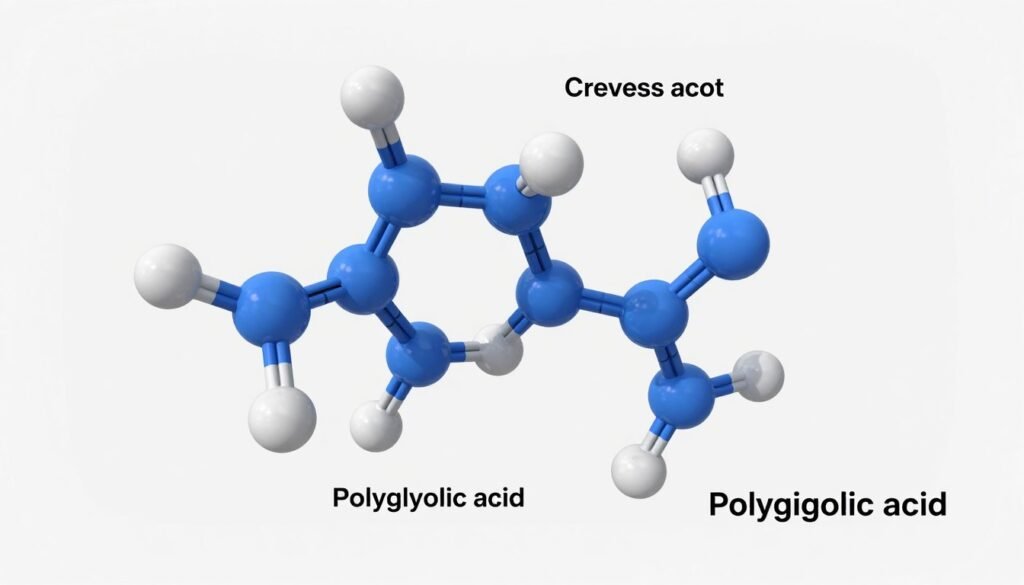
Polyglycolic acid stands out among polymers due to its exceptional mechanical strength combined with controlled degradation characteristics. The material maintains structural integrity under extreme downhole conditions while breaking down predictably when exposed to formation fluids. This dual capability makes PGA ideal for temporary applications in oil and gas operations.
The polymer’s ester linkage structure enables hydrolytic degradation at elevated temperatures. Water molecules gradually break down the polymer chains into glycolic acid, which naturally occurs in formation fluids. This degradation process is temperature-dependent and predictable, allowing engineers to design solutions with precise operational windows.
Exceptional Mechanical Properties
PGA demonstrates remarkable tensile strength exceeding many conventional oilfield polymers. The material withstands differential pressures encountered during hydraulic fracturing and well completion operations. Its crystalline structure provides rigidity necessary for maintaining wellbore isolation during treatment stages.
The polymer resists deformation under compressive loads typical in downhole environments. This mechanical strength allows PGA components to seat properly in wellbore configurations and maintain pressure integrity throughout operations. Engineers can rely on consistent performance across varying well conditions.
Controlled Degradation Timeline
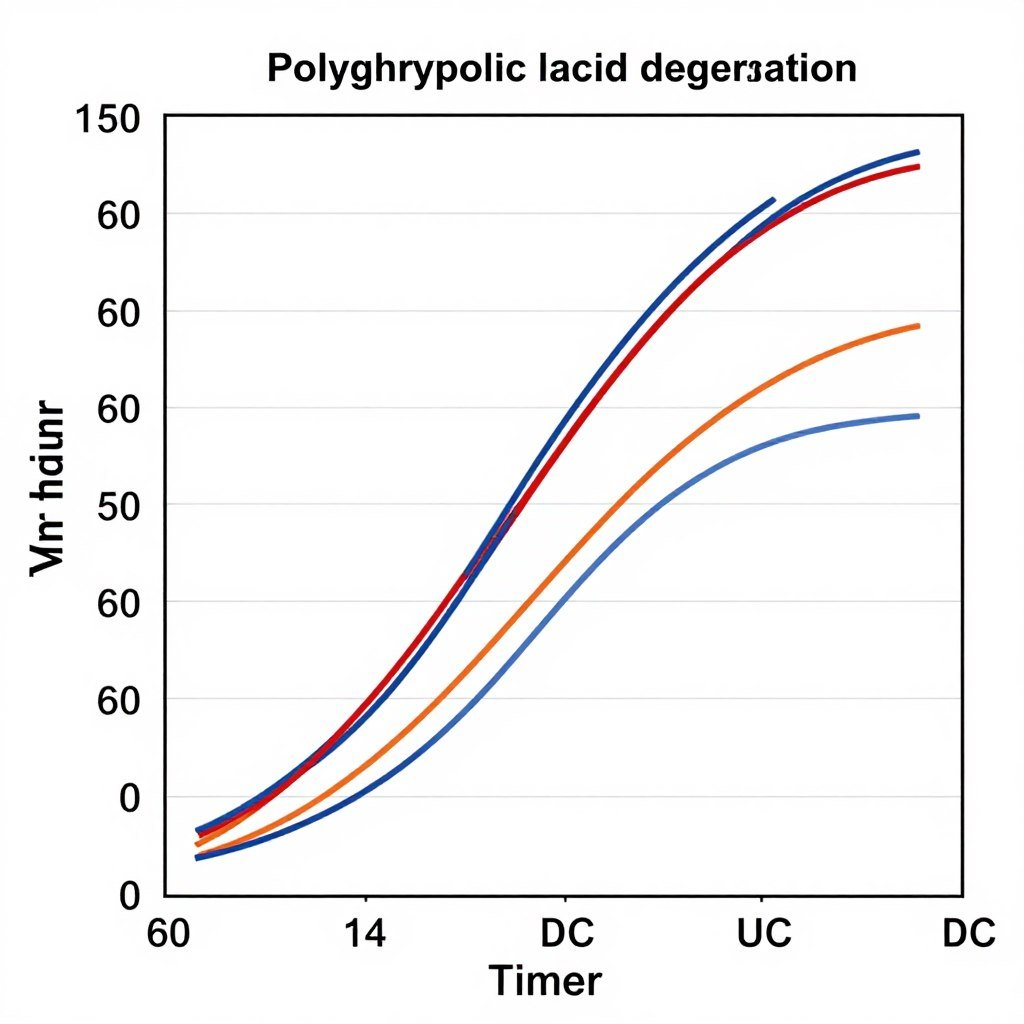
Temperature plays a crucial role in PGA degradation rates. Higher downhole temperatures accelerate the hydrolysis process, while cooler formations extend material lifespan. This temperature sensitivity enables customized solutions for different reservoir conditions and operational requirements.
Degradation rates can be engineered by adjusting polymer molecular weight and crystallinity. Lower molecular weight PGA degrades faster, suitable for short-term applications. Higher molecular weight variants maintain integrity longer for extended operations. This flexibility helps match material properties to specific operational needs.
Key Degradation Factors
- Wellbore temperature determines primary degradation rate
- Fluid pH influences hydrolysis speed moderately
- Molecular weight affects initial degradation timeline
- Crystallinity percentage controls structural breakdown
- Surface area exposure accelerates process initiation
Environmental and Operational Advantages
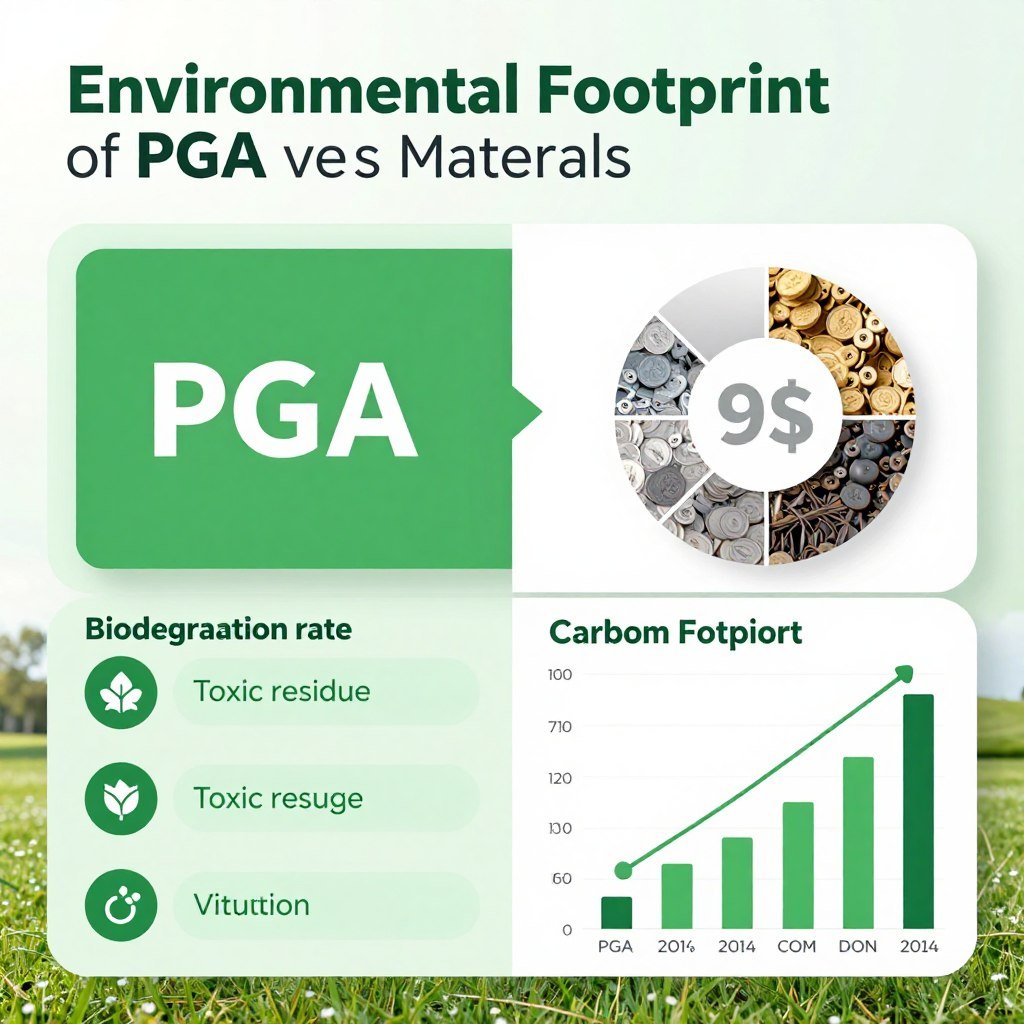
The oil gas industry faces increasing pressure to minimize environmental footprint. PGA addresses these concerns through complete biodegradation into naturally occurring substances. Unlike permanent materials requiring retrieval or conventional polymers leaving residue, PGA breaks down without environmental harm.
Operational cost reduction represents another significant advantage. Eliminating milling operations saves rig time and reduces mechanical intervention risks. The material’s predictable behavior allows operators to schedule subsequent operations confidently without costly confirmation runs.
Get Your Free PGA Technical Comparison Guide
Download our comprehensive analysis comparing PGA performance against traditional temporary plugging materials across different downhole conditions, temperatures, and degradation timelines. Make data-driven material selection decisions for your operations.
Chemical Compatibility

PGA exhibits excellent compatibility with most oilfield fluids encountered during operations. The material resists degradation from hydrocarbons, allowing use in oil-based and synthetic-based mud systems. This chemical stability ensures reliable performance during deployment and initial operational phases.
Acid compatibility enables PGA use in acidizing operations and acid fracturing applications. The material maintains structural integrity during acid placement phases before controlled degradation begins. This characteristic expands application possibilities across various well treatment scenarios.
Manufacturing Flexibility
PGA production processes allow customization of physical properties to meet specific application requirements. Manufacturers can adjust molecular weight distribution, crystallinity percentage, and particle size distribution. This manufacturing flexibility enables creation of specialized products for diverse oilfield challenges.
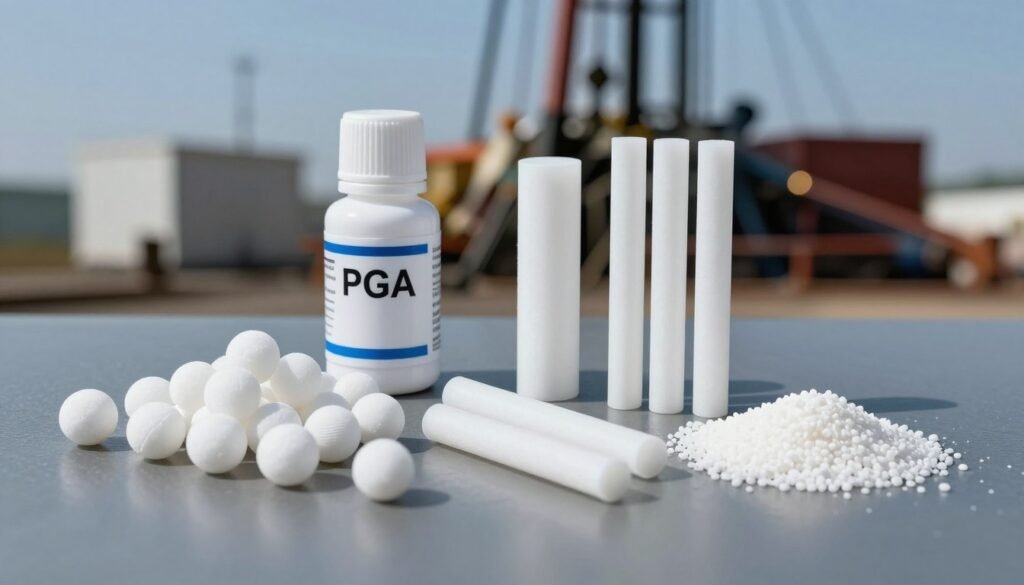
The polymer can be formed into various geometries including spheres, rods, fibers, and irregular particles. This shape versatility allows optimization for different deployment methods and operational objectives. Engineers select forms that best suit their wellbore geometry and treatment design.
Major Applications of PGA in Oil and Gas
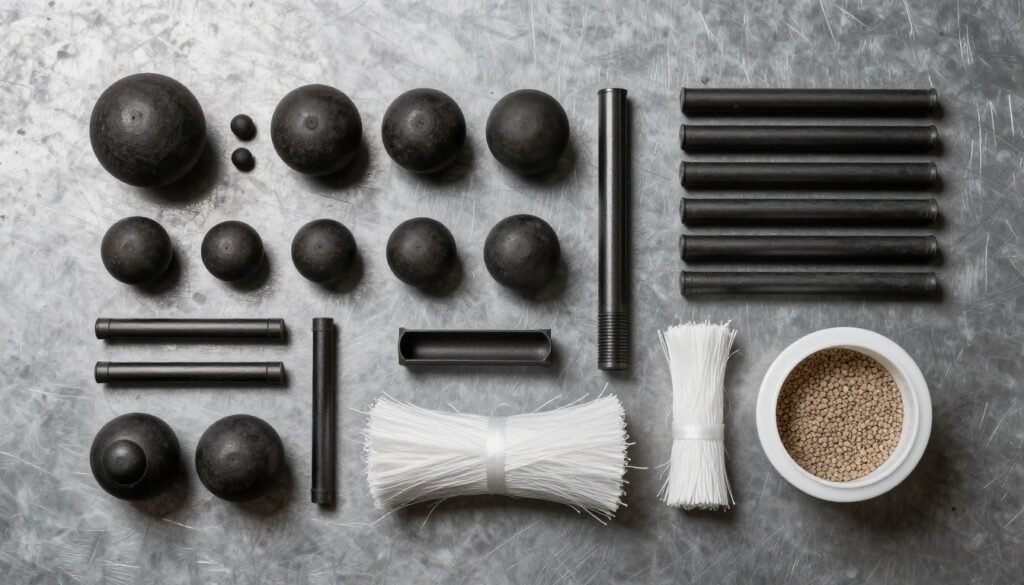
The versatility of polyglycolic acid enables multiple applications throughout well lifecycle operations. From initial drilling phases through production optimization, PGA solutions address specific technical challenges. Understanding these applications helps operators select appropriate technologies for their operational requirements.
Each application leverages different aspects of PGA’s unique property profile. Some utilize mechanical strength for pressure isolation, while others rely on controlled degradation for self-removing functions. The following sections explore major PGA applications transforming oil and gas operations.
PGA Temporary Plugging Agents
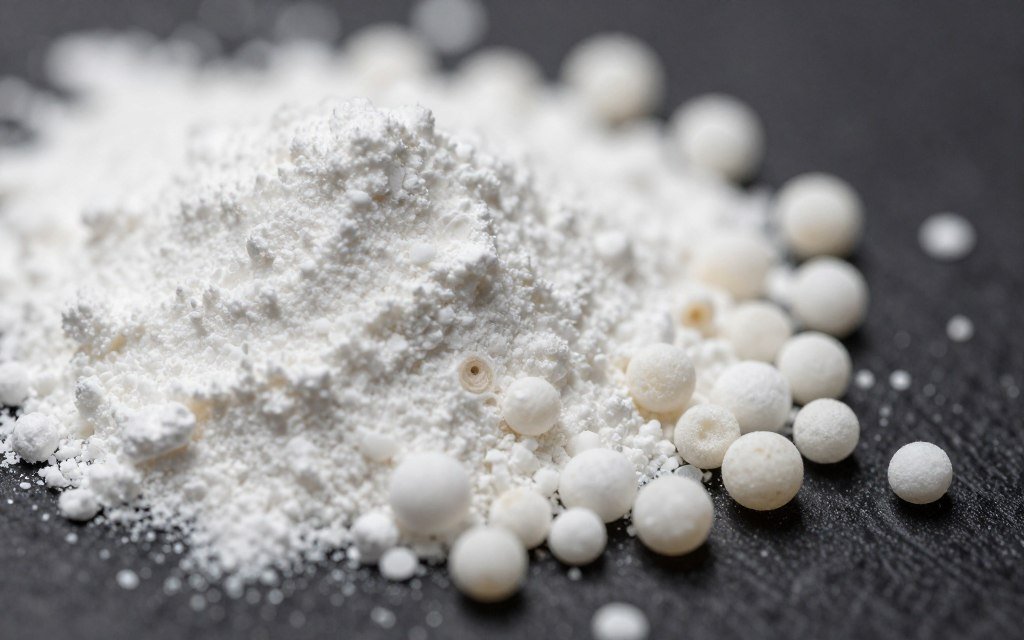
Temporary plugging agents represent one of the most significant PGA applications in the oil gas industry. These materials create temporary barriers within wellbores or perforations during multi-stage fracturing operations. PGA-based agents offer superior performance compared to traditional degradable materials like polylactic acid or salt-based compounds.
The plugging mechanism relies on particle bridging and deformation within perforation tunnels or fracture initiation points. PGA particles compress under differential pressure, forming effective seals that withstand treatment pressures. This sealing capability enables proper stage isolation during hydraulic fracturing sequences.
Particle Size Distribution Engineering
Effective temporary plugging requires carefully engineered particle size distributions. The distribution must match perforation dimensions and formation pore throat characteristics. Too-fine particles flow into formations without bridging, while oversized particles fail to enter perforation tunnels effectively.
Optimal distributions typically include multiple particle size fractions working synergistically. Larger particles establish initial bridging structures, while medium-sized particles fill interstitial spaces. Fine particles seal remaining pathways, creating comprehensive barriers. This multi-modal approach maximizes plugging efficiency across varying geometries.
| Particle Size Range | Function | Typical Concentration | Application Scenario |
| 10-40 mesh | Initial bridging structure | 30-40% | Large perforations, fracture entry points |
| 40-100 mesh | Interstitial filling | 40-50% | Standard perforations, moderate pores |
| 100-200 mesh | Secondary sealing | 15-25% | Fine perforations, tight formations |
| 200+ mesh | Final pore sealing | 5-10% | Micro-fracture networks, ultra-tight zones |
Deployment Methods and Concentrations
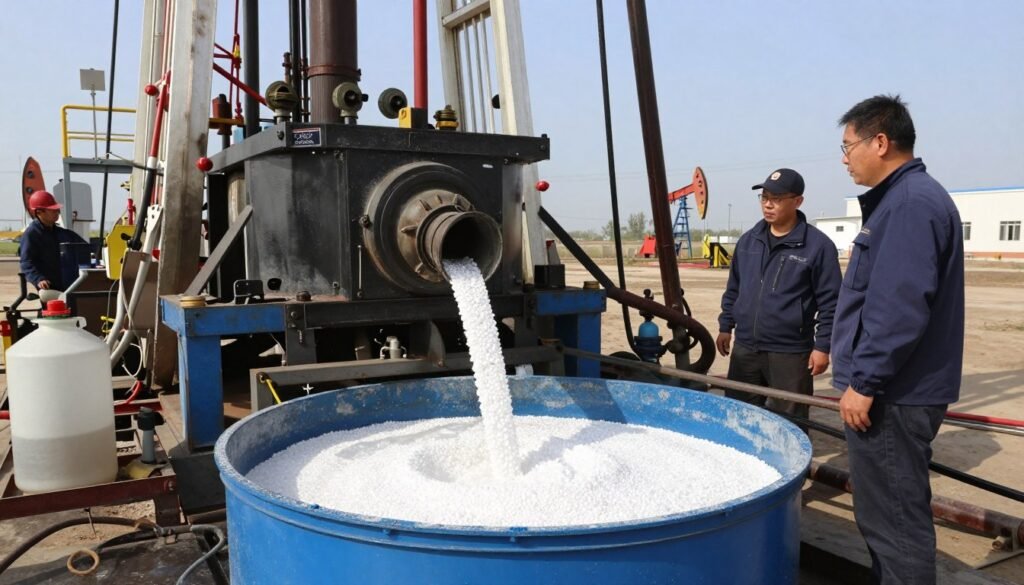
PGA plugging agents deploy via carrier fluids pumped into wellbores at specific treatment stages. Concentrations typically range from one to five pounds per gallon depending on application requirements. Higher concentrations provide more aggressive plugging for challenging conditions, while lower concentrations suffice for standard applications.
Fluid systems must suspend particles effectively during pumping to ensure proper placement. Viscosified fluids or turbulent flow regimes prevent premature settling. Proper suspension maintains particle distribution throughout treatment volumes, ensuring consistent plugging performance across all targeted zones.
Performance in Multi-Stage Fracturing
Multi-stage hydraulic fracturing in horizontal wells represents the primary application for PGA temporary plugging agents. The material enables effective diversion of fracturing fluids into new perforation clusters while isolating previously stimulated stages. This diversion improves completion efficiency and reservoir contact.
PGA agents outperform traditional diverters through superior mechanical strength and controlled degradation. The material maintains plugs throughout pumping operations before degrading on engineered schedules. This eliminates concerns about permanent flow restriction while ensuring effective treatment execution.
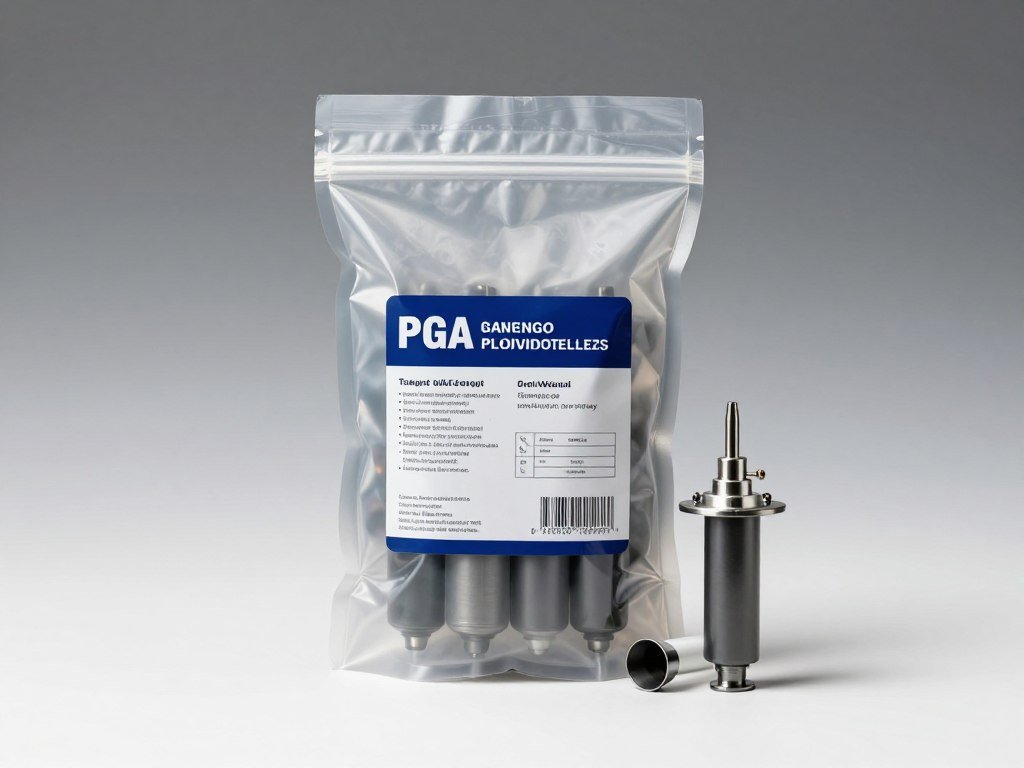
Horizontal Well Plugging Agent
Engineered particle distribution optimized for multi-stage fracturing in horizontal wellbores. Provides reliable stage isolation with predictable degradation at temperatures from 80°C to 150°C.
- Multi-modal particle size distribution
- Degradation time: 3-21 days
- Temperature range: 80-150°C
- Typical loading: 2-4 lb/gal
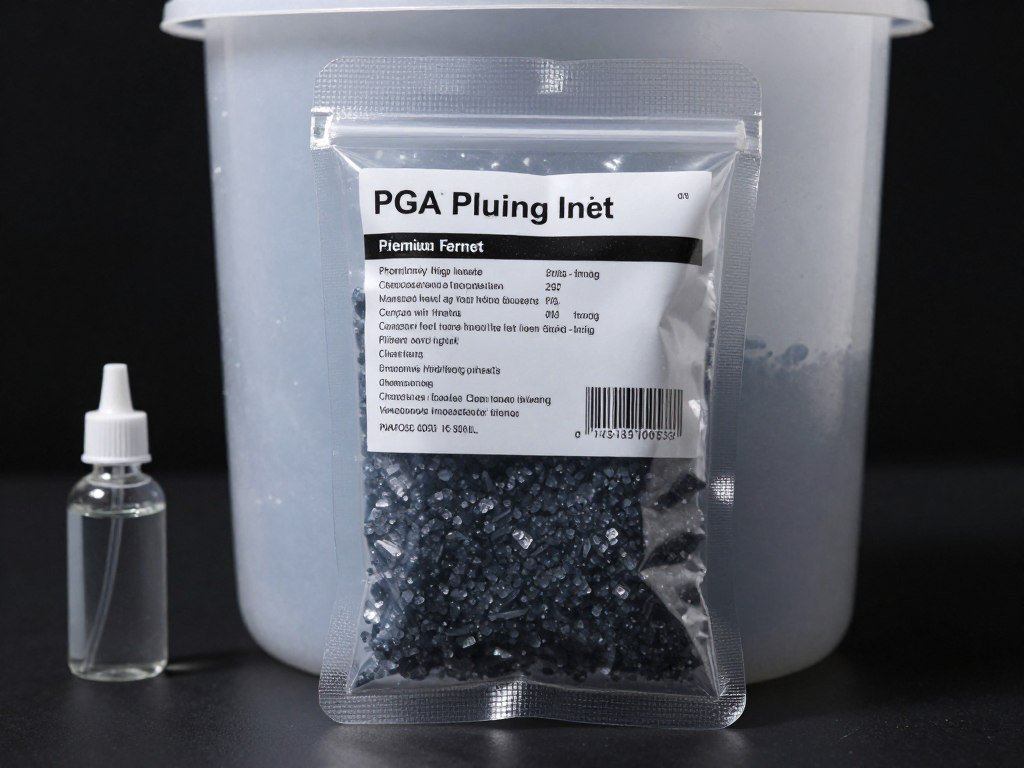
High-Temperature Plugging Agent
Advanced formulation for deep, high-temperature applications. Extended mechanical stability at extreme conditions with controlled degradation rates suitable for complex well architectures.
- Enhanced thermal stability
- Degradation time: 7-30 days
- Temperature range: 120-180°C
- Higher molecular weight polymer
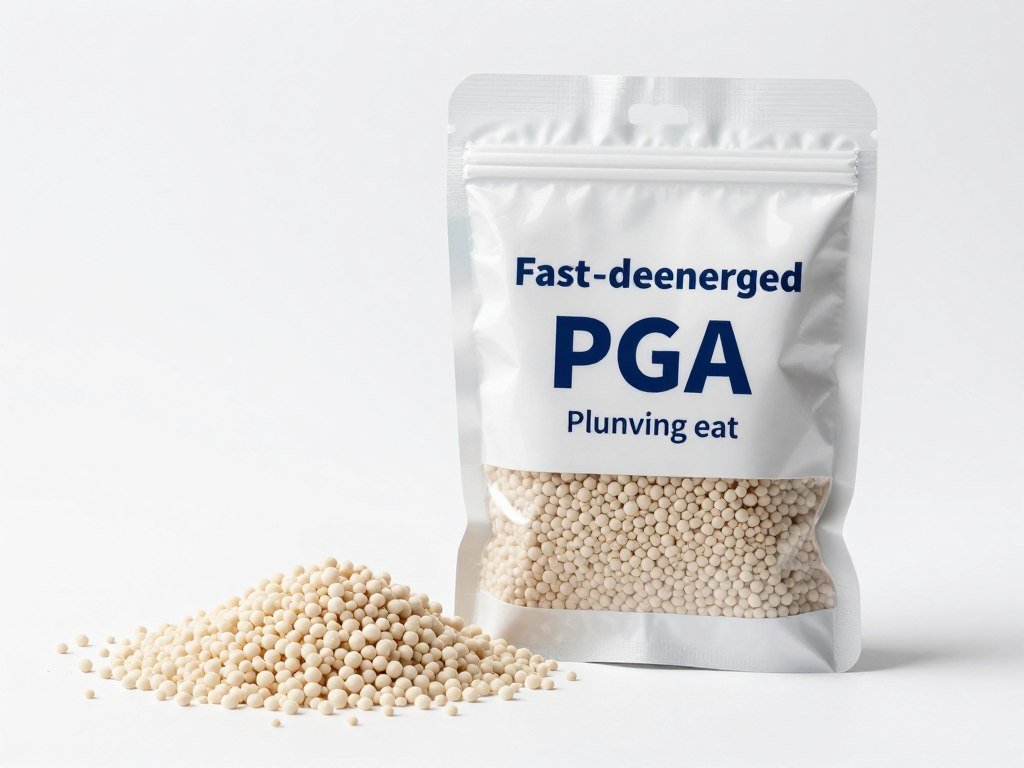
Rapid-Degradation Plugging Agent
Lower molecular weight formulation for applications requiring faster degradation. Ideal for shallow wells or operations where quick flowback initiation is critical.
- Accelerated degradation profile
- Degradation time: 1-7 days
- Temperature range: 60-120°C
- Optimized for quick cleanup
PGA Temporary Plugging Balls
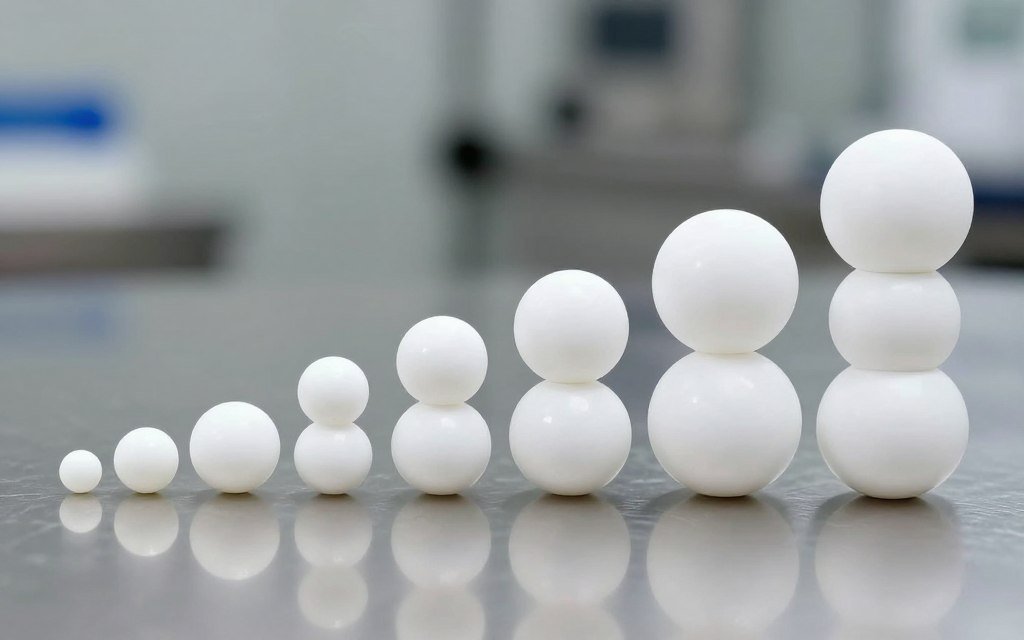
PGA temporary plugging balls provide mechanical isolation in wellbore tubulars during completion operations. These precision-manufactured spheres seat in specially designed seats or restrictions, creating pressure barriers for selective zone treatment. The technology enables efficient multi-stage completions without mechanical intervention between stages.
Ball-and-seat completion systems have revolutionized horizontal well development, particularly in shale gas and tight oil formations. PGA balls enhance this technology through complete degradation after operations conclude. Unlike composite balls requiring milling or permanent metallic balls remaining downhole, PGA balls disappear on schedule.
Manufacturing Precision and Specifications
PGA ball manufacturing demands tight dimensional tolerances to ensure reliable seating and pressure integrity. Diameter variations must remain within narrow specifications, typically plus or minus a few thousandths of an inch. Surface finish quality affects sealing performance and deployment reliability through completion equipment.
Density control during manufacturing ensures balls achieve neutral or near-neutral buoyancy in completion fluids. This characteristic prevents premature settling during pumping operations and facilitates proper ball deployment to target seats. Manufacturing processes include compression molding or injection molding techniques producing consistent quality.
Critical Ball Specifications
- Diameter tolerance: ±0.005 inches typical
- Sphericity: 95% minimum roundness
- Surface finish: Smooth with minimal defects
- Density: 1.1-1.3 g/cm³ range
- Compressive strength: 5,000+ psi
- Degradation time: Customizable 3-30 days

Sizing Strategy for Multi-Stage Systems
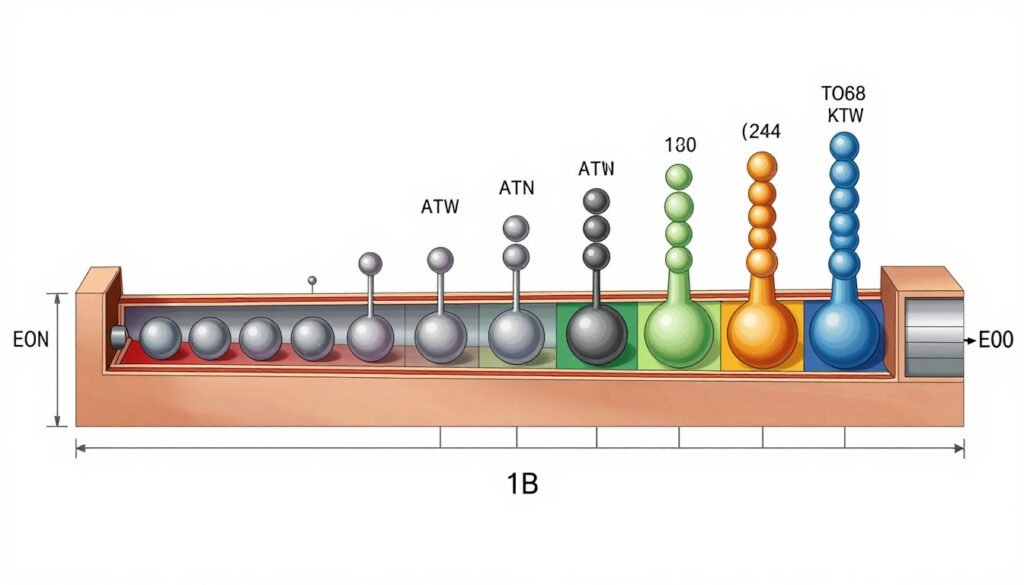
Multi-stage ball-and-seat completions utilize progressively sized balls and seats to isolate stages sequentially. The largest ball seats first in the toe section, with each subsequent ball being slightly smaller to pass through previously seated balls. This sizing sequence enables stimulation progression from toe to heel.
Typical completion designs incorporate between five and thirty stages depending on lateral length and spacing requirements. Ball size increments usually range from 0.050 to 0.125 inches between stages. Engineers must balance the desire for numerous stages against practical limits of ball size progression and seat manufacturing capabilities.
Deployment and Operational Considerations
Ball deployment typically occurs between fracturing stages, with balls transported by lower-viscosity fluids to target seats. Flow rates must be sufficient to keep balls in suspension while avoiding velocities that might damage ball surfaces. Operational experience helps optimize deployment procedures for specific well configurations.
Seat design significantly impacts ball sealing performance and overall system reliability. Seats incorporate features like elastomer elements or tapered profiles to enhance sealing. The seat material must withstand treatment pressures while allowing ball passage during degradation or milling operations if needed.
Post-Treatment Degradation and Cleanup
After completion operations conclude, PGA balls degrade on engineered timelines based on wellbore temperature profiles. Degradation typically begins from the surface layer and progresses inward, gradually reducing ball structural integrity. Eventually, balls disintegrate completely, leaving no flow restrictions.
Flowback operations can commence once degradation reaches sufficient levels to allow ball passage through seats. This timing depends on temperature, molecular weight selection, and required operational windows. Operators monitor well responses to verify effective ball degradation before initiating full production.

Standard Ball Set (1.5" - 2.5")
Precision-manufactured ball set for conventional multi-stage completions. Suitable for moderate temperature applications with standard degradation profiles.
- Diameter range: 1.5 to 2.5 inches
- Increment: 0.0625 inches
- Temperature rating: 90-140°C
- Degradation: 5-14 days

Large Bore Ball Set (2.5" - 4.0")
Heavy-duty balls designed for large bore completions and high-rate fracturing operations. Enhanced mechanical properties for extreme pressure differentials.
- Diameter range: 2.5 to 4.0 inches
- Higher compressive strength
- Temperature rating: 80-150°C
- Reinforced construction

Custom Engineered Balls
Application-specific ball designs for unique completion challenges. Custom sizing, degradation rates, and mechanical properties tailored to specific operational requirements.
- Custom diameter specifications
- Tailored degradation profiles
- Special material formulations
- Engineering support included
PGA Rods
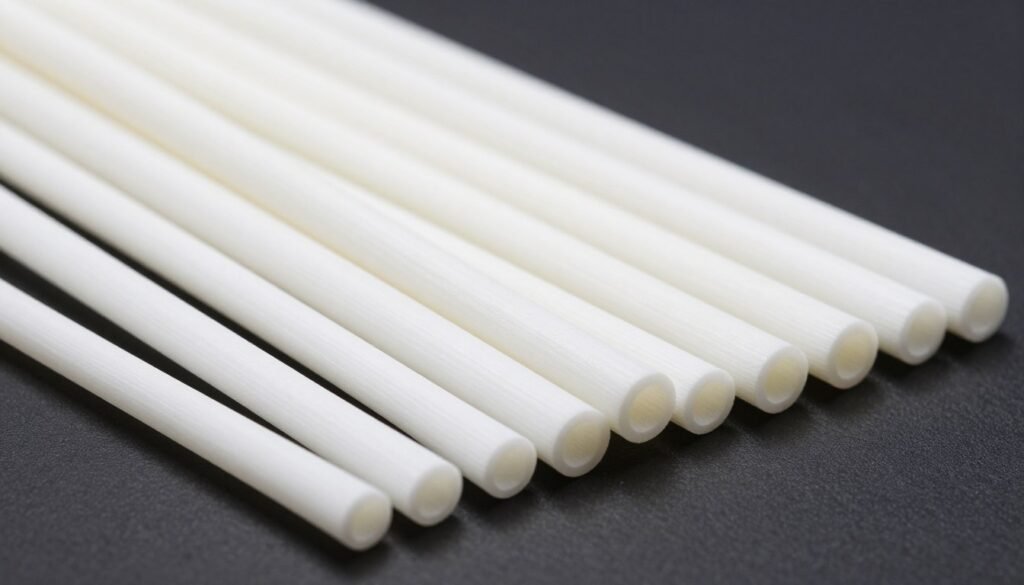
PGA rods serve specialized functions in wellbore operations requiring temporary structural elements. These cylindrical components provide mechanical support or flow restriction in various completion and intervention scenarios. Rod applications range from simple plugging devices to complex downhole tool components.
The manufacturing process for PGA rods typically involves extrusion or compression molding to achieve desired dimensions and mechanical properties. Rods can be produced in various diameters and lengths to match specific application requirements. Surface treatments may be applied to enhance certain performance characteristics.
Applications in Temporary Plug Systems
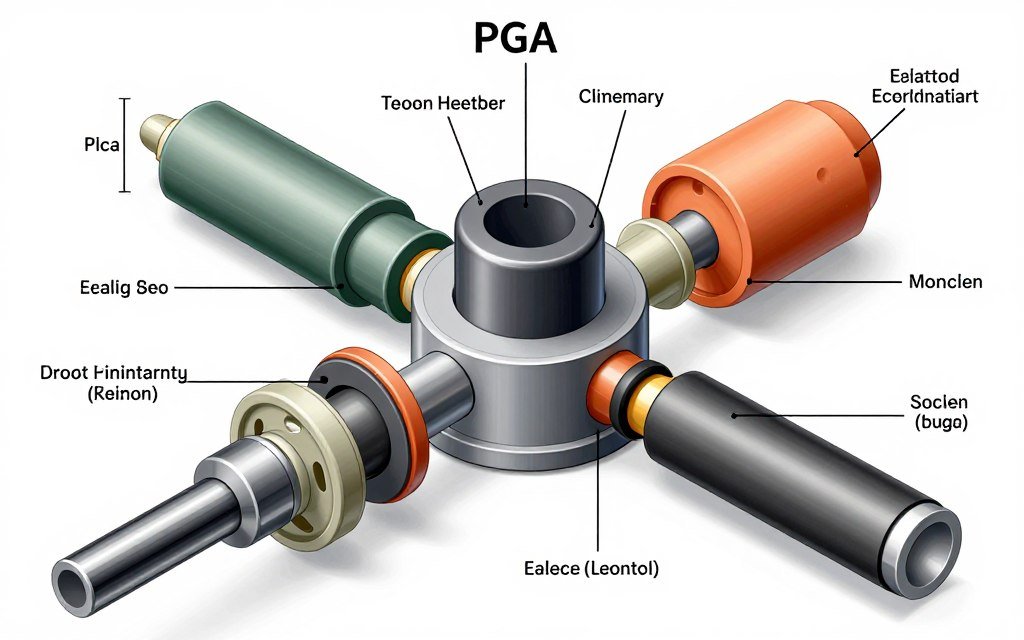
PGA rods function as core components in temporary plug assemblies for wellbore isolation. The rod provides structural support and flow blocking capability while sealing elements create pressure integrity. This combination enables effective zonal isolation during treatment operations or well testing activities.
Rod-based plugs offer advantages in situations requiring precise depth placement and reliable pressure holding. The rigid structure resists movement under differential pressure, maintaining isolation integrity throughout operations. After serving their purpose, rods degrade completely, eliminating retrieval requirements.
Use in Fracture Sleeve Applications
Some fracture sleeve designs incorporate PGA rods as actuating or locking elements. The rods maintain sleeve configurations during deployment and initial operations before degrading to allow sleeve function changes. This application demonstrates PGA’s versatility beyond simple plugging functions.
Rod degradation timing can be engineered to coordinate with completion sequencing requirements. Early degradation allows rapid sleeve activation, while delayed degradation maintains configurations through multiple operational stages. This timing flexibility enhances completion design options.
Dimensional Specifications and Tolerances
PGA rod manufacturing maintains tight dimensional control to ensure proper fit in downhole assemblies. Diameter tolerances typically range from plus or minus a few thousandths of an inch depending on application requirements. Length cutting precision ensures components meet specific assembly specifications.
Surface finish quality affects rod performance in assemblies requiring sliding contact with other components. Smooth finishes reduce friction and wear during deployment operations. Some applications benefit from textured surfaces that enhance mechanical interlocking or seal element engagement.
| Rod Diameter | Typical Length Range | Compressive Strength | Primary Applications |
| 0.25″ – 0.50″ | 6″ – 24″ | 6,000 – 8,000 psi | Small bore plugs, sleeve components |
| 0.50″ – 1.00″ | 12″ – 48″ | 8,000 – 10,000 psi | Standard temporary plugs, flow restrictors |
| 1.00″ – 2.00″ | 24″ – 72″ | 10,000 – 12,000 psi | Large bore plugs, structural supports |
| 2.00″ – 4.00″ | 36″ – 96″ | 12,000+ psi | Heavy-duty isolation, specialized tools |
Material Property Customization
PGA rod formulations can be tailored to specific application demands through molecular weight adjustment and additive incorporation. Higher molecular weight polymers provide enhanced mechanical strength and extended degradation times. Lower molecular weight variants offer faster degradation for short-duration applications.
Some rod formulations incorporate reinforcing fibers or particles to enhance mechanical properties. These reinforcements improve compressive strength and impact resistance while maintaining degradability. Engineering consultation helps select optimal formulations for specific operational challenges.
PGA Knotted Packers

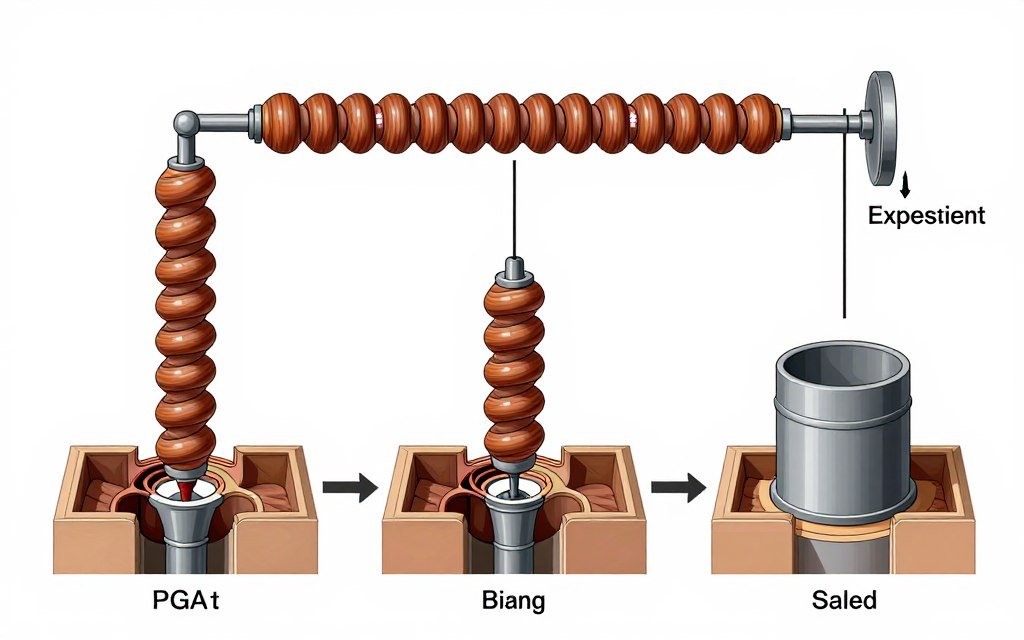
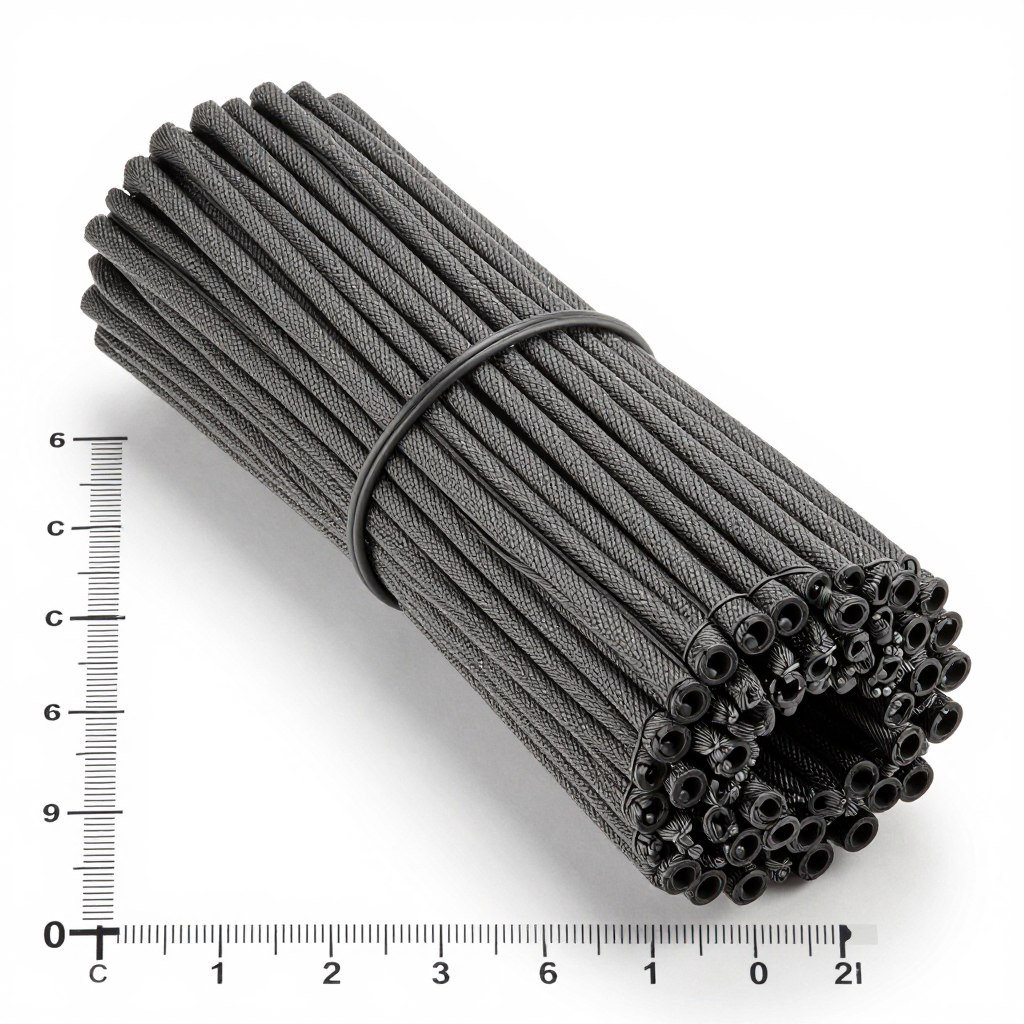
Knotted packers represent an innovative application of PGA fiber technology in temporary well isolation. These devices consist of PGA fibers or yarns tied in specific knot configurations that expand when deployed downhole. The expansion creates mechanical interference with wellbore walls, establishing temporary isolation barriers.
The concept leverages PGA’s strength in fiber form combined with the mechanical advantage of knotted structures. When compressed radially during deployment, knots contain significant potential energy. Upon release downhole, knots expand to engage wellbore surfaces, creating effective seals against fluid migration.
Design and Construction Methods
PGA knotted packers utilize high-tenacity PGA fibers arranged in specific bundle configurations. Multiple fiber strands combine to achieve desired radial expansion and mechanical strength. Knot patterns vary depending on wellbore diameter, required sealing pressure, and operational objectives.
Manufacturing processes include automated fiber bundling, precision knotting, and quality verification steps. Bundle density must be controlled to ensure adequate expansion while maintaining deployment viability through completion equipment. Testing confirms each packer meets performance specifications before deployment.
Deployment Techniques
Knotted packer deployment typically involves pumping compressed bundles through tubing or coiled tubing to target depths. Carrier fluids maintain packer suspension during transport. Upon reaching target zones, reduced flow rates or mechanical releases allow packers to expand and engage wellbore walls.
Multiple packers may be deployed sequentially to create extended isolation zones or redundant sealing. Spacing between packers depends on wellbore geometry and isolation requirements. Operational procedures must account for packer expansion characteristics and wellbore fluid properties.
Sealing Mechanism and Performance
The sealing mechanism relies on mechanical interference between expanded packer material and wellbore surfaces. Fiber bundles compress against formation faces or casing inner diameters, creating tortuous pathways for fluid flow. This mechanical seal withstands moderate differential pressures suitable for many isolation applications.
Sealing effectiveness depends on wellbore surface roughness, packer expansion ratio, and contact pressure. Smoother wellbore surfaces may require higher packer densities or multiple packers to achieve adequate sealing. Operational testing helps optimize packer specifications for specific wellbore conditions.
Advantages Over Traditional Packers
PGA knotted packers offer several advantages compared to conventional mechanical packers. Complete degradability eliminates retrieval operations and associated risks. Deployment simplicity reduces operational complexity and equipment requirements. Cost-effectiveness appeals to operators seeking economical isolation solutions for temporary applications.
The technology particularly suits applications where conventional packer retrieval poses challenges. Highly deviated or horizontal sections, restricted wellbore access, or wells with challenging mechanical conditions benefit from degradable packer technology. PGA knotted packers address these situations effectively.

Limitations and Operational Considerations
Knotted packer technology has operational limits that must be considered during application planning. Pressure holding capabilities generally remain lower than mechanical packers with elastomer sealing elements. High differential pressure applications may require alternative isolation methods or hybrid approaches.
Wellbore geometry significantly impacts packer performance. Irregular wellbore profiles or washouts may compromise sealing effectiveness. Pre-deployment wellbore evaluation helps identify potential challenges and allows mitigation planning. Understanding limitations ensures appropriate technology application.
PGA vs Traditional Temporary Plugging Materials
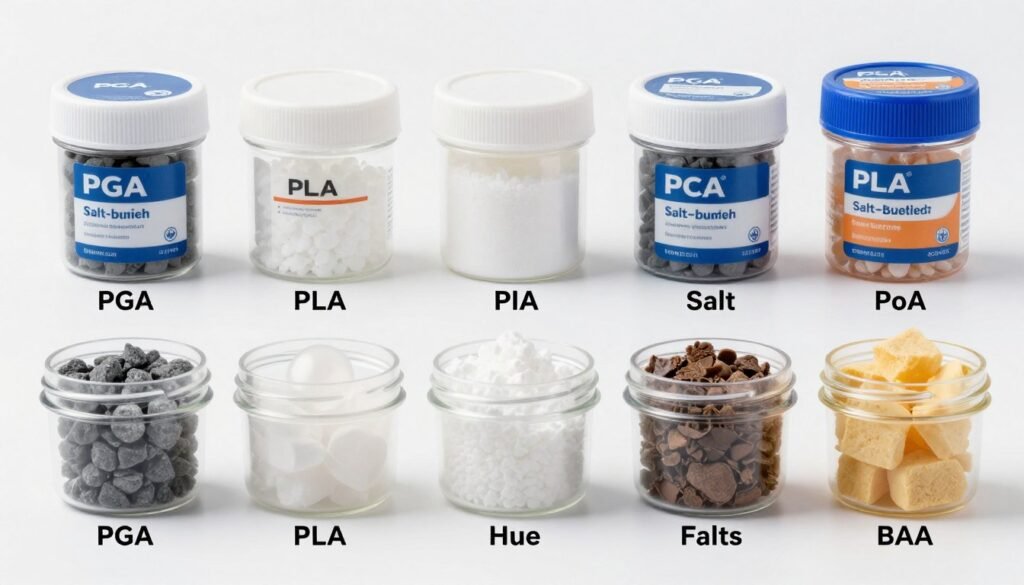
The oil and gas industry has utilized various temporary plugging materials throughout completion evolution. Traditional options include salt-based systems, polymer blends, composite materials, and metallic components. Understanding how PGA compares to these alternatives helps engineers make informed material selection decisions.
Each material category offers distinct advantages and limitations. Performance comparisons must consider multiple factors including mechanical properties, degradation characteristics, cost implications, and operational compatibility. Comprehensive analysis reveals PGA’s competitive position within the temporary plugging material landscape.
Polylactic Acid (PLA) Comparison
Polylactic acid represents the most common alternative to PGA in degradable oilfield applications. Both polymers share similar biodegradable characteristics through hydrolytic degradation mechanisms. However, significant property differences distinguish these materials in downhole performance.
PGA demonstrates superior mechanical strength compared to PLA across most temperature ranges. Tensile and compressive strength values for PGA typically exceed PLA by twenty to forty percent. This strength advantage translates to better pressure holding capability and more reliable sealing performance during operations.
| Property | PGA | PLA | Advantage |
| Tensile Strength | 60-100 MPa | 50-70 MPa | PGA stronger |
| Degradation Rate at 90°C | 7-14 days | 14-30 days | PGA faster |
| Temperature Stability | Up to 180°C | Up to 150°C | PGA higher |
| Compressive Strength | 80-120 MPa | 60-90 MPa | PGA stronger |
| Production Cost | Higher | Lower | PLA economical |
| Chemical Resistance | Excellent | Good | PGA superior |
Degradation rate differences favor PGA in most oilfield applications. PGA degrades faster than PLA at equivalent temperatures, allowing quicker well cleanup and production initiation. This characteristic reduces non-productive time and accelerates cash flow for operators.
Salt-Based Degradable Systems
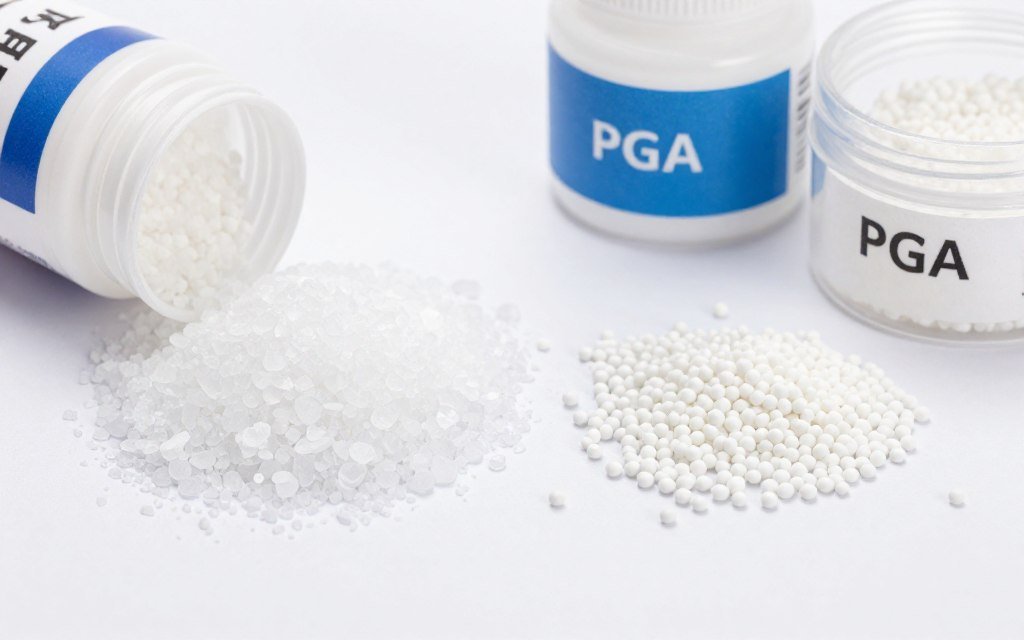
Salt-based temporary plugging systems have been used extensively in certain oilfield applications. These materials dissolve in water-based fluids, providing predictable removal mechanisms. However, salt systems present limitations that PGA technology overcomes in many scenarios.
Mechanical strength represents a primary limitation of salt-based materials. Crystalline salt structures exhibit brittleness and lower compressive strength compared to polymer-based alternatives. This weakness limits pressure holding capabilities and restricts applications to lower-stress environments.
Dissolution versus Degradation
Salt dissolution differs fundamentally from polymer degradation in operational implications. Dissolution requires sufficient fluid contact and volume to remove material completely. Insufficient fluid circulation may leave partial salt residues that affect subsequent operations. PGA degradation occurs through chemical breakdown, ensuring complete material removal regardless of fluid circulation patterns.
Dissolution rates for salt systems can be highly variable depending on fluid chemistry, temperature, and flow conditions. This variability complicates operational planning and may lead to unpredictable cleanup timelines. PGA degradation rates remain more consistent and predictable across varying conditions.
Composite and Hybrid Materials
Composite temporary plugging materials combine multiple constituents to achieve desired property profiles. Common composites include polymer matrices with fiber or particle reinforcements. These materials aim to balance mechanical performance with degradability or retrievability characteristics.
Many composite systems require mechanical removal through milling operations after serving their purpose. This requirement adds cost, time, and operational complexity compared to fully degradable PGA solutions. The trade-off involves higher initial mechanical performance versus long-term operational simplicity.
PGA Advantages
- Complete degradability eliminates milling costs
- Predictable degradation timelines
- Superior mechanical strength at temperature
- Excellent chemical compatibility
- Environmental friendliness
- Reduced non-productive time
Composite Material Advantages
- Potentially higher initial strength
- Broader property customization
- Lower material costs in some cases
- Established application history
- Familiar to operations teams
- Retrievability option if needed
Metallic Temporary Barriers
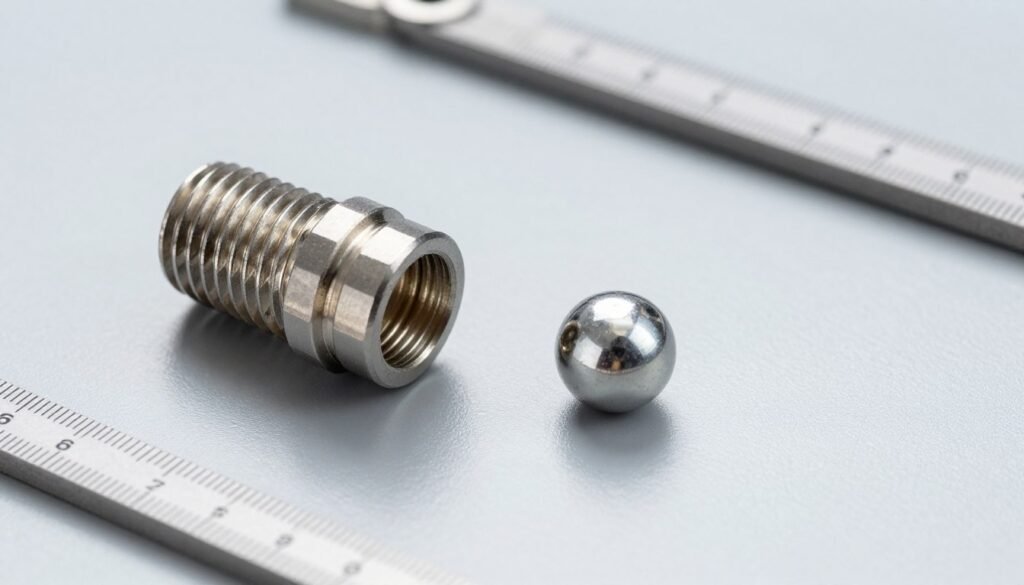
Metallic balls and plugs have served the oil gas industry for decades in completion operations. These components offer excellent mechanical properties and pressure holding capabilities. However, permanent placement or difficult retrieval presents ongoing challenges that degradable alternatives address.
Aluminum and magnesium alloys represent common metallic choices for degradable applications. These materials corrode in wellbore environments, eventually disintegrating. Corrosion rates depend heavily on fluid chemistry, making performance prediction challenging in varying formation conditions.
Operational Cost Comparison
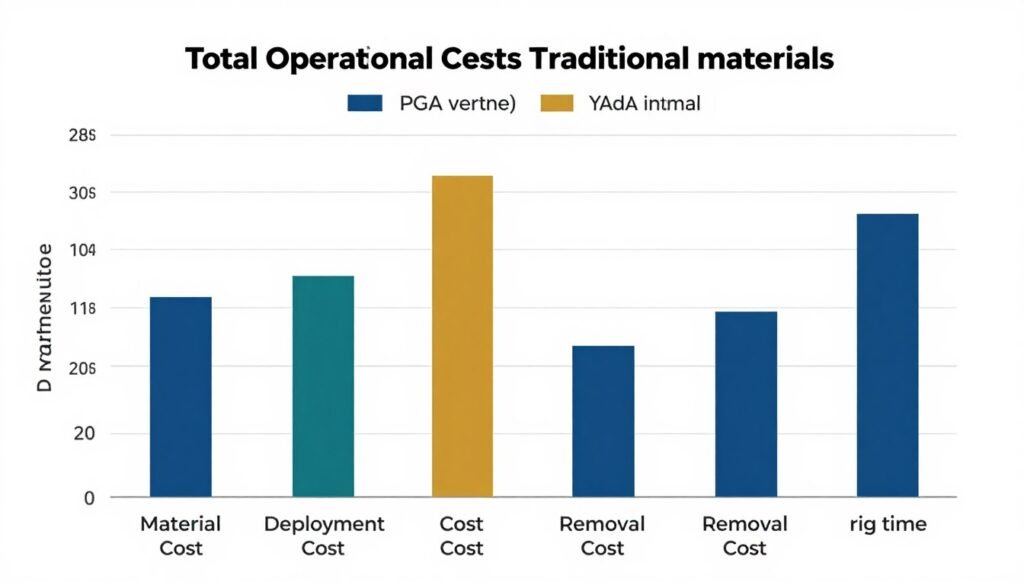
Comprehensive cost analysis must consider total operational expenses rather than material costs alone. PGA materials typically carry higher unit costs than traditional alternatives. However, eliminating milling operations, reducing rig time, and minimizing intervention risks offset material cost premiums significantly.
Milling operations for composite or metallic components add substantial expenses. Rig time, specialized milling equipment, personnel costs, and operational risks accumulate quickly. For multi-stage horizontal wells with numerous temporary barriers, milling cost avoidance through PGA use generates compelling economic benefits.
Performance in Different Well Environments
Material selection must account for specific well environment characteristics. Temperature, pressure, fluid chemistry, and operational timeline all influence optimal material choice. PGA performs exceptionally in moderate to high-temperature environments where mechanical strength and predictable degradation are priorities.
Extremely low-temperature applications may favor alternative materials with different degradation mechanisms. Very high-pressure scenarios might benefit from hybrid approaches combining PGA’s degradability with mechanical components for enhanced pressure integrity. Understanding environmental parameters guides appropriate material selection.
Not Sure Which Material Is Right for Your Operation?
Our material selection specialists help you choose the optimal temporary plugging solution based on your specific well conditions, temperature requirements, pressure profiles, and operational objectives. Get personalized recommendations backed by field performance data.
PGA Material Selection Guide for Oilfield Applications
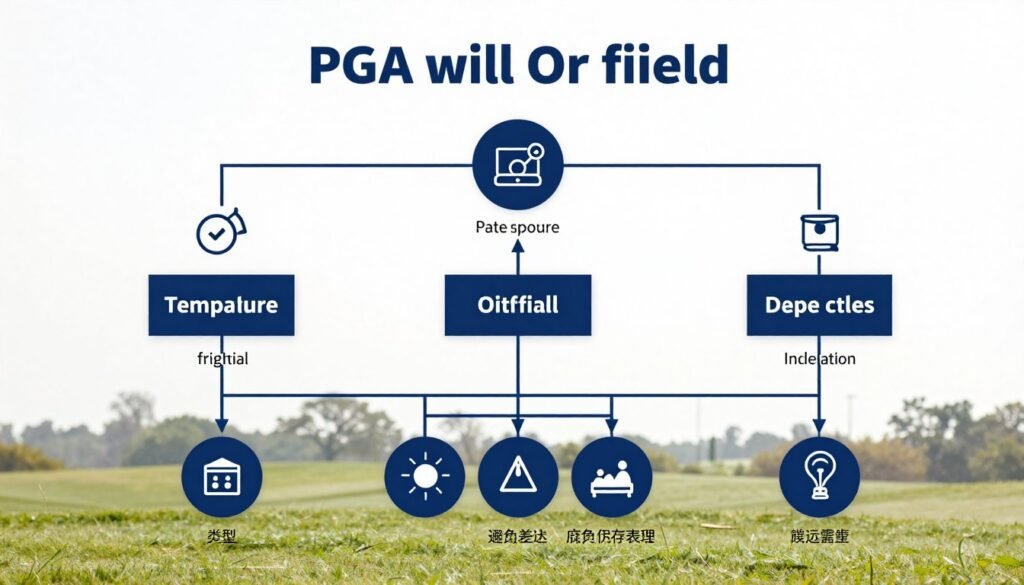
Selecting appropriate PGA materials requires careful consideration of multiple operational parameters. Well conditions, treatment objectives, equipment compatibility, and economic factors all influence optimal material choice. This comprehensive guide helps engineers navigate selection decisions systematically.
Successful PGA application begins with thorough wellbore characterization and operational planning. Understanding temperature profiles, pressure requirements, fluid systems, and operational timelines establishes the foundation for material selection. The following framework guides decision-making processes.
Temperature Profile Analysis
Wellbore temperature represents the most critical parameter influencing PGA degradation behavior. Accurate temperature measurement or estimation at treatment depths ensures proper material selection. Static bottom-hole temperatures provide baseline values, while circulating temperatures during operations may differ significantly.
Temperature variations along wellbore lengths require consideration in horizontal or highly deviated wells. Toe sections typically experience higher temperatures than heel regions in geothermal gradient scenarios. Material selection may need to account for these variations through blended approaches or zonal optimization.
| Temperature Range | Recommended PGA Type | Typical Degradation Time | Primary Applications |
| 60-90°C | Low molecular weight PGA | 1-7 days | Shallow wells, rapid cleanup requirements |
| 90-120°C | Standard PGA formulations | 3-14 days | Most horizontal shale applications |
| 120-150°C | Medium-high MW PGA | 7-21 days | Deeper wells, extended operations |
| 150-180°C | High MW, stabilized PGA | 14-30 days | Deep, high-temperature environments |
Application-Specific Selection Criteria
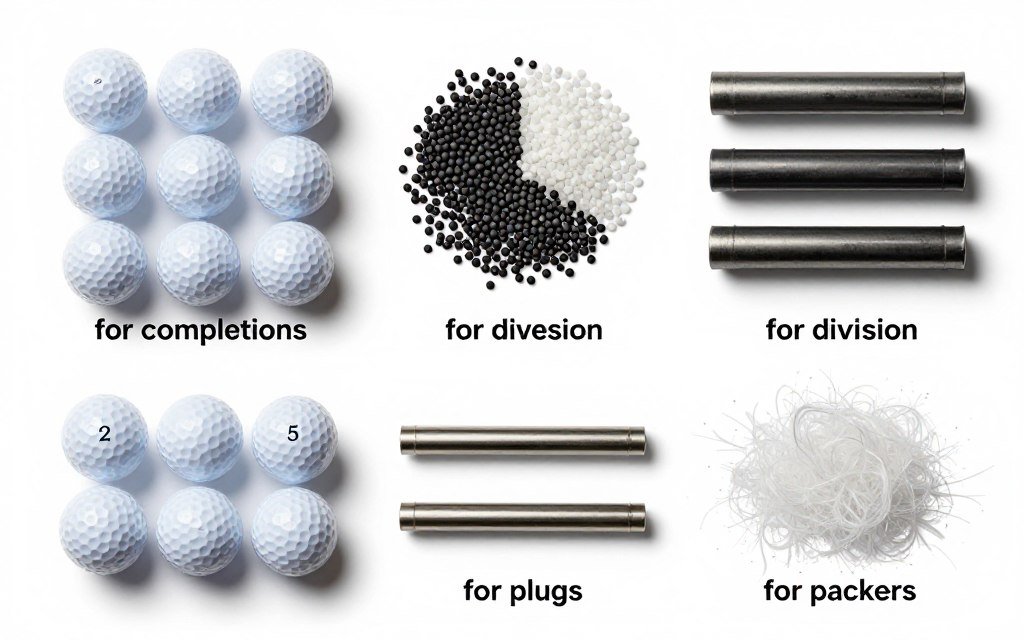
Different oilfield applications demand specific PGA product characteristics. Temporary plugging during hydraulic fracturing requires different material properties than isolation plugs for well testing. Understanding application-specific requirements guides product selection effectively.
Multi-Stage Fracturing Applications
Multi-stage hydraulic fracturing typically benefits from particle-based PGA plugging agents or ball systems. Particle selection focuses on size distribution matching perforation geometry and formation characteristics. Ball applications require precise sizing coordination with seat progressions and completion equipment.
Degradation timing should align with completion schedules and planned flowback operations. Faster degradation suits operations targeting quick production initiation. Extended degradation times benefit completions with delayed flowback or additional post-fracturing operations.
Well Isolation and Testing
Temporary well isolation for testing or intervention operations often utilizes PGA rod-based plugs or knotted packer systems. These applications prioritize mechanical reliability and pressure holding during operational periods. Degradation timing should accommodate testing schedules plus safety margins.
Redundant isolation barriers may be advisable for critical applications. Multiple PGA plugs or packers provide backup sealing if primary barriers experience issues. This approach enhances operational safety while maintaining degradability advantages.
Economic Optimization
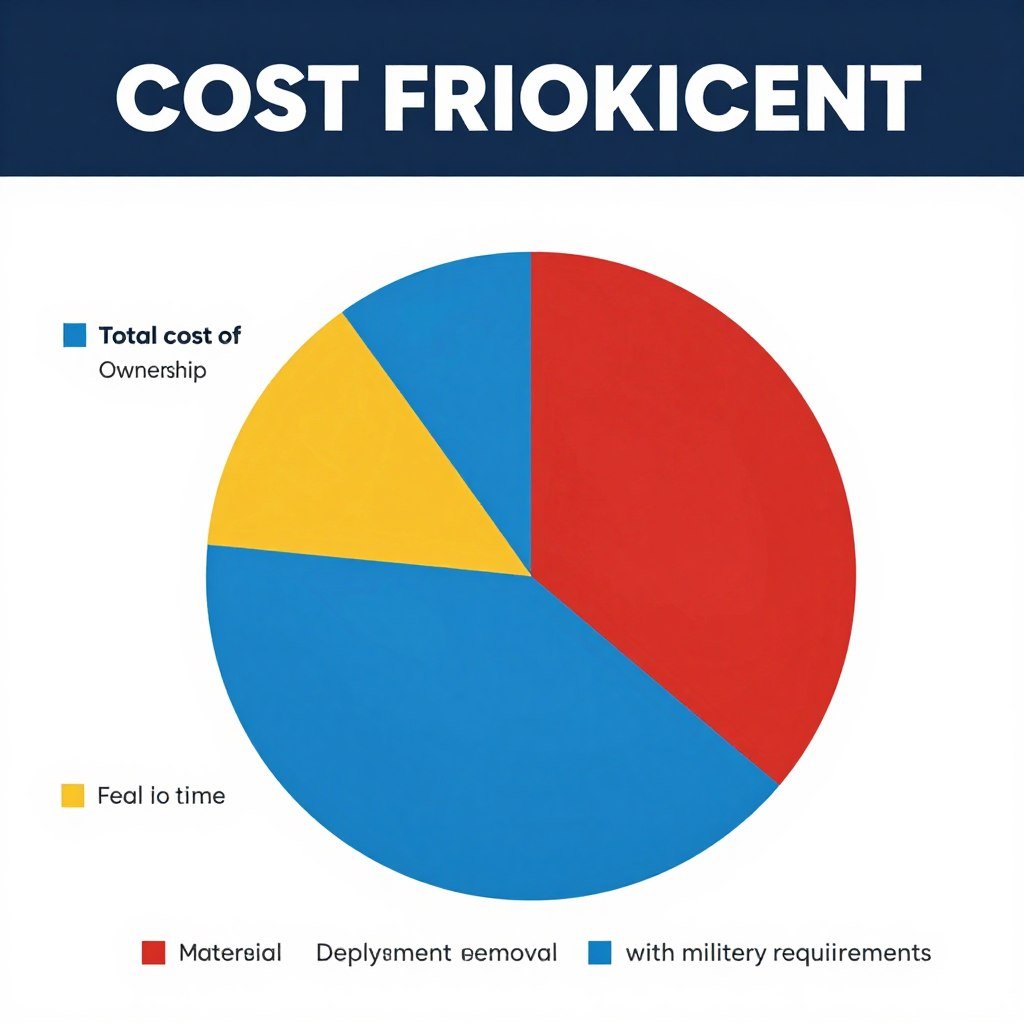
Material cost represents only one component of total economic analysis. Comprehensive evaluation includes deployment costs, operational efficiency impacts, elimination of removal operations, and risk reduction benefits. PGA solutions often demonstrate superior total economics despite higher material costs.
Large-scale operations benefit from volume purchasing and optimized application strategies. Working with PGA suppliers on formulation optimization and application engineering can reduce overall costs while improving performance. Long-term partnerships enable continuous improvement and cost efficiency.
Total Cost Considerations
- Material unit costs and volume requirements
- Deployment equipment and procedures
- Rig time savings from elimination of milling
- Reduced intervention risks and NPT
- Accelerated production initiation benefits
- Environmental compliance advantages
- Supply chain reliability and logistics
Fluid System Compatibility
PGA products must remain compatible with completion fluids, fracturing fluids, and formation fluids encountered during operations. Most PGA formulations exhibit excellent compatibility with water-based, oil-based, and synthetic-based fluid systems. Verification testing ensures specific formulation compatibility with planned fluid chemistries.
Extreme pH conditions or highly reactive chemical additives require special consideration. Laboratory compatibility testing validates material performance in representative fluid systems before field deployment. This testing prevents unexpected material interactions that could compromise operations.
Wellbore Geometry and Equipment Constraints
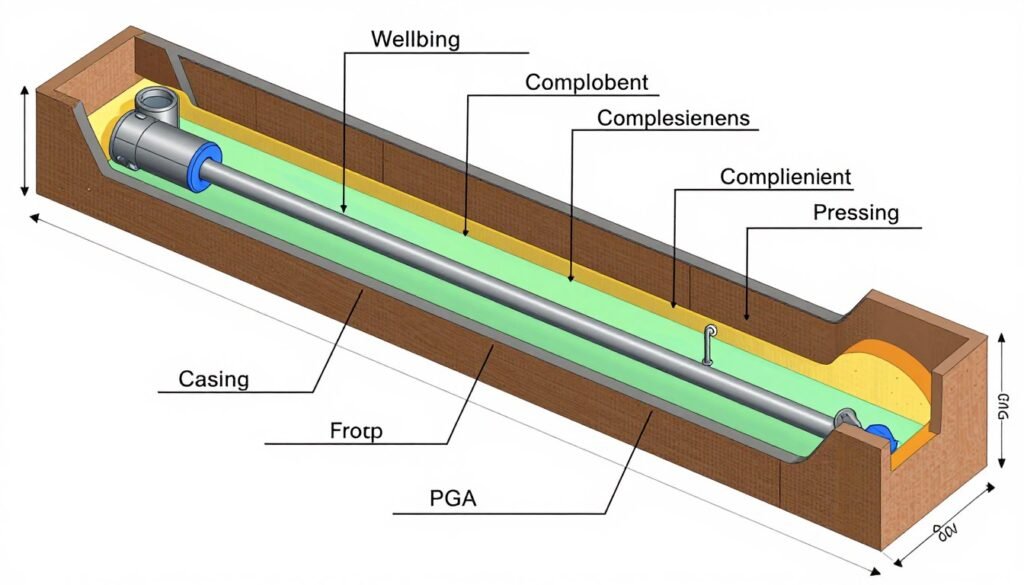
Wellbore internal dimensions, completion equipment configurations, and deployment tool capabilities constrain PGA product selection. Ball diameters must coordinate with seat sizing and tubing internal diameters. Particle sizes must pass through pumping equipment and downhole restrictions without plugging.
Completion equipment specifications from service providers guide PGA product selection. Coordination between completion designers, PGA suppliers, and service companies ensures compatible product specifications. This coordination prevents deployment issues and optimizes operational execution.
Regulatory and Environmental Considerations
Environmental regulations increasingly influence material selection in oil and gas operations. PGA’s biodegradability provides significant environmental advantages compared to persistent materials. Complete degradation into naturally occurring substances simplifies regulatory compliance and reduces environmental liability.
Some jurisdictions mandate biodegradable materials for certain applications or impose restrictions on permanent downhole materials. PGA solutions align with these regulatory trends while delivering superior technical performance. Proactive adoption of environmentally responsible materials positions operators favorably for future regulatory evolution.
Performance Monitoring and Verification
Post-operation analysis validates PGA material performance and guides future optimization. Production responses, flowback characteristics, and well testing results provide insights into degradation effectiveness. This data refines material selection and application strategies for subsequent operations.
Establishing performance databases enables continuous improvement in PGA applications. Documenting temperature conditions, material specifications, degradation timelines, and operational outcomes creates valuable reference information. This knowledge base supports increasingly sophisticated material selection over time.
Get Personalized PGA Material Recommendations
Our technical team analyzes your specific well parameters, operational requirements, and objectives to recommend optimal PGA solutions. Submit your application details for customized material selection guidance and performance predictions.
Future Trends of PGA in Oil and Gas Industry
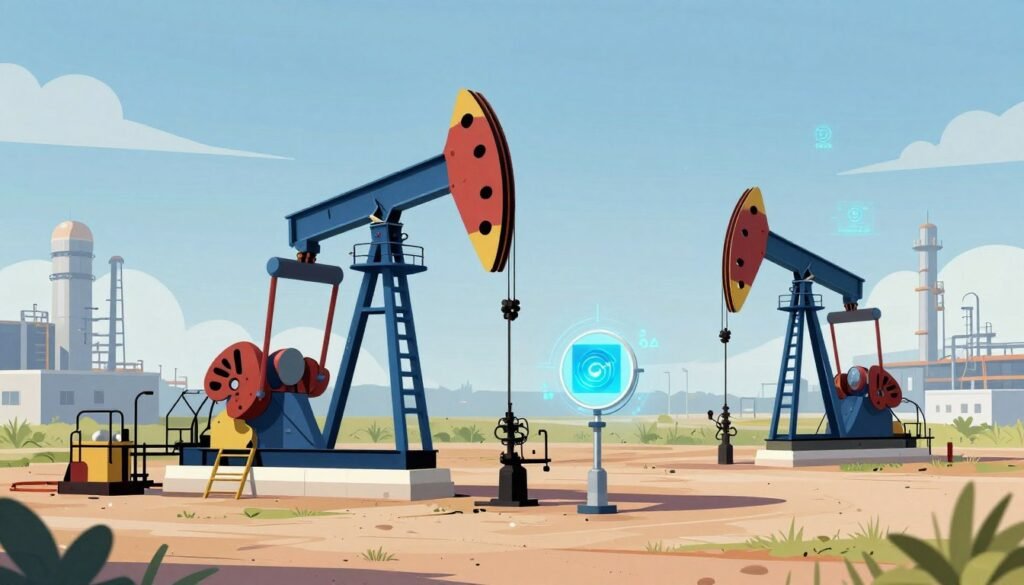
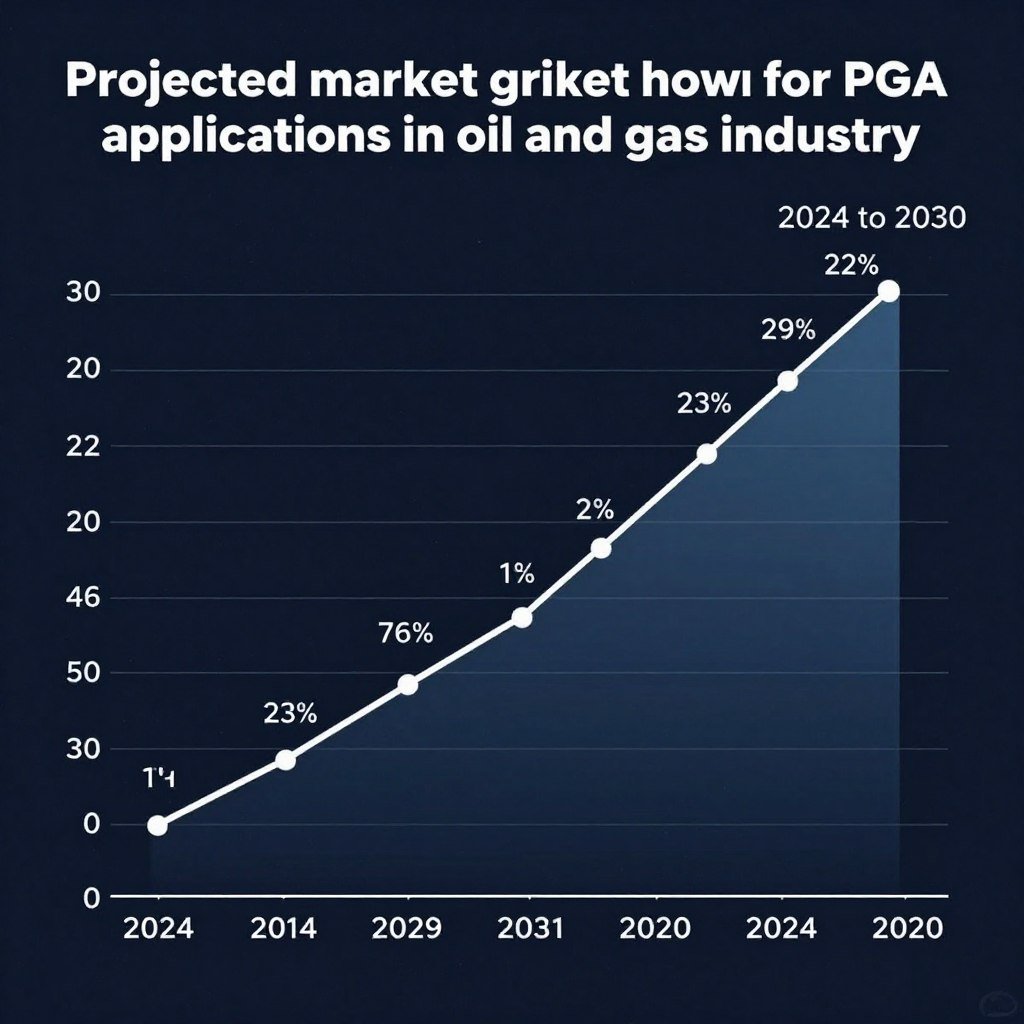
The oil and gas industry continues evolving toward more efficient, environmentally responsible operations. PGA technology stands positioned to play an expanding role in this evolution. Multiple development trends indicate growing PGA adoption and application diversification across the oil gas industry.
Research and development efforts focus on enhancing PGA properties, reducing production costs, and developing novel applications. These initiatives promise to expand PGA’s utility while improving economic competitiveness. Understanding emerging trends helps operators prepare for future opportunities.
Advanced Formulation Development
PGA production processes continue advancing through research investments and manufacturing innovation. New polymerization techniques improve molecular weight control and reduce production costs. These improvements enhance material performance while making PGA solutions more economically accessible.
Copolymer development represents a significant research focus. Incorporating secondary monomers with glycolic acid creates tailored property profiles. These copolymers may offer enhanced mechanical properties, adjusted degradation rates, or improved processing characteristics compared to PGA homopolymers.
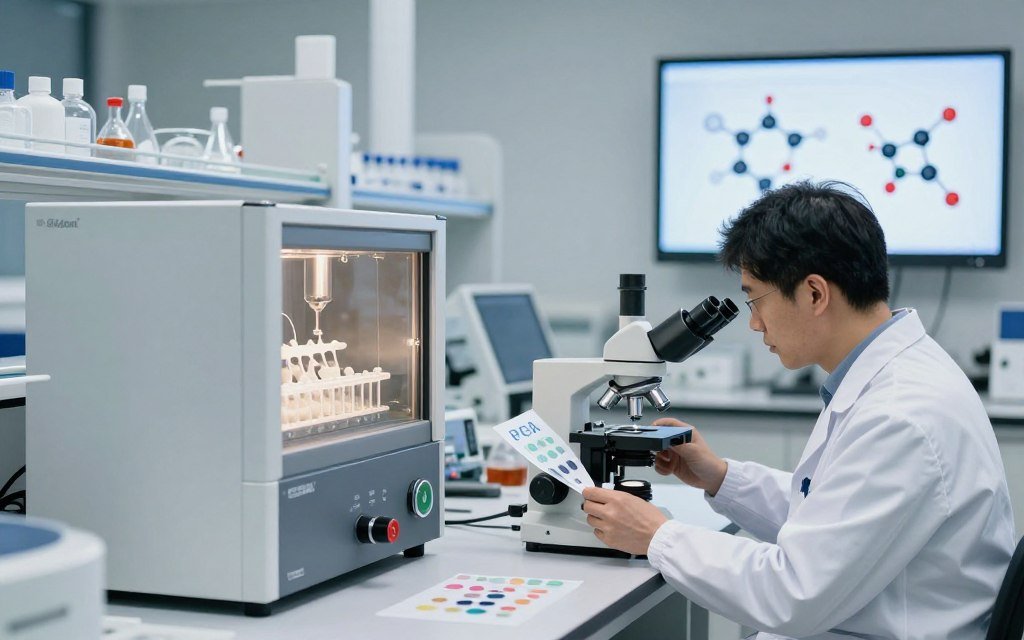
Smart Materials and Monitoring Integration
Emerging technologies enable “smart” PGA materials with integrated monitoring capabilities. Embedding sensors or tracers within PGA products could provide real-time degradation status information. This capability would enhance operational planning and reduce uncertainty in well cleanup timing.
Fiber optic integration or RFID tagging of PGA components might enable position tracking and condition monitoring. Such technologies could verify proper deployment and track degradation progression. These innovations would further improve operational confidence and optimization potential.
Expanded Application Domains
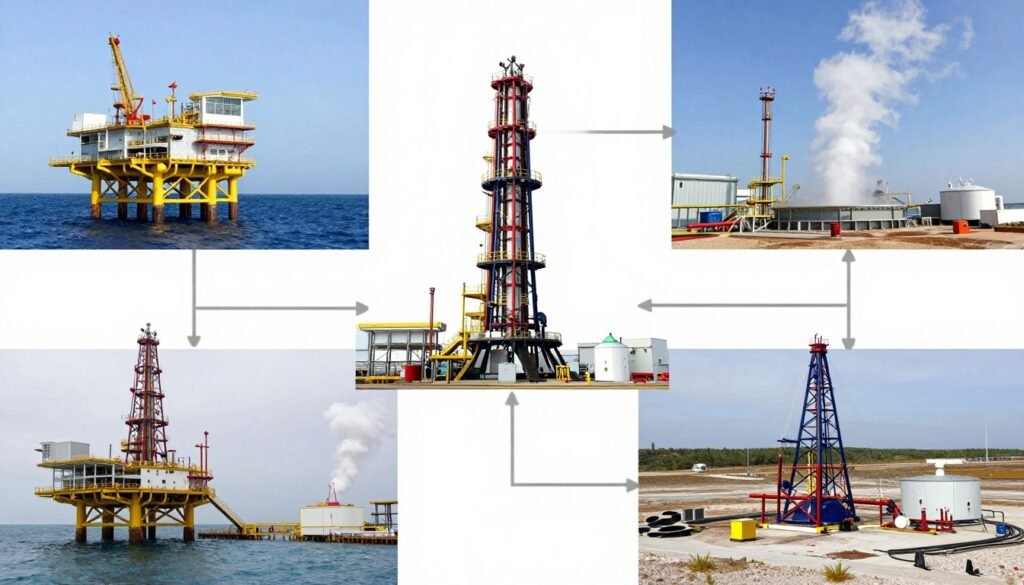
PGA applications continue expanding beyond traditional temporary plugging roles. New use cases emerge as engineers recognize the material’s versatility. These novel applications leverage different aspects of PGA’s property profile for creative problem-solving.
Enhanced Oil Recovery Applications
Enhanced oil recovery methods may benefit from PGA-based solutions for selective zone treatment or conformance control. Degradable particles could temporarily block high-permeability zones, diverting injection fluids into less-contacted reservoir regions. This approach improves sweep efficiency without permanent formation damage.
Polymer flooding operations might incorporate PGA components for specialized functions. The material’s controlled degradation could enable time-release of chemicals or progressive property changes aligned with flooding progression. Research continues exploring these advanced applications.
Geothermal and Carbon Capture Applications
Geothermal energy development and carbon capture operations present new opportunities for PGA technology. These applications involve well construction and intervention operations similar to oil and gas development. PGA’s temperature-dependent properties suit these high-temperature environments effectively.
Carbon dioxide injection wells for sequestration or enhanced recovery benefit from temporary isolation technologies. PGA solutions provide environmental compatibility particularly important in carbon management applications. As these industries expand, PGA adoption will likely follow.
Manufacturing and Supply Chain Evolution
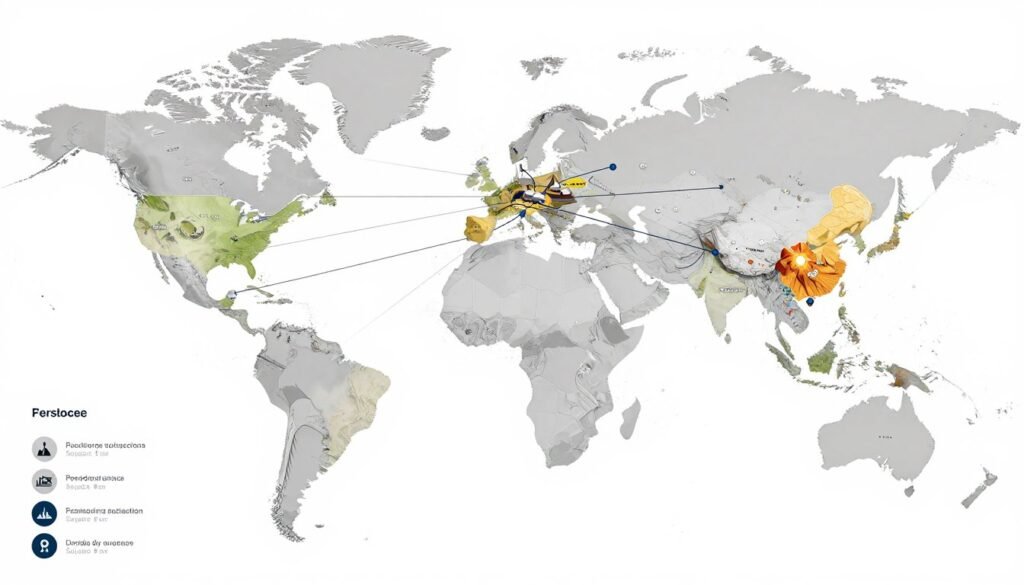
PGA production capacity continues expanding globally to meet growing demand. New manufacturing facilities and improved processes increase supply availability while reducing costs. This supply chain development removes barriers to broader PGA adoption across the oil gas industry.
Regional production capabilities improve supply chain resilience and reduce logistics costs. Establishing manufacturing operations closer to major consumption regions benefits operators through reduced lead times and transportation expenses. This geographic diversification strengthens PGA market positions.
Sustainability and Circular Economy Integration
Sustainability initiatives drive increased interest in biodegradable materials across industries. The oil and gas sector participates in this trend through materials like PGA that reduce environmental footprints. Future developments may include bio-based feedstocks for PGA production, further enhancing sustainability credentials.
Circular economy principles encourage materials that degrade into harmless or beneficial substances. PGA aligns perfectly with these principles through breakdown into naturally occurring glycolic acid. As circular economy concepts gain traction, PGA adoption will likely accelerate.
Regulatory Trends and Market Drivers
Environmental regulations increasingly favor degradable materials over persistent alternatives. Jurisdictions worldwide implement standards restricting certain materials or requiring biodegradability for specific applications. These regulatory trends create favorable market conditions for PGA technology adoption.
Corporate sustainability commitments from major oil and gas operators drive material selection toward environmentally responsible options. Companies pledging reduced environmental impacts seek technologies like PGA that deliver performance while supporting sustainability goals. This alignment between technical and environmental objectives strengthens PGA market positioning.
Digitalization and Data Analytics
Digital technologies transform how materials are selected and monitored in oilfield operations. Machine learning algorithms analyze operational data to optimize material selection for specific well conditions. These tools incorporate PGA performance databases to predict outcomes with increasing accuracy.
Real-time data analytics during operations may soon provide degradation monitoring and completion optimization recommendations. Integration of downhole sensors, surface measurements, and predictive models creates sophisticated decision support systems. PGA applications benefit from these digital transformation initiatives.
Cost Reduction Pathways
Continued PGA cost reduction through manufacturing improvements and scale economies expands addressable market opportunities. As prices decline, applications previously considered too expensive become economically viable. This trend accelerates PGA market penetration across diverse operational scenarios.
Innovation in deployment methods and application optimization reduces total cost of ownership beyond material cost reductions. Improved understanding of optimal application strategies minimizes required quantities while maximizing effectiveness. These developments enhance PGA’s competitive position against traditional materials.
Key Future Development Areas
- Advanced copolymer formulations with tailored properties
- Smart materials with integrated monitoring capabilities
- Expansion into enhanced oil recovery applications
- Growth in geothermal and carbon capture sectors
- Bio-based feedstock development for sustainable production
- Digital tools for material selection optimization
- Continued cost reduction through scale and innovation
- Regulatory alignment with environmental standards
Conclusion
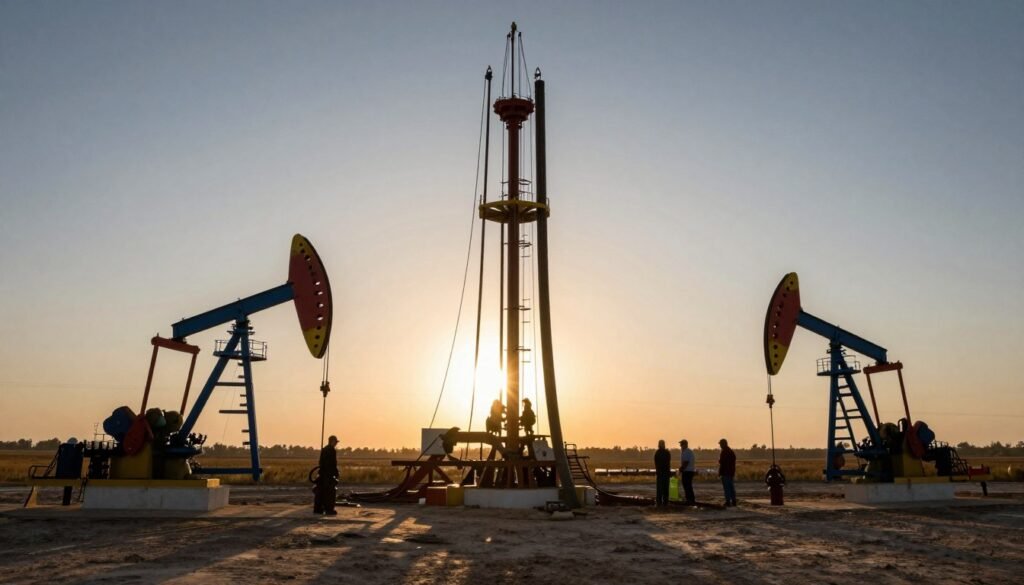
Polyglycolic acid has established itself as a transformative material in oil and gas operations. The polymer’s unique combination of mechanical strength and controlled degradation addresses long-standing industry challenges. From temporary plugging agents to specialized completion tools, PGA applications continue expanding across operational domains.
Understanding PGA’s properties, applications, and selection criteria enables engineers to leverage this technology effectively. Proper material selection based on well conditions and operational requirements maximizes performance while optimizing costs. The comprehensive guidance provided throughout this article supports informed decision-making for PGA implementations.
Future developments promise enhanced PGA formulations, novel applications, and improved economic competitiveness. As the oil gas industry continues evolving toward more efficient and environmentally responsible practices, PGA technology will play an increasingly important role. Operators who adopt and optimize PGA solutions position themselves advantageously for this future.
The material selection guide, application insights, and comparative analysis presented here provide a foundation for successful PGA integration into oilfield operations. Continued collaboration between operators, service providers, and material manufacturers will drive further innovation and optimization. PGA represents not just a current solution but a platform for ongoing advancement in temporary well intervention technologies.
Ready to Implement PGA Solutions in Your Operations?
Connect with our technical specialists to discuss your specific requirements and develop customized PGA application strategies. We provide comprehensive support from material selection through operational implementation and performance analysis.
Need immediate technical support?