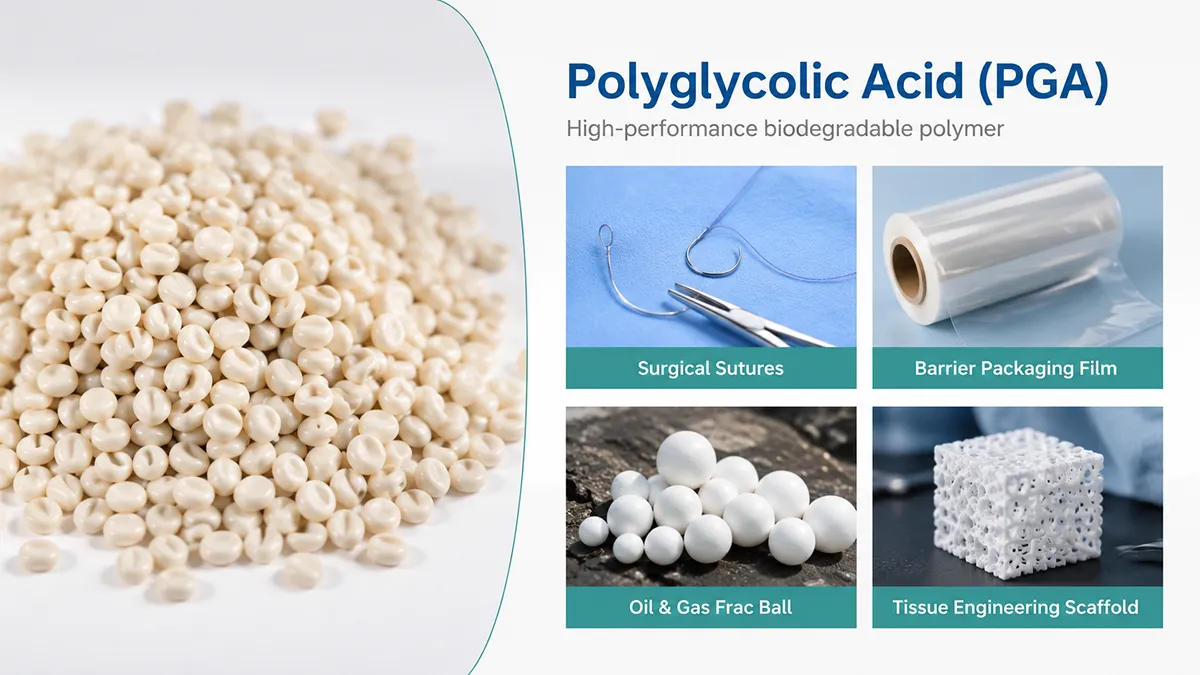
Polyglycolic Acid (PGA) is a biodegradable, high-strength aliphatic polyester known for its excellent mechanical properties and full compostability. As sustainability regulations tighten and industries shift away from petroleum-based plastics, PGA has emerged as a leading material choice across medical devices, oil and gas, and eco-friendly packaging—driving steady growth in global demand.
But not all PGA resins are created equal. This guide breaks down PGA’s core properties, key application areas, and the selection criteria that determine which grade fits your project—from medical-grade sutures to high-barrier packaging films.
We help engineers and product developers navigate these choices with confidence, ensuring the right grade meets your performance, processing, and compliance requirements.
What is Polyglycolic Acid (PGA)?
Polyglycolic Acid (PGA) is a biodegradable aliphatic polyester built from repeating glycolic acid units (-OCH₂CO-)ₙ linked through ester bonds, with the molecular formula (C₂H₂O₂)ₙ.
PGA is typically produced through ring-opening polymerization of glycolide, though direct condensation polymerization of glycolic acid is also used industrially.
This process yields a highly crystalline polymer with molecular weights ranging from 50,000 to 200,000 Da. As a general rule, higher molecular weight grades offer greater tensile strength and slower degradation, but require higher processing temperatures—a trade-off worth keeping in mind when comparing grades later in this guide.
PGA is also frequently copolymerized with polylactic acid (PLA) to fine-tune degradation rate and flexibility, resulting in materials such as PGA-PLA copolymers used in specific medical applications—more on this in the FAQs below.
Biodegradability
PGA degrades through hydrolytic cleavage of its ester bonds, breaking down completely into water and carbon dioxide with no toxic byproducts. This predictable degradation timeline makes it ideal for absorbable medical devices and compostable packaging.
High Gas Barrier Properties
PGA delivers exceptional barrier performance against oxygen and carbon dioxide, outperforming most biodegradable polymers and even some petroleum-based plastics. This property drives its use in oil and gas operations, where PGA forms degradable frac balls and downhole seals.
Mechanical Strength And Crystallinity
With crystallinity typically between 45-55%, PGA achieves tensile strength of 60-100 MPa—among the highest of biodegradable polymers. This high strength comes with limited elongation at break, restricting flexibility.
Thermal Stability
PGA melts between 225-230°C, with a glass transition temperature of 35-40°C. This relatively high melting point defines a narrow but well-characterized processing window for extrusion and molding.
| Formula | (C₂H₂O₂)ₙ |
| Crystallinity | 45-55% |
| Tensile Strength | 60-100 MPa |
| Gas Barrier | Excellent (O₂/CO₂) |
| Melting Point | 225-230°C |
| Glass Transition | 35-40°C |
| Molecular Weight | 50,000-200,000 Da |
Major Industrial Applications of PGA
PGA’s unique combination of strength, biocompatibility, and controlled degradation opens doors across multiple industries. Understanding these applications helps you recognize where this polymer adds value.
Medical applications dominate PGA usage, but industrial applications continue expanding. Let’s explore the primary markets driving demand for this versatile material.
Medical and Surgical Applications
The medical field represents the largest market for PGA. Surgeons worldwide rely on this material for critical procedures requiring absorbable solutions.
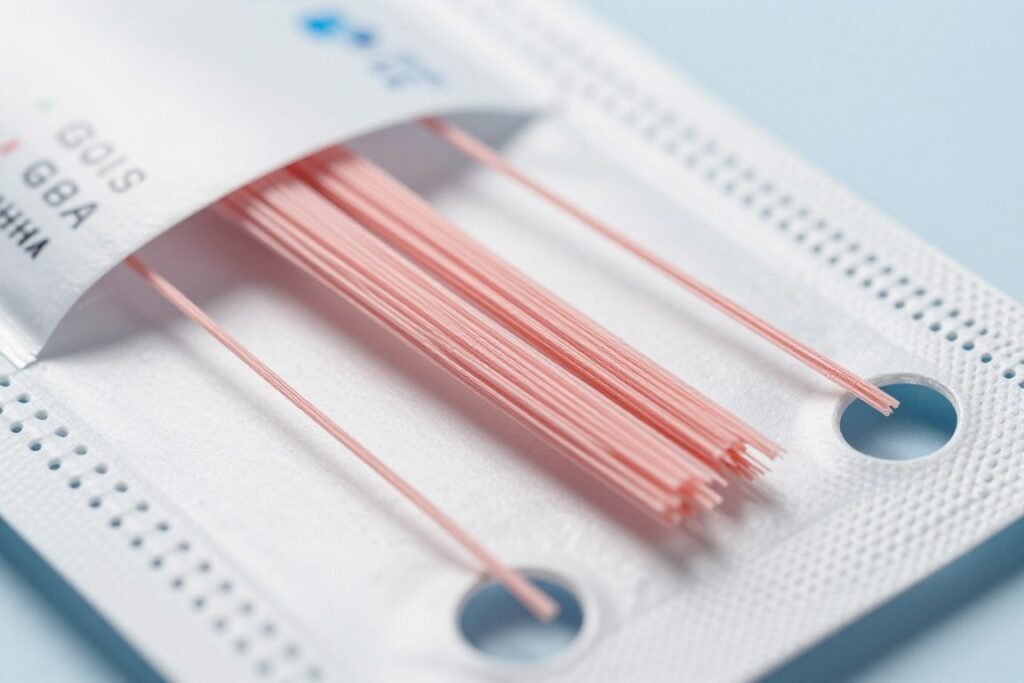
Suture material accounts for the most significant PGA application. The polymer’s strength retention during early healing phases makes it ideal for wound closure across various tissue types.
PGA sutures maintain sufficient strength for 2-3 weeks post-surgery. This timeline matches the initial healing phase for most soft tissue repairs.
Surgical Suture Categories
Different surgical specialties require varying suture characteristics. PGA addresses these diverse needs through formulation adjustments.
- General surgery sutures for abdominal and soft tissue closure
- Cardiovascular applications requiring high tensile strength
- Gynecological procedures needing rapid absorption
- Orthopedic applications for soft tissue attachment to bone
- Ophthalmic sutures for delicate eye surgeries
Tissue Engineering and Regenerative Medicine
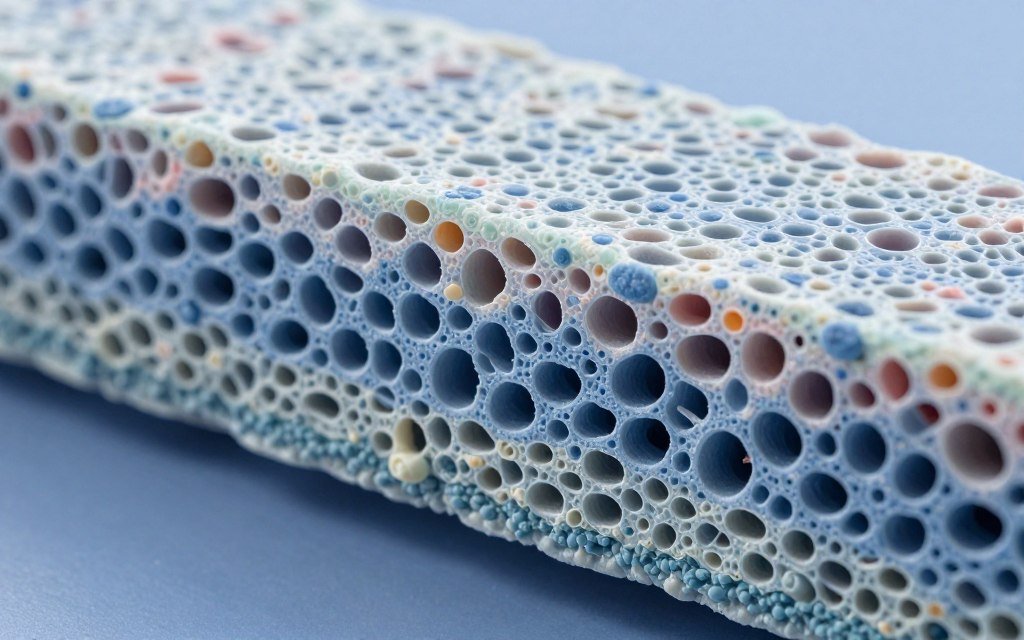
Tissue engineering represents one of the fastest-growing applications for PGA. Researchers and developers use the polymer to create scaffolds that support cell growth and tissue formation.
The material provides temporary structural support while new tissue develops. As cells proliferate and produce their own extracellular matrix, PGA gradually degrades.
PGA fibers can be woven or formed into three-dimensional structures. These scaffolds guide tissue growth while maintaining necessary mechanical properties.
Tissue Engineering Applications
Multiple tissue types benefit from PGA-based engineering approaches. Each application leverages specific properties of the polymer.
Cartilage Repair
PGA scaffolds support chondrocyte attachment and growth for cartilage regeneration in damaged joints.
- Maintains shape during cell infiltration
- Provides mechanical support
- Degrades as new tissue forms
Bone Tissue Engineering
Composite materials combining PGA with bioactive ceramics facilitate bone regeneration.
- Supports osteoblast attachment
- Provides initial structural stability
- Allows gradual load transfer
Soft Tissue Reconstruction
PGA matrices help rebuild damaged organs and soft tissues through guided regeneration.
- Flexible scaffold formation
- Controlled porosity
- Predictable degradation
Drug Delivery Systems
PGA’s degradation properties make it valuable for controlled drug release applications. The material can encapsulate therapeutic agents and release them over time as it breaks down.
Microsphere and nanoparticle formulations utilize PGA for sustained drug delivery. These systems provide consistent therapeutic levels over extended periods.
The degradation rate can be tuned through molecular weight selection and copolymer formulation. This flexibility allows customization of release profiles.
Oil & Gas Applications
PGA’s exceptional gas barrier properties and high mechanical strength have made it a preferred material for degradable downhole tools in hydraulic fracturing operations. Engineered into frac balls, seals, and temporary plugs, PGA components withstand high pressure and temperature during well operations before dissolving on a controlled timeline.
This eliminates the need for mechanical drill-out or retrieval, reducing operational downtime and completion costs. For grade recommendations suited to this application, see Injection Grade PGA below.
Packaging Applications
PGA’s barrier performance against oxygen and carbon dioxide also supports high-barrier film packaging, particularly for food preservation where extended shelf life matters. Combined with full biodegradability under industrial composting conditions, PGA offers a sustainable alternative to conventional multilayer barrier plastics.
Beyond these established uses, emerging applications continue to expand PGA’s footprint—including biodegradable agricultural mulch films, controlled-release fertilizer coatings, and compostable single-use items.
Types of PGA Resin for Different Processing Needs
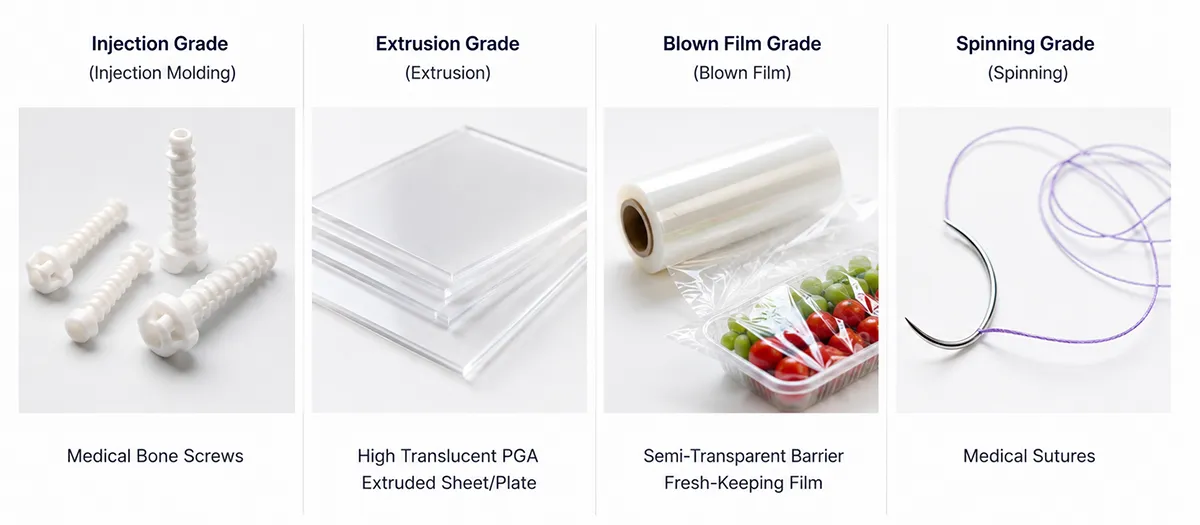
PGA resins are formulated with targeted molecular weights and melt characteristics to match specific processing methods. Selecting the correct grade ensures compatibility with your manufacturing equipment and end-product performance.
Injection Molding
Injection Grade PGA
Features modified flow characteristics engineered for conventional injection molding equipment. Lower molecular weight formulations improve melt flow, enabling complex geometries and fast cycle times without sacrificing mechanical integrity.
Ideal for: Intricate medical devices (surgical clips, implants) with excellent mold-filling. Also suits degradable oil/gas parts (frac balls, downhole seals) demanding high strength.
Extrusion
Extrusion Grade PGA
Formulated for continuous sheet and profile production, requiring a balanced molecular weight distribution and strong dimensional stability. Excellent melt strength effectively prevents sagging or deformation during industrial processing.
Ideal For: Thermoformed sheets and profile components where consistent thickness and structural stability are critical throughout the extrusion line.
Film Blowing
Blown Film Grade PGA
Engineered for high bubble stability and uniform film thickness during continuous film-blowing operations. This grade balances exceptional melt strength with elongation to withstand the biaxial stretching inherent to the process.
Ideal For: High-barrier packaging films, particularly in food preservation applications requiring extended shelf life alongside full biodegradability.
Fiber Spinning
Spinning Grade PGA
Utilizes high molecular weight formulations (typically 80,000–200,000 Da) to achieve the melt strength required for fiber formation. Precise temperature control and inert atmospheres prevent degradation during spinning.
Ideal For: High-tensile fibers, smooth monofilaments, and surgical sutures, as well as woven or nonwoven scaffolds for tissue engineering applications such as cartilage repair and bone regeneration.
| Grade Type | Molecular Weight | Melting Point | Primary Process | Typical Applications |
| Injection Grade | 50,000-100,000 Da | 220-225°C | Injection Molding | Surgical Clips, Fixation Devices, Frac Balls |
| Extrusion Grade | 60,000-120,000 Da | 225-230°C | Sheet/Profile Extrusion | Thermoformed Sheets, Profiles |
| Blown Film Grade | 60,000-110,000 Da | 225-230°C | Film Blowing | Barrier Films, Packaging |
| Spinning Grade | 80,000-200,000 Da | 228-230°C | Melt/Solution Spinning | Sutures, Tissue Scaffolds |
Which PGA Grade Fits Your Process?
Material selection depends on your processing capabilities and final product requirements. Our team can recommend the optimal PGA grade based on your manufacturing setup and application specifications.
How to Choose the Right PGA Resin Grade
Selecting the appropriate PGA grade means weighing three core dimensions together: your processing method, end-use application, and performance requirements. These factors are interconnected, so it’s worth reviewing all three before finalizing your choice.
The following steps walk through each dimension to help narrow your options.
Step 01
Choose By Processing Method
Your manufacturing infrastructure constrains material options. Different processing methods demand specific molecular weight ranges and melt characteristics—fiber spinning requires high melt strength, while injection molding favors improved flow.
Key Processing Factors:
Step 02
Choose By End-Use Application
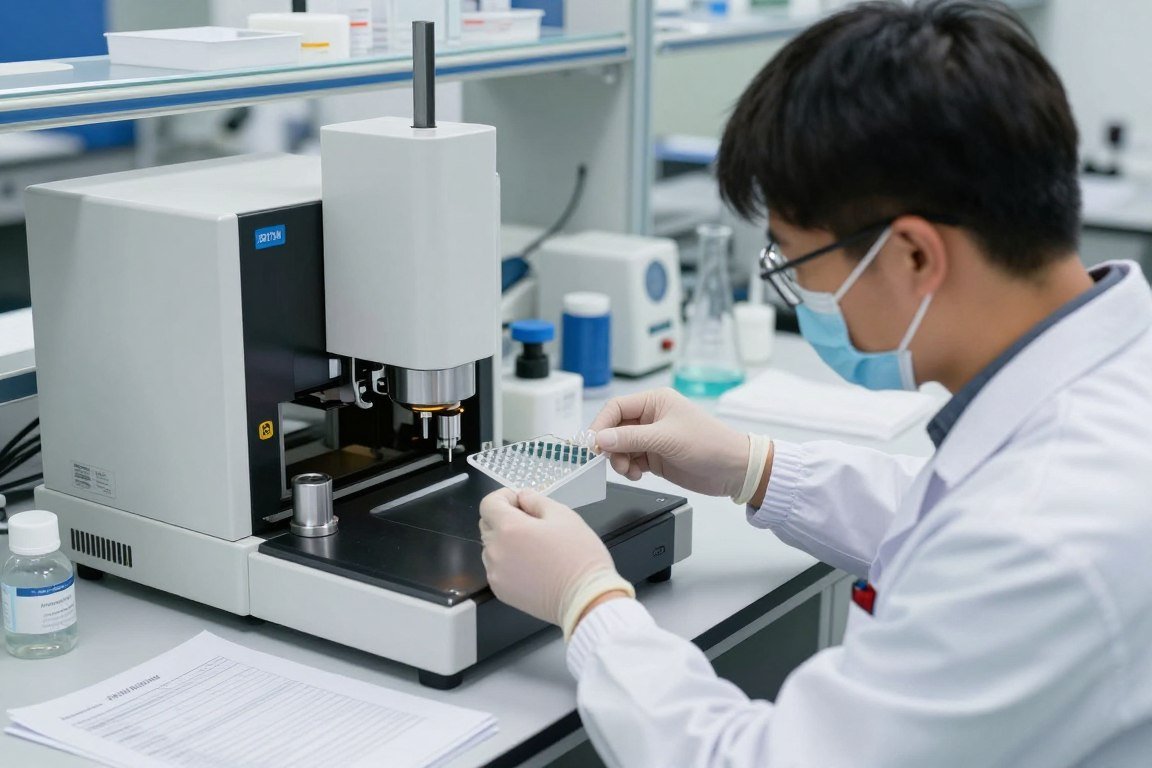
Performance requirements drive material selection more than any other factor. Medical, packaging, and industrial applications each demand distinct grade characteristics and regulatory pathways—medical-grade PGA typically requires biocompatibility testing (e.g., ISO 10993) and supporting documentation for regulatory submissions, while food-contact packaging grades must meet relevant food-safety standards for the target market.
Key Application Factors:
Step 03
Choose By Performance Needs
Match material properties to your functional timeline. Degradation rate and mechanical strength must align with how long your product needs to perform. Higher molecular weight grades offer greater strength but demand higher processing temperatures.
Key Performance Factors:
Selection Tip: Request samples of multiple grades for initial evaluation—small-scale testing reveals processing behavior and property variations before committing to large orders.
Why Partner with SalesPlastics for Your PGA Resin Supply?
Selecting the right material represents only half the equation. Working with a reliable supplier ensures consistent quality, technical support, and supply chain stability for your operations.
SalesPlastics brings specialized expertise in biodegradable polymers to support your projects from concept through production.
Product Quality & Consistency
We source PGA from qualified manufacturers meeting international quality standards, with every batch undergoing verification testing before shipment. Lot traceability and detailed batch records ensure consistency you can rely on across production runs.
Quality Commitment: All PGA grades undergo incoming inspection and testing verification before approval for shipment—double-checking that ensures you receive material meeting stated specifications.
Full Range of Grades
Our comprehensive PGA portfolio covers Injection, Extrusion, Blown Film, and Spinning grades—supporting applications from medical sutures to industrial barrier films.
Whether you need high molecular weight fiber-grade material or flow-optimized injection grades, we maintain inventory to meet diverse project needs, with alternative recommendations if availability or pricing challenges arise.

Conclusion
Selecting the right Polyglycolic Acid grade requires careful evaluation of your application requirements, processing capabilities, and regulatory needs. PGA’s unique combination of biocompatibility, controlled degradation, mechanical strength, and gas barrier properties creates value across medical, oil and gas, packaging, and textile markets.
Understanding the distinctions between injection, extrusion, blown film, and spinning grades helps match material to process—each grade brings specific advantages suited for particular manufacturing methods and end products. As sustainability demands grow, PGA’s role across these industries is set to expand further.
Working with an experienced supplier streamlines this selection process. SalesPlastics offers comprehensive technical expertise, quality assurance, and reliable supply to support your project from initial selection through ongoing production.
Have a specific application in mind?
Reach out to our technical team for grade recommendations tailored to your project.
- Material Selection Guidance — Application analysis, grade comparison, and cost-performance optimization
- Process Development Support — Processing parameter recommendations, troubleshooting, and yield improvement
- Customized Solutions — Tailored recommendations matching your specific processing setup and performance targets
FAQs (Frequently Asked Questions)
Is polyglycolic acid the same as Vicryl?
PGA and Vicryl are related but not identical. PGA is the pure homopolymer composed entirely of glycolic acid units, while Vicryl is a brand-name copolymer combining PGA with polylactic acid (PLA)—another biodegradable polyester commonly used in absorbable medical devices—in a specific ratio.
This copolymer structure gives Vicryl a longer absorption timeline—typically around 90 days—compared to 60-90 days for pure PGA sutures. Both materials offer excellent biocompatibility; the right choice depends on your procedure’s required absorption timeline and strength retention needs.
What is another name for polyglycolic acid?
PGA is also known as polyglycolide or poly(glycolic acid)—the abbreviation “PGA” is used universally across industries. In formal chemical nomenclature, it may also appear as poly(hydroxyacetic acid) or by its repeating-unit name, poly(1,4-dioxane-2,3-dione).
Trade names vary by manufacturer and grade, particularly for medical suture products, though the underlying polymer remains the same. Keep these alternative names in mind when researching literature or sourcing from international suppliers.
What is PGA used for?
PGA serves diverse applications across medical, industrial, and packaging sectors. In medicine, it’s best known for absorbable surgical sutures used across general surgery, cardiovascular, gynecological, and orthopedic procedures, as well as tissue engineering scaffolds and controlled drug-release systems.
Its exceptional gas barrier properties also drive demand in the oil and gas industry, particularly for degradable frac balls and downhole tools, as well as in high-barrier packaging films for food preservation. Growing sustainability demands continue to expand PGA’s role as a biodegradable alternative to conventional plastics.
How long does polyglycolic acid suture last?
PGA sutures follow a predictable degradation timeline. They retain approximately 75-80% of original tensile strength during the first 7-10 days post-implantation—critical for early wound support—declining to roughly 50% strength by 14-21 days, aligning with the initial phase of soft tissue healing.
Complete absorption typically occurs within 60-90 days, though the exact timeline depends on suture diameter, tissue type, patient metabolism, and local conditions. Infection may accelerate breakdown, while low-blood-supply tissue environments may slow it.