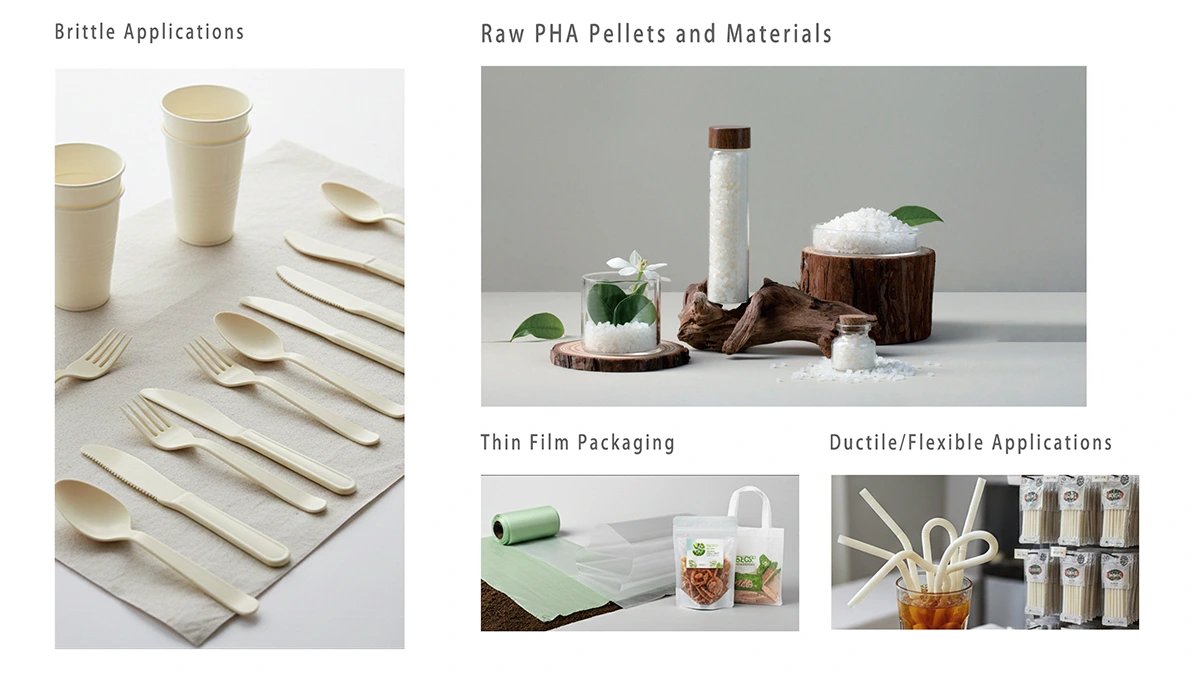
Plastic pollution is pushing industries toward sustainable alternatives to fossil-fuel-based plastics. Polyhydroxyalkanoates (PHAs) are bio-based polyesters produced by microorganisms through fermentation of renewable feedstocks like plant sugars or waste streams. They biodegrade fully in environments such as compost, soil, freshwater, and marine settings—often within months to years, depending on conditions—and offer tunable mechanical properties as replacements for traditional plastics.
This article covers PHA’s structure, advantages, challenges, and applications in packaging, agriculture, environmental protection, and biomedicine. With the global PHA market valued at approximately USD 120-140 million in 2025 and projected for strong growth due to regulations and sustainability demands, PHAs pave the way for circular plastics.
Basic biology and structure of PHA
PHAs serve as energy reserves in bacteria, accumulating when carbon is plentiful but nutrients like nitrogen are scarce. In fermentation, they can make up over 90% of cell dry mass.
Properties depend on the side chain (R-group) length:
Short-Chain-Length PHAs (scl-PHAs; C3-C5):Crystalline and rigid, like Polyhydroxybutyrate (PHB)
Medium-Chain-Length PHAs (mcl-PHAs; C6-C14):Flexible and elastomeric.
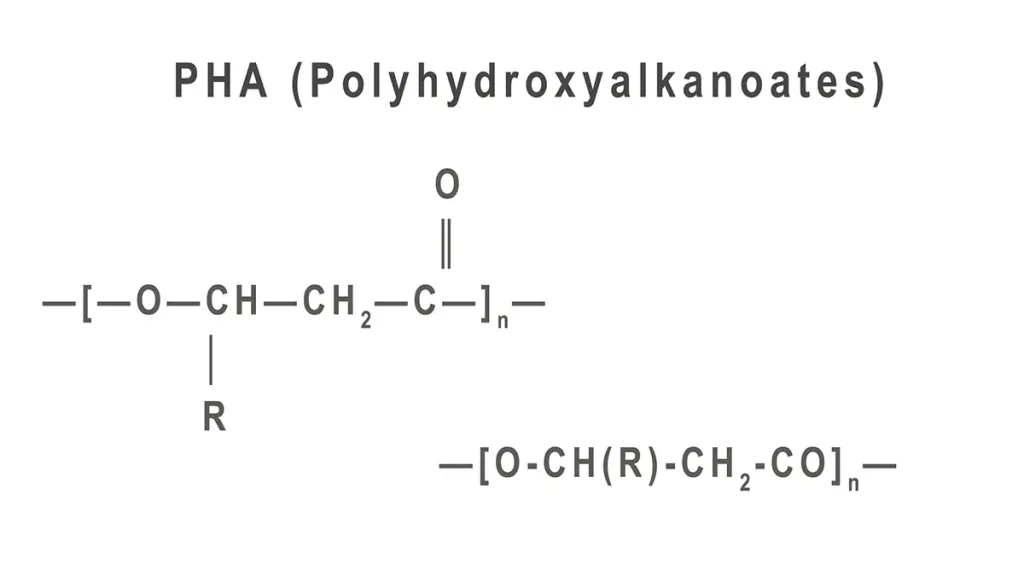
Chemical structure of PHA showing the repeating monomer units with variable R groups
Key Characteristics and Strategic Advantages
| Category | Description | Value |
|---|---|---|
| Material Properties | Melting points 40-180°C; tunable from rigid to flexible; water-insoluble with good barriers. | Replaces diverse plastics without performance loss. |
| Biodegradability | Fully breaks down in 3-9 months in natural settings, no microplastics. | Solves end-of-life issues for true circularity. |
| Renewable Sourcing | From plant sugars or waste. | Lowers carbon footprint vs. petrochemicals. |
| Biocompatibility | Safe for tissues; metabolizes naturally. | Ideal for medical uses. |
For a deeper technical dive into the biological synthesis, comparative market positioning, and full product portfolio of PHAs, please consult our comprehensive resource: A Comprehensive Guide to Polyhydroxyalkanoates (PHA) .
Application Area 1: Packaging and Everyday Consumer Goods (40% of Global Plastic Use)
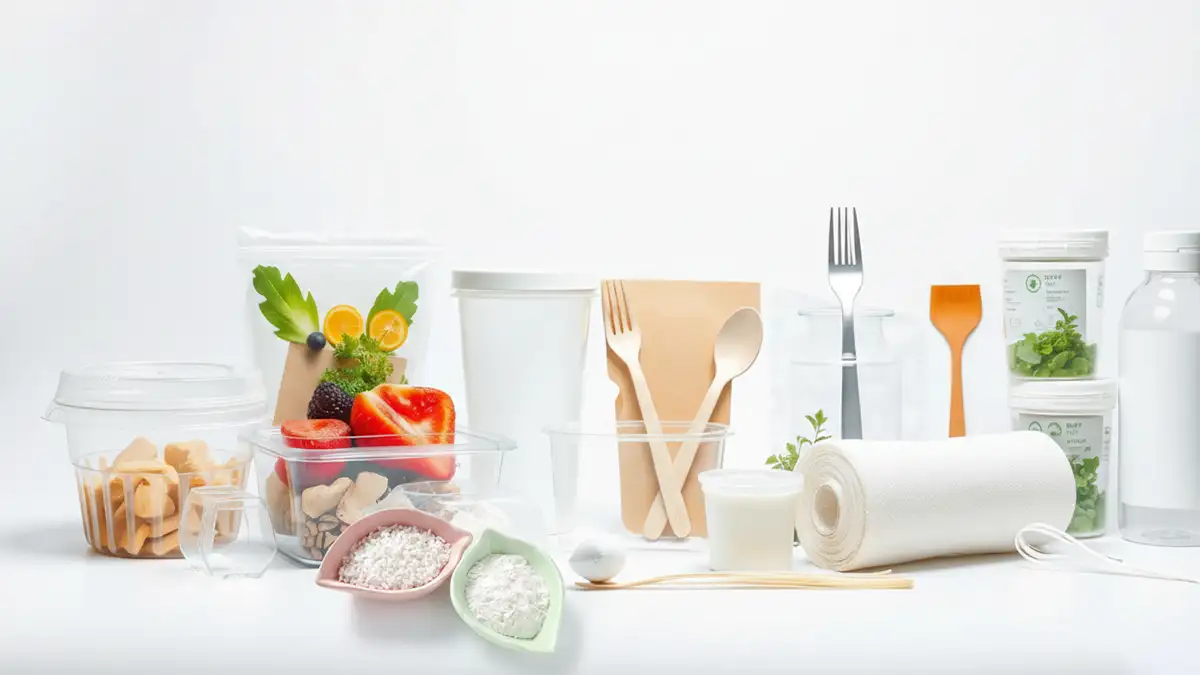
The packaging sector absorbs approximately 40% of global plastic output. As regulations (such as the EU PPWR) tighten, brands require materials that satisfy circularity mandates without compromising shelf-life or durability. PHAs provide a verifiable solution for applications where mechanical recycling is difficult or impossible.

PHA packaging applications showcase the material’s versatility in replacing conventional plastics
Flexible Packaging & Films
Flexible packaging presents significant challenges due to its stringent performance requirements (e.g., barrier, elasticity). PHAs provide a definitive solution where true environmental breakdown is essential, mitigating pollution risks across various disposal streams.
Compostable Household Cling Film
- Mcl-PHAs offer elasticity, transparency;
- Oxygen barriers; home-compostable.
High-Performance Biodegradable Bags
- PHBV balances strength and tear resistance like LDPE;
- Composts in 3-6 months.
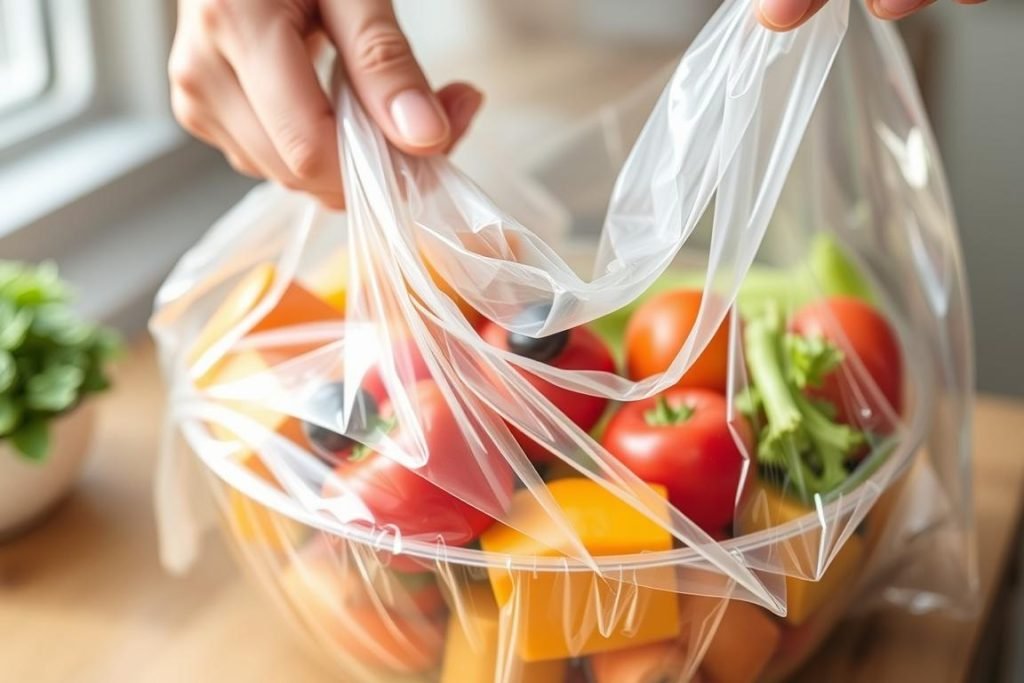
PHA-based cling film combines functionality with complete biodegradability
Rigid Packaging & Tableware
Rigid applications capitalize on the structural integrity and thermal stability typically found in short-chain-length PHAs (scl-PHAs), such as PHB and its copolymers. A critical advantage of PHAs is their compatibility with existing manufacturing infrastructure, including standard injection molding, thermoforming, and blow molding equipment.
Disposable Tableware
- Scl-PHAs like PHB provide rigidity and heat resistance up to 120°C;
- Biodegrades widely.
Heat-Resistant Food Containers
- Oil-resistant without additives;
- microwave-safe.

PHA-based tableware combines the convenience of disposables with environmental responsibility
| PHA Type (Example) | Application | Key Performance Properties | Typical Biodegradation Pathway | Processing Method |
| PHBV (C4/C5 Co-polymer) | Food Containers, Trays | High rigidity, heat stability, excellent barrier against oxygen/aroma | Industrial Composting (3-6 months) | Thermoforming, Injection Molding |
| mcl-PHA (e.g., PHBH) | Flexible Films, Cling Wrap | High elasticity, film transparency, strong oxygen barrier | Home Composting, Soil | Film Extrusion, Cast Film |
| PHB Homopolymer | Disposable Cutlery, Lids | High melting point, structural rigidity | Industrial Composting | Injection Molding |
| PHA Blend/Alloy | Garbage Bags, Shopping Totes | Optimized tensile strength, puncture resistance | Industrial Composting | Film Blowing |
For manufacturers interested in thermoformed rigid packaging such as yogurt cups, including cold-chain performance considerations, see: PHA for Yogurt Cups: Current Status and Solutions.
Explore PHA Packaging Solutions
Looking to transition your packaging to sustainable alternatives? Our team can help you identify the right PHA formulation for your specific packaging needs.
Application Area 2: Environmental Friendliness and Ecological Protection
Beyond controllable disposal streams like composting, PHAs offer critical strategic value in applications where material recovery is impractical or impossible. This is due to their singular ability to be metabolized by indigenous microbial consortia in natural, open environments—specifically soil, freshwater, and marine settings—without leaving behind persistent microplastics or toxic residues.
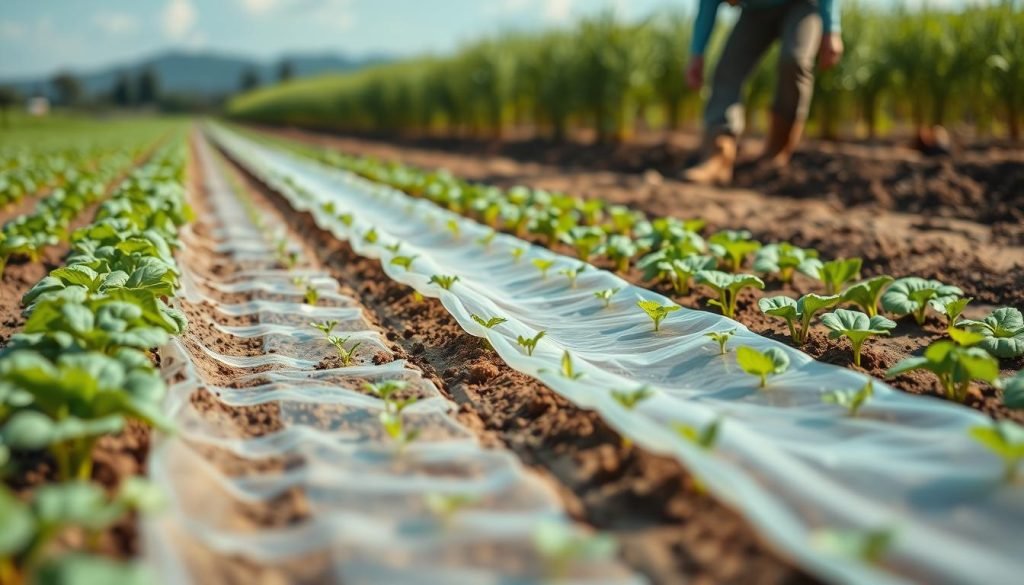
PHA agricultural applications provide environmental benefits while maintaining performance
Agriculture and Horticulture
Agricultural and horticultural sectors benefit immensely from materials that can safely integrate back into the soil matrix. PHAs provide an ideal solution for mitigating diffuse pollution on farms, particularly where conventional plastics become long-term contaminants.
Biodegradable Agricultural Mulch Films
- Suppress weeds, retain moisture;
- Biodegrade in soil post-season, no removal needed.
Seedling Pots and Planting Containers
- Transplant directly;
- Reduce root shock.
Marine Environmental Protection Applications
Marine plastic pollution demands materials engineered for aquatic degradation. PHAs offer a unique and highly sought-after solution for products prone to entering marine and freshwater ecosystems, where degradation must occur at ambient temperatures and low microbial concentrations.
Biodegradable Marine Fishing Gear
- Copolymers match nylon strength;
- Degrade in 1-2 years, ending ghost fishing.
Biodegradable Six-Pack Rings and Marine Packaging
- Strong yet seawater-degradable in 3-9 months.
PHA Environmental Performance
Value-Added Areas: Biomedicine and Specialty Materials
Beyond mass-market consumer applications, PHAs gain critical strategic importance in high-value sectors, primarily due to their intrinsic biocompatibility and capacity for controlled bioabsorption. In the human body, PHA polymers degrade into hydroxyacids which are naturally metabolized via the Krebs cycle, ensuring minimal inflammatory response and non-immunogenicity.
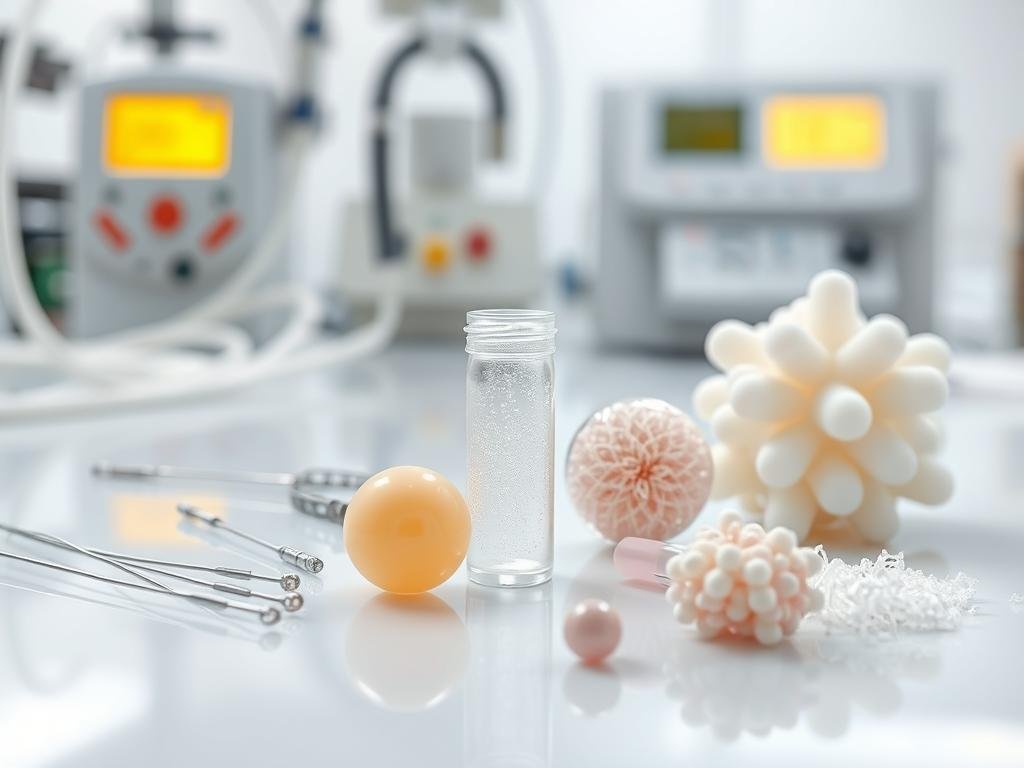
PHA biomedical applications leverage the material’s biocompatibility and controlled degradation
Biomedical Applications
The ability of PHAs to serve as bioabsorbable materials with precisely engineered degradation kinetics makes them indispensable in regenerative medicine and implantology.
Surgical Sutures and Implants
- Tunable degradation (weeks to years);
- No removal surgery.
Drug Delivery Systems
- Microspheres for sustained release.
Tissue Engineering Scaffolds
- Support tissue growth;
- Fully resorb.
Specialty Industrial Applications
PHAs also provide functional advantages in specialty industrial niches where a specific material characteristic, combined with biodegradability, is mandatory.
3D Printing Filaments
- Biodegradable filaments for eco-prototyping.
Specialty Coatings and Adhesives
- Water-resistant for paper;
- Adhesive alternatives.
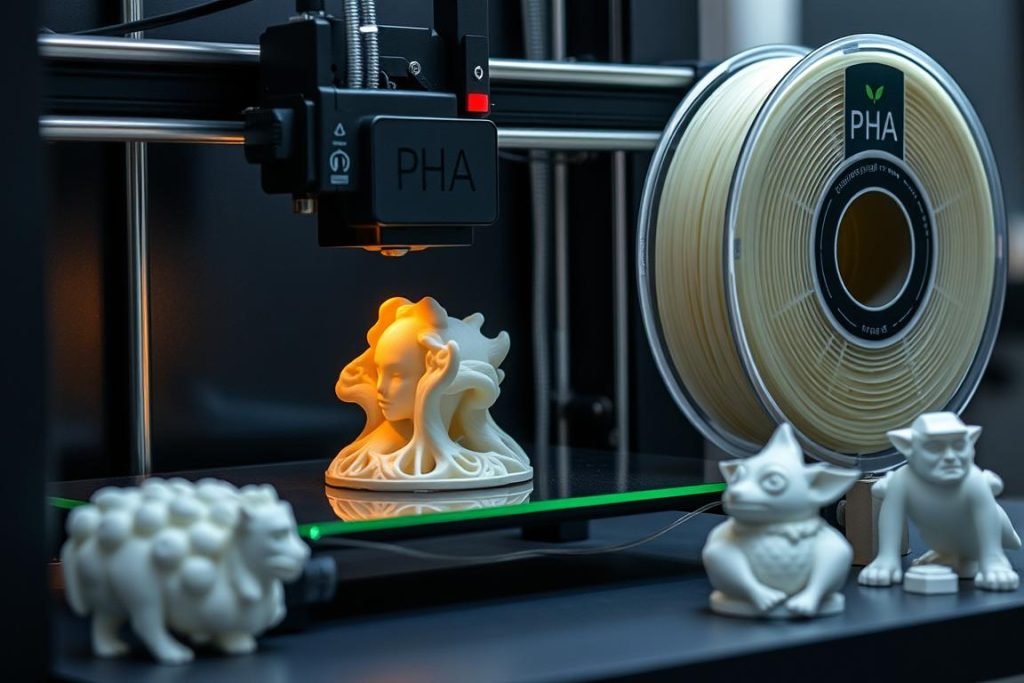
PHA 3D printing filaments enable sustainable additive manufacturing
Advantages of PHA in Value-Added Applications
- Biocompatibility, non-immunogenic degradation, and tunable mechanical properties.
- Precise control over degradation rates (weeks to years) and compatibility with conventional processing.
- Essential for regulated medical devices (implants, DDS) and high-specification sustainable coatings.
Current Limitations
- Cost-Performance Ratio: Production cost remains higher than that of commodity polymers.
- Scalability and Standardization: Limited commercial availability of high-purity, specialized grades and potential batch-to-batch variation.
- Regulatory Burden: Complex, lengthy approval pathways required for medical applications.
Conclusion
Polyhydroxyalkanoates represent more than just a material substitution; they enable a fundamental redesign of product lifecycles. By decoupling plastic utility from environmental persistence, PHAs offer a credible pathway to sustainability for brands facing strict ESG targets and regulatory pressure.
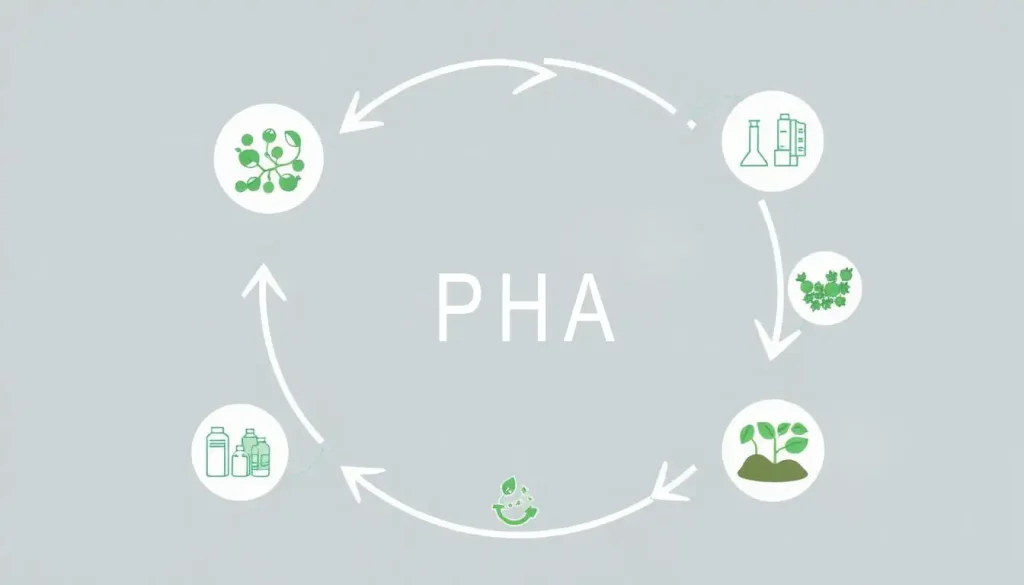
The circular lifecycle of PHA bioplastics from renewable resources to complete biodegradation
The transition from petroleum-based polymers to bio-synthesized alternatives is no longer theoretical—it is an engineering reality. Whether for high-barrier packaging, soil-safe agriculture, or advanced medical devices, PHAs provide the platform for the next generation of functional materials.
Explore PHA Opportunities with Sales Plastics
We distribute premium PHA products, tailored for your sustainability goals. Ready to integrate high-performance, biodegradable materials? Our experts provide samples, specifications, and consultation.
FAQs
What is PHA used for?
PHAs are employed across a wide spectrum of industries where verifiable environmental degradation and functional performance are mandated. Their structural versatility allows for direct functional substitution of conventional plastics in high-volume and high-value sectors:
- Mass Market: Food packaging (rigid containers, flexible films, coatings), disposable tableware, and single-use accessories.
- Environmental & Agricultural: Mulch films that degrade in situ in soil, seedling pots, and critical marine protection solutions (e.g., anti-ghost fishing gear).
- High-Value & Biomedical: Bioabsorbable surgical sutures, orthopedic implants, tissue engineering scaffolds, and controlled drug delivery systems (DDS).
- Specialty Industrial: 3D printing filaments, specialized coatings, and biodegradable adhesives.
Is PHA harmful?
No, PHAs are characterized by a superior safety and compatibility profile, which is a major strategic advantage.
- Environmental Safety: PHAs are fully metabolized by natural microbial communities into inert degradation products (CO₂ and water), leaving no toxic residues or persistent microplastics in soil or marine environments.
- Biocompatibility: PHAs are inherently biocompatible and non-immunogenic, meaning they do not provoke adverse immune responses in the body. This characteristic enables safe use in medical applications, where the polymer degrades naturally via established metabolic pathways (like the Krebs cycle).
- Sourcing: Production utilizes renewable feedstocks, contributing to a significantly lower net carbon impact than petroleum-based plastics.
Is PHA a plastic?
Yes, PHA is classified as a bioplastic and a thermoplastic. This classification highlights its unique dual identity:
- Plastic Identity: PHAs are polymers with structural and functional properties similar to conventional plastics (e.g., PP, PE). They are thermoplastic, meaning they can be processed and shaped using standard industry equipment such as injection molding, extrusion, and film blowing.
- Bio-Identity: PHAs are bio-derived (synthesized from renewable resources by microorganisms) and fully biodegradable (broken down completely in natural environments). They bridge the performance gap between traditional plastics and truly sustainable materials.
What is the most common PHA?
Polyhydroxybutyrate (PHB) is the most common and historically well-studied homopolymer PHA. It is highly crystalline, offering rigidity and a high melting point (approx. 175-180℃).
However, commercially, PHBV (Poly(3-hydroxybutyrate-co-3-hydroxyvalerate)) is often the most significant and widely deployed PHA grade. The incorporation of valerate units into the PHB chain disrupts the crystalline structure, dramatically improving the material’s flexibility, elasticity, and processability, making it suitable for high-volume applications like films and bags. Other important commercial types include PHBH (offering flexibility) and P4HB (known for controlled medical degradation).