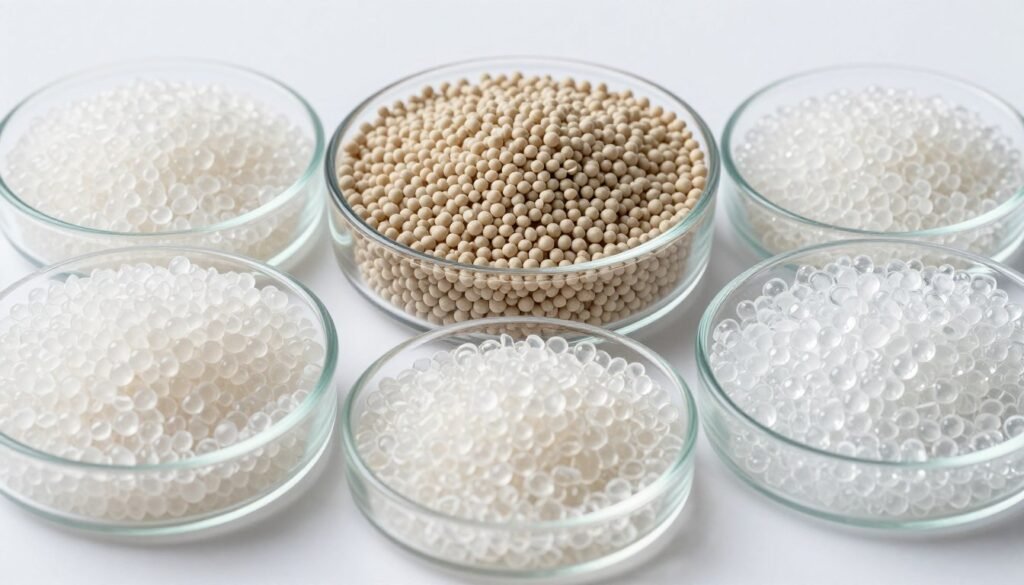
Versatility defines polylactic acid (PLA) as a premier bio-based polymer in the current material science landscape. Transitioning from conventional petroleum-based resins to sustainable alternatives has positioned PLA at the forefront of renewable technology. Derived from lactic acid monomers through the fermentation of plant starches—predominantly corn, cassava, or sugarcane—this biopolymer offers a carbon-neutral pathway without compromising structural integrity.
Precision in grade selection often dictates the boundary between project success and technical failure across medical, industrial, and high-volume consumer sectors. Every specific PLA formulation carries a unique fingerprint of molecular weight distribution, thermal stability, and mechanical tenacity. Navigating these parameters ensures that material decisions optimize both functional performance and long-term cost-efficiency.
Engineering requirements and procurement strategies grow increasingly complex as application demands evolve. Beyond basic sustainability, the functional properties of PLA can be fine-tuned through advanced synthesis routes, strategic copolymerization, and specialized post-processing. This technical overview examines critical specifications and selection criteria for three primary PLA categories, providing the clarity needed to source the ideal resin for high-performance applications.
Get Expert PLA Grade Selection Assistance
Not sure which polylactic acid plastic grade suits your application? Our materials specialists can help you select the optimal grade based on your specific technical requirements, production volumes, and performance objectives.
Technical Overview of PLA Chemistry
Polylactic acid functions as a high-performance thermoplastic aliphatic polyester, synthesized primarily through the ring-opening polymerization (ROP) of lactide. This biopolymer occupies a strategic niche in material science, bridging the gap between full industrial compostability and the robust mechanical benchmarks traditionally associated with petroleum-based resins like PET and PS.
Stereoisomeric ratios serve as the primary lever for tailoring material behavior. Lactic acid exists in two distinct forms: L-lactic and D-lactic acid. Precision control over the D-isomer content directly dictates the polymer’s crystallinity and thermal ceiling. Pure Poly(L-lactide) (PLLA) achieves a semi-crystalline state with a high melting point near 180°C. For technical teams navigating the specific performance differences between these variants, our detailed analysis, PLA vs PLLA: A Panoramic Guide to Bioplastics, offers an in-depth exploration of their respective industrial advantages. Conversely, increasing the D-isomer fraction transforms the resin into an amorphous structure, broadening the processing window for specific thermoforming applications.

Molecular weight distribution acts as a critical specification for downstream manufacturing success. Low molecular weight grades, typically ranging from 50,000 to 100,000 g/mol, facilitate high-flow characteristics essential for thin-walled agricultural films. High-performance variants exceeding 150,000 g/mol provide the melt strength and mechanical tenacity required for technical fibers and durable injection-molded components.
Why Grade Selection Matters
The performance gap between properly matched and mismatched PLA grades can be substantial. Medical device manufacturers require certified high-purity grades meeting stringent biocompatibility standards, while agricultural applications prioritize cost-effectiveness and controlled degradation rates. Using medical-grade material for agricultural films represents unnecessary cost inflation, while employing agricultural-grade PLA in medical applications risks regulatory non-compliance and patient safety issues.
Thermal Properties Impact
Glass transition temperature and melting point variations affect processing windows and service temperature limits.
- Glass transition temperature typically ranges from 55-65°C across grades
- Melting point varies from 130°C to 180°C depending on crystallinity
- Heat deflection temperature determines maximum service conditions
- Processing temperature requirements influence equipment selection
Mechanical Performance Variables
Tensile strength and elongation break characteristics determine structural application suitability.
- Tensile strength ranges from 40 MPa to 70 MPa across different grades
- Elongation break varies from 2% for brittle grades to 6% for toughened variants
- Impact resistance can be enhanced through copolymerization or blending
- Flexural modulus affects rigidity in load-bearing applications
Processing Considerations
Different grades require specific processing parameters for optimal results in various manufacturing methods.
- Injection molding grades need specific melt flow rates
- Film extrusion demands controlled molecular weight distributions
- Fiber spinning requires high molecular weight for adequate tensile properties
- 3D printing filaments need balanced flow and strength characteristics
Degradation Rate Control
Biodegradation kinetics must align with application lifecycle requirements and disposal methods.
- Agricultural applications often require 6-12 month field degradation
- Food packaging needs stability during use with rapid composting afterward
- Medical implants require controlled in-vivo degradation timelines
- Single-use items benefit from faster degradation profiles
Environmental Advantage: Polylactic acid production from renewable resources reduces dependence on fossil fuels. Life cycle assessments show PLA manufacturing generates 25-55% less greenhouse gas emissions compared to conventional plastics derived from petroleum. The polymer’s biodegradability under industrial composting conditions provides end-of-life advantages over persistent conventional plastics.
High-Precision & Medical Grade Polylactic Acid Plastic
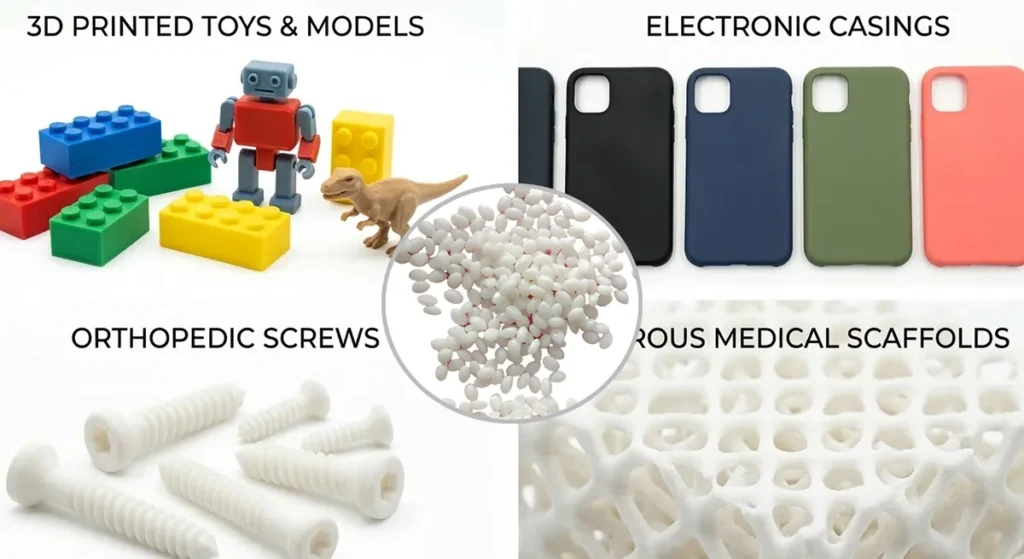
Precision-engineered polylactic acid serves as the technical benchmark for industries requiring uncompromising purity and predictable mechanical performance. In the sectors of advanced manufacturing and biomedicine, the distinction between standard resin and high-precision grades is defined by molecular weight stability and stringent international certifications. As a specialized distributor, we provide a curated portfolio of technical-grade PLA designed to meet the most rigorous global standards.
High-Performance 3D Printing: 195 (Toughened Extrusion Grade)
REVODE195 is specifically formulated to overcome the inherent brittleness of standard PLA, making it the premier choice for FDM/FFF filament production. This grade features a modified toughening system that ensures exceptional interlayer adhesion and minimal warping, critical for functional prototyping.
- Technical Profile: Density of 1.25 g/cm³; MFR of 30–40 g/10min (190℃/2.16kg); Glass Transition (Tg) at 57-59℃.
- Performance Advantages: Excellent melt strength and smooth flow minimize nozzle clogging, while the low-shrinkage characteristics deliver high-dimensional accuracy and a refined surface finish.
- Application: Ideal for batch production of professional-grade filaments and intricate functional components.
Biomedical Excellence: Medical-Grade PLLA (High-Purity Series)
Medical-grade Poly(L-lactide) (PLLA) represents the apex of biocompatible polymers. With a levo-content of ≥ 99.9%, this ultra-pure resin is designed for in-vivo applications where non-toxic degradation is mandatory.
- Technical Profile: Customizable Intrinsic Viscosity (IV) from 1.5 to 4.0 dL/g; Residual Monomer < 0.1%; Catalyst Residue < 5 ppm.
- Strategic Compliance: Fully aligned with ISO 10993, NMPA Class III, and FDA 510(k) standards, ensuring a safe metabolic pathway through 6–18 month degradation cycles.
- Selection Logic:
- Surgical Sutures: High IV (2.5–3.5) for optimized tensile retention.
- Orthopedic Implants: Maximum IV (3.0–4.0) for load-bearing screws and plates.
- Drug Delivery: Controlled IV (1.5–2.5) for microspheres and aesthetic fillers.
Premium Export Solutions: 213S (Heat-Resistant Injection Grade)
For manufacturers targeting high-end international markets, 213S offers a sustainable alternative to traditional engineering plastics like ABS or PC. This grade is engineered for high crystallinity and dimensional stability under thermal stress.
- Technical Profile: Heat resistance up to 120℃; MFR of 20 g/10min (190℃/2.16kg); Tm of 155–60℃.
- Global Compliance: Certified under FDA food contact, EU REACH/RoHS, and ASTM D6400 composting standards, facilitating seamless entry into global markets.
- Market Positioning: Its high-gloss finish and steam-resistance make it ideal for high-end food containers, electronic housings, and maternal/infant products that require microwave safety and durability.

Purity Requirements: Medical-grade polylactic acid maintains residual monomer content below 0.5% and catalyst residues below 100 ppm. Heavy metal contamination must remain under strict limits, typically below 10 ppm total. These stringent purity standards prevent potential toxicity issues and ensure consistent material properties across production batches.
Need a specific grade recommendation for your medical or technical project?
Our specialists are ready to match the right PLA characteristics to your engineering goals.
Industrial-Scale & Textile Grade Polylactic Acid Plastic
Economic scalability and manufacturing stability define the industrial-grade PLA segment. By leveraging full industry-chain integration, high-volume production facilitates a strategic cost advantage while maintaining the consistency required for continuous, high-speed automated lines. These grades prioritize non-food-based feedstocks to ensure sustainable sourcing that meets global ecological mandates without compromising material integrity.
High-Performance Textile Solutions: PLA 601 (Premium Spinning Grade)
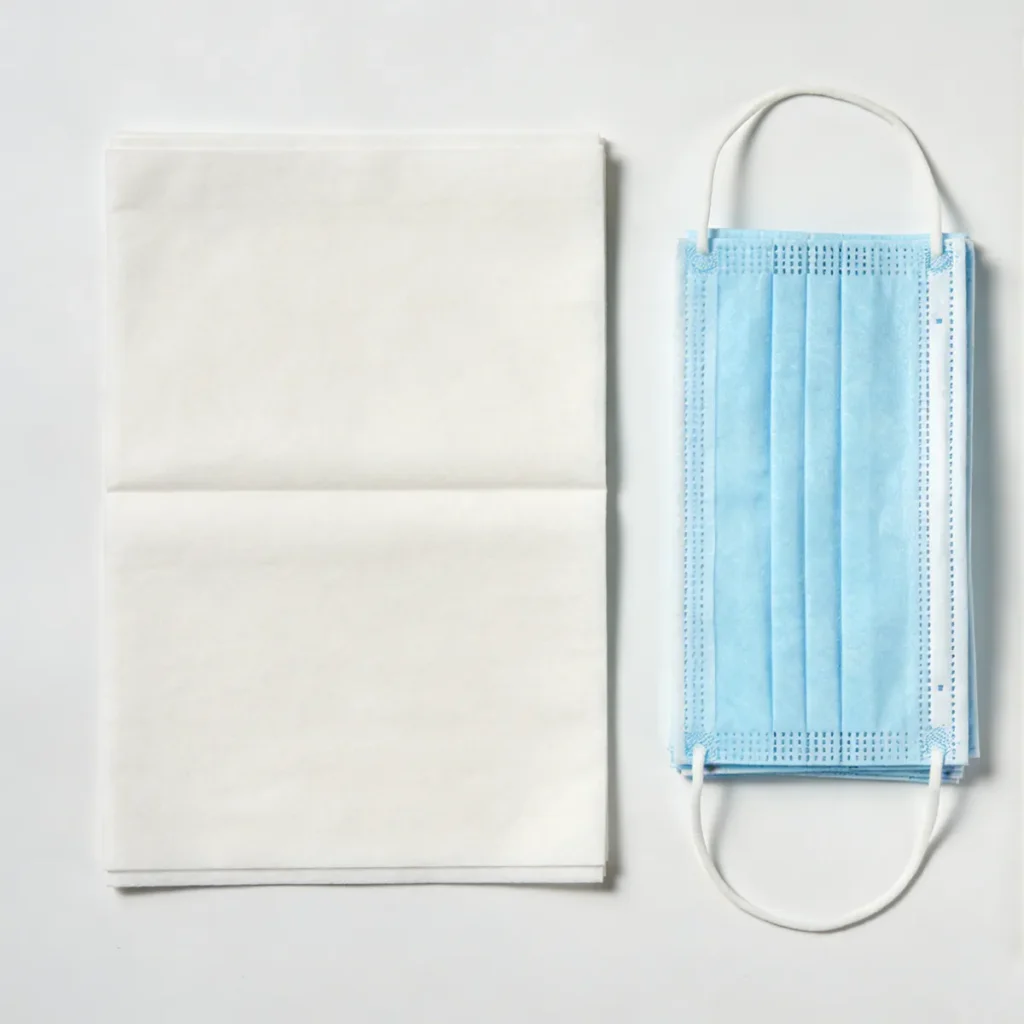
PLA 601 is specifically engineered for high-speed fiber production, including staple fibers, continuous filaments, and non-woven fabrics (spunlace/thermal-bonded). This grade is optimized for high-speed spinning processes exceeding 3,000 m/min.
- Technical Profile: Density of 1.26 g/cm³; MFR of 5–10 g/10min (190℃/2.16kg); Molecular Weight of 150,000–200,000 g/mol; Melting Point (Tm) of 160℃ – 180℃.
- Operational Excellence: With an elongation at break of ≥ 300% and moisture content below 0.04%, PLA 601 ensures high tensile toughness and bubble-free extrusion.
- Recommended Logic: The low MFR translates to superior melt strength, maintaining a break rate of ≤ 0.5 times per 10km even at spinning speeds of 3,000–4,500 m/min. It is the ideal choice for manufacturers seeking consistent fiber strength and smooth downstream processing.
High-Viscosity Packaging Excellence: PLA 801 (Cast Film and Pouch Grade)
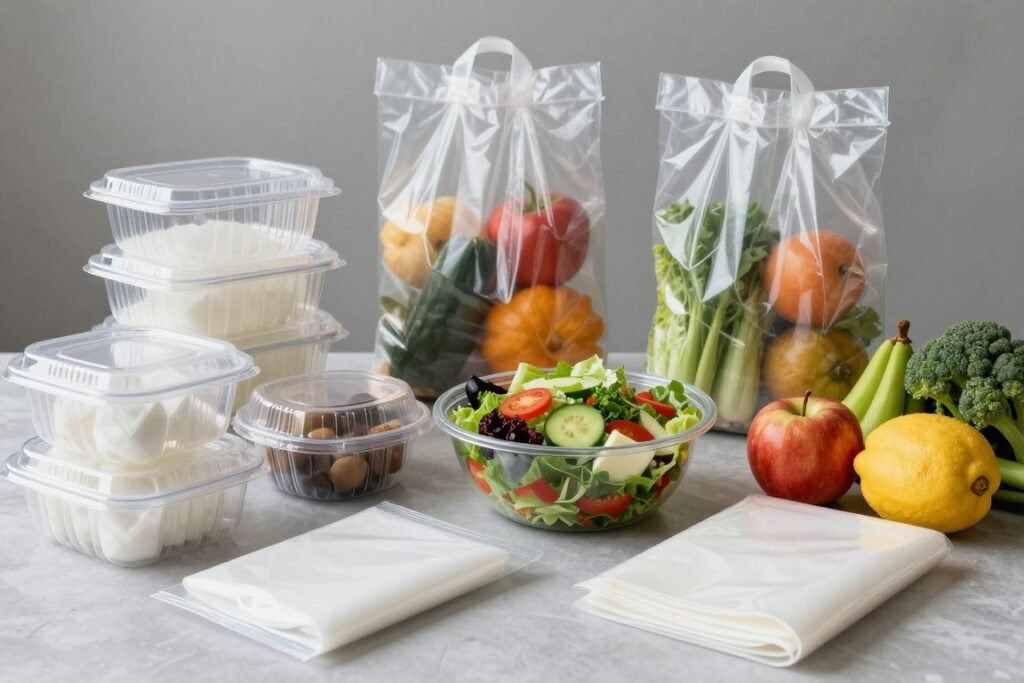
PLA 801 is the benchmark for high-volume packaging applications, designed for cast film extrusion, blown film, and thermoformed food containers. Its high-viscosity profile provides the melt integrity necessary for ultra-thin, high-speed film formation.
- Technical Profile: Density of 1.24 g/cm³; MFR of 5.0–7.0 g/10min; Tensile Strength ≥ 60 MPa; Haze ≤ 10%.
- Process Stability: This grade supports cast film speeds ≥ 150 m/min and blown film speeds ≥ 80 m/min, ensuring stable production for film thicknesses ranging from 10 to 100 μm .
- Selection Logic: Beyond its robust mechanical properties, PLA 801 offers exceptional optical clarity and full compliance with FDA and REACH food-contact standards. It is particularly recommended for supermarkets and FMCG sectors requiring sustainable shopping bags, straws, and transparent food barrier wraps.
Strategic Cost-Efficiency and Integration
Scalability remains the primary driver for transitioning from traditional polyolefins to PLA in mass-market applications. The vertical integration of the production process—from feedstock fermentation to polymer synthesis—significantly reduces overhead and ensures a resilient supply for global exporters. By utilizing PLA grades like 601 and 801, manufacturers benefit from lower processing temperatures and faster cycle times, achieving a competitive Total Cost of Ownership (TCO) while fulfilling ESG (Environmental, Social, and Governance) commitments.
Processing Economics: While raw material costs remain higher than conventional plastics, processing advantages can offset price premiums. Lower processing temperatures reduce energy consumption by 25-40% compared to polyethylene terephthalate. Reduced cycle times and lower equipment wear contribute to overall cost competitiveness in high-volume operations.
Ready to Optimize Your High-Speed Production Line?
Selecting the ideal MFR and viscosity is critical for minimizing break rates in high-speed spinning and film extrusion. Our technical team is ready to provide grade-matching consultations and processing parameter optimization to ensure a seamless transition to sustainable materials.
Agricultural & Modified Grade Polylactic Acid Plastic

Technical-grade modified PLA represents a strategic bridge between high-performance polymer science and cost-sensitive industrial scale. By prioritizing exceptional blending compatibility and mechanical equilibrium, these resins facilitate the seamless integration of PLA with PBAT, TPS, or inorganic fillers. For regional bulk projects and specialized agricultural applications, these formulations deliver project-oriented pricing without compromising the rigorous standards of bio-based material integrity.
Precision Agricultural Mulch Films: PLA M100 (Short-Cycle Specialist)
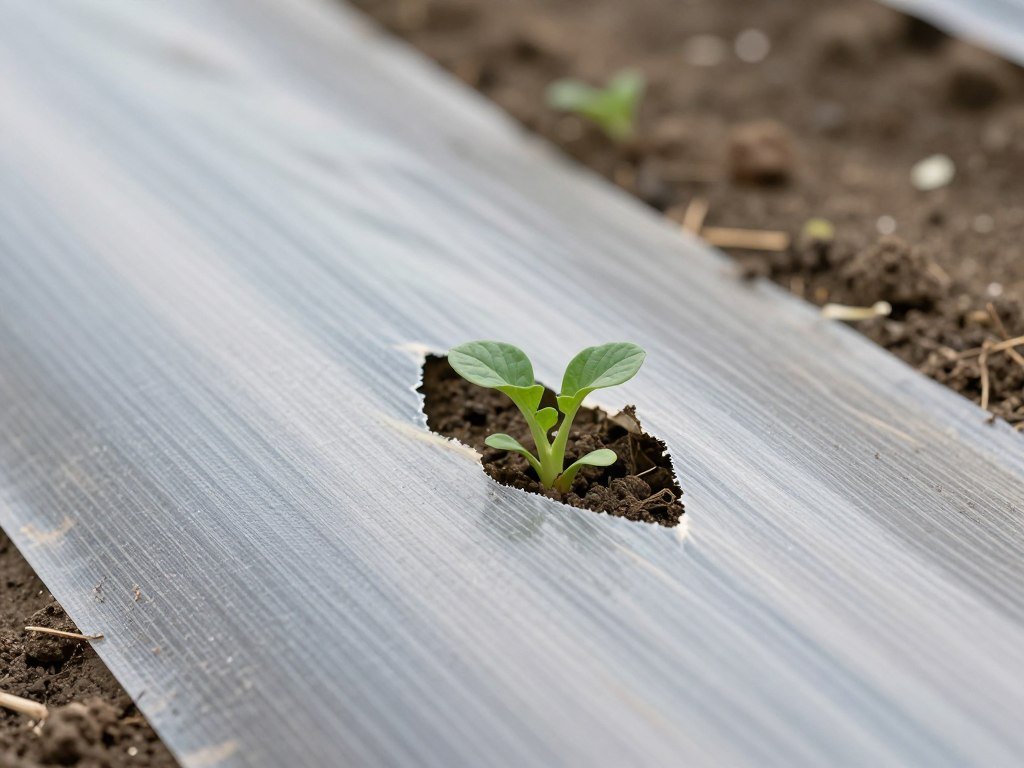
PM-M100 is engineered specifically for short-season crop cycles, providing an optimal balance between thermal insulation and controlled biodegradation. Designed for high-clarity transparent films (0.008–0.025 mm), it supports accelerated soil warming and weed suppression for strawberries, leafy greens, and seedling nurseries.
- Technical Profile: Density of 1.24 g/cm³; MFR of 6–9 g/10min (190℃/2.16KG); Tensile Strength (MD/TD) ≥ 50/45 MPa.
- Weathering & Degradation: Infused with specialized UV stabilizers, the film maintains ≥ 70% of its mechanical tenacity over 90 days of full field exposure. It achieves full industrial compostability (EN13432/ASTM D6400) within 90 days post-harvest, significantly reducing labor overhead.
- Processing Advantage: Optimized for single or multi-layer co-extrusion with line speeds ≥ 60 m/min, ensuring high yield and minimal pinhole defects during the blowing process.
Regional Bulk and Large-Scale Infrastructure: B100 (Universal Blown Film)
For large-scale centralized procurement and regional logistics packaging, the PM-B100 grade offers a standardized, high-volume solution. This grade is the pillar of mass-market packaging and regional agricultural projects where cost-efficiency and supply consistency are the primary drivers.
- Technical Profile: MFR of 7–10 g/10min; Intrinsic Viscosity (IV) of 1.0–1.1 dL/g; Elongation at Break ≥ 300%.
- Functional Versatility: PM-B100 is optimized for high-speed automated lines (speeds ≥ 80 m/min), ensuring dimensional stability for film products ranging from shopping bags to lightweight logistics wraps.
- Compliance & Reliability: Fully compliant with FDA and GB4806.7 food-contact standards, this grade provides a safe, sustainable alternative for the FMCG and bulk packaging sectors, supporting ton-to-kiloton scale supply chains.
Strategic Material Customization and Blending
Success in agricultural and bulk sectors relies on the ability to tailor mechanical parameters to specific regional environments. The PM series is characterized by its superior matrix compatibility, allowing for the addition of impact modifiers or cost-reducing bio-fillers. By optimizing the blend ratios—such as PLA/PBAT for enhanced tear resistance or PLA/TPS for improved cost-structures—manufacturers can achieve a precisely controlled degradation window of 90 to 180 days. This project-oriented approach ensures that sustainable intensification remains both technologically feasible and economically profitable.
Technical Note: The technical grades highlighted above are selected for their proven stability in regional bulk and agricultural sectors. However, because environmental conditions and processing equipment vary, these options are not exhaustive. We invite you to share your specific application criteria with us—our team can provide a wider selection of alternative grades and customized blending formulations to ensure your project’s success.
Need a Tailored Degradation Profile?
Our technical team can help you balance mechanical tenacity and biodegradation timelines for your specific regional climate.
Technical Comparison: Grade Selection Matrix
Systematic evaluation of material properties against application-specific demands is essential for engineering success. This comparative matrix streamlines the decision-making process by aligning critical specifications—ranging from molecular architecture to thermal stability—across medical, industrial, and agricultural categories. By understanding these distinctions, procurement teams can secure the ideal balance between high-performance functionality and commercial viability.
Comprehensive Property Comparison Matrix
| Property Parameter | Medical Grade (PLLA/High-Purity) | Industrial/Textile Grade | Agricultural/Modified | Measurement Standard |
| Molecular Weight (Mw) | 150,000 – 300,000 g/mol | 100,000 – 180,000 g/mol | 80,000 – 150,000 g/mol | GPC Analysis |
| Polydispersity Index (PDI) | 1.5 – 2.0 (Ultra-narrow) | 1.8 – 2.5 | 2.0 – 3.0 | GPC Analysis |
| Residual Monomer | < 0.1% – 0.5% | < 2.0% | < 3.0% | GC Analysis |
| Melting Point (Tm) | 175–185℃ | 155 — 175℃ | 145 — 165℃ | DSC |
| Tensile Strength | 60 – 80 MPa | 50 – 65 MPa | 45 – 55 MPa | ASTM D638 |
| Elongation at Break | 3% – 15% (Customizable) | 4% – 6% | ≥% (Modified) | ASTM D638 |
| Degradation Profile | In-vivo: 6–24 Months | Industrial Compost: 90 Days | Soil: 90–180 Days (Modified) | ISO 14855 / Field |
| Regulatory Status | FDA 510(k), ISO 10993 | FDA Food Contact, REACH | EN 13432, ASTM D6400 | Global Standards |
Strategic Decision Framework
Navigating the complexities of polymer selection requires a multi-dimensional approach. Beyond basic mechanical thresholds, the regulatory landscape often dictates the minimum viable grade. For instance, medical device manufacturers prioritize biocompatibility and batch traceability (GMP), whereas agricultural projects optimize for soil incorporation and “no-removal” labor savings.
Cost-performance ratios remain a decisive factor in industrial scaling. High-volume consumer goods and textiles justify the shift to PLA through processing energy savings and ESG compliance. Conversely, specialized technical applications—such as 3D printing filaments or high-heat export goods—leverage modified grades like REVODE to achieve the dimensional stability traditionally associated with ABS or PC.
Selection Process Methodology
- Define Performance Benchmarks: Identify critical mechanical and thermal limits.
- Verify Compliance: Ensure the resin meets FDA, MDR, or compostability certifications.
- Assess Processing Compatibility: Match the Melt Flow Rate (MFR) to existing extrusion or molding equipment.
- Evaluate Lifecycle Costs: Factor in energy efficiency and waste disposal savings into the TCO.
- Validate via Sampling: Conduct pilot runs to confirm performance under actual service conditions.
Strategic Supply Chain and Professional Partnership
Geographic proximity and supply chain resilience significantly impact the total procurement value of sustainable polymers. Our distribution network leverages the production strengths of world-class, Tier-1 manufacturing facilities to ensure a stable and continuous supply of certified resins. While high-precision medical-grade production remains centralized in specialized pharmaceutical-standard hubs to maintain absolute purity, our industrial and agricultural grades utilize optimized regional logistics to minimize lead times and reduce the overall carbon footprint of the supply chain.
Supplier evaluation transcends mere technical specifications. A reliable partnership is built on value-added services, including on-site processing optimization, customized molecular weight adjustments to meet specific application needs, and the provision of comprehensive regulatory documentation. By aligning with a distributor that possesses a deep, nuanced understanding of material science, manufacturers gain a decisive competitive edge in the rapidly evolving global market for sustainable materials.
Need Help Interpreting These Specifications?
Our technical team can walk you through this selection matrix and recommend the optimal PLA grade for your specific production requirements. We provide application engineering support, processing parameter development, and supplier connections to ensure successful material implementation.
Conclusion: Making the Right PLA Grade Selection
Strategic integration of polylactic acid into your manufacturing stream requires more than a shift to bio-based polymers; it demands a precise alignment between polymer architecture and application-specific goals. By balancing environmental advantages with mechanical benchmarks that rival petroleum-based resins, we help you achieve sustainability without compromising performance.
Whether your project requires the ultra-high purity of Medical-grade PLLA, the high-heat resistance of Modified Industrial grades, or the controlled degradation of Agricultural mulch, informed decision-making remains the ultimate driver of success.
Bridging the gap between material science and market demands, we offer:
- Expert Selection Guidance: Matching your requirements with the most suitable grades from a diverse portfolio of global premium producers.
- Technical Risk Mitigation: Supporting your transition through initial sample evaluation, trial support, and processing parameter validation.
- Supply Chain Resilience: Ensuring consistent regional availability and providing comprehensive regulatory documentation for seamless global export.
The global shift toward a circular economy is unlocking untapped opportunities. Partner with a distributor who understands the intricate chemistry behind the material and the economic realities of your industry. Together, we can leverage renewable polymers as your next competitive advantage.
Frequently Asked Questions About Polylactic Acid Plastic
What type of plastic is polylactic acid?
Polylactic acid (PLA) is a high-performance thermoplastic polyester synthesized from 100% renewable plant sugars, such as corn starch or sugarcane. Unlike petroleum-based plastics, its production carries a significantly lower carbon footprint. While it matches the clarity and rigidity of PET and Polystyrene, its molecular structure is fully biodegradable under industrial composting conditions.
Does PLA give off microplastics?
Mechanical fragmentation occurs during the degradation of any polymer; however, PLA micro-particles differ fundamentally from conventional plastics. Conventional microplastics persist indefinitely and accumulate in the food chain. PLA fragments undergo a two-step process: initial hydrolysis followed by complete microbial mineralization into CO₂ and water. This biological assimilation prevents permanent environmental accumulation, especially when using UV-stabilized grades designed for predictable soil integration.
What are the specific uses for different polylactic acid plastic grades?
Material success depends on matching the specific resin grade to the application’s environment:
- Medical & High-Precision: Focused on ultra-purity for bioabsorbable surgical implants, sutures, and lab consumables.
- Industrial & Textile: Optimized for melt strength and high-speed processing in food packaging, 3D filaments, and apparel fibers.
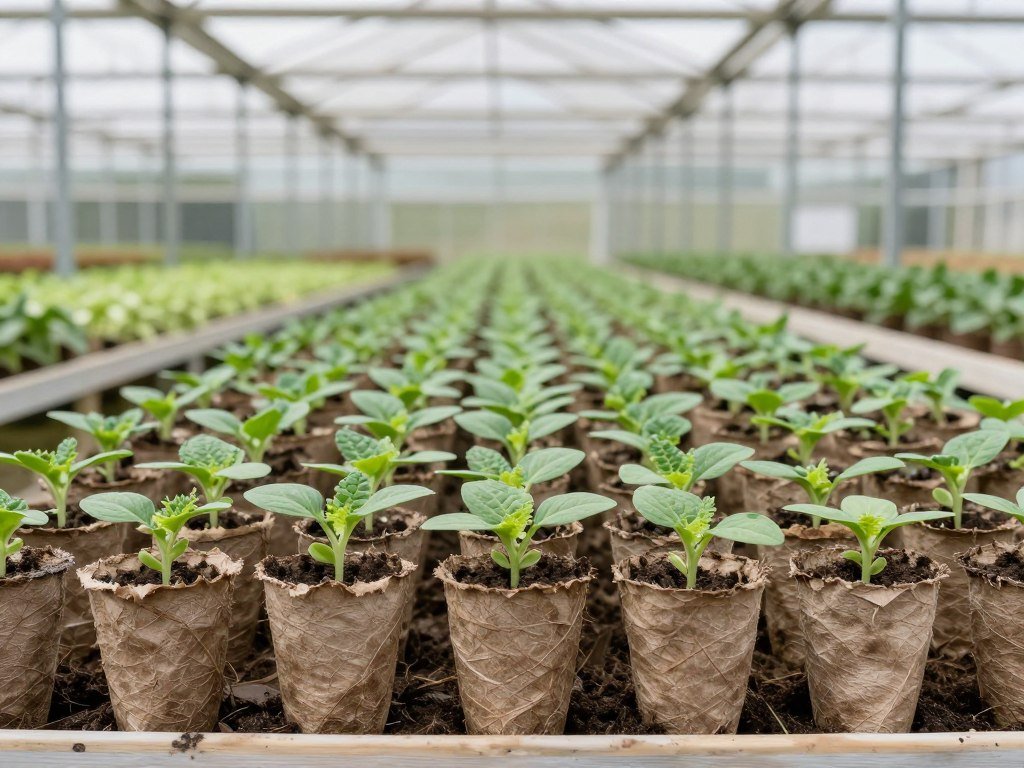
- Agricultural & Modified: Designed for controlled soil degradation and cost-efficiency in mulch films and nursery pots.