
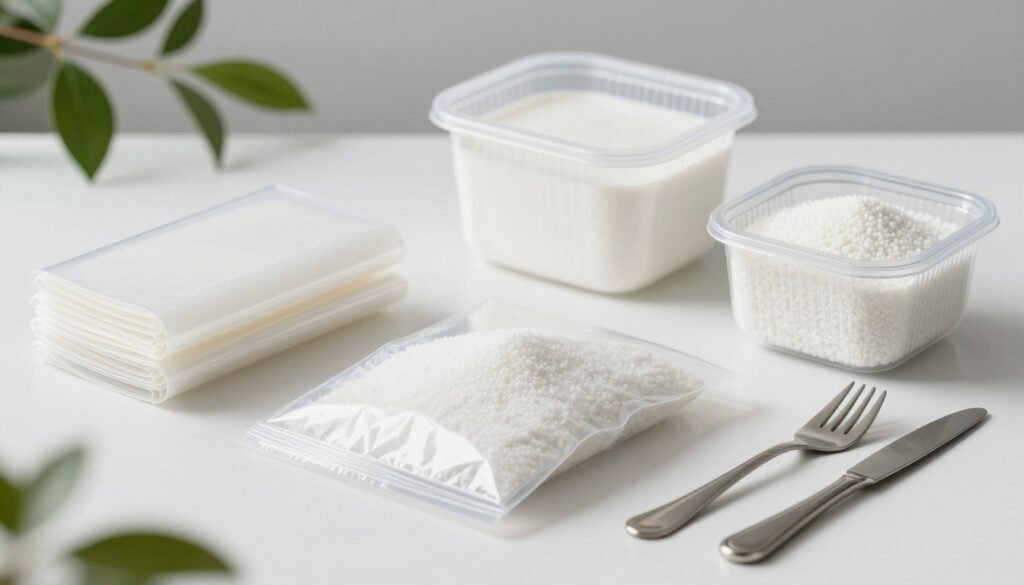
Most eco-friendly resins force a difficult choice: high performance at a prohibitive cost, or low cost with unreliable mechanical properties. Thermoplastic Starch (TPS) changes this equation. By leveraging modified agricultural polymers, our TPS formulations provide a drop-in replacement for traditional plastics that satisfies both strict export regulations and tight production budgets.
This guide breaks down how we’ve optimized TPS molecular stability to overcome common moisture and strength issues, ensuring your transition to a circular economy remains profitable.
Why Choose TPS for Food Contact Materials?
Thermoplastic Starch (TPS) is no longer just an “eco-friendly alternative”—it is a strategic material that balances global compliance with industrial scalability. For manufacturers transitioning from PP or PE, our high-performance TPS offers a clear path forward.
Global Regulatory Alignment & Market Access
TPS serves as your passport to restricted markets. As the EU and North America tighten single-use plastic (SUP) directives, our TPS formulations ensure your products remain compliant and competitive.
- Certified Standards: Meets EN 13432 and ASTM D6400 for industrial compostability.
- Food Safety: 100% compliant with FDA and EU food-contact regulations; free from phthalates, heavy metals, and PFAS.
- Export Advantage: Gain “Preferred Supplier” status by meeting the rigorous ESG requirements of international retailers.
Local Sourcing & Cost Stability
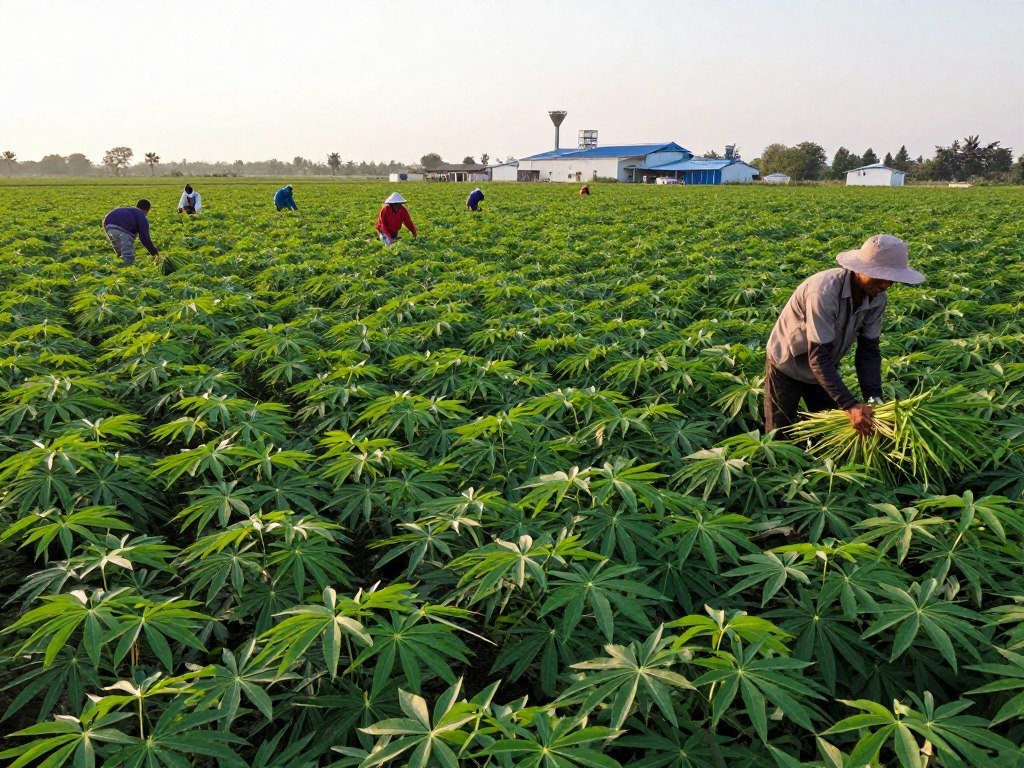
Leveraging Thailand’s position as a global leader in tapioca production, we provide a supply chain that is both resilient and cost-effective.
- Abundant Feedstock: Utilizing regional tapioca starch reduces dependence on volatile petroleum markets.
- Lower Carbon Footprint: Minimized transportation emissions and a renewable resource base significantly improve your product’s Life Cycle Assessment (LCA).
Seamless Processing: "Plug-and-Play" Compatibility
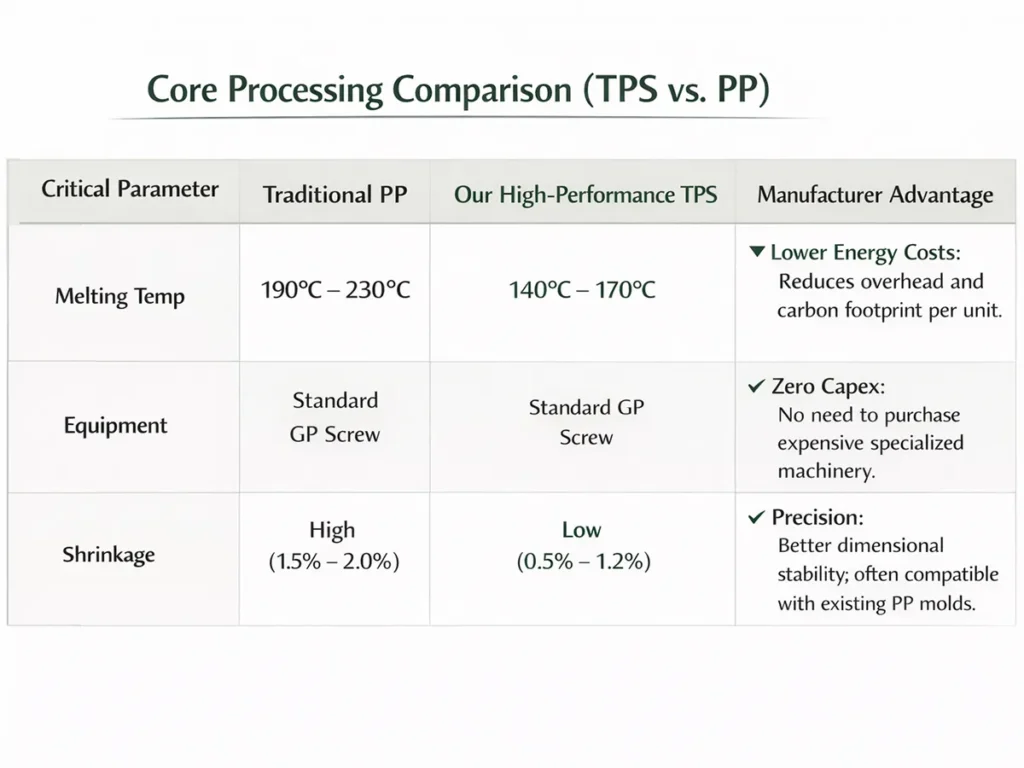
The greatest barrier to bioplastics is often equipment investment. Our TPS grades are engineered to function as a drop-in solution for your existing production lines.
- Injection Molding & Extrusion: Processable on standard machinery with minor temperature profile adjustments.
- Film Blowing: Excellent bubble stability and compatibility when blended with other biopolymers like PBAT or PLA.
- Tooling: No need for expensive mold modifications; standard screw configurations are typically sufficient.
Reliable End-of-Life Performance
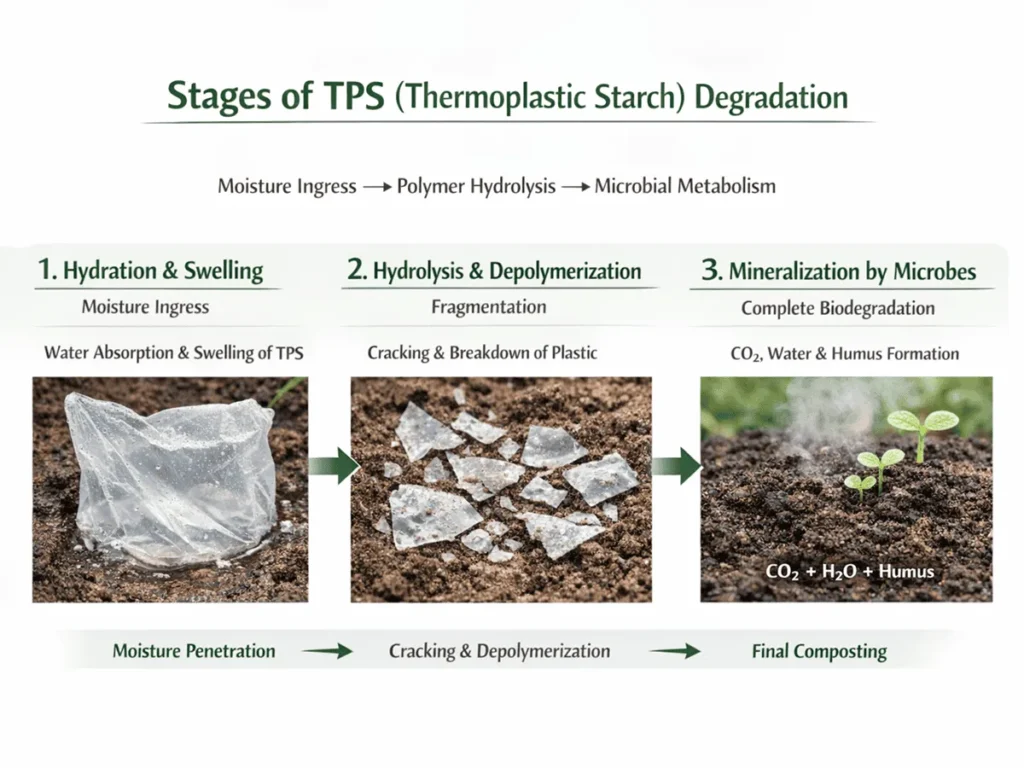
Unlike “oxodegradable” plastics that create microplastics, our TPS delivers authentic biodegradation.
- Industrial Composting: Disintegrates within 90-180 days into CO₂, water, and nutrient-rich biomass.
- Soil Integration: Breaks down naturally without leaving toxic residues, supporting a true circular economy.
Key Insight: TPS formulations certified for food contact typically contain native starch, plasticizers (glycerol, sorbitol), and approved processing aids. All components meet food-grade specifications. No heavy metals, no phthalates, no concerning additives.
Ready to Explore TPS for Your Food Packaging?
Stop guessing about costs and compatibility. Our technical team is ready to provide a customized TPS feasibility analysis for your specific food packaging requirements.
- Get a direct price quote for premium TPS resins.
- Receive technical guidance on machine parameter adjustments.
- Confirm regulatory compliance for your target export markets.
Technical Specifications & Performance (For Packaging Engineers)
For packaging engineers, material selection is a balance of mechanical integrity and functional barriers. Our high-performance TPS formulations are engineered to bridge the gap between traditional polymers and compostable requirements.
Mechanical Performance Comparison
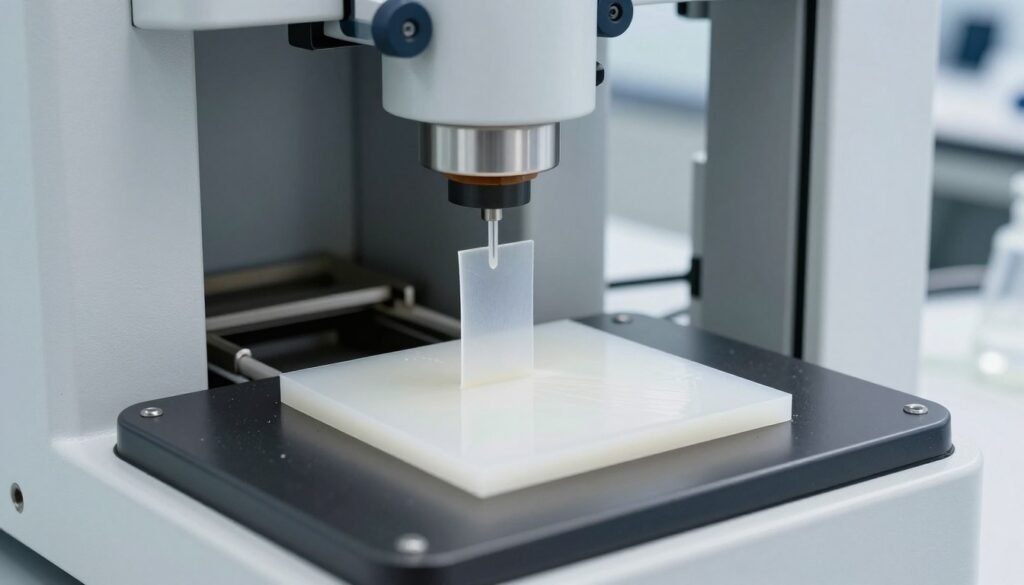
TPS fills the functional niche between LDPE and PP. While neat starch is naturally brittle, our modified TPS grades exhibit enhanced ductility and impact resistance.
| Property | Modified TPS | LDPE | PP | PLA |
| Tensile Strength (MPa) | 18 – 35 | 8 – 25 | 30 – 40 | 50 – 70 |
| Elongation at Break (%) | 40 – 250 | 100 – 600 | 100 – 600 | 2 – 10 |
| Young’s Modulus (GPa) | 0.5 – 1.8 | 0.2 – 0.4 | 1.3 – 1.8 | 3.0 – 4.5 |
| Density (g/cm³) | 1.25 – 1.35 | 0.92 | 0.90 | 1.25 |
Engineering Note: By blending TPS with biopolyesters (like PBAT or PLA), we can customize the elongation profile from 40% (stiff trays) to over 400% (flexible films).
Thermal Processing Window
TPS operates at a significantly lower energy profile than traditional resins, reducing both carbon footprint and utility costs.
- Melting Range: 140°C – 170°C (Optimized for standard extruders).
- Glass Transition (Tg): Customizable from -40°C to +15°C, ensuring flexibility in frozen food applications.
- Thermal Stability: Optimized for high-speed production; stable up to 190°C under controlled residence times.
Advanced Barrier Solutions
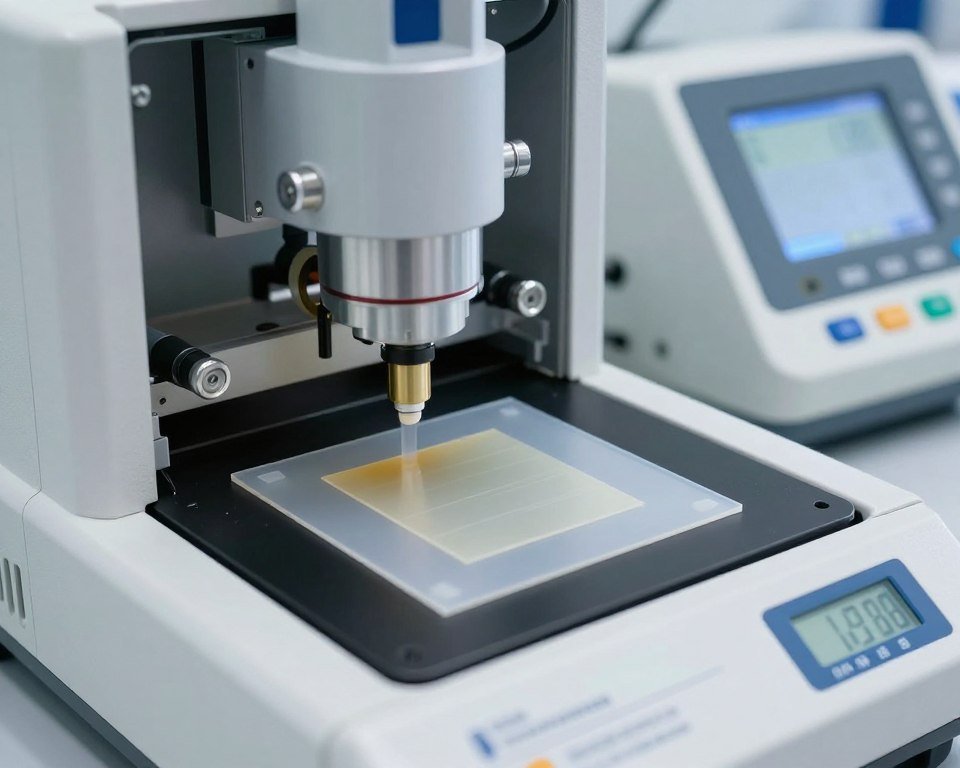
While pure starch is hydrophilic, our proprietary TPS blends address moisture and oxygen transmission challenges through molecular engineering.
- Oxygen Barrier: Exceptional performance in dry conditions (superior to most synthetic plastics).
- Moisture Resistance: Enhanced through PLA/PBS alloy technology and bio-based coatings.
| Material | O2 Permeability (Dry) | WVTR (90% RH) | Best Use Case |
| Neat TPS | < 5 | 1000+ | Dry food wraps |
| TPS-PLA Blend | 15 – 60 | 180 – 450 | Cutlery, Trays, Containers |
| PP / LDPE | 150+ | 5 – 15 | Long-shelf-life liquids |
Formulation Control & Quality Assurance
We offer precision-grade resins tailored to your specific processing method:
- Starch Source: High-amylose corn or premium tapioca for superior film clarity.
- Plasticizer Matrix: Food-grade glycerol and sorbitol systems for non-migratory safety.
- Compliance: Every batch is shipped with a Certificate of Analysis (COA) verifying mechanical specs, moisture content, and heavy-metal-free status.
Pro Tip for Engineers: For rigid food trays requiring high impact strength, we recommend our TPS-PLA 60/40 blend. It offers the stiffness of PS with the full biodegradability required for modern export markets.
Need Technical Consultation for Your Specific Application?
Our materials engineers provide complimentary technical consultation to help you select the optimal TPS formulation. We’ll analyze your packaging requirements, processing capabilities, and performance targets to recommend the best solution.
Applications in the Food Industry
Theory meets profitability in the production line. TPS isn’t just a sustainable concept; it is a high-performance resin currently replacing conventional plastics across these five critical food sectors.
Dry Foods & Bakery: The "Golden Standard" for TPS
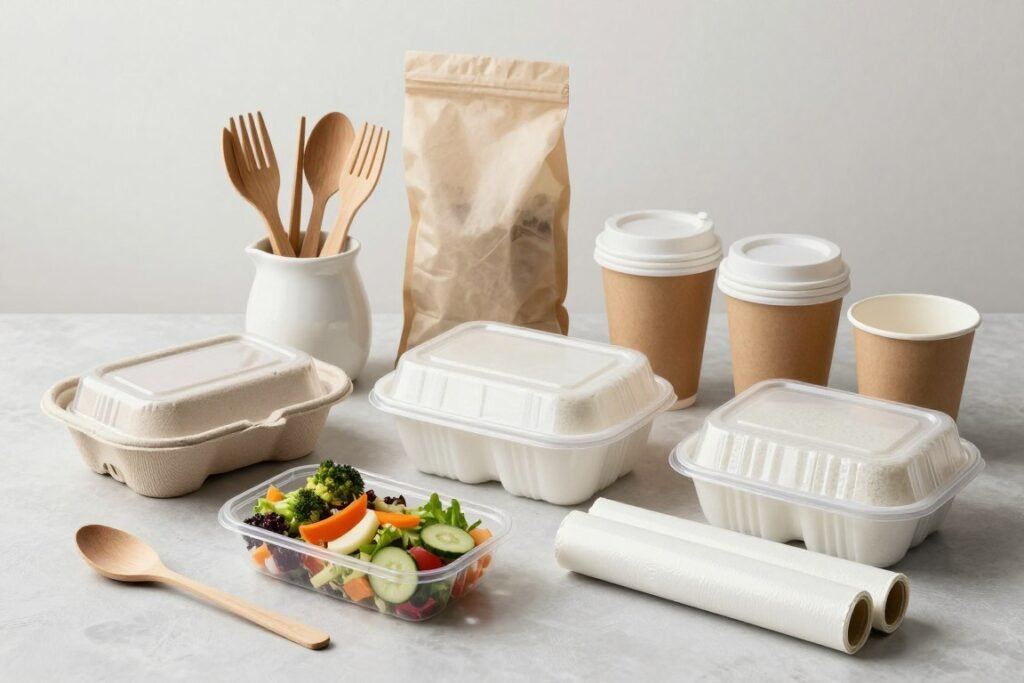
For products with low moisture, TPS offers the most cost-effective path to sustainability.
- Bakery & Bread: TPS films provide controlled moisture vapor transmission, preventing mold growth while maintaining crust texture.
- Pasta & Grains: High-clarity TPS window bags allow product visibility while maintaining the “artisan” brand image.
- Coffee & Tea: Fully compostable single-serve pods and over-wraps that align with premium eco-branding.
Fresh Produce: Naturally Breathable Packaging
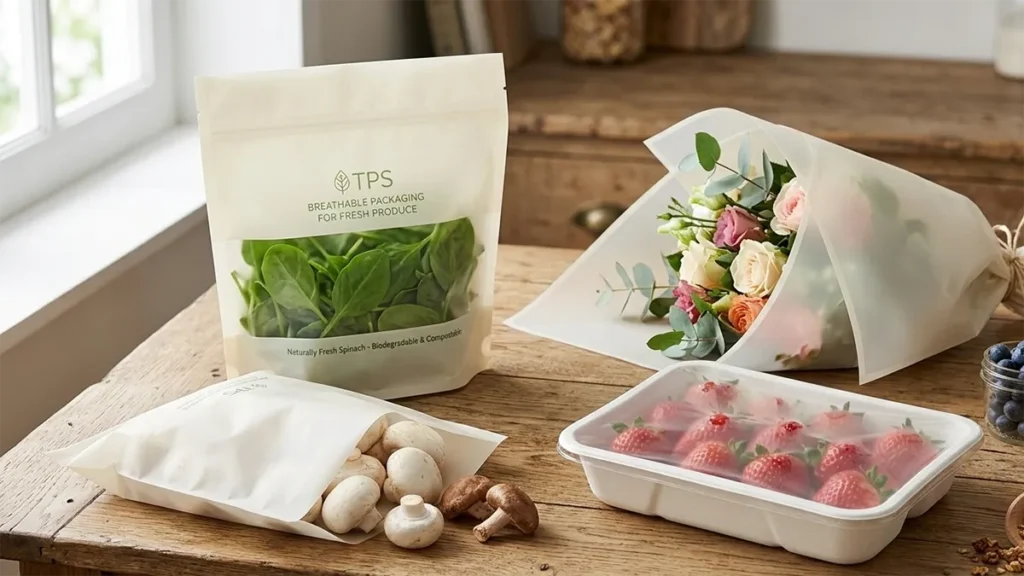
Fresh fruits and vegetables need to “breathe” to avoid premature spoilage. TPS’s naturally higher permeability is a technical advantage here, not a limitation.
- Leafy Greens: Rigid TPS clamshells prevent bruising and eliminate static buildup.
- Mushrooms: Our films prevent the condensation common in PE packaging, extending shelf life significantly.
- Mesh Bags: High-strength TPS mesh for onions, potatoes, and carrots—durable enough for weight-bearing, yet 100% compostable.
Foodservice & Hospitality: Regulatory Compliance
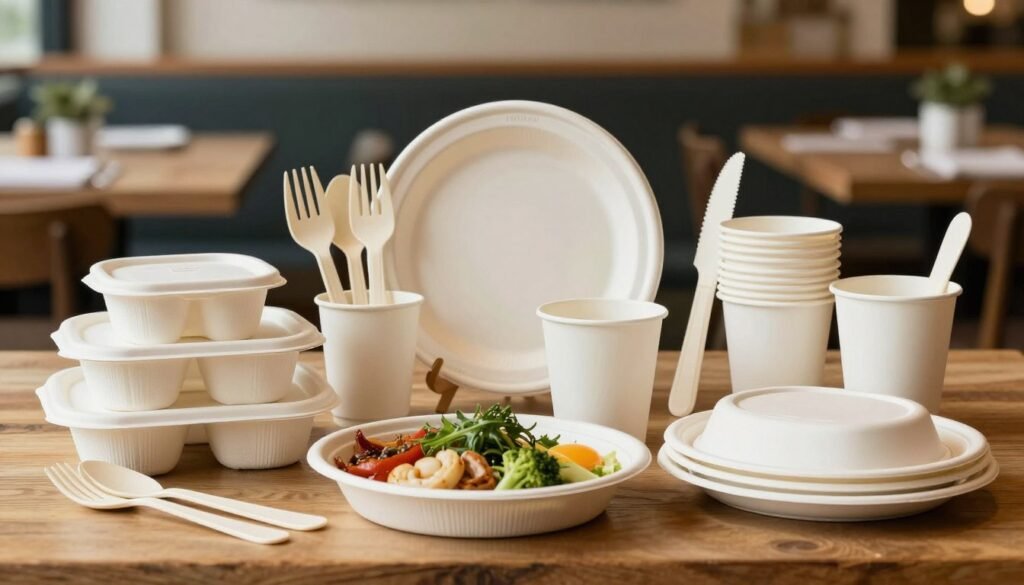
With global bans on single-use plastics (SUP), TPS is the primary resin for high-volume takeaway items.
- Precision Cutlery: High-stiffness TPS spoons, forks, and knives that perform like Polystyrene (PS).
- Thermoformed Containers: Clamshells and salad bowls that maintain structural integrity during transport.
- Cold-Drink Solutions: Rigid cups and lids for smoothies and iced coffee.
Dairy & Refrigerated: Engineered for Moisture Resistance
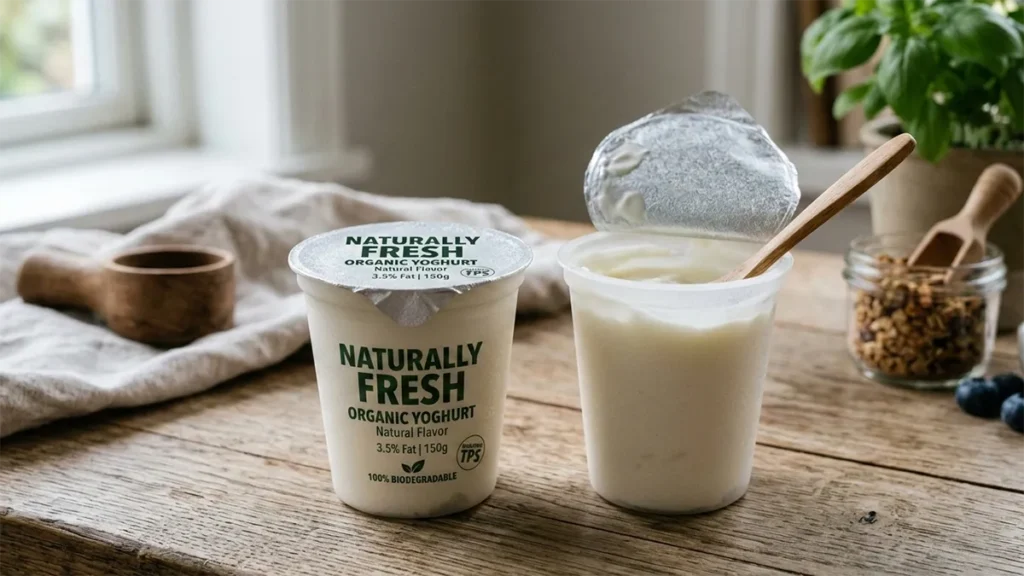
To overcome the challenges of cold storage, we offer Specific Grades (TPS+PLA/PBS Blends) designed for high-humidity environments.
- Yogurt & Cream Cups: Deep-draw thermoforming with excellent impact resistance at low temperatures.
- Cheese Wraps: Specialized flow-wrap films with enhanced oxygen barriers for hard cheeses.
Technical Tip: For refrigerated applications, we recommend our Low-Glycerol Grades to minimize moisture sensitivity.
Confectionery & Snacks: High-Gloss & Grease Resistance
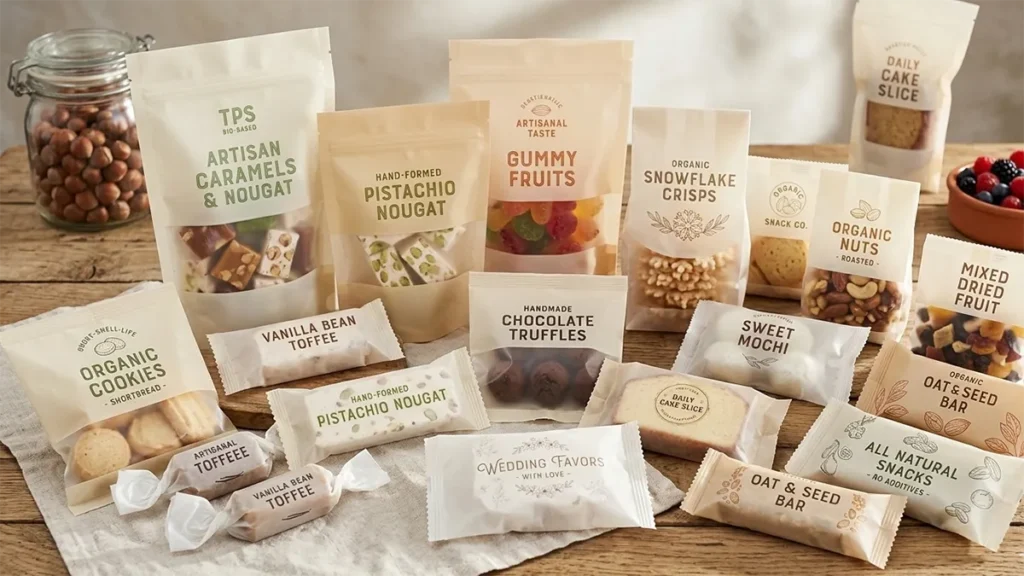
Protect flavor profiles and prevent grease migration with our specialized confectionery formulations.
- Individual Wraps:High-gloss, “twist-wrap” compatible films for candies and lollipops.
- Snack Packs: Multilayer structures combining TPS with bio-based barrier coatings to maintain crispness and aroma.
Ready to Transition to High-Performance TPS?
Choosing the right bioplastic depends on your shelf-life requirements and existing machinery. To provide you with a precise quote and material recommendation, please let us know:
- Your Application: (e.g., rigid trays, flexible films, or cutlery)
- Processing Method: (Injection molding, extrusion, or film blowing)
- Key Requirement: (e.g., high transparency, heat resistance, or specific barrier properties)
Cost-Efficiency: The Competitive Edge of TPS
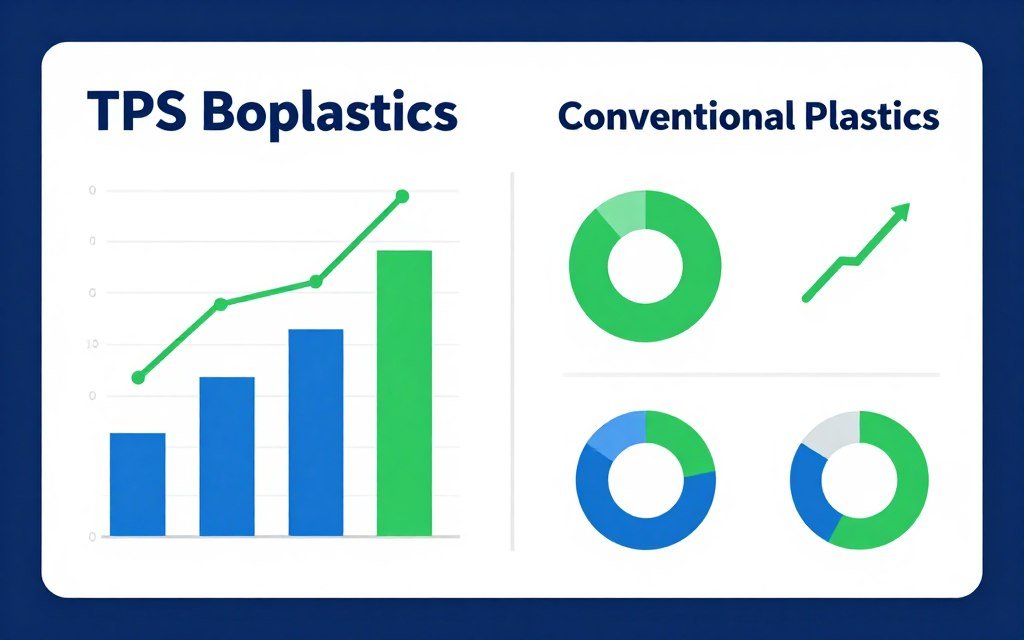
For most manufacturers, the barrier to “going green” is the premium price tag. Thermoplastic Starch (TPS) shatters this barrier by offering the most competitive price point in the bioplastics market. When you choose TPS, you aren’t just buying a resin; you are optimizing your entire cost of ownership.
Competitive Raw Material Pricing
Unlike petroleum-based resins (PP/PE) that fluctuate with oil prices, or premium biopolymers like PLA and PHA, TPS relies on abundant agricultural feedstocks.
- The “Cost Leader” among Bioplastics: TPS is consistently 30–50% more affordable than PLA, making it the only viable option for high-volume single-use items.
- Thailand Advantage: Our strategic sourcing of local tapioca starch eliminates import duties and minimizes logistics costs, providing you with a stable, year-round pricing structure.
| Material Type | Price Index (PP = 100) | Regulatory Impact | Supply Stability |
| TPS (Neat/Blends) | 85 – 115 | Exempt from Plastic Taxes | High (Local Sourcing) |
| Conventional PP | 100 | High (Increasing Taxes) | Moderate (Oil Dependent) |
| PLA | 170 – 200 | Exempt | Moderate |
| PHA | 300+ | Exempt | Low (Limited Capacity) |
Zero-CAPEX Integration
You don’t need a new factory to transition to TPS. Our grades are designed for Zero-CAPEX (Capital Expenditure) integration.
- Equipment Compatibility: Runs on your existing injection molding and extrusion lines with minor parameter optimization.
- Energy Savings: Processing at 20–30°C lower than PP significantly reduces your monthly utility bills and shortens cooling cycles, increasing your units-per-hour output.
The "Hidden" ROI: Compliance & Waste Reduction
Total Cost of Ownership (TCO) extends beyond the price per kilogram.
- Tax Avoidance: Avoid the “Plastic Taxes” and Carbon Border Adjustment Mechanisms (CBAM) that are now hitting petroleum-based exports.
- Waste Management: Off-spec production and scrap are 100% compostable, reducing industrial waste disposal fees and supporting a zero-waste manufacturing site.
Flexible Pricing Models for Scalable Growth
We support your transition from trial to mass production with a structured volume-pricing strategy:
- Trial Phase (Sampling): Low-barrier access for R&D testing.
- Contracted Volume (5+ Tons): Preferential rates with locked-in supply guarantees.
- Strategic Partnership (20+ Tons): Our lowest wholesale pricing, leveraging full economies of scale.
Real-World Cost Scenario: A medium-sized food packaging manufacturer in Thailand switching from LDPE to TPS for vegetable bags experienced: 8% lower raw material costs, 12% energy savings, 15% reduction in waste disposal fees, and 25% premium pricing with organic food retailers. Total cost of ownership decreased 6% while revenue increased 18% from premium positioning.
💡 Not sure which TPS grade fits your existing machinery?
Send us your current material specifications (Material type, MFR, and target application), and our technical team will provide:
- A recommended TPS-blend formulation.
- A projected ROI and energy-saving report.
- A competitive volume-based quotation.
Overcoming Challenges: The "Water & Strength" Problem
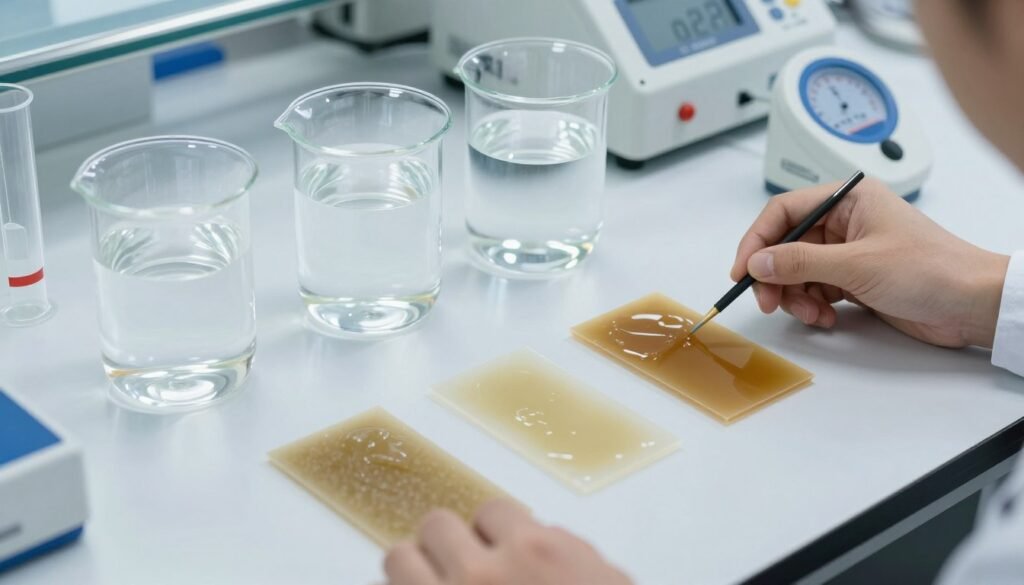
A transparent supplier is a reliable partner. At SALESPLASTICS, we acknowledge that native starch is naturally hydrophilic. However, through advanced molecular engineering and strategic blending, we have transformed this “weakness” into a controllable performance variable.
Understanding the Moisture Factor
Starch molecules interact with environmental humidity, which can affect mechanical stiffness.
- The Stability Window: Our engineered TPS maintains 90%+ of its structural integrity at relative humidity (RH) levels below 70%—ideal for the majority of global retail and ambient storage environments.
- Predictable Performance: We provide detailed stress-strain data across various humidity profiles, ensuring your packaging design accounts for real-world distribution.
Our Triple-Shield Strategy for Durability
We don’t just sell raw starch; we provide fortified formulations that utilize three primary stabilization technologies:
- A. Chemical Modification (Acetylation & Cross-linking): We modify the starch hydroxyl groups to reduce water affinity, ensuring the material remains crisp and strong even in tropical climates like Thailand.
- B. High-Performance Blending (TPS + PLA/PBAT): By alloying TPS with hydrophobic biopolyesters, we create a “sea-island” morphology. The PLA/PBAT acts as a protective shield, blocking moisture while the TPS provides cost-efficiency.
- C. Nano-Reinforcement: For high-end applications, we incorporate bio-based nano-fillers that create a “tortuous path” for gas and water molecules, drastically improving the oxygen barrier.
| Solution Level | Technology Applied | Ideal Application |
| Standard | Plasticized TPS | Dry food bags, short-term wraps |
| Advanced | TPS-PLA Alloy | Cutlery, rigid trays, coffee pods |
| Premium | Coated / Nano-filled | Long-shelf-life snacks, refrigerated dairy |
Struggling with moisture sensitivity in your current bio-based application?
Don’t let environmental factors limit your sustainable transition. Our technical team can help you select the precise TPS-PLA blend ratio or nano-reinforced formulation tailored to your specific storage conditions.
Sustainable Production and Circular Economy Integration
True sustainability is measured by the entire lifecycle—not just the end result. At SALESPLASTICS, our Thermoplastic Starch (TPS) is engineered to align with global Circular Economy principles, turning your packaging from a waste liability into a nutrient resource.
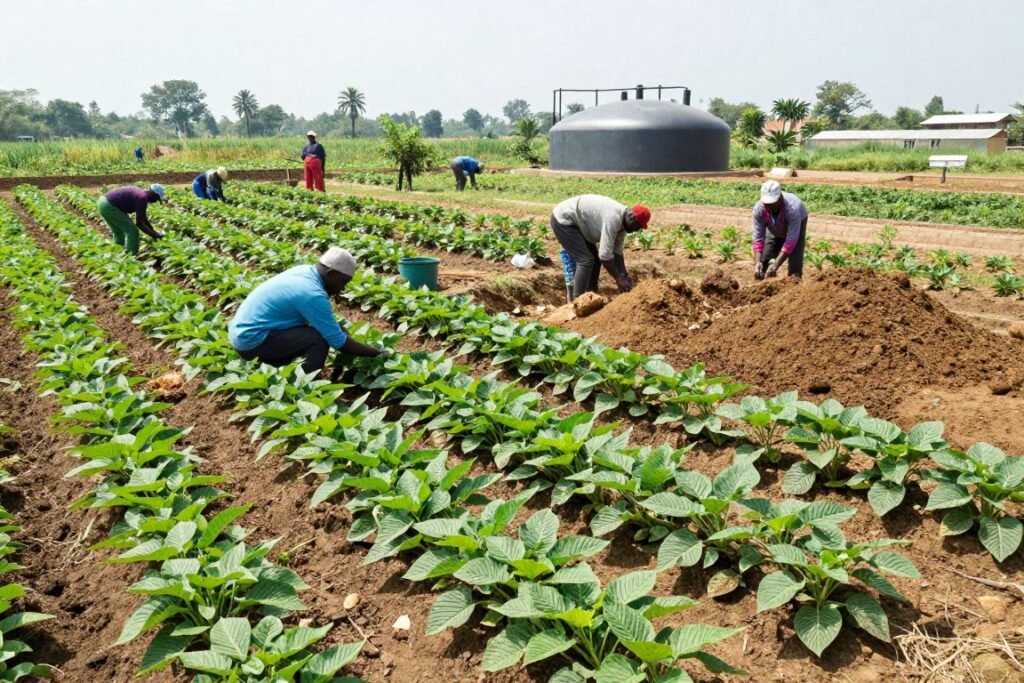
Sustainable Feedstock
- Non-Food Competition: Our tapioca is grown on marginal lands unsuitable for intensive food crops, eliminating “food-vs-fuel” ethical concerns.
- Low Water Footprint: Cassava is naturally drought-tolerant, requiring significantly less irrigation than corn (for PLA) or sugarcane.
- Zero Deforestation: Sourced from long-established agricultural zones, our feedstock involves no clearing of natural ecosystems or rainforests.
Carbon Footprint: A Decisive Climate Advantage
TPS acts as a carbon sink. Through photosynthesis, the source plants capture atmospheric CO₂, which is then stored within the polymer structure of your packaging.
| Material Type | Carbon Footprint (kg CO2-eq/kg) | Net Climate Impact |
| TPS (Renewable Energy) | 0.8 – 1.4 | Lowest |
| PLA (Corn-based) | 1.4 – 2.3 | Moderate |
| Conventional LDPE | 2.3 – 3.5 | High (Fossil-based) |
Energy Efficiency: Our processing temperatures are 20–40°C lower than traditional plastics, directly reducing the “Scope 2” emissions of your manufacturing facility.
Quality Standards, Certifications, and Regulatory Compliance
In the regulated world of food packaging, a resin is only as good as its documentation. At SALESPLASTICS, we ensure our high-performance TPS grades meet the most stringent international standards, allowing you to export with total confidence.
Global Food Safety Standards
Our TPS formulations are rigorously tested to ensure they are non-migratory and organoleptically neutral.
- FDA Compliance: Formulated with substances recognized for North American food-contact applications.
- EU Regulation 10/2011: Fully compliant with European migration limits and plastic material directives.
- Thai FDA Approved: Certified for domestic production and food safety within Thailand.
- Safety Assurance: Every shipment includes comprehensive Migration Testing Reports and Heavy Metal analysis.
World-Class Compostability Credentials
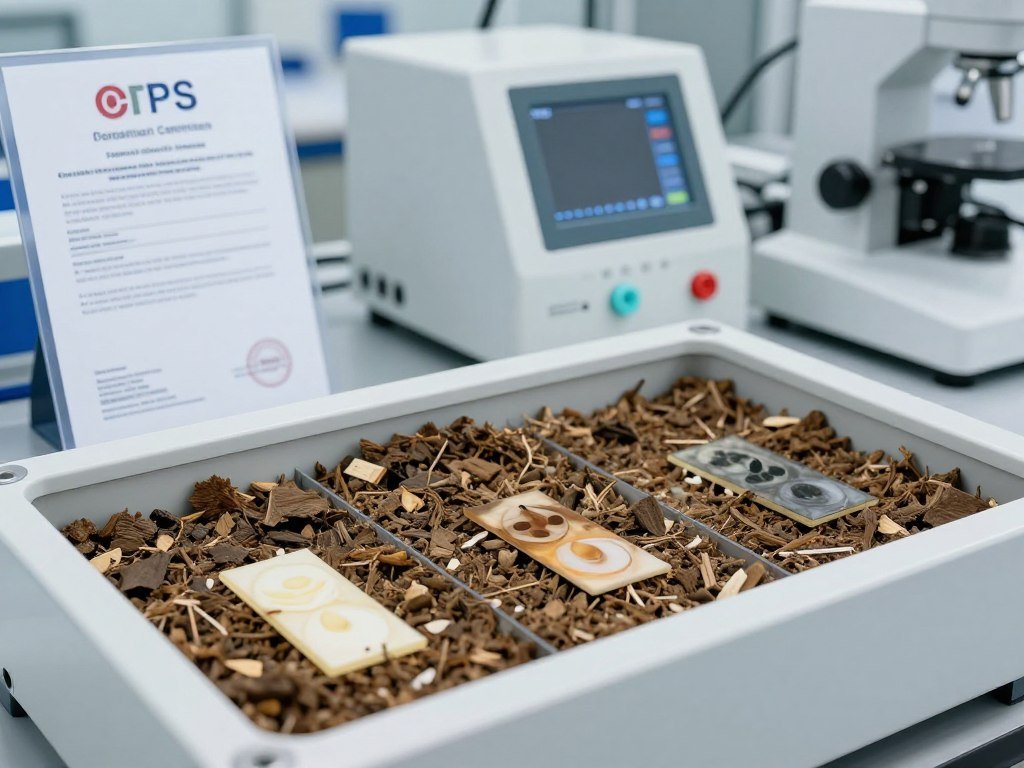
“Biodegradable” is a promise; “Certified Compostable” is a fact. Our materials are verified by third-party laboratories to ensure zero ecotoxicity and 100% disintegration.
- EN 13432 (Europe) & ASTM D6400 (USA): The industry benchmarks for industrial compostability.
- OK Compost / BPI Certified: We provide the necessary documentation to help your end-products carry these prestigious marks.
- Home Compostable Grades: Specialized TPS-PBAT blends available for backyard composting requirements.
Quality Management & Traceability
Consistency is our core competency. We operate under a robust quality framework to ensure that Batch #100 is identical to Batch #1.
- ISO 9001:2015: Standardized manufacturing processes for consistent resin morphology.
- ISO 14001: Committed to minimizing the environmental impact of our production sites.
- FSSC 22000 Ready: Our manufacturing chain adheres to peak food safety management protocols.
Future Developments and Innovation Roadmap
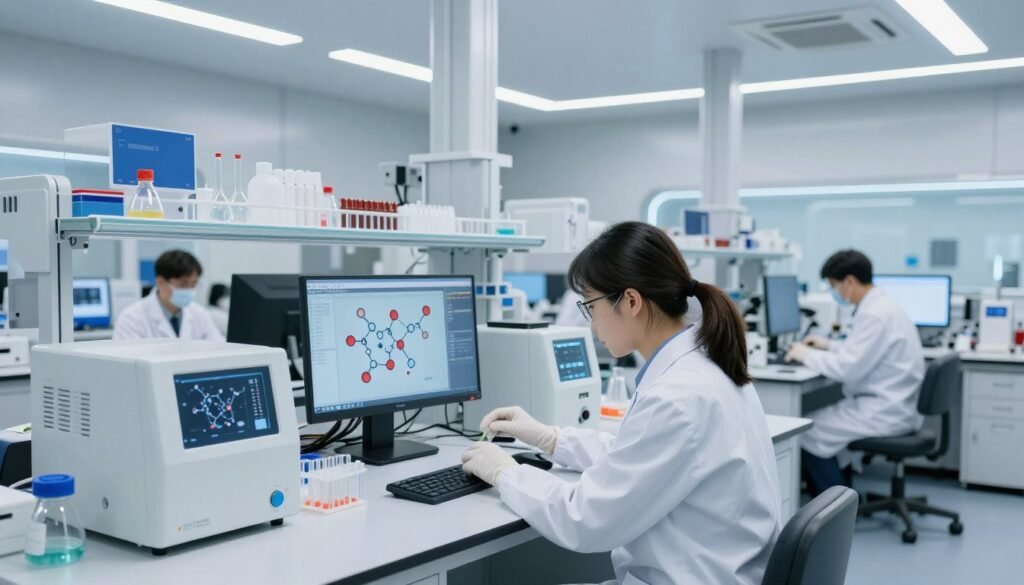
The bioplastics industry is moving at an unprecedented pace. At SALESPLASTICS, we don’t just supply resin; we stay at the forefront of polymer science to ensure our customers remain competitive in a rapidly evolving market.
Advanced Material Engineering: Solving the Moisture Gap
Next-generation TPS is currently transitioning from labs to production lines. We are focusing on:
- Hydrophobic Plasticizers: Developing bio-based additives that repel water at the molecular level, offering TPS stability that rivals conventional PP.
- Graft Copolymerization: Enhancing the starch backbone to achieve superior mechanical strength and longer shelf-life for high-moisture foods.
- Hybrid Nano-Composites: Utilizing synergistic clay and cellulose reinforcements to create ultra-thin, high-barrier films for the premium snack market.
Strategic Market Expansion
As material performance stabilizes, TPS is moving beyond food packaging into higher-value sectors:
- Agricultural Revolution: Advanced mulch films that biodegrade directly into the soil, eliminating costly removal and plastic pollution.
- Medical & Pharma: Single-use, sterile components that offer high safety profiles with zero environmental footprint.
- Smart Packaging: Integration of TPS with bio-sensors to monitor food freshness in real-time.
Market Projection: Industry analysts forecast 15-20% annual growth in TPS consumption through 2030. Asia-Pacific region, including Thailand, shows highest growth rates driven by local agricultural resources, expanding middle class, and progressive environmental policies. This growth trajectory suggests TPS transitions from niche material to mainstream packaging solution within current decade.
Partner with Us: Your Path to Sustainable Packaging Success
Transitioning to bio-based packaging is a strategic journey. At SALESPLASTICS, we move beyond being a resin vendor—we act as your dedicated technical partner. From the first trial run to full-scale global distribution, our goal is to ensure your transition to TPS is seamless, profitable, and risk-free.
Technical Mastery at Your Service
Don’t let processing curves slow you down. Our engineering team brings decades of biopolymer expertise to your production floor.
Technical Services We Provide
- Custom Formulations: We don’t believe in “one size fits all.” We tailor starch types and plasticizer ratios to your specific machinery.
- On-Site & Remote Optimization: Whether you need a technician in your factory in Bangkok or a video consultation in Europe, we resolve processing issues within 24 hours.
- Full Lab Validation: We provide in-house mechanical testing, barrier analysis, and shelf-life simulation to de-risk your investment before you launch.
Agile Supply Chain & Thailand Advantage
Strategically based in the heart of global tapioca production, we offer logistical and financial benefits that competitors can’t match:
- Global Express Sampling: Get your 5kg – 25kg trial batches shipped within 3 business days.
- Flexible Volume: From 1-ton initial runs for SMEs to 100-ton recurring contracts for global brands.
- Price Stability: Our local feedstock integration insulates you from the volatility of international petroleum and shipping markets.
get in touch
Email: sales@salesplastics.com
Business Hours
- Monday – Friday: 9:00 AM – 6:00 PM (ICT)
- Saturday & Sunday: Closed
- Technical support available 24/7 for urgent issues
Quick Response Commitment
We respond to all inquiries within 24 hours during business days. Urgent technical issues receive immediate attention. Sample requests ship within 3-5 business days. Quote requests receive response within 48 hours.
Conclusion
The global packaging industry is no longer at a crossroads—the shift toward sustainable, bio-based materials is now a mandate. As regulations tighten and consumer demand for circularity peaks, Thermoplastic Starch (TPS) emerges as the most balanced, cost-effective, and industrially viable solution available today.
Why Leading Manufacturers Choose Our TPS Solutions:
- True Circularity: A 100% renewable, soil-to-soil material flow that eliminates microplastic pollution.
- Economic Viability: A rare “green” alternative that rivals the cost of conventional resins while reducing energy consumption.
- Seamless Integration: No massive CAPEX—our TPS grades are engineered for your existing PP and LDPE production lines.
- Global Compliance: From FDA and EU 10/2011 to TÜV OK Compost, we provide the “passport” your products need for international export.
The future of packaging is no longer a distant concept; it is an operational reality. By partnering with SALESPLASTICS, you gain more than a resin supplier—you gain a technical ally dedicated to navigating the complexities of the bio-based transition.

