Polypropylene (PP) remains one of the most widely consumed thermoplastics in global manufacturing, owing to its well-balanced performance and cost advantages. As applications continue to expand across packaging, automotive, consumer goods and industrial sectors, understanding its core strengths and inherent limitations has become essential for material selection and engineering design.
This article examines the key advantages and disadvantages of PP, supported by its fundamental material properties and real-world performance characteristics.
What is Polypropylene (PP)?
Polypropylene (PP) is a versatile, semi-crystalline polyolefin thermoplastic derived from the polymerization of propylene monomers. By leveraging advanced catalyst systems, such as Ziegler-Natta or Metallocene technologies, manufacturers precisely calibrate the molecular architecture to achieve specific mechanical and thermal profiles.
Core Material Classification
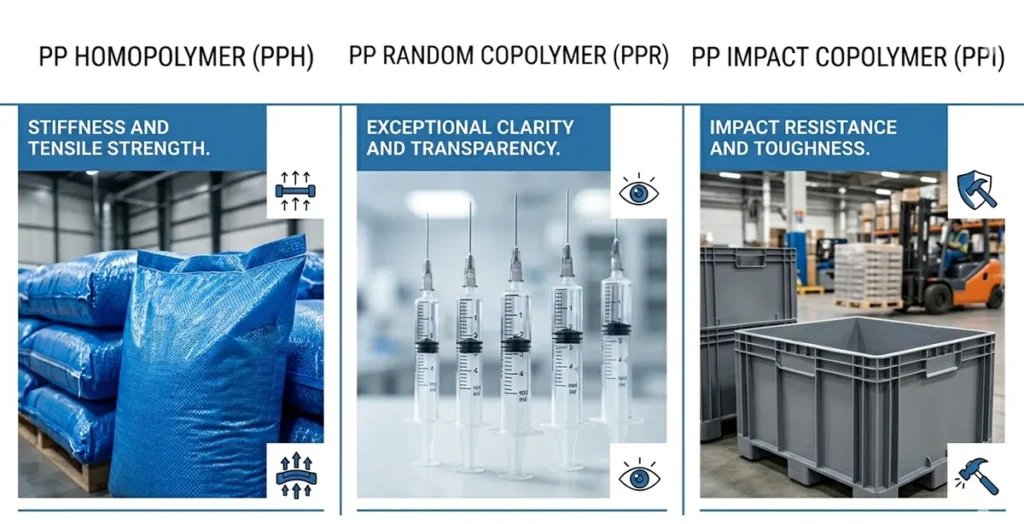
Commercially, PP is categorized into three primary grades based on its chemical composition:
- PP Homopolymer (PPH): The most widely used general-purpose grade. It offers the highest stiffness-to-weight ratio and excellent chemical resistance at elevated temperatures.
- PP Random Copolymer (PPR): Synthesized by incorporating small amounts of ethylene. This disrupts the crystalline structure, resulting in superior optical clarity and greater flexibility.
- PP Impact Copolymer (PPI): A heterophasic mixture containing a rubbery phase (EPR). It is engineered specifically for high-impact strength, particularly in low-temperature environments where standard PP might become brittle.
| Feature | PP Homopolymer (PPH) | PP Random Copolymer (PPR) | PP Impact Copolymer (PPI) |
| Molecular Structure | Single propylene monomer unit | Propylene + small amount of Ethylene (randomly distributed) | Heterophasic (PP matrix + EPR rubber phase) |
| Stiffness / Modulus | Highest | Moderate to Low | Moderate |
| Impact Strength | Low (Brittle at low temps) | Moderate | Highest (Excellent at sub-zero) |
| Optical Clarity | Translucent (Hazy) | High (Excellent Transparency) | Opaque |
| Melting Point | Highest (~165°C) | Lowest (140°C – 155°C) | High (~160°C – 165°C) |
| Best Used For | High-stiffness fibers, filaments, and food packaging. | Transparent medical tubes, clear housewares, and piping. | Automotive parts, heavy-duty crates, and power tool housings. |
Deep Dive: The melting point variations across different PP grades significantly impact their processing behavior. For a detailed thermal analysis and safe processing temperature guide, see: Polypropylene (PP) Melting Point: Properties, Applications, and Safety Considerations.
Key Physical Characteristic: Low Density
A defining advantage of Polypropylene is its exceptionally low density, typically ranging from 0.89 to 0.91 g/cm³. As one of the lightest commodity plastics available, PP enables significant material savings and supports “lightweighting” initiatives in the automotive and logistics sectors without compromising structural integrity.
What are the Advantages of Polypropylene?
Polypropylene’s industrial dominance is a direct result of its unique physical properties translating into significant operational advantages. By understanding these core pillars, manufacturers can optimize both part performance and production economy.
At a Glance: Key Performance Benefits
- Processing: Low melting point and excellent melt flow enable energy-efficient, fast-cycle production without the need for pre-drying.
- Material: Exceptional strength-to-weight ratio, near-zero moisture absorption, and superior fatigue resistance (living hinges).
- Versatility: FDA-approved and medical-grade options available; compatible with injection molding, extrusion, and blow molding.
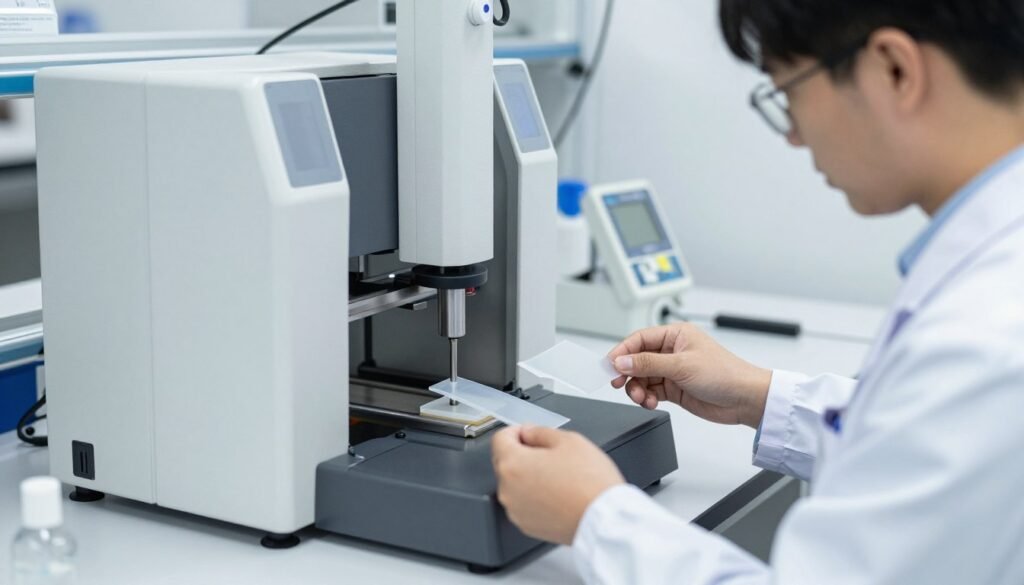
Exceptional Lightweighting & Material Efficiency
With a density of 0.89 – 0.91 g/cm³, PP is among the lightest commodity plastics.
- The Benefit: This allows for a higher yield of parts per kilogram of raw material compared to denser resins like PVC or PET. In the automotive sector, this directly supports fuel efficiency and EV range extension.
Superior Chemical Inertness & Hydrophobicity
Due to its non-polar molecular architecture, PP provides a peerless barrier against environmental degradation.
- The Benefit: It is virtually impervious to water (near-zero absorption) and maintains dimensional stability in humid environments. Its high resistance to acids, alkalis, and alcohols makes it the gold standard for chemical storage and medical consumables.
Safety Insight: Beyond its chemical resistance, Polypropylene is widely recognized as a safe, BPA-free material. For an in-depth look at its safety profile and FDA compliance, read: Is Polypropylene (PP) Safe and BPA-Free? Here’s What You Should Know.
Mechanical Durability & "Living Hinge" Integrity
PP offers a versatile mechanical profile, characterized by high flexural fatigue resistance.
- The Benefit: It is the only material capable of functioning as a “living hinge”—enduring millions of flexes without stress cracking. This eliminates the need for mechanical assemblies in packaging and consumer goods.
Optimized Processing Efficiency
- No Pre-drying Required: Unlike Polyamides (Nylon) or PET, PP’s hydrophobic nature removes the need for energy-intensive drying before injection molding.
- Low Energy Cycles: A relatively low melting point and high Melt Flow Index (MFI) reduce cycle times and energy consumption during high-volume production.
| Property | Typical Value | Industrial Impact |
| Melting Point | 160°C – 170°C | Energy-efficient processing |
| Tensile Strength | 30 – 40 MPa | Robust structural integrity |
| Water Absorption | <0.01% | Excellent dimensional stability |
| Recycling Code | 5 (PP) | Supports circular economy targets |
What are the Disadvantages of Polypropylene?
While Polypropylene is exceptionally versatile, its molecular structure imposes certain physical and chemical limitations. Understanding these constraints is essential for successful material selection and part design.
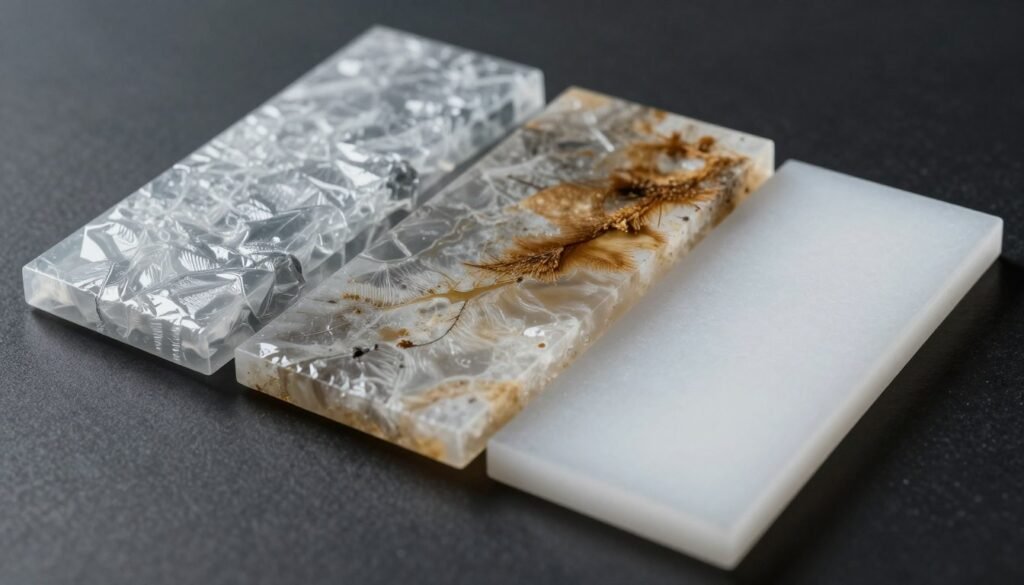
Thermal and Mechanical Constraints
- Low-Temperature Brittleness: Due to a relatively high glass transition temperature (Tg of -10℃ to 0℃), standard PP grades lose impact resistance in cold environments. Without modification, the material becomes prone to cracking and fracture below freezing.
- Limited Service Temperature: Unreinforced PP is not suitable for continuous-use applications exceeding 100℃. Sustained thermal exposure near its melting point can lead to significant creep and structural deformation.
Environmental and Chemical Vulnerabilities
- UV Degradation: As a polyolefin, PP is susceptible to photo-oxidation. Prolonged exposure to sunlight leads to “chalking,” discoloration, and loss of mechanical integrity unless stabilized with carbon black or UV-inhibitors.
- Flammability: PP is inherently flammable. It burns rapidly with a melting drip, necessitating the use of specialized flame-retardant (FR) additives for applications in the electronics or public transport sectors.
- Oxidation: Contact with strong oxidizing agents (e.g., concentrated bleach or manganese) can lead to rapid polymer degradation.
Surface Energy and Post-Processing Challenges
- Low Surface Energy (Adhesion): PP is chemically inert with a non-polar surface, making it notoriously difficult to paint, print on, or bond with adhesives. Achieving high bond strength typically requires surface treatments like corona discharge, flame treatment, or specialized primers.
- High Mold Shrinkage: The semi-crystalline nature of PP results in high mold shrinkage (typically 1.5% to 2.0%). This must be meticulously accounted for in mold design to prevent warpage and ensure dimensional precision.
Comparison of PP Limitations and Industrial Mitigations
| Constraint Category | Impact on Performance | Primary Mitigation Strategy |
| Impact at 0℃ | Brittleness and fracture risk | Use of Impact Copolymers or TPE/EPDM blending. |
| Dimensional Stability | Post-mold warpage and creep | Addition of mineral fillers (Talc/Calcium Carbonate). |
| Outdoor Weathering | Surface cracking and yellowing | Compounding with HALS (Hindered Amine Light Stabilizers). |
| Fire Safety | Fast flame spread | Incorporation of Halogen-free Flame Retardants (HFFR). |
| Secondary Bonding | Poor paint/glue adhesion | Plasma/Corona treatment or mechanical fastening. |
What is PP Polypropylene Used For?
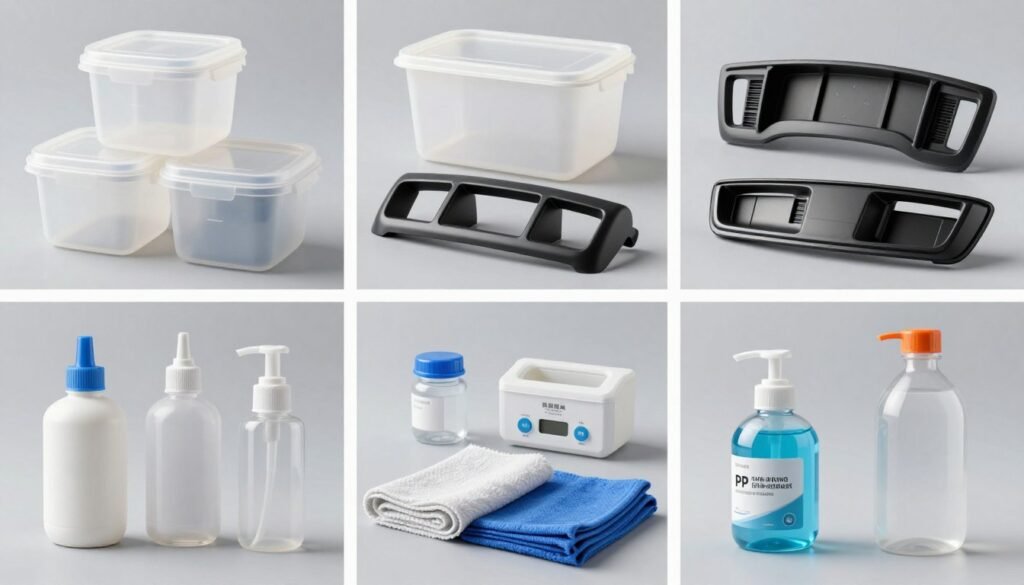
Polypropylene’s unique combination of chemical inertness, high fatigue resistance, and processing flexibility makes it a preferred material across a vast industrial spectrum. Below are the primary sectors and the strategic roles PP plays within them.
Advanced Packaging Solutions
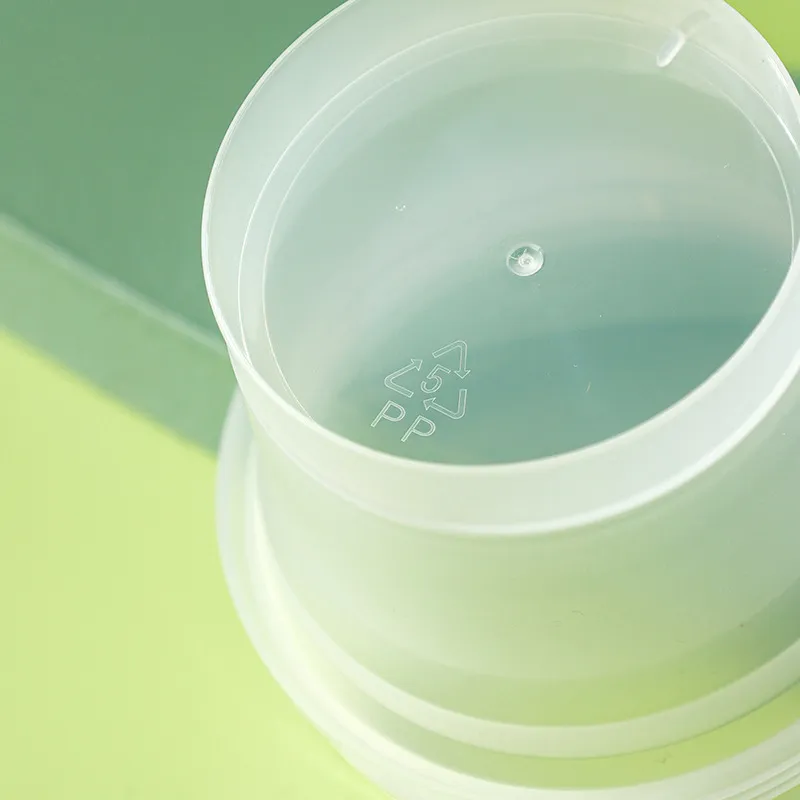
- The Advantage: PP provides a superior moisture barrier and excellent organoleptic properties (neutral taste/odor), combined with “living hinge” durability for repetitive opening.
- Applications: * Rigid: Microwaveable food containers, tamper-evident caps, and thin-wall dairy tubs.
- Flexible: Biaxially Oriented Polypropylene (BOPP) films for snack packaging and woven sacks for bulk logistics.
Automotive Systems & Lightweighting
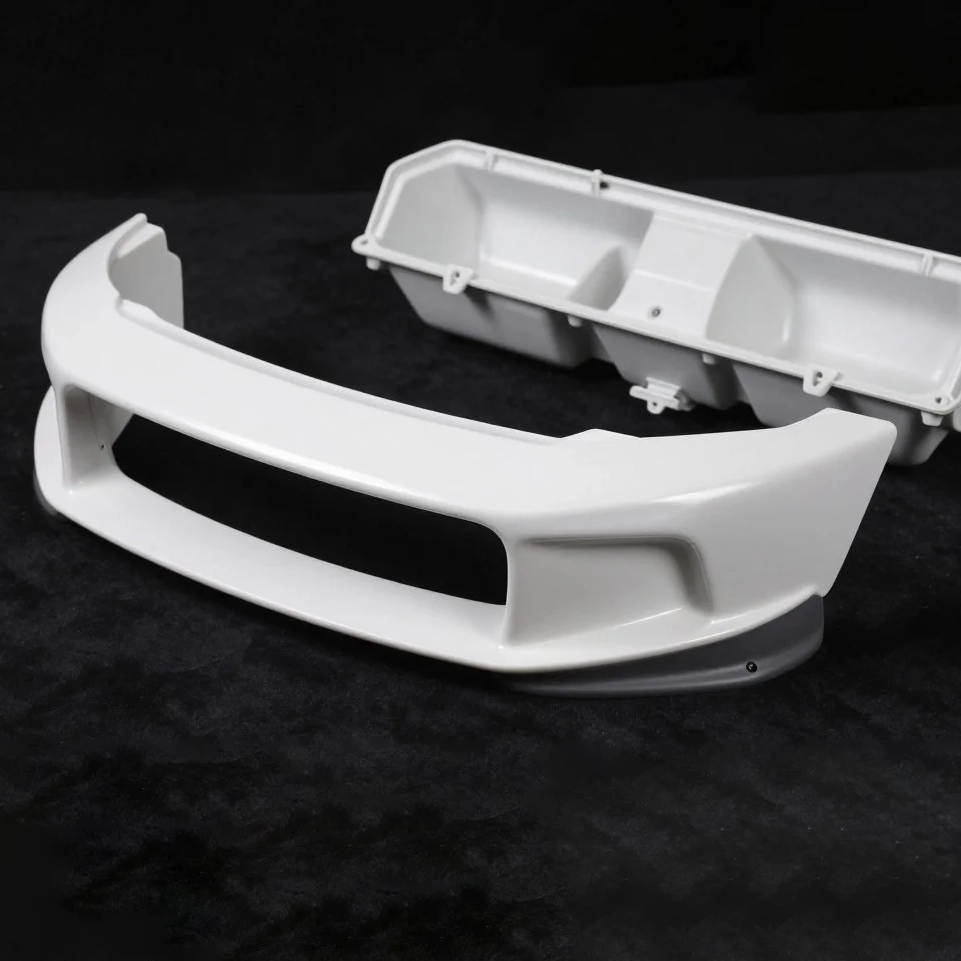
- The Advantage: PP is critical for reducing vehicle mass to enhance fuel efficiency and EV range, while impact-modified grades ensure passenger safety.
- Applications: * Interior: Dashboard carriers, door trim panels, and acoustic insulation.
- Exterior/Functional: Impact-resistant bumpers, battery housings, and under-the-hood fluid reservoirs.
Medical & Healthcare Essentials
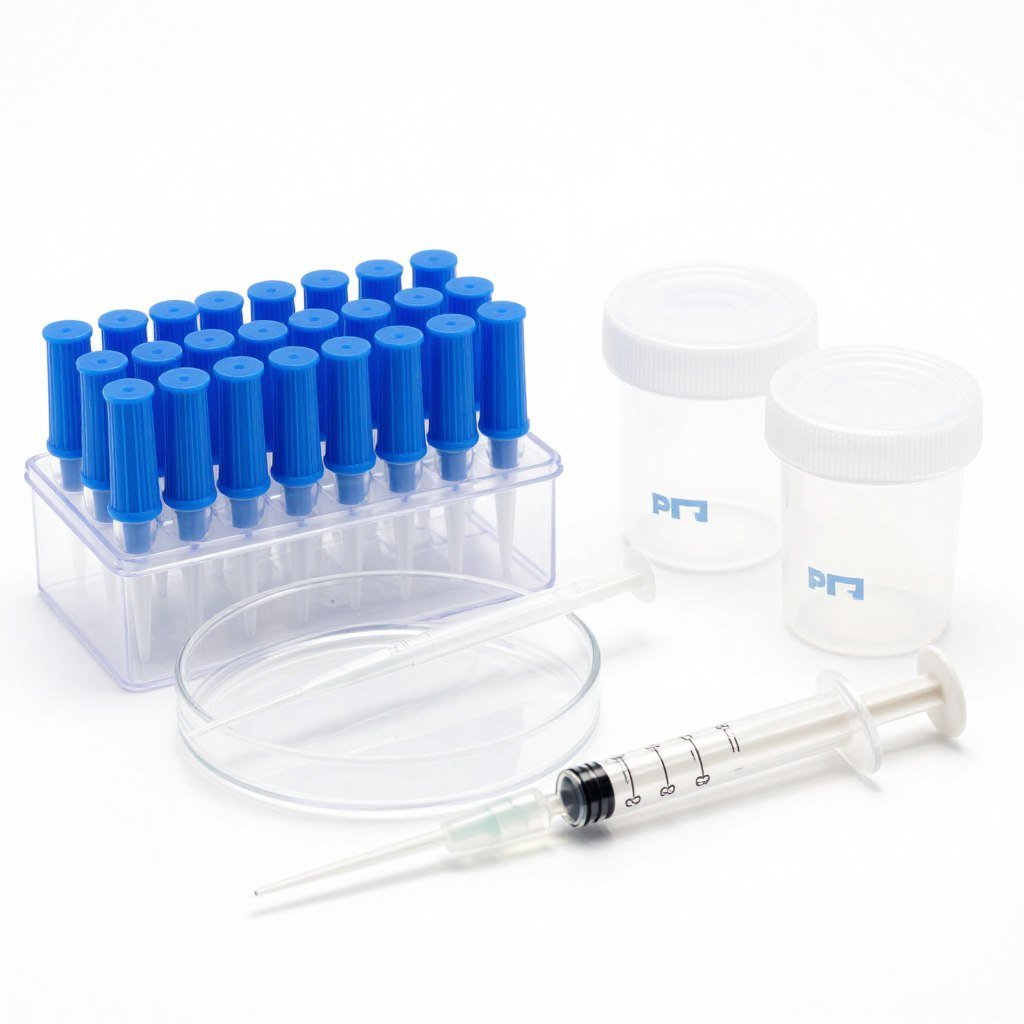
- The Advantage: Medical-grade PP offers high purity and autoclave compatibility (steam sterilization at 121°C), crucial for multi-use and single-use clinical tools.
- Applications: Disposable syringes, diagnostic test kits, specimen containers, and non-woven PPE (masks and gowns).
Technical Textiles & Nonwovens
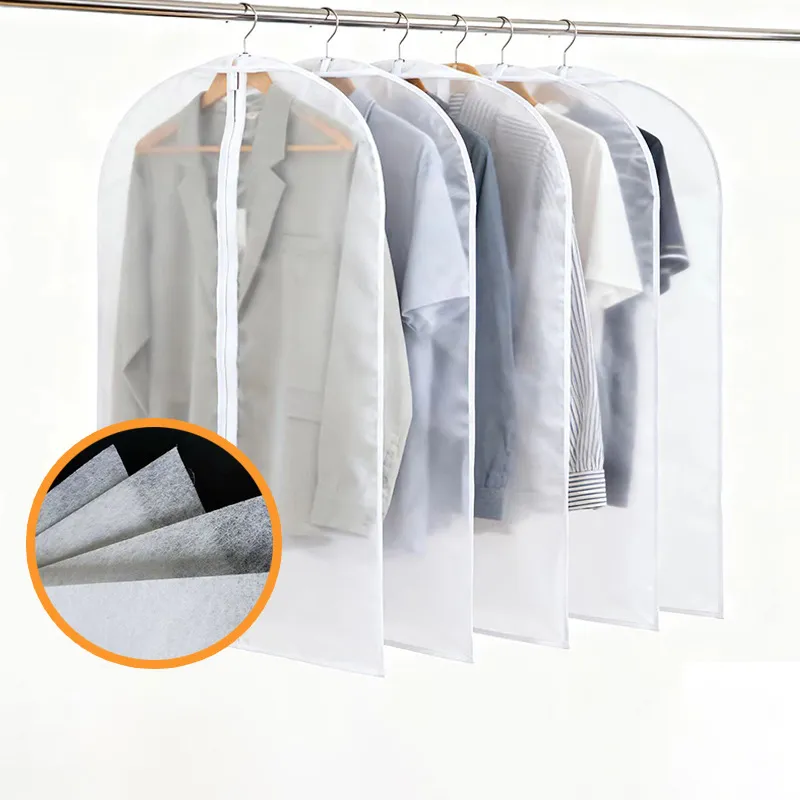
- The Advantage: High hydrophobic performance and resistance to mold and bacterial growth.
- Applications: Geotextiles for erosion control, carpet backings, and high-performance hygiene products (diapers and sanitary liners).
Industrial & Chemical Engineering
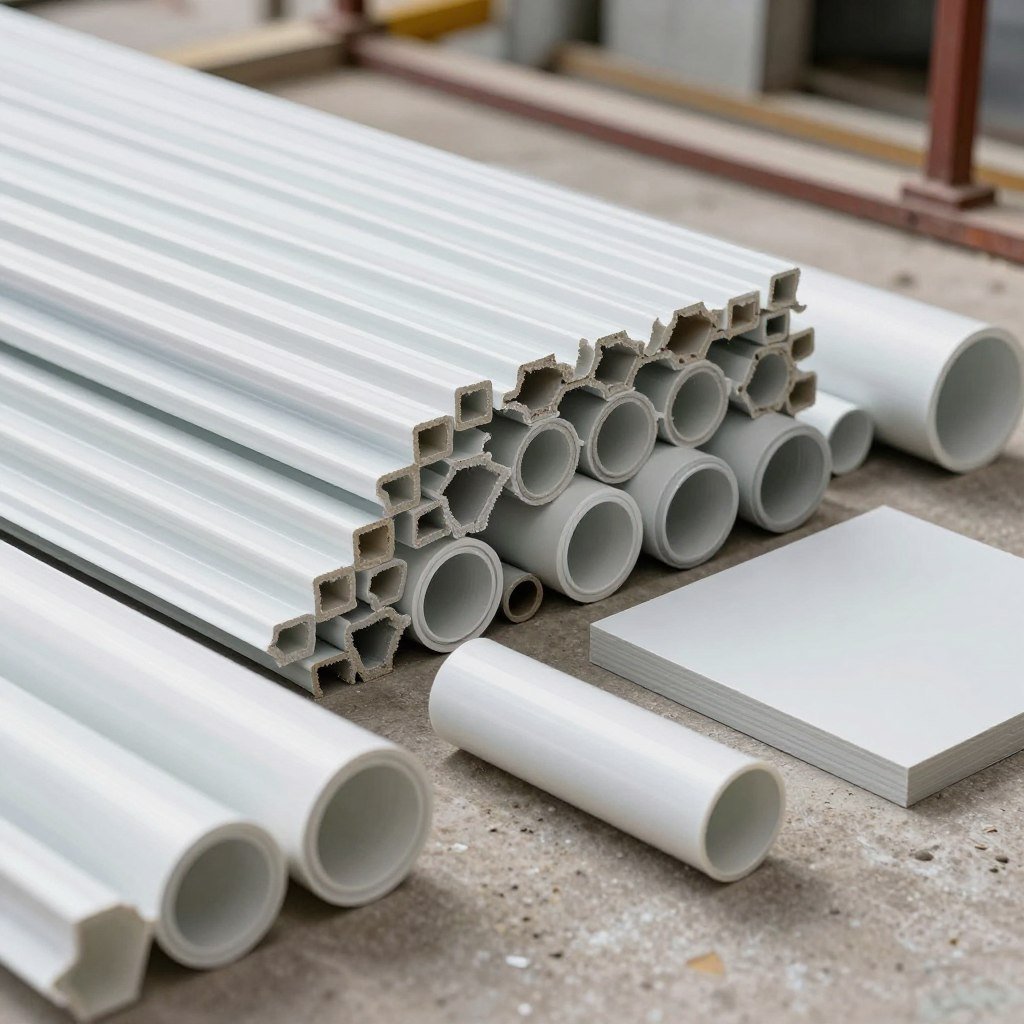
- The Advantage: Unmatched resistance to corrosive media and high dielectric strength.
- Applications: * Infrastructure: Chemical storage tanks, corrosion-resistant piping, and cable conduits.
- Electrical: High-voltage capacitor films and electronic component housings.
Consumer Goods & Durable Products
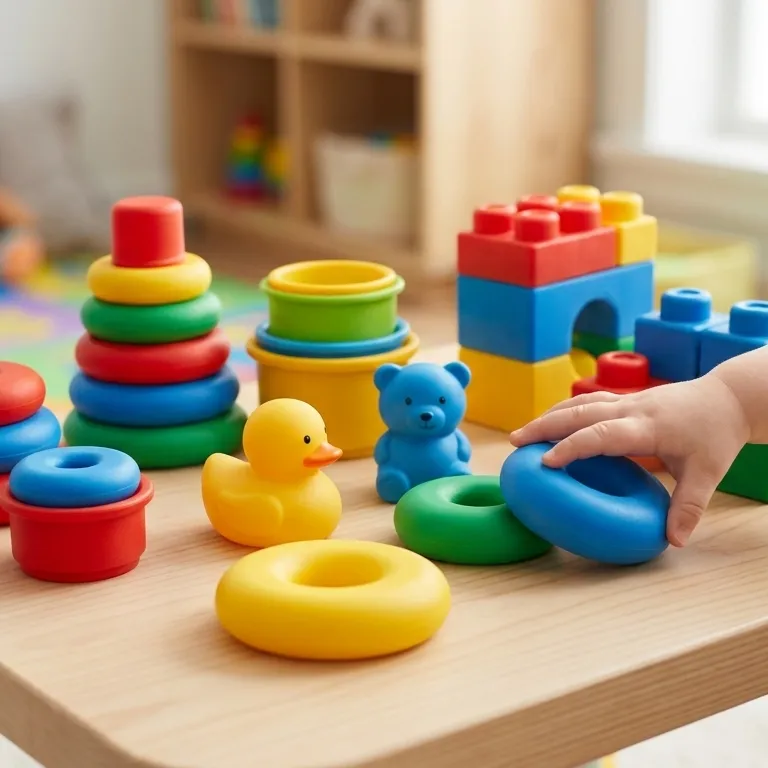
- The Advantage: UV stabilization and vibrant colorability ensure long-term aesthetic and structural performance in outdoor and indoor environments.
- Applications: Outdoor furniture, child-safe toys, and domestic storage systems.
Explore Industry-Specific Polypropylene Solutions
Our technical team can recommend the optimal polypropylene grade and formulation for your application.
About SalesPlastics: Your Partner
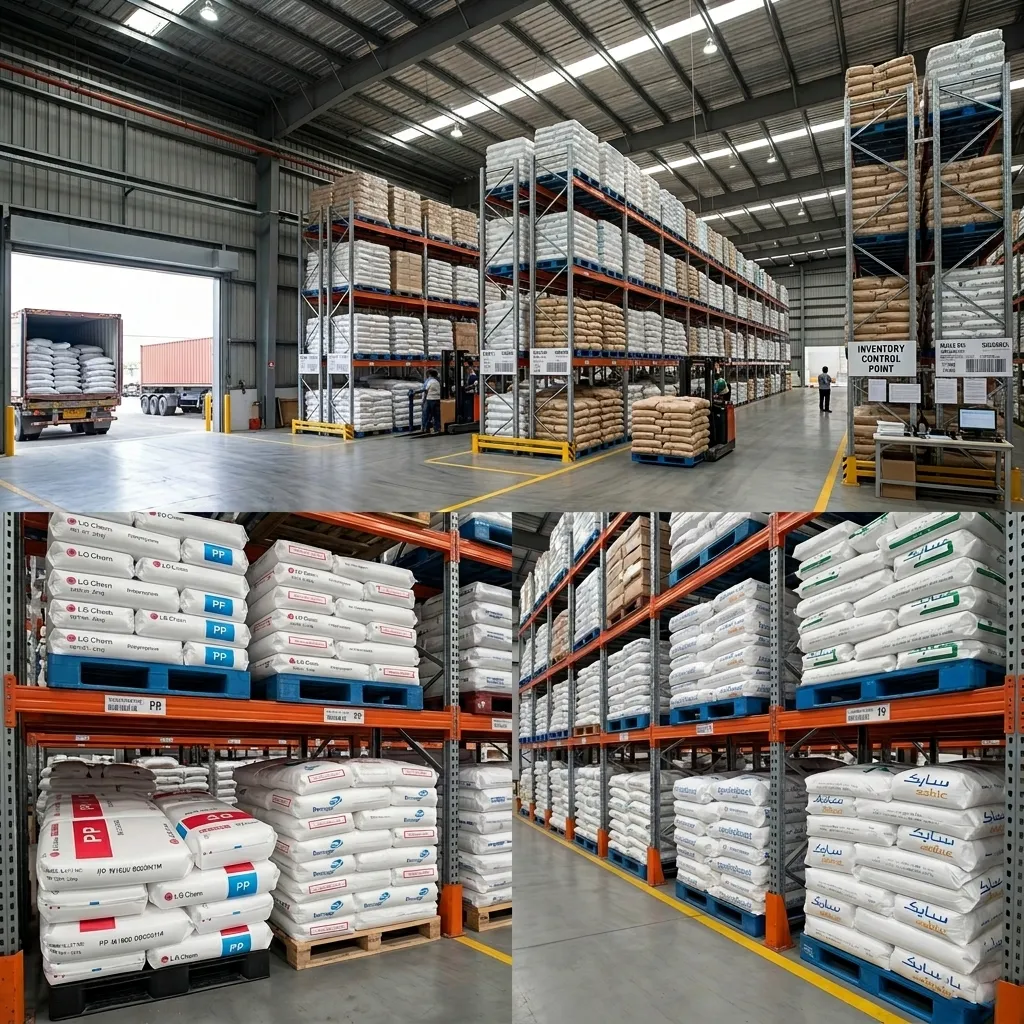
At SalesPlastics, we are more than a global distributor; we are a dedicated technical consultancy specializing in high-performance Polypropylene (PP) resins and engineering thermoplastics. We bridge the gap between material science and industrial application, ensuring manufacturers select the optimal grade for their specific production demands.
Our Material Portfolio
We maintain a comprehensive inventory of PP solutions tailored for diverse industrial sectors:
- Standard Resins: High-purity PPH (Homopolymers), PPR (Random Copolymers), and PPI (Impact Copolymers).
- Engineered Compounds: Glass-fiber reinforced, mineral-filled (Talc/CaCO3), and heat-stabilized formulations for demanding environments.
- Specialty Grades: FDA-compliant food contact materials, USP Class VI medical-grade resins, and UV-stabilized outdoor solutions.
- Sustainability Hub: Recycled PP options and bio-based polymer alternatives to support your carbon reduction goals.
Why Manufacturers Choose SalesPlastics
- Technical Consulting: Our specialists provide data-driven insights on Melt Flow Index (MFI) optimization, shrinkage control, and material benchmarking.
- Quality Assurance: Every shipment undergoes rigorous verification to ensure consistent mechanical properties and processing stability.
- Global Logistics: Headquartered in Jiaxing City, near the Shanghai Port, we leverage a robust supply chain to offer competitive pricing and reduced lead times for global deliveries.
- End-to-End Support: From initial part design review to troubleshooting on the factory floor, our application engineers help you minimize scrap and maximize throughput.
Contact Our Material Specialists
Looking for technical specifications, custom compounding, or a competitive quote? Our team is ready to help you engineer the perfect material solution.
Monday – Friday, 8:00 AM – 6:00 PM EST
Conclusion: Making Informed Polypropylene Decisions
Polypropylene (PP) continues to be a cornerstone of manufacturing, offering an unrivaled synergy of mechanical versatility, chemical inertness, and processing economy. However, its successful implementation hinges on a precise alignment between material grade selection and the specific functional requirements of the end product.
- Leverage Homopolymers for applications demanding maximum stiffness and thermal resistance.
- Utilize Copolymers (Random or Impact) when superior toughness, clarity, or low-temperature durability is non-negotiable.
- Integrate Advanced Compounds (filled or reinforced) to push the boundaries of heat deflection and structural load-bearing capabilities.
Beyond functional performance, the adoption of PP supports the transition toward a Circular Economy. By capitalizing on its low density for lightweighting and its high recyclability (Code 5), companies can achieve both operational efficiency and sustainability targets.
Ultimately, the complexity of additive packages and melt-flow optimization requires close collaboration with technical experts. Partnering with a specialized supplier like SalesPlastics ensures that your grade selection, processing parameters, and sustainability goals are perfectly synchronized to deliver reliable, high-quality results.