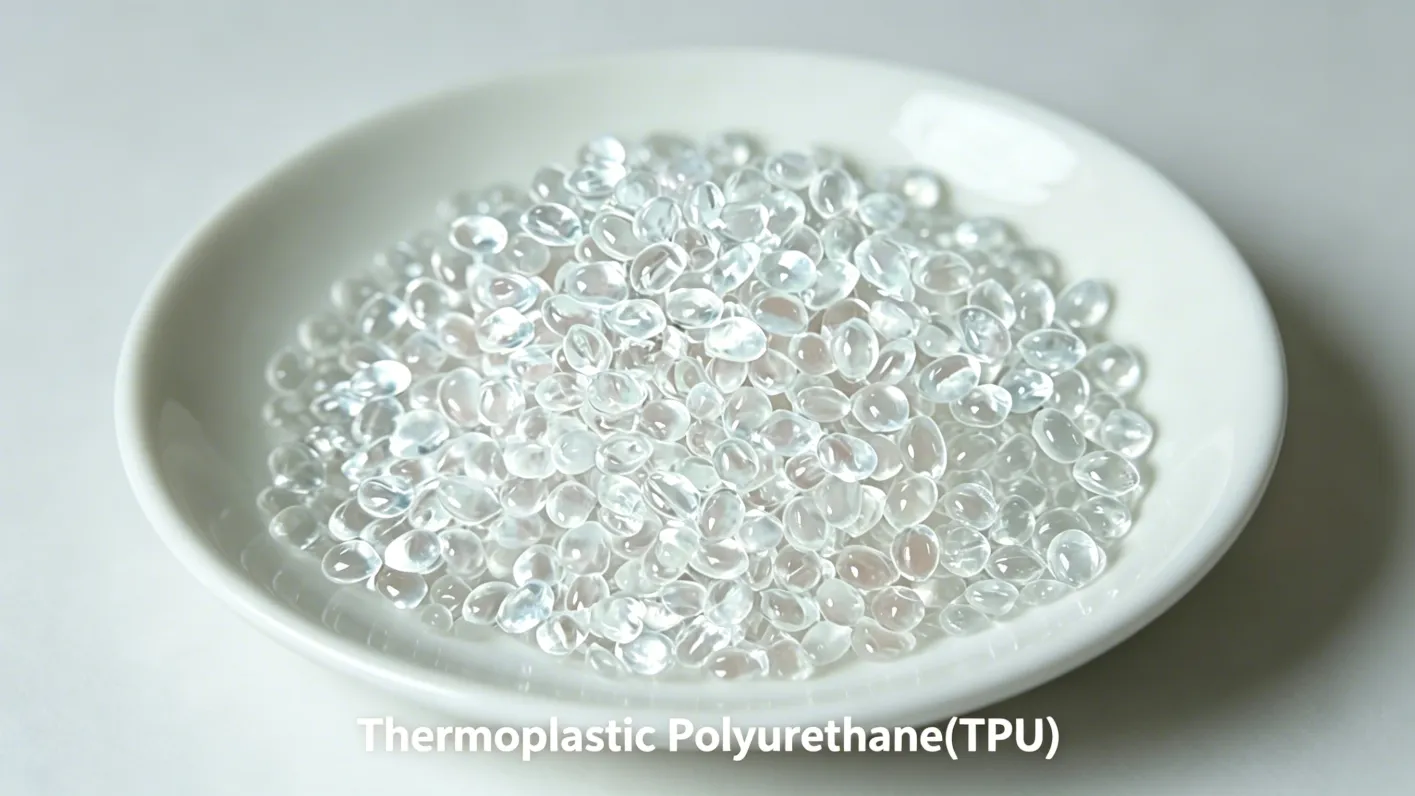
Thermoplastic polyurethane represents a versatile class of elastomeric materials that bridge the gap between rigid plastics and flexible rubbers. Engineers and product designers increasingly select TPU for applications demanding exceptional durability combined with processing flexibility. This material delivers unique mechanical properties that traditional thermoplastics cannot match.
The global demand for TPU continues to expand across automotive, footwear, medical devices, and consumer electronics sectors. Understanding TPU’s fundamental characteristics enables informed material selection decisions. This guide examines the chemical structure, performance attributes, processing methods, and application considerations essential for technical decision-makers.
What Is Thermoplastic Polyurethane?
Thermoplastic polyurethane(TPU) is a linear segmented block copolymer composed of alternating hard and soft segments. The soft segments typically consist of polyester or polyether polyols. Hard segments form from the reaction between diisocyanates and short-chain diols. This unique molecular architecture creates a material that exhibits both elastic properties and thermoplastic processability.
The hard segments provide structural integrity and physical crosslinking through hydrogen bonding. Soft segments contribute flexibility and elastic recovery. This phase-separated morphology allows TPU to behave as a crosslinked elastomer at service temperatures. However, the material flows like a thermoplastic when heated above the hard segment melting temperature.
TPU materials offer reversible processing capabilities unavailable in thermoset polyurethanes. Manufacturers can melt, shape, and resolidify tpu multiple times without significant degradation. This characteristic enables efficient manufacturing through injection molding, extrusion, and blow molding techniques.
The balance between hard and soft segments determines final material properties. Adjusting segment ratios allows formulators to engineer TPUs spanning Shore hardness from 60A to 75D. This tunability makes thermoplastic polyurethane suitable for diverse applications requiring specific mechanical strength and flexibility combinations.
Key Distinction: Unlike thermoset polyurethanes that cure irreversibly, TPU maintains thermoplastic processing capabilities while delivering elastomeric performance in service conditions.
What Are the Main Types of Thermoplastic Polyurethane?
TPU is mainly classified by the chemistry of its soft segments, which determines mechanical performance, chemical resistance, and hydrolysis stability. The three most common types are polyester-based, polyether-based, and PCL-based TPU.
Polyester-Based TPU
Superior mechanical strength, abrasion resistance, and excellent oil/fuel resistance. Best for high-wear, high-load structural components.
Polyether-Based TPU
Excellent hydrolytic stability, superior low-temperature flexibility, and microbial resistance. Preferred for medical and aqueous environments.
Specialty Grades
Aliphatic UV-stable, polycarbonate-based, flame-retardant, antistatic, and bio-based variants for niche performance requirements.
Polyester-Based TPU
Polyester TPUs utilize polyester polyols as soft segments. These materials deliver superior mechanical properties including higher tensile strength and abrasion resistance. The ester linkages provide excellent resistance to oils, fuels, and many solvents.
Polyester-based thermoplastic polyurethane demonstrates outstanding load-bearing capacity. Engineers specify these grades for applications requiring structural performance. However, polyester TPUs exhibit limited hydrolytic stability. Prolonged exposure to moisture and elevated temperatures causes polymer chain degradation.
Advantages
- Superior mechanical strength and stiffness
- Excellent abrasion resistance for wear applications
- Outstanding oil and fuel resistance
- Lower temperature flexibility retention
- Cost-effective for structural components
Limitations
- Poor hydrolysis resistance in humid environments
- Limited fungal and microbial resistance
- Reduced performance in water contact applications
- Yellowing tendency under UV exposure
Polyether-Based TPU
Polyether TPUs incorporate polyether polyols in their soft segments. These materials excel in hydrolytic stability and low-temperature flexibility. The ether linkages resist microbial attack and maintain properties in aqueous environments.
Polyether-based tpu offers superior fungal resistance compared to polyester variants. Medical device manufacturers prefer these grades for biocompatibility and sterilization compatibility. The material maintains flexibility at temperatures below -40°C.
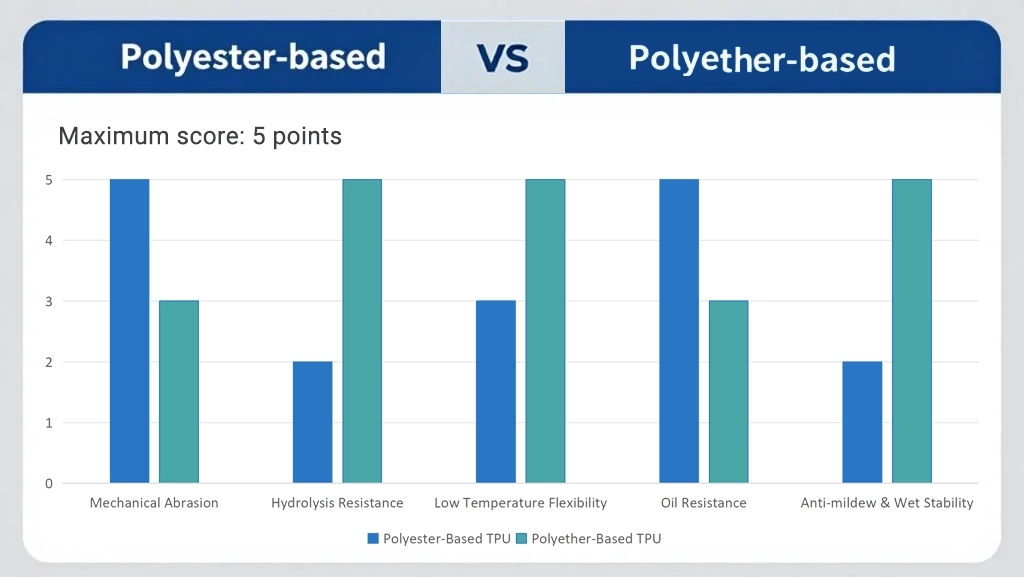
💡 Application Note: Polyether-Based TPU is ideal for medical catheters and humid environments — note that polyether types have weaker oil resistance than polyester variants.
Specialty TPU Grades
Advanced TPU formulations address specialized requirements. Aliphatic TPUs utilize aliphatic diisocyanates to achieve superior UV stability and color retention, maintaining transparency and resisting yellowing in outdoor applications. Polycarbonate-based TPU combines polycarbonate polyols with urethane chemistry for exceptional hydrolysis resistance exceeding standard polyether grades.
Functional Enhancements
UL94 Compliant formulation for stringently regulated safety environments.
ESD Protection integrated to safeguard sensitive electronic components.
Renewable Content formulated to support sustainable product lifecycles.
Material Selection Guide
| Requirements / Environments | Recommended Grade |
| High Wear / Load | Polyester-Based TPU |
| Medical / Wet Environments | Polyether-Based TPU |
| Outdoor / UV Exposed | Aliphatic TPU |
| Long-term Moisture | Polycarbonate TPU |
Technical Support Tip: While environmental mapping is the first milestone, narrowing down the exact resin requires aligning your manufacturing setups and Shore ratings. For a complete technical evaluation methodology, read our strategic guide on how to choose the right TPU grade based on TDS parameters and processing methods.
Key Features of Thermoplastic Polyurethane
Thermoplastic polyurethane delivers a distinctive combination of properties that positions it between conventional thermoplastics and thermoset elastomers. These characteristics make TPU suitable for demanding applications across multiple industries.
Elasticity & Resilience: TPU can almost completely return to its original shape even after significant compression or repeated deformation, with minimal permanent set. This recovery performance is notably superior to PVC and standard polyethylene (PE), resulting in longer service life for dynamic components such as seals, wheels, and flexible parts.
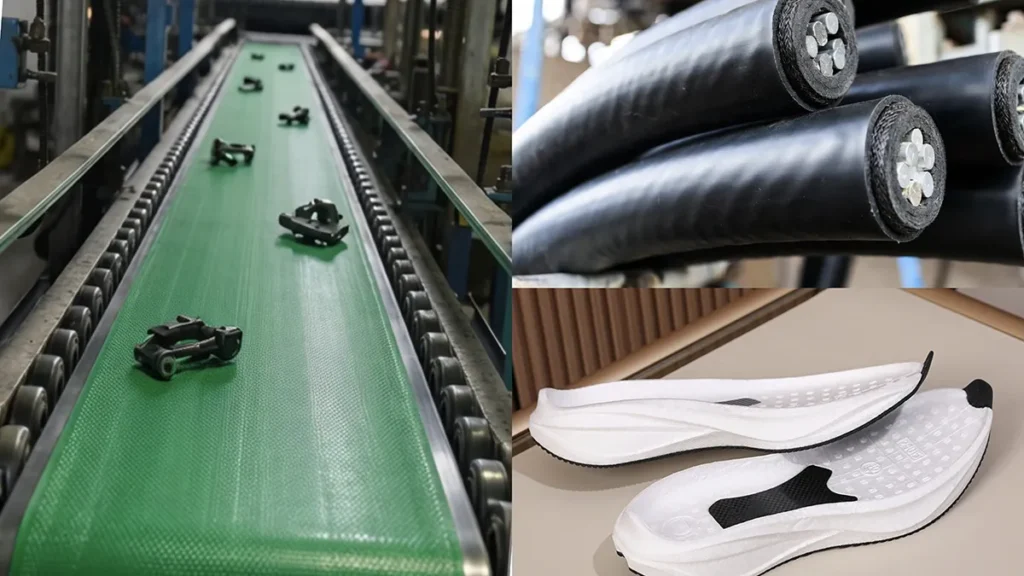
Abrasion Resistance: TPU ranks among the top performers among thermoplastic elastomers with low DIN abrasion values. This excellent wear resistance allows parts to endure prolonged friction and harsh conditions — widely used in conveyor belts, shoe soles, and industrial rollers.
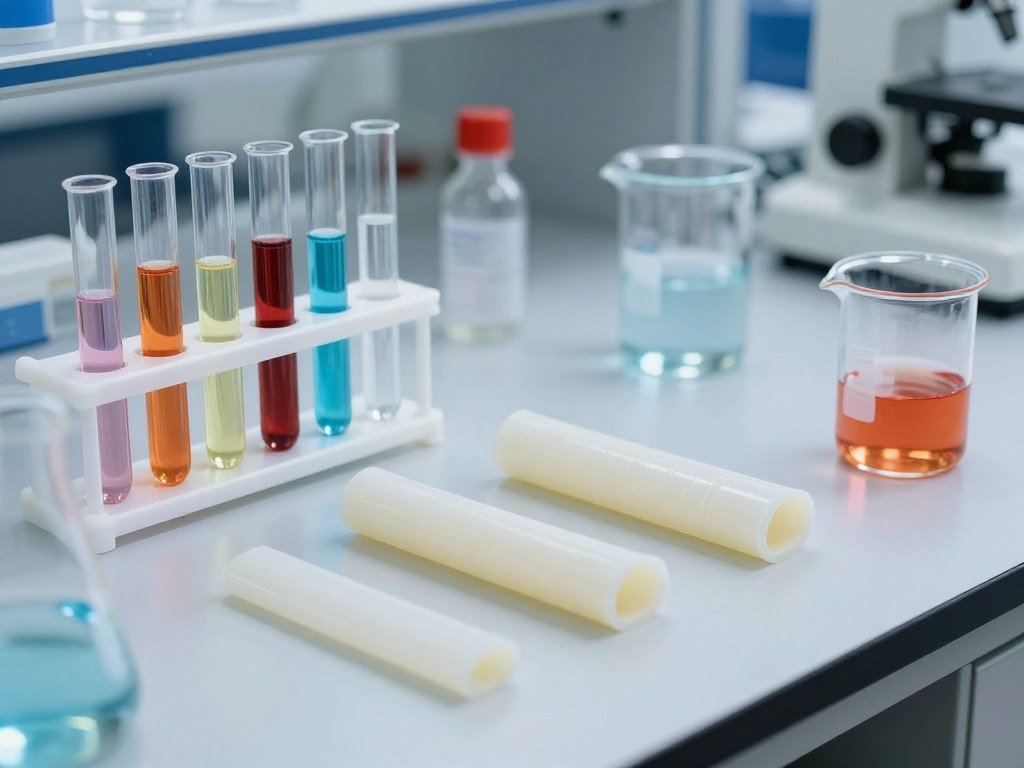
Wide Hardness Range: Available from ultra-soft Shore 60A to semi-rigid Shore 75D, this versatility enables a single material family to cover applications ranging from soft rubber-like parts to harder plastic-like components, simplifying development and inventory management.
Transparency: TPU naturally offers high transparency and good optical clarity, commonly chosen for clear tubing, protective covers, films, and decorative components where visual quality matters.
Low-Temperature Performance: TPU retains good flexibility and elasticity even at −40°C. While many materials become brittle in cold environments, TPU continues to perform reliably — especially beneficial for outdoor equipment, automotive applications, and products used in cold climates.
Discuss TPU Material Selection for Your Application
Our material engineers provide technical consultation to optimize TPU grade selection based on your specific performance requirements, processing methods, and operating environment conditions.
TPU Material vs Other Materials
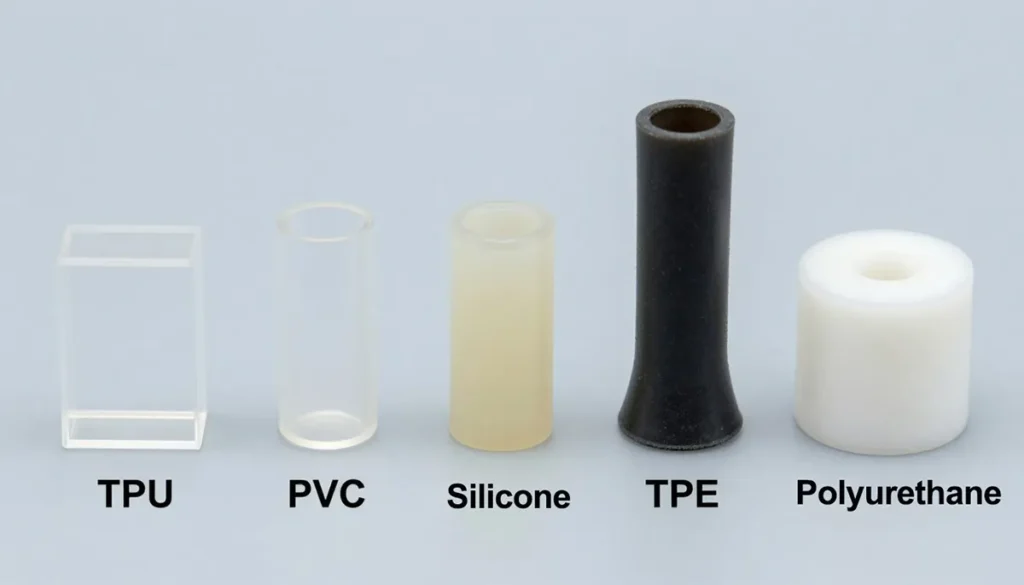
Material selection requires understanding performance trade-offs between alternatives. The table below provides a quick-reference comparison against common competing materials.
| Property | TPU | TPE | PVC | Vulcanized Rubber |
| Elasticity | Excellent | Good | Fair | Excellent |
| Abrasion Resistance | Outstanding | Good | Fair | Good |
| Price | Medium | Low | Very Low | Medium–High |
| Processability | Excellent (Thermoplastic) | Excellent | Good | Poor (Vulcanization required) |
| Low-Temp Flexibility | -40°C to -60°C | Moderate | -10°C to -20°C | Varies |
| Plasticizer-Free | Yes (no migration risk) | Yes | No (migration risk) | Yes |
Thermoplastic Polyurethane: Industries and Applications
The versatility of thermoplastic polyurethane enables adoption across numerous industrial sectors. Manufacturers leverage TPU’s unique property combination to solve challenging design problems. Applications span from high-performance footwear to medical devices.
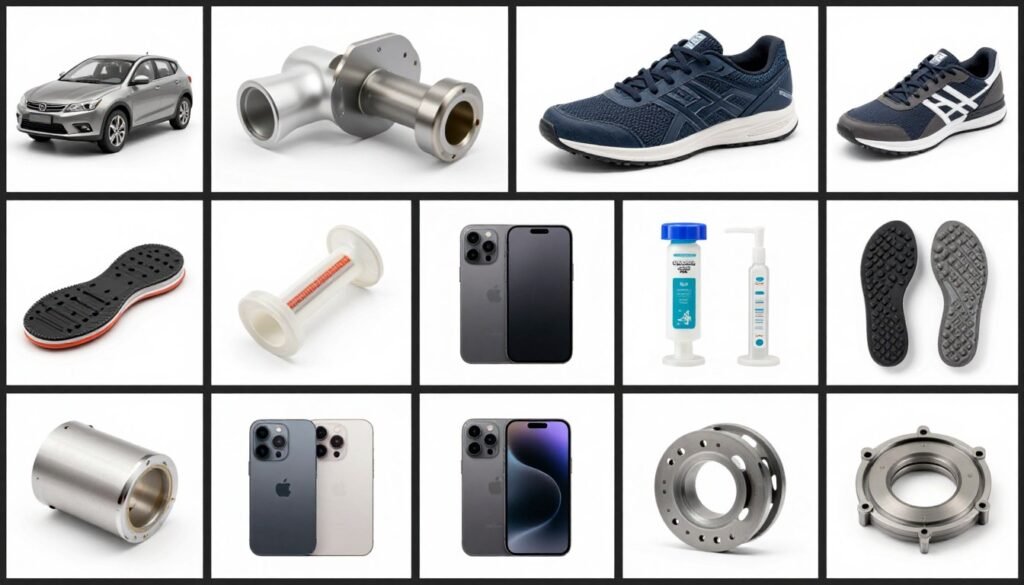
Engineering & Design Resource: > For comprehensive engineering data on automotive OEM compliance, ISO 10993 medical specifications, and advanced expanded TPU (ETPU) performance curves, refer to our technical selection guide: What Is Thermoplastic Polyurethane (TPU) Used For?
Automotive Industry Applications
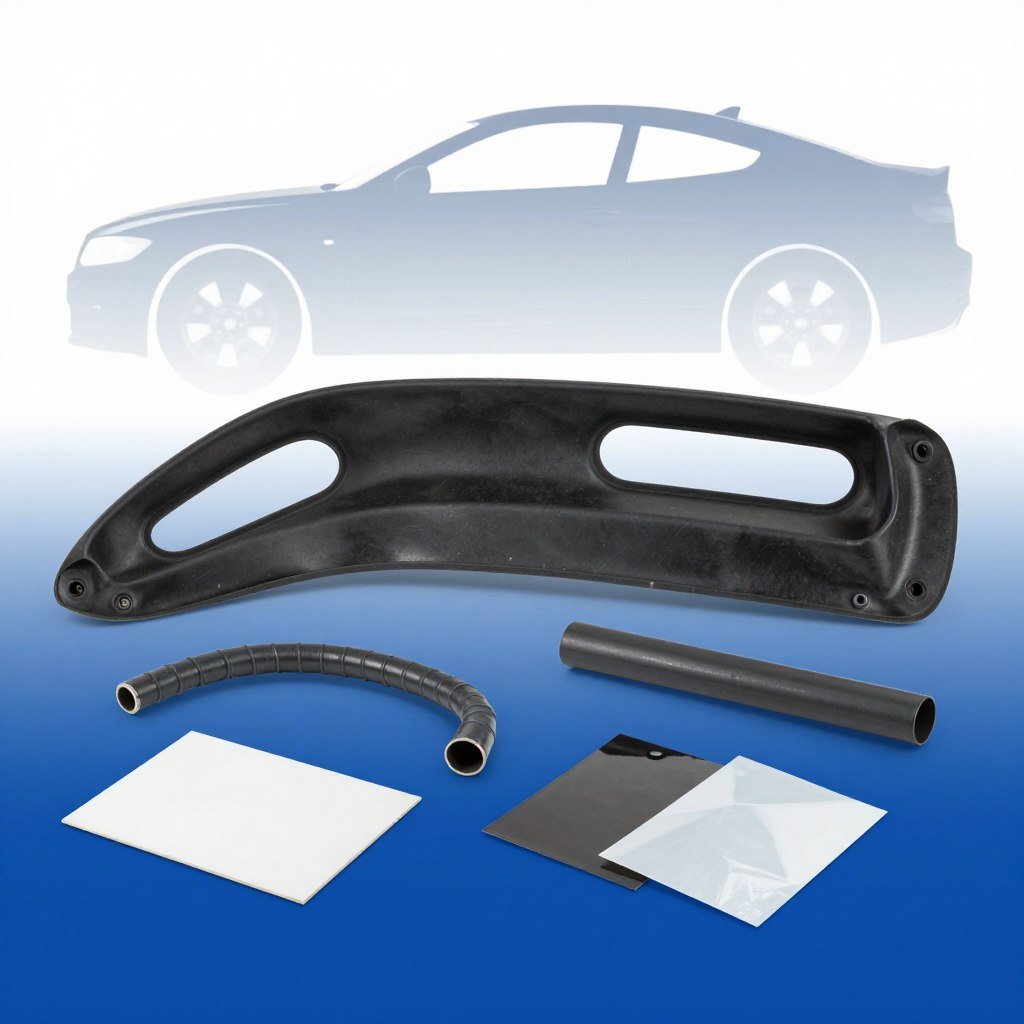
Automotive manufacturers incorporate TPU in interior and exterior components. The material’s abrasion resistance and flexibility make it ideal for instrument panel skins and armrest coverings. TPU maintains appearance and tactile properties throughout vehicle service life.
Exterior applications include protective films, seals, and tubing. TPU resists automotive fluids including gasoline, diesel, and synthetic lubricants. The material withstands temperature cycling and UV exposure common in automotive environments.
- Interior trim components and soft-touch surfaces
- Cable jacketing for wire harness protection
- Hydraulic and pneumatic tubing systems
- Paint protection films for exterior surfaces
- Sealing systems for doors and windows
Footwear Manufacturing
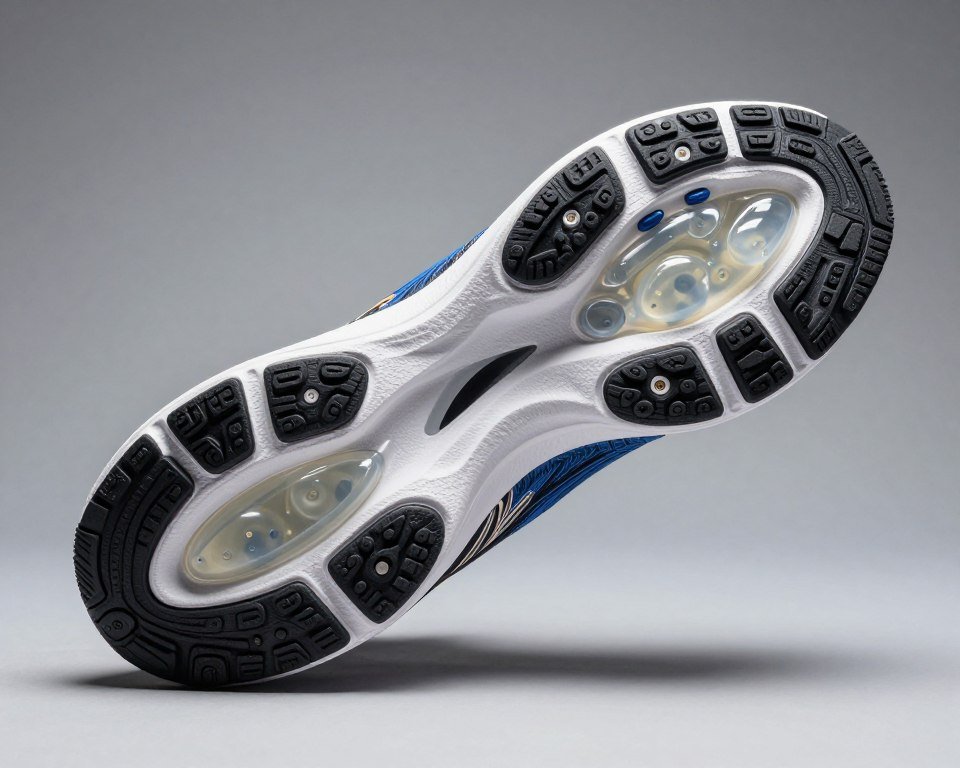
The footwear industry represents one of the largest consumers of TPU globally. Shoe manufacturers utilize TPU for outsoles, midsoles, and upper materials. The material delivers superior abrasion resistance extending footwear lifespan significantly.
TPU midsoles provide cushioning and energy return for athletic footwear. The material maintains performance across temperature ranges encountered during outdoor activities.
Medical Device Sector
Medical device manufacturers select TPU for its biocompatibility and sterilization resistance. Polyether-based TPU grades meet ISO 10993 biocompatibility standards for patient contact applications, withstanding repeated sterilization cycles including steam, ethylene oxide, and gamma radiation. Common applications include catheter tubing, wound dressings, and drug delivery systems.
Consumer Electronics Protection
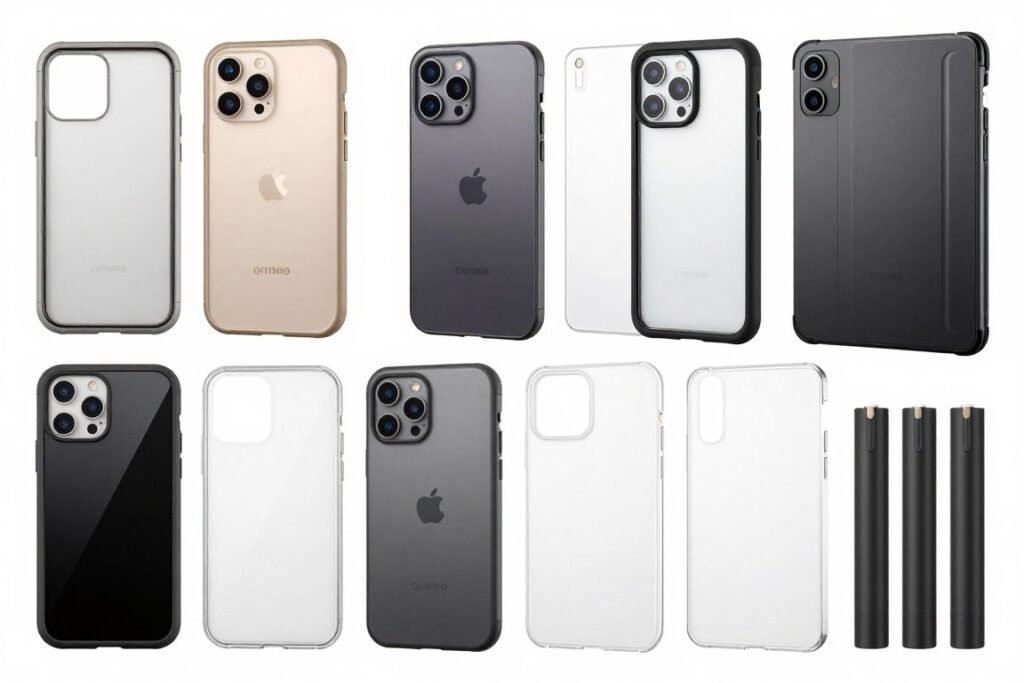
TPU dominates the smartphone case and electronic device protection market. The material absorbs impact energy to protect sensitive electronics from drop damage, while transparency allows device aesthetics to remain visible.
Cable and wire jacketing represents another significant electronics application, with TPU providing flexibility for repeated bending while protecting conductors from abrasion.
Optimize Your Product Design with TPU Solutions
Our technical team provides application-specific guidance for TPU material selection, grade recommendations, and processing parameters. We support manufacturers from prototype development through full-scale production implementation.
Processing Methods
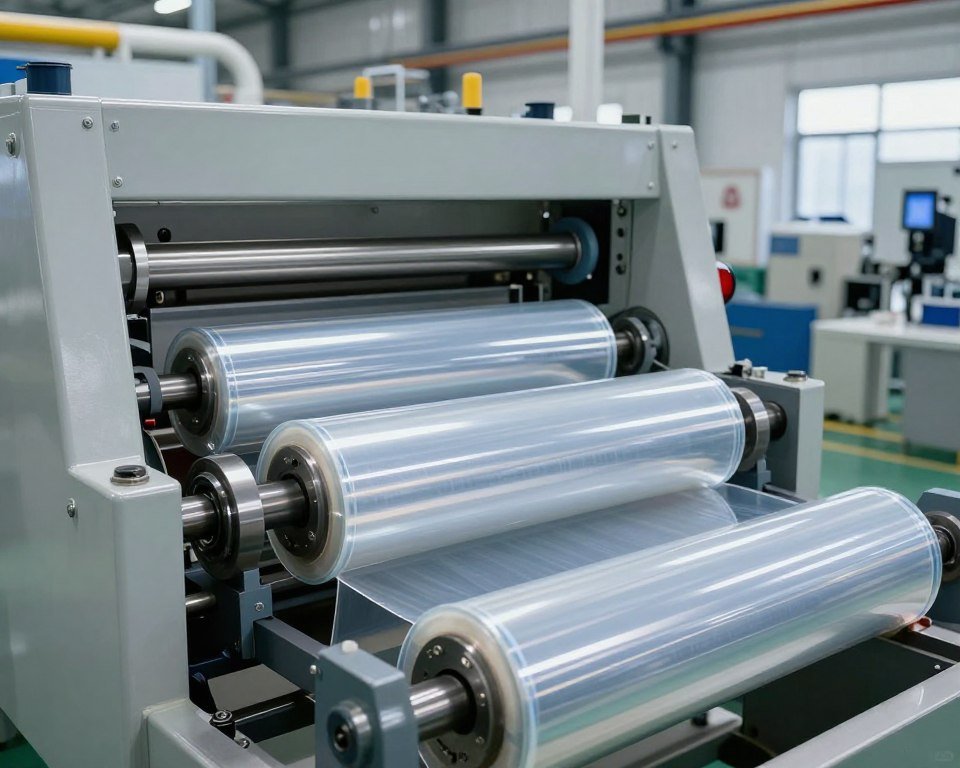
TPU is compatible with several conventional thermoplastic processing technologies. Regardless of method, TPU must be properly dried before processing — typically to a moisture content below 0.02% — to prevent surface defects and preserve mechanical performance.
- Injection Molding: Complex 3D parts with tight tolerances
- Extrusion: Tubing, film, sheet, and continuous profiles
- Blow Molding: Hollow products and containers
- Calendering: Thin films and sheet materials
- Compression Molding: Specialized low-volume components
Considerations When Purchasing and Using TPU
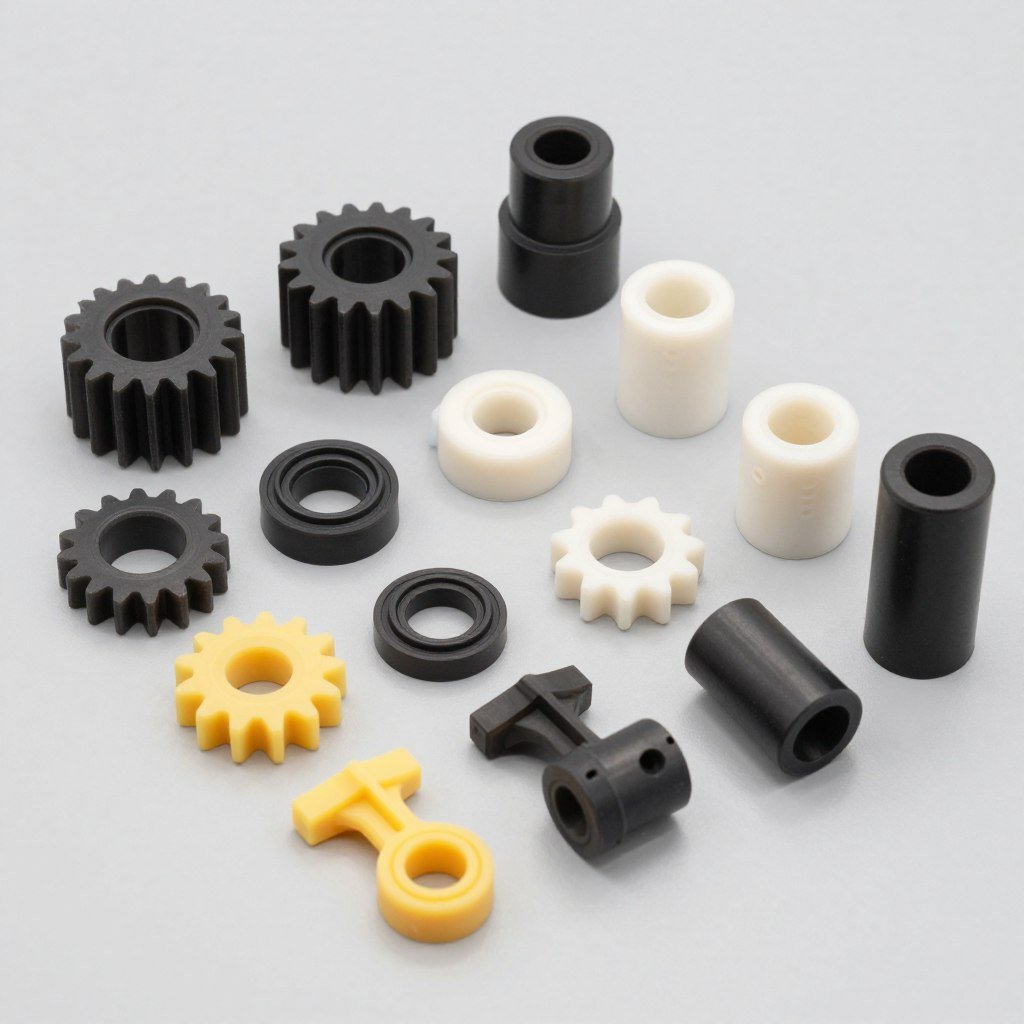
When selecting and working with TPU, attention to several key factors can significantly improve processing results and long-term product performance. We help customers avoid common pitfalls by providing high-quality TPU resins alongside practical technical guidance.
Moisture Sensitivity
TPU is hygroscopic and readily absorbs moisture from the air, which can cause bubbles, surface streaks, or hydrolytic degradation during processing. It is essential to thoroughly dry TPU pellets before extrusion or injection molding.
Recommended drying: 80–100°C for 2–4 hours (depending on specific grade). Moisture content must be below 0.02% before processing begins.
UV and Weather Resistance
Standard TPU grades have limited resistance to ultraviolet (UV) exposure. Prolonged sunlight can cause yellowing, loss of gloss, and gradual reduction in mechanical properties.
Solution: For outdoor applications, it is strongly recommended to select aliphatic or specially formulated UV-stabilized TPU grades, or to integrate UV stabilizers into aromatic grades to balance cost and outdoor lifespan.
Storage Conditions
To maintain optimal material quality, TPU should be stored in a cool, dry, and well-ventilated area, away from direct sunlight and high humidity.
Storage Temperature
10°C – 30°C
Avoid exposure to heat sources or direct sunlight that may pre-condition the material.
Shelf Life
6 – 12 Months
From production date (unopened, properly stored). Always verify date on packaging before processing.
Conclusion
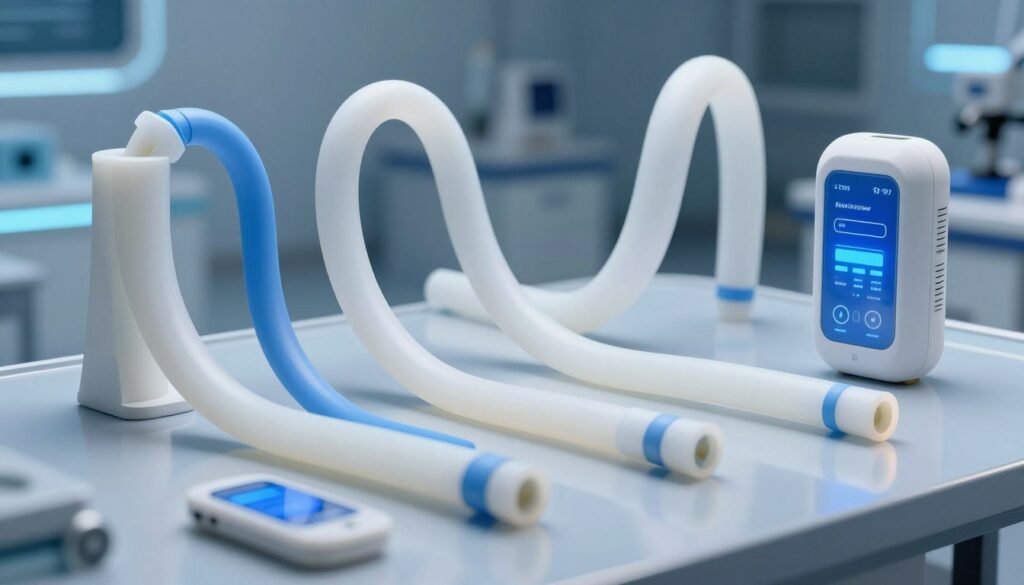
Thermoplastic polyurethane represents a versatile engineering material that bridges performance gaps between rigid plastics and flexible elastomers. The unique segmented polymer structure delivers exceptional abrasion resistance, flexibility, and chemical resistance. These properties enable TPU adoption across diverse industries from automotive to medical devices.
Material selection between polyester and polyether-based TPU depends on application-specific requirements. Engineers must evaluate hydrolytic stability, mechanical performance, and temperature resistance against design criteria. Specialty grades address niche requirements including UV stability, flame retardancy, and biocompatibility.
Processing TPU requires attention to material conditioning, temperature control, and equipment configuration. Proper drying prevents moisture-related defects that compromise part quality. Injection molding, extrusion, and blow molding each present specific parameter optimization opportunities.
The material offers significant advantages over PVC, commodity TPE, and thermoset alternatives in applications requiring mechanical performance and processing flexibility. Cost considerations and extreme temperature requirements may favor alternative materials for specific applications.
TPU technology continues advancing with bio-based formulations, enhanced sustainability, and improved processing characteristics. Manufacturers benefit from understanding material fundamentals to optimize TPU utilization in product development and manufacturing operations.
Partner with TPU Material Experts
Our technical support team delivers comprehensive lifecycle assistance from material selection through production optimization. We provide processing parameter development, troubleshooting support, and application engineering to ensure successful TPU implementation in your manufacturing operations.
Frequently Asked Questions About TPU
Is thermoplastic polyurethane safe?
Yes. Thermoplastic polyurethane (TPU) is generally considered safe when processed and used correctly. Medical-grade TPU can meet ISO 10993 biocompatibility requirements, while food-contact grades may comply with FDA regulations for packaging and consumer products.
TPU does not normally release hazardous substances during standard processing. However, overheating beyond its recommended processing range can cause thermal degradation and potentially generate unwanted emissions. For medical, food-contact, or wearable applications, always select certified TPU grades and review the supplier’s regulatory documentation.
What is the disadvantage of TPU?
The main disadvantages of TPU are its higher cost, moisture sensitivity, and limited high-temperature resistance.
Compared with commodity plastics such as PVC or standard TPEs, TPU typically costs more and requires pre-drying before processing. Some polyester-based TPU grades can also experience hydrolysis when exposed to prolonged heat and moisture. In addition, TPU is generally not recommended for continuous service temperatures above 120–140°C. For a detailed discussion of these limitations and how they can be addressed, see our article “What Is the Disadvantage of TPU?“
Despite these limitations, TPU often compensates through superior durability, abrasion resistance, and longer product life.
Why choose high-performance TPU resins?
High-performance TPU grades offer enhanced durability, chemical resistance, hydrolysis resistance, and weatherability compared with standard TPU formulations.
For example, polycarbonate-based TPU provides exceptional long-term stability in humid or water-contact environments, while aliphatic TPU delivers superior UV resistance and color retention for outdoor applications. These advanced materials are widely used in medical devices, automotive components, industrial equipment, and premium consumer products.
Although they carry a higher initial material cost, they often reduce maintenance, replacement frequency, and total ownership costs over the product lifecycle.
How to reduce the carbon footprint with TPU?
TPU can support sustainability goals through renewable raw materials, recyclability, and long service life.
Many suppliers now offer bio-based TPU grades derived partially from renewable feedstocks such as castor oil. In addition, TPU production scrap can often be mechanically recycled and reused in manufacturing. Because TPU components typically last longer than many alternative elastomers, products require less frequent replacement, reducing overall material consumption.
Combining recyclable TPU grades with efficient processing practices can significantly improve the environmental profile of a product.
What are the typical processing methods for TPU?
TPU is compatible with several conventional thermoplastic processing technologies.
Common processing methods include:
- Injection molding for complex parts
- Extrusion for tubing, film, sheet, and profiles
- Blow molding for hollow products
- Calendering for films and sheets
- Compression molding for specialized applications
Regardless of the process, TPU must be properly dried before processing, typically to a moisture content below 0.02%, to prevent surface defects and preserve mechanical performance.
How does TPU compare to other thermoplastics like PVC or TPE?
TPU generally offers better abrasion resistance, flexibility, durability, and mechanical strength than PVC and many standard thermoplastic elastomers (TPEs).
Unlike PVC, TPU does not require plasticizers, which helps maintain long-term performance without plasticizer migration. TPU also remains flexible at much lower temperatures and provides excellent resistance to oils and fuels.
However, PVC and commodity TPEs are typically less expensive, making them suitable for applications where extreme durability or performance is not required.
Is TPU suitable for medical applications?
Yes. Medical-grade TPU is widely used in healthcare and medical device manufacturing due to its biocompatibility, flexibility, transparency, and sterilization resistance.
Common applications include catheters, medical tubing, wound-care products, and drug-delivery systems. Many medical TPU grades comply with ISO 10993 testing requirements and can withstand sterilization methods such as ethylene oxide (EtO), gamma irradiation, and steam sterilization.
When designing medical products, manufacturers should select medical-certified TPU grades and verify all regulatory requirements with qualified material suppliers.