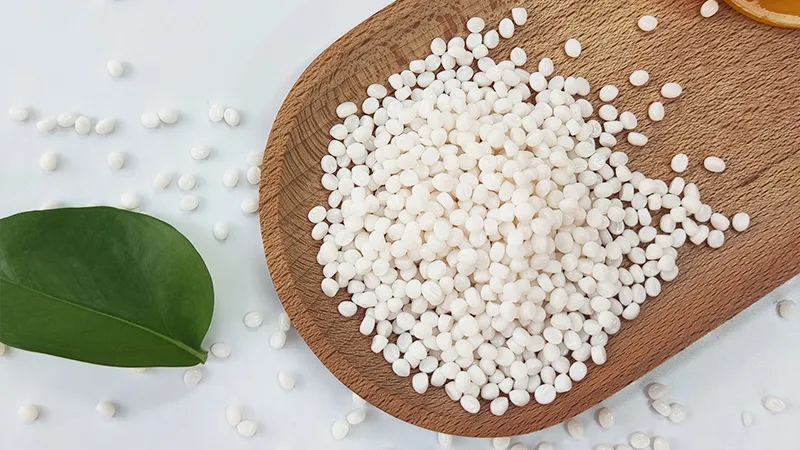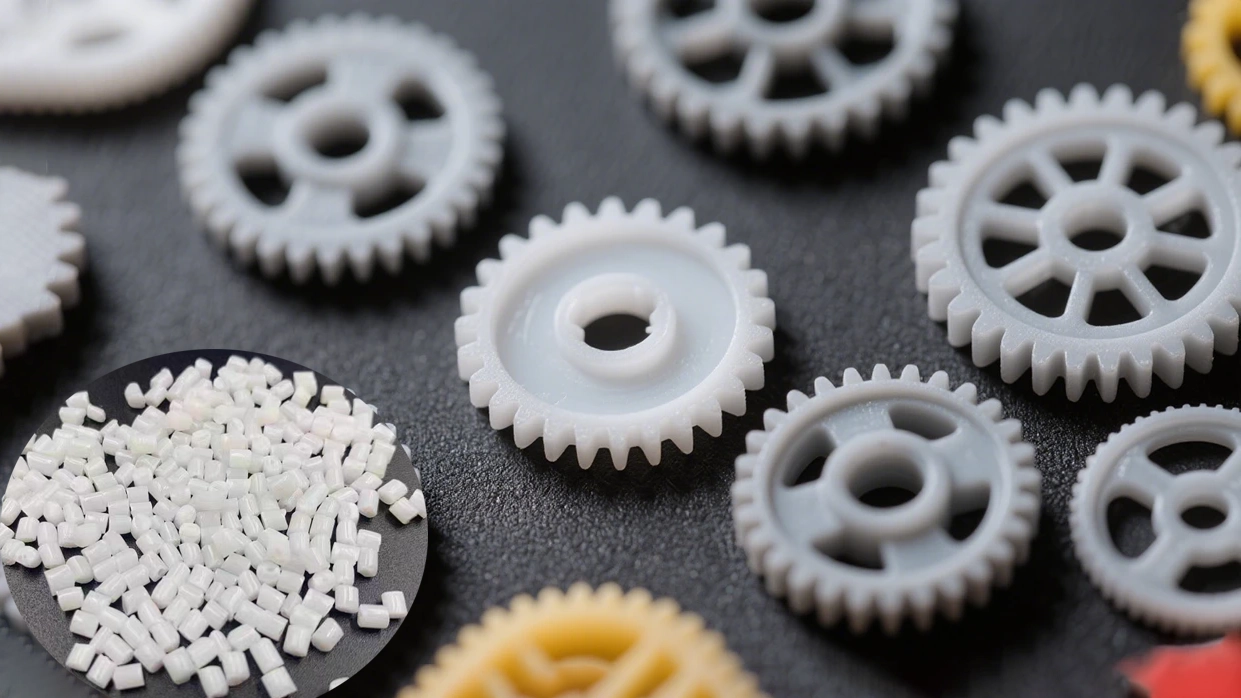
Thermoplastic polyurethane (TPU) is a versatile thermoplastic elastomer that combines the elasticity of rubber with the processing advantages of thermoplastics. Its unique balance of flexibility, abrasion resistance, mechanical strength, and chemical durability makes TPU a preferred material across industries ranging from footwear and automotive manufacturing to medical devices and consumer electronics.
Unlike conventional elastomers that require vulcanization, TPU can be processed through injection molding, extrusion, and blow molding, enabling efficient production and recyclability. Available in hardness ranges from Shore 60A to Shore 75D, TPU can be tailored for applications requiring either soft flexibility or structural rigidity.
This guide explores the most important TPU applications, the material properties behind its performance, and how it compares with alternative elastomers in real-world engineering environments.TPU is widely used in footwear, automotive parts, medical devices, and industrial applications due to its excellent abrasion resistance, flexibility, and durability.
Common TPU Applications and Key Material Properties
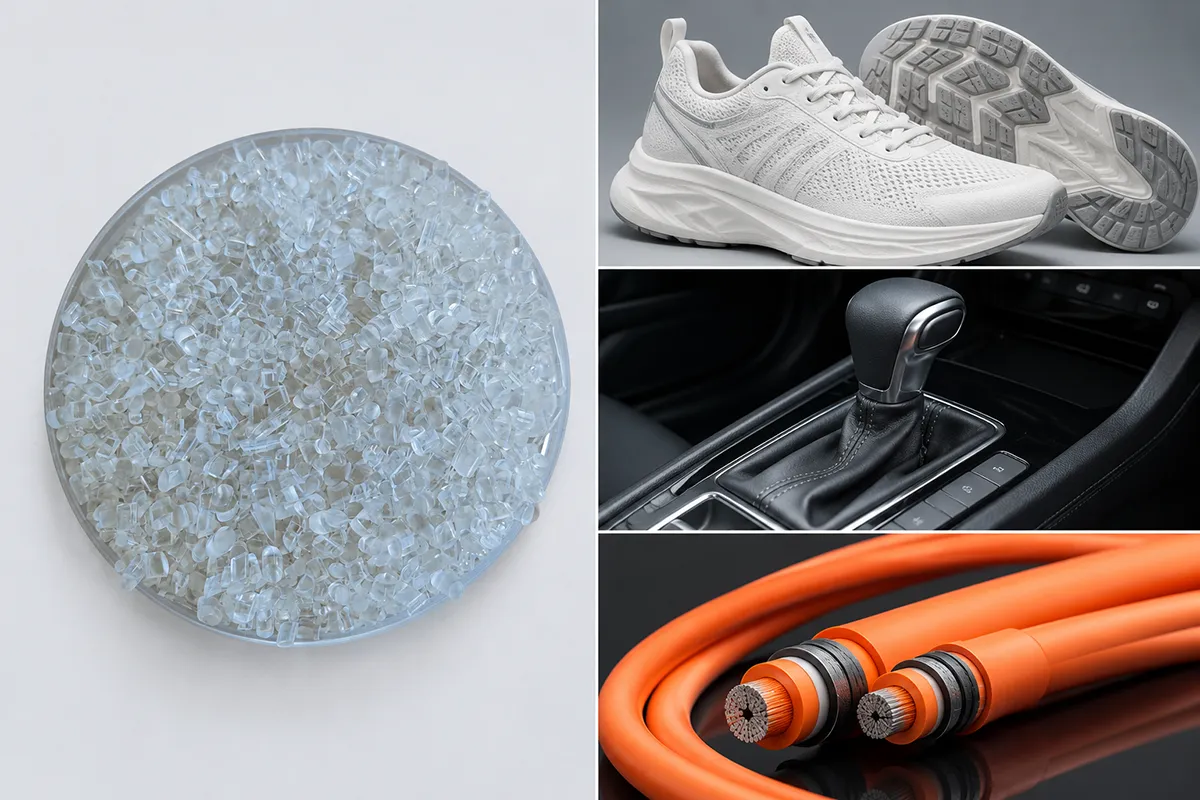
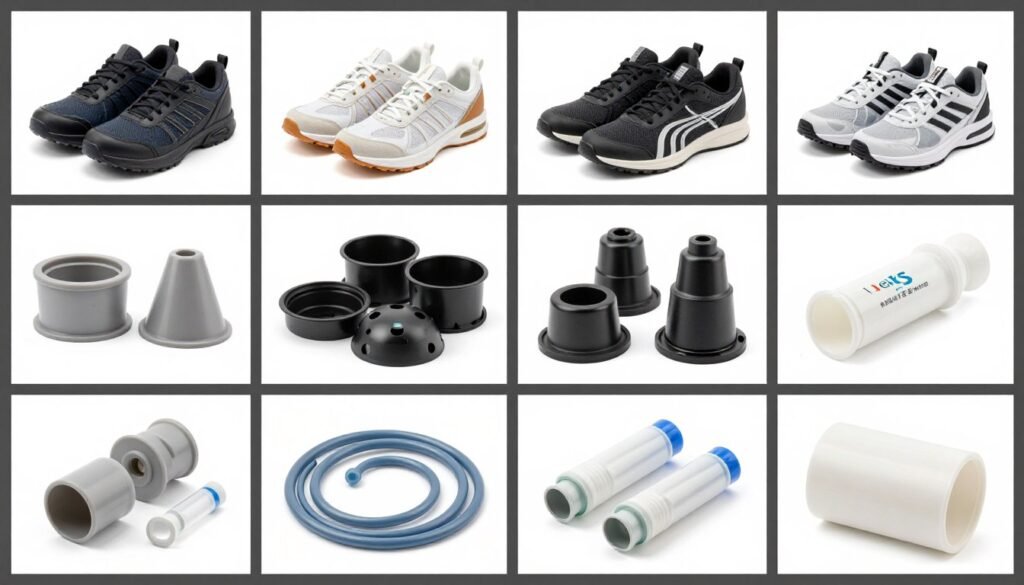
TPU is used across a wide range of industries where durability, flexibility, and wear resistance are essential. Common applications include footwear outsoles and midsoles, automotive paint protection films and seals, medical tubing and catheters, consumer electronics accessories, industrial belts and rollers, wire and cable jackets, and flexible 3D-printed components.
Key performance characteristics include:
| Property | Typical TPU Performance |
|---|---|
| Hardness | Shore 60A–75D |
| Operating Temperature | -40°C to +120°C |
| Abrasion Resistance | Excellent |
| Tensile Strength | High |
| Chemical Resistance | Resistant to oils, greases, and many solvents |
| Transparency | Available in clear grades |
| Recyclability | Reprocessable thermoplastic |
TPU is generally available in two primary chemistries. Polyester-based TPU offers excellent mechanical strength and wear resistance, making it suitable for demanding industrial and footwear applications. Polyether-based TPU provides superior hydrolysis resistance and low-temperature flexibility, making it a preferred choice for medical, automotive, and outdoor environments. For a complete chemical and morphological breakdown of these two families, see our expert review on thermoplastic polyurethane chemistry and main types.
Footwear Industry: The High-Volume Marketplace for TPU
The footwear sector represents the largest volume application for thermoplastic polyurethane materials. TPU delivers performance characteristics essential for athletic and casual footwear construction. Material properties enable design flexibility while meeting durability requirements across varied use conditions.
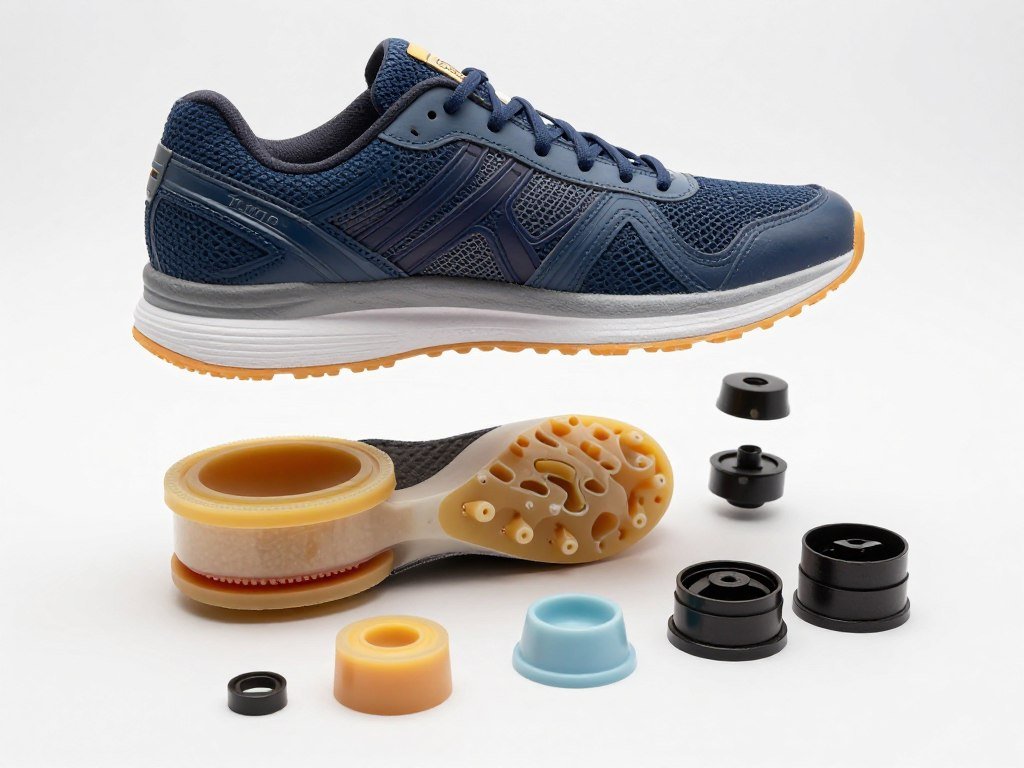
Footwear manufacturers utilize TPU in multiple component applications. Outsoles benefit from exceptional abrasion resistance and coefficient of friction properties. Midsoles leverage TPU’s energy return characteristics and cushioning performance. Support structures exploit material stiffness gradients achievable through hardness selection.
TPU in Athletic Footwear Components
Athletic footwear design demands materials that withstand repetitive stress cycles. TPU meets these requirements through superior flex fatigue resistance. The material maintains structural integrity across millions of flexion cycles during typical product lifecycles.
Processing techniques for footwear TPU include injection molding and thermoplastic polyurethane film lamination. Injection molding produces discrete components with precise dimensional control. Film lamination creates seamless upper constructions with targeted support zones. Both methods exploit TPU’s processing versatility.
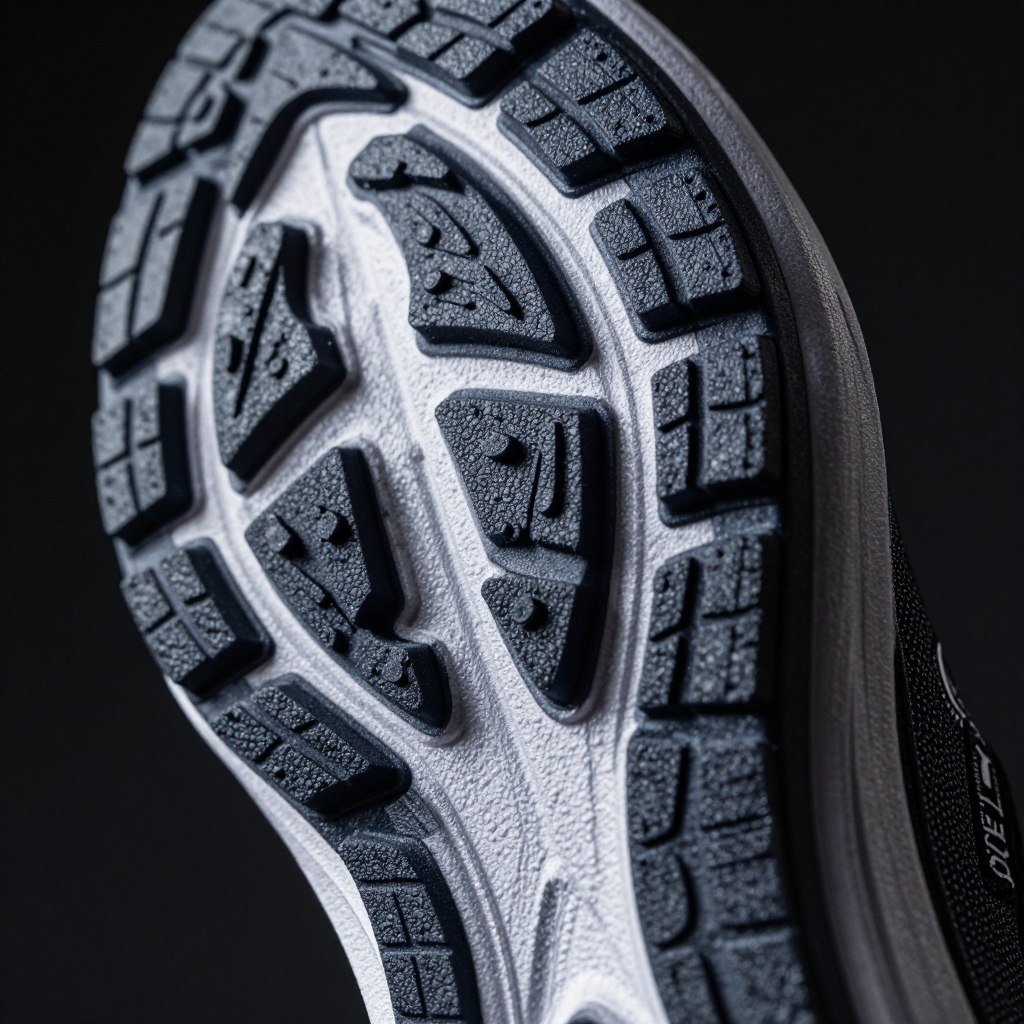
Footwear Performance Requirements
Material selection criteria for footwear TPU include abrasion resistance, flexibility at low temperatures, and colorability. Abrasion resistance directly impacts product durability and warranty costs. Low-temperature flexibility ensures performance across climate zones. Colorability supports brand differentiation and aesthetic requirements.
TPU competes with rubber compounds and EVA formulations in footwear applications. A notable extension of EVA replacement is expanded TPU (ETPU), a foam bead-based material widely used in midsole systems. Compared with EVA, ETPU delivers 30–40% higher energy return and improved long-term durability while maintaining full recyclability. The widespread adoption of ETPU in performance footwear has demonstrated how TPU technology continues to evolve beyond traditional molded components.
Material advantages include consistent quality, processing efficiency, and recyclability. These factors influence total cost of ownership calculations beyond raw material pricing.
Our materials engineering team provides footwear industry TPU optimization consulting focused on component design, material grade selection, and processing parameter development. Technical support addresses specific performance requirements including slip resistance, flex fatigue, and aesthetic finish quality.
Automotive Sector: From Exterior Toughness to Interior Comfort
Automotive applications leverage thermoplastic polyurethane for components requiring durability combined with design flexibility. TPU serves both exterior and interior functions across vehicle platforms. Material selection addresses specific performance requirements including UV stability, temperature resistance, and aesthetic finish quality.
Exterior Automotive Applications
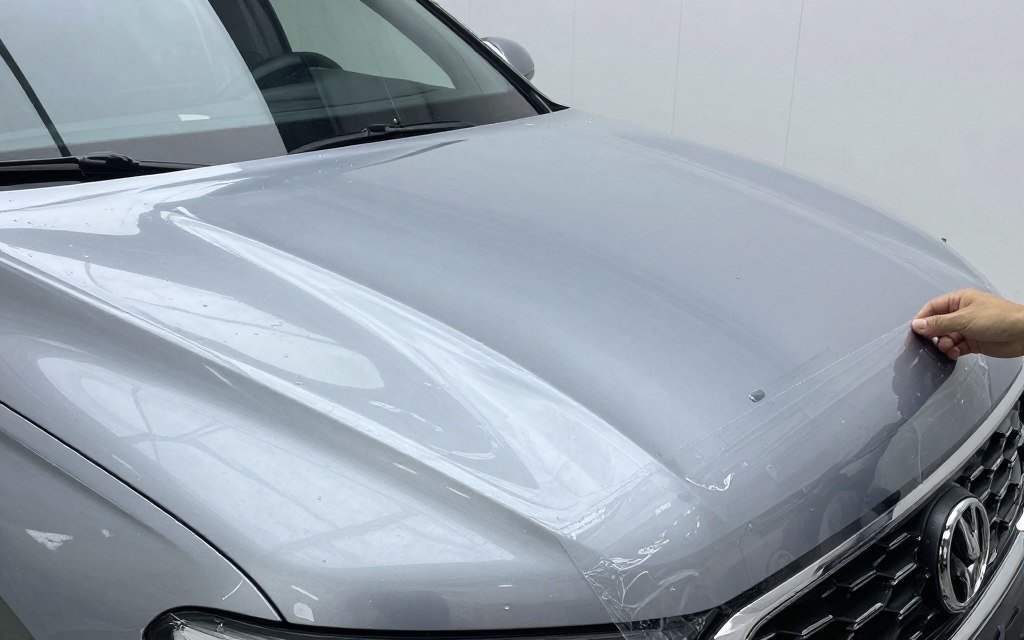
Exterior TPU applications focus on protective and functional components. Paint protection films utilize TPU’s optical clarity and self-healing properties. Material thickness typically ranges from 150 to 300 microns depending on protection requirements. These films withstand stone impact and environmental degradation while maintaining appearance.
Automotive sealing systems employ TPU for weather stripping and gasket applications. Material properties include compression set resistance and temperature stability. TPU seals maintain performance across vehicle operating temperature ranges from -40°C to +100°C. This temperature resistance exceeds many conventional elastomer materials.
Interior Comfort and Aesthetic Applications
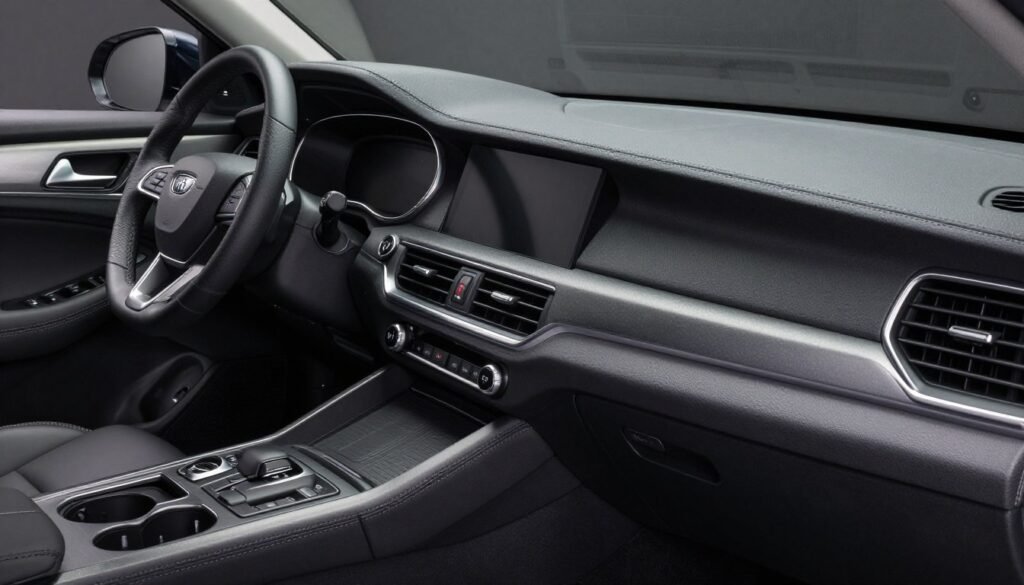
Interior automotive TPU applications emphasize soft-touch surfaces and comfort. Armrest covers, instrument panel skins, and shift boot materials utilize TPU grades with controlled surface friction. Haptic properties influence perceived quality and user experience metrics.
Exterior Components
- Paint protection films
- Weather stripping seals
- Protective body cladding
- Headlight lens coatings
Interior Components
- Soft-touch armrest covers
- Instrument panel skins
- Gearshift boots
- Door handle grips
Performance Requirements
- UV stability for exterior exposure
- Low temperature flexibility
- Abrasion resistance
- Low VOC emissions
Automotive OEM specifications drive TPU material development. Requirements include specific gravity limits, flame resistance ratings, and emission standards. Polyether-based TPUs often serve interior applications due to superior hydrolysis resistance in humid cabin environments. Material certification processes require extensive validation testing before production approval.
We support automotive material engineers with TPU selection for specific component applications, processing parameter optimization, and regulatory compliance documentation. Technical consultation addresses durability validation, accelerated aging protocols, and cost reduction initiatives.
Medical Devices: The Most Demanding TPU Application Environment
Medical device applications represent the most stringent requirements for thermoplastic polyurethane materials. TPU serves critical functions in devices requiring biocompatibility, sterilization compatibility, and predictable long-term performance. Regulatory requirements govern material selection and validation processes.
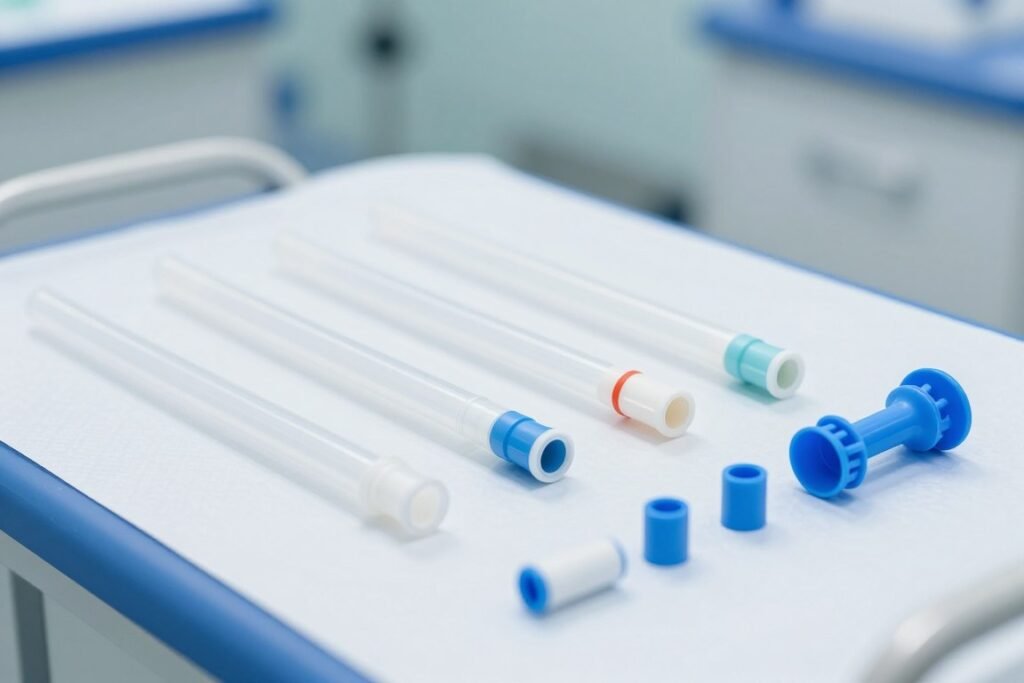
Medical tubing constitutes a primary TPU application in healthcare settings. Material properties include flexibility, kink resistance, and transparency for visual fluid monitoring. TPU tubing serves applications including IV lines, drainage systems, and anesthesia circuits. Biocompatibility testing validates material safety for patient contact.
Biocompatibility and Regulatory Requirements
Medical-grade TPU undergoes extensive biocompatibility testing per ISO 10993 standards. Testing protocols evaluate cytotoxicity, sensitization, and systemic toxicity. Material formulations exclude additives that could migrate or cause adverse biological responses. Documentation requirements trace material composition to raw material suppliers.
Sterilization compatibility affects medical TPU material selection. Common sterilization methods include ethylene oxide, gamma radiation, and steam autoclaving. Each method creates specific material challenges. Gamma radiation can cause polymer chain scission affecting mechanical properties. Steam sterilization requires hydrolysis-resistant polyether-based TPUs. Material selection balances sterilization method requirements with performance specifications.
Medical Device Applications
- Catheter tubing and balloon components
- IV administration sets and connectors
- Wound drainage systems
- Respiratory therapy equipment
- Surgical instrument handles
- Wearable medical device housings
Critical Performance Properties
- USP Class VI biocompatibility certification
- Sterilization method compatibility
- Transparent grades for fluid visualization
- Kink resistance under flexion
- Chemical resistance to disinfectants
- Minimal protein adhesion surfaces
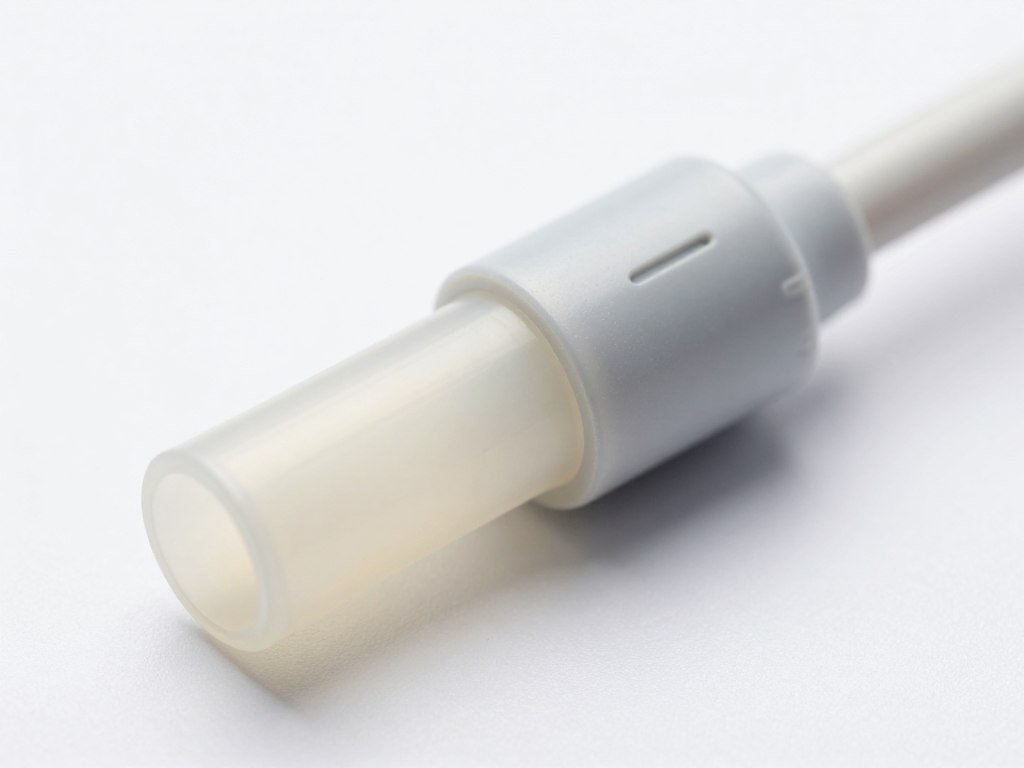
Manufacturing environments for medical TPU devices require cleanroom conditions. Contamination control prevents particulate inclusion during processing. Extrusion and injection molding equipment undergoes regular cleaning and validation. Process controls ensure batch-to-batch consistency meeting medical device quality standards.
Material traceability systems track TPU from raw material receipt through finished device distribution. Lot numbers enable recall capability and quality investigations. This documentation level exceeds requirements in other industries. Regulatory authorities mandate traceability as part of medical device quality system regulations.
Emerging & High-Growth Sectors for TPU
Thermoplastic polyurethane adoption expands into emerging application sectors driven by material property advantages. These markets demonstrate high growth rates and evolving technical requirements. TPU competes with established materials through performance differentiation and processing benefits.
Additive Manufacturing and 3D Printing
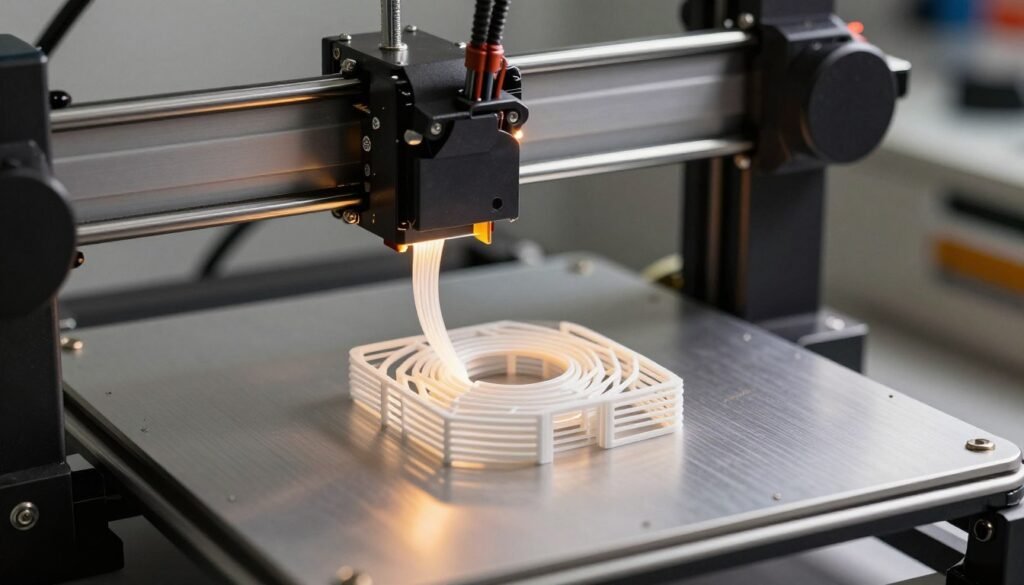
Additive manufacturing with TPU enables production of flexible parts with complex geometries. Material properties suit applications requiring elasticity combined with structural integrity. TPU filaments for fused deposition modeling exhibit shore hardness from 85A to 95A. Printing parameters require optimization for layer adhesion and dimensional accuracy.
Industrial 3D printing applications include customized medical orthoses, protective equipment, and functional prototypes. Material flexibility enables designs impossible with rigid thermoplastics. Print speeds remain lower than rigid materials due to material compliance during deposition. Parameter development balances production speed against part quality.
Consumer Electronics and Wearable Technology
Consumer electronics manufacturers utilize TPU for protective cases and wearable device components. Material properties include impact absorption, aesthetic finish options, and processing precision. TPU cases protect devices while maintaining slim form factors. Hardness selection affects grip characteristics and drop protection performance.
Wearable technology devices leverage TPU for skin-contact components. Material selection addresses comfort, allergen avoidance, and moisture resistance. Strap materials require flex fatigue resistance for extended product lifecycles. TPU grades specifically formulated for wearables balance these requirements.
- Custom orthotic devices
- Flexible hinges and living hinges
- Protective sporting equipment
- Soft robotics components
- Rapid prototyping of elastomeric parts
3D Printing Applications
- Smartphone protective cases
- Smartwatch bands and straps
- Cable strain relief components
- Wireless earbud tips
- Fitness tracker housings
Electronics & Wearables
- Conveyor belt covers
- Hydraulic hose protective sleeves
- Vibration dampening mounts
- Pneumatic tubing systems
- Industrial roller coatings
Industrial & Technical
Wire and Cable Industry Applications
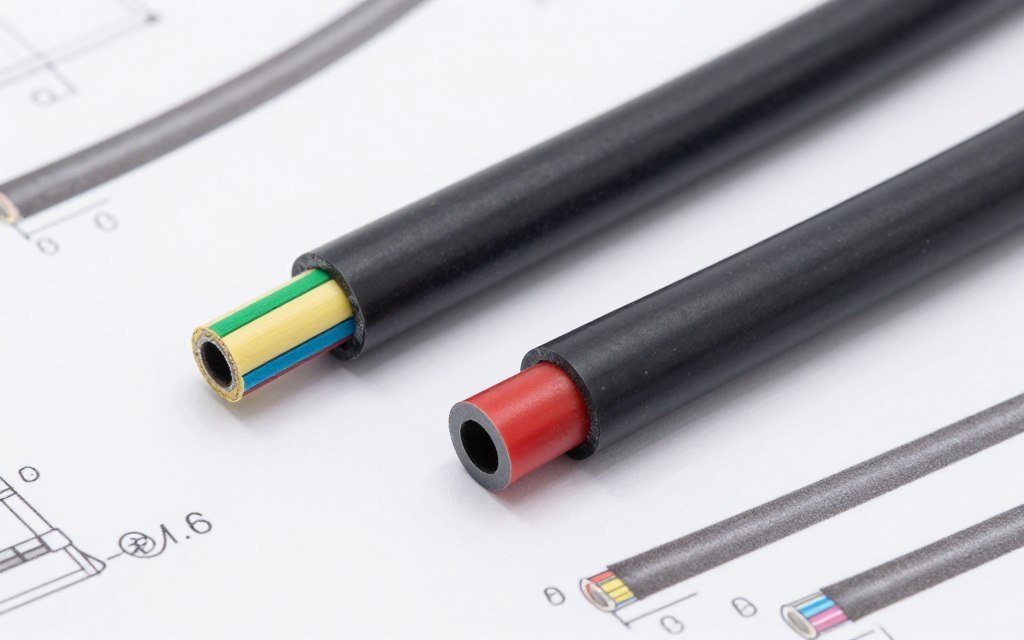
Wire and cable manufacturers select TPU for jacketing applications requiring abrasion resistance and flexibility. Material performance exceeds PVC in demanding environments. TPU cable jackets serve robotics, automotive wiring harnesses, and industrial control systems. Temperature ratings accommodate varied installation environments.
Extrusion processing produces TPU cable jackets with precise dimensional control. Material formulations balance flexibility with mechanical protection. Flame retardant grades meet specific electrical safety standards. Color coding options support installation and maintenance identification systems.
Why Choose TPU Over Alternative Materials?
Material selection decisions require comparative analysis between thermoplastic polyurethane and alternative elastomers. Performance requirements, processing considerations, and economic factors influence material choice. This analysis examines TPU performance relative to common alternatives across key selection criteria.
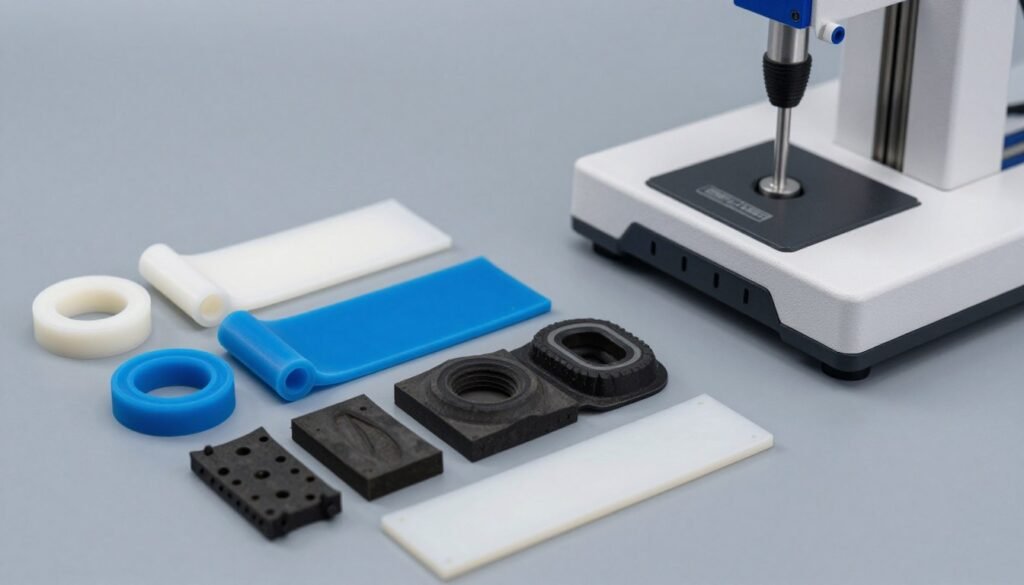
TPU Compared to Thermoplastic Elastomers (TPE)
Thermoplastic elastomers represent a broad material category including TPU, TPE-S (styrenic), and TPE-O (olefinic) variants. TPU offers superior abrasion resistance and mechanical strength compared to styrenic TPEs. This performance advantage matters in applications with severe wear conditions. Processing temperatures for TPU typically exceed those of styrenic TPEs requiring equipment capable of higher thermal ranges.
Cost structures differ between TPU and alternative TPE materials. Styrenic TPEs generally offer lower raw material costs. TPU justifies higher pricing through extended component life and reduced replacement frequency. Total cost of ownership calculations should include durability factors alongside purchase price.
TPU Performance Versus Rubber Materials
Natural rubber and synthetic rubbers require vulcanization processing versus thermoplastic processing for TPU. This processing difference affects manufacturing flexibility and scrap recycling capability. TPU injection molding enables faster cycle times than rubber compression molding. Scrap TPU undergoes regrinding and reprocessing unlike thermoset rubbers.
Mechanical property comparison shows trade-offs between material types. Natural rubber exhibits superior tear strength and resilience. TPU provides better abrasion resistance and load-bearing capacity. Low-temperature performance varies by specific TPU and rubber formulations. Application requirements determine which property set proves more critical.
| Property | TPU | Natural Rubber | Silicone | PVC |
| Abrasion Resistance | Excellent | Good | Poor | Fair |
| Flexibility at -40°C | Good | Poor | Excellent | Poor |
| Temperature Resistance | -40°C to +120°C | -20°C to +80°C | -60°C to +200°C | -10°C to +60°C |
| Chemical Resistance | Excellent (oils, solvents) | Poor (oils) | Good | Fair |
| Processing Method | Injection molding, extrusion | Compression molding | Injection, compression | Extrusion, calendering |
| Recyclability | Yes (thermoplastic) | No (thermoset) | Limited | Yes |
| Relative Cost | Medium-High | Low-Medium | High | Low |
💡 Next Step for Engineers: Once TPU is validated as the superior alternative to rubber or PVC, the next checkpoint is matching the polymer to your specific molding or extrusion machinery. Refer to our operational guide on mainstream TPU brands and grade selection criteria to compare flagship series from BASF, Covestro, and Lubrizol.
Silicone Rubber Comparison
Silicone elastomers offer extreme temperature capability and biocompatibility. Temperature resistance extends from -60°C to +200°C exceeding TPU ranges. Medical applications requiring high-temperature sterilization may favor silicone. However, silicone exhibits poor abrasion resistance and higher material costs than TPU.
Processing differences between TPU and silicone affect manufacturing decisions. Silicone requires platinum-cure or peroxide-cure systems with associated processing complexity. TPU thermoplastic processing provides faster cycle times and simpler equipment requirements. These processing factors influence production economics especially at high volumes.
PVC Material Alternative Analysis
Polyvinyl chloride competes with TPU in flexible applications including tubing and cable jacketing. PVC offers lower material cost and established processing infrastructure. Environmental and health concerns regarding PVC plasticizers drive consideration of TPU alternatives. TPU provides comparable performance without phthalate plasticizers raising regulatory concerns.
Material selection frameworks should evaluate long-term trends including regulatory changes and sustainability requirements. TPU recyclability and absence of controversial additives position the material favorably for future-oriented applications. Life cycle assessment comparisons increasingly influence material decisions beyond immediate technical performance.
Material Selection Technical Support
Need help comparing TPU with alternative materials for your application? Our technical team provides material selection analysis considering performance requirements, processing capabilities, and total cost of ownership. We support engineering decisions with data-driven recommendations.
Conclusion
Thermoplastic polyurethane delivers versatile performance across diverse industrial applications. Material properties including abrasion resistance, flexibility, and processability enable solutions from footwear to medical devices. TPU competes effectively against alternative elastomers through specific performance advantages and processing benefits.
Application selection requires understanding TPU property variations and processing requirements. Polyester and polyether chemistry differences affect performance in specific environments. Hardness selection influences mechanical properties and application suitability. Processing method compatibility determines manufacturing feasibility and economics.
Future TPU development focuses on sustainability enhancements and expanded property ranges. Bio-based formulations address renewable content requirements. Enhanced processing grades reduce cycle times and energy consumption. These developments position TPU for continued growth across established and emerging markets.
Material selection expertise requires technical knowledge combined with application experience. Performance validation through testing confirms material suitability. Supplier partnerships provide technical support throughout development and production phases.