
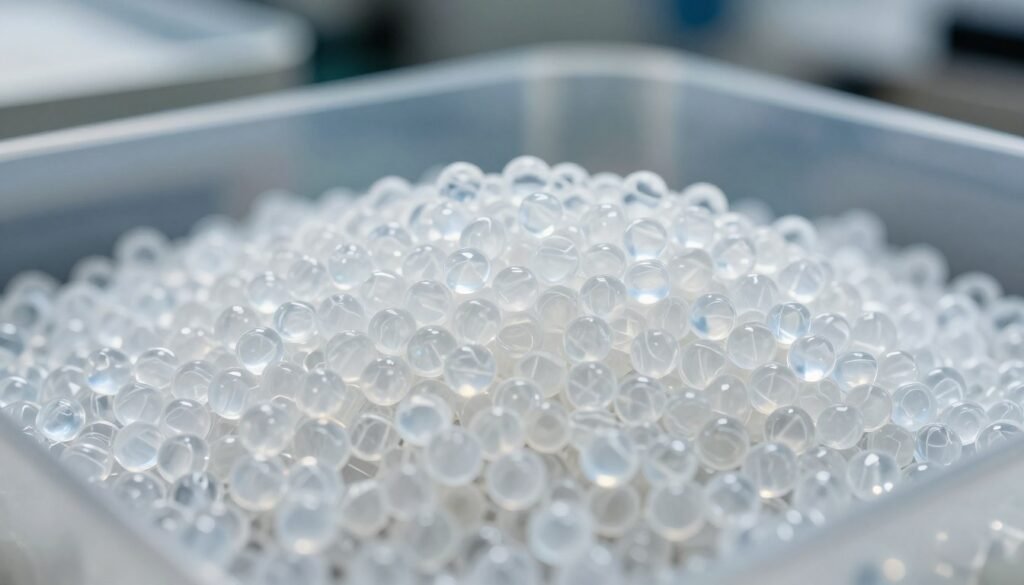
Selecting the right engineering plastic can make or break product performance. PC/ABS Alloy stands as one of the most versatile materials in modern manufacturing. This blend combines polycarbonate’s strength with ABS resin’s excellent processing characteristics.
Engineers face constant pressure to deliver products with superior mechanical properties while maintaining cost efficiency. The plastic alloy market offers numerous options. Understanding PC/ABS helps professionals make informed material choices.
This comprehensive guide explores everything about PC/ABS Alloy. You will discover its composition, properties, and real-world applications. The information provided helps technical decision-makers evaluate whether this engineering plastic meets their specific requirements.
PC/ABS Alloy represents a sophisticated plastic alloy that merges two distinct polymers. The material combines polycarbonate (PC) with acrylonitrile butadiene styrene (ABS). This engineering plastic delivers performance characteristics that neither component achieves alone.
Manufacturers create this abs alloy through melt blending processes. The polycarbonate component contributes exceptional heat resistance and dimensional stability. Meanwhile, the abs resin portion enhances processability and chemical resistance. The resulting material offers a balanced property profile.
The development of PC/ABS addresses specific industry challenges. Pure polycarbonate exhibits excellent strength but proves difficult to process. Standard abs plastic processes easily but lacks heat resistance. The polycarbonate abs combination solves both limitations simultaneously.
Composition and Formulation
Typical PC/ABS formulations contain 50-80% polycarbonate content. The remainder consists of abs resin and various additives. Compounders adjust ratios based on target performance characteristics. Higher polycarbonate content increases heat deflection temperature and impact strength.
Additives play crucial roles in final product performance. Flame retardant substances improve fire safety ratings. Stabilizers protect against UV degradation and heat. Lubricants enhance flow during injection molding. These components work together to create a versatile engineering plastic.
Manufacturing Process Overview
The production of PC/ABS involves several critical steps. Raw materials undergo drying to remove moisture content. Proper preparation prevents processing defects. Water absorption can compromise material properties during manufacturing.
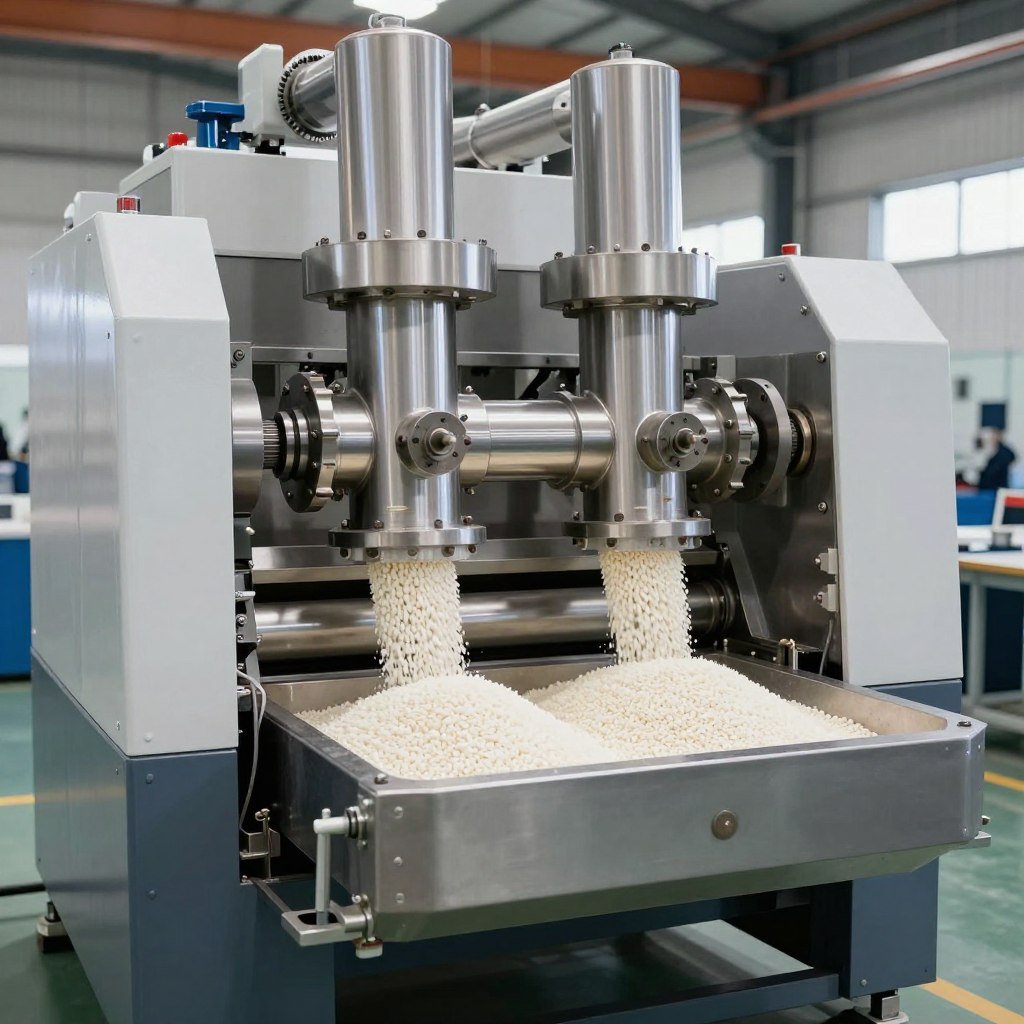
Twin-screw extruders mix the polymer blend at controlled temperatures. The compounding temperature typically ranges from 220°C to 280°C. Precise temperature control ensures uniform distribution. The molten plastic alloy then forms into pellets for distribution.
Why Choose PC/ABS Over Other Materials
The plastic alloy offers distinct advantages in product development. It combines strength with processability. The material costs less than pure polycarbonate while delivering comparable performance. This cost efficiency makes PC/ABS widely used across multiple industries.
Engineering plastic selection involves balancing multiple factors. PC/ABS excels in applications requiring good dimensional stability and heat resistance. The abs alloy maintains part integrity across temperature variations. Chemical resistance protects components in challenging environments.
Key Properties and Material Advantages of PC/ABS
Understanding mechanical properties helps engineers specify materials correctly. PC/ABS Alloy demonstrates exceptional performance across multiple testing parameters. The material properties position it as a premium engineering plastic for demanding applications.
Mechanical Properties
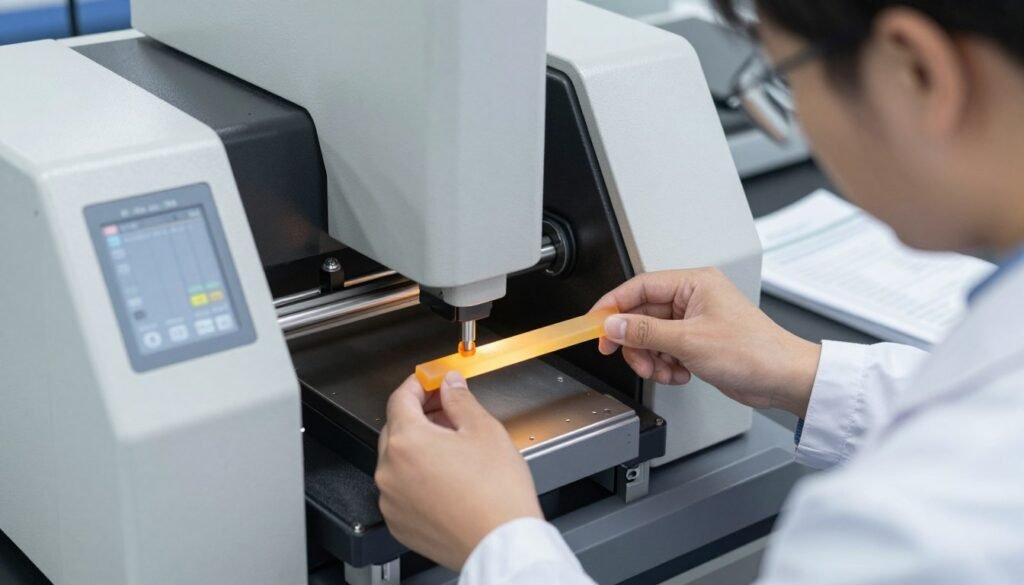
Impact strength stands as a defining characteristic of this plastic alloy. The material maintains excellent impact resistance even at low temperatures. Notched Izod impact values typically range from 400-800 J/m. This performance exceeds standard abs plastic significantly.
Tensile strength ranges from 40-60 MPa depending on formulation. The polycarbonate abs blend demonstrates good dimensional stability under load. Flexural modulus values reach 2000-2500 MPa. These mechanical properties support structural applications requiring rigidity.
| Property | Value | Test Method |
| Tensile Strength | 40-60 MPa | ISO 527 |
| Impact Strength (Notched Izod) | 400-800 J/m | ISO 180 |
| Flexural Modulus | 2000-2500 MPa | ISO 178 |
| Heat Deflection Temperature (1.8 MPa) | 100-115°C | ISO 75 |
| Elongation at Break | 50-100% | ISO 527 |
| Density | 1.10-1.18 g/cm³ | ISO 1183 |
Thermal Performance
Heat deflection temperature represents a critical specification for engineering plastics. PC/ABS maintains structural integrity at temperatures up to 110°C. The heat deflection temperature allows continuous use in moderately heated environments. This heat resistance exceeds pure abs resin capabilities.
The material demonstrates stable performance across wide temperature ranges. Glass transition temperature varies based on composition. Thermal expansion coefficients remain manageable for precision parts. These temperature properties make the abs alloy suitable for automotive interior components.
Chemical Resistance
The engineering plastic resists many common industrial substances. Chemical resistance includes tolerance to dilute acids, bases, and alcohols. The material maintains properties when exposed to oils and greases. This resistance protects product integrity in diverse environments.
However, certain substances affect PC/ABS adversely. Strong solvents like acetone can cause stress cracking. Prolonged exposure to UV radiation requires stabilizers. Understanding these limitations ensures proper material selection for specific conditions.
Electrical Properties
PC/ABS offers good electrical insulation characteristics. Dielectric strength typically exceeds 20 kV/mm. The material resists electrical tracking in normal conditions. These properties support applications in electronics housings and electrical components.
Need Help Selecting the Right PC/ABS Grade?
Our materials engineering team provides expert guidance on grade selection, property optimization, and application-specific formulations. Get personalized recommendations based on your performance requirements.
Processing Advantages
The abs alloy processes more easily than pure polycarbonate. Injection molding cycle times remain shorter than PC alone. Lower processing temperatures reduce energy consumption. Mold shrinkage stays predictable at 0.5-0.7%.
The material flows well through complex mold geometries. Thin-wall molding becomes achievable with proper conditions. Surface finish quality meets high cosmetic standards. These processing characteristics reduce manufacturing costs while maintaining part quality.
Common Classifications and Modified Grades of PC/ABS Resin
The plastic alloy market offers numerous formulations tailored to specific needs. Manufacturers develop modified grades to address particular application requirements. Understanding these classifications helps engineers specify optimal materials for their products.
Standard General-Purpose Grades
General-purpose PC/ABS serves broad application needs. These abs resin formulations balance properties and cost. Standard grades contain 50-60% polycarbonate content. The material provides good impact strength and heat resistance for everyday applications.
Processing windows remain wide for general-purpose grades. The engineering plastic accommodates various molding conditions. Manufacturers stock these materials widely. Availability and competitive pricing make standard grades popular for consumer products.
Flame-Retardant Grades
Electronics applications often require flame-retardant materials. FR grades incorporate specialized flame retardant additives. These formulations meet UL 94 V-0 ratings at thin wall sections. Halogenated and halogen-free options exist based on environmental preferences.
Halogenated FR Systems
- Higher flame retardancy efficiency
- Lower loading levels required
- Cost-effective solutions
- Excellent electrical properties
- Proven track record in electronics
Halogen-Free FR Systems
- Environmentally preferred option
- Reduced smoke generation
- Lower toxicity during combustion
- Meeting RoHS requirements
- Growing market acceptance
High-Heat Grades
Applications requiring elevated temperature performance utilize high-heat grades. These formulations increase polycarbonate content to 70-80%. Heat deflection temperature reaches 115-120°C. The abs alloy maintains mechanical properties at sustained high temperatures.
Automotive under-hood components benefit from high-heat grades. The material withstands engine compartment temperatures. Good dimensional stability prevents warping during thermal cycling. These properties justify premium pricing for demanding thermal environments.
Structural Grades
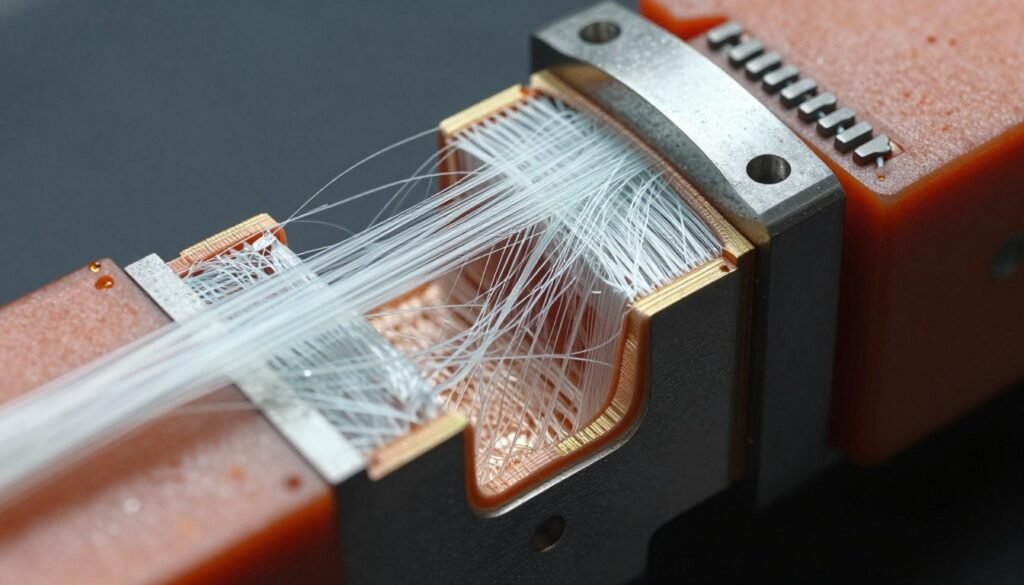
Structural applications demand enhanced mechanical properties. Reinforced grades incorporate glass fibers or minerals. Fiber loading typically ranges from 10-30% by weight. Impact strength and flexural modulus increase substantially.
The reinforced plastic alloy suits load-bearing components. Glass-filled versions improve creep resistance. However, fiber reinforcement affects surface finish. Applications must accept slight surface texture from fiber exposure.
Specialty Grades
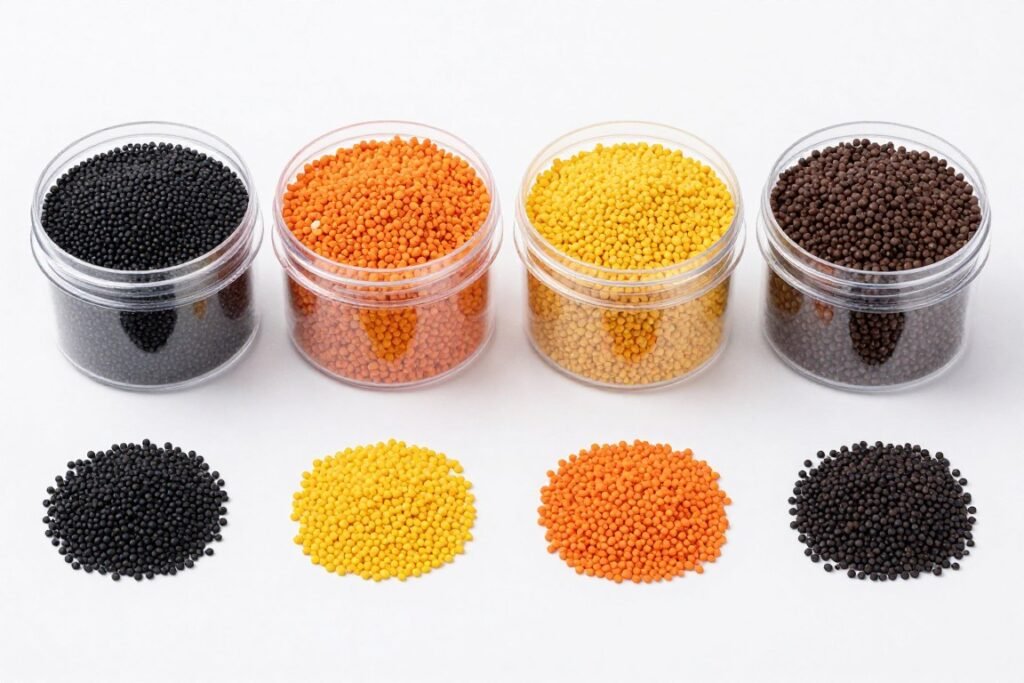
Niche applications drive development of specialty formulations. Weatherable grades contain UV stabilizers for outdoor use. Low-gloss versions eliminate surface shine for specific aesthetics. Colored compounds eliminate secondary painting operations.
Plating grades accept electroless metal deposition. Medical grades meet biocompatibility standards. Each specialty abs resin targets specific market segments. Performance optimization comes with higher material costs.
Grade Selection Criteria
Selecting appropriate material requires analyzing application requirements. Temperature exposure, mechanical loads, and environmental conditions guide choices. Regulatory compliance needs influence FR grade selection. Cost targets balance performance requirements.
- Operating temperature range
- Impact resistance requirements
- Dimensional precision needs
- Chemical exposure factors
- Flame retardancy ratings
- Surface finish expectations
Performance Priorities
- Injection molding equipment capabilities
- Part geometry complexity
- Wall thickness variations
- Cycle time objectives
- Mold temperature control
- Material drying facilities
Processing Considerations
- Material budget constraints
- Volume requirements
- Supply chain reliability
- Technical support availability
- Regulatory certification needs
- Long-term availability
Commercial Factors
Typical Applications of PC/ABS
The versatility of PC/ABS Alloy enables use across diverse industries. The engineering plastic appears in products ranging from automotive components to consumer electronics. Understanding these applications demonstrates the material’s broad capability.

Automotive Industry Applications
The automotive sector represents a major consumer of abs alloy materials. Interior components widely utilize PC/ABS for its balance of properties. Dashboard bezels, door handles, and center console parts leverage the material’s impact strength and heat resistance.
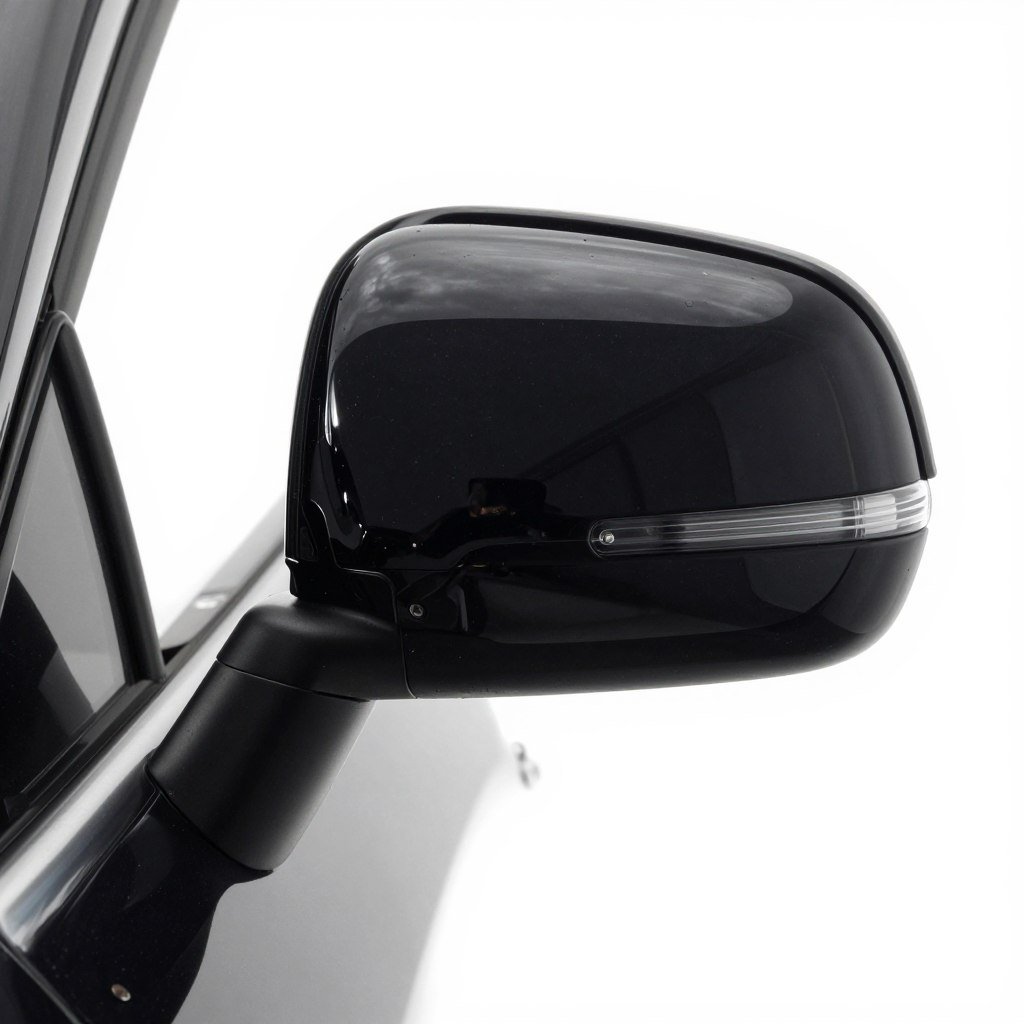
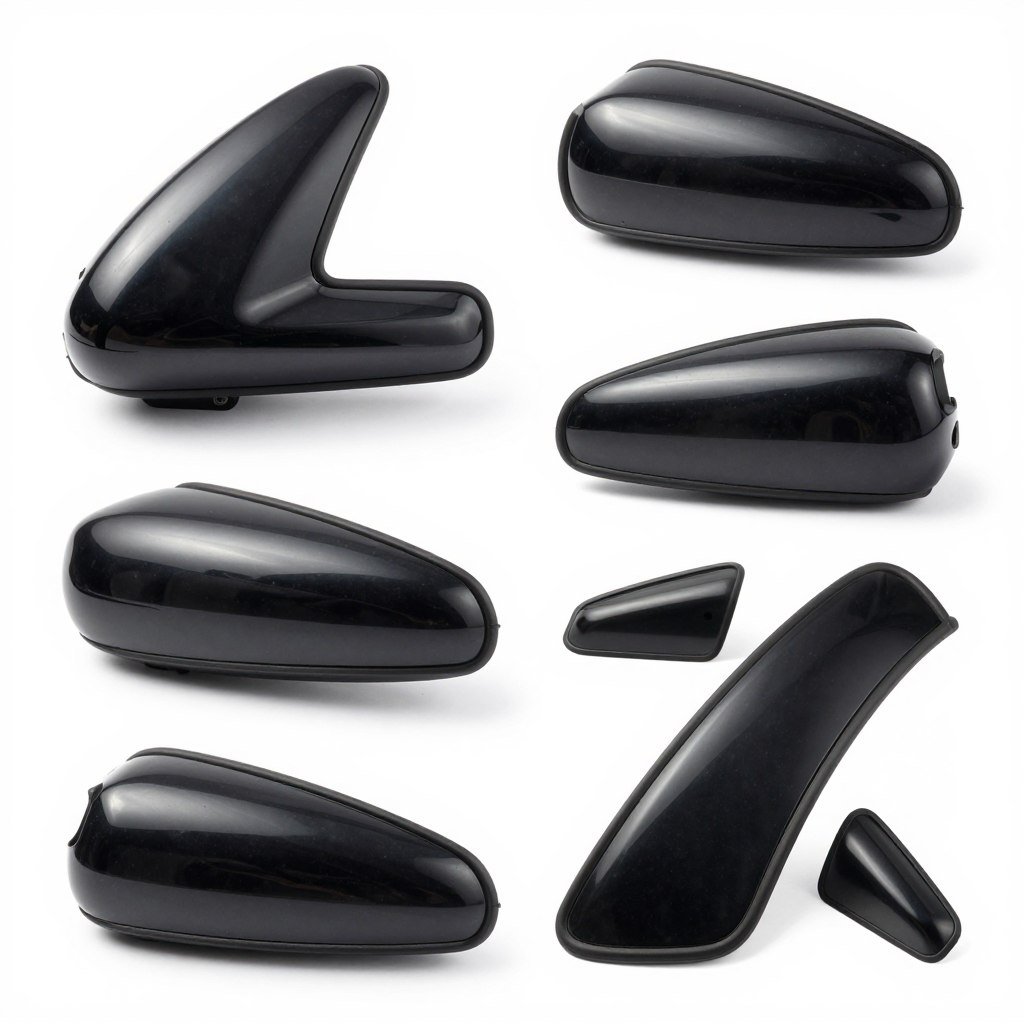
Exterior applications include mirror housings and trim components. The abs resin withstands temperature extremes in vehicle environments. Good dimensional stability prevents warping during summer heat exposure. UV-stabilized grades maintain appearance over vehicle lifetime.
Interior Components
- Instrument panel bezels
- Center console housings
- Door panel inserts
- Glove box assemblies
- Steering column covers
Exterior Components
- Mirror housings
- Pillar trim covers
- Bumper accents
- Grille components
- Body side moldings
Functional Parts
- Air vent assemblies
- Switch housings
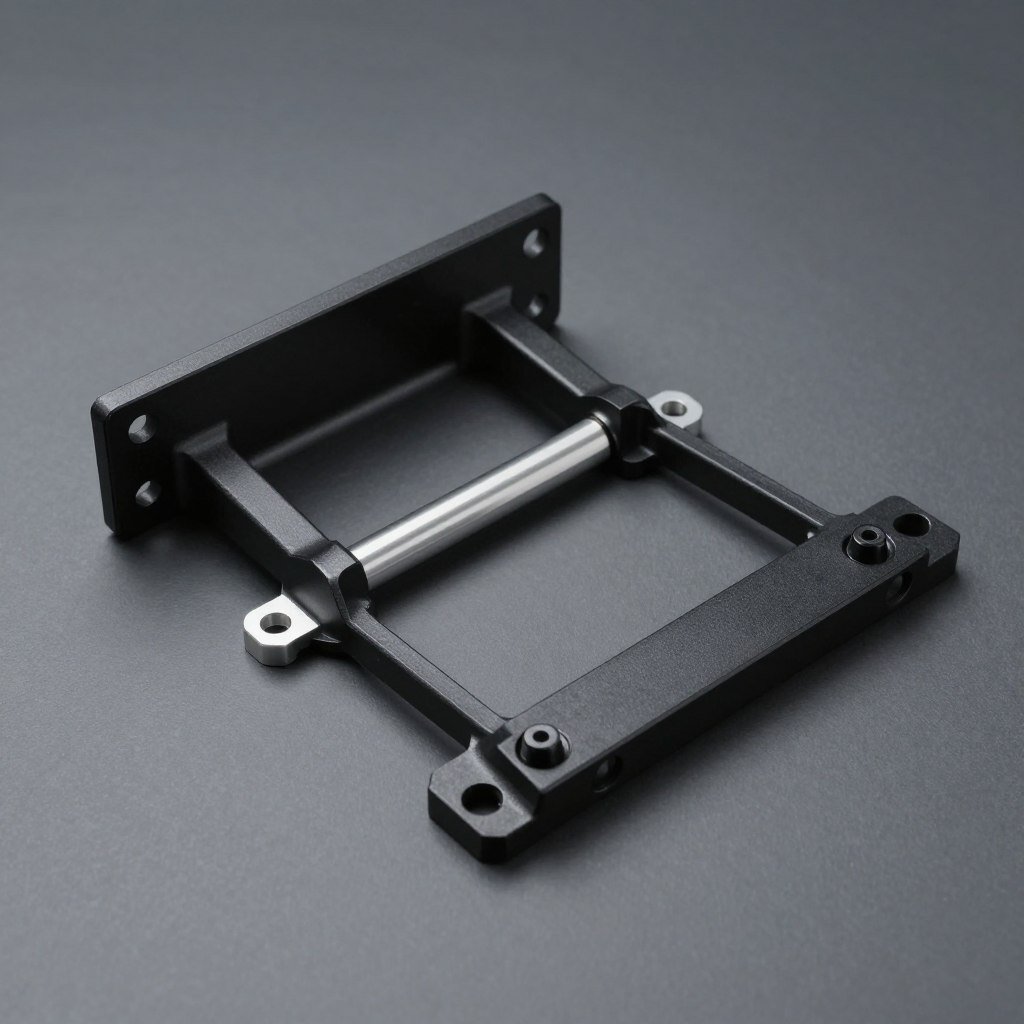
- Mounting brackets
- Cable management parts
- Sensor housings
Electronics and Telecommunications
Consumer electronics extensively employ PC/ABS for device housings. Laptop computer shells utilize the material for its strength and surface finish. The flame retardant properties meet safety standards for electrical products. Thin-wall molding capability enables sleek device designs.
Telecommunications equipment benefits from the engineering plastic’s electrical properties. Router housings, modem cases, and mounting brackets use PC/ABS. The chemical resistance protects components from environmental exposure. Good dimensional stability ensures proper fit of electronic assemblies.
Business Equipment
Office equipment manufacturers favor PC/ABS for durable components. Printer housings withstand repeated user interaction. The abs alloy maintains appearance despite handling wear. Copier panels and scanner covers utilize the material’s impact strength.
Point-of-sale terminals and cash register housings require robust materials. PC/ABS withstands commercial environment demands. The surface accepts labeling and decorative finishes. Cost-effectiveness supports high-volume production of business equipment.
Consumer Goods and Appliances
Household appliances incorporate PC/ABS in visible and functional components. Vacuum cleaner housings leverage impact strength for durability. Kitchen appliance panels resist heat exposure during operation. The material accepts various colors and surface textures.
Power tool housings utilize the abs resin for user protection. The material absorbs impact from drops and rough handling. Electric drill cases, sander housings, and garden tool components employ PC/ABS. Performance in demanding consumer applications proves material reliability.
Sporting Goods and Luggage
Luggage manufacturers select PC/ABS for hard-shell suitcase construction. The material combines lightweight properties with excellent impact resistance. Travelers benefit from durable luggage protecting belongings. The abs alloy resists scratches and dents during rough handling.
Sporting equipment uses the plastic alloy for protective gear. Helmet shells, protective padding housings, and equipment cases employ PC/ABS. The impact strength protects athletes during sports activities. Weather resistance maintains performance in outdoor environments.
Medical and Healthcare Equipment
Non-implant medical devices utilize certified PC/ABS grades. Diagnostic equipment housings require flame retardancy and chemical resistance. The material withstands repeated cleaning with disinfectants. Good dimensional stability ensures proper assembly of medical instruments.
Hospital furniture components and equipment carts use structural grades. The engineering plastic supports weight loads while remaining easy to clean. Aesthetic appearance requirements match well with PC/ABS surface quality. Regulatory compliance versions meet healthcare industry standards.
Injection Molding and Processing Guide for PC/ABS
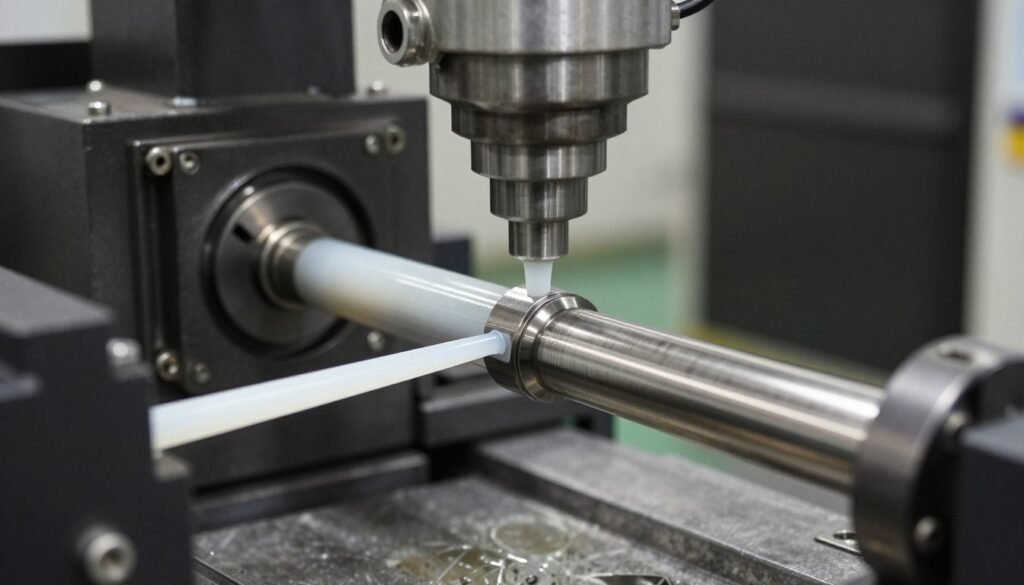
Successful injection molding requires understanding material-specific processing parameters. PC/ABS demands attention to temperature control, drying procedures, and mold design. Following proper processing guidelines ensures consistent part quality and optimal material performance.
Material Preparation and Drying
Proper drying stands as the most critical preprocessing step. PC/ABS absorbs moisture from air, causing processing defects. The abs resin component particularly requires thorough drying. Water content must remain below 0.02% for quality molding.
Drying temperature should range from 80-100°C. Drying time typically extends 3-4 hours minimum. Desiccant dryers provide better results than hot-air dryers. Material should transfer directly from dryer to molding machine to prevent moisture reabsorption.
Critical Processing Note: Never process PC/ABS without proper drying. Moisture causes surface defects, reduced mechanical properties, and poor dimensional stability. Investment in quality drying equipment prevents costly quality issues.
Temperature Settings
Barrel temperature profiles require careful optimization. The plastic alloy processes at temperatures between 220-280°C. Temperature zones should increase gradually from hopper to nozzle. Proper heat distribution ensures consistent melt quality.
| Zone | Temperature Range | Purpose |
| Rear Zone | 220-240°C | Initial melting of pellets |
| Middle Zone | 240-260°C | Complete material homogenization |
| Front Zone | 250-270°C | Final melt temperature control |
| Nozzle | 260-280°C | Maintain flow into mold |
| Mold Temperature | 60-90°C | Surface finish and dimensional control |
Injection Parameters
Injection pressure requirements vary with part geometry. Typical injection pressures range from 80-140 MPa. Higher pressures accommodate thin-wall parts or complex geometries. The engineering plastic flows well at proper temperature settings.
Injection speed affects surface quality significantly. Moderate speeds prevent flow marks and weld lines. Too-fast injection creates surface defects. Optimizing injection speed balances fill time with cosmetic appearance.
Mold Design Considerations
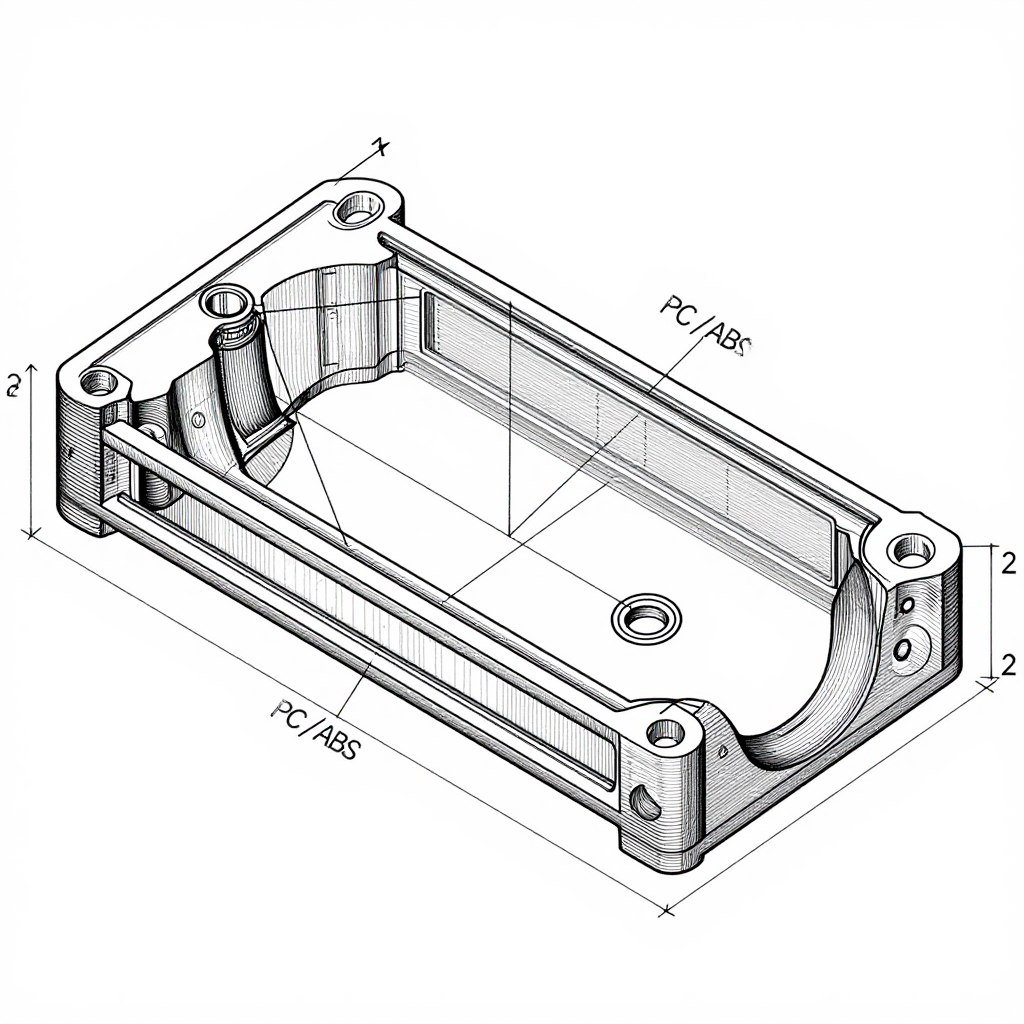
Gate design influences part quality substantially. Gate location should facilitate balanced filling. Gate size must accommodate material viscosity. Submarine gates work well for automated production. Hot runner systems reduce material waste.
Cooling channel design controls cycle time and quality. Uniform cooling prevents warpage and dimensional variations. The abs alloy benefits from consistent mold temperature. Coolant temperature typically stays at 60-80°C for optimal results.
Essential Mold Features
- Adequate venting to prevent gas traps
- Polished cavity surfaces for appearance
- Draft angles of 1-3 degrees minimum
- Rounded corners to reduce stress concentration
- Proper ejection system for clean part removal
- Temperature control channels near surfaces
Processing Troubleshooting
Common processing defects have identifiable causes and solutions. Surface defects often trace back to moisture or temperature issues. Dimensional problems typically result from cooling or pressure settings. Understanding defect mechanisms enables quick corrections.
Optimal Processing Results
- Excellent surface gloss and finish
- Tight dimensional tolerances achieved
- Minimal internal stress
- Consistent mechanical properties
- Good weld line strength
- Fast cycle times maintained
Common Processing Defects
- Silver streaks from moisture
- Flow marks from temperature variations
- Sink marks from insufficient packing
- Warpage from uneven cooling
- Short shots from low injection speed
- Flash from excessive injection pressure
Post-Molding Operations
Some applications require secondary operations on molded parts. The plastic alloy accepts various finishing processes. Painting, printing, and hot stamping enhance aesthetic appearance. Ultrasonic welding joins multiple components effectively.
Annealing relieves internal stresses from molding. Heat treatment at 80-100°C for 2-4 hours stabilizes dimensions. This process particularly benefits tight-tolerance parts. Post-molding treatments expand design possibilities for products.
Facing Injection Molding Challenges with PC/ABS?
Our processing engineers provide on-site support, troubleshooting assistance, and optimization services. Reduce scrap rates, improve cycle times, and enhance part quality with expert guidance.
FAQ: Frequently Asked Questions About PC/ABS
What does PC-ABS mean?
PC-ABS represents a plastic alloy combining polycarbonate (PC) with acrylonitrile butadiene styrene (ABS). The designation identifies a two-component engineering plastic created through melt blending. Polycarbonate provides heat resistance and impact strength. ABS resin contributes processing ease and chemical resistance.
The hyphenated term distinguishes this abs alloy from pure materials. PC-ABS offers properties intermediate between its components. Material scientists developed this combination to balance performance with processability. The engineering plastic serves applications requiring both strength and moldability.
Is PC-ABS stronger than ABS?
Yes, PC-ABS demonstrates superior strength compared to standard ABS plastic. The polycarbonate component significantly increases impact strength. Tensile strength values for PC-ABS reach 40-60 MPa versus 30-45 MPa for ABS. Impact resistance improves by 200-300% over abs resin alone.
Heat resistance also exceeds pure ABS performance. The heat deflection temperature of PC-ABS reaches 100-115°C compared to 80-95°C for ABS. This difference enables applications in higher-temperature environments. The engineering plastic maintains mechanical properties where abs plastic would fail.
However, strength comparisons depend on specific grades. Reinforced ABS formulations may match some PC-ABS properties. Application requirements should guide material selection. Cost considerations also influence the choice between materials.
Is PC-ABS good for luggage?
PC-ABS performs excellently in luggage applications. The abs alloy combines lightweight characteristics with exceptional impact resistance. Hard-shell suitcases benefit from the material’s ability to withstand rough handling. Airport baggage systems test luggage durability severely.
The engineering plastic resists scratches and dents better than many alternatives. Surface finish maintains appearance over extended use. Chemical resistance protects against spills and cleaning agents. Good dimensional stability prevents warping from temperature changes during cargo transport.
Many premium luggage manufacturers specify PC-ABS for quality products. The material offers better value than pure polycarbonate while exceeding abs plastic performance. Travelers appreciate luggage that protects belongings while remaining lightweight. The plastic alloy delivers this balance effectively.
Processing advantages enable complex luggage designs. Manufacturers create innovative shapes with integrated features. Thin-wall molding reduces weight without sacrificing strength. These factors make PC-ABS widely used in modern luggage construction.
Is PC-ABS better than aluminium?
Comparing PC-ABS with aluminium requires examining multiple factors. Each material excels in different aspects. The engineering plastic offers advantages in weight, corrosion resistance, and design flexibility. Aluminium provides superior heat conductivity and perceived premium quality.
Weight comparison favors PC-ABS significantly. The plastic alloy density ranges from 1.10-1.18 g/cm³ versus 2.70 g/cm³ for aluminium. This difference enables lighter products with comparable strength. Transportation products particularly benefit from weight reduction.
Corrosion resistance gives PC-ABS distinct advantages. The abs resin never rusts or oxidizes like metals. Coastal environments or chemical exposure favor plastic materials. Maintenance requirements remain lower over product lifetime.
| Property | PC-ABS | Aluminium |
| Weight | Lighter (40% less) | Heavier |
| Corrosion Resistance | Excellent | Requires treatment |
| Design Flexibility | High (complex shapes) | Limited |
| Production Cost | Lower tooling | Higher manufacturing |
| Heat Conductivity | Low | Excellent |
| Perceived Quality | Good | Premium |
Manufacturing economics often favor PC-ABS for high-volume production. Injection molding offers faster cycle times than metal forming. Tooling costs remain lower for plastic parts. Complex geometries integrate multiple functions in single parts.
However, aluminium suits specific applications better. Heat dissipation requirements favor metal materials. Premium market positioning may justify aluminium’s higher cost. The material choice depends on application priorities and market positioning strategy.
Still have questions about PC/ABS for your application?
+65 1234 5678Speak directly with our materials engineers
Conclusion
PC/ABS Alloy stands as a versatile engineering plastic serving diverse manufacturing needs. The material combines polycarbonate strength with ABS processability. This balance creates opportunities across automotive, electronics, consumer goods, and industrial applications.
Understanding material properties enables informed selection decisions. Mechanical strength, heat resistance, and chemical stability position the abs alloy competitively. Processing characteristics support efficient manufacturing with quality results. Cost-effectiveness makes PC/ABS widely used in commercial products.
Grade selection requires matching material capabilities with application demands. Flame retardant formulations meet electronics safety standards. High-heat versions serve automotive thermal environments. Structural grades deliver enhanced mechanical performance. Each specialized abs resin addresses specific market requirements.
Successful injection molding depends on proper processing practices. Material drying, temperature control, and mold design determine part quality. Following established guidelines prevents defects and optimizes production efficiency. Technical support from material suppliers helps manufacturers achieve optimal results.
The plastic alloy continues evolving with new formulations and applications. Sustainability concerns drive development of recycled content versions. Performance enhancements expand material capabilities. PC/ABS remains relevant in modern engineering plastic applications through continuous innovation.
Engineers and product designers benefit from comprehensive material knowledge. The information provided supports confident material selection and processing decisions. PC/ABS offers proven performance across multiple industries. Its combination of properties, processability, and cost positions the engineering plastic for continued widespread adoption.
